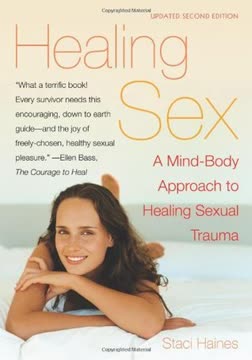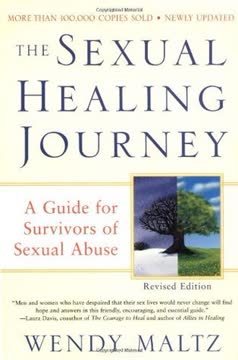
Key Takeaways
1. Acknowledge the Sexual Impact of Abuse
Sexual abuse does cause sexual harm.
Recognize the hidden harm. Many survivors, even those who have acknowledged their abuse, remain unaware of its specific, often subconscious, impact on their sexuality. This "knees and head" approach to sexual concerns, where the real hurt is unmentionable, prevents direct healing. The book emphasizes that sexual abuse is not merely an event that ended, but a profound trauma that can affect how we feel about our bodies, our gender, our thoughts about sex, and our ability to experience intimacy.
Identify common symptoms. Sexual abuse creates specific problems that often don't resolve on their own. Recognizing these symptoms is the first step toward healing. Common issues include:
- Avoiding, fearing, or lacking interest in sex.
- Experiencing negative feelings (anger, disgust, guilt) with touch.
- Difficulty with arousal or sensation.
- Feeling emotionally distant or not present during sex.
- Intrusive or disturbing sexual thoughts and images.
- Compulsive or inappropriate sexual behaviors.
- Difficulty establishing or maintaining intimate relationships.
Uncover the root cause. By identifying these sexual symptoms, survivors can connect their current struggles to the original abuse, saving years of confusion and misguided therapy. This awareness, though often painful, provides the motivation to change and empowers individuals to address the real source of their trouble, transforming pain into a doorway for healing.
2. Reclaim Your Sexuality for Yourself
Living well will be my best revenge.
Take back control. Realizing the pervasive influence of past abuse can feel like being a "marionette puppet" controlled by a hidden puppeteer. Reclaiming your sexuality means bringing it under your own control, free from the offender's influence, and primarily for your own pleasure and satisfaction. This decision is life-affirming, reflecting a natural urge to liberate oneself from past constriction and live more fully.
Address underlying fears. The journey to reclaim sexuality often stirs up fears, which are natural responses to change. These fears can include:
- Having to be more sexually active or give up pleasurable (though harmful) behaviors.
- Failing in the attempt or jeopardizing current relationships.
- Being re-victimized or experiencing further traumatic memories.
By identifying and confronting these fears, survivors can lessen their power and transform them into signposts guiding the healing process.
Set realistic, personal goals. Overcoming the profound harm of sexual abuse requires setting specific, non-threatening goals, rather than broad, overwhelming ones. These goals should be for yourself, not to satisfy a partner or meet external expectations. This self-centered approach ensures that healing is driven by intrinsic desire, preventing the process from feeling like another form of obligation or abuse.
3. Redefine Sex Beyond Abuse
If sex isn’t sexual abuse, then what is it?
Challenge the "sexual abuse mind-set." Many survivors' understanding of sex is contaminated by their abusive experiences, leading to a "sexual abuse mind-set" where sex is seen as bad, dangerous, or a tool for control. This distorted view cripples healthy sexual enjoyment and intimacy, often reinforced by cultural portrayals of sex as domination or exploitation.
Dismantle false ideas about sex:
- Sex is uncontrollable: Abuse teaches that sexual energy is impulsive and insatiable, leading to fear or compulsive acting out. Healthy sex is controllable, fulfilling, and has limits.
- Sex is hurtful: Abuse inflicts physical and emotional pain, making survivors believe all sex is damaging. Healthy sex is nurturing, safe, and expresses caring.
- Sex is a commodity: Abuse teaches sex can be exchanged for attention, love, or security. Healthy sex is an expression of self-love and shared intimacy, not a transaction.
- Sex is secretive: Abuse thrives on silence and shame. Healthy sex is private but can be openly discussed, fostering communication and trust.
- Sex has no moral boundaries: Abuse disregards consequences and others' well-being. Healthy sex involves fairness, respect, and responsibility.
Embrace healthy sexual ideas. To heal, survivors must actively replace these damaging beliefs with a new understanding of sex as:
- A natural biological drive, controllable by choice.
- A powerful healing energy that creates love and connection.
- An integral part of life, connecting us to broader life force.
- Conscious and responsible, with ethical and health considerations.
- An expression of love, emerging from a caring relationship.
- Mutually desired, based on full consent and equality.
4. Rebuild Your Sexual Self-Concept
Abuse is something that is done to us. It is not who we are.
Overcome false self-labels. Sexual abuse can deeply damage a survivor's sexual self-concept, leading to false conclusions about their personal value. These damaging labels include:
- "I'm basically bad": Stemming from parental shaming, offender's accusations, or perceived pleasure during abuse. This fuels guilt and self-loathing.
- "I'm a sexual object": Resulting from being treated as a means to an end, leading to a loss of individual identity or a compulsion to sexually please others.
- "I'm damaged goods": Believing the abuse has rendered them sexually inadequate, inferior, or permanently scarred.
Affirm your intrinsic worth. To heal, survivors must realize these labels are projections of the offender's distorted thinking, not reflections of their true self. Your sexual worth is inherent and cannot be taken away. This involves:
- Befriending your inner child: Providing the comfort, validation, and protection you lacked during the abuse.
- Adopting a clean-slate philosophy: Releasing past negative self-images and actively creating a new, healthy self-concept daily.
- Finding your voice: Asserting your needs and feelings to affirm your existence and right to respect.
Embrace your gender and orientation. Sexual abuse can confuse feelings about one's gender (maleness/femaleness) or sexual orientation (lesbian, gay, straight, bisexual). Survivors may dislike their gender, feel different from peers, or question their orientation due to abuse-induced roles or arousal patterns. It's crucial to remember that sexual abuse is about cruelty and exploitation, not a true reflection of one's inherent sexual identity.
5. Master Automatic Reactions
At any time, some signal in the present can rubberband a survivor back to old trauma and pain.
Recognize trauma's echoes. Automatic reactions are ingrained feelings, thoughts, and sensations that echo past abuse, operating below conscious awareness. These can be triggered by seemingly innocuous cues, instantly contaminating present experiences with past trauma and making survivors feel confused, upset, and out of control.
Identify types of reactions:
- Emotional responses: Fear, panic, terror, anger, shame, disgust, emotional numbness.
- Physical sensations: Nausea, pain, headaches, rapid heartbeat, adrenaline rushes, unwanted arousal, physical numbness.
- Intrusive thoughts: Abusive sexual fantasies, confusing partners with offenders, reliving past abuse.
These reactions are often linked in chains, turning pleasant experiences into nightmares or driving self-damaging behaviors.
Understand their origin. Automatic reactions are coping mechanisms developed during abuse to endure overwhelming stress, pain, or confusion. Victims may have learned to numb, dissociate, or even "go along with" the abuse to survive. While protective then, these responses now hinder healthy sexuality. Triggers can be anything reminiscent of the abuse: an object, touch, smell, sound, or even a feeling.
Employ a four-step approach to regain control:
- STOP and become aware: Acknowledge the reaction and identify potential triggers.
- CALM yourself: Use breathing and relaxation techniques to regulate physiological responses.
- AFFIRM your present reality: Remind yourself that the abuse is over, you are safe, and you are in control.
- CHOOSE a new response: Remove yourself from the trigger, alter it (e.g., change a fantasy), approach it slowly, or accept and process the reaction in a safe setting.
6. Transform Harmful Sexual Behaviors
My dysfunctional sexual behaviors make sense given the abuse. They helped me cope and expressed my pain. I honor them even as I acknowledge outgrowing them and cast them aside.
Identify abuse-related patterns. Sexual abuse can lock survivors into familiar, yet harmful, sexual habits that unconsciously replay or mirror the original trauma. These behaviors, though damaging, may fulfill emotional needs, provide temporary pleasure, or offer stress relief, making them difficult to abandon. Examples include:
- Avoiding or withdrawing from sex.
- Faking sexual enjoyment or having unwanted sex.
- Combining sex with emotional/physical abuse.
- Having sex when not fully alert.
- Habitually using abusive pornography or fantasies.
- Engaging in compulsive masturbation or promiscuous sex.
- Having sex outside a primary relationship or acting in sexually demanding ways.
Break free from the cycle. These behaviors perpetuate the "sexual abuse mind-set" and negative self-concepts, hindering genuine intimacy. Stopping them requires conscious commitment, courage, and a willingness to face new vulnerabilities. It means understanding that these behaviors were coping mechanisms, but are no longer serving you.
Implement strategies for change:
- Get clear on why you want to stop: Document the harm these behaviors cause to yourself and others.
- Seek support: Individual counseling, therapy groups, or 12-step programs are often essential.
- Develop a realistic approach: Nurture self-compassion, expect the process to take time, and be prepared for setbacks.
- Learn relapse prevention: Identify triggers and develop healthy alternatives to satisfy underlying needs.
By actively transforming these behaviors, survivors reclaim their power and integrity, paving the way for authentic sexual expression.
7. Embrace a Healing Vacation from Sex
My first relationship has to be the one I have with myself.
Create a space for healing. The emotional wounds of sexual abuse need time to heal, much like physical wounds. A "healing vacation from sex" provides a crucial period of abstinence from sexual activity, allowing survivors to process feelings, tune into their own being, and develop a new, healthy orientation toward sex, free from pressure and demands. This break frees emotional energy previously consumed by sexual anxiety or compulsion.
Design your personalized vacation. The duration and scope of a sexual vacation are flexible, ranging from several weeks to a year or more, depending on individual needs. Options include:
- Refraining from all sexual activity and intimate touch.
- Allowing non-genital intimate touch (kissing, hugging) but no genital stimulation.
- Allowing self-stimulation but no sex with others.
- Refraining from only specific types of sexual activities.
For survivors in committed relationships, partner cooperation is essential, requiring open communication about the purpose and boundaries of the vacation.
Reap profound benefits:
- Healing your sexual self: Reclaiming a lost "age of innocence," learning to feel physically safe, developing self-nurturing touch, and reconnecting with innate sexual drives.
- Resolving abuse-related issues: Allowing repressed memories and strong emotions (betrayal, anger, grief) to surface and be processed in a safe environment.
- Learning new approaches to relationships: Building friendships first, engaging in non-sexual courtship, and establishing relationships based on equality and mutual respect.
This period allows survivors to become their own nurturing, protective inner parent, capable of setting limits out of self-love and respect.
8. Heal as a Team with Your Partner
Healing with my partner has been one of the hardest things I’ve ever done.
Navigate the crisis together. Sexual abuse creates a crisis in intimacy, affecting both the survivor (primary victim) and the partner (secondary victim). This crisis, though challenging, offers an opportunity for profound growth. A mutual healing strategy is essential, with both individuals working on personal issues and collaborating on relationship problems.
Accept the reality and cope with emotions. Disclosure of abuse can shock partners, triggering their own fears, anger, or sense of betrayal. Partners must accept the reality of the abuse and understand that the survivor's past pain is not their fault. Both need to cope with heightened emotions, finding healthy ways to express feelings without blaming. Partners may experience feelings of powerlessness, needing to adjust to a supportive, non-demanding role.
Collaborate on key healing areas:
- Resolve abuse-related feelings: Partners create a safe space for survivors to talk freely about the abuse, family dynamics, and feelings toward the offender.
- Develop new sexual attitudes: Together, challenge abusive mind-sets and embrace healthy models for sex, using resources like books and workshops.
- Handle automatic reactions: Identify triggers and plan strategies for coping with flashbacks or panic attacks, with the partner offering support and reassurance.
- Relearn touch: Partners actively participate in exercises, respecting boundaries and fostering a sense of safety and control for the survivor.
Build trust and open communication. Communication is the cornerstone of healing together, countering the secrecy and shame of abuse. Partners must listen actively, without judgment, and survivors must share their progress and needs. This mutual effort strengthens emotional intimacy, allowing both individuals to grow and transform their relationship into a deeper, more resilient partnership.
9. Relearn Touch Gradually and Safely
To touch and be touched intimately means exposing my underside like the belly of a porcupine.
Rebuild a healthy touch continuum. Sexual abuse often distorts the experience of touch, associating it with pain, betrayal, or fear. Relearning touch involves building a new foundation of positive, non-sexual touch experiences, progressing gradually from less sexual to more sexual forms. The key is to feel safe and comfortable with non-sexual touch before moving to sexual pleasuring.
Master crucial skills for safe exploration:
- Relaxation and rest: Prioritize calming the body and mind before and during exercises, using techniques like deep breathing, muscle relaxation, and taking frequent breaks.
- Active awareness: Stay present and consciously tune into all sensations, thoughts, and emotions, without judgment, to maintain control and prevent dissociation.
- Creative problem solving: Adapt exercises to personal needs by shifting back to easier activities, bridging with interim steps (e.g., varying clothing), or inventing new methods to overcome blocks.
Engage in progressive exercises:
- Playful Touch: Sensory basket, hand clapping, drawing on body – to awaken senses and practice communication.
- Building Safety: Safe nest, safe embrace, hand-to-heart – to create secure environments and associate touch with positive feelings.
- Initiating and Guiding Contact: Magic pen, red light-green light – to develop control over touch initiation and cessation.
- Body Awareness: Shampooing hair, cleansing, reclaiming your body, getting to know your genitals – to increase ownership and positive feelings about one's body.
- Pleasuring: Body massage, genital pleasuring (alone and with partner) – to discover pleasurable sensations and build intimate connection.
These exercises, done at the survivor's pace and with partner cooperation, help replace old fears with new, enjoyable memories about touch.
10. Solve Specific Sexual Problems Systematically
Traditional sex therapy techniques for sexual dysfunctions may actually be harmful to survivors, unless they are well down the road to overall recovery from sexual abuse.
Identify the true cause. Sexual problems can stem from various sources, including medical conditions, psychological stress, or inadequate sex education, not solely from abuse. A medical evaluation and consultation with a certified sex therapist are crucial for accurate diagnosis, preventing misdirected healing efforts. Anxiety often exacerbates sexual problems, so reducing worry is a significant part of the solution.
Address common sexual problems with adapted techniques:
- Lack of Sexual Interest: Cultivate desire by practicing initiating/declining sex (to reduce pressure), engaging in non-sexual courtship, and prioritizing sensual experiences.
- Difficulty Becoming Aroused/Feeling Sensation: Overcome numbing through sensation retraining (pairing pleasurable areas with less sensitive ones), challenging negative beliefs about arousal, and using progressive genital awareness exercises.
- Difficulty Experiencing Orgasm: Explore self-stimulation, strengthen pelvic floor muscles (Kegels), challenge inhibiting beliefs (e.g., "orgasm is giving in"), and use bridging techniques to transfer self-pleasure to partner interaction.
- Difficulty Averting Orgasm (Premature/Rapid): Reduce anxiety, practice "stop-start" techniques, and treat early orgasm lightly, continuing with touch to build new associations.
- Difficulty with Intercourse (for women): Address pain (dyspareunia/vaginismus) by changing negative thoughts about penetration (e.g., "enveloping" instead of "penetrating"), using relaxation techniques, and progressively using vaginal dilators to desensitize and stretch vaginal muscles.
Adapt traditional sex therapy. Survivors require modified sex therapy techniques that prioritize safety, control, and gradual progression. These techniques, built on the foundation of relearning touch, help survivors reshape sexual responses, reduce anxiety, and build new, positive associations with sexual functioning, free from the trauma of abuse.
11. Cultivate Lasting Sexual Enjoyment
Sex is what you make it to be.
Embrace a "new normal." Sexual healing leads to profound changes in how sex is viewed and experienced, creating a "permanent vacation from abusive sex." Survivors gain awareness, choice, and control, transforming sex from a source of trepidation into a natural, healthy, and enjoyable part of life. Partners also experience significant positive shifts, learning to make love with their partner, not just to them.
Adjust to the realities of recovery. While deeply rewarding, healing brings adjustments. Survivors may miss old (though harmful) coping mechanisms or find that sex is now more influenced by emotions, potentially affecting frequency. It's crucial to:
- Accept that old feelings may resurface during stress, but now you have tools to manage them.
- Recognize that healthy sex requires ongoing communication and effort, which may feel cumbersome but is vital.
- Avoid comparing your healed sex life to an idealized "normal" one, as your journey has unique strengths.
Expand your comfort zone and pleasure. Once a comfort zone for sexual activity is established, survivors can gradually challenge themselves to explore new, non-abusive experiences. This involves:
- Trusting the progress made and taking calculated risks.
- Using learned skills (relaxation, awareness, communication) to navigate new activities.
- Exploring diverse forms of lovemaking—playful, passionate, spiritual—to prevent boredom and enhance aliveness.
- Learning to be receptive and surrender to pleasurable sensations, increasing movement and breath during lovemaking.
Allow partners more freedom. In later stages, survivors can gradually loosen their need for overt control, allowing partners more freedom to initiate and express sexual desires, provided safety and trust remain paramount. This fosters spontaneity and balance, enriching the shared sexual experience. The ultimate joy lies in creating a sexual life that is authentic, fulfilling, and a true expression of self-love and intimate connection.
Last updated:
Review Summary
The Sexual Healing Journey receives praise for its comprehensive approach to recovering from sexual abuse, with many reviewers calling it life-changing and an essential resource. Readers appreciate the exercises, techniques, and validation it provides. Common criticisms include outdated attitudes toward non-heteronormative sexuality, judgment of kink and sex work, and a heterocentric focus. Multiple reviewers warn the book can be emotionally intense and triggering, recommending it only for those ready to confront trauma, ideally with therapeutic support. Clinicians find it particularly valuable for working with survivors.
Similar Books