Plot Summary
Surgery and Shattered Ties
Ada, born with a clubfoot and raised in abuse, is on the eve of surgery that could change her life. Susan, her guardian, is by her side, but a letter brings devastating news: Ada's mother has died in a bombing. The loss is both a relief and a shock, leaving Ada and her brother Jamie orphaned. Ada's emotions are tangled—freedom from her mother's cruelty, but also a void where family should be. The war outside mirrors the war within her, as she faces the uncertainty of her future, the pain of her body, and the ache of not knowing what comes next. The chapter sets the tone of resilience and vulnerability, as Ada clings to Susan and Jamie, desperate for belonging.
Orphaned and Unmoored
With their mother gone, Ada and Jamie are technically orphans, and Ada fears being sent to an orphanage. Susan reassures her, but Ada's trust is fragile. The bureaucracy of war and loss looms—arrangements, funerals, legal guardianship. Ada's sense of identity is shaken; she is no longer anyone's daughter, and she questions what it means to feel nothing. Jamie grieves openly, but Ada is numb, haunted by the idea that she should feel more. Susan's gentle presence is a lifeline, but Ada's fear of abandonment persists, and the chapter explores the psychological toll of trauma and the longing for security.
Fears of Abandonment
Trapped in a hospital bed, Ada's anxiety grows. She worries about losing Susan, Butter the pony, and even Jamie. The threat of being sent away, of losing the fragile family she's found, is ever-present. Misunderstandings about "arrangements" and "funerals" deepen her panic. When Susan clarifies that Ada and Jamie will stay with her, Ada's relief is overwhelming, but the scars of neglect and fear linger. The chapter highlights Ada's struggle to trust in love and stability, and her journey toward accepting care.
A New Home, A New Foot
Ada's surgery is successful, and she begins to heal physically and emotionally. She learns to walk on her new foot, a transformation that brings both joy and sorrow—so much pain could have been avoided if her mother had sought help sooner. Susan, Jamie, and Ada move into a cottage on Lady Thorton's estate, a place that is both a refuge and a reminder of their dependence on others' charity. Ada's gratitude is complicated by pride and the lingering sense of being an outsider. The chapter is suffused with hope, as Ada takes her first steps toward a new life.
Mapping the Unknown
The family travels to their new home, navigating both literal and metaphorical maps. Susan draws Ada a map of England, marking dragons at the edges—symbols of the unknown and the dangers that still lurk. The cottage is larger than expected, but cold and empty. Ada's longing for Butter, her pony, is palpable, and the absence of familiar comforts is keenly felt. The chapter explores the tension between safety and displacement, and the courage required to start over.
Butter and Belonging
Ada is reunited with Butter, her beloved pony, and with Fred, the groom who taught her to ride. The stable is a place of belonging, where Ada is needed and valued. She reconnects with Stephen, her first friend, who brings news of loss—his family killed in the bombings. The war's reach is personal and devastating. Ada's ability to ride astride, to move freely, is a symbol of her growing strength. The chapter is a meditation on grief, friendship, and the healing power of animals and work.
Losses and Goodbyes
The village is marked by loss—dead pilots, dead friends, dead mothers. Christmas approaches, and the absence of loved ones is keenly felt. Ada, Jamie, and Susan navigate the rituals of mourning, wearing black armbands and struggling to find meaning in loss. Maggie, Ada's best friend, returns, bringing warmth and the promise of celebration. The chapter is a tapestry of sorrow and resilience, as the characters find ways to honor the dead and support the living.
Gloom, Grief, and Growth
The cottage is gloomy, and the war makes everything harder—rationing, shortages, uncertainty. Ada throws herself into chores, desperate to be useful and to stave off the fear of being unwanted. Susan encourages her to focus on learning, on fractions and reading, but Ada's mind is restless. The arrival of Maggie brings light, but also the reminder that nothing is permanent. The chapter explores the slow, uneven process of healing, and the importance of small acts of kindness and routine.
Jamie's Fall, Ada's Fear
Jamie falls from a tree and breaks his arm, triggering Ada's deepest fears of loss and helplessness. The emergency brings Lady Thorton and Susan together, and Ada is forced to confront her need to be the caretaker. Susan insists that Ada allow herself to be cared for, to be a child rather than a guardian. The incident is a turning point, as Ada begins to accept that safety does not always depend on her vigilance. The chapter is charged with anxiety, relief, and the slow building of trust.
Learning to Be Cared For
Ada struggles with the idea that she is no longer responsible for Jamie's well-being. Susan's steady presence and practical care help Ada begin to relinquish control. The family celebrates Christmas, exchanging gifts that are both meaningful and fraught—Ada receives a doll she cannot accept, a symbol of the childhood she never had. The Thortons host a Christmas dinner, and Ada is both awed and uncomfortable in their world. The chapter is about learning to accept love, even when it feels unfamiliar or undeserved.
Christmas and Complicated Gifts
Christmas is a time of both joy and pain. Ada's knitted gifts are tokens of her effort to belong, but she is acutely aware of the differences between herself and the Thortons. Susan seeks work to support the family, revealing her own hidden strengths. The exchange of gifts—shoes, a dictionary, a sewing machine—are laden with meaning, representing hope, knowledge, and the tools for building a future. The chapter explores the complexities of gratitude, pride, and the shifting dynamics of family.
Chasing Courage
Ada participates in a paper chase, a mock hunt that tests her riding skills and her courage. She falls but gets back up, cheered on by Jonathan Thorton, Maggie's brother. The experience is exhilarating and affirming—Ada is no longer the crippled girl, but a rider, a friend, a participant in life. Susan's gift of Butter, the pony, is a profound act of trust and love. Ada's sense of self is transformed, and she begins to imagine a future where she is not defined by her past.
Guardianship and Gifts
Susan becomes Ada and Jamie's legal guardian, solidifying their place in her life. The concept of guardianship is explored—what it means to be protected, to be someone's ward, to be safe. Ada grapples with the idea of being guarded rather than guarding, and the psychological shift is profound. The chapter is about the slow, sometimes painful process of accepting love and security, and the ways in which legal and emotional bonds intertwine.
Fire-Watching and Facing Fears
Ada joins the village fire-watch, climbing the church steeple to look for enemy bombers. The experience is terrifying, triggering memories of being trapped and helpless. Lady Thorton is her partner, and their relationship is tested and deepened by the shared ordeal. The chapter is a meditation on fear—how it can be both paralyzing and motivating, and how facing it, even imperfectly, is an act of courage.
Memories and Memorials
The village is full of memorials—gravestones, ceremonies, rituals of mourning. Ada learns about funerals, cremation, and the ways people honor their dead. She reflects on Becky, Susan's lost friend, and the importance of memory. The chapter is about the need to acknowledge loss, to create spaces for grief, and to find meaning in remembrance.
Lady Thorton Moves In
Lady Thorton is forced to leave her grand house and moves in with Susan, Ada, and Jamie. The collision of classes, personalities, and expectations creates tension and discomfort. Lady Thorton's presence changes the dynamic of the household, and Ada struggles to maintain her sense of self. The chapter explores the challenges of sharing space, the negotiation of boundaries, and the ways in which war upends social hierarchies.
Ruth: The Enemy Within
Ruth, a Jewish refugee from Germany, arrives to be tutored by Susan. Her presence is met with suspicion and hostility, especially from Lady Thorton. Ada is wary, but gradually comes to see Ruth as a person, not an enemy. The chapter delves into the complexities of identity, the pain of displacement, and the slow building of trust across divides.
Prejudice and New Bonds
Ruth's struggle to fit in is mirrored by Ada's own outsider status. The two girls clash, but also find common ground in their love of horses and their shared experiences of loss. Lady Thorton's prejudice is challenged by Ruth's competence and kindness, especially when Ruth saves Oban, Jonathan's horse, from colic. The chapter is about the breaking down of barriers and the forging of new bonds.
Faith, Food, and Friction
The household navigates the complexities of faith—Christianity, Judaism, and the absence of belief. Food is a source of both comfort and conflict, as rationing and dietary restrictions collide. The characters learn to accommodate each other's needs, and small acts of kindness become lifelines. The chapter is a study in coexistence, compromise, and the ways in which daily life is shaped by difference.
Small Kindnesses
The war grinds on, and the characters find solace in small kindnesses—sharing food, teaching skills, offering comfort. Ruth is allowed to ride Butter, and her joy is infectious. Ada learns to loosen her grip on control, to share what she loves, and to accept help. The chapter is about the cumulative power of small, everyday acts of care.
Shifting Loyalties
The children join the potato harvest, working alongside Land Girls and villagers. The labor is grueling but rewarding, and Ada takes pride in earning her own money and food. The experience is transformative, teaching her the value of work, the dignity of contribution, and the importance of interdependence. The chapter is a celebration of resilience and the forging of community through shared effort.
Dragons, Fairy Tales, and Truths
Ada's education expands to include fairy tales, mythology, and the boundaries between real and imaginary. She grapples with the difference between ignorance and stupidity, and learns to value her own intelligence. The chapter is about the power of stories to shape identity, the importance of asking questions, and the journey from shame to self-acceptance.
Potato Fields and Hard Work
The potato harvest is a test of endurance, and Ada rises to the challenge. The work is exhausting, but the rewards—food, money, and a sense of accomplishment—are profound. The chapter is a meditation on the value of hard work, the satisfaction of earning one's keep, and the ways in which adversity can build character.
Illness and Interdependence
Susan falls gravely ill with pneumonia, and Ada is forced to confront her deepest fears of loss and abandonment. Lady Thorton steps in to care for the family, revealing unexpected strengths and compassion. Ada's journey to London to be with Susan is a crucible of anxiety and hope. The chapter is about the fragility of life, the necessity of relying on others, and the ways in which crisis can reveal hidden reserves of love.
Loss, Forgiveness, and Family
The war brings more loss—Jonathan's death, Ruth's grandmother's death, the destruction of Ada's old home. The characters grieve, fight, and forgive. Ada learns to apologize, to accept imperfection, and to see the humanity in those she once resented. The story ends with a sense of hard-won peace: Ada, Jamie, Susan, and their extended family have survived, changed, and grown. The war is not over, but they have found a home in each other.
Characters
Ada Smith
Ada is the heart of the story—a girl shaped by abuse, neglect, and war, but also by fierce intelligence and determination. Her clubfoot, untreated for years, is both a physical and psychological wound. Ada's journey is one of learning to trust, to accept love, and to redefine her sense of self. She is fiercely protective of Jamie, wary of adults, and slow to believe in her own worth. Her relationship with Susan is transformative, as she moves from being a ward to being a daughter in all but name. Ada's development is marked by moments of courage, vulnerability, and the gradual healing of old scars.
Jamie Smith
Jamie is Ada's younger brother, a source of both comfort and anxiety. He is more open, more trusting, and more able to accept love than Ada. His attachment to Susan is immediate—he calls her "Mum"—and his resilience is remarkable. Jamie's journey is less about trauma and more about growth; he thrives in the safety of Susan's care, finds joy in animals, and becomes a symbol of hope and renewal. His relationship with Ada is central—she is his protector, but he also teaches her how to be loved.
Susan Smith
Susan is an unlikely hero—reserved, grieving the loss of her best friend Becky, and unprepared for motherhood. Yet she rises to the challenge, offering Ada and Jamie the stability, care, and love they have never known. Susan's own wounds—her strained relationship with her family, her grief for Becky—make her empathetic but also cautious. She is practical, intelligent, and quietly courageous. Her relationship with Ada is complex, moving from obligation to deep, mutual love. Susan's growth is in learning to accept her role as a mother, to fight for her wards, and to build a new family.
Lady Eleanor Thorton
Lady Thorton is initially a figure of authority and privilege—sharp, efficient, and often cold. Her prejudices, especially toward Ruth, are pronounced, and her sense of order is disrupted by war and loss. Yet beneath her iron exterior is a capacity for growth and compassion. The deaths of her son Jonathan and the upheaval of war force her to confront her own limitations. Her relationship with Ada shifts from condescension to respect, and she becomes a surprising source of support. Lady Thorton's journey is one of humility, adaptation, and the slow, painful process of opening her heart.
Maggie Thorton
Maggie is Ada's best friend and Lady Thorton's daughter. She is warm, adventurous, and open-minded, providing Ada with a model of what friendship and family can be. Maggie's own struggles—with grief, with her mother, with the constraints of her class—mirror Ada's in different ways. She is a source of joy and comfort, but also of challenge, pushing Ada to grow and to see herself as worthy of love. Maggie's development is in learning to assert herself, to grieve, and to build her own identity.
Ruth Schmidt
Ruth is a Jewish refugee from Germany, marked by loss, displacement, and suspicion. Her presence in the household is a catalyst for conflict and growth. Ruth is intelligent, reserved, and deeply wounded by the loss of her home and family. Her love of horses and her competence in crisis (saving Oban) earn her respect. Ruth's relationship with Ada evolves from suspicion to sisterhood; they recognize in each other the pain of being outsiders. Ruth's journey is about finding a place to belong, asserting her worth, and forging bonds across difference.
Fred Grimes
Fred is the groom at the Thorton stables, a practical, kind presence in Ada's life. He teaches her to ride, gives her work, and treats her with respect. Fred represents the stability and continuity of rural life, even in wartime. His acceptance of Ada is unconditional, and his wisdom is a quiet anchor for the children. Fred's role is less about change and more about providing a safe space for growth.
Jonathan Thorton
Jonathan is Maggie's brother, a pilot in the RAF, and a symbol of the war's cost. He is generous, encouraging Ada in her riding and treating her as an equal. His death is a devastating blow, shattering the Thorton family and leaving a void in the community. Jonathan's legacy is in the courage he inspires, the kindness he shows, and the reminder that war claims the best as well as the worst.
Stephen White
Stephen is Ada's first friend, a fellow evacuee from London. His family's death in the bombings is a stark reminder of the war's reach. Stephen's departure to join the merchant marines is both a loss and a testament to the resilience of the young. His friendship with Ada is foundational, teaching her about trust, loyalty, and the pain of separation.
Jamie's Cat, Bovril
Bovril, Jamie's cat, is a small but significant presence—a source of comfort, a link to the past, and a participant in the family's daily life. Bovril's survival and adaptation mirror the resilience of the children, and his antics provide moments of levity and normality.
Plot Devices
War as Catalyst for Change
The backdrop of World War II is not just setting but engine—forcing characters into new roles, new relationships, and new understandings of themselves. The war's disruptions—evacuation, loss, rationing, danger—strip away old certainties and create space for growth. The constant threat of violence and loss heightens every emotional beat, making small victories and acts of kindness all the more significant.
Foreshadowing and Symbolism
The recurring motifs of maps, dragons, and shoes serve as symbols of the unknown, the dangers faced, and the journey toward self-acceptance. The church steeple, the blackout, and the fire-watch are literal and metaphorical high points—places where fear and courage meet. The giving of Butter and Oban, the exchange of gifts, and the rituals of mourning are all laden with meaning, foreshadowing shifts in relationships and identity.
Parallel Narratives of Loss and Healing
The characters' stories—Ada's abuse, Ruth's displacement, Lady Thorton's grief, Susan's illness—are woven together, each reflecting and refracting the others. The parallel journeys of learning to trust, to forgive, and to belong create a tapestry of shared humanity. The narrative structure moves between moments of crisis and moments of calm, allowing for both tension and reflection.
Dialogue and Internal Monologue
The story is told largely through Ada's perspective, with rich internal monologue that reveals her fears, hopes, and gradual transformation. Dialogue is used to expose character, to create conflict, and to build intimacy. The interplay between what is said and what is felt is a key device, allowing the reader to experience the complexity of trauma and healing.
Community as Both Threat and Salvation
The village, the Thorton family, the household—each is a microcosm of society, with its own prejudices, hierarchies, and possibilities for connection. The process of becoming part of a community is fraught with obstacles, but ultimately it is the web of relationships that sustains the characters. The plot is driven by the tension between exclusion and inclusion, suspicion and trust.
Analysis
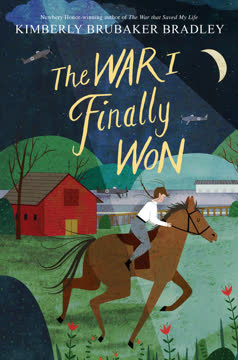
Kimberly Brubaker Bradley's The War I Finally Won is a profound exploration of trauma, resilience, and the search for belonging against the backdrop of World War II. At its core, the novel is about the slow, uneven process of healing—physical, emotional, and communal. Ada's journey from abused, isolated child to a young woman capable of love and trust is mirrored by the transformations of those around her: Susan's emergence as a mother, Lady Thorton's evolution from prejudice to empathy, Ruth's journey from enemy to sister. The war is both a crucible and a catalyst, stripping away old certainties and forcing characters to confront their deepest fears and desires. The novel's greatest strength lies in its psychological realism—the way it honors the complexity of grief, the persistence of fear, and the courage required to accept love. Through its nuanced characters, rich symbolism, and deft use of plot devices, the book offers a powerful meditation on what it means to be family, to forgive, and to find home in a world remade by loss. The ultimate lesson is one of hope: that even in the darkest times, kindness, courage, and connection can prevail.
Last updated:
Review Summary
The War I Finally Won is a beloved sequel that continues Ada's story during World War II. Readers praise the emotional depth, character development, and historical accuracy. The book explores themes of family, trust, and overcoming trauma. Many consider it even better than the first, with compelling new characters and a powerful narrative. Reviewers consistently mention being moved to tears by the poignant storytelling. The audiobook narration also receives high praise. Overall, it's described as a must-read, heartwarming middle-grade novel that resonates with readers of all ages.