

Key Takeaways
Give your upheaval a steady place to become music
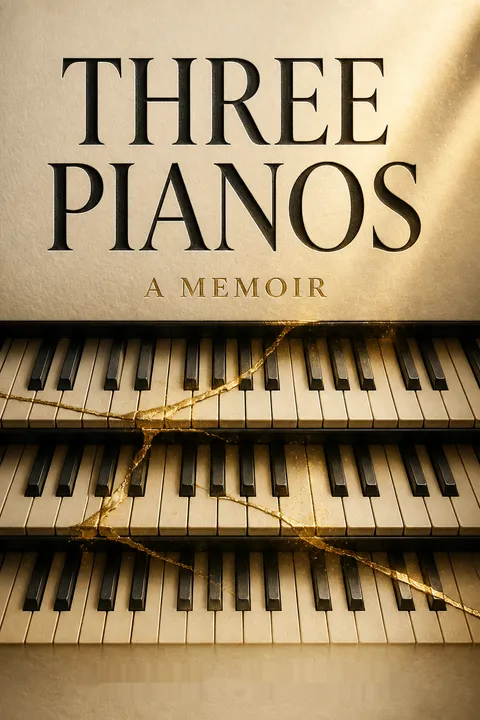
Three pianos, one witness. Across Andrew McMahon’s life of moves, changing bands, and illness, pianos offer a place to return. The first piano belonged to his mother. After his uncle Stuart died of cancer, McMahon, still a child, found chords and began writing songs at its keys. A touring upright later endured the rough stages of Something Corporate, while a baby grand accompanied a new band and the difficult years after leukemia. Each instrument marks a different chapter, but the act of returning to music connects them.
Creation gives feeling form. Music does not undo grief or family damage. It lets McMahon shape overwhelming experience into something he can hear, revisit, and share. The piano is more than a career tool: it is a steady companion in a life that rarely stays put.
What's striking is how a physical object can provide continuity when a person's surroundings keep changing. Psychologists describe this as an attachment to meaningful objects: familiar things can help stabilize identity during disruption. Here, the piano also enables expression, turning private feeling into a crafted form that other people can encounter. That is powerful, but art should not be mistaken for treatment. Making a song may help someone approach pain; it does not guarantee that the pain has been understood or resolved.
A child's silence can turn a parent's addiction into private duty
A secret changes the child. At eleven, McMahon overhears his parents discuss his father's dependence on prescription pain medication. For months, he keeps the knowledge to himself, watching his father nod off, disappear, and lose his job while the family continues its routines. Knowing what is happening does not give a child power to stop it. Instead, he becomes an unseen observer of danger, trying to make sense of adult behavior alone.
The effects spread outward. His sister develops panic attacks, his mother becomes overwhelmed, and McMahon drifts into trouble at school. He eventually helps persuade his mother to move with the children to California, while his father stays behind. The memoir shows addiction not as one person's private illness but as a force reorganizing a whole household, including the children who are not told what they are expected to carry.
This resembles what family therapists call parentification, when a child takes on emotional responsibility that belongs to adults. The child may look unusually perceptive or mature, but that competence can conceal fear and isolation. Addiction also produces uncertainty: family members monitor moods and routines because they cannot rely on direct, stable information. McMahon's story makes the cost of secrecy vivid. Still, not every family disclosure is safe or age-appropriate. The key distinction is between protecting children from adult details and leaving them alone to invent explanations for what they already see.
Make the new kid visible by giving people a song to gather around
Music becomes a social passport. McMahon's childhood moves leave him repeatedly entering unfamiliar schools, often carrying grief and insecurity with him. In Bexley, a teacher, Molly Davis, notices that he is struggling and invites him to begin again. She encourages him to play for the class, and a school assembly performance earns him a standing ovation. The piano gives classmates a way to recognize him beyond being the new, awkward boy.
The pattern repeats. As a teenager in California, he auditions for a school musical by taking the choir teacher's piano and playing a Billy Joel song. That performance helps him find friends and revive a musical identity he had nearly abandoned. Music does not make every school or friendship easy. It gives him a way to participate before he feels fully at home.
The story illustrates how belonging can grow from contribution rather than from simply trying to fit a group. Social psychology often distinguishes acceptance based on conformity from connection built through shared activity. A performance gives McMahon a role, a visible skill, and a reason for others to approach him. The caveat is that applause can become a fragile source of self-worth if a person learns that being valued means being entertaining. A supportive teacher matters precisely because she sees a child beyond the performance, while still making room for his talent.
A new address can create safety without repairing the family story
Moving offers immediate relief. After his father's addiction destabilizes the household and his mother experiences a psychiatric crisis, twelve-year-old McMahon leaves Ohio with his mother and sister. California brings relatives, new friends, and a chance to escape the daily turmoil. Later, his father becomes sober for a time and rejoins the family, and the return to a shared home feels like a fresh start.
But geography cannot settle everything. The family repeatedly treats a new house or town as a chance to begin again, while avoiding direct conversations about the damage that came before. His father's relapse eventually confirms that outward change has not resolved the deeper pattern. The memoir does not say leaving was wrong: distance can protect people. It shows the difference between getting out of a dangerous situation and addressing the emotional history that travels with you.
A change of place can be an essential safety measure, not a failure to face one's problems. But the distinction between a safe exit and emotional repair matters. Families can change routines and surroundings while keeping the same silences, loyalties, and unresolved grievances. Systems thinking helps explain why: behavior is shaped not only by individuals but by recurring relationships and rules. McMahon's account is strongest when it allows both truths to stand. Leaving Ohio helped his mother and children survive; the move alone could not make the family whole.
A sold-out tour can still be a band avoiding honest conversation
Success raises new pressures. At nineteen, McMahon signs a record deal with Something Corporate and tours widely, including on the Warped Tour, where hostile crowds gradually become enthusiastic ones. The band's dream appears to be coming true. Yet constant travel, little privacy, and growing business responsibilities strain the friendships that made the band possible. Rather than speak directly about conflict, members increasingly rely on managers to carry complaints between them.
Momentum is not agreement. McMahon eventually leaves the band to make music on his own, partly because he wants control and space. The same drive that helps him build a career also damages relationships when he treats collaboration as an obstacle. The memoir complicates the success story: applause and record sales can coexist with poor communication, resentment, and a young artist unsure how to share power.
Creative groups often begin with friendship and then become workplaces, but the emotional rules may not update when money and careers enter the picture. Clear roles, honest feedback, and shared decision-making are not bureaucratic extras; they protect the relationships on which the art depends. The account also complicates the familiar lone-genius story. McMahon's ambition is real, but the band members contribute labor, risk, and identity too. Individual vision can be a source of energy, yet without reciprocal authority it can turn collaboration into a support system for one person's plans.
Let medical science and trusted people carry what willpower cannot
Leukemia ends the illusion of control. In 2005, at twenty-two, McMahon is diagnosed with acute lymphocytic leukemia, a cancer affecting blood cells. Chemotherapy leaves him dangerously weak, and pneumonia brings him close to death. His sister Kate is found to be a suitable stem-cell donor. After a high-risk course of radiation and chemotherapy, he receives her cells in a transplant in August 2005.
Survival is collective work. Doctors, nurses, family, friends, and Kelly help him through treatment and its aftermath. Meditation and breathing practices help him cope with pain, but they accompany medical care rather than replace it. His father, who had struggled with addiction, later helps him endure withdrawal from pain medication prescribed during treatment. The memoir's lesson is not that determination conquers illness; it is that accepting care can be part of surviving.
The chapter holds together two kinds of agency: medical treatment and the patient's ability to cope with what treatment demands. Mindfulness and guided breathing can reduce distress and help people relate differently to pain, but they do not treat leukemia. That distinction matters whenever a survival story includes spiritual language or personal resolve. Equally important is the social dimension of care. A matched donor, attentive clinicians, and loved ones provide resources no amount of individual toughness can manufacture. Dependence here is not weakness; it is a realistic response to an extreme medical crisis.
Remission is a medical result, not a completed recovery
The illness leaves an aftermath. After surviving leukemia and a stem-cell transplant, McMahon returns to music and public life quickly. Yet he carries survivor guilt, fear, depression, and memories he has not processed. He drinks and uses drugs heavily, sometimes treating risk as a way to challenge the disease he survived. His band and career provide motion, but constant activity also helps him avoid what the illness changed.
The hidden crisis reaches home. In 2011, after years of difficult behavior and emotional distance, Kelly tells him that she cannot keep living with the person he has become. He seeks therapy the next morning. The memoir distinguishes medical survival from psychological recovery: the cancer can be in remission while its effects still shape relationships, choices, and self-understanding.
Cancer survivorship is not simply a return to the life that existed before diagnosis. Treatment can end while fear, fatigue, grief, and changes in identity continue, affecting partners and family members as well as the patient. McMahon's account helps resist the tidy comeback narrative in which survival automatically produces gratitude and growth. At the same time, therapy is not a single corrective switch. His story presents it as the beginning of sustained work, not a guarantee of instant repair. The broader lesson is to treat emotional aftercare as part of recovery, not as evidence that recovery failed.
Listen when the person who carried you says they are breaking
Care has a cost. During McMahon's illness, Kelly helps him through hospitalization, treatment, and the uncertain return home. She is present when his family is not always able to be, and she carries fears of her own while trying to keep him safe. Afterward, he often overlooks what the experience has done to her, while presenting their life as though they have simply moved on.
An ultimatum exposes the imbalance. Years later, Kelly tells him she cannot continue living with his depression, substance use, and unpredictable anger. Her boundary pushes him to seek help. The memoir makes clear that devotion is not proof that a relationship is unharmed. A caregiver can love someone deeply and still need honesty, support, and a limit on what they can bear.
Caregiving is often treated as an unlimited personal virtue, especially when the caregiver is a spouse. Research and clinical practice increasingly recognize caregiver strain as a distinct concern, not a side note to the patient's recovery. Kelly's ultimatum is not a cure; it is a boundary that makes the cost of the status quo impossible to ignore. A healthier model would ask about the caregiver's needs before crisis forces the question. Support should not depend on a partner becoming desperate enough to threaten departure.
Let fatherhood turn inherited family pain into a choice
A new generation changes the view. After years of moving, family addiction, illness, and estrangement, McMahon becomes a father when Cecilia is born in 2014. Holding his daughter brings his own childhood into focus: his parents' failures, but also their effort, affection, and persistence. He recognizes that he has received both wounds and gifts from them, and that his own choices now matter to someone who depends on him.
The past is not a script. McMahon writes a song for Cecilia that becomes his first hit record. The achievement connects music to a promise of care, rather than only escape or recognition. He does not claim that love erases family history or that every conflict disappears. Instead, becoming a father gives him a reason to consider what he wants to pass on and what he can choose to do differently.
Intergenerational patterns are powerful, but they are not destiny. A parent's history can shape expectations about trust, conflict, and care, while reflection and changed behavior can interrupt the repetition. McMahon's new role does not make his own past disappear; it gives that past a practical consequence in the present. The song's success adds a public dimension, but the more consequential work is ordinary: being emotionally available, acknowledging harm, and building dependable routines. Family repair is not a perfect ending. It is a set of choices made repeatedly in relationships that matter.
Analysis
Three Pianos is a memoir organized around an unusually effective narrative device: the piano is both instrument and witness. Each section follows a different piano through moves, musical success, illness, and recovery, giving the reader a stable object against which to measure a life of repeated reinvention. The instrument is not merely a symbol of artistic identity. It is the place where private experience becomes song, and where McMahon returns when ordinary language feels inadequate.
The emotional arc refuses a clean triumph narrative. Early creativity helps a child endure grief and family addiction, but artistic achievement does not resolve either. A record deal and packed tours coexist with strained friendships and self-medication. Leukemia interrupts the performance of invulnerability, yet surviving the disease does not produce immediate psychological health. The memoir's most consequential shift comes when McMahon recognizes that his partner's care has been treated as inexhaustible and accepts help beyond music.
This is a retrospective account, not a clinical guide. Its personal interpretations of addiction, cancer, spirituality, and recovery should not be mistaken for general medical explanations. The narrative sometimes gives fate and signs a strong role, reflecting how the author made sense of uncertain events, but those beliefs are not evidence that suffering was necessary or predetermined. A useful reading preserves both the meaning he finds in his experiences and the practical reality that treatment, boundaries, and other people's labor matter.
The memoir ultimately locates home less in a fixed address than in sustained relationships and responsibility. Moving can protect; art can express; success can open a life. None can substitute for honest communication or repair. Fatherhood makes that distinction concrete: inherited pain is part of the story, but it need not dictate every action. The book's deepest claim is modest and demanding. A life is not healed by escaping its past, or by turning it into art alone. Healing requires returning to the people involved with greater honesty and care.
Review Summary
Three Pianos by Andrew McMahon received mixed reviews from readers. Many fans praised the book's honesty, beautiful writing, and intimate look into McMahon's life and music career. They appreciated learning about his childhood, battles with addiction and cancer, and the stories behind his songs. However, some readers found the writing style overly flowery and metaphorical, making it difficult to follow. Critics also noted that the book sometimes felt self-indulgent and lacked accountability. Overall, fans of McMahon's music generally enjoyed the memoir, while casual readers may find it less engaging.
People Also Read


Glossary
acute lymphocytic leukemia
Blood-forming cell cancerA cancer of the blood and bone marrow in which immature white blood cells multiply abnormally and interfere with healthy blood-cell production. The memoir identifies McMahon's diagnosis as acute lymphocytic leukemia, or ALL, in 2005. His treatment included chemotherapy and radiation, followed by a stem-cell transplant using cells donated by his sister Kate.
marrow twin
Matched sibling donorMcMahon's personal phrase for his sister Kate after testing showed that her marrow was a suitable match for his transplant. The term conveys more than a medical match: it frames their shared biological connection as a partnership in his treatment. Kate's donated stem cells became part of the high-risk plan intended to help restore his blood-forming system.
blackbox songs
Songs from a personal crashMcMahon's description of unfinished songs that documented a period of emotional disorientation and struggle after surviving cancer. The phrase likens the music to a record recovered from a crash: not a neat explanation of events, but an artistic trace of what happened and how it felt. It is his metaphor, not a formal musical category.
FAQ
What's "Three Pianos: A Memoir" about?
- Personal Journey: "Three Pianos: A Memoir" by Andrew McMahon is a deeply personal account of the author's life, focusing on his experiences with music, family, and personal challenges.
- Musical Evolution: The memoir explores McMahon's journey through his musical career, from his early days with Something Corporate to his solo work as Andrew McMahon in the Wilderness.
- Family and Struggles: It delves into his family dynamics, including his father's addiction and his own battle with leukemia, highlighting how these experiences shaped his life and music.
- Symbolism of Pianos: The three pianos symbolize different phases of McMahon's life, each representing a significant period of growth, struggle, and artistic expression.
Why should I read "Three Pianos: A Memoir"?
- Inspiration and Resilience: The memoir offers an inspiring story of resilience, showing how McMahon overcame personal and professional challenges.
- Insight into Music Industry: Readers gain a behind-the-scenes look at the music industry, including the highs and lows of being a musician.
- Emotional Depth: McMahon's candid storytelling provides emotional depth, making it relatable for anyone who has faced adversity.
- Unique Narrative Style: The use of pianos as a narrative device adds a unique and artistic layer to the memoir, appealing to both music lovers and general readers.
What are the key takeaways of "Three Pianos: A Memoir"?
- Resilience in Adversity: McMahon's journey emphasizes the importance of resilience and perseverance in the face of life's challenges.
- Power of Music: The memoir highlights how music can be a source of healing and self-discovery.
- Family Dynamics: It explores complex family relationships and the impact of addiction and illness on personal growth.
- Artistic Evolution: Readers learn about McMahon's artistic evolution and how his experiences shaped his music and career.
How does Andrew McMahon describe his relationship with music in "Three Pianos: A Memoir"?
- Lifelong Passion: McMahon describes music as a lifelong passion that has been a constant presence throughout his life.
- Healing and Expression: He views music as a form of healing and self-expression, helping him navigate personal struggles.
- Career Milestones: The memoir details key milestones in his musical career, from his early days to his solo projects.
- Symbolic Pianos: The three pianos in the memoir symbolize different stages of his musical journey and personal growth.
What role do the three pianos play in Andrew McMahon's memoir?
- Symbolic Representation: Each piano represents a different phase in McMahon's life, symbolizing growth, struggle, and artistic expression.
- Narrative Device: The pianos serve as a narrative device, guiding readers through McMahon's personal and professional journey.
- Emotional Connection: They highlight McMahon's emotional connection to music and how it has shaped his identity.
- Artistic Evolution: The pianos illustrate his artistic evolution and the transformative power of music in his life.
What challenges does Andrew McMahon face in "Three Pianos: A Memoir"?
- Family Struggles: McMahon deals with complex family dynamics, including his father's addiction and its impact on his life.
- Health Battles: He shares his personal battle with leukemia and the challenges of recovery and resilience.
- Career Pressures: The memoir explores the pressures and challenges of the music industry, including the demands of fame and creativity.
- Personal Growth: McMahon navigates personal growth and self-discovery, learning to balance his personal and professional life.
How does Andrew McMahon's family influence his journey in "Three Pianos: A Memoir"?
- Support and Strain: McMahon's family provides both support and strain, influencing his personal and professional journey.
- Father's Addiction: His father's addiction plays a significant role, impacting family dynamics and McMahon's own struggles.
- Sibling Relationships: The memoir explores his relationships with his siblings, highlighting their influence on his growth and resilience.
- Family Legacy: McMahon reflects on his family's legacy and how it has shaped his identity and artistic expression.
What are the best quotes from "Three Pianos: A Memoir" and what do they mean?
- Resilience and Hope: Quotes about resilience and hope emphasize McMahon's journey through adversity and his belief in the power of perseverance.
- Music as Healing: Quotes highlighting music as a healing force reflect McMahon's deep connection to his art and its role in his recovery.
- Family Dynamics: Quotes about family dynamics reveal the complexities of McMahon's relationships and their impact on his life.
- Artistic Evolution: Quotes about artistic evolution showcase McMahon's growth as a musician and the transformative power of his experiences.
How does Andrew McMahon's battle with leukemia shape his memoir?
- Personal Struggle: McMahon's battle with leukemia is a central theme, shaping his personal and professional journey.
- Resilience and Recovery: The memoir details his resilience and recovery, highlighting the challenges and triumphs of his health journey.
- Impact on Music: His illness influences his music, leading to a deeper connection with his art and a renewed sense of purpose.
- Life Perspective: The experience provides McMahon with a new perspective on life, influencing his relationships and personal growth.
What insights does "Three Pianos: A Memoir" offer about the music industry?
- Behind-the-Scenes Look: The memoir provides a behind-the-scenes look at the music industry, including the challenges and pressures musicians face.
- Career Milestones: McMahon shares key milestones in his career, offering insights into the journey of a successful musician.
- Industry Challenges: It explores the challenges of fame, creativity, and maintaining authenticity in a competitive industry.
- Artistic Evolution: Readers gain an understanding of McMahon's artistic evolution and how the industry has shaped his music and career.
How does Andrew McMahon's memoir address themes of identity and self-discovery?
- Personal Growth: The memoir explores McMahon's personal growth and journey of self-discovery, highlighting his evolving identity.
- Artistic Expression: Music serves as a tool for self-expression and identity exploration, helping McMahon navigate life's challenges.
- Family Influence: His family dynamics and personal struggles play a significant role in shaping his identity and self-discovery.
- Resilience and Reflection: McMahon reflects on his experiences, emphasizing resilience and the importance of understanding oneself.
What is the significance of the memoir's title, "Three Pianos"?
- Symbolic Meaning: The title "Three Pianos" symbolizes different phases of McMahon's life, each piano representing a significant period of growth and change.
- Narrative Structure: The pianos serve as a narrative structure, guiding readers through McMahon's personal and professional journey.
- Emotional Connection: The title highlights McMahon's emotional connection to music and its role in his life and identity.
- Artistic Evolution: The three pianos illustrate McMahon's artistic evolution and the transformative power of music in his journey.
Download PDF
Download EPUB
.epub digital book format is ideal for reading ebooks on phones, tablets, and e-readers.








