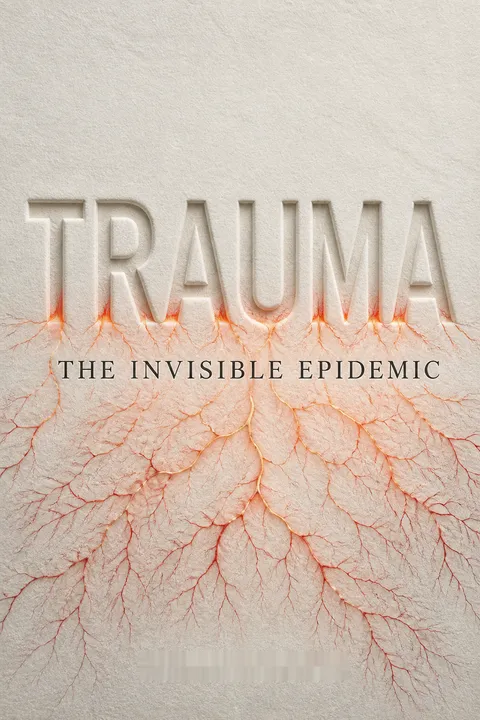


Key Takeaways
Look beneath the visible crisis for the injury shaping what comes next
Trauma outlasts events. Conti defines trauma broadly as physical or emotional pain that leaves a lasting mark. The mark may show up in changed beliefs, relationships, choices, or bodily reactions, even when the original event is over or hard to name. A neutral word, place, or situation can become charged with loss or fear: after his mother died of pancreatic cancer, the word pancreas could bring Conti back to grief and guilt, despite his having regularly cared for her.
The surface story can mislead. Conti connects this lens to his brother Jonathan, whose severe illness as a teenager changed him before he died by suicide years later. The book does not make trauma the sole explanation for any one person’s death. Its central argument is that unrecognized suffering can shape the visible crisis, and deserves attention alongside its immediate cause.
The strength of this framing is its attention to consequences, not only dramatic events. A person may function outwardly while their sense of safety, self-worth, or possibility has narrowed. That can help families and clinicians ask better questions than simply, What happened? The metaphor of an invisible epidemic also highlights transmission through relationships and institutions. Its risk is overreach: if every painful problem is attributed to trauma, other causes can disappear from view. The most useful application is to treat trauma as a serious possibility to investigate, not a master explanation that settles the case.
Do not mistake PTSD for the whole map of post-trauma harm
Trauma has different routes. Acute trauma follows a major event, such as assault or a life-threatening crisis. Chronic trauma arises from prolonged exposure to harmful conditions, such as abuse or racism. Vicarious trauma can develop when someone absorbs the suffering of others, including through caregiving work. Conti calls the broad range of lasting difficulties post-trauma syndromes. PTSD is one possible outcome, not the only proof that trauma has mattered.
Look for changing patterns. Conti describes seven criteria: exposure, re-experiencing, hypervigilance, higher baseline anxiety, lower baseline mood, inadequate sleep, and behavior change. Not everyone experiences all seven. A person may become constantly alert, withdraw from activities, or make choices that seem unlike their earlier self. The practical point is to notice a harmful shift and explore its context, rather than waiting for one diagnosis to explain everything.
This broader lens can make care more humane, especially for people whose suffering does not match a diagnostic checklist. A diagnosis can organize treatment and help someone access services, but it is not a complete measure of a life’s damage. The distinction resembles a map versus the terrain: categories guide attention, while an individual’s history shows where the ground actually gives way. Broad definitions also need care. Distress after adversity is real, but not every painful experience produces a syndrome or requires the same intervention. Description should open inquiry, not replace it.
Challenge shame's blame before it becomes your life story
Shame points inward. Conti presents shame as trauma’s chief accomplice: it turns pain into a belief that the injured person is bad, responsible, or undeserving. Those conclusions can discourage self-care, deepen isolation, and make harmful relationships seem unavoidable. One patient, once confident through baseball, lost the ability to play after a serious illness and began drinking to punish himself. He had mistaken the qualities baseball revealed, including leadership and humor, for qualities the sport itself had given him.
Make hidden judgments visible. Conti suggests noticing harsh self-talk, asking whether shame belongs to the person who caused the harm, and writing down what any person deserves in life. In the patient’s case, the psychiatrist let him teach him words from his first language. The patient’s skill and patience became visible again, and his drinking later decreased.
The teaching story matters because it changes the helper’s role. The patient is not reduced to a problem to be fixed; he is also someone with knowledge to offer. That reciprocity can restore agency without pretending that illness or loss is easy to overcome. A useful distinction is between shame, which condemns the whole self, and responsibility, which identifies a specific action that can be repaired. Compassion should loosen false self-blame, not erase genuine accountability. That distinction helps prevent the antidote from becoming a blanket reassurance that nothing was ever within a person’s control.
Pause when old danger rewrites what the present seems to mean
Memory carries alarms. Conti distinguishes affect, feeling, and emotion. Affect is an automatic bodily or mental response; feeling is how a person relates that response to the self; emotion extends it into judgments about other people or the wider world. A frightening event can therefore leave more than a memory. It can attach fear to cues that resemble the event, then shape what a person expects and chooses.
Check the current moment. After a painful incident during an airplane landing, Conti found later takeoffs and landings frightening. He uses a rainy road after a car crash to show how a present-day cue can make the brain react as if the earlier danger were happening again. A pause can help identify the cue, name the old association, and check what is actually happening now. Conti calls some hidden losses of perspective cognitive blinders.
This account makes a subtle point: a strong reaction can be understandable without being an accurate reading of current danger. Memory research broadly treats remembering as reconstructive, not as replaying a perfect recording, which helps explain why present cues can carry old emotional force. The pause is not a command to dismiss fear; sometimes danger is real, and vigilance is protective. Its value is in restoring choice: distinguish evidence in the present from a learned alarm, then decide what response fits. That is more respectful than telling someone simply to calm down.
Treat bodily distress as real, while resisting one-cause explanations
Mind and body interact. Conti argues that trauma can heighten stress responses and make pain, sleep problems, and other physical distress harder to manage. He describes inflammation as one pathway linking sustained stress to health, and discusses research associating childhood adversity with adult inflammation, changes in gene activity, and accelerated biological aging. These are not claims that every illness is caused by trauma. They underscore why physical symptoms and emotional history should not be treated as separate worlds.
Use care on both fronts. Conti recommends practical steps such as regular sleep, movement, and progressive muscle relaxation, a method of tensing and releasing muscle groups to notice and reduce tension. He also describes using vivid sensory imagery, such as picturing a beach, to settle the body. Such practices can support care, but persistent pain or illness still calls for appropriate medical evaluation.
The integrated view is valuable because physical symptoms are often dismissed as either purely psychological or purely bodily. A more useful approach asks how stress, health, environment, and treatment interact, without assuming one explains everything. The evidence discussed around inflammation and gene activity is complex; associations do not establish that trauma alone caused a particular disease or that biological effects are inevitable. That nuance matters both medically and ethically. Self-care techniques can provide a sense of control, but they should complement, not replace, clinical assessment and treatment.
Choose care that earns trust, not care that merely follows procedure
Procedure is not relationship. Conti recounts promising a patient with a severe eating disorder that staff would not lock her bathroom door, then discovering that a colleague had changed the order. The patient felt betrayed, struck him with a bag of vomit, and never trusted him again. The episode shows how a standardized rule, even one intended to help, can harm when it ignores a person’s particular fears and the trust already built.
Look for human attention. Conti recommends seeking a therapist who shows interest, empathy, and follow-through, remembers relevant details, and understands practical circumstances. In another case, a woman’s panic attacks persisted until a clinician took time to learn that she faced violence at home. Medication alone could not solve the danger; help leaving that situation addressed a crucial part of the problem.
The examples make trust concrete: it is built through kept promises, curiosity, and attention to the conditions surrounding symptoms. This is consistent with trauma-informed care, where safety and collaboration are not optional extras but part of treatment itself. Still, procedures can protect patients and staff, so the lesson is not to discard rules. It is to make room for judgment, communication, and review when a rule collides with an individual’s needs. Systems that reward speed over context make that harder for even conscientious clinicians.
Reduce the social conditions that keep passing trauma onward
Trauma is also structural. Conti links individual suffering to racism, poverty, violence, isolation, and systems that fail to provide safety or care. One patient with severe paranoia trusted his psychiatrist enough to meet at the doorway of an office, with the doctor walking ahead of him. The patient improved, but the doctor was later criticized for visits that did not fit standard documentation rules. The story shows how rigid systems can mistake adaptation for bad practice and reproduce distrust.
Prevention needs more than resilience. Conti describes a frightened Russian schoolboy in 1990 who wore an old gas mask after being told Americans were coming. The boy’s fear reflected the world adults had taught him to expect. The book also discusses how discrimination and economic insecurity repeatedly expose some groups to harm. Treating individuals matters, but so does changing the conditions that make safety scarce.
This shift from private distress to public conditions is one of the book’s strongest contributions. Public health asks not only how to treat illness, but which environments distribute exposure and protection unevenly. The gas-mask story compresses that idea into one image: fear can be learned from the stories a society tells its children. Yet calling social harm trauma should not flatten differences among experiences or imply that all groups face equal risk. Listening to affected communities and changing material conditions are more meaningful than asking people to cope better with preventable threats.
Reclaim your account with evidence, compassion, and trusted witnesses
A story can be revised. Conti calls a fairer, more complete account of one’s life a true life narrative. Trauma can magnify failures, hide successes, and turn painful experiences into sweeping conclusions such as being doomed to fail or impossible to love. Rebuilding the narrative means examining those conclusions, noticing evidence they omit, and acknowledging both hardship and capability. Writing can help, especially with support from a trusted person or therapist.
Make the inner conflict conscious. Conti also suggests naming the competing impulses that pull a person toward a healthy choice or a harmful one. Pause, hear what each impulse is trying to do, and decide deliberately rather than letting shame or fear choose in the background. His sequence of recovery links knowledge with power, healing, hope, and urgency. Understanding matters most when it changes how someone treats themselves and seeks help.
Narrative work can restore continuity: a person becomes more than the worst event or the most punishing interpretation of it. The emphasis on evidence keeps this from being mere positive thinking. A credible account can include pain, regret, uncertainty, and strengths at once. There is also a limit: revisiting trauma can overwhelm someone, especially without safety or support. Writing is an option, not a universal prescription. The central skill is not forcing a triumphant story, but making room for facts that shame has excluded and for help that isolation has blocked.
Pair personal healing with public accountability against preventable harm
Healing has civic dimensions. Conti’s closing framework urges compassion toward self and others, avoiding harm, acting compassionately, learning and educating, and demanding accountability. He grounds that commitment in a biopsychosocial-spiritual model, which considers biological, psychological, social, cultural, and spiritual influences rather than treating a person as a diagnosis in isolation. Its purpose is to support agency: the ability to make choices from a fuller understanding of oneself and one’s circumstances.
Build conditions for care. Conti also names history, religion, science and medicine, life experience, and early education as foundations for shaping a more humane society. Those ideas point beyond private coping toward prevention, competent treatment, and institutions answerable for the harms they cause or permit. Individual actions matter, but they cannot substitute for safe housing, fair treatment, or accessible care.
The closing framework usefully joins personal ethics to institutional responsibility. Compassion without accountability can become sentiment; accountability without compassion can become punishment. The paired approach asks both what a person can do now and what rules or resources need to change. This resembles a systems view of health, in which outcomes emerge from interactions between bodies, relationships, and institutions. The ambition should remain realistic: no society can prevent every traumatic event, and no single framework resolves structural conflict. It can, however, guide choices toward reducing avoidable harm and improving the response when harm occurs.
Analysis
Conti’s central contribution is not a narrow treatment protocol but a way to connect levels of explanation. A frightening event can alter memory and behavior; shame can convert that alteration into self-blame; relationships and institutions can then either interrupt the pattern or reinforce it. The narrative cases make these links legible. A patient’s panic may reflect immediate danger at home, a clinician’s rule may break trust, and social prejudice may create chronic exposure rather than a single identifiable crisis. This is a compelling argument for care that takes context seriously.
The book’s breadth is also its main intellectual risk. Conti proposes trauma as an underlying reason for a very large share of human problems. That hypothesis draws attention to neglected suffering, but it can become too elastic: depression, illness, addiction, conflict, or poor choices may have many interacting causes. A trauma lens is most useful when it generates questions and expands the assessment, not when it settles causation in advance. The distinction is especially important in medicine, where an emotional history should inform, not replace, investigation of physical symptoms. The biological discussion likewise needs careful interpretation. Evidence about stress, inflammation, gene expression, and aging supports taking adversity seriously, but population associations do not mean that an individual’s illness is predetermined or directly caused by trauma. Nor should epigenetic findings be simplified into a claim that memories themselves are inherited. Conti’s own biopsychosocial-spiritual approach offers a corrective: biology is one part of a person’s situation, alongside relationships, culture, material conditions, and meaning.
The most durable implication is therefore both clinical and political. Individuals can learn to recognize self-blame, seek supportive relationships, and question conclusions formed under fear. But these measures cannot compensate for abusive homes, discrimination, unsafe housing, or inaccessible care. The book is strongest when its call for compassion is paired with competent treatment and institutional accountability. Healing is not merely an inward change. It also depends on whether the surrounding world becomes safer and more responsive.
Review Summary
Trauma: The Invisible Epidemic receives mixed reviews. Some praise its accessibility and compassionate approach to explaining trauma, finding it a good introduction for beginners. Others criticize its simplicity, lack of scientific rigor, and repetitiveness. Readers appreciate Conti's use of analogies and personal anecdotes but note the book's limited practical advice for treatment. Many find the societal and political commentary divisive. Overall, the book is seen as a basic primer on trauma that may be helpful for those new to the topic but disappointing for those seeking in-depth analysis.
People Also Read







Glossary
Post-trauma syndromes
Difficulties following traumaConti’s term for the range of problems that can negatively affect someone after acute, chronic, or vicarious trauma. PTSD is one possible outcome, not the entire category. The book describes exposure and re-experiencing alongside changes such as hypervigilance, increased anxiety, lowered mood, poor sleep, and altered behavior.
Multiple-hit hypothesis
Accumulated stress changes vulnerabilityA hypothesis that repeated traumatic experiences can weaken coping capacity, making later adversity harder to manage. People differ in how they respond: one person may be strongly affected by an early event, while another may appear resilient until further stress accumulates. Conti also applies the idea to ongoing exposures such as racism.
Affect, feeling, and emotion
A sequence of emotional responsesConti separates three related processes. Affect is an automatic internal response that arises without conscious choice. Feeling is how a person relates that response to themselves. Emotion broadens the experience to include other people or the wider world. The sequence can help explain how a painful event becomes linked to beliefs, memories, and decisions.
Cognitive blinders
Trauma-hidden knowledge and optionsConti’s metaphor for trauma-related limits on what a person can recognize about themselves and their surroundings. Blinders may hide memories, strengths, or available choices, while making negative beliefs seem like objective facts. The person may not realize that their view has narrowed or that important information has been omitted.
Selective abstraction
One negative detail dominatesA thinking pattern in which one adverse detail is singled out and used to reinterpret a broader experience. Conti illustrates it with a generally good day that becomes, after one mishap, evidence that everything goes badly. When this pattern supports a fixed belief that the world is against someone, he connects it to a psychological victim mindset.
True life narrative
A fairer account of oneselfConti’s term for a personal account that acknowledges hardship without allowing trauma to erase strengths, accomplishments, or evidence of agency. It challenges stories that magnify failures, dismiss successes, or predict only further suffering. Writing, reflection, and discussion with a trusted person or therapist can help someone develop this fuller account.
Biopsychosocial-spiritual model
Whole-person view of healthA model for understanding health through interacting biological, psychological, social, cultural, and spiritual influences. Conti presents it as a way to consider factors such as genetics, brain function, therapy, nutrition, relationships, personal history, education, and belief. It emphasizes agency and avoids reducing a person to a diagnosis or single cause.
Five Critical Links
A path from knowledge to actionConti’s sequence for turning understanding into change: knowledge, power, healing, hope, and urgency. Knowledge reveals how trauma operates; that understanding can support purposeful action, healing, and hope. Urgency reflects the belief that trauma is already causing harm and that responding should not be indefinitely postponed.
Five Foundations
Sources for social understandingConti’s framework for the values and knowledge that shape society: history, religion, science and medicine, life experience, and early education. Each offers a different way to understand human behavior and suffering. Together, he argues, they can inform a social commitment grounded in compassion, respect, and responsible action.
Five Goals
Commitments for reducing harmConti’s action framework for a more humane society: consider self and others with compassion, avoid causing harm, treat people compassionately, learn and educate, and demand accountability. The goals connect personal conduct with public responsibility, including expectations of institutions and people in positions of power.
FAQ
What's "Trauma: The Invisible Epidemic" about?
- Overview of the book: "Trauma: The Invisible Epidemic" by Paul Conti explores the pervasive and often unseen impact of trauma on individuals and society. It delves into how trauma affects mental and physical health and offers practical solutions for healing.
- Author's expertise: Paul Conti, a psychiatrist, combines his professional experience with personal insights to provide a comprehensive understanding of trauma.
- Structure of the book: The book is divided into four parts, covering the nature of trauma, its societal implications, the brain's response, and collective healing strategies.
Why should I read "Trauma: The Invisible Epidemic"?
- Understanding trauma: The book provides a deep understanding of how trauma affects individuals and society, making it essential for anyone interested in mental health.
- Practical solutions: Unlike many books on trauma, Conti offers actionable solutions for healing, making it a valuable resource for both professionals and those affected by trauma.
- Broad audience: It's a must-read for mental health professionals, trauma survivors, and anyone interested in understanding the psychological stressors affecting modern society.
What are the key takeaways of "Trauma: The Invisible Epidemic"?
- Trauma's pervasive impact: Trauma is widespread and affects mental and physical health, often going unnoticed and untreated.
- Role of shame: Shame is a significant accomplice to trauma, exacerbating its effects and hindering healing.
- Healing strategies: The book emphasizes the importance of community, compassion, and practical tools in overcoming trauma.
How does Paul Conti define trauma in "Trauma: The Invisible Epidemic"?
- Broad definition: Conti defines trauma as anything that causes emotional or physical pain and leaves a lasting impact on a person.
- Types of trauma: He categorizes trauma into acute, chronic, and vicarious, each with distinct characteristics and effects.
- Analogy use: Conti uses analogies like viruses and parasites to explain how trauma spreads and affects individuals and society.
What solutions does Paul Conti offer for healing from trauma?
- Practical antidotes: The book provides specific antidotes for trauma's accomplices, such as shame, poor self-care, and anxiety.
- Community and compassion: Emphasizes the role of community support and compassion in the healing process.
- Self-awareness and reflection: Encourages self-awareness and reflection as tools for recognizing and addressing trauma.
How does "Trauma: The Invisible Epidemic" address the societal impact of trauma?
- Sociological perspective: The book examines how trauma affects society at large, including its role in social issues like racism and economic disparity.
- Healthcare critique: Conti critiques the healthcare system's inadequacies in addressing trauma, advocating for more comprehensive care.
- Call to action: Encourages societal change through education, policy reform, and collective healing efforts.
What role does shame play in trauma according to Paul Conti?
- Shame as an accomplice: Shame is described as trauma's number one accomplice, exacerbating its effects and hindering healing.
- Internalized blame: Trauma often leads to internalized blame and self-persecution, making it difficult for individuals to seek help.
- Antidotes for shame: Conti offers antidotes like uncovering self-talk and reattributing shame to help individuals overcome its negative impact.
How does Paul Conti use analogies to explain trauma?
- Virus analogy: Trauma is likened to a virus, spreading silently and affecting individuals and society in harmful ways.
- Pollution and parasites: Other analogies include pollution and parasites, illustrating how trauma infiltrates and alters our lives.
- Purpose of analogies: These analogies help readers understand the complex nature of trauma and its pervasive effects.
What are the best quotes from "Trauma: The Invisible Epidemic" and what do they mean?
- "Trauma affects everything." This quote underscores the book's central theme that trauma has a far-reaching impact on individuals and society.
- "Shame works best in the dark." Highlights how shame thrives in secrecy, making it crucial to bring trauma into the open for healing.
- "A healthier me makes a healthier we." Emphasizes the interconnectedness of individual and collective healing in overcoming trauma.
How does "Trauma: The Invisible Epidemic" address the brain's response to trauma?
- Limbic system focus: The book explains how trauma affects the limbic system, altering emotions, memories, and decision-making.
- Affect, feeling, and emotion: Conti distinguishes between affect, feeling, and emotion to illustrate how trauma hijacks the brain.
- Cognitive blinders: Describes how trauma creates cognitive blinders, preventing individuals from seeing themselves and the world clearly.
What is the significance of community and compassion in healing from trauma?
- Role of community: Community support is vital in providing the connection and understanding needed for healing.
- Compassion's power: Compassion, both for oneself and others, is a key element in overcoming trauma's effects.
- Collective healing: The book advocates for collective healing efforts, emphasizing that trauma is not just an individual issue.
How does Paul Conti suggest we can prevent future trauma?
- Education and awareness: Increasing education and awareness about trauma can help prevent its occurrence and spread.
- Policy reform: Advocates for policy changes in healthcare and social systems to better address and prevent trauma.
- Personal responsibility: Encourages individuals to take personal responsibility for their healing and to support others in their journey.
Download PDF
Download EPUB
.epub digital book format is ideal for reading ebooks on phones, tablets, and e-readers.








