

Key Takeaways
Treat chronic shame as a rupture in relationship, not a defect in character.
A self loses coherence. DeYoung defines shame as the felt disintegration of self in relation to a dysregulating other: someone whose response fails to help another person feel understood, contained, or emotionally steady. Repeated, unrepaired ruptures can make this experience a lasting pattern, even when no one intended to shame the child.
The pattern wears many faces. Clare appears confident and accomplished, Andrea retreats into solitude, and Trevor lashes out when he fears losing connection. Their different symptoms can obscure the common wound: a longing for emotional recognition that has repeatedly met disconnection. The clinical task is not to assign blame, but to notice how a person's current self-protection may have grown around that history.
The relational definition gives shame a useful target: not simply negative self-belief, but a breakdown in felt connection. That shift makes room for both personal history and the immediate interaction between two people. It also discourages treating shame as a private defect that can be corrected with better self-talk. The idea needs careful scope, however. Not every painful self-judgment originates in early misattunement, and a relational explanation should invite inquiry rather than become a universal diagnosis.
Look beneath achievement, rage, pleasing, and addiction for the shame they manage.
Protection can look like personality. Clare's drive for status and performance helps keep self-loathing at bay, until an exclusion from a golf outing brings the pain into view. Gary divides himself between a responsible family man and secret sexual behavior he despises. Andrea numbs loneliness with television and games, while Trevor's anger surfaces when he feels rejected.
Do not confuse the cover with the cause. Perfectionism, people-pleasing, withdrawal, rage, and addictive habits may help someone avoid overwhelming feelings, but they can also deepen isolation and self-contempt. DeYoung cautions that not every symptom signals chronic shame. The question is whether a behavior is protecting a vulnerable self from connection, emotion, or the risk of being seen.
This account helps readers interpret behavior without reducing people to it. A coping pattern can be both costly and once-adaptive, which is a more humane frame than labeling it irrational or self-sabotaging. The same behavior can also serve different functions for different people, so curiosity matters more than a fixed decoding key. In particular, identifying a hidden vulnerability should not excuse harm to others; understanding a defense and setting limits on its consequences can coexist.
Change shame through regulated connection, not arguments against self-hatred.
The body reacts before the explanation. Affect Regulation Theory, DeYoung's guiding framework, describes how people shape one another's emotional arousal through connection and response. In her account, shame begins as a largely nonverbal collapse: a person feels overwhelmed, alone, or unable to regain a steady sense of self. Later, thoughts such as “something is wrong with me” may explain that bodily experience.
Reasoning has limits. A client may understand intellectually that a parent's absence was not their fault and still feel defective when someone misunderstands them. DeYoung therefore emphasizes attuned interaction, including tone, timing, and responsiveness, rather than relying on reassurance or positive self-talk alone. Emotional experience, supported by another person, can make later reflection more tolerable.
The distinction between bodily distress and its later explanation is clinically useful: an argument with a belief may leave the felt alarm untouched. The account also reminds readers that regulation is not merely an individual skill. Still, brain-based language can sound more settled than the book's interpretive model warrants. The practical insight is strongest when treated as a guide to noticing and responding, not as proof that every shame response maps neatly onto a single brain process.
Use your own felt response as evidence, not as a verdict.
Notice what happens between you. DeYoung asks clinicians to attend to their own reactions: defensiveness, a sudden loss of confidence, boredom, or a sense of being shut out may offer clues about a client's way of managing connection. A client who idealizes the therapist may be avoiding the ordinary vulnerability of being known; a client who treats therapy as a performance may keep emotional contact at a distance.
Treat reactions as hypotheses. These impressions do not prove that shame is present. They need reflection, attention to the client's history, and, where useful, supervision. DeYoung's assessment is not just a checklist of symptoms. It develops through a relationship in which the therapist tries to understand what the client feels, what the client protects, and what happens when the two people meet.
The therapist's emotional response can reveal interactional patterns that a client's polished account leaves out. This resembles using an instrument that is also part of the experiment: valuable, but never neutral. The discipline is to distinguish observation from inference. A therapist's discomfort might reflect personal history, fatigue, or a mismatch in approach, not the client's hidden shame. Reflective use of reaction keeps clinical intuition informative without turning it into authority over the client's experience.
Earn trust before naming shame or asking for vulnerable disclosure.
Safety is built in details. DeYoung recommends clear expectations about fees, missed sessions, communication, and the work's purpose. Predictability matters because shame-prone clients may experience ambiguity or a misunderstanding as evidence that they have done something wrong. The therapist's own self-awareness matters too: unexamined shame can become entangled with a client's defenses and intensify the strain between them.
Use a responsive stance. PACE is a way of engaging through playfulness, acceptance, curiosity, and empathy. It is not a script; it describes an open, nonjudgmental manner that can make emotional exploration less threatening. Early on, a therapist may foster connection without using the word shame at all. The client's readiness, not the therapist's wish for a breakthrough, sets the pace.
The focus on the frame is a reminder that care is communicated through logistics as well as warmth. Clear boundaries can reduce avoidable uncertainty while preserving the therapist's responsibility to be responsive. PACE also captures an important balance: acceptance without passivity, and curiosity without interrogation. These qualities cannot guarantee trust, especially when a client's history makes connection feel dangerous. Their value lies in repeatedly offering a different kind of interaction, not demanding that the client immediately believe in it.
Connect feelings to events so painful experience can become a coherent self-story.
A story needs felt meaning. DeYoung distinguishes a tidy sequence of facts from a narrative that connects events, emotions, relationships, and a person's sense of self. Implicit relational knowing means the often unspoken expectations people carry about how relationships work. Therapy can help bring these expectations and feelings into a more coherent account, without assuming that a polished explanation is the same as emotional integration.
Listen to how a story is told. Martha, a retired pastor, described an old career disappointment as a personal failure. As her therapist asked for details and stayed attentive to the feelings in the story, Martha connected that loss with a later period of depression and reconsidered what had happened. The change came through having her experience heard and linked, not through reconstructing every historical fact.
Narrative is presented here as a form of integration, not merely a report about the past. The distinction between a coherent-feeling account and a logically complete one is especially valuable for people who can explain their history while remaining emotionally disconnected from it. Yet narrative should not become the therapist's preferred plot imposed on a client's life. The client's own sense of recognition is the crucial test: a connection that sounds elegant to a listener may not feel true to the person living it.
Bring shame into view gently, at a pace that preserves dignity.
Exposure without safety can wound. DeYoung uses the image of giving shame light and air: making it speakable with a trusted person can reduce its isolation. But she warns against pushing the label or demanding disclosure before a client can tolerate it. A person may first describe feeling small, foolish, or worthless; those words can open a path without forcing a frightening admission.
Parts can make pain discussable. Some clients find it easier to explore conflicting aspects of themselves as distinct parts, such as a demanding inner critic and a vulnerable part it attacks. This creates enough distance to approach painful feelings while keeping them connected to the whole person. Such work is optional, not a universal technique. The aim is understanding and integration, not turning every inner conflict into a formal exercise.
The image of bringing shame into shared awareness captures why secrecy can intensify distress, while the caution about pacing protects against confusing disclosure with healing. A person can be pressured into telling a story and still feel alone in it. The measure of useful exposure is not how much detail emerges, but whether the person remains present, retains choice, and feels met rather than examined. Symbolic distance, including parts language, can support that balance when the client finds it natural.
Treat defensive splits as protection, and repair ruptures instead of forcing insight.
Some shame is kept unknowable. DeYoung describes dissociation as a way of separating from experiences or self-states that feel unbearable. In the term not-me, therapist Donnel Stern names an aspect of experience that a person cannot safely recognize as part of the self. A client's apparently confident or controlled style may therefore protect feelings that cannot yet be spoken.
Relationship can reveal the pattern. In DeYoung's account of Cynthia, different self-states managed distinct roles and memories; Sid, a tough protector, eventually disclosed shame after a crisis. Another case describes a therapist and client trapped in a painful pattern of trying and failing to connect. The impasse eased when the therapist acknowledged her own vulnerability. DeYoung stresses patience and repair, not pushing for insight or integration on demand.
This approach treats defenses as evidence of adaptation rather than stubborn resistance, which can reduce blame and help a clinician stay engaged. It also makes room for change through the interaction itself, before either person can explain what changed. The therapist's vulnerability is not a cure-all, however, and self-disclosure can shift attention away from the client if used carelessly. Its value depends on whether it restores contact and serves the client's experience, rather than relieving the therapist's own discomfort.
Separate guilt for actions from shame about the whole self.
Responsibility can preserve selfhood. DeYoung draws on research distinguishing guilt, which concerns a harmful action, from shame, which condemns the person as fundamentally defective. A person can regret a mistake, empathize with someone harmed, and try to make amends without treating the entire self as worthless. The distinction matters because global self-condemnation often makes repair harder.
Model repair directly. DeYoung describes a therapist acknowledging that a stressed response had hurt a client, apologizing, and taking responsibility without collapsing into self-hatred. The client's hurt could then be heard, and the relationship could regain connection. This is not a claim that every apology repairs every injury. It shows how accountability, remorse, and listening can make a mistake discussable instead of turning it into proof that one person is wholly bad.
This distinction links emotional health with moral agency. If an error becomes a verdict on the entire person, defensiveness or withdrawal may replace repair; if the action can be owned without total self-condemnation, responsibility becomes more possible. The distinction is useful but not absolute: guilt can be excessive, misplaced, or manipulated, while shame can sometimes signal a real social injury. What matters is whether an emotion clarifies a needed response or traps a person in global condemnation.
Aim to reduce shame through authentic relationships, not promise a cure.
Old patterns can soften, not vanish. DeYoung argues that therapy cannot erase the effects of early relational trauma, but it can reduce shame's hold. Repeated experiences of being understood, along with new ways of relating to oneself, can support more flexible responses. She emphasizes authentic connection with others, self-compassion, mindful awareness, and the freedom to pursue imperfect ambitions.
Practice connection outside therapy. A client might risk telling a friend that wedding talk brings up hurt and envy, rather than silently withdrawing. Such a conversation may not go perfectly, but it offers a chance to learn whether mutual understanding is possible. DeYoung's goal is not a permanently invulnerable self. It is a life in which shame can be recognized, managed, and no longer mistaken for the whole truth about a person.
The modest goal is also the more credible one: lasting change need not mean a pristine self untouched by shame. The emphasis on ordinary experiments in relationship gives therapy a bridge to life outside the consulting room. It also avoids selling vulnerability as universally safe. Some relationships remain unresponsive or harmful, so authenticity includes discernment about whom to trust. Shame reduction is not simply greater disclosure; it is greater freedom to choose connection, boundaries, and self-respect.
Analysis
DeYoung's central achievement is to relocate chronic shame from the private inventory of a defective individual to the space between people. That move reorganizes the clinical question. Instead of asking only what is wrong with a client's self-image, the therapist asks what kind of connection was needed, what response arrived, and how the person learned to survive the mismatch. The stories make this practical: achievement, pleasing, rage, addiction, and withdrawal become understandable as varied protections, not interchangeable symptoms. The book's treatment logic follows its definition. If shame forms in failed connection, change requires experiences of connection that are emotionally tolerable and sufficiently repeated. Attunement, narrative, direct discussion of shame, and repair after misattunement are not presented as competing techniques so much as different ways of making a relationship usable. The insistence that a therapist's own shame and reactions matter is especially strong. It treats the clinician not as a detached diagnostician but as a participant responsible for noticing how the relationship is being shaped.
The neurobiological language gives this relational argument a developmental vocabulary, but it should be read cautiously. The book often uses right-brain and left-brain distinctions to clarify implicit emotional experience versus explicit explanation. Those distinctions are most useful as clinical metaphors and organizing heuristics, not as simple maps of separate psychological functions. Likewise, retrospective accounts of childhood can illuminate a client's experience without proving a single causal story. Careful practice keeps the client's meanings central and allows uncertainty.
A further strength is the distinction between shame reduction and cure. That modesty resists the fantasy that one insight or one ideal relationship can erase a developmental history. It also places agency in current life: clients can practice emotional honesty, negotiate needs, repair harm, and develop compassion toward themselves. The approach is demanding, especially because it asks clinicians to tolerate slow progress and unresolved ambiguity. Its most durable contribution is a humane discipline: interpret protective behavior in context, invite connection without coercion, and measure progress by increased freedom to be a self with others.
Review Summary
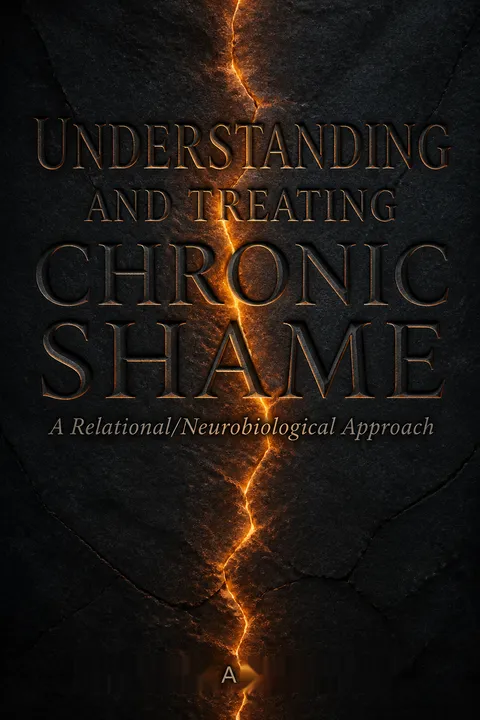
Understanding and Treating Chronic Shame receives high praise from readers, particularly therapists. Many describe it as one of the best books on shame, offering a comprehensive, neurobiologically-informed approach to understanding and treating chronic shame. Readers appreciate the integration of theory, practical applications, and case studies. The book is noted for its depth, addressing complex topics in an accessible manner. While some found it dense and more suited for professionals, many consider it a must-read for therapists. Several readers reported personal insights and therapeutic breakthroughs from applying the book's concepts.
People Also Read










Glossary
Chronic shame
persistent shame patternA lasting tendency to experience oneself as defective or unworthy, especially when emotional connection feels uncertain or ruptured. In DeYoung's account, it develops through repeated, unrepaired experiences of dysregulation in important relationships. People may manage it through performance, withdrawal, anger, perfectionism, or other protective patterns.
Dysregulating other
person disrupting emotional steadinessA person whose response, or lack of response, fails to help someone contain and integrate distress. The term emphasizes the relational context of shame: when a person depends on another for understanding or emotional steadiness and instead feels overwhelmed, alone, or fragmented, the interaction can become dysregulating.
Affect Regulation Theory
relational model of emotion regulationA neurobiologically informed account of how emotional development and well-being are shaped by interpersonal regulation. In DeYoung's use, caregivers and therapists help regulate affect through attuned responses, while repeated misattunement can contribute to dysregulation, dissociation, and shame. The theory guides her account of why relational experience matters in therapy.
Right-brain therapy
emotionally attuned relational workA way of describing therapy that prioritizes nonverbal and emotional communication, including tone, facial expression, timing, and responsiveness. DeYoung contrasts this experience-near contact with relying mainly on explanation or analysis. In her model, sustained attunement helps clients tolerate feelings and develop a more integrated sense of self.
Implicit relational knowing
unspoken expectations about relationshipsProcedural, often nonverbal knowledge about how to be with other people. It includes learned expectations about whether needs will be welcomed, ignored, or punished, even when a person cannot describe those expectations in words. DeYoung sees therapy as capable of changing this knowledge through new relational experiences.
Selfobject experience
connection supporting a cohesive selfA term from self psychology for an experience of being with another person that supports the first person's sense of coherence, vitality, or stability. DeYoung discusses forms such as mirroring, idealizing, and twinship. Repeated supportive experiences can help a child develop capacities that may be sought again in adult relationships and therapy.
PACE
playfulness, acceptance, curiosity, empathyA therapeutic stance named by Daniel Hughes and used by DeYoung to describe qualities that encourage emotional connection. Playfulness invites exploration, acceptance reduces judgment, curiosity keeps inquiry open, and empathy communicates an effort to understand. It is an orienting manner of relating, not a fixed sequence of interventions.
Safe emergency
tolerable emotional challengeAn emotionally significant experience that stretches a client's current capacity while remaining supported enough to bear. In DeYoung's account, moments of unexpected understanding or contact can create this kind of challenge. Repeated tolerable experiences may help clients engage feelings and relational patterns that have previously felt dangerous.
Not-me
unbearable dissociated self-stateDonnel Stern's term for an aspect of experience that a person cannot safely recognize as part of the self. It is not simply an unpleasant trait or a disliked memory. DeYoung connects it with unformulated, deeply distressing experience that may remain dissociated until it can be approached in a tolerable relationship.
Four quadrant model
map of shame-protective patternsA model from Jack Danielian and Patricia Gianotti for understanding personality organized around avoiding shame. It considers a person's self-view and symptoms alongside less conscious patterns of loyal waiting and revengeful enactment. The model is intended to guide attentive listening to how a person's protections work, not to serve as a diagnosis or treatment script.
FAQ
What is Understanding and Treating Chronic Shame: A Relational/Neurobiological Approach by Patricia A. DeYoung about?
- Core focus on chronic shame: The book explores chronic shame as a pervasive, painful, and often hidden problem rooted in early relational trauma and affect dysregulation.
- Relational and neurobiological integration: DeYoung combines relational psychotherapy with neuroscience, especially right-brain affect regulation, to explain how shame develops and persists.
- Therapeutic guidance: The book provides practical strategies for therapists to recognize, understand, and treat chronic shame in clinical practice.
Why should I read Understanding and Treating Chronic Shame by Patricia A. DeYoung?
- Unique integration of theory: The book bridges relational psychotherapy traditions with cutting-edge neuroscience, offering a comprehensive understanding of chronic shame.
- Practical and accessible: It is grounded in clinical experience, case examples, and offers actionable advice for therapists working with shame-prone clients.
- Broad clinical relevance: Since chronic shame underlies many mental health symptoms, the book is essential for therapists seeking to expand their effectiveness.
What are the key takeaways from Understanding and Treating Chronic Shame by Patricia A. DeYoung?
- Shame as relational and neurobiological: Chronic shame is rooted in early relational trauma and right-brain affect dysregulation, not just low self-esteem.
- Therapeutic relationship is central: Healing requires right-brain to right-brain connection, nonverbal attunement, and a safe, validating therapeutic environment.
- No cure, but reduction: While chronic shame cannot be fully cured, its effects can be reduced through ongoing relational and intrapersonal work.
How does Patricia A. DeYoung define chronic shame in Understanding and Treating Chronic Shame?
- Relational disintegration: Shame is described as the experience of one’s felt sense of self disintegrating in relation to a dysregulating other.
- Chronic development: It develops from repeated, unrepaired experiences of relational disconnection, forming lifelong patterns of self-awareness and response.
- Beyond self-esteem: This definition moves beyond shame as damaged pride, focusing on early, preverbal relational trauma.
What are the main theoretical foundations in Understanding and Treating Chronic Shame by Patricia A. DeYoung?
- Relational psychodynamic theories: The book draws on self-psychology, attachment theory, and interpersonal/relational psychoanalysis to explain shame’s roots.
- Affect Regulation Theory: Allan Schore’s right-brain affect regulation theory is central to understanding shame’s neurobiological basis.
- Mentalization and dynamic systems: The book also incorporates mentalization and dynamic systems theory for a comprehensive therapeutic approach.
How does Understanding and Treating Chronic Shame explain the neurobiological basis of shame?
- Right-brain focus: Shame is linked to right-brain affective dysregulation, often resulting from early misattunement with caregivers.
- Physiological symptoms: Shame manifests in autonomic nervous system shifts, such as blushing, sweating, and sometimes dissociation.
- Therapeutic implication: Effective therapy requires nonverbal, right-brain attunement and emotional regulation between therapist and client.
What are the developmental pathways to chronic shame according to Patricia A. DeYoung?
- Failures in selfobject experience: Disruptions in mirroring, idealizing, and twinship experiences with caregivers lead to chronic shame.
- Attachment patterns: Insecure attachment styles (avoidant, ambivalent, disorganized) foster chronic shame through relational dysregulation.
- Internalized object relations: Clients internalize shaming relationships, perpetuating shame in both self-with-self and self-with-other dynamics.
How can therapists recognize chronic shame in clients, based on Understanding and Treating Chronic Shame?
- Nonverbal cues: Shame is often visible in body language (hunched posture, gaze aversion) and speech patterns (nervous laughter, stammering).
- Relational patterns: Clients may present as perfectionists, pleasers, or show withdrawal, anger, or dissociation as shame defenses.
- Therapist’s felt sense: Therapists’ own emotional responses and discomfort can signal underlying shame in the therapeutic relationship.
What prerequisites and stance does Patricia A. DeYoung recommend for therapists working with chronic shame?
- Self-awareness of shame: Therapists must have worked through their own shame to avoid counter-shaming and tolerate clients’ intense self-loathing.
- Right-brain relational skills: Emotional sensitivity, nonverbal communication, and evocative language are essential for building trust.
- De-shaming stance: Therapists should use playfulness, acceptance, curiosity, and empathy (PACE), maintaining mindfulness and mentalizing capacities.
How does Understanding and Treating Chronic Shame by Patricia A. DeYoung address the role of right-brain connection and narrative in therapy?
- Right-brain attunement: Therapy emphasizes nonverbal, affective attunement to regulate clients’ emotional states.
- Narrative integration: Creating coherent, emotionally rich narratives helps clients integrate fragmented right-brain memories and experiences.
- Co-creation and mentalizing: Therapists and clients co-create narratives, fostering self-reflection and expanding self-understanding.
What strategies does Patricia A. DeYoung recommend for working with dissociation, addiction, and parts of self in chronic shame therapy?
- Dissociation as protection: Dissociation is a right-brain defense against overwhelming shame, often fragmenting self-states.
- Addiction as affect regulation: Addictive behaviors numb shame-related affect but perpetuate the shame cycle.
- Parts work: Approaches like Internal Family Systems and Gestalt therapy help identify, understand, and integrate dissociated parts within a safe therapeutic relationship.
How does Understanding and Treating Chronic Shame by Patricia A. DeYoung suggest therapists bring shame into the light and foster lifetime shame reduction?
- Timing and sensitivity: Therapists should build trust and safety before naming or addressing shame directly.
- Mutuality and presence: Authentic, emotionally present relationships allow for safe exploration and integration of shame.
- Ongoing work: While chronic shame cannot be cured, its effects can be reduced through authentic connection, self-compassion, and mindfulness practices.
Download PDF
Download EPUB
.epub digital book format is ideal for reading ebooks on phones, tablets, and e-readers.








