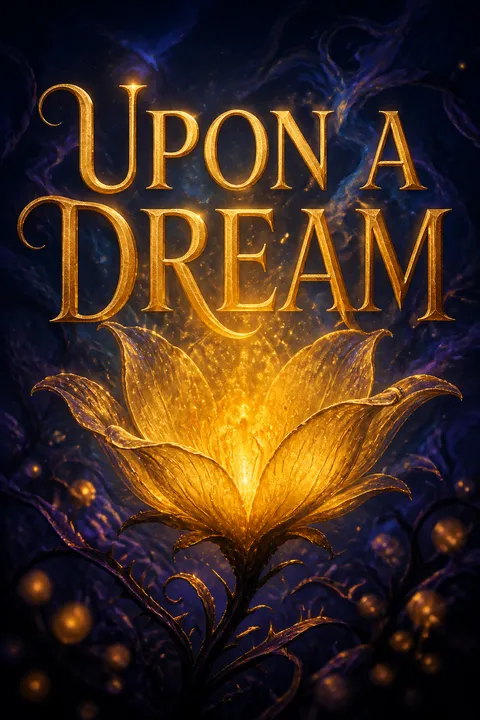


Plot Summary
Prologue
Grieving Prince Tristan visits Ella, the woman he once wronged, because his missing memory surrounds the night his father died. He also needs an heir: a contract with the sorcerer Rumple gives Rumple the throne if Tristan dies childless, and hired killers have already begun targeting him.
Ella tells him that a moon-prepared sundrop flower can open the Dreamworld, where memories and fears take shape. In return for promising safety to Ella's family, Tristan receives the flower from her husband, Killian. Before he can leave, assassins ambush him at his carriage. Killian kills their leader and confirms Tristan's suspicion that Rumple sent them.
The opening makes private grief inseparable from public danger. Tristan cannot claim the crown while he believes his own hands killed his father, yet delaying his coronation leaves his kingdom exposed to Midas and his life exposed to Rumple. The agreement with Killian also matters: Tristan has to offer protection before he can ask for help, a small sign that his emerging authority may rest on reciprocity rather than command. The Dreamworld promises access to memory, but the prologue's attack makes clear that any inward journey will take place under pressure from enemies in the waking world.
Neri's Borrowed Hand
With King Midas's invasion worsening, Tristan knows he cannot keep postponing the coronation, but he cannot wear his father's bloodied crown while his memory remains broken. He drinks the sundrop mixture and witnesses the shipboard night again. His father had thrown pixie dust at him and ordered him to attack his cousin Ryke.
Later, on deck, the mermaid Neri took control of Tristan's body and used his hand to stab the king. Tristan had wept when control returned, but the sight does not erase the killing or his grief. A blonde woman appears in the memory, identifies herself as guardian of the Dreamworld, and throws Tristan overboard to wake him. He leaves with a truth, and a new question about her.
The recovered memory separates responsibility from intention without making responsibility disappear. Tristan's body committed the murder, but Neri's control and his father's manipulation mean that his remembered guilt has been built on an incomplete account. His pain remains because the revelation cannot restore his father or undo the act. The guardian's abrupt intervention supplies no comfort or explanation; she is a boundary Tristan has crossed, not a guide he has earned. His curiosity about her begins alongside the harder work of revising his understanding of himself.
Aurora's Endless Eclipse
Aurora has spent an unknown stretch of time in the Dreamworld, where the eclipse resets each day and fear can turn imagined creatures lethal. Her only steady companion is Midnight, a horse she created with her mind. Each person she guides back to waking life adds a plank to a bridge leading toward a golden tower, the place she believes holds a secret.
During one rescue, Aurora saves a man from golden-armored guards, but an illusion of King Midas appears and fatally wounds him. The stranger's last revelation is that Midas took his daughter years earlier. Aurora cannot save the father, so she converts her grief into a vow: reach the tower and free the women Midas has kept captive.
Aurora's rescue work gives her a purpose, but it does not free her from the Dreamworld's logic. Each saved stranger brings her closer to the tower while reminding her that many people never make it back. The dead father's account gives her private imprisonment a political scale: Midas's power has reached into other families as well. Her vow is both moral clarity and a defense against helplessness. Rather than remain with the loss she could not prevent, she turns it into a mission she can still pursue.
The Guardian's Warning
After a second descent, Tristan finds a peaceful beach memory of his parents and his childhood with Ryke. Aurora arrives, surprised that he has come back, and learns that he is searching for guidance from his dead father.
She explains that a memory can only repeat what happened, while an illusion can respond to new questions, but an illusion can also exploit its creator's weaknesses. Tristan insists on trying. In his father's castle, a childlike vision of his cousin Lily leads them to the king, whose imagined reproaches trigger a storm and a nightmare wedding.
The veiled bride becomes Neri, while Midas's guards seize Tristan. Aurora fights through the illusions, and Tristan finally joins her, helping destroy the nightmare before it can overwhelm him.
The castle turns Tristan's private conflict into an encounter with an internalized authority. The imagined father does not simply reproduce the man Tristan lost; it gives shape to the criticism Tristan still carries and to his fear that kingship requires surrendering love. Aurora's warnings are practical, but her most important act is staying beside him when his control fails. Their first cooperation depends on trust neither has fully granted. Tristan learns that confronting a fear is not the same as mastering it, while Aurora sees that his apparent brightness conceals real damage.
The Battlefield in Sleep
In the waking kingdom, Tristan's advisers report that neighboring villages will not volunteer fighters, leaving him to sign an order requiring eligible men to serve. He asks Killian to train the recruits and lead them against Midas.
In the Dreamworld, Tristan and Aurora encounter his soldiers as they arrive one by one, terrified after Midas has turned them to gold and placed them in a sleep-like state. Their nightmares take the form of golden guards. Aurora explains the connection, but the panicked soldiers cannot hold their ground.
Tristan leaps in to defend them, and he and Aurora fight until every man has fallen. The defeat strips away his hope that courage alone can save his army. He asks Aurora to show him the weapon hidden in the tower.
The battlefield makes Tristan confront the limits of protective leadership. His instinct is to stand among his men, but his refusal to retreat cannot undo the damage Midas has already inflicted. The soldiers' panic strengthens the nightmare, so his desire to shield them becomes part of the force that overwhelms them. This is not a lesson in detachment; it is a recognition that good intentions need a strategy capable of meeting the actual threat. Aurora's tower offers leverage rather than a victory through force.
A Bridge Made of Hope
At the cliff, Aurora shows Tristan the unfinished bridge that she has been building through the people she rescues. Its planks are gone, and the tower sits unreachable across the abyss. Tristan recalls that the Dreamworld can respond to a person's expectations, then concentrates on making a new bridge. His hope gives the structure form, and it carries them to the tower.
A riddle directs Aurora to throw a gold coin into a well; a box appears beside the locked entrance, holding a ring and the trace of a missing parchment. Aurora recognizes that a fairy has taken the clue. The eclipse is nearly complete, so she gives Tristan a spinning-wheel pendant that will tether his next dream journey to her location.
The bridge translates a psychological difference into a practical resource. Aurora has survived through vigilance, but her long captivity has made imagining a way forward difficult; Tristan's hope can supply what her fear cannot. Neither quality is sufficient alone. He creates the crossing, while she recognizes the tower's rules and the meaning of the objects they find. Their progress is collaborative rather than a simple rescue. The missing parchment keeps the tower's secret beyond reach and forces them to confront a damaged relationship from Aurora's past.
Millie's Old Grudge
Aurora and Tristan climb the mountain toward the fairy Millie, surviving traps that exploit Aurora's doubts. At the summit, Millie ensnares Aurora in a net and welcomes Tristan inside, where she serves dinner instead of returning the parchment. Her anger has roots: Aurora once pressured her into helping enter the Dreamworld and took a family heirloom.
Millie insists that Tristan deserves the truth, then throws a dagger at him. Aurora catches it, cutting her palm. Rather than turning to gold, the plate and dagger touched by her blood become gold. Tristan realizes that Aurora shares Midas's power. Millie's provocation has forced the secret into the open, leaving Tristan shocked and Aurora unable to hide her identity any longer.
Millie's grievance challenges Aurora's tendency to treat a worthy goal as permission to use other people. Aurora has pursued freedom for herself and the women held by Midas, but Millie remembers the coercion involved in getting her help. Her anger is not a diversion from the mission; it exposes the moral cost hidden inside it. The blood that turns objects to gold makes Aurora's resemblance to Midas visible, but it does not establish that she shares his values. Tristan must now judge her motives rather than her inheritance.
The Golden Daughter's Past
After leaving Millie's hut, Tristan returns to Aurora and helps bandage her hand. She explains that her blood carries the golden touch, which came to Midas after he brought Dreamworld sunflower seeds home for his wife. When Aurora's brother was killed, Midas hid her in a tower and brought other girls there for company, turning protection into captivity.
Aurora grew close to Rapunzel and once loved Prince Hendrick, but she entered the Dreamworld seeking a way to end her inherited power. Millie's recovered parchment yields a poem about scorpions, bees, and honey when Aurora holds it over a fire. They cannot solve it yet. Tristan must leave for the royal ball where he is expected to find a wife.
The backstory complicates the easy division between a benevolent daughter and a cruel father. Midas's fear after losing his son may explain his confinement of Aurora, but it cannot make a life controlled by him into safety. Aurora's power is inherited, not chosen, and her past affection for her father coexists with anger at what he made of her life. The poem links family history to natural processes, suggesting that the means of escape may be hidden in the same world that produced the curse.
One Dance in Dreams
At his ball, Tristan dances with the women presented as possible queens, but every conversation leaves him more certain that he is measuring them against Aurora. He slips away, drinks the sundrop mixture, and finds Aurora outside the imagined ballroom.
She admits she has always wanted to attend a ball. Tristan creates one around them, gives her a gown, and dances with her in an empty room where no guests can become dangerous illusions. Their closeness deepens, though Aurora urges him to return to his real obligations.
They ride to the tower together. The poem opens its entrance, but the staircase ends halfway up. Aurora understands that each person she saves has added a plank to her bridge, and that she alone must complete the tower's stairs.
The dance gives Aurora a cherished experience without pretending that her captivity has ended. Tristan's gift is an illusion, but it answers a real longing; the scene asks what makes an experience emotionally meaningful when its setting is unreal. Their attraction also sharpens the difference between what they want and what their worlds permit. Aurora pushes Tristan toward his duties because she fears becoming another reason he neglects his kingdom. The unfinished stairs make her own labor, not his affection, the remaining condition of access.
The Court Enters the Dream
Instead of attending to the ball's match-making, Tristan secretly has Wendy mix sundrop liquid into the guests' champagne. The court wakes inside the Dreamworld, where rising water leaves the finely dressed guests calling for help. Aurora arrives on Midnight and uses a lightning strike to jolt them back to reality before the danger can kill them.
Each rescue gives the tower staircase another step. Tristan and Aurora return to the tower and climb into its upper chamber. A scorpion hidden beneath the bed attacks; its stinger passes through Tristan and into Aurora. Both collapse, poisoned. Their attempt to build a path for Aurora's freedom has opened the door, but it has also left them facing the Dreamworld's most direct threat.
Tristan turns a royal celebration into a rescue operation, acting from urgency but exposing every guest to a danger they did not choose. Aurora's ability to wake them makes the reckless plan succeed, yet the cost is not erased by that success. The newly completed staircase is made from lives she has saved, while Tristan's shortcut depends on putting others at risk. Their joint effort advances the quest and reveals a fault line in their ethics: his hope can create possibilities, but it can also mistake willingness for consent.
The Scorpion's Answer
As the venom spreads, Aurora enters a deeper dream and meets an illusion of Midas in her old bedroom. He offers a golden plate bearing the names Hendrick and Tristan, then tells her that one side holds the answer she seeks.
When she demands a way to remove her curse, he provides riddles instead and stabs her with a golden dagger. Aurora wakes in the tower beside Tristan, then returns to her Dreamworld home, where Millie finds that the scorpion venom has reversed Aurora's gold.
Objects transformed by her blood have returned to normal. Tristan, meanwhile, wakes in the waking world and is confined by Ryke after his repeated sundrop use and sleepwalking alarm the court. The venom has become a possible cure, but Tristan is now cut off from Aurora.
The scorpion transforms the story's feared obstacle into a source of knowledge, but the cure arrives through pain rather than revelation alone. Midas's dream-illusion also makes Aurora confront the two attachments her past has kept entangled: her remembered love for Hendrick and her emerging bond with Tristan. The plate offers a choice in terms designed by her father, not a genuine account of what she wants. In the waking world, Tristan's confinement shows that his pursuit of the Dreamworld has consequences for the people trying to protect him.
A Petal Through Iron
Ryke refuses to let Tristan drink again, and the remaining sundrop mixture spills across the dungeon floor. Tristan uses a flower petal from his pocket and rainwater collected near his cell to prepare another dose.
The pendant brings him back to Aurora, now free of the golden curse but weakened by Millie's medicine. He warms her beside the fire, and she confirms that the scorpion venom reversed her transformation. They admit that their attachment has become love, even as Aurora warns that Tristan's sleepwalking and lost time make further journeys unsafe.
Millie brings her last vial of venom and a new riddle. Tristan leaves with the plan to use the venom against Midas, while Aurora remains behind, uncertain whether she can ever leave the Dreamworld.
Tristan's improvised return is an act of care, but the means matter: he risks his health and undermines Ryke's attempt to protect him. Their tenderness is not a cure for that conflict. Aurora can recognize the danger of his behavior even while wanting him to stay, and Tristan can understand her warning without accepting separation. The venom turns their private survival into a possible political tool. Millie's final vial makes their next choice consequential beyond the couple, since the same remedy might free Aurora and weaken Midas.
Peace Bought With Venom
Tristan escapes his cell and confronts Midas with the scorpion venom, demanding an end to the war, help rebuilding destroyed villages, and Aurora's freedom. Midas agrees, then smashes the vial before Tristan can use it. After Aurora wakes in the castle, Midas tells Tristan that her original reason for entering the tower was to find Hendrick, the prince she had once expected to marry.
Tristan already knows she loved Hendrick, but learns that their wedding had been interrupted by Midas and that Aurora had pursued him in the Dreamworld. The revelation wounds Tristan because he believed their shared quest had become their shared future. Aurora tells him her feelings changed; he leaves unable to trust what they built.
The failed exchange exposes how easily care can be translated into leverage. Tristan offers Midas a remedy in return for peace and freedom, but Midas destroys the instrument that might have restrained him. The deeper rupture is emotional: Aurora's initial deception is real, even though her later love is also real. Tristan treats the beginning of their relationship as evidence against its present, a response shaped by his fear of being used. The scene refuses an easy distinction between a lie that began the bond and a truth that grew inside it.
Rumple's Blood Contract
Before his coronation, Rumple captures Tristan and demands that he surrender the throne. Aurora reaches Rumple's mansion and offers herself in exchange for Tristan's safety, claiming she can give Rumple a future claim to Midas's kingdom. Rumple instead requires a fairy-made spinning wheel from Aurora's mother's room.
She signs his contract with blood on its pixie-dust needle, unaware that the dust will compel her to obey him. Rumple orders her to say goodbye to Tristan and go to Hendrick. A magical doorway brings her to Tristan, where she insists that she must leave, though she cannot explain the compulsion. Guards find Tristan soon afterward, and the coronation can resume, while Aurora is forced away from him.
Rumple turns affection and obligation into mechanisms of control. Aurora's willingness to bargain for Tristan's life resembles her earlier choice to involve Millie, but now she is the one whose agency is captured by a contract. The spinning wheel makes the exchange feel material and precise; the hidden pixie dust makes its real price psychological. Tristan experiences her departure as another betrayal because he cannot see the coercion behind it. Their separation therefore rests on a false appearance that both have reason to believe.
Venom at the Coronation
With Tristan restored, the coronation proceeds alongside a public alliance ceremony. Midas grabs Tristan's bleeding hand during the ritual and uses the contact to turn him to gold, then claims the Shores as his own. The gold advances across Tristan's body but suddenly retreats.
The earlier scorpion sting has left venom in Tristan's blood; it reaches Midas and makes the king collapse. Tristan has Midas arrested, completes the coronation, and refuses his advisers' demand for an execution.
He sends Midas home powerless and offers protection under their alliance. In private, Midas admits his fear for Aurora but refuses to regret his choices. He drinks the sundrop mixture from Tristan's room and falls into the Dreamworld, where his golden power can no longer protect him.
The climax reverses Midas's own method: the blood he uses to dominate others becomes the medium that defeats him. Tristan's survival depends on an injury he and Aurora endured together, making their shared risk politically decisive even while their relationship is broken. His refusal to execute Midas distinguishes his rule from his father's harsher model, but mercy does not become absolution. Midas's confession shows the danger of calling control protection. His final descent into the Dreamworld leaves him alive, diminished, and still unwilling to relinquish his desire for power.
Ten Women Ride North
Under Rumple's compulsion, Aurora returns to Midas's castle and gathers ten women he had kept there. She gives them jewelry for their journey and sends them through a hidden passage with a map, while she draws the guards away. Midas's loss of his golden power restores Millie from her statue and releases Midnight from his own golden prison.
Millie arrives on the winged horse Azul, using blue fire to drive back the guards as Aurora mounts Midnight. Together the allies give Aurora and the women a path north. Aurora cannot return to Tristan while Rumple's command holds her, so she continues toward Hendrick, carrying freedom for the captives but no control over where her own life must go next.
Aurora's escape is not a simple flight from the father who confined her. She uses the chance to free the women whose captivity mirrors her own, turning personal liberation into collective action. The return of Millie and Midnight shows how Midas's power has reached beyond human prisoners, making his gold a system of immobilization. Yet Aurora's agency remains compromised by Rumple's compulsion. Her outward movement toward freedom and her inward inability to choose Tristan coexist, preserving the cost of the contract rather than letting rescue erase it.
A Farm Beyond the Tower
Months later, Tristan helps rebuild villages devastated by Midas's war. Rumple visits with the contract that lets him claim provisions from Midas's kingdom and reveals that Aurora left under compulsion; he offers to release her.
Soon afterward, Hendrick arrives with aid from his own kingdom and explains that Aurora did not return to him as a lover. Tristan learns she is living at Briar Rose Farms, the home of her mother's family, and goes there. Aurora confirms that Rumple's compulsion has ended and that she never stopped loving Tristan.
Tristan proposes with his mother's ring, and Aurora accepts. His coronation and the alliance have secured a future for the kingdom, while their engagement gives the two of them a chance to build a life beyond the Dreamworld.
The resolution depends on correcting a misreading rather than defeating another enemy. Rumple's disclosure changes the meaning of Aurora's departure, while Hendrick's account separates an old promise from present love. Tristan can then choose commitment without treating marriage as a device to satisfy the heir contract. His proposal also follows a period of public repair, not a retreat from royal responsibility. The ending offers emotional reconciliation, though Rumple's contractual claims and Tristan's need for an heir remain reminders that private happiness has not dissolved every political vulnerability.
Epilogue
In the epilogue, Rapunzel enters Emmett's study and traps him in a mindscape built from his insecurities. She demands his Elven-metal sword, probing his resentment toward his father and his fear that he is less worthy than his twin.
When he refuses, Rapunzel reveals that she has been speaking to him from outside his thoughts and has set his castle on fire. She leaves with the sword, insisting that she is taking it for his own good. The book closes on her unexplained purpose and the damage she has chosen to cause.
The epilogue deliberately unsettles the completed romance and the newly stable kingdom. Rapunzel can enter another person's mind, but she uses that intimacy as leverage, turning knowledge of Emmett's insecurities into a weapon. Her claim that she acts for his benefit is difficult to separate from coercion when she burns his home and takes his sword. The scene echoes the novel's central concern with protection that overrides consent, but gives that pattern a new and more ambiguous shape. Rapunzel appears neither as a straightforward rescuer nor a simple villain; her private motive remains withheld.
Analysis
Upon a Dream makes emotion part of its physical world. Grief darkens skies, fear produces monsters, hope can build a bridge, and each rescue adds a stair toward the truth. This design makes psychological conflict visible, but it does not reduce the characters to symbols. Tristan's hope is constructive when it helps him imagine a crossing and dangerous when he uses it to justify drugging an entire court. Aurora's vigilance keeps her alive, yet her distrust also narrows what she believes possible. Their differences are useful only when each learns to recognize the other's limits.
The novel's repeated concern is protection confused with possession. Midas imprisons Aurora because he fears losing her; Tristan's father uses pixie dust to direct his son; Rumple turns blood contracts into coercion. These men present control as duty, security, or fair exchange, but each arrangement strips another person of meaningful choice. The story does not equate their motives or harms, yet it consistently asks whether care can remain care when it overrides consent. Aurora's past coercion of Millie prevents her from occupying a morally spotless position, and Millie's anger makes the cost of benevolent manipulation difficult to dismiss.
Romance develops inside these systems of obligation. Tristan and Aurora are drawn together through repeated acts of rescue, but their bond is strained by concealment, an old love, royal succession, and magical compulsion. The final reconciliation requires more than a kiss: Tristan must learn what actually governed Aurora's departure, and Aurora must be free to choose him. Even then, the ending preserves unfinished pressures. Rumple still operates through contracts, Midas remains alive and ambitious, and Tristan's succession problem is not erased by an engagement. The book offers love as a reason to build a different future, not as a spell that makes political consequences disappear.
Review Summary
Upon a Dream is a well-received Sleeping Beauty retelling, the seventh book in Laura Burton's Fairy Tales Reimagined series, earning an average rating of 4.07 out of 5. Readers praised its imaginative world-building, intertwined fairy tale characters, and the romantic chemistry between Aurora and Tristan. The dreamworld setting, plot twists, and blend of suspense and romance were highlights. Some criticism noted pacing issues, rushed character development, and occasional confusion between the dream and real worlds. Most readers eagerly anticipate the final series installment, Tower of Gold.
Characters
Tristan
The grieving heirPrince of the Shores, Tristan begins under the weight of grief, political danger, and a memory he cannot trust. He wants to rule without repeating his father's ruthlessness, yet his attempts to protect his people sometimes become impulsive, as when he exposes the court to the Dreamworld. His longing for love is genuine, but it exists beside an inherited obligation to find a queen and secure an heir. His relationship with Aurora forces him to distinguish present feeling from fear and appearances. As a leader, he is drawn toward cooperation and mercy, while still learning that compassion requires judgment, boundaries, and accountability.
Aurora
The wary dream guardianAurora is a resourceful fighter trapped in a realm shaped by fear, where she uses archery, swordsmanship, and an unusual ability to alter her surroundings. She rescues dreamers because she knows how easily terror can become fatal, yet her own long confinement has made hope feel dangerous. She is loyal to the people she loves and fiercely committed to freedom, but her history also includes choices that hurt others while pursuing a larger goal. Tristan's openness unsettles her guardedness. Her central struggle is to recover the ability to imagine a future without surrendering her hard-won independence.
King Midas
The golden tyrantMidas rules through wealth, conquest, and the threat of transforming living beings into gold. His choices grow from grief and fear for his family, but he treats protection as permission to control other people. That contradiction makes him more than a figure of simple greed: his affection can be real even when his methods are cruel. He measures security through possession and power, leaving little room for the wishes of those he claims to protect. His conflict with Tristan tests two competing models of kingship, one based on domination and the other on negotiated responsibility.
Millie
The resentful fairyMillie is a fairy whose wit and capricious manner cover deep loneliness and a fierce attachment to her family and future. Her friendship with Aurora has been damaged by past coercion, and she refuses to let noble intentions erase the harm done to her. She can be generous, but she expects honesty and resists being treated as a convenient helper. Her sharp challenges force Aurora and Tristan to reckon with the personal costs of their plans. Millie's blend of grievance, humor, and practical knowledge makes her a vital ally without making her an uncomplicated one.
Rumpelstiltskin
The contract weaverRumple is a patient manipulator who turns desperation into agreements that benefit him. He sees inheritance, loyalty, and love as terms that can be written down or exploited, and he is skilled at hiding the coercion inside an apparent bargain. His interest in kingdoms is matched by an appetite for personal leverage. He rarely needs open force when a contract or magical compulsion can make someone act against their wishes. Rumple's presence keeps political danger alive even after Midas's armies are checked, because every victory can become an opportunity for him to claim something new.
Killian
The guarded swordsmanKillian is Ella's husband, a former assassin whose caution is sharpened by a violent past and the family he is preparing to protect. He distrusts Tristan because he remembers the harm Tristan caused Ella, but he is capable of revising that judgment when Tristan offers real security. His decisions balance loyalty to his household with a willingness to defend others from a larger threat. Killian's blunt advice about guilt gives Tristan a perspective outside court politics, while his conduct shows that trust is earned through action rather than title.
Ella
The merciful survivorElla is a compassionate survivor who has endured betrayal without allowing it to define every later choice. She helps Tristan because she believes people can change, while still maintaining the right to protect herself and her family. Her kindness is not passivity: she speaks plainly about danger and understands the emotional cost of the Dreamworld. She also connects Aurora's hidden past with the world outside the tower. Through Ella, the story presents mercy as an active decision that can create future obligations, not as a denial of what happened.
Ryke
The loyal cousinRyke is Tristan's cousin, a sailor and warrior whose bond with him survives family grief and political upheaval. His steadier life makes Tristan feel envy, but Ryke does not use that difference to diminish him. He offers practical loyalty, then intervenes when Tristan's repeated journeys to the Dreamworld endanger his health and judgment. Their relationship is close enough to withstand disagreement, though not without pain. Ryke represents family as both emotional shelter and a source of necessary limits.
Lexa
The steadfast singerLexa is Ryke's wife and a gifted singer whose presence connects the court's public celebrations to its private loyalties. She once stood at the center of a political marriage Tristan's father wanted, but Tristan understood that beauty and convenience were not the same as love. Lexa's relationship with Ryke offers Tristan an example of mutual devotion, while her choices show that she has built a life beyond the match others once imagined for her.
Rapunzel
The sharp-witted captiveRapunzel is Aurora's clever childhood companion, known for independence and a readiness to challenge the rules imposed around her. She uses humor to resist pity and is resourceful in the face of confinement. Her connection to Aurora is shaped by loyalty, shared secrets, and the costs of growing up under Midas's authority. The epilogue also shows her navigating other people's fears with unusual confidence, though her reasons remain difficult to read.
Hendrick
Aurora's former belovedHendrick is a prince associated with Aurora's early hopes for love and a life beyond Midas's control. He is remembered as honorable and kind, and his place in Aurora's history complicates the new relationship she forms with Tristan. His story asks whether a promise made in the past can still define two people after years of separation and change.
Neri
The mermaid bargain-makerNeri is a mermaid connected to an old bargain involving the late king and the events aboard Ryke's ship. Her presence links the royal family's history to the story's magical dangers, where agreements often conceal consequences their makers cannot control.
Wendy
The signing maidWendy is a deaf palace maid who communicates with Tristan through sign language. He treats her with attention and respect, and she helps him obtain sundrop flowers. Her quiet competence makes her a practical link between the court's preparations and Tristan's secret plans.
Midnight
Aurora's dream companionMidnight is Aurora's white horse in the Dreamworld, created by her mind but experienced as a faithful, perceptive companion. He carries her through dangerous terrain and responds to changes in the realm before she can always identify them. His steady presence offers Aurora a rare source of trust in a world where her own creations can turn against her.
Snow White
The neighboring queenSnow White is the newly established queen of the Chanted Forest, respected for kindness and her bond with the natural world. Her kingdom becomes an important potential ally against Midas's expansion, demonstrating that Tristan's realm need not face danger alone.
Emmett
The insecure royal guardEmmett is a married royal figure whose private doubts concern his worth, his father, and his place beside his twin. The epilogue shows how those vulnerabilities can be reached by someone with access to the mindscape, making him a new focus of the story's political and personal uncertainty.
Lily
Ryke's young daughterLily is Ryke and Lexa's young daughter, appearing in Tristan's dream as a familiar image from family life. Her presence makes his memories of kinship tender, while also reminding him of the future and family ties he fears losing.
Plot Devices
The Sundrop Flower
A passage into memoryPrepared under moonlight, the sundrop flower sends a sleeper into the Dreamworld, where memories, fears, and imagined places can become tangible. Tristan uses it to recover the shipboard memory that has kept him from accepting the crown, then returns repeatedly to seek Aurora and Midas's secret. The potion has real-world consequences: Tristan loses time and sleepwalks, prompting Ryke to confine him. The flower therefore works as both a portal and a temptation. It offers answers and connection, but every return makes it harder for Tristan to remain present in the waking kingdom.
The Eclipse and Bell
A deadline inside dreamsA bell marks each new arrival in the Dreamworld, while the recurring eclipse sets a deadline for those trapped there. The eclipse's apex warns dreamers that their chance to wake is running out. Aurora uses the bell to locate people who need rescue, and Tristan has to leave before his body is lost to the realm. The paired signals give the Dreamworld a rhythm without making it safe or predictable. They also impose a cost on intimacy: every meeting between Tristan and Aurora is temporary, and the clock continues even when they would rather stay together.
The Golden Tower
A vault of personal truthThe tower appears to promise access to Midas's secret, but the Dreamworld reshapes its contents according to the minds of those who enter. Its bridge grows through Aurora's rescues, while Tristan's hopeful imagination can restore a crossing that has vanished. A coin, a bee-marked ring, a hidden poem, and an incomplete staircase turn the approach into a sequence of tests. The tower is not simply a storehouse of political intelligence: reaching it requires Aurora's history, choices, and labor to become part of the structure. Its architecture makes inner development a literal condition of access.
Gold, Sunflowers, Venom
A power with a hidden remedyMidas's golden touch comes from Dreamworld sunflowers, and Aurora inherits the same power through her blood. Sunflower petals can protect a bandage from transforming, while scorpion venom reverses the gold. The story plants both the bee imagery and scorpion danger before the remedy becomes useful, then carries the venom into the waking world through Tristan's blood. This device turns Midas's strength into a vulnerability without making the victory effortless: the cure first injures Aurora and Tristan, and its use later depends on a dangerous confrontation. The natural world supplies both the source of power and its counterforce.
Blood-Signed Contracts
Desire turned into leverageRumple's contracts attach political consequences to private desperation. Tristan risks the throne if he dies without an heir, giving Rumple an incentive to arrange attacks rather than strike openly. Aurora later signs a separate pact using blood on a pixie-dust needle, accepting terms whose magical compulsion she does not understand. These agreements make consent unstable: a person may appear to choose an action while acting under threats or enchantment. The contracts also survive changes of heart, allowing Rumple to treat past vulnerability as a continuing claim on kingdoms, resources, and relationships.
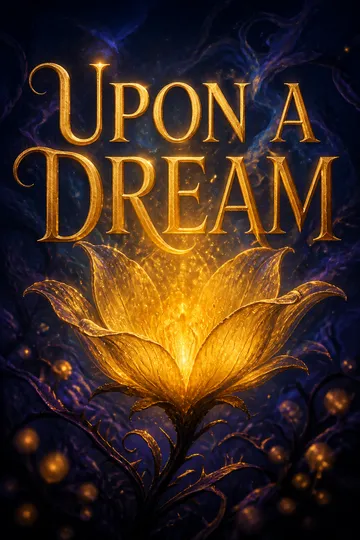
Fairy Tales Reimagined Series
Download PDF
Download EPUB
.epub digital book format is ideal for reading ebooks on phones, tablets, and e-readers.








