

Key Takeaways
Anger is a moral verdict, not a force that takes possession.
A whole-person response. Jones defines anger as a response to something perceived as wrong. It involves judgment, desire, feeling, and action, not emotion alone. The perception may be accurate or mistaken, and even an accurate perception does not make every response right. Anger can object to genuine harm, but it can also condemn a person for disrupting a plan or denying a preference.
Notice what the verdict serves. Jack explodes when his family fails to meet his standards; Jill retreats and resents him. Their different displays share a structure: each decides that something is wrong and responds from that judgment. Calling the reaction frustration or hurt does not settle whether it is anger or whether it is justified.
This definition is useful because it joins feeling to interpretation and behavior. Contemporary emotion research likewise treats anger as more than a bodily sensation: appraisals of blame, unfairness, and blocked goals help shape what follows. That makes reflection possible before a reaction becomes a habit. The definition can, however, sound too deliberate if applied to the first flash of anger, which may arise before conscious thought. A practical distinction is to separate the involuntary surge from the judgments and actions that a person can examine and change.
Test claimed righteous anger against its target, motive, and manner.
Three tests matter. Jones warns that people readily disguise self-interest as moral concern. He reports that 42 of 47 human uses of a common Old Testament anger word in his survey describe sinful anger. His proposed tests ask whether anger responds to actual wrongdoing, centers God and others rather than personal status, and remains joined to self-control and constructive action.
Jesus supplies the model. In Mark, Jesus is angry when religious leaders obstruct healing and when disciples keep children away. His anger addresses real wrongdoing, serves others, and does not derail his work. Clarence, by contrast, calls his yelling at his disobedient daughter righteous, but recognizes that he mainly wants his household to follow his preferences.
These tests turn a vague claim of moral indignation into questions about evidence, motive, and consequences. That resembles ethical decision-making in other fields, where good intentions do not excuse harmful means. The standard also prevents anger from becoming an automatic badge of virtue. At the same time, motives are mixed and difficult to read, including in oneself. A person may begin with self-protection and still identify a real injustice. Outside perspective and attention to the vulnerable person affected can make the assessment more honest.
Find the demand beneath the explosion, sulk, or silent punishment.
Anger often follows a thwarted want. In James 4, conflict grows from desires that have become controlling. The desired thing need not be bad: affection, competence, order, or a fair hearing can all become demands. Jones calls this pattern a good desire becoming a bad master. Three clues help expose it: the want dominates attention, a person is willing to sin to get it, or reacts sinfully when denied.
The trigger is not the whole cause. Jack wants a calm house after work and treats its absence as an offense requiring punishment. Jones himself recounts snapping at his wife when she offers help with a difficult task, because he wants to appear capable. The situation reveals the demand; it does not make the angry response inevitable.
Looking for the frustrated goal can make conflict legible without pretending the other person did nothing wrong. It also connects anger to familiar ideas in behavioral economics: people often react strongly when an expected outcome or sense of control is threatened. The model is especially helpful when the desire is respectable, since moral language can conceal how rigidly it is held. Still, not every angry response reduces to a selfish demand. Fear, grief, trauma, and bodily strain can shape perception and intensity, so inquiry should be curious rather than accusatory.
Seek grace to change the heart, not merely polish angry behavior.
Behavioral restraint is only part of change. A person can stop shouting while continuing to punish others with contempt or withdrawal. Jones argues that durable change requires naming the beliefs and desires underneath the behavior, then replacing self-rule with trust in God. In his Christian framework, repentance means owning the wrong, turning from the ruling demand, and seeking both forgiveness and power to act differently.
Grace is not a shortcut. Jones draws on James 4: God gives grace to the humble. A husband who snaps while struggling to assemble a crib, for example, discovers that he wants to control the task and protect his image of competence. He apologizes, accepts help, and reorients toward serving his wife rather than proving himself.
The root-and-behavior approach resists two common dead ends: condemning a person without helping them change, and teaching techniques that leave the underlying pattern untouched. In therapeutic terms, insight becomes useful when it is linked to practice, repair, and new responses. The religious account gives this process a clear source of hope and accountability. Its language of sin and repentance may not fit every reader, however. Even outside that theology, the practical sequence remains recognizable: examine the motive, accept responsibility, repair harm, and rehearse a better response.
Replace both attack and withdrawal with truthful, timely, peace-seeking action.
Anger can show or hide. Jones distinguishes revealing anger, such as shouting, insults, or intimidation, from concealing anger, such as cold silence, private resentment, and avoiding a needed conversation. Both can damage relationships. Venting is not automatically honest or healing, and silence is not automatically peace. In the book's examples, Jack attacks while Jill retreats, and each pattern feeds the conflict.
Choose a constructive next step. Control the immediate behavior, then decide whether to overlook a minor offense or address a serious one directly and respectfully. Speak truthfully, in a way that can help the other person, and avoid turning a complaint into a verdict on their character. If anger is escalating, step away briefly and return when conversation is possible.
The revealing and concealing distinction usefully expands the usual picture of anger beyond the loud outburst. It highlights how avoidance can communicate punishment while leaving the conflict untouched. Relationship research often distinguishes constructive confrontation from destructive escalation or withdrawal, making the practical aim clear: engage without attacking. The advice to pause is strongest when it includes a return to the discussion, not an indefinite retreat. In situations involving threats or violence, safety and outside support take priority over direct confrontation.
Bring questions about suffering to God as lament, not accusation.
Honesty need not become condemnation. Jones rejects both pretending to feel no distress and declaring God unjust. He points to biblical lament, in which people address God with grief and urgent questions while continuing to trust his character. Psalm 13, for instance, moves from asking how long suffering will continue, to asking for help, to affirming trust and praise.
Carolyn's crisis shows the distinction. After her husband's affair and departure, she wonders why God allowed her family's pain. The book counsels her to bring those questions directly to God, acknowledge her confusion, and resist treating her expectations as proof that God has failed. Lament is not a demand to understand every reason; it is a way to remain in relationship while suffering.
Lament gives religious language to experiences that are often pushed toward either denial or accusation. It allows sorrow to be spoken without requiring quick resolution, a strength shared with grief practices that make room for painful testimony. The distinction also protects faith from becoming a performance of cheerfulness. A necessary caution is that confidence in divine purpose must not be used to minimize human wrongdoing or pressure victims into silence. Trust, accountability, practical protection, and honest grief can coexist.
Treat self-anger as a clue to guilt, control, or perfectionism.
Self-condemnation has several roots. Jones questions the idea that people need to forgive themselves as though they held ultimate authority over their own guilt. Prolonged anger at oneself may signal unreceived forgiveness, surprise at one's own capacity to sin, regret over a lost goal, perfectionistic standards, or an attempt to act as one's own judge.
Separate wrongdoing from impossible responsibility. Phil is consumed by shame after adultery and needs to face his sin while accepting the forgiveness he seeks. Jane, by contrast, blames herself for not stopping her husband's job decision, although she voiced her concerns and could not control his choice. In both cases, the task is to distinguish actual responsibility from self-punishment and bring guilt to the book's Christian account of judgment and grace.
This analysis usefully separates remorse that points toward repair from self-attack that keeps a person trapped in imagined control. It also challenges perfectionism: replaying a past choice cannot guarantee the outcome that hindsight now desires. Contemporary self-compassion approaches make a compatible point when they distinguish accountability from global self-condemnation. The book's rejection of self-forgiveness language is theologically specific, and some readers may find that term helpful when it means releasing self-hatred, not excusing harm. Precise language matters because guilt, shame, and regret require different kinds of care.
Help an angry person by listening first, then addressing heart and conduct.
Start with the person's world. Jones proposes three linked tasks for helping someone: understand the person and the pressures around them, help identify the beliefs and desires feeding anger, then work on words and actions. A friend who feels judged is unlikely to examine motives until they know their story has been heard. Careful questions and attention to patterns can uncover what a quick lecture misses.
Make help practical. The book recommends keeping a record of an anger episode: what happened, what the person did and felt, what they wanted, and what a wiser response could be. Then tailor guidance to the pattern. Someone who explodes needs restraint and safer habits; someone who stews needs truthful speech, forgiveness, or a direct conversation.
This sequence balances empathy with accountability. In counseling and conflict mediation, a reliable relationship often makes difficult feedback easier to hear, while concrete plans help translate insight into behavior. The incident record is particularly useful because it turns a global label such as 'short-tempered' into observable moments and choices. A helper must also respect limits: friends are not substitutes for professional care, and violence, severe trauma, or ongoing abuse may require specialized support. Listening should open the door to help, not make a person responsible for fixing another's harm.
Change anger chiefly to honor God, not merely to feel better.
The book's highest motive is theological. Jones names physical and spiritual costs, including strained relationships, an unsettled conscience, and impaired prayer. He also argues that anger can spread through a family: a child may learn the parent's explosive habits. But these consequences are not his ultimate reason for change. Within the book's Christian frame, sinful anger matters most because it dishonors God and contradicts the character of Christ.
That priority reshapes the goal. A person may not get an apology, restored reputation, or repaired marriage. The example of Gus shows him continuing to pursue a more loving response even when his wife withdraws from counseling. The desired outcome is not control over another person, but conduct aligned with faithfulness, peace, and love.
A motive beyond personal relief can sustain ethical action when reconciliation or comfort is unavailable. The theological emphasis also challenges a consumer model in which behavior changes only when it pays off. Still, physical effects of anger should be described cautiously: associations between stress and health do not prove that a particular illness is caused by a person's sin. And relational repair cannot be guaranteed by one party's growth. The distinction between personal faithfulness and control over outcomes helps preserve the chapter's moral seriousness without promising an easy resolution.
Analysis
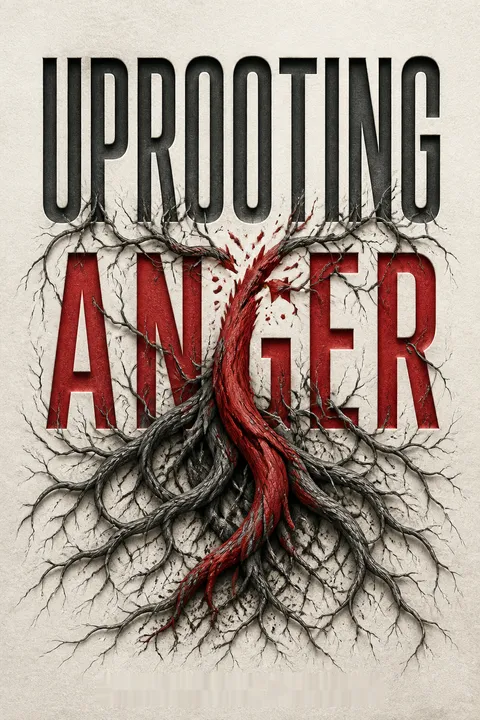
Uprooting Anger is a Christian counseling book that moves from definition, to diagnosis, to repentance, behavioral change, and help for others. Its through-line is unusually coherent: anger is a judgment about perceived wrong, and its outward form is connected to the desires and beliefs shaping that judgment. The recurring couple Jack and Jill makes the theory memorable by showing how attack and withdrawal can be mutually reinforcing, while later stories extend the model to anger at God and at oneself.
The strongest practical contribution is the insistence that outward conduct and inner motives both matter. A person who stops yelling but continues to punish through silence has changed a tactic, not necessarily the conflict. The book also refuses to make anger a mysterious force that excuses responsibility. Its tools, including incident journaling, motive questions, and direct repair, give readers ways to translate broad moral claims into specific action.
The framework is inseparable from its theological commitments. God is the moral standard, Christ's grace is the source of forgiveness and change, and honoring God is the ultimate motive. Readers who share these commitments will find the argument integrated rather than merely therapeutic. Others may still use its attention to blocked desires, conduct, and repair, but should recognize that the book does not present a religiously neutral theory.
Its account of agency needs careful application. The author acknowledges hardship, illness, and abuse as pressures, yet strongly emphasizes personal responsibility. That distinction can be clarifying when people blame others for choices, but it should not become a reason to minimize trauma, coercion, or danger. Anger can also arise with bodily arousal before a person can examine an interpretation. A humane application separates involuntary feeling from chosen response, supports safety and accountability, and avoids equating forgiveness with excusing harm or restoring trust automatically.
Review Summary
Uprooting Anger receives mostly positive reviews for its biblical approach to addressing anger issues. Readers appreciate its practical strategies, scriptural focus, and insights into the root causes of anger. Some found it transformative and highly recommend it for both personal use and counseling. However, a few reviewers criticized the author's tone, handling of abuse situations, and interpretation of Scripture. Overall, many found it a valuable resource for Christians struggling with anger, though some felt its advice could be difficult to apply in the heat of the moment.
People Also Read






Glossary
whole-personed
Involving the whole selfJones uses this term to describe anger as involving more than an emotion. It includes a person's perceptions, judgments, desires, feelings, words, and actions. The term resists explanations that isolate anger in only one part of a person, such as bodily feeling or conscious thought.
good desire, bad master
A desire becomes controllingA legitimate desire becomes a bad master when it dominates attention, drives a person to sin to obtain it, or provokes sinful behavior when it is denied. The problem may not be the desired thing itself, but the degree to which it governs the person's choices and expectations.
anger-revealing and anger-concealing
Expressing or hiding angerJones's practical distinction between outward displays of anger and hidden forms of angry response. Revealing can include yelling, insults, or intimidation. Concealing can include resentment, withdrawal, silent punishment, or avoidance. The distinction emphasizes that quiet behavior can still express anger and damage relationships.
God-playing
Taking God's judging roleJones's term for treating oneself as the final authority over another person's conduct and punishment. In anger, a person may create private rules, declare another guilty, and impose a penalty through attack or withdrawal. The book calls for relinquishing that role and trusting God's justice.
Trusting God Triangle
Three truths about GodA named teaching aid in the book that presents three grounds for trust during hardship: God is sovereign and powerful, wise and purposeful, and loving and good toward his people. It is used to help people interpret suffering without assuming that painful circumstances prove God's indifference or failure.
Laments of faith
Honest prayer amid sufferingThe book's description of biblical prayers that voice grief, confusion, and questions directly to God while retaining trust and humility. A lament does not pretend that suffering is easy or claim full understanding of God's purposes. It brings distress into prayer and seeks help without declaring God unjust.
Download PDF
Download EPUB
.epub digital book format is ideal for reading ebooks on phones, tablets, and e-readers.








