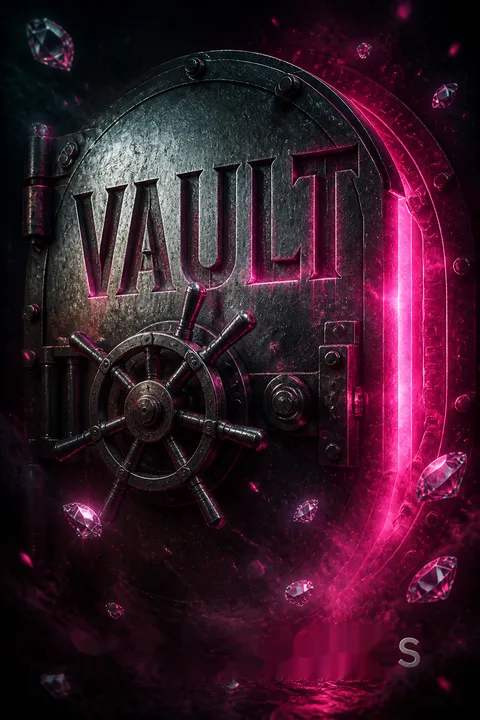


Plot Summary
Bombs Beneath the Holiday
Madison Kate, called MK by her friends, is staying at an Italian villa with her partners Archer, Kody, and Steele. They have been hired to protect Seph, the younger sister of the dangerous Hades, after remote explosives were discovered near the family vineyard. Seph does not know why her sister has become so watchful, and MK is forbidden to tell her.
The confinement leaves Seph restless, so MK proposes brunch in Sorrento. Archer refuses, but MK persuades him to relent, and the group heads into town with Seph’s aunt Demi and Demi’s wife, Stacey. At the restaurant, Archer keeps scanning the room while the others try to enjoy their meal. Steele’s attention slips toward MK, leaving the threat closer than any of them realize.
The opening makes protection feel like a conflict between bodily safety and psychological freedom. Seph’s ignorance is intended to shield her, yet it turns her security detail into jailers in her eyes. MK recognizes that emotional cost because she knows what it is to be managed through withheld information. Her choice to press for a simple outing is compassionate, but it also exposes how little control the group has over danger. Steele’s lapse is not born of indifference; intimacy briefly makes the ordinary feel safe. The scene’s danger grows from that fragile, believable mistake.
A Knife at Brunch
As Steele touches MK beneath the restaurant table, she spots a waiter preparing to throw a knife and shoves Seph out of its path. The blade strikes MK’s shoulder. Steele draws his gun, and the attacker dies before Archer and Kody can reach the table. Kody carries MK to their van while Archer gets Seph away from the restaurant; Demi and Stacey stay behind to handle the police.
At the villa, MK pulls the knife from her own wound, and Kody binds her arm while Archer stitches it. Steele admits he was distracted, and Archer punches him. MK stops the fight, then sends Archer away to cool down. The wound is survivable, but the attack turns the group’s fear into guilt and makes their protection assignment feel intolerably dangerous.
MK’s reflexive intervention reveals that her loyalty is active rather than sentimental: she accepts injury before she allows danger to reach Seph. The men respond to that choice with guilt, but their anger seeks a culprit among themselves when the actual attacker is the source of the harm. Archer’s punch gives his fear a physical outlet, while Steele’s confession shows how quickly responsibility can become self-punishment. MK interrupts that cycle and directs each man back toward care. Her authority in the aftermath is not a rejection of their protectiveness; it is a demand that protection include listening to her.
Seph Leaves the Villa
While MK recovers, Archer argues with Demi that the men should finish their assignment because Seph’s danger has already put MK in the crossfire. Demi insists that Hades expects them to keep the girl safe. Archer’s anger carries upstairs, and when he goes to check on Seph, her room is empty, its window open and a note left behind.
The team searches, then spends two days tracing the knife attacker’s criminal connections and questioning local gang members. Their trail is bloody, but it does not lead to Seph. Demi eventually calls with news that Seph was held in a warehouse in Sicily and has been found bruised but alive. Hades arranges her return to Shadow Grove, releasing the four protectors from the job. The group leaves Italy for Japan.
The argument turns a genuine ethical dispute into a practical failure. Archer sees the assignment as a threat to MK, while Demi sees abandonment as a threat to Seph; neither position is frivolous, but the shouting makes the already sheltered girl feel like the cause of MK’s injury. Seph’s disappearance is therefore both a security breach and a reaction to being treated as a liability. The violent search shows the men’s loyalty, but it cannot undo the damage caused by keeping Seph uninformed. Her survival comes through Demi and Hades, not the protectors’ force, underlining the limits of their control.
The Baby They Don't Plan
In Japan, Kody’s mother, Carolyn, welcomes the group to her mountain village, where they can finally settle after Italy. A teasing phone call with MK’s friend Bree goes wrong when MK jokes about pregnancy: Kody overhears, assumes it is true, and rushes to tell Archer and Steele. MK corrects him, then makes the conversation serious.
At twenty-one, she is studying business and wants to keep the life she has with the three men; she is not ready to become a mother. The men have treated the possibility of a baby as an inevitable next step, so she insists that parenthood must remain her choice, not the definition of their future. She leaves the door open to reconsidering when she is older, but only on her terms.
The comic misunderstanding exposes a deeper mismatch: the men hear pregnancy as proof of a shared future, while MK hears an assumption being made about her body. Her response is not a rejection of the relationship or of children forever. It is a refusal to let love become a quiet entitlement to her reproductive choices. The scene gives her ambitions equal weight with domestic possibility, particularly her effort to build business expertise rather than simply inherit authority. Steele’s intervention helps translate her boundary, but MK herself supplies its force. The humor makes the disagreement accessible without making the issue trivial.
Kody's Hidden Childhood
Kody has been unusually tense since arriving in Japan, and MK draws him into a walk so he will explain why. He tells her that after his father died, his mother’s addiction left him neglected. At eleven, a dealer abducted him over her debt, kept him in a kennel, and forced him to fight dogs. Archer and his father, Damien, eventually found him and brought him into their household.
MK listens without blaming Carolyn, who has been trying to rebuild her relationship with her son. At the end of the walk, Kody leads MK to a waterfall lit with fairy lights and proposes. She accepts, relieved that his carefully planned question is not a test of her love but an invitation to make their commitment official.
Kody’s disclosure reframes his protectiveness as a learned answer to early powerlessness. He describes the abuse without making it his mother’s entire identity, distinguishing her illness from deliberate cruelty. MK’s response matters because she neither minimizes his suffering nor takes control of his reconciliation with Carolyn. Her listening lets Kody own the story at his pace. The proposal follows that act of trust: he offers a future after showing her the past he fears might make him difficult to love. The waterfall setting is romantic, but the emotional hinge is his willingness to be known without being reduced to his trauma.
Kody's Wedding Night
Carolyn arranges a modest Shinto wedding for MK and Kody, with MK’s biological father James, Carolyn, Archer, and Steele present. MK wears a red gown embroidered with gold, and the ceremony gives Kody the formal commitment he had hoped for.
She chooses to follow his lead with Carolyn, acknowledging that his mother is trying to repair their relationship rather than forcing him to revisit every injury. After the celebration, Archer leaves the newlyweds alone for the night, and Kody prepares candles, champagne, a blindfold, ice, and warm wax.
Their private celebration is playful and intimate, but it also gives Kody a rare stretch of time with MK all to himself. The wedding does not change the four-person bond; it gives one part of it a shape they can wear.
This wedding makes commitment concrete without pretending that one ceremony can resolve every family history or define the whole relationship. MK’s choice to support Kody’s renewed connection with Carolyn is an act of respect for his agency, not an automatic absolution of the past. The private night answers Kody’s wish to have his bride to himself while preserving the broader intimacy shared among the four partners. The ring and ceremony function as symbols, but their meaning comes from negotiation: each partner’s needs can be distinct without being treated as competition. The scene’s tenderness rests on the group making room for difference.
A Proposal Interrupted
The morning after Kody’s wedding, Steele slips into the bedroom and asks MK to marry him too. She accepts without hesitation. Before they can settle into the moment, her company’s CEO, Monica, calls with urgent news: someone has broken into the Brilliance vault in Pretoria and taken the Wittenberg Diamond, the enormous pink stone tied to MK’s inheritance.
Steele begins packing while Archer and Kody prepare to leave Japan. Monica arranges a private jet, and the group travels from Hokkaido through Tokyo to South Africa.
The long flight leaves MK exhausted but anxious; the vault was built to be exceptionally secure, and she cannot understand why a thief would take only one jewel. Steele’s proposal remains unanswered in ceremony, suspended beside the more immediate question of who entered the vault.
The interruption places private commitment beside public responsibility without suggesting that one cancels the other. MK accepts Steele’s proposal as readily as Kody’s, yet her inheritance pulls her back into a business she has not fully learned to run. The theft threatens more than financial value: it challenges the security and legitimacy of a company that is part of her family identity. Her question about why only one stone was taken is an early act of judgment, not merely anxiety. Steele responds by packing, turning care into practical action. Their intimacy travels with them, but it cannot insulate them from the obligations attached to MK’s name.
The Diamond Returns
At Wittenberg’s Pretoria offices, an executive named Friedrich Nkosi mistakes MK for an intern and grabs her wrist when she challenges his conduct. Archer knocks him down, and Monica fires him for abusing women at work.
The confrontation establishes that MK will not defer to men simply because they outrank her. Monica then explains that the diamond is no longer missing: a woman brought it back after finding it at home. The group inspects the empty, velvet-shaped drawer and reviews evidence of expert safecracking, tampered alarms, and gaps in the footage.
Archer recognizes the likely thief by an old underworld nickname, Hermes, a mysterious figure associated with stolen goods. Monica believes the woman who returned the stone may know why it was taken, so MK agrees to meet her.
The office scene tests MK’s authority on two scales. She uses ownership to remove a powerful executive who exploits his position, then turns that authority toward an unresolved historical claim rather than treating the returned diamond as a simple asset. The secure vault’s failure makes expertise itself mysterious: whoever entered knew how to defeat systems designed to be conclusive. Hermes’s anonymity complicates the usual assumption that a thief acts from greed alone. The returned stone also changes the question from where the diamond is to why it was taken. MK’s decision to hear the finder places testimony, not just company procedure, at the center of the investigation.
Amahle's Inheritance
Monica introduces MK to Amahle Dlamini, a pregnant widow who arrived with her two young daughters and the returned diamond. Amahle says her family once owned the land where Brilliance’s mine now stands. MK’s grandfather Abel paid her great-grandfather in diamonds for the property, but those stones were later reported stolen.
The Wittenberg Diamond first appeared in company records months after that report, making it possible that the jewel is the lost stone, recut and absorbed into the family fortune.
Amahle brought it back because she feared keeping it would make her a criminal, not because she expected a reward. She has no firm legal proof, and MK has no certainty that the stories describe the same diamond. The company’s records leave a moral question that paperwork cannot answer by itself.
Amahle’s presence changes an abstract ownership dispute into a meeting between people with unequal power. She has lost her husband, supports two children, and is close to giving birth, yet she refuses to turn the jewel into private gain. Her integrity does not prove the family history, just as Brilliance’s documentation does not erase the possibility of dispossession. The ambiguity is central: MK cannot purchase moral certainty by finding a convenient legal answer. Instead, she must decide what standard of evidence and fairness her own company will honor. Amahle’s calm insistence that the stone is not useful to her separates material worth from the right to possess it.
The Price of Repair
MK concludes that she cannot simply reclaim a diamond that may never have belonged to her family. Amahle does not want to keep the stone, so MK instructs Monica to pay her its value and investigate how the mine and diamond changed hands.
If the audit finds that Abel knowingly took the stone, MK wants Brilliance shares transferred to Amahle’s family as well. The decision costs the company a fortune, but MK believes the possible injustice matters more than preserving a jewel for prestige.
Monica supports the order and begins tracing contracts, archival records, and the chain of sale. MK stays in Pretoria to learn how her CEO manages the company, turning a crisis into an education in ownership. The question remains open until the documents can establish what Abel actually did.
MK’s decision is a form of ethical governance because she treats inherited wealth as an obligation to investigate, not a natural reward. She does not claim certainty she lacks; the conditional share transfer leaves room for evidence to matter. At the same time, paying Amahle for the diamond recognizes that a legal dispute can impose costs even when proof is incomplete. MK’s response avoids both easy absolution and self-punishing spectacle. Her practical instruction to audit the past makes moral concern operational, attaching it to records, compensation, and corporate authority. Learning beside Monica also shifts MK from symbolic owner toward a person capable of directing what her inheritance does.
Steele's Safari Vows
After MK spends several days learning from Monica, Steele takes her to Wittenberg’s private game reserve for the wedding he has arranged. He blindfolds her on arrival and has staff prepare a ballroom overlooking the African landscape at sunset.
When she sees the white gown, flowers, and the three men waiting for her, MK runs to Steele and embraces him rather than objecting to the surprise. A short civil ceremony makes them husband and wife. MK places Steele’s ring alongside the bands from Kody and Archer, then gives each man a matching black ring, marking their shared commitment.
As the ceremony ends, lions appear beyond the windows, completing Steele’s carefully chosen surprise for his Hellcat. His wedding is not a response to the other ceremonies, but another promise made in the same family.
Steele’s surprise could have displaced MK’s agency, especially after the group has already discussed how much control she wants over her future. The scene works because her response is unmistakably enthusiastic, and because the ceremony follows rather than replaces the commitments she has already made. The rings make the relationship visible without flattening its asymmetries: each marriage has its own history, while the matching bands acknowledge a collective bond. The lions are a romantic flourish tailored to MK’s fierce self-image, but the deeper gesture is Steele’s attention to what makes her feel cherished. Celebration here is not an escape from responsibility; it is a chosen pause within it.
The Ghost on the Tarmac
As the group prepares to fly back to Shadow Grove, MK tells the men that Monica’s audit found proof Abel bought the diamond already cut, months after the Dlamini family reported its own stone stolen.
The available paperwork clears Abel and Brilliance of taking Amahle’s family property, but MK still wants Monica to give Amahle Brilliance shares. She refuses to make fairness depend solely on whether her grandfather committed a crime. Then Kody receives a call from Roach, the Reapers’ new leader. Hades has appointed Rex and Cassiel Saint as enforcers for the Timberwolves.
Cass had been presumed dead, and his return will hit Archer hardest because he once looked to Cass as an older brother. The plane waits while Kody carries the news back to his friends, turning homecoming into the start of another reckoning.
The audit resolves the factual question without dissolving MK’s ethical concern. Abel did not steal the Dlamini diamond, yet MK chooses generosity because the family’s loss and hardship remain real. This distinction makes her justice more than a verdict: she can honor evidence while declining to treat innocence as a reason to withhold every form of repair. The final call then shifts the novella from domestic celebration back toward the violent world surrounding the group. Cass’s return unsettles the men’s memory of their own history, especially Archer’s grief and loyalty. The ending makes home less a destination than a place where unresolved bonds are waiting.
Analysis
Vault uses a fast succession of crises to test who gets to define safety, family, and ownership. In Italy, MK’s instinct to shield Seph collides with the secrecy imposed by the protection detail. The attack makes that secrecy feel consequential, but Seph’s disappearance shows that physical security cannot substitute for informed agency. The book then shifts from public danger to private negotiation: MK sets limits on motherhood, Kody shares a painful childhood, and the men formalize their bonds with separate weddings. These scenes treat intimacy as a practice of consent and recognition, not merely as passion or possession.
The Pretoria plot extends that question into inheritance. MK has the authority to keep the diamond, but authority does not settle whether keeping it would be just. Amahle’s return of the stone creates a moral encounter between a wealthy heiress and a woman whose family history may have been obscured by corporate records. MK does not confuse suspicion with proof: she commissions an audit, pays Amahle for the diamond, and remains willing to share company value even after the documents clear Abel. Her response suggests that ethical action can exceed legal liability without pretending evidence is irrelevant.
The novella’s most revealing contrast is between protection and control. Archer’s vigilance can become domineering; MK’s insistence on choice makes care answerable to the person receiving it. The same principle guides her handling of the diamond: inherited power is not automatically legitimate simply because it is documented. Yet the ending refuses a complete sense of closure. The return to Shadow Grove and the news about Cass reopen old loyalties just as the group’s marriages seem to secure their future. Private commitment offers an anchor, not immunity from history.
People Also Read










Characters
Madison Kate Wittenberg
The self-directed heiressMK is a young woman balancing an intense relationship with three men, online business studies, and responsibility for the Wittenberg company she inherited. She is quick-witted, sexually confident, and impatient with anyone who mistakes protectiveness for permission to decide for her. Her loyalty is practical: she risks herself to shield Seph, but also insists on being heard when her partners panic. She wants a future shaped by her own priorities, not by assumptions about marriage, motherhood, or inherited wealth. Her instinct to question the diamond’s ownership reflects the same independence she brings to her private life. MK’s strength lies not in being fearless, but in acting decisively while recognizing what she still needs to learn.
Archer D'Ath
The jealous guardianArcher is MK’s husband and one of her three committed partners. A former protector with a commanding presence, he scans every room for threats and reacts intensely when MK is hurt. His vigilance is rooted in love, but fear can make him controlling, especially when he believes someone has placed her in danger. He and MK meet each other with sharp humor and physical confidence, and she is willing to challenge him rather than accept his authority unquestioned. Archer’s jealousy also surfaces when the other men share milestones with MK. Beneath the aggression is a man deeply attached to his chosen family, still learning that protecting someone does not mean deciding for them.
Kody Jones
The devoted protectorKody is one of MK’s partners, a protective friend to Archer and Steele, and a successful gym owner with business interests of his own. He is affectionate and perceptive, often softening the group’s harsher edges, though his fear for MK can make him jump to conclusions. His relationship with his mother is complicated, and he approaches it cautiously rather than pretending the past never happened. Kody values belonging because he knows how precarious safety can be. With MK, his tenderness is matched by a desire to be fully known, including the parts of himself he finds difficult to reveal. His humor and physical warmth help make the group feel like a home rather than merely a team.
Steele
The watchful charmerSteele is MK’s partner and one of the men responsible for protecting her and Seph. Tattooed, confident, and playful, he often uses humor and touch to ease tension, but his work demands vigilance. When his attention slips during the restaurant attack, he takes the mistake personally, revealing how seriously he treats responsibility. He is also emotionally attentive, willing to help MK articulate difficult boundaries and to celebrate her relationships with the other men. Steele’s romantic gestures are theatrical, yet they are grounded in close observation of what makes MK feel loved. His charm does not make him careless by nature; it is one way he keeps warmth alive in a life shaped by danger.
Seph
The sheltered sisterSeph, short for Persephone, is MK’s friend and the younger sister of Hades. Raised with extensive protection, she is lively, outspoken, and eager to make her own choices, even when she does not understand the risks around her. The men’s security detail sees her as a person they must keep safe, while Seph experiences their caution as confinement. Her friendship with MK gives her a source of warmth outside her family’s rules, but it cannot replace the information she has been denied. Seph’s independence is genuine, though her lack of knowledge leaves her vulnerable to choices whose consequences she cannot fully anticipate.
Monica van Wyk
The steady company chiefMonica is the CEO of Wittenberg and Brilliance, a capable executive who treats MK as the owner rather than as an accessory to the men around her. She combines professional discipline with a willingness to discuss the company’s uncomfortable history. Monica does not overstate what the records prove, and she brings MK into decisions instead of protecting her from their complexity. Her calm presence helps turn the diamond crisis into a lesson in corporate responsibility. She is also practical about people: when MK identifies misconduct in the office, Monica is willing to act on it.
Amahle Dlamini
The honest claimantAmahle is a young widow, a mother of two, and a member of the family whose land became the site of Brilliance’s mine. Pregnant and under pressure, she still returns a valuable diamond rather than risk keeping property she believes is not hers. Her manner is courteous but firm, especially when she explains why she distrusts the police. Amahle does not seek to exploit her family’s history; she wants to return the stone and get her children home. Her honesty gives MK a human perspective on a question the company might otherwise reduce to contracts and valuations.
Demi
Seph's determined auntDemi is Seph’s aunt and one of the adults helping protect her. She understands the danger around Hades’s family and refuses to treat Seph’s safety as optional, even when the men resent the assignment. Her temper and bluntness resemble the fiercely protective world she comes from. Demi’s disagreement with Archer grows from opposing responsibilities, not indifference to MK. She works alongside Stacey and continues trying to keep Seph safe despite the personal strain created by the job.
Carolyn Jones
Kody's rebuilding motherCarolyn is Kody’s mother, living in Japan after building a new life there. Her relationship with her son carries a painful history, and she is trying to reconnect without demanding that he forget it. She welcomes MK and helps make Kody’s proposal and wedding possible. Carolyn’s presence complicates the group’s easy loyalty: loving Kody means respecting his choices about his mother, while still acknowledging the harm he experienced as a child.
Stacey
Demi's capable wifeStacey is Demi’s wife and a fluent Italian speaker who helps the group navigate public spaces. She stays behind after the restaurant attack to manage the police response with Demi. Practical and composed, Stacey supports her wife without taking attention away from the central group. Her ability to communicate locally makes her a useful presence when the protectors are out of their familiar territory.
Hades
Seph's formidable sisterHades is Seph’s older sister, a powerful figure whose reputation makes the men take the protection assignment seriously. She is fiercely protective of her family and expects the people she hires to follow through. Though she remains offstage for most of this novella, her decisions shape the group’s movements and the risks surrounding Seph. Her authority is both a source of security and a pressure that complicates the protectors’ choices.
James
MK's biological fatherJames is MK’s biological father and one of the witnesses at her wedding to Kody. His presence connects MK’s inherited family life to the family she has chosen with her partners.
Bree
MK's teasing friendBree is MK’s friend and a new mother. She jokes that MK should have children too, unintentionally prompting an important conversation about MK’s plans and boundaries.
Friedrich Nkosi
The entitled executiveFriedrich is a senior Wittenberg executive accustomed to exercising authority without accountability. His manner toward women reveals the workplace culture Monica has struggled to confront. He represents the kind of power MK refuses to accept merely because it comes with a title.
Roach
The new Reaper leaderRoach leads the Shadow Grove Reapers and calls Kody with news about changes among the Timberwolves. He is a link between the group’s life abroad and the dangerous loyalties waiting back home.
Cassiel Saint
The formative mentorCassiel Saint is a former mentor whose influence shaped Archer, Kody, and Steele when they were young. The men remember him as a significant figure in their shared past, particularly Archer, who saw him as family.
Damien D'Ath
Archer's influential fatherDamien is Archer’s father and an important adult from the men’s youth. He helped shape the rough world in which the three friends grew up and remains part of their shared history.
Plot Devices
The protection assignment
Safety with a costThe men’s job guarding Seph gives the opening its immediate danger and binds the Italian storyline to Hades’s family. The discovery of explosives makes their caution reasonable, but Seph’s ignorance makes that caution feel like confinement. MK’s friendship with Seph puts her between the protected girl and the protectors, and the restaurant attack proves that the assignment can endanger everyone nearby. When Seph disappears, the job becomes a test of responsibility rather than a simple security detail. Its function is to expose the limits of protection when the person being protected has not been allowed to understand the threat.
The three wedding rings
Commitment made visibleThe weddings and matching rings give physical form to the distinct commitments between MK and each of her three partners. Archer’s existing marriage, Kody’s Shinto ceremony, and Steele’s civil ceremony each arise from a different emotional need. Kody wants to make their bond official; Steele wants to offer MK a celebration shaped around her; Archer’s jealousy reveals how difficult sharing can feel even within a chosen relationship. The rings sit together without erasing those differences. They make the group’s arrangement legible while keeping the focus on consent and the individual bonds inside it.
The Wittenberg Diamond
Inheritance under examinationThe pink diamond begins as an apparent corporate theft, then becomes a test of how MK will use inherited wealth. Its theft from a secure vault raises the possibility of a professional job, while its return leads to a family claim tied to the land beneath Brilliance’s mine. Company archives offer evidence but do not immediately settle whether the stone is the one Amahle’s family lost. MK’s response joins financial compensation to an audit of the company’s past. The diamond therefore moves the story from security mystery to a question of what present-day owners owe people affected by earlier transactions.
The Hermes identity
An unseen thief's signatureHermes is an underworld nickname for a thief whose identity and motives are unknown. Archer recognizes the name from his family’s criminal history, and the professional methods used in the Brilliance vault make the connection plausible. The figure complicates a simple greed explanation because the diamond is returned rather than sold or hidden. Hermes links the robbery to a wider criminal world without supplying an easy answer about who acted or why. The device creates suspense, but its more important role is to unsettle assumptions about theft, ownership, and whether a stolen object can be returned to the right hands.
Madison Kate Series









Download PDF
Download EPUB
.epub digital book format is ideal for reading ebooks on phones, tablets, and e-readers.








