


Plot Summary
The Kiss That Never Lands
Two months before the funeral, Cass, the Reapers’ volatile leader, waits for a chance to see Hades, the young crime boss he secretly longs for. Alone in her office, she invites him to stay with her, but when Zed appears behind a concealed panel, Cass pulls away. He wounds Hades by calling her a child, then flees before he can explain his fear of wanting her.
In the present, Hades attends Cass’s crowded funeral with Zed and Lucas, carrying the memory of the gunshot that put him in his coffin. The Reapers resent her, but she accepts their blame in silence. Their grief is real, and Hades’s guilt is worse because she knows exactly how close she came to losing him.
The opening establishes a useful contradiction: Cass’s rejection looks like contempt, but his conduct is driven by self-disgust and fear of crossing a line he believes he should not cross. Hades, accustomed to reading threats, cannot read his desire because she is invested in believing herself unwanted. The funeral then converts private longing into public consequence. Gang loyalty makes Cass’s death a civic event, while Hades’s controlled posture conceals a guilt that cannot be settled by the crowd’s judgment. The scene places intimacy and violence in the same frame, a tension that will shape every later decision.
A Funeral for a Ghost
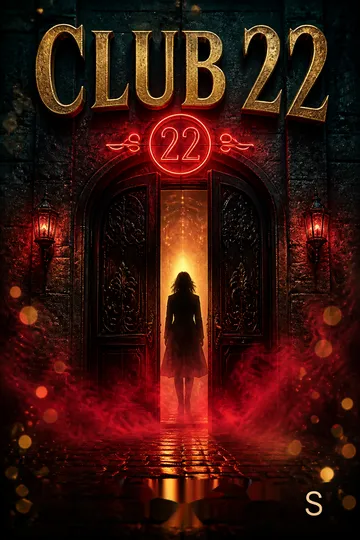
After the service, Hades learns that Chase, her supposedly dead former fiancé, has returned to Club 22. She, Zed, and Lucas go there, where Chase taunts her over Cass and makes clear that the funeral has not ended his campaign. Once he leaves, Hades privately reunites with Cass, alive but wounded.
They had staged his death to free him from the Reapers, whose members cannot simply retire, while allowing Chase to believe Cass had betrayed Hades and paid for it. Hades had meant to hit Cass’s protective vest, but one bullet struck his shoulder and another hit his head, leaving her convinced she had killed him. The deception worked, yet Zed and Lucas were kept outside the plan and still feel betrayed.
The secret funeral is both a tactical success and an intimate failure. Hades and Cass protect the plan by limiting who knows, but that same secrecy reproduces the isolation Chase has trained into her: she acts alone, then asks others to absorb the consequences. Her mistake with the bullets matters because the plan is not cleanly controlled, even when its participants are skilled. Cass’s willingness to remain hidden shows that liberation from the Reapers costs him his public identity. The chapter’s emotional center is not whether the trick worked, but whether Hades can build trust without treating information as a weapon.
The Guild Beneath the House
With Cass hidden at Zed’s fortified home, Hades tries to keep Chase from reaching the people around her. Lucas, a nineteen-year-old dancer and Hades’s new lover, wants answers about the weapons once stored beneath his mother Sandra’s house and his uncle Jack’s ties to the mercenary Guild.
Sandra denies everything, then begs him to stop investigating. Her glance toward a photograph of Nicholas Porter, the father Lucas believes died before his birth, gives Hades a lead.
The basement has already been emptied, and the Guild offers no help. A contact warns Zed that someone inside the organization is hostile to them. Lucas’s questions now put him at risk, while Sandra’s silence suggests her family’s secrets have been guarded by threats, not mere shame.
The Guild plot turns domestic space into evidence. Lucas’s childhood home is not simply a place of memory; its hidden arsenal reveals that someone prepared him for a life he did not choose. Sandra’s refusal is psychologically legible as protection, but protection without explanation leaves Lucas unable to distinguish care from control. Hades recognizes the danger quickly, yet her impulse is again to manage the threat for him rather than share authority. The scene mirrors her own history: adults decide what the younger person can bear, then call the resulting ignorance safety. The Guild’s distant pressure makes that family pattern feel institutional.
Three Samples, One Warning
Hades, Zed, Lucas, and Cass collect DNA samples to check whether Lucas is related to Chase or to any of the men around him. Zed turns the uncertainty into a cruel joke, briefly making Hades fear that she and Lucas might be siblings, but the tests rule out every sample they submitted. A separate military database contains a coded familial match, which Dallas, the team’s hacker, begins tracing.
Meanwhile, Hades’s feelings for Lucas deepen: she tells him she loves him, and he returns the confidence without asking her to simplify their relationship. Lucas also helps Hades see how long she has denied her love for Zed. She is not ready to act on it yet, because memories of Chase still surface whenever Zed touches her.
The DNA tests externalize a fear that is emotional before it is factual. Hades’s panic about kinship reveals how precarious her attachment to Lucas feels: a biological coincidence could suddenly make desire seem dangerous, even though their bond is chosen and reciprocal. Lucas’s calm response contrasts with Hades’s habit of treating uncertainty as a problem she must solve alone. His emotional directness does not erase her trauma, but it gives her a way to imagine intimacy without coercion. The coded match leaves the family mystery open, preventing reassurance from becoming resolution and tying private identity to systems of classified power.
Chase Drinks the Trap
At Nadia’s Cakes, Chase corners Hades and Zed, threatens the Reaper matriarch’s business, and taunts Hades about her past. Hades recognizes his fixation on her as a vulnerability. Using a sedative vial she has carried since a previous bout of insomnia, she drugs his coffee while pretending to welcome his attention.
When he collapses, she takes a clean cheek sample for testing and draws a crude insult on his face before the Reapers remove him. The stunt gives Hades the DNA she needs and confirms that Chase still responds to her in the same reckless way. It also provokes him: he knows she planned something, and the café’s people may suffer for giving her cover.
Hades’s maneuver reverses the usual direction of coercion without pretending she is untouched by it. She uses Chase’s sexual entitlement as a predictable opening, but the tactic requires her to perform closeness with someone who has abused her. Control here is practical, not therapeutic. The comic mark on his face briefly lets her reclaim the scene on her own terms, yet it also turns humiliation into another provocation in an escalating exchange. Nadia’s presence matters because it supplies a public boundary Chase cannot simply erase. Still, Hades’s victory is narrow: obtaining evidence does not remove the danger attached to whoever helped her obtain it.
The Circle Sends Leon
While Cass works undercover, Hades rides with him through Shadow Grove at night. Two SUVs block their route and open fire, forcing Hades to escape without her gun while Cass returns fire. A Guild operative named Leon appears afterward and identifies the attack as an attempted warning, not a Guild operation.
He says the Guild’s governing Circle has reviewed Jack Wildeboer’s death and wants Lucas to stop digging into the family’s connection to them. Leon knows Lucas by name and threatens further consequences if the searches continue.
Back at home, Cass and Hades agree the Guild is watching more closely than they expected. Hades tells Lucas to pause his online research, but the warning does nothing to resolve the mystery that has already shaped his life.
The road ambush shifts the Guild from an abstract institution into an immediate physical presence. Leon’s calm delivery is more frightening than the gunfire because it demonstrates surveillance, reach, and confidence in impunity. His knowledge of Lucas turns an inherited mystery into a direct threat against a young man who has barely chosen his own future. Hades responds by narrowing access to information, repeating the protective secrecy that Sandra uses with Lucas. The distinction between care and control remains unstable: stopping a search may preserve his safety, but it also leaves him subject to a history others have authored for him.
The Reapers Lose Mad Dog
Cass asks Hades to reinforce Roach, the inexperienced leader now trying to control the Reapers and cut Chase off from PCP. At Scruffy Murphy’s, a drunken Reaper named Mad Dog reaches for Hades and insults her. She kills him in front of the gang, then makes Roach’s authority unmistakable.
The crowd falls silent, and Roach accepts that Hades’s backing carries both protection and a price. On another night, she and Zed visit the new Meow Lounge, a sex club, where their attraction finally becomes harder to disguise.
Chase interrupts their private moment, assaults a waitress, and tries to drug Hades’s drink. Zed knocks him unconscious, but Chase’s reminder that others could be harmed stops them from killing him. Their departure leaves Hades and Zed with anger, desire, and no safe way to act.
The killing of Mad Dog shows Hades’s authority operating as spectacle: violence is not incidental to leadership but the language her organization understands. Roach gains room to govern, though his power remains partly borrowed from Hades. The Meow Lounge scene exposes the cost of that same language in her personal life. Zed can protect her physically, yet his response risks giving Chase exactly the uncontrolled escalation he wants. Hades’s restraint is not forgiveness; it is strategic recognition that power has collateral effects. The contrast between a public execution and a private, interrupted desire shows how narrowly she can permit herself to choose.
Seph Vanishes in Italy
Hades’s eighteen-year-old sister, Seph, calls from an unknown room in Italy, terrified and unable to locate herself. She had run away after a knife attack injured Madison Kate, then accepted a ride from Paulo, a man she had recently met. He drugged and abducted her.
Lucas keeps Seph calm on the phone while Zed mobilizes help, and Chase soon calls to demand dinner with Hades in exchange for her safe release. Hades agrees to meet him alone the following evening. Cass travels to Italy, joins Demi in searching, and eventually secures Seph before the deadline.
Hades nevertheless goes to the restaurant, where Chase stages a false reunion and threatens Seph to force Hades to eat. Once she receives confirmation that her sister is safe, she knocks Chase unconscious and leaves.
Seph’s abduction makes explicit what Hades’s protective regime has obscured: safety measures cannot substitute for informed consent or judgment. Seph’s flight is reckless, but it grows from feeling managed rather than trusted. Chase exploits that fault line by turning Hades’s care into leverage, confident she will accept danger to herself rather than risk her sister. The restaurant’s staged intimacy is a coercive reconstruction of their past, designed to make Hades perform compliance. Her eventual refusal depends on Cass and Demi securing Seph first. The sequence is therefore not a simple rescue through force; it is a contest over who controls the timing and terms of Hades’s choices.
The Secret Comes Home
Cass and Seph return to Zed’s house disguised as an elderly plumbing couple, a comic disguise that gets them past Chase’s watchful neighborhood. Seph is safe but resentful that Hades hid Cass’s survival and still treats her like a child.
Her complaints sharpen when Hades admits she loves Lucas, Cass, and Zed. Zed eventually tells Seph the truth about their father and the abuse Hades endured under Chase, then lets Hades leave rather than forcing her to relive it in front of her sister.
Seph apologizes, but Hades cannot immediately accept the change in her judgment. When a school attacker later tries to garrote Lucas, Lucas subdues and restrains him himself. The incident convinces Hades she cannot protect Seph alone, so she arranges an outside guard.
This section separates apology from repair. Seph receives the facts that explain Hades’s severity, but knowledge does not instantly undo the years of resentment between them. Hades’s departure while Zed explains her past is an act of self-preservation, not evasion; she refuses to make her trauma available as evidence in a family argument. Lucas’s successful defense against the attacker complicates Hades’s assumptions about who needs protection. He is not merely a vulnerable lover to shelter, while Seph’s risk remains real. The family’s conflict therefore turns on a difficult ethical question: how to care for someone without reducing them to a liability.
The Egg Channing Stole
After Cass returns from his undercover assignment, Hades asks why he had been investigating Channing Lockhart, Chase’s father. Cass explains that Channing murdered Cass’s mother when Cass was a child and stole a Fabergé egg that belonged to Cass’s grandmother, Nadia. The egg had been a wedding gift from Nadia’s first love, a thief who stole it for her before she married another man.
Cass joined the Reapers after losing his mother and being taken in by Damien D’Ath; reclaiming the heirloom is a private debt he has carried for years. He had withheld the story because he feared Hades would suspect him of being related to Chase. Now that they have DNA samples from both men, Hades agrees to test them.
The egg gives Cass’s history a material center: an object can preserve love, theft, and grief long after the people involved are gone. Its value is not merely monetary. Returning it would restore a fragment of Nadia’s life that violence and family poverty displaced. Cass’s secrecy, like Hades’s, is protective in intention but costly in effect. He fears becoming another instrument in Chase’s psychological warfare, so he delays a truth that Hades has a right to assess. His disclosure marks a shift from being the brooding object of her concern to an equal participant whose past has its own claims.
A City Turns Against Hades
Chase expands his attack beyond direct threats. Locked Heart buys nearby properties to obstruct Hades’s liquor and gaming licenses for her new venue, Timber. He also feeds local reporters stories about the supposedly extinct Timberwolves and contributes to a police raid at Anarchy, where patrons are found carrying PCP and claim the gang sold it to them.
The venue is shut down, threatening its licenses and a major fight night. Hades’s lawyer, Gen, and her ally the Cloudcroft mayor work to limit the damage, while Zed uses political connections to negotiate a temporary closure instead of a permanent loss.
Meanwhile, several former 7th Circle workers disappear, including women Zed once knew. Hades suspects Chase is targeting them, but she cannot yet prove what happened.
Chase’s strategy attacks Hades’s ability to distinguish legal enterprise from criminal reputation. By manipulating licenses, press, and policing, he makes her public identity a vulnerability even when she has complied with formal requirements. The pressure is especially effective because it forces her to spend attention on procedure while personal threats continue. Zed’s political fluency becomes a counterweight to Hades’s blunt command style, showing that power can be exercised through negotiation as well as fear. The missing workers complicate the business plot with human consequences: women who once occupied the margins of Hades’s empire are now potential targets, not merely names in an employee file.
Nine Girls in the Vault
After Anarchy is closed, Hades, Zed, and head of security Alexi investigate a broken lock at the venue’s underground storerooms. They hear crying and find nine drugged girls, most of them children, locked in an interrogation room.
Hades carries the only awake girl, Diana, to safety while Zed and Alexi move the others to a protected house before police can use the discovery to frame Hades for trafficking. Nadia, a nurse, and women from Club 22 help the girls recover and identify their families.
Five appear to have been kidnapped and want to go home. One girl was likely sold by her parents, another has no surviving family, and Diana refuses to give details. One unconscious girl dies in hospital, giving Chase another possible weapon against Hades.
The rescue exposes the moral instability of Hades’s world without equating her with its worst actors. She runs businesses adjacent to sex work and must fear that police will interpret the girls through that association, yet she acts urgently to keep them from being returned to traffickers. Diana’s trust is earned through plain honesty rather than reassuring promises Hades cannot guarantee. The girls’ differing circumstances resist a single rescue narrative: returning home may save some and endanger others. Hades’s instinct to take personal responsibility is humane, but it also risks turning every vulnerable person into another burden she believes she must carry alone.
Lucas’s Father in the File
Dallas traces the coded DNA match and identifies Captain Brant Wilson, a former soldier who later worked for the FBI. Hades recognizes him as a man she killed months earlier after catching him photographing shipments at the Cloudcroft docks. The results suggest he was Lucas’s biological father, though Lucas has never known the man and Sandra has lied about his identity.
Hades and Zed decide not to tell Lucas about her role in Wilson’s death while he is still absorbing the revelation. Their silence protects him from immediate pain but deepens the pattern of decisions made on his behalf. Lucas’s mother remains too unwell to explain why she concealed his parentage or how her family became tied to the Guild.
The paternity result collapses two of Hades’s roles, lover and executioner, into one unbearable fact. Her past violence is no longer a distant element of her criminal life; it has entered Lucas’s family history. The decision to withhold the truth may be compassionate in the moment, but it repeats the same paternalistic logic that has already damaged her relationship with Seph. This is not a simple question of whether confession is virtuous. Lucas is surrounded by unstable threats, and the timing matters. Yet the novel makes clear that secrecy can postpone pain without neutralizing it, especially when evidence is likely to surface through other people.
Maxine Becomes a Target
Chase targets women connected to Zed, and former Club 22 dancer Maxine is found beaten almost to death in her apartment. Hades visits the hospital but stays outside while Maxine’s family prepares for the possibility of ending life support. Zed is shaken by the attack, and Hades’s guilt grows because her friend has become collateral in the war.
Soon after, Alexi leaves Hades a cryptic request to meet him alone at Club 22. Hades goes with Zed and Lucas to Timber instead, where undercover FBI agent Jeanette, once Hades’s neighbor, is waiting with armed officers. She accuses Hades of murders, drug crimes, and Maxine’s attempted murder, using Hades’s old joking threat about a stripper shoe as evidence.
Maxine’s attack strips the conflict of strategic distance. Hades can accept risks to her businesses and herself as part of the work, but a friend’s body makes the cost intimate. The hospital scene also shows restraint: Hades does not claim access to Maxine’s family grief simply because she feels guilty. The subsequent arrest weaponizes that very guilt. A joke is transformed into forensic proof, demonstrating how an abuser’s system depends on capturing fragments of speech and presenting them outside their context. Alexi’s unexplained absence and Jeanette’s sudden reveal turn the familiar network of employees and allies into a field of uncertainty.
Zed Stands With Chase
Jeanette handcuffs Hades and lists crimes that include the murder of Brant Wilson, forcing Lucas to confront the truth that Hades killed his father. Lucas asks whether the accusation is false, but Hades cannot deny it. Zed is not restrained or charged. Instead, he remains beside Chase, who arrives as the new FBI director and greets Zed like an old ally.
Hades sees Chase congratulate him before she is pushed into Jeanette’s car. She has no chance to learn whether Zed’s apparent cooperation is genuine, coerced, or part of a deeper plan. Cass is still concealed elsewhere, unaware that Hades has vanished. The story ends with Hades in custody, Lucas wounded by the truth, and Chase seemingly holding power over every front.
The ending converts the novel’s central trust problem into a public spectacle. Hades has spent the story learning to share decisions and accept care, only to be arrested while the person who knows her best appears to stand with her enemy. The evidence against her is deliberately mixed: some charges are fabricated, but Lucas’s father’s death is real. That mixture makes the betrayal devastating because it denies her the comfort of dismissing everything as a lie. Cass’s absence compounds the cliffhanger; the fake death that once protected him now leaves him unable to see the danger. The final uncertainty is not just who betrayed Hades, but whether trust can survive proof that looks complete.
Analysis
Club 22 treats control as both Hades’s strongest skill and her most persistent relational failure. She can read an ambush, redirect a gang, or manipulate a hostile rival, yet the same habits make her hide plans from Zed, Lucas, and Seph. The distinction is not that she trusts no one. She trusts them deeply, but she assumes responsibility must remain hers. The result is a cycle in which protection becomes exclusion, exclusion creates resentment, and resentment makes the people she loves more vulnerable to Chase’s manipulation.
The novel’s romance offers a counterpressure to that cycle. Lucas’s candor, Cass’s guarded disclosures, and Zed’s long familiarity each ask Hades to tolerate a different kind of closeness. Their shared relationship is not presented as a frictionless solution. Jealousy, trauma, uneven power, and Hades’s difficulty staying present complicate intimacy. What matters is that consent and trust have to be negotiated rather than presumed. Sex can create moments of safety, but it cannot erase the memories that make safety difficult.
Chase understands Hades’s attachments as weak points and attacks them through surveillance, threats, violence, and institutions. His power is not simply physical. He can make a joke sound like evidence, a legitimate business look criminal, and a protective choice resemble guilt. The final arrest works because the case against Hades combines fabrications with a real crime she committed. This mixture denies the reader and Hades an easy distinction between innocent victim and guilty operator.
The book also interrogates family as an unstable source of both care and harm. Sandra withholds the truth to protect Lucas; Hades withholds the truth to protect Seph; both choices preserve a temporary calm while depriving the younger person of agency. Diana’s rescue offers a small alternative: Hades helps her by speaking plainly, admitting uncertainty, and not promising what she cannot guarantee. That moment suggests a form of protection based on honesty rather than command. Yet the ending leaves that fragile practice under siege. Hades’s central challenge is no longer merely to survive Chase, but to discover whether the people around her can share truth before it becomes another weapon.
Review Summary
Club 22 receives overwhelmingly positive reviews, with readers praising its intense plot, character development, and steamy romance. Many highlight the complex relationships between Hades and her men, as well as the intriguing villain. The book's cliffhanger ending leaves readers shocked and eagerly anticipating the next installment. Some criticism focuses on repetitive elements and pacing issues. Overall, fans appreciate the emotional depth, unexpected twists, and Tate James' ability to craft addictive, suspenseful stories with compelling characters.
People Also Read







Characters
Hayden Timber
The feared city bossKnown in Shadow Grove as Hades, Hayden runs the Timberwolves and the legitimate Copper Wolf businesses built around them. She is disciplined, observant, and adept at turning fear into authority, but her self-command often becomes a reason to hide information from people she loves. Her history with Chase has taught her to anticipate betrayal and treat vulnerability as a liability. Beneath that armor, she is fiercely protective of her sister Seph and increasingly open to loving Zed, Cass, and Lucas without choosing only one. Her central tension is not whether she can survive violence. It is whether she can let others share the burden of decisions she has always made alone.
Zayden De Rosa
Hades’s steadfast secondZed is Hayden’s closest friend and operational second, a skilled fighter and strategist who has stood beside her since their youth. He cooks, trains, protects, and manages the practical machinery of their dangerous life, often understanding Hayden’s moods before she names them. His long-standing love for her is complicated by jealousy and by the fear that becoming lovers could cost him their friendship. Zed has a commanding, possessive streak, but his deepest impulse is loyalty. He wants Hayden to trust him with the truth and to see that desire need not threaten the history they share.
Cassiel Saint
The brooding Reaper leaderCass, often called Saint, leads the Shadow Grove Reapers and carries himself with the controlled menace of someone accustomed to being obeyed. His dry humor and guarded manner conceal a strong capacity for devotion, especially toward Hayden and his grandmother Nadia. He is physically formidable, tattooed, and difficult to intimidate, yet his choices are shaped by childhood loss and a deep suspicion of being used. Cass values loyalty but keeps painful history to himself until he can control how it will be received. His independence makes him dangerous; his capacity for tenderness complicates the threat he presents.
Lucas Wildeboer
The hopeful new partnerLucas is a nineteen-year-old student and dancer who enters Hayden’s life with warmth, humor, and an unusual willingness to say what he feels. He is physically capable but not yet experienced in the violent world around her, and he works hard to become more useful without losing his gentleness. His relationship with Hayden offers her a form of affection that is direct rather than strategic. Lucas also wants to understand his mother’s past and the secrets surrounding his uncle, even when the answers may endanger him. His emotional steadiness is a strength, though his desire to prove himself can pull him toward risks he does not fully understand.
Chase Lockhart
The returned former fiancéChase is Hayden’s former fiancé, a manipulative and violent man who resurfaces after years presumed dead. He treats fear as entertainment and uses threats, surveillance, and personal history to make his targets doubt their own control. His fixation on Hayden is possessive rather than loving: he wants to direct her reactions and punish her independence. Chase is patient enough to build pressure through businesses, law enforcement, and people close to Hayden, while still indulging in impulsive displays of cruelty. He understands that her attachments are strengths and intends to turn them into leverage.
Persephone Timber
The sheltered younger sisterSeph is Hayden’s eighteen-year-old sister, bright, impulsive, and frustrated by the security that governs her life. She wants ordinary teenage freedom but lacks much of the information needed to judge the danger around her. Her anger at Hayden’s secrecy is real, even as she fails to see the protective motive beneath it. Seph’s choices make her vulnerable to people who exploit her inexperience, while her stubbornness gives her the capacity to push back against a life defined entirely by others.
Sandra Wildeboer
Lucas’s guarded motherSandra is Lucas’s mother, living with multiple sclerosis and periods of confusion that complicate his efforts to learn about their family. She is protective, proud, and deeply reluctant to discuss her brother’s ties to the mercenary Guild. Her evasions suggest that silence has been a survival strategy, though it leaves Lucas feeling shut out. Sandra’s love for her son is evident, but she expresses it through warnings and concealment rather than open explanation.
Nadia
The Reapers’ matriarchNadia is Cass’s grandmother and the owner of a beloved Shadow Grove bakery. Tough, practical, and unafraid to challenge Hades, she holds moral authority that does not depend on gang rank. Her care is concrete: she feeds people, offers shelter, and expects those she loves to protect one another. Nadia’s own history gives her a quiet understanding of loss, and her connection to Cass is one of the few places where his guarded nature softens.
Roach
The young Reaper successorRoach is Cass’s second and the newly appointed leader of the Reapers. He inherits a gang strained by divided loyalties and an older generation’s habits. Cautious but capable, he wants to keep his people stable and their drug trade away from Chase’s influence. His position requires him to accept help from Hades while proving that he can govern without depending entirely on her.
Special Agent Dorothy Hanson
The uneasy FBI investigatorHanson is an FBI agent searching for her nephew, Harold Laurens, whose disappearance has become personal as well as professional. She is direct, persistent, and willing to approach Hades outside official channels when she suspects the Bureau is not acting honestly. Her bluntness makes her an unusual presence in a world full of calculated speech. She wants facts more than deference, though her access to those facts is constrained by corruption inside her own institution.
Alexi
The head of securityAlexi leads security for Hayden’s organization and has served her through several dangerous shifts in power. He is competent, physical, and accustomed to operating without explanation. His position makes him a key link between Hayden’s orders and the safety of her venues, but the burden of that role grows heavier as Chase attacks from within and outside the organization.
Hannah
The indispensable assistantHannah becomes Hayden’s assistant after proving she can anticipate needs, manage complicated schedules, and investigate concerns others dismiss. She is warm without being naïve and is notably less intimidated by Hades than most employees. Her competence earns trust, while her own past experiences give her empathy for people who are treated as disposable.
Gen
The sharp legal counselGen is Hayden’s legal counsel, skilled at translating threats into contracts, licenses, and negotiations. She is practical, loyal, and alert to the ways public institutions can be used against her client. Her professional calm provides a counterpoint to Hayden’s more direct methods, and her relationships with local officials help keep Copper Wolf’s businesses operating.
Maxine
The confident Club 22 dancerMaxine is a featured dancer at Club 22 who teaches Hayden how to perform a pole routine for a bet. She is disciplined, physically skilled, and comfortable treating her powerful employer as a person rather than a legend. Her confidence comes from practice, not bravado, and she takes genuine pride in her work and studies.
Dallas
The resourceful hackerDallas is a skilled hacker who supports the Timberwolves with technical research and security work. He is quick to locate records others cannot access, though his curiosity sometimes needs to be tempered by the risks of attracting powerful organizations. His loyalty to Hayden’s team is practical and steady, grounded in the people he wants to protect.
Leon
The Guild’s quiet messengerLeon is a mercenary Guild operative who appears calm, observant, and far more dangerous than his technical cover suggests. He speaks for the Guild’s ruling Circle and carries its warnings into Shadow Grove. His composure signals that he is accustomed to delivering threats as routine business.
Jeanette
The neighbor with a badgeJeanette once lived in Hayden’s apartment building and presented herself as an ordinary neighbor. She is observant, disciplined, and capable of maintaining a cover while gathering information. Her professional ambition is pronounced, and she understands how to turn apparently casual details into evidence.
Diana
The rescued childDiana is a young girl found among the trafficked children hidden beneath Anarchy. Frightened but sharp, she attaches herself to the person who speaks honestly with her and quickly forms judgments about the adults around her. Her stubbornness and humor remain visible even after a terrifying ordeal.
Rex
The hired protectorRex is a dangerous acquaintance whom Hayden calls on when she needs reliable manpower beyond her own organization. He has a rough reputation and a personal history with her, but she believes he is unlikely to betray her to Chase. His willingness to help is based on obligation and old ties rather than easy affection.
Plot Devices
Cass’s staged death
Escape through false mourningCass’s apparent death offers a way out of the Reapers, whose rules make ordinary retirement impossible. Hades shoots him while he wears protective gear, making the death convincing enough to satisfy Chase and the gang. The plan also creates new vulnerabilities: Hades must mourn him in public, the Reapers blame her, and Zed and Lucas are excluded from the secret. The deception creates freedom through concealment, but its emotional cost is paid in mistrust and the constant risk that someone will discover Cass is alive.
The Guild’s hidden history
Family secrets become dangerThe mercenary Guild connects Lucas’s uncle, the weapons cache beneath his childhood home, Sandra’s evasions, and a coded genetic match. Each clue turns a family question into a security risk. The Guild’s surveillance and warnings discourage investigation without explaining what Lucas’s relatives did or why. DNA testing supplies a method for challenging false identities, but the records are incomplete and politically protected. The mystery drives Lucas toward his own history while forcing Hades to decide how much danger she can tolerate in pursuit of the truth.
Chase’s leverage campaign
Attachments turned into weaponsChase attacks through the people and institutions Hades depends on: Seph, Lucas, former employees, business licenses, local media, and police. This dispersed strategy prevents her from solving the conflict by simply locating and killing him. His threats exploit her instinct to protect others, while false accusations and planted evidence make each act of defense look criminal. The campaign also tests her growing relationships with Zed, Cass, and Lucas, since every person she loves can be made into a pressure point.
DNA and coded records
Identity tested against evidenceCheek swabs and restricted databases turn uncertain family stories into verifiable leads. The tests first rule out several feared relationships, then reveal a match hidden behind a military identification number. The process offers Hades and Lucas a way to challenge Sandra’s account, but the information arrives in fragments and carries emotional consequences that evidence alone cannot settle. Because a later result links Lucas to a man Hades has killed, the same investigative tool that promises clarity also threatens to fracture trust.
Hades’s public reputation
Fear protects and incriminatesHades’s reputation lets her command gang leaders, intimidate rivals, and keep employees loyal. It also allows Chase and corrupt officials to make her look guilty before evidence is examined. Her name carries the weight of real violence, so false accusations can attach themselves to truths she cannot deny. The gap between Daria Wolff’s legitimate business identity and Hades’s criminal authority becomes a central vulnerability. Reputation is not merely a disguise she can remove; it is a record other people can use against her.
Hades Series


About the Author





Download PDF
Download EPUB
.epub digital book format is ideal for reading ebooks on phones, tablets, and e-readers.








