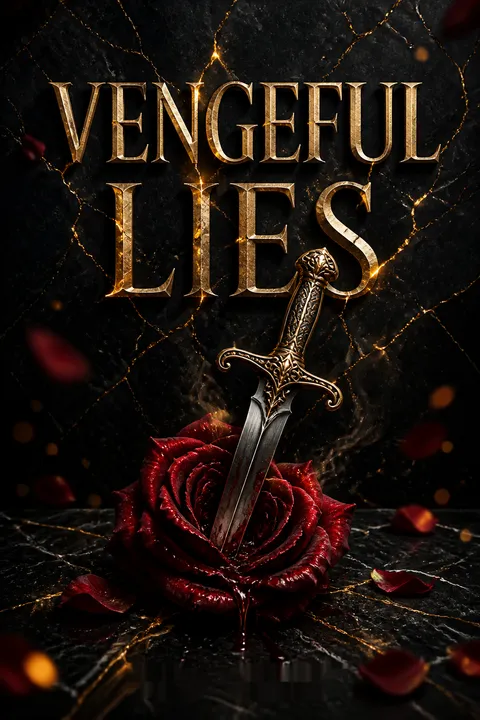


Plot Summary
A Rat in Eli’s Drawer
Eli Monti, heir to New York’s Italian mafia, finds a knife-pinned note and a dead rat in his carefully ordered apartment. The intruder has also left a photograph of him with Michelle, the woman he casually sleeps with. When he steps outside, a bold stranger in an orange dress calls him an asshole, slips another photograph into his pocket, and drives away in a car with fake plates.
She is Jewel Diamond, a contract killer hired to get close to Eli, unsettle him, and await permission to shoot. Her father taught her to shoot; a retired killer named Craig helped turn that skill into a career. Eli sees the taunts as a challenge. Jewel sees his threat as another reason to finish the job.
The opening makes surveillance and disorder the first language these two share. Eli’s authority depends on controlling his territory, even his underwear drawer; Jewel’s intrusion turns that private order into a stage on which she can prove she is not afraid. Yet she is not simply a disembodied weapon. Her father’s training and Craig’s mentorship give the contract a personal history, while her disguise as an ordinary waitress keeps her lethal work hidden. Their mutual fascination begins as a contest over who gets to observe whom. The pictures make that contest intimate before either has agreed to intimacy.
The Masquerade Unmasked
At a masquerade for Michelle’s birthday, Jewel studies the Monti household while hiding behind a black mask. When a man threatens a woman at the party, Jewel breaks his nose; Eli intervenes before the attacker can use his gun. He recognizes Jewel as the intruder and assassin, but she cuts his shirt and nicks his leg while trying to escape.
Dutton Taylor, Eli’s cousin, catches her with a drugged cloth and she wakes tied in an abandoned warehouse. Eli questions her about the person who hired her. Jewel gives him only her first name. Instead of killing her, he cuts her free, warns her to stay in New York, and keeps her knife. His mercy leaves her alive, but also within his reach.
The masquerade compresses the book’s central contradiction into one room: Jewel intervenes against a man abusing his power, then discovers that the more dangerous man has been watching her. Eli’s rescue of the assaulted guest does not make him safe or benevolent; his violence remains a form of ownership and control. Her wound to his leg punctures his invulnerability, while his decision to release her changes their conflict from a clean assassination into an ongoing negotiation. Jewel’s name is the first thing she gives him voluntarily, but it is also the smallest possible concession. Both characters preserve their autonomy by withholding more than they reveal.
The Waitress’s Return
Using a sketch and Jewel’s first name, Eli asks tracker Will Walker to find her. Two days later, he arrives at the modest restaurant where she works, bringing Hawke and Ford, his Ivanov twin enforcers. Jewel serves them with open contempt and refuses to sit for Eli’s questioning.
When she jokingly claims to love him, Eli turns the performance into a public declaration, making the watching customers believe she is his beloved. He demands a meeting at his club, Lucy’s, and warns her not to mistake his interest for safety.
Meanwhile, he punishes accountant Edward Graham for overdue payments and raises his family’s share of Edward’s profits. Jewel’s client instructs her to gather information about Eli’s family before the eventual kill, widening her assignment beyond a single target.
The restaurant lets Jewel keep a public identity while Eli demonstrates that he can cross into it whenever he chooses. Her refusal to obey him is not merely flirtatious resistance; it is a defense of the self she built outside the protection and privileges of the Montis. Eli’s staged declaration converts private pursuit into public pressure, placing a claim on her before she has accepted one. The new instruction from her anonymous client also makes her role more ethically and practically dangerous: she must now extract intelligence while pretending to belong near the family. Her work requires distance, but Eli keeps making distance look like a performance she cannot sustain.
Lucy’s Bloody Welcome
At Lucy’s, Eli’s club, Jewel refuses to behave like a guest under his command. When a man insults her at the bar and spits on her, she smashes a glass into his face. Eli stops the man from striking back, cuts him with Jewel’s stolen knife, and tends the small wounds on her hand. Upstairs, he corners her and turns their threats into a sexual contest; Jewel escapes when a guard interrupts.
That night she breaks into Eli’s mansion, steals twelve watches, and plants cameras in his bedroom, bathroom, and closet. Eli discovers the theft and performs for her camera, making clear he knows she is watching. Their game now runs in both directions, with each using access to unsettle the other.
The club scene shifts the balance without resolving it. Eli can protect Jewel in public, but he also frames that protection as a right to possess her, a distinction she refuses to accept. Her escape matters because it prevents his physical advantage from becoming a settled victory. The stolen watches and hidden cameras then give her a counter-surveillance strategy: she enters his private world, not to collect money, but to disturb the man who treats order as proof of mastery. Eli’s response turns observation into deliberate provocation. They are no longer simply hunter and target; each is using the other’s attention as leverage.
The Guns Become Leverage
Eli learns that Jewel stores her father’s guns in a rented unit and removes the collection before inviting her to his mansion. She arrives armed with resentment, but the empty storage locker leaves her shaken: those weapons are her strongest remaining connection to her father.
At dinner, Eli shoots the man she injured at Lucy’s, presenting the killing as protection of his fiancée-to-be. He then offers a bargain: Jewel will marry him, remain by his side through the transfer of his family’s business, and receive her guns and fifty million dollars afterward.
The arrangement serves his need to meet his father’s marriage condition and investigate who ordered the hit. Jewel accepts because the guns matter more than her hatred of Eli, though the bargain makes her both his bride and his captive.
The stolen guns are effective leverage because Eli understands that Jewel’s independence is built around an inheritance she can hold in her hands. Her attachment is not to wealth or status; it is to the objects that connect her to a father whose lessons shaped her life. Eli turns that intimate loss into a contract, binding her to his own family’s political timetable. The arrangement is coercive even when Jewel negotiates its price, and the money cannot make the power imbalance disappear. Yet both see an advantage: Eli gets a wife and a trail toward his enemy, while Jewel gets a chance to reclaim what she refuses to replace.
A Fiancée’s First Blood
Before the wedding bargain can settle into routine, Jewel meets her coworker Sage and two men for dinner. Eli arrives with a gun, kills two of the men, and forces Jewel to leave with him; he has mistaken her attempt at an ordinary evening for a rival claim.
His possessiveness frightens her, but his follow-up makes the arrangement more public: he takes her to Michelle’s home and ends their casual affair in front of Jewel. Soon afterward, Jewel meets Eli’s parents, Crue and Rya Monti, along with their relatives and close associates.
The family welcomes her while questioning the sudden engagement. Eli announces they will marry within a month. Jewel agrees to play the fiancée, yet the speed of the wedding makes the stolen-gun bargain feel like a trap closing around her.
Eli’s violence at the restaurant is not a romantic gesture, even if he understands it as proof of ownership. It shows how easily his fear of losing control becomes lethal for people around Jewel, and forces her to see the cost of being attached to him. Ending things with Michelle is a practical demonstration of exclusivity, but it cannot erase the coercive way Eli has imposed the relationship. The family dinner adds a different pressure: these people are not merely a criminal institution, but a warm and complicated household that welcomes Jewel. Her growing attachment to them makes the marriage more difficult to dismiss as a temporary business arrangement.
The Wharf Turns Red
Eli brings Jewel to collect money from Dee, an older associate who mocks his authority and orders armed men to seize him. Jewel draws her gun and kills the attackers before they can reach either of them. Eli kills the remaining men, forces Dee to accept a larger share for the Montis, and makes clear that his father no longer controls the business.
Outside, Jewel fires a deliberately missed shot near Eli, but he knows she would have hit him if she had meant to kill him. Their shared adrenaline turns into sex against his car. The encounter unsettles Jewel because she feels grounded with him in a way she did not expect. For Eli, watching her choose violence at his side confirms she is more than a convenient bride.
The shootout gives Jewel and Eli a form of intimacy that their staged engagement cannot manufacture: each sees the other act under immediate threat. Jewel is not a protected ornament in Eli’s world; she is the decisive force that saves him when his men are absent. His recognition of her competence is erotic, but it is also a rare acknowledgment of her agency. The sex that follows binds their attraction to shared danger, making violence both their profession and their quickest route to emotional candor. That fusion is thrilling for them and hazardous: it risks making tenderness indistinguishable from the adrenaline that keeps them returning to the same conflict.
The Montis Make Room
Eli introduces Jewel to his parents, Crue and Rya, and to the wider family, including cousin Dutton, sister-cousin Billie, and Hawke and Ford. Jewel is late after meeting one of her client’s men, but she arrives and withstands the family’s questions. When the wedding is raised, Eli announces they will marry within a month, alarming Jewel with how quickly their private bargain is becoming a public fact.
Rya visits Jewel’s apartment and gives Eli a sentimental pink diamond ring that she had hoped his future wife would wear. Jewel resists its meaning, but Eli persuades her to put it on. At an Ivanov auction, he spends heavily on weapons for her, and she accepts the gifts with a delight that makes their partnership look convincing.
The Monti family makes the contract emotionally costly. Rya’s ring carries a history of marital grief and support, so when Jewel wears it she is accepting a symbol far more intimate than the engagement bargain requires. The family’s welcome also reveals an alternative to Jewel’s practiced isolation: affection can be loud, flawed, and still dependable. Eli’s extravagant purchases of guns appear to answer her needs, yet they also keep him in control of what she can recover and when. Jewel is increasingly surrounded by people who treat her as family, while she knows she is concealing the central fact that she was hired to kill their son.
A Wedding Dress Torn
At the bridal salon, Rya joins the couple, and Eli gives Jewel another engagement ring, his mother’s more personal pink diamond. Jewel struggles through dress after dress as the prospect of marriage overwhelms her.
Eli steadies her, then turns the fitting into another sexual encounter, cutting into an expensive gown and asking her to mark his leg with her initials. He later brings her, drunk and exhausted, safely back to her apartment. The next day he returns one of her father’s handguns in exchange for her moving into his home.
Jewel agrees for the weapon, not the romance, but the move makes their shared life harder to treat as temporary. Her client continues pressing for information about the Monti family, even as she grows attached to them.
The dress fitting exposes the gap between Jewel’s declared indifference and the bodily fear she feels when marriage becomes visible. Eli’s care is inseparable from his control: he comforts her, then initiates sex without letting the ceremony’s meaning remain untouched. The torn gown literalizes how their relationship refuses conventional decorum, while the initials he invites her to carve turn injury into a record of mutual possession. Returning one gun offers Jewel a concrete reason to move in, but it also shows how each step toward intimacy is secured by bargaining. Her feelings deepen inside a structure she did not freely choose.
The Client Sets a Deadline
Crue discovers that someone may be targeting Eli and warns him against putting Jewel or the family at risk. Soon after, Jewel receives a final order: deliver proof of Eli’s death within days. Unable to reconcile the assignment with her growing love, she tells Craig she cannot complete the hit.
She drugs Eli while he sleeps, leaves her engagement ring beside him, and escapes to Craig’s home with only a few belongings and one of her father’s guns. Eli wakes to find her gone and mobilizes his men, then Dutton, to search. Jewel’s flight is not a clean escape from the contract; the client may now target her for refusing. She chooses distance anyway, believing it safer than confessing the truth and waiting for Eli to reject her.
Jewel’s departure is the clearest act of love she can manage, but it is also an old survival reflex. Rather than risk being abandoned, she leaves first, accepting professional danger to avoid the more intimate terror of asking Eli to choose her. The ring left behind turns the fake engagement into a visible absence, while the gun she carries preserves the identity she fears losing. Eli’s search reveals how deeply he has become invested, but his instinct is still to reclaim and control. Their separate choices expose the same wound from opposite sides: both fear loss, and neither trusts that affection can survive without force.
Crue Pulls the Strings
Eli finds Jewel at Craig’s house and refuses to leave without her. She admits the client’s deadline and tells Eli she left because she could not kill him. Instead of turning on her, he declares his love and asks her to face the danger with him.
They follow the client’s address to an abandoned nightclub, where masked men surround them and demand Eli’s submission. Jewel refuses to let Eli sacrifice himself; she shields him when the guards fire, but the shots are aimed at the ceiling.
The masked leader removes his disguise and reveals himself as Crue. Eli’s father arranged the contract to test Jewel’s loyalty, provoke his son into recklessness, and bring the two together. His manipulation enrages them, but confirms their feelings were their own choices.
The reveal reorganizes the story without making its emotional consequences disappear. Crue engineered the danger, but he did not script Jewel’s decision to spare Eli, Eli’s willingness to surrender himself for her, or their love. His test treats marriage as a political qualification and affection as evidence to be extracted through pressure, repeating the family’s habit of converting intimacy into strategy. The staged gunfire makes that manipulation literal: danger was real enough to force a choice, but controlled enough to preserve the test’s architect. Jewel and Eli reclaim agency by refusing the roles Crue designed, even as they accept that they now want a life together.
The Hitwoman Marries In
Two days after Crue’s test, Jewel and Eli prepare for their wedding surrounded by the Montis, the Ivanovs, Sage, and their friends. Rya helps Jewel dress and welcomes her into the family; Craig arrives to walk her down the aisle, giving Jewel a link to the life she is leaving behind without asking her to choose between families.
She crosses the chapel toward Eli, no longer treating marriage as only a trap or a business exchange. They marry, and at the reception Eli tells her he has a final gift waiting at home: her father’s guns.
Jewel has not abandoned her independence; she has chosen a partner who recognizes her capacity for violence and loyalty. The closing joke between them keeps their union in their own unruly register, not a promise of gentleness.
The wedding resolves the opening’s central conflict by changing what possession means. At first, Eli tries to make Jewel his through threats, stolen weapons, and a contract; by the ceremony, she walks toward him because she has chosen to stay. Craig’s presence matters because marriage does not erase the history that formed her. Rya’s welcome offers a new family without replacing the one Jewel lost, and the promised return of her father’s guns signals that love need not require surrendering her identity. Their future remains violent and irreverent, but the difference is consent: they are no longer pretending to choose one another.
Analysis
Vengeful Lies builds its romance around two people who know how to use violence but have little practice asking for care. Jewel’s professional identity depends on distance, accuracy, and the belief that attachment is a liability. Eli’s power depends on possession, routine, and the conviction that he can force uncertainty into submission. Their attraction begins as a contest of access: she enters his home and studies him, while he tracks her and takes the guns that anchor her past. Each becomes vulnerable precisely where the other is most capable of control.
The book makes the marriage bargain do more than provide a convenient romantic premise. Eli needs a wife to inherit the family business; Jewel needs her father’s weapons back. Their contract initially treats intimacy as an exchange, but each gradually exceeds the terms. The Monti family’s welcome unsettles Jewel because it offers the belonging she has trained herself not to want. Her flight is therefore not a simple rejection of Eli. She leaves because choosing him feels more dangerous than facing the threat of the hit.
Crue’s final revelation complicates rather than cancels this development. He engineered the assignment, but the decisive choices belong to Jewel and Eli: she protects him, he risks power for her, and neither action was required by the original bargain. The story’s emotional resolution rests on agency reclaimed from manipulation. Jewel does not become less lethal or less independent in order to marry Eli. Instead, she chooses a family that accepts those qualities, and Eli learns that devotion cannot be secured by force alone. Their ending is not a conversion to gentleness; it is a commitment to stand beside someone who sees the danger clearly and chooses them anyway.
Review Summary
Vengeful Lies is a highly-rated mafia romance featuring Eli Monti and Jewel Diamond. Readers praise the captivating plot, steamy scenes, and strong character development. The story follows a hitwoman tasked with eliminating a mafia heir, leading to an enemies-to-lovers dynamic. Fans appreciate the unhinged personalities, witty banter, and intense chemistry between the main characters. The book is part of a next-generation series, connecting to previous characters. While most reviews are overwhelmingly positive, a few readers found the pacing slow or the plot underdeveloped.
Characters
Jewel Diamond
The hired sniperJewel is a skilled contract killer who prefers the distance and control of a sniper’s scope, but her abrasive humor and impulsive streak make her difficult to manage. Her father taught her to shoot before his death, and his guns remain her most treasured possessions. After her mother rejected her, Jewel learned to rely on herself and keep people at arm’s length. She accepts jobs without asking much about the client’s motives, treating emotional detachment as professional discipline. Eli challenges that detachment because he recognizes her violence without asking her to soften it. Her central struggle is not whether she can survive danger, but whether she can risk being known without surrendering the independence that kept her alive.
Eli Monti
The mafia heirEli is a disciplined, ruthless heir who expects control over people, business, and even the arrangement of objects in his home. His father’s marriage condition makes succession contingent on finding a wife, but Eli initially treats marriage as a practical obstacle rather than an emotional possibility. He is loyal to his family and protective of the people he claims, though his idea of protection often becomes possessive and violent. Jewel fascinates him because she neither fears his power nor conceals her own appetite for danger. As she refuses to be managed, Eli must confront the difference between ownership and partnership. His attraction to her begins as a game, but it exposes a capacity for attachment he has never needed to acknowledge.
Crue Monti
The reigning mafia fatherCrue is Eli’s formidable father and the current head of the Monti family. He values loyalty, succession, and the preservation of the family’s power, and he expects his son to honor their marriage tradition. His love for Rya is intense, though he expresses care through protection and strategy rather than tenderness. Crue’s dry humor and willingness to manipulate events make him difficult to read, even to those closest to him.
Rya Monti
The family’s legal shieldRya, Eli’s mother, is a renowned criminal lawyer whose intelligence and authority command even her dangerous family. She loves both Eli and Crue fiercely, often balancing their tempers with sharp judgment. Rya takes an immediate interest in Jewel, not because Jewel fits a conventional image of a bride, but because she can stand her ground. Her care is practical and welcoming, offering Jewel a model of family loyalty she has rarely known.
Hawke
The irreverent enforcerHawke is one of Eli’s trusted enforcers and the bulkier, more talkative Ivanov twin. His jokes and appetite for trouble can irritate Eli, but his loyalty is dependable when danger becomes real. Hawke is close to Ford and has a playful, sometimes provocative relationship with Billie. His humor gives the group a release valve, though it often arrives at the worst possible moment.
Ford
The quiet enforcerFord is Hawke’s twin and Eli’s other trusted enforcer. Leaner and more observant than his brother, he tends to speak only when he has something useful to add. His calm makes him an effective counterweight to Hawke’s antics, and his loyalty to Eli is matched by deep attachment to his twin. Ford’s dry wit can be easy to miss, but he sees more than he says.
Dutton Taylor
The watchful cousinDutton is Eli’s cousin, a polished and calculating businessman with a fiercely protective streak toward his younger sister, Billie. His family operates across the criminal world, but Dutton’s role is distinct from Eli’s direct mafia inheritance. He questions Eli’s judgment and resists being treated as a subordinate. Under his controlled charm sits a volatile capacity for violence, especially when he believes someone has threatened his family.
Craig
Jewel’s last familyCraig is a retired contract killer and a longtime friend of Jewel’s father. He guided Jewel into the profession and has remained her closest source of advice and stability. His blunt concern can clash with Jewel’s habit of acting first, but he never mistakes her independence for invulnerability. Craig represents the one enduring family bond Jewel has chosen to trust.
Sage
Jewel’s workplace friendSage is Jewel’s coworker at the restaurant and one of the few people she allows close. She is socially open and more trusting than Jewel, but not oblivious to the danger around her. Her friendship gives Jewel a glimpse of ordinary connection beyond contracts and weapons. Sage’s presence also makes clear that Jewel’s decisions can put innocent people in the path of violence.
Michelle Bedore
Eli’s convenient loverMichelle is the daughter of a family allied with the Montis and Eli’s longtime casual partner. She moves comfortably through wealth and expects her family’s standing to matter in Eli’s choices. Her relationship with him is built more on access and expectation than emotional intimacy. Michelle’s presence highlights the kind of politically convenient match Eli is expected to make.
Billie Taylor
The protected younger sisterBillie is Dutton’s younger sister and part of Eli’s extended family circle. She is lively, outspoken, and unwilling to let the men around her define what she can do. Dutton’s protectiveness often frustrates her, while her teasing relationship with Hawke reveals her comfort challenging the group. Billie brings youthful warmth to a family accustomed to dealing in threats.
Anya Ivanov
The formidable auction matriarchAnya is Hawke and Ford’s adoptive mother and a powerful figure in the underground auction world. Her wit is sharp, her judgment quick, and her reputation intimidating. She expects little from conventional romance and respects people who can defend themselves. Anya’s approval of Jewel is grounded in recognition rather than politeness.
River Bently
Anya’s business partnerRiver is Anya’s husband and a central figure in the Ivanov family’s weapons business. He has a wry manner and an easy familiarity with the Montis, whose family has long done business with his. His relationship with Anya is an enduring partnership between two forceful people.
Hope Ivanov
The guarded studentHope is the daughter of Alek Ivanov and Lena Love. A student with a busy, independent life, she is reserved but observant. Her presence links Jewel to the wider circle of families surrounding the Montis.
Ivy Walker
The tracker’s daughterIvy is the daughter of Will and Alina Walker and a friend within the younger family circle. She is sociable enough to join group gatherings and offers Jewel another possible connection beyond her isolated routines.
Will Walker
The family trackerWill is a skilled tracker and a family friend whom Eli hires to find Jewel. He is eccentric, observant, and known for turning difficult searches into personal challenges. His work connects Eli’s resources to Jewel’s hidden identity.
Jenny
Jewel’s unsuspecting roommateJenny is Jewel’s roommate, though she knows little about Jewel’s dangerous work or private life. She is straightforward about boundaries and assumes Jewel’s sudden engagement is an ordinary romance. Their convenient living arrangement reflects Jewel’s habit of keeping her real identity separate from daily life.
Rory
Jewel’s research contactRory is Jewel’s technically skilled contact, helping her gather information and install surveillance. Their relationship is practical and transactional, but Rory’s research gives Jewel a way to investigate the powerful families around Eli.
Plot Devices
The Anonymous Hit
A deadline in the shadowsJewel accepts a contract from an unnamed client to approach Eli, unsettle him, and eventually kill him. Later instructions expand the task to gathering information about the Monti family, then demand proof of Eli’s death on a deadline. Because the client remains hidden, Jewel cannot distinguish a straightforward assassination from a larger scheme. The contract keeps her close to Eli even as her feelings make the assignment harder to complete. It also turns every delay into a danger: she risks losing her reputation, her safety, and the chance to return to the life she had before New York.
The Marriage Condition
A throne requires a brideMonti tradition requires Eli to marry before he can fully inherit the family business. His father’s impending retirement makes the rule urgent, while Eli’s resistance to an arranged match leaves him without a clear path to succession. Jewel’s presence gives him a way to satisfy the condition and keep the assassin close. What begins as a strategic bargain becomes increasingly difficult to separate from the couple’s emotional attachment.
The Stolen Guns
A father’s legacy as leverageEli takes Jewel’s stored weapons, including guns inherited from her father, and uses their return to secure her agreement to marry him. The weapons are more than tools: they preserve Jewel’s connection to the father who taught her to survive. Their absence makes her vulnerable in a way money cannot repair, so each gun Eli returns becomes both a concession and a reminder of his power over her. The bargain provides the story’s material measure of trust, as Jewel must decide whether Eli will ultimately return the full collection.
Mutual Surveillance
Watching becomes a weaponJewel plants cameras in Eli’s home and studies his movements, while Eli uses trackers, security, and his own cameras to monitor her. Their surveillance begins as tactical preparation, but it quickly becomes personal. Each learns the other’s habits and uses that knowledge to provoke, find, or unsettle the other. The devices turn private space into contested territory, making observation a substitute for trust and, eventually, a form of unwanted intimacy.
Crue’s Hidden Test
A staged danger reveals loveCrue is behind the anonymous contract and uses the threat around Eli to test Jewel’s loyalty, provoke his son into relying less on himself, and see whether the pair will protect one another. The masked men and apparent ambush make the danger feel genuine, but the final reveal shows the encounter was engineered. This twist recasts the client’s orders and Crue’s earlier interventions as parts of a family power play. It is a spoiler because it identifies the person who hired Jewel and explains the hidden purpose of the hit.
FAQ
Synopsis & Basic Details
What is Vengeful Lies about?
- A Mafia Heir's Predicament: Eli Monti, the ruthless heir to a powerful New York mafia family, finds his meticulously ordered life disrupted by a mysterious, taunting intruder who leaves unsettling "love notes" and dead rats, forcing him to confront an unknown threat. His family's tradition demands he marry to fully inherit the empire, adding pressure to his already dangerous existence.
- An Assassin's Twisted Mission: Jewel, a highly skilled and independent assassin, is hired by an anonymous client to get close to Eli Monti, play with his head, and ultimately kill him. Her mission takes an unexpected turn when Eli, intrigued by her audacity and lethal nature, proposes a marriage of convenience, drawing her deeper into his chaotic world.
- A Dangerous Game of Lies: The story unfolds as Eli and Jewel navigate a fake engagement, their initial animosity and strategic deception slowly giving way to an undeniable, volatile attraction. They are forced to confront their own hidden vulnerabilities and desires amidst family power struggles, betrayals, and a series of escalating, life-threatening encounters that blur the lines between their professional roles and burgeoning personal feelings.
Why should I read Vengeful Lies?
- Intense Enemies-to-Lovers Dynamic: Readers seeking a dark romance with high stakes will be captivated by the explosive chemistry and psychological warfare between Eli and Jewel. Their journey from adversaries to a deeply intertwined, unconventional couple is fraught with tension, defiance, and unexpected passion.
- Rich Mafia World-Building: The novel immerses readers in a gritty, opulent, and dangerous mafia underworld, complete with intricate family dynamics, power plays, and morally ambiguous characters. It offers a fresh perspective on traditional mafia tropes, subverting expectations with its unique blend of violence and unexpected emotional depth.
- Unpredictable Plot Twists: "Vengeful Lies" keeps readers on the edge of their seats with its constant surprises, from the identity of Jewel's client to the unconventional tests of loyalty and love. The narrative is a masterclass in misdirection, ensuring that the true motivations and outcomes remain uncertain until the very end.
What is the background of Vengeful Lies?
- Contemporary Mafia Setting: The story is set in modern-day New York City, providing a backdrop of urban grit and hidden opulence for the Monti crime family's operations. This contemporary setting allows for the integration of modern technology (surveillance apps, text messages) into traditional mafia power structures.
- Deep-Rooted Family Traditions: The Monti family operates under strict, old-school traditions, most notably the requirement for the heir, Eli, to marry before fully taking over the business. This archaic rule serves as a primary catalyst for the plot, forcing Eli into a marriage of convenience that ultimately unravels his carefully constructed life.
- Underworld Ecosystem: The narrative delves into a broader underworld ecosystem beyond just the Italian mafia, introducing elements like underground auctions run by the Ivanov family (Hawke and Ford's adoptive parents) and escort services managed by the Taylors (Dutton's family). This interconnectedness highlights the pervasive nature of organized crime and the complex alliances within it.
What are the most memorable quotes in Vengeful Lies?
- "Marry me and I'll give you the world. Refuse, and I'll burn yours to the ground.": This blurb-defining quote from Eli encapsulates his possessive, demanding nature and the high stakes of his proposal to Jewel, immediately setting the tone for their volatile relationship and the themes in Vengeful Lies.
- "I'll have you know, my mother shot my father in the leg on their wedding day, and they're still happily married. So a knife wound is nothing but foreplay to me, Kitten.": Eli's shocking revelation to Jewel highlights the Monti family's unconventional and violent approach to love and commitment, foreshadowing the intense, almost masochistic, nature of his attraction to Jewel.
- "You are a part of my family, Kitten. From the moment you threw that dagger into my leg, I knew you were mine.": This powerful declaration from Eli to Jewel at the climax of the story reveals the depth of his feelings and the twisted, yet undeniable, foundation of their bond, emphasizing the unique connection forged through shared violence and defiance.
What writing style, narrative choices, and literary techniques does T.L. Smith use?
- Dual POV & First-Person Narrative: The story is told through alternating first-person perspectives of Eli and Jewel, allowing readers deep insight into their individual thoughts, motivations, and internal conflicts. This narrative choice intensifies the psychological aspect of their "enemies-to-lovers" dynamic, revealing their hidden vulnerabilities and desires.
- Sensory and Visceral Language: T.L. Smith employs vivid, often raw and explicit, sensory details to immerse the reader in the characters' experiences, particularly during violent encounters and intimate moments. This visceral language emphasizes the primal, carnal nature of Eli and Jewel's connection, making their passion palpable.
- Foreshadowing and Dramatic Irony: The author subtly weaves in foreshadowing through seemingly minor details or character dialogue, hinting at future plot developments or character revelations (e.g., Eli's mother's past actions, Crue's cryptic comments). Dramatic irony is also used effectively, as readers are often privy to information (like Crue's orchestration) that the characters are not, building suspense and tension.
Hidden Details & Subtle Connections
What are some minor details that add significant meaning?
- Eli's Meticulous Orderliness: Eli's extreme fastidiousness, evident in his perfectly organized underwear drawer and his irritation at a picture frame being moved, highlights his deep-seated need for control. Jewel's deliberate disruption of this order (the dead rat, stealing watches, messing up his bed) is a direct challenge to his core personality, making her a uniquely potent antagonist and later, partner.
- Jewel's Neon Bear Tattoo: The "bright neon bear tattoo with sharp claws and fangs gracing my hip" that Jewel "rolls her eyes every time I look at it" is a subtle symbol of her inner conflict. It represents her fierce, predatory nature ("claws and fangs") but also a youthful, perhaps regrettable, impulsiveness ("stupid I'd been when I had some guy ink it on me when I was sixteen"), hinting at the vulnerability beneath her hardened exterior.
- The "Asshole" Nickname Evolution: The recurring use of "asshole" by Jewel towards Eli, initially a genuine insult, gradually transforms into a term of endearment and familiarity. This subtle shift in dialogue reflects the evolution of their relationship, from pure antagonism to a unique bond where mutual defiance and bluntness are forms of affection.
What are some subtle foreshadowing and callbacks?
- Rya's Past and Eli's Future: Eli's mother, Rya, casually mentions shooting his father, Crue, in the leg on their wedding day and running from the chapel. This seemingly throwaway line foreshadows the unconventional, violent, and passionate nature of Monti relationships, directly mirroring Eli's own attraction to Jewel's aggression and her knife wound to his leg. It subtly hints at Crue's later orchestration, as he seeks a similar "match" for Eli.
- Jewel's Initial Laxative Plan: Jewel's internal thought of slipping "crushed fast-acting laxatives into his drink" at Michelle's party is a callback to her playful, taunting style of "playing" with targets before the kill. This contrasts sharply with the more direct, violent methods she employs later, highlighting the escalation of their game and her increasing emotional investment.
- Eli's "Beacon in Darkness" Observation: Eli's early realization that Jewel "shine[s] like a fucking beacon even in the darkness" subtly foreshadows her inability to truly remain hidden from him or from the spotlight of his world. It hints at her eventual emergence from her "phantom" existence and her reluctant acceptance of a more public role by his side.
What are some unexpected character connections?
- Crue Monti and Jewel's Father: The most unexpected connection is revealed at the end: Crue Monti knew Jewel's father, a military sniper, and "hated everything about him" for being "righteous" and working "legitimately." This deep, pre-existing knowledge of Jewel's background and lineage explains Crue's precise choice of her as Eli's "assassin" and his confidence in her "nature that much mirrored my son's."
- Jewel's Camaraderie with the Ivanov Twins: Despite their roles as Eli's loyal enforcers, Hawke and Ford develop an unexpected, almost playful, rapport with Jewel. Hawke's constant teasing and Ford's dry humor create moments of levity and genuine connection, showing Jewel a different side of the mafia world and hinting at the possibility of belonging.
- Rya Monti's Maternal Instincts: Rya, Eli's formidable lawyer mother, quickly develops a maternal affection for Jewel, offering her support and understanding that contrasts sharply with Jewel's own estranged mother. Rya's insistence on giving Jewel her sentimental ring and her concern for Jewel's well-being ("You're already a part of the family, dear") highlights a surprising warmth within the Monti matriarch.
Who are the most significant supporting characters?
- Craig: Jewel's surrogate father figure and mentor in the assassin world, Craig serves as her only consistent emotional anchor and moral compass outside of Eli. His unwavering support and pragmatic advice ("End it. Don't dig yourself deeper") highlight Jewel's deep-seated fear of abandonment and the profound impact of her decision to protect Eli.
- Rya Monti: Eli's mother is far more than just a matriarch; she is a formidable criminal lawyer and the true power behind Crue, capable of seeing through facades and demanding respect. Her immediate, albeit subtle, acceptance and protective instincts towards Jewel ("I like her. She's lovely, but she isn't used to this. You'll be the only family she has.") are crucial in integrating Jewel into the Monti family and validating her place.
- Dutton Taylor: Eli's cousin, Dutton, acts as a foil and a mirror to Eli. While equally dangerous and protective of his family, Dutton is more outwardly skeptical of Eli's choices, particularly regarding Jewel. His blunt honesty and occasional challenges to Eli's authority ("You're not looking at that woman like you want to kill or divorce her") provide an external perspective on Eli's evolving feelings and the true nature of his relationship with Jewel.
Psychological, Emotional, & Relational Analysis
What are some unspoken motivations of the characters?
- Eli's Quest for a Worthy Challenge: Beyond simply inheriting the family business, Eli subconsciously seeks a partner who can genuinely challenge and excite him, someone who matches his own intensity and depravity. His attraction to Jewel's defiance and lethal nature ("I like the spice she has in her") reveals a deeper, unspoken motivation for a relationship that transcends mere convenience or obedience.
- Jewel's Yearning for Belonging: Despite her fierce independence and self-proclaimed "phantom" existence, Jewel harbors a deep, unspoken yearning for connection and belonging, stemming from her abandonment by her mother and the loss of her father. Her attachment to her guns, which symbolize her father, and her gradual acceptance of the Monti family's dysfunctional love, reveal this hidden desire for a "home."
- Crue Monti's Legacy of Love: Crue's elaborate orchestration of Eli and Jewel's relationship, while framed as a test for Eli's leadership, is also implicitly motivated by his own profound love for Rya. He wants Eli to find a partner as formidable and challenging as Rya, ensuring the Monti legacy is built on a foundation of powerful, unconventional love, not just strategic alliances.
What psychological complexities do the characters exhibit?
- Eli's Sadomasochistic Tendencies: Eli exhibits clear sadomasochistic traits, finding pleasure in both inflicting and receiving pain, particularly from Jewel. His attraction to her defiance, the knife wound to his leg, and her carving her initials into his skin ("The knife down my back was fucking heaven") reveal a complex psychological landscape where violence and intimacy are deeply intertwined, challenging conventional notions of romance.
- Jewel's Emotional Repression and Vulnerability: Jewel's "phantom" identity is a coping mechanism for profound emotional trauma, leading to a deep-seated fear of vulnerability and abandonment. Her physical reactions to Eli's touch (goosebumps, trembling, inability to speak) and her internal struggle with her burgeoning feelings ("I don't get anxiety. Well, I've never had anxiety before") highlight the psychological toll of breaking down her carefully constructed emotional walls.
- The "Love Language" of Violence: For both Eli and Jewel, their "love language" is often expressed through acts of aggression, dominance, and shared danger. Eli's "love notes" are dead rats and stolen watches, his "chivalry" involves shooting men who disrespect Jewel, and their most intimate moments are often preceded or accompanied by violence. This psychological complexity redefines what "love" means within their dark world.
What are the major emotional turning points?
- The Stolen Guns and Personal Vendetta: Jewel's emotional turning point occurs when Eli steals her father's guns. This act transforms her mission from "just business" into a "personal vendetta," as the guns represent her last tangible connection to her father and her identity. This loss forces her to engage with Eli on a deeper, more emotional level than she ever intended.
- Eli's Guilt and Desire to "Make It Up": After the disastrous family dinner where Jewel is late and doesn't wear the ring, Eli's rare pang of guilt ("I pushed her too far tonight. And I'm already trying to figure out how to make it up to her") marks a significant emotional shift. It shows his growing emotional investment in Jewel beyond mere strategic utility, prompting him to bring her period supplies and massage her feet.
- Jewel's Confession of Inability to Kill: Jewel's tearful admission to Craig that she "don't think I can complete the hit" on Eli is a pivotal emotional climax. This moment of raw vulnerability signifies her surrender to her feelings for Eli, prioritizing his life over her career and reputation, and accepting the profound impact he has had on her "phantom" existence.
How do relationship dynamics evolve?
- From Predator-Prey to Interdependent Partnership: The relationship begins as a classic cat-and-mouse game, with Jewel as the hunter and Eli as the prey, quickly flipping to Eli as the dominant predator. It then evolves into a complex, interdependent partnership where both rely on each other's unique skills and shared "depravity" to navigate their dangerous world, culminating in a mutual desire for protection and belonging.
- Mirroring Crue and Rya's Unconventional Love: Eli and Jewel's dynamic increasingly mirrors that of Eli's parents, Crue and Rya, whose relationship began with blackmail, violence (Rya shooting Crue), and intense possessiveness, yet blossomed into a deep, unwavering love. This parallel suggests that their "vengeful lies" are a Monti family tradition for forging powerful bonds.
- Integration into a Dysfunctional Family: Jewel, a self-proclaimed loner with no family, is gradually integrated into the Monti family's chaotic yet fiercely loyal dynamic. Her interactions with Rya, Dutton, and the twins show her slowly accepting a place within a "family" that, despite its murderous tendencies, offers a sense of belonging she never thought possible, transforming her isolated existence.
Interpretation & Debate
Which parts of the story remain ambiguous or open-ended?
- The Initial Anonymous Client's True Identity: While Crue Monti is revealed as the orchestrator of the entire plot, the narrative initially presents Jewel's client as a truly anonymous entity. The text doesn't explicitly state that Crue was the original anonymous client from the very first message, leaving a slight ambiguity as to whether he took over an existing contract or initiated it entirely under a false pretense.
- Long-Term Stability of Their "Permanent Truce": The ending, while conclusive about their love and marriage, leaves the long-term stability of Eli and Jewel's relationship open to interpretation. Given their extreme personalities, violent tendencies, and Eli's possessive nature, readers might debate whether their "permanent truce" can truly endure without constant, volatile challenges.
- The Monti Family's Full Awareness: While Rya and Crue are aware of the "fake" engagement and Crue's orchestration, the full extent of the blackmail, stolen guns, and Jewel's initial intention to kill Eli is never explicitly revealed to the wider Monti family. This leaves a subtle ambiguity about how their relationship would be perceived if the complete truth were known.
What are some debatable, controversial scenes or moments in Vengeful Lies?
- Eli's Possessive "Ownership" Claims: Eli's repeated declarations of Jewel as his "property" and his violent reactions to her interactions with other men (e.g., shooting up the restaurant) are highly controversial. Readers may debate whether this is a romantic expression of love within a dark romance context or an unhealthy, controlling dynamic that undermines Jewel's agency.
- The Sexual Encounters and Power Dynamics: The explicit sexual scenes, particularly those involving elements of pain, dominance, and non-consensual undertones (e.g., Eli's hand on Jewel's throat during sex, the knife play in the bridal shop), are highly debatable. Some readers might find them intensely erotic and reflective of the characters' dark natures, while others may view them as problematic due to the power imbalance and implied coercion.
- Crue Monti's Orchestration of the Relationship: Crue's manipulative plot, which involves setting up a fake assassination and putting Eli and Jewel in life-threatening situations to test their compatibility, is a morally controversial act. It raises questions about the ethics of love forged through deception and danger, and whether such a foundation can truly lead to a healthy relationship.
Vengeful Lies Ending Explained: How It Ends & What It Means
- The Wedding and "Permanent Truce": Vengeful Lies culminates in Eli and Jewel's wedding, a public declaration of their commitment. Despite their initial "fake" engagement, their feelings have become undeniably real, leading to a "permanent truce" in their personal war. Jewel accepts her place by Eli's side, embracing the chaotic yet fulfilling life she finds with him and his family.
- Crue Monti's Masterful Revelation: The biggest twist is the revelation that Eli's father, Crue Monti, was the anonymous client who hired Jewel. He orchestrated the entire "hit" as a calculated test for Eli's leadership and Jewel's loyalty, aiming to find Eli a wife as formidable and devoted as Rya. Crue's final "mind game" solidifies his role as the ultimate puppet master, ensuring his son's legacy is secured with a perfectly matched partner.
- **Meaning
About the Author


Download PDF
Download EPUB
.epub digital book format is ideal for reading ebooks on phones, tablets, and e-readers.








