Plot Summary
Two Worlds, One Girl
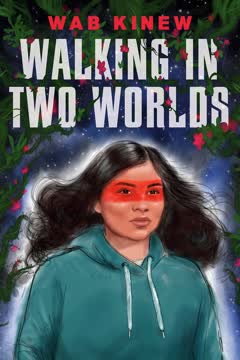
Bagonegiizhigok "Bugz" Holiday is a teenage Anishinaabe girl living on a northern Canadian Rez, but she's also the top player in the Floraverse, a global virtual reality game. In the Floraverse, Bugz is powerful, admired, and free to express her Indigenous identity through her custom avatar and supernatural creations. In the real world, she's anxious, self-conscious, and often feels like an outsider—too Indigenous for the mainstream, too different for her own community. The tension between these worlds is constant: online, she's a legend; offline, she's a girl struggling with body image, family expectations, and the scars of colonization. Bugz's journey is about learning to walk in both worlds, finding strength in her heritage, and discovering who she is when the masks come off.
Floraverse: Power and Prejudice
In the Floraverse, Bugz's abilities are unmatched—she can summon animals, shape the landscape, and outwit her enemies. But her dominance makes her a target, especially for Clan:LESS, a misogynistic, alt-right gamer clan led by the scarred Alpha. Clan:LESS embodies the worst of online toxicity: they harass women, ban them from their ranks, and resent Bugz's success. Their attacks are both virtual and personal, echoing the real-world prejudices Bugz faces. The Floraverse, meant to be a place of freedom and creativity, becomes another battleground for respect and survival. Bugz's Indigenous identity is both her source of power and the reason she's singled out, forcing her to fight not just for victory, but for the right to exist as herself.
Clan:LESS Rising
After a humiliating defeat at Bugz's hands, Clan:LESS regroups, determined to reclaim their status and destroy her. Their leader, Alpha, is obsessed with winning at any cost, rallying his followers with toxic rhetoric about male supremacy and technological entitlement. Among their ranks is Feng, a Chinese-Uyghur gamer who idolizes Clan:LESS for its sense of brotherhood, even as he's uneasy about their values. The clan's strategy shifts from brute force to cunning, seeking the secret of Bugz's power. Their rise is a warning about how online hate can organize, adapt, and spill into real life, threatening not just Bugz's virtual creations but her sense of safety and belonging.
Lake of the Torches
The showdown at Lake of the Torches is a turning point. Bugz, outnumbered and outgunned, calls on her ancestral knowledge and the spirits of the land. She summons Mishi-pizhiw, the horned underwater panther, and a host of animals to defend her home base. The battle is both a spectacle and a metaphor: Indigenous resilience against colonial violence, tradition against erasure. Bugz's power comes from her connection to the land and her ancestors, not just game mechanics. The victory is costly, and the scars linger, but Bugz proves that her strength is rooted in something deeper than code—a living culture that refuses to die.
Real World, Real Pain
Away from the Floraverse, Bugz faces challenges that can't be solved with superpowers. She deals with anxiety, body image issues, and the pressure of representing her people. Her family is loving but complicated: her mother is the community's chief, her father a supportive but sometimes clueless presence, and her brother Waawaate is her anchor. The pow-wow is both a celebration and a source of stress, as Bugz feels exposed and judged. The real world's wounds—colonialism, racism, and intergenerational trauma—are ever-present. Bugz's journey is about learning to heal, to accept herself, and to find meaning in ceremony and community, even when the rules feel unfair.
Dancing for Healing
Bugz's jingle dress dance at the pow-wow is a moment of transformation. Despite her anxiety and self-doubt, she channels the healing power of the dance, connecting with her ancestors and her community. The jingle dress is more than regalia—it's a symbol of survival, hope, and the possibility of renewal. As Bugz dances, she feels the weight of expectations lift, if only for a moment. The experience reminds her that her worth isn't defined by others' opinions or by her appearance, but by her spirit and her connection to something greater. The dance is both a personal victory and a communal act of resistance.
Masks and Mirrors
Bugz's interactions with other girls—Stormy, Chalice, and the fancy shawl dancers—highlight the pressures of beauty standards, social media, and internalized racism. Through AR filters and custom avatars, everyone tries to present their best self, but the gap between online perfection and real-life insecurity is wide. Bugz feels both envy and alienation, especially when her body doesn't match her digital ideal. The tension between authenticity and performance is constant, as is the longing for acceptance. The chapter explores how technology can both connect and isolate, and how true belonging comes from embracing one's whole self, flaws and all.
Newcomer from Afar
Feng, a Chinese-Uyghur refugee, arrives on the Rez, carrying his own burdens of displacement, family trauma, and cultural erasure. He's caught between worlds: his Uyghur heritage, the Chinese state's oppression, and the global gamer culture of Clan:LESS. Feng's relationship with Bugz is awkward, charged with mutual curiosity and misunderstanding. Both are outsiders, both searching for identity and connection. Their friendship—and budding romance—becomes a bridge between cultures, but also a source of tension as their loyalties and values are tested. The chapter explores the complexities of diaspora, assimilation, and the longing for home.
Family, Culture, and Change
Bugz's family life is a microcosm of broader cultural shifts. Her parents navigate the challenges of leadership, tradition, and modernity, while Bugz and Waawaate grapple with the realities of online learning, pandemic-era isolation, and the erosion of community ties. The family's conversations reveal the pain of lost traditions, the hope of cultural revival, and the struggle to adapt without losing oneself. The chapter underscores the importance of storytelling, ceremony, and intergenerational support in surviving and thriving amid change.
Secrets of the Nest
Bugz's secret is the Thunderbird's Nest, a sacred site in both the real world and the Floraverse. It's the source of her ability to respawn instantly in the Spirit World, giving her an edge no one else has. The nest is a glitch in the game's map, but also a symbol of Indigenous resilience: a place overlooked by colonizers, now transformed into a wellspring of creativity and strength. When Clan:LESS discovers the nest, the balance of power shifts. The secret's exposure is both a loss and an opportunity, forcing Bugz to confront what truly makes her powerful.
Friendship and Betrayal
As Bugz and Feng grow closer, their differences become more pronounced. Feng's ties to Clan:LESS and his internalized prejudices threaten their bond. When Clan:LESS uses a tracking device on Feng to locate Bugz's nest, the resulting betrayal devastates her. The fallout is both personal and communal: Bugz loses her creations, her status, and her sense of safety. The pain of betrayal is compounded by the realization that even those closest to us can hurt us, intentionally or not. The path to forgiveness is fraught, but necessary for healing and growth.
The Battle for Identity
The climactic battles in the Floraverse mirror Bugz's internal struggles. As Clan:LESS unleashes its full might, Bugz loses her supernatural allies one by one. The destruction of the Thunderbird's Nest and the erasure of her Floraverse account symbolize the erasure of Indigenous culture and the violence of colonization. Yet, in her darkest moment, Bugz finds strength in her roots, her family, and her community. She learns that her identity isn't tied to external validation or digital achievements, but to her spirit, her ancestors, and her will to survive.
Love, Loss, and Legacy
Waawaate's cancer diagnosis and decline bring the family's struggles into sharp relief. Bugz is consumed by grief, guilt, and the fear of losing her brother—the person who's always been her protector and inspiration. The community rallies, old wounds are reopened, and the limits of tradition are tested. In her pain, Bugz contemplates self-harm, but is saved by the memory of her brother's love and the support of friends. The chapter is a meditation on loss, resilience, and the ways we carry our loved ones forward, even after they're gone.
The Sacred and the Digital
The sweat lodge ceremony becomes a crucible for transformation. Excluded by tradition, Bugz confronts the sexism embedded in her culture, even as she yearns for its healing power. Feng, too, finds catharsis in the ceremony, reconciling with his own heritage and the trauma of separation from his family. The merging of sacred and digital spaces is a metaphor for the possibility of reconciliation—not just between cultures, but within ourselves. The lesson is that healing requires both honoring the past and forging new paths.
Collapse and Resurrection
After losing everything—her creations, her status, her sense of self—Bugz hits rock bottom. She contemplates ending her life, overwhelmed by grief, betrayal, and the weight of expectations. But in her darkest hour, she's saved by the love of her brother, the support of friends, and the realization that her story isn't over. The return of the nest's power signals a new beginning: a chance to rebuild, to fight back, and to define herself on her own terms. The chapter is a testament to the power of hope, community, and the refusal to give up.
Facing the Darkness
Bugz's journey through depression, self-harm, and suicidal ideation is raw and unflinching. The narrative doesn't shy away from the realities of mental health struggles, especially for Indigenous youth. Yet, it also offers a path forward: through ceremony, storytelling, and the support of loved ones. Bugz learns that healing isn't linear, that pain and joy coexist, and that survival is an act of resistance. By reclaiming her story, she reclaims her power.
The Power of Names
In the end, Bugz and Feng find peace not by escaping their histories, but by embracing them. Bugz reclaims her full name, Bagonegiizhigok, and the legacy it carries. Feng reconnects with his birth name, Farouq, and the family he thought he'd lost. Together, they walk in two worlds—Indigenous and settler, digital and real, past and future. The infinity symbol, the merging of traditions, and the act of respawning become metaphors for resilience, transformation, and the endless potential of those who refuse to be erased.
Characters
Bagonegiizhigok "Bugz" Holiday
Bugz is the heart of the story—a teenage Anishinaabe girl who excels in the Floraverse but struggles with anxiety, body image, and the weight of cultural expectations in real life. Her dual existence is both a source of power and pain: online, she's a creator and leader; offline, she's vulnerable and often isolated. Bugz's journey is one of self-discovery, as she learns to reconcile her Indigenous heritage with the demands of the modern world. Her relationships—with her family, friends, and especially Feng—are marked by both deep connection and profound misunderstanding. Bugz's greatest strength is her refusal to give up, even when everything she's built is destroyed. Her arc is about reclaiming agency, embracing imperfection, and finding peace in her own skin.
Feng / Farouq
Feng is a Chinese-Uyghur refugee, torn from his family and culture by state violence. In the Floraverse, he finds belonging with Clan:LESS, but their toxic values clash with his growing conscience. Feng's relationship with Bugz is fraught: he admires her, betrays her (unwittingly), and ultimately seeks redemption. His journey is about confronting internalized prejudice, reconciling with his past, and learning that true strength comes from vulnerability and connection. Feng's arc mirrors Bugz's: both are caught between worlds, both must choose who they want to be, and both discover that love and forgiveness are possible, even after deep hurt.
Waawaate Holiday
Waawaate is Bugz's older brother, a talented dancer and the family's golden child. He embodies the best of Anishinaabe tradition—humor, resilience, and generosity. His cancer diagnosis is a devastating blow, forcing the family to confront mortality, grief, and the limits of both Western and Indigenous medicine. Waawaate's relationship with Bugz is central: he's her protector, confidant, and inspiration. Even in decline, he offers wisdom and comfort, reminding Bugz of the power of ceremony, memory, and love. His legacy is the thread that ties the family—and the story—together.
Alpha
Alpha is the scarred, charismatic leader of Clan:LESS, a clan that thrives on misogyny, racism, and exclusion. He's both a product and a driver of online toxicity, using his platform to rally disaffected young men around a narrative of grievance and entitlement. Alpha's obsession with Bugz is both personal and symbolic: he cannot tolerate a woman, especially an Indigenous one, surpassing him. His tactics are ruthless, his rhetoric inflammatory, and his presence a constant threat. Alpha represents the dangers of unchecked hate, but also the emptiness at its core.
Summer Holiday
Summer is Bugz's mother and the chief of their community. She's a source of strength, wisdom, and sometimes frustration for Bugz. Summer navigates the challenges of leadership, tradition, and motherhood with grace, but is not immune to the contradictions and limitations of her culture—especially regarding gender roles. Her relationship with Bugz is loving but complicated, marked by both support and misunderstanding. Summer's arc is about balancing the demands of the present with the responsibilities of the past, and learning to let her children forge their own paths.
Frank Holiday
Frank is Bugz's father, a steady presence who provides both comic relief and emotional grounding. He's proud of his children, supportive of his wife's leadership, and committed to keeping the family together. Frank's own struggles—with masculinity, tradition, and vulnerability—mirror those of the younger characters. His willingness to show emotion, admit mistakes, and seek reconciliation makes him a model of healthy masculinity. Frank's arc is about learning to support his children not just as a provider, but as a fellow traveler on the journey of healing.
Liumei (Auntie)
Liumei is Feng's aunt, a Uyghur doctor who has rebuilt her life in Canada after fleeing persecution. She serves as a bridge between cultures, offering both medical expertise and emotional support. Liumei's own story of loss, adaptation, and resilience parallels those of Bugz and Feng. She's a voice of reason, compassion, and cultural humility, helping both protagonists navigate the complexities of identity, trauma, and healing.
Stormy
Stormy is one of the fancy shawl dancers, initially part of the "cool girl" clique that intimidates Bugz. Over time, she becomes a true friend, offering support, honesty, and a shared understanding of loss. Stormy's own struggles—with beauty standards, family expectations, and grief—make her a nuanced character. Her friendship with Bugz is a reminder that healing often comes from unexpected places, and that solidarity among women is a powerful force.
Chalice
Chalice is Stormy's friend and Bugz's occasional tormentor. She embodies the internalized racism, jealousy, and insecurity that plague many young women. Her cruelty is both a defense mechanism and a reflection of her own pain. Chalice's arc is about the possibility of change, the importance of apology, and the ways in which even those who hurt us can become part of our healing.
Mishi-pizhiw
Mishi-pizhiw, the horned underwater panther, is Bugz's most powerful creation in the Floraverse. He represents the strength, mystery, and adaptability of Indigenous culture. Mishi-pizhiw is both protector and companion, embodying the idea that our greatest allies are those we create from our deepest selves. His death is a profound loss, but his legacy endures in Bugz's renewed sense of purpose.
Plot Devices
Dual Worlds and Avatars
The novel's central device is the interplay between the real world and the Floraverse, with each character maintaining both a physical and a digital self. Avatars, skins, and AR filters allow characters to experiment with identity, power, and belonging, but also highlight the gap between appearance and reality. The Floraverse is both a utopia and a battleground, a place where ancestral knowledge and cutting-edge technology collide. The ability to respawn, create, and destroy in the game mirrors the characters' struggles with trauma, healing, and self-acceptance in real life.
The Sacred Site as Nexus
The Thunderbird's Nest is both a literal and symbolic nexus: a sacred Anishinaabe site in the real world, and a glitch-powered respawn point in the Floraverse. Its existence is a metaphor for the overlooked power of Indigenous knowledge and the resilience of marginalized communities. The nest's destruction and eventual restoration parallel Bugz's own journey through loss, despair, and renewal. The site's duality—sacred and digital, hidden and exposed—underscores the novel's themes of reconciliation, adaptation, and the enduring strength of tradition.
Betrayal and Redemption
The use of tracking devices, hacked accounts, and digital sabotage reflects the dangers of surveillance, both online and offline. Betrayal—whether intentional or accidental—drives the plot, forcing characters to confront the limits of trust and the possibility of forgiveness. The cycle of harm and healing is mirrored in the game's mechanics: death and respawn, destruction and creation, loss and recovery. The narrative structure uses foreshadowing, parallel dreams, and mirrored ceremonies to deepen the emotional impact and highlight the interconnectedness of all things.
Ceremony and Healing
Pow-wows, sweat lodges, and the Sundance ceremony are woven throughout the story, grounding the characters in their cultural heritage. These ceremonies are both sources of comfort and sites of conflict, especially around issues of gender, exclusion, and adaptation. The blending of sacred and digital rituals challenges the boundaries between old and new, suggesting that healing requires both honoring tradition and embracing change. The use of song, dance, and prayer as plot devices reinforces the importance of community, memory, and the power of naming.
Analysis
Wab Kinew's Walking in Two Worlds is a powerful exploration of identity, resilience, and the search for belonging in a world fractured by colonization, technology, and trauma. Through the parallel journeys of Bugz and Feng, the novel interrogates what it means to be Indigenous, to be an outsider, and to survive in spaces that are often hostile or indifferent. The Floraverse is both a metaphor and a reality: a place where ancestral knowledge and digital innovation collide, where the battles for respect, agency, and survival are fought anew. The story doesn't shy away from the pain of loss, the scars of betrayal, or the realities of mental health struggles, especially for Indigenous youth. Yet, it is ultimately a story of hope: of the power of ceremony, community, and self-acceptance to heal even the deepest wounds. The novel's message is clear—true strength comes from embracing all parts of oneself, walking in two worlds with pride, and refusing to be erased. In a time of rapid change and persistent injustice, Walking in Two Worlds offers a vision of reconciliation, not as a destination, but as an ongoing act of courage, creativity, and love.
Last updated:
Review Summary
Walking in Two Worlds by Wab Kinew receives mixed reviews (3.47/5). Readers praise the Indigenous representation, cultural insights, and gaming elements set in a near-future VR world. However, many criticize underdeveloped characters, rushed "insta-love" romance between protagonists Bugz and Feng, and poor handling of serious topics like self-harm, body image, and extremism. The Floraverse gaming world confuses some readers, and numerous plot threads remain unresolved. While the Anishinaabe culture is celebrated, critics fault the juvenile dialogue, flat characterization, and Feng's inadequate redemption from white supremacist associations.