

Plot Summary
A Crown Between Them
After the siege of Corvium, Mare Barrow learns that Cal has accepted his claim to Norta’s throne and Evangeline Samos as his political bride. He had offered Mare a place beside him, but she refused the crown rather than become a queen inside the same system she has fought to dismantle. Their love remains, now sharpened by the choice each made.
General Farley is also preparing to kill Ptolemus Samos, who murdered Mare’s brother Shade, but Mare insists that her promise to spare him still stands. She asks Farley to help defeat Cal’s monarchy without killing Cal himself. The coalition needs his name, his armies, and his cooperation, even as Mare fears that she may soon have to choose between him and the revolution.
The book opens by making private love inseparable from public power. Cal does not reject Mare because he feels nothing; he chooses the inheritance that defines him, while Mare refuses to exchange political agency for proximity to him. Their separation therefore cannot be healed by affection alone. Farley’s revenge plot adds a second pressure: Mare must interrupt cycles of retaliation even as she participates in a war that makes violence seem practical. Her request that Cal survive is not a surrender of the cause. It is an attempt to keep the cause from reproducing the cruelty it opposes.
Montfort's Unwanted Delegation
Cal, Mare, and Evangeline are assigned to travel to Montfort, whose elected government may supply the soldiers their coalition needs. Mare uses the journey to secure resettlement for her parents and siblings, then leaves them in the mountain republic so they can live beyond the immediate front.
Evangeline privately approaches Mare with a bargain: if Cal loses his campaign for Norta, Evangeline may escape the marriage her father has arranged and return to Elane Haven, the woman she loves. Mare recognizes that Evangeline’s motives could make her a useful ally.
The delegation reaches Ascendant, where Mare sees Red and Silver citizens sharing public life, a reality her old world insisted could not exist. The visit is not a safe interlude; Davidson’s government will demand proof that the visitors can defend Montfort in return for its help.
Montfort unsettles the visitors because it makes political possibility visible in streets, homes, and institutions, rather than presenting equality as a promise for later. Mare’s resettlement request turns her private fear for her family into a concrete use of diplomacy. Evangeline’s bargain likewise reveals that her polished ambition conceals a desire to escape the role assigned to her. Both women approach the same political objective from different wounds, creating an alliance based not on trust but on overlapping needs.
Iris Buries Her Father
In the Lakelands, Queen Iris Cygnet and her sister Tiora return their father, King Orrec, to the water after he is killed in the battle at Corvium. Their mother, Queen Cenra, mourns him while nursing a larger ambition: the Lakelands may eventually conquer Norta and the Rift.
Iris remains beside Maven because their marriage protects her country, but she intends to avenge her father and does not mistake her husband for a trustworthy partner. When Prince Bracken of Piedmont reveals that Montfort holds his children, Iris sees a way to keep Maven from winning Bracken’s loyalty outright.
She takes command of a small rescue party, using Bracken’s intelligence to find the children in an observatory prison in Ascendant. Her mission will test both her ability as a ruler and the cost she is willing to impose on others.
Iris’s grief does not make her less strategic; it gives her strategy a sharper target. She can recognize Maven’s usefulness without confusing usefulness with affection or safety. Her decision to rescue Bracken’s children also places her between competing forms of loyalty: family, country, and the lives of strangers. The funeral’s water ritual makes mourning an act of state, but Iris’s private resolve complicates the ceremony. She is not simply inheriting her mother’s ambitions. She is trying to decide what those ambitions will require of her.
A Republic Tests Its Allies
At a dinner in Ascendant, Montfort’s premier, Davidson, makes clear that his elected government must approve any military support. Before the assembly can decide, raiders attack a settlement and ambush the coalition on the Hawkway, the steep road down the mountain.
A transport is thrown from the road, crushing soldiers and trapping the remaining force among wreckage. Evangeline lifts vehicles with her magnetron ability, Cal fights with fire, and Mare strikes the attacking trees with lightning. Silent raiders leave Mare powerless long enough for Cal to rescue her, while Farley suffers a serious knee injury.
After the survivors reach safety, Davidson addresses the People’s Gallery. Mare and Farley argue for intervention, and Cal kneels before the elected representatives to ask them to fight beside him. They vote to send an army.
Montfort does not grant military aid merely because the visitors declare themselves righteous. The raid makes the coalition’s request bodily and immediate: its leaders must risk themselves for people who are not yet their subjects. Cal’s willingness to fight beside Montfort’s soldiers helps him win credibility, while Mare’s dependence on him during the Silent attack exposes a vulnerability she cannot solve through ideology. The vote then contrasts inherited sovereignty with accountable government. Montfort’s support is real, but it is conditional on reciprocal commitment, not royal entitlement.
Children Beneath the Observatory
Iris’s party enters Ascendant under the cover of a citywide raider alarm, crosses the mountain streams, and slips into the observatory where Bracken’s children are imprisoned. Silent Stone has weakened the young captives, so Iris and the others carry them out while skin healer Niro treats two drugged Red soldiers to resemble the children.
The substitution is meant to conceal the rescue until the team is safely gone. The children return to their father, giving Iris leverage and earning her a claim on Piedmont’s gratitude.
But Bracken soon uses the recovered heirs to justify taking back the Piedmont base from the Scarlet Guard and Montfort. The rescue succeeds at the level of family and fails as a political safeguard: it restores the children while opening a new front in the war.
Iris’s rescue is morally uneasy because it depends on a deception that uses Red bodies as substitutes for Silver children. Her ability to see the prisoners’ suffering does not prevent her from accepting the plan’s brutality. The sequence refuses to make competence equivalent to virtue: Iris acts courageously, but her mission serves national competition as much as compassion. The children’s return also demonstrates how quickly a humane act can be absorbed into state bargaining. Their freedom becomes a resource Bracken can use, not simply a family reunion.
Piedmont Turns Its Guns
With Maven and Lakelander support, Bracken’s forces storm the Piedmont base, killing coalition soldiers and driving survivors into the surrounding swamps. Iris arrives after the fighting and helps Maven inspect the prisoners, including Reds and newbloods captured in the attack.
In a distant room at Ridge House, Mare uses Ibarem, whose twin Rash is among the prisoners, to communicate with Maven through their brothers’ mental link. She confirms that her people are alive and warns Maven that the Scarlet Guard has planted explosives throughout the base.
Farley offers a trade: Maven must release the prisoners at the east gate, where Guard networks can extract them, or risk losing the installation. Maven agrees, and the prisoners are freed. Mare has saved lives, but the coalition has lost its southern foothold.
The base’s capture exposes the gap between military occupation and political consent. Montfort and the Guard treated Piedmont as a temporary platform, but Bracken’s recovered children do not erase his anger at the occupation. Mare’s negotiation works because she understands both Maven’s need to control risk and the Guard’s hidden evacuation network. The deal does not restore territory or trust. It limits the damage and turns information into leverage, showing Mare’s growth from battlefield symbol to a political actor willing to calculate consequences.
New Town Goes Dark
The coalition attacks New Town while its main forces move on Harbor Bay. Cameron Cole, who grew up in the tech slum, leads Mare, Kilorn, and a small team through underground passages known to local resistance networks. At dawn, they blend with workers changing shifts and reach a high building overlooking the power hub.
Mare, Ella, and Rafe strike the hub with lightning as local workers shut it down, stopping factories and transports. Guard explosives then destroy gates and Silver military sites, though an unexpected blast hits the weapons sector and shakes the building.
Silver guards attack as the team descends. One throws Kilorn down a stairwell, leaving him gravely injured. Mare and Cameron carry him through the fight, and Montfort’s healer saves him. Mare learns that victory in a slum can still demand a terrible price from the people it is meant to free.
New Town is not an abstract symbol of oppression to Cameron. It is her childhood, her family, and the tattoo that classified her as labor. Leading the assault lets her reclaim agency, but it also forces her to risk the people she has just found again. Mare’s uncontrolled storm helps disable the system and nearly destroys the team, while Kilorn’s injury makes the human cost impossible to file away as strategy. The revolt’s success depends on workers themselves choosing to interrupt production, not on outsiders arriving as saviors.
Harbor Bay Takes Cal
At Harbor Bay, the coalition attacks by land, sea, and air to seize Fort Patriot and its weapons. Evangeline and Ptolemus lead the water assault, but Iris uses the harbor itself to throw ships against the seawall and flood the fort.
Evangeline’s group escapes the ruined defenses, while the rest of the coalition fights through the city. Cal refuses to take Iris hostage, choosing instead to board a battleship and fight her directly. Iris overwhelms him with water and he disappears beneath the waves.
Mare reaches the waterfront in time to watch healers pull Cal from the harbor and revive him. The coalition takes the city, and Cal receives the loyalty of its governor. That night, despite their opposing futures, Mare and Cal seek each other out and share an intimate farewell neither can honestly call a reconciliation.
The battle turns the lovers’ disagreement into a physical test of what each believes power should permit. Evangeline proposes using Iris as leverage; Cal refuses to make a hostage of her, even when doing so might save the city. His refusal is principled and dangerous, not simply noble. Mare’s terror when he sinks reveals that her political clarity has not extinguished attachment. Their intimacy offers relief, but its deliberate refusal to change their decisions makes it a pause in conflict rather than a solution.
Province Island's Bloody Exchange
Cal sends Maven a message from Harbor Bay, offering surrender and peace for the Lakelands and Piedmont. Maven accepts a meeting on Province Island, but he refuses to negotiate once the rivals gather inside a Silent Stone circle.
Cal asks him to step down and live; Maven rejects the offer, while Mare and the others expose the danger of leaving him in power. Unknown to Cal, Anabel and Julian have arranged a separate bargain with Iris. They deliver Salin Iral, the Silver lord who killed Iris’s father, in exchange for Maven.
Iris’s guards seize Maven and take his bracelets, leaving him powerless. The exchange ends with the coalition holding its most dangerous prisoner, while the Lakelands receive the man they sought for revenge. Cal discovers that even victory can be shaped by decisions made behind his back.
The parley separates public diplomacy from private justice. Cal offers a political settlement that assumes his enemies can be persuaded by stability; Iris and Anabel instead act through grief, leverage, and a prisoner exchange. The secret deal denies Cal control over the outcome and exposes how little authority he has over his own allies. Silent Stone makes the meeting physically equal by suppressing abilities, but it cannot equalize histories or motives. Everyone sits in the same circle carrying different definitions of what a just ending would cost.
The Crown Costs an Alliance
After Maven is returned to Harbor Bay, Farley brings him before the crowd, but Cal prevents a public humiliation and orders him moved to the palace. At his coronation, Cal becomes king of Norta, then faces the demand he knew was coming: Montfort and the Scarlet Guard will not support another Silver monarchy.
Mare asks him to relinquish the throne; he refuses, fearing Norta will splinter before the Lakelander threat arrives. He does grant Reds freedom of movement, fair wages, and an end to conscription, but these concessions do not keep the Guard in the alliance.
Mare leaves with Farley and Davidson. Evangeline receives a secret invitation to Montfort, where she and Elane could live freely, but fear for her family keeps her from accepting it.
Cal’s reforms matter because they are specific, yet their limits matter just as much. He can change laws without abandoning the institution that gives him authority, while Mare sees that the institution will outlast any single ruler’s good intentions. Their split is therefore not a misunderstanding but a conflict over political scale and durability. Evangeline’s choice remains constrained by family power: an invitation to freedom is not freedom when leaving could endanger the people she loves.
The Rift Breaks Its Leash
The Lakelander and Piedmont forces launch their invasion while the river rises toward Archeon. Cal refuses Julian’s plan to escape through Maven’s tunnels, knowing that a king who abandons the capital will lose whatever loyalty remains.
Evangeline realizes her father intends to flee with the Rift’s power intact, leaving Norta to fall. She refuses to remain his instrument. When Volo tries to stop her, Evangeline uses her magnetron ability to throw him aside, and Ptolemus helps her escape with Wren.
Julian and Anabel intervene against Evangeline’s mother, allowing the siblings to reach Cal’s forces. Volo later plunges from the collapsing Bridge into a Lakelander ship and dies. Evangeline’s defection breaks the Samos alliance from within just as the invading armada reaches the capital.
Evangeline’s flight is the first choice she makes without disguising it as strategy for her father. She risks the identity that has structured her life, but she does not pretend that courage erases fear or family attachment. Her father’s command treats love as ownership; her escape insists that kinship cannot be the price of another person’s obedience. Volo’s death during the battle gives that break a political consequence, but Evangeline’s central act is earlier and smaller: she stops waiting for permission.
The Bridge Takes a King
The coalition divides its forces across Archeon while Lakelander ships pound both sides of the city. Cal leads soldiers onto the Bridge to attack the armada, and Mare joins the defense after the Guard enters through Maven’s tunnels.
The bridge buckles under bombardment and rising water, dropping Mare and Cal toward the river. Teleporters pull Cal and Mare from the collapse, but many soldiers are lost. Volo Samos walks onto the failing span and falls onto a Lakelander ship, where he dies.
On the water, Iris and Cenra’s advantage falters when hidden Montfort mersives strike the ships below the surface, rupturing hulls the queens cannot easily protect. Iris’s mother orders a retreat rather than sacrifice her daughter and the remaining fleet. The invasion stalls, though Archeon remains devastated and no peace is yet secure.
The Bridge makes political division literal: the capital is split, the armies are separated, and the structure meant to connect the city becomes the site of its greatest vulnerability. Cal’s refusal to flee keeps him visible to his soldiers but cannot make him invulnerable. Volo’s fall ends the Rift’s attempt to preserve power through distance from the fighting. The mersives shift the battle by attacking what the Lakelanders believe they control, the water itself. Yet the retreat is not reconciliation; it is only a pause bought by unexpected force.
A Storm Beneath the River
During the bombardment, Maven slips away from the coalition and returns to Whitefire, where he finds a hidden passage blocked by floodwater. Mare tracks him to a chamber lined with Silent Stone, the same material he once used to imprison her. With her lightning suppressed and no gun, she follows him into the room. Maven has only a small blade, and he offers escape together before attacking her.
They struggle at close range: he cuts her side, then pins her and crushes her throat. Mare frees her arm when his shifting weight exposes it and stabs him. Maven dies without his crown or power, leaving Mare injured and shaken. Her choice ends his threat, but does not make the killing clean or erase the bond between him and Cal.
The final fight strips away the scale of armies and returns the conflict to the intimate machinery of captivity. Maven uses Silent Stone once more, but this time Mare crosses its threshold voluntarily, refusing to let the material dictate the whole encounter. His offer to flee together is both manipulation and a last appeal to their shared past. Mare’s victory depends on bodily improvisation rather than supernatural force. The ending does not frame killing as emotional closure: she survives, but grief and responsibility remain active in her.
No Throne Can Hold Them
After the invasion is stopped, a ceasefire remains fragile and Archeon begins the work of clearing rubble, recovering the wounded, and rebuilding the city. Mare wakes in the palace after Sara Skonos heals her, and learns that Maven is dead. Cal comes to her, grieving his brother and acknowledging that she acted to survive, but neither can undo what happened.
Cal gives up the crown rather than resume the cycle of kingship, while Mare leaves for Montfort to recover and decide who she is beyond the roles of lightning girl, rebel, or beloved. They part without promising to wait for each other. The victory is therefore not a settled new order. It is a chance to begin one, bought with deaths that neither survivor can forget.
The resolution refuses a conventional reward in which romantic reunion repairs political rupture. Cal relinquishes the office that had organized his sense of self, while Mare declines to let their intimacy decide her future for her. Their grief for Maven complicates any simple moral division between victim and villain: his death removes a danger, but it also closes the possibility of knowing who he might have been without his mother’s influence. Recovery becomes an ethical task, not a return to innocence. The country’s future remains unfinished, as does the relationship.
Epilogue
A week after the battle, Mare prepares to leave Archeon for Montfort. She parts from Julian and Anabel, then tells Cal she needs time apart while he stays to help rebuild the country. He does not ask her to give up that distance.
Later, with her sister Gisa in Montfort’s Paradise Valley, Mare watches bison grazing across the spring basin and hears how people brought the nearly vanished animals back. The story leaves her with a future rather than a finished romance: she may return to Cal, but only after she learns who she is without a crown, a cause, or a borrowed name.
The epilogue makes recovery a matter of time, not a reward granted immediately after victory. Mare’s departure protects her capacity to choose; Cal’s decision to remain gives him work beyond the throne he has relinquished. The bison story offers a modest counterpoint to the battles: survival depends on people changing their relationship to what they once consumed. It does not promise that societies recover automatically, or that love will restore what war damaged. Mare’s final gesture toward the red stone keeps possibility alive, while leaving the choice to her future self.
Analysis
War Storm asks whether a revolution can accept a decent king without reproducing the structure that made kings powerful. Cal’s reforms offer immediate material change: Reds gain movement, wages, and freedom from conscription. Yet Mare and the Scarlet Guard argue that rights attached to one ruler can be withdrawn by the next. Their conflict is not a contest between a good person and bad people. It is a dispute over whether gradual reform can survive inside an institution founded on inherited inequality.
The book repeatedly tests political ideals against intimate loyalties. Mare wants Cal alive even while opposing his crown. Cal wants to save Maven even after Maven’s crimes make reconciliation implausible. Evangeline loves Elane but fears what her father may do if she leaves. Iris serves a country whose ambitions conflict with her doubts and grief. Each character discovers that love can motivate protection, but it can also become a language of possession or a tool of statecraft.
The narrative’s shifting viewpoints prevent any faction from claiming moral purity. The Scarlet Guard fights oppression yet uses coercion and destruction. Montfort’s democracy offers a model, but it still makes strategic compromises. Iris’s revenge is understandable and brutal. Cal’s kindness is sincere and insufficient. Maven’s history explains his damage without excusing his decisions. The book’s strongest moral distinction is therefore not between innocent and guilty, but between people who acknowledge the cost of their choices and those who disguise it as destiny.
The final separation between Mare and Cal refuses to treat romance as a political cure. Cal must decide what remains of him without a throne, and Mare must discover herself beyond the identities imposed by court, rebellion, and public expectation. Their possible future is left open because recovery and social change cannot be completed by a single victory. The bison in the epilogue offer the book’s clearest image of that work: what people nearly destroy can return, but only if they change how they live alongside it.
Review Summary
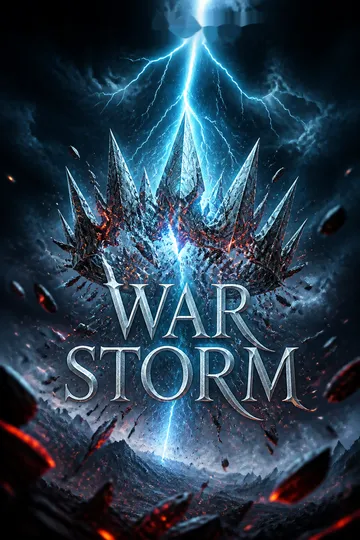
War Storm receives mixed reviews as the final book in the Red Queen series. Some praise the character development and action scenes, while others criticize the pacing and length. Many readers express disappointment with the ending, feeling it lacks closure. The multiple POVs receive both praise and criticism. Some reviewers appreciate the political intrigue and war strategies, while others find the plot convoluted. Overall, opinions are divided, with some fans satisfied and others left wanting more from the conclusion.
People Also Read


Characters
Mare Barrow
Lightning-born rebelMare is a Red girl with the rare ability to wield electricity, caught between the Scarlet Guard’s revolution and her love for Cal, the Silver prince she once trusted. She is observant, suspicious of easy promises, and more politically perceptive than she initially believes. Her instinct to protect family and friends often pulls against her willingness to accept casualties for the cause. Mare’s identity has been repeatedly shaped by others, from her Silver disguise to the public image of the lightning girl, so she fights to reclaim authorship of her own choices. Her courage is real, but so are her trauma, anger, and uncertainty. She is most herself when she turns those contradictions into action rather than pretending they do not exist.
Cal, Tiberias Calore
Warrior heir to NortaCal, whose full name is Tiberias Calore, is the exiled prince and trained soldier seeking to reclaim Norta’s throne from his younger brother. He believes kingship is a duty inherited from his father, and he measures himself against the standard of the warrior king he was raised to become. His decency is genuine, but it does not automatically free him from the institution he hopes to reform. Cal tends to understand battle more readily than political compromise, and his loyalty to family makes him vulnerable to grief and guilt. His relationship with Mare exposes the difference between loving someone and choosing the same future. He is earnest, physically brave, and slow to see how power outlasts an individual ruler.
Maven Calore
The polished false kingMaven is Cal’s younger brother, a young king whose intelligence, charm, and hunger for control make him difficult to predict. He was raised under the influence of his mother, Queen Elara, and carries the psychological damage of her manipulation while also making consequential choices of his own. His attachment to Mare is entangled with obsession, loneliness, and the need to possess what he fears losing. Maven can read political weakness with precision but struggles to distinguish affection from control. He performs vulnerability and innocence as skillfully as menace, leaving even those who know his history unsure where the performance ends. His tragedy is not that he lacks agency, but that he repeatedly uses it to preserve the damage done to him.
Evangeline Samos
Steel-wielding princessEvangeline is a magnetron princess of the powerful Samos family, trained to turn metal into armor, weapons, and political leverage. She has spent her life pursuing influence because her father treats power as the only reliable form of safety. Her sharp wit and theatrical self-possession conceal a private tenderness for Elane Haven, whose love conflicts with the marriage expected of her. Evangeline is not simply a rival to Mare: she recognizes the machinery of court life because she has learned to survive inside it. She can be ruthless, jealous, and perceptive in the same breath. Her central struggle is whether loyalty to blood and title can outweigh the desire to choose her own life.
Iris Cygnet
Lakelander queen in exileIris is a young nymph queen of the Lakelands, married to Maven to secure a political alliance between their countries. Her command of water gives her considerable power, but her defining skill is her ability to observe and plan. Iris has been raised to treat duty as a shield for her family and country, even when that duty requires her to live far from home. She is grieving, guarded, and suspicious of both Maven’s motives and Nortan politics. Her careful self-control sometimes masks fear and homesickness. Iris understands that a royal marriage is an instrument of state, yet she still has to decide what kind of person she will become while wielding it.
Diana Farley
Scarlet Guard generalFarley is a young general of the Scarlet Guard, a disciplined organizer whose bluntness and battlefield focus have made her a formidable leader. She has lost family and comrades to the war, and her desire for revenge can become difficult to separate from her duty. Becoming a mother has not softened her resolve, but it has widened the future she is fighting for. Farley trusts action more than sentiment and dislikes being treated as fragile, though she can offer others a rare, hard-earned tenderness. Her relationship with Mare is marked by friction, mutual respect, and an increasingly intimate understanding of what trauma does to a person.
Davidson
Montfort's elected premierDavidson leads the Free Republic of Montfort, a country governed through elected representatives rather than a royal dynasty. He is composed, strategic, and careful to work within the limits of his office, even during war. His calm manner can seem evasive, but his loyalty to Montfort’s laws and people is more than a political pose. He uses diplomacy, military pressure, and selective candor to test potential allies. Davidson understands that revolutionary ideals survive only when institutions and ordinary people sustain them. His partnership with Carmadon offers a glimpse of a private life that Nortan and Lakelander courts would not permit.
Julian Jacos
Scholar and royal uncleJulian is Cal’s uncle, a scholar and teacher whose patient manner conceals a talent for influencing people through his Silver ability. He once taught Mare while she lived under a false identity, and he remains invested in both her mind and Cal’s future. Julian is loyal to his family, but his reading of history makes him skeptical of inherited power and the stories rulers tell about themselves. He prefers books to battle, yet he is not politically passive. His closeness to Cal can make him protective to a fault, and his affection for the young king sometimes leads him to intervene in decisions Cal should make himself.
Kilorn Warren
Mare's oldest friendKilorn grew up with Mare in the Stilts and remains one of the few people who knows her beyond her public reputation. A Red without a Silver ability, he has endured conscription, displacement, and the knowledge that his friends can do things he cannot. He sometimes masks insecurity with jokes and bravado, but he is perceptive about Mare’s feelings and willing to stand beside her without demanding romantic affection. Kilorn’s value is not measured by combat power. He offers memory, loyalty, and ordinary companionship in a life increasingly shaped by extraordinary violence. His bond with Mare is intimate without being possessive.
Queen Anabel Lerolan
Cal's calculating grandmotherAnabel is Cal’s grandmother, a former queen with a lethal ability to obliterate what she touches. She is experienced at court politics and sees family loyalty as both an emotional bond and a strategic obligation. Her affection for Cal is real, but she is willing to maneuver around him when she believes the stakes demand it. Anabel distrusts the Scarlet Guard and resists the idea that a single good king can undo the harms of monarchy. Her past as a queen has taught her that survival often depends on making the decision others hesitate to own.
King Volo Samos
Evangeline's power-minded fatherVolo rules the Rift and leads House Samos, a family whose influence rests on metalworking power, military strength, and carefully arranged alliances. He treats his children as heirs and assets, expecting obedience in exchange for status and protection. His political instincts are formidable, but his certainty that power belongs to the strongest makes him dismiss people who cannot help him rule. Evangeline’s relationship with him is shaped by a lifelong struggle for his approval and a growing awareness that affection can be used as a leash.
Ptolemus Samos
Evangeline's warrior brotherPtolemus is Evangeline’s older brother and heir to House Samos, a magnetron trained for combat and raised to protect his family’s position. He is physically confident and often more comfortable acting than discussing what he feels. His fierce attachment to Evangeline makes him a source of support, even when their father’s demands place them on different paths. Ptolemus understands the price of family loyalty, but he has not always questioned who benefits from it.
Elane Haven
Evangeline's beloved shadowElane is a shadow-wielding Silver of House Haven and the person Evangeline loves. Her ability lets her disappear from sight, a talent that suits the secrecy required by court life but also reflects how often others expect her to remain unnoticed. Elane is gentle without being weak, and she wants a life in which she is more than an arrangement between powerful families. Her bond with Evangeline is mutual, but both understand that their families and political roles can turn private affection into a danger.
Queen Cenra Cygnet
Ruler of the LakelandsCenra is Iris and Tiora’s mother, the reigning queen of the Lakelands and a powerful nymph. She combines political discipline with deep devotion to her family, though grief can harden her strategic judgments. As ruler, she is responsible for preserving her country’s strength; as a mother, she fears losing her daughters to distant wars and hostile courts. Those obligations do not always point in the same direction.
Tiora Cygnet
Iris's heir sisterTiora is Iris’s older sister and heir to the Lakelander throne. Serious and composed, she is trained to preserve the royal line and manage the demands of rule. Her reserve is not indifference; she feels deeply but keeps emotion under strict control. Tiora loves Iris and her mother while understanding that a queen’s family can become a political vulnerability.
Prince Bracken
Piedmont's hostage-seeking rulerBracken rules Piedmont and is a mimic, able to borrow another Silver’s ability through touch. His children’s capture leaves him vulnerable to Montfort’s influence, while his pride and need to recover them shape his alliances. He is direct in speech and less interested in royal display than in practical results. Bracken’s political choices show how quickly family love can be used as leverage between nations.
Cameron Cole
Newblood from New TownCameron is a young newblood whose ability can suppress other people’s powers. She grew up in New Town, where Red workers are assigned identities and lives through permanent markings. Tough, sharp-tongued, and unusually self-possessed, she carries the experience of the slums without letting it define all she can become. Her family matters deeply to her, and she is determined to protect rather than simply avenge them.
Tyton
Electricon with brain lightningTyton is a Montfort-born electricon, like Mare, but his lightning can affect the electrical activity in another person’s brain. He is laconic, observant, and wary of killing without knowing who deserves the risk. His unusual ability makes him valuable in combat, but he treats it as a responsibility rather than a spectacle. Tyton’s presence reminds Mare that her own powers are not fully understood.
Jon
Seer of dangerous futuresJon is a newblood who can see possible futures and influence events through what he chooses to reveal or withhold. His knowledge isolates him from people who want certainty, and he offers warnings in fragments rather than explanations. He understands that foresight can become a form of control, even when the seer believes he is preventing something worse. Mare distrusts him because his interventions have consequences she cannot fully see.
Gisa Barrow
Mare's gifted sisterGisa is Mare’s younger sister, a talented seamstress whose skill once helped support the Barrow family. She is attentive to appearance and craft, but her interest in beauty does not make her shallow. Gisa is observant about the cost Mare pays for her choices and protective in a way that reverses their childhood roles. Her practical creativity gives her a means of expression in a world that often offers her little formal power.
Shade Barrow
Mare's gifted brotherShade is Mare’s older brother and a newblood with the ability to teleport. His courage and devotion to the Scarlet Guard shape the lives of Mare and Farley, while his memory remains a measure of what the war has taken from them. Shade’s gifts made him useful to the rebellion, but his identity was never reducible to his ability. He is remembered as a brother, partner, and comrade.
Sara Skonos
Healing hand of the GuardSara is a Silver skin healer who uses her ability to mend wounds and restore damaged bodies. She once survived severe punishment that took her tongue, leaving her a careful, sparing speaker. Her work places her close to the physical aftermath of war, where she must treat people regardless of rank or allegiance. Sara’s quiet presence offers care without pretending that healing erases trauma.
Rafe
Montfort storm fighterRafe is a Montfort electricon who fights alongside Ella and Mare. His control of lightning makes him a useful member of the coalition’s small, highly capable storm force.
Ella
Blue-haired electriconElla is a Montfort electricon with blue hair and considerable battlefield experience. She helps Mare and Rafe direct lightning during attacks, combining force with the discipline needed to keep allies out of the strike zone.
Ada
Newblood with perfect memoryAda is a newblood who can memorize what she sees with extraordinary accuracy. Her ability makes her valuable to the Scarlet Guard’s intelligence work, where maps and documents can be carried in a person’s mind.
Plot Devices
Silent Stone
Ability-suppressing prisonSilent Stone nullifies Silver and newblood abilities, making it both a weapon and a form of captivity. Mare remembers the prolonged physical and psychological harm of being held in it, so its presence at the Province Island parley is a deliberate threat. It also gives the final confrontation a cruel symmetry: Maven once used the substance to control Mare, and she later enters a chamber lined with it to face him without lightning. The material changes the terms of power without removing the characters’ history or fear.
Scarlet Guard Network
Hidden routes and local resistanceThe Guard’s spies, smugglers, safe houses, and local contacts allow it to move people through hostile territory. The network evacuates survivors from Piedmont, helps workers disable New Town, and provides access to Archeon’s underground passages. It is not a conventional army with a single visible front. Its strength comes from relationships built among people who have learned to hide, relay information, and act together without waiting for royal permission.
Ibarem's Twin Link
Long-distance prisoner contactIbarem and his identical brothers share a mental connection that lets them transmit information across great distances. Mare uses Ibarem’s link with Rash to learn what Maven sees inside the Piedmont prison, confirm that survivors remain alive, and speak directly to Maven. The connection turns family intimacy into a wartime communications channel, but it also exposes the linked brothers to danger if Maven decides to keep one as leverage.
Maven's Escape Train
Secret route beneath ArcheonMaven’s concealed rail line links hidden passages beneath the capital and offers a way to move through the city unseen. Mare’s knowledge of its existence helps the coalition plan an underground approach, while its presence in the tunnels signals Maven’s habit of preparing for flight as well as rule. The train later becomes part of Evangeline’s escape and gives Maven a route out during the battle, until flooding and the chaos of invasion narrow his choices.
Montfort's Mersives
Underwater fleet breakersMontfort’s concealed underwater craft attack the Lakelander and Piedmont armada from beneath the river, where Iris and Cenra’s water abilities cannot easily identify or stop them. Farley waits until the river rises high enough to deploy the surprise weapon. The mersives rupture ships and force the queens to retreat, shifting a battle that had seemed to favor the armada. Their importance lies not only in their destructive power but in the way they exploit the enemy’s confidence that command of water means command of everything beneath it.
FAQ
Synopsis & Basic Details
What is War Storm about?
- Final battle for Norta: War Storm concludes the Red Queen series, focusing on the final battles for control of Norta and the surrounding territories. It explores the complex political landscape, shifting alliances, and the personal sacrifices made by the characters.
- Clash of ideologies: The story delves into the clash between the old Silver order and the new world envisioned by the Scarlet Guard and Montfort, highlighting the struggle for equality and freedom. It examines the consequences of power and the difficult choices characters must make.
- Personal and political stakes: The narrative intertwines personal relationships with political machinations, as characters grapple with love, betrayal, and the weight of their responsibilities. The story culminates in a final confrontation that will determine the fate of Norta and its people.
Why should I read War Storm?
- Epic conclusion: War Storm provides a satisfying conclusion to the Red Queen series, tying up loose ends and delivering a final, explosive battle for the fate of Norta. It offers a culmination of the series' themes and character arcs.
- Complex characters: The book delves deeper into the motivations and complexities of its characters, exploring their internal struggles and the difficult choices they must make. It offers a nuanced portrayal of both heroes and villains.
- High-stakes action: War Storm is filled with intense battles, political intrigue, and emotional turmoil, keeping readers engaged from beginning to end. The story is a rollercoaster of action, betrayal, and sacrifice.
What is the background of War Storm?
- Post-revolution Norta: The story is set in a world where the traditional Silver hierarchy is being challenged by the Red rebellion and the rise of newbloods. The political landscape is fractured, with various factions vying for power.
- Geopolitical tensions: The conflict extends beyond Norta, involving the Lakelands, Montfort, and the Rift, each with their own agendas and ambitions. The story explores the complex relationships between these nations and the shifting alliances that define the war.
- Magical abilities: The world is populated by Silvers with unique abilities, as well as newbloods with powers that challenge the established order. These abilities play a crucial role in the battles and political machinations of the story.
What are the most memorable quotes in War Storm?
- "I am less than his crown, and he is less than my cause.": This quote encapsulates Mare's internal conflict, highlighting her choice to prioritize the revolution over her love for Cal. It underscores the sacrifices she is willing to make for the greater good.
- "A different king is still a king.": This quote, spoken by Farley, reflects the skepticism and distrust of Silver rule, even when it comes from someone like Cal. It highlights the challenges of building a new world free from oppression.
- "To rise. And rise alone.": This quote, a prophecy from Jon, foreshadows Mare's destiny and the sacrifices she must make. It emphasizes the theme of isolation and the burden of leadership.
What writing style, narrative choices, and literary techniques does Victoria Aveyard use?
- Multiple perspectives: Aveyard employs multiple points of view, allowing readers to see the conflict from different angles. This technique enhances the complexity of the story and provides insight into the motivations of various characters.
- Fast-paced action: The narrative is driven by intense battles and political intrigue, keeping readers engaged with a fast-paced plot. The action sequences are vivid and visceral, immersing readers in the chaos of war.
- Emotional depth: Aveyard explores the emotional toll of war and betrayal, delving into the internal struggles of her characters. The story is marked by moments of intense emotion, as characters grapple with love, loss, and the weight of their choices.
Hidden Details & Subtle Connections
What are some minor details that add significant meaning?
- The red earring: Mare keeps the red stone earring Cal gave her, despite their separation. This symbolizes her lingering feelings and the complex bond they share, even as they are on opposing sides.
- The cracked nail: Evangeline's cracked nail, broken in battle, is a small detail that reveals her vulnerability and the physical toll of war. It contrasts with her usual image of a powerful and untouchable Silver princess.
- The black flowers: The black flowers in the Lakelander capital symbolize mourning and loss, reflecting the grief of the Lakelander people after their king's death. It also foreshadows the darkness and destruction to come.
What are some subtle foreshadowing and callbacks?
- Jon's prophecies: Jon's cryptic prophecies throughout the series, particularly the one about Mare rising alone, foreshadow the events of War Storm. They add a layer of fatalism and inevitability to the narrative.
- The recurring phrase "Red as the dawn": This phrase, used by both the Scarlet Guard and Maven, highlights the ideological conflict at the heart of the story. It also foreshadows the final battle and the ultimate fate of the characters.
- The mention of the Stilts: Mare's memories of the Stilts, her former home, serve as a reminder of her roots and the people she is fighting for. It also foreshadows her desire to protect her family and create a better world for them.
What are some unexpected character connections?
- Evangeline and Mare's shared understanding: Despite their opposing sides, Evangeline and Mare develop a strange understanding, recognizing their shared struggles against the constraints of their positions. They both want to be free from the roles they were born into.
- Julian and Davidson's intellectual bond: The two men, from vastly different backgrounds, find common ground in their love of knowledge and their desire for a better world. This connection highlights the potential for unity across different cultures and ideologies.
- Tyton and Mare's shared ability: As electricons, Tyton and Mare share a unique bond, understanding the power and the burden of their abilities. This connection is a source of both comfort and unease for Mare.
Who are the most significant supporting characters?
- Julian Jacos: Cal's uncle, a scholar and historian, serves as a voice of reason and wisdom. His knowledge of the past and his understanding of human nature make him a valuable adviser.
- Sentinel Haven: A loyal and skilled soldier, he represents the complexities of the Silver court and the sacrifices made in the name of duty. His presence highlights the internal conflicts within the Silver ranks.
- Cameron Cole: A newblood with the ability to manipulate electricity, she is a powerful ally to Mare and the Scarlet Guard. Her personal history and her connection to the tech towns make her a key figure in the fight against Silver oppression.
Psychological, Emotional, & Relational Analysis
What are some unspoken motivations of the characters?
- Cal's desire for his father's approval: Cal's actions are driven by a deep-seated need to live up to his father's legacy. This desire for approval often conflicts with his love for Mare and his commitment to the cause.
- Evangeline's longing for freedom: Evangeline's actions are motivated by a desire to escape the constraints of her position and be with Elane. Her longing for personal freedom drives her to make difficult choices.
- Maven's need for control: Maven's actions are driven by a deep-seated need for control, stemming from his mother's manipulations and his own insecurities. His desire for power often leads to self-destructive behavior.
What psychological complexities do the characters exhibit?
- Mare's internal conflict: Mare struggles with the weight of her responsibilities and the emotional toll of war. She is torn between her love for Cal and her commitment to the cause, as well as her own desire for freedom.
- Cal's divided loyalties: Cal is torn between his duty to his family and his desire for a better world. He struggles to reconcile his love for Mare with his responsibilities as a king.
- Maven's fractured psyche: Maven's mind is a battleground of conflicting desires and obsessions. His inability to control his emotions and his need for power make him a dangerous and unpredictable force.
What are the major emotional turning points?
- Cal's choice in Corvium: Cal's decision to prioritize the crown over his relationship with Mare is a major emotional turning point, setting the stage for the conflicts to come. It highlights the sacrifices characters must make for their beliefs.
- Mare's reunion with her family: Mare's reunion with her family in Piedmont is a moment of both joy and sorrow, as she grapples with the reality of her situation and the sacrifices she must make. It underscores the importance of family and the emotional toll of war.
- Evangeline's return to the Rift: Evangeline's return to the Rift is a bittersweet moment, as she is torn between her duty to her family and her desire for freedom. It highlights the complexities of her character and the challenges she faces.
How do relationship dynamics evolve?
- Mare and Cal's fractured bond: The relationship between Mare and Cal is tested by their opposing loyalties and the weight of their responsibilities. Their love is a source of both strength and pain, as they struggle to reconcile their personal desires with their political obligations.
- Evangeline and Elane's forbidden love: Evangeline's relationship with Elane Haven is a source of both comfort and conflict, as she grapples with the constraints of her position and the dangers of their love. Their bond is a testament to the power of love in the face of adversity.
- Mare and Farley's growing respect: Mare and Farley's relationship evolves from one of suspicion to one of mutual respect and understanding. Their shared commitment to the cause and their willingness to sacrifice for the greater good forges a strong bond between them.
Interpretation & Debate
Which parts of the story remain ambiguous or open-ended?
- The future of Norta: The ending of War Storm leaves the future of Norta uncertain, with the old order destroyed and a new one yet to be fully formed. The story raises questions about the possibility of lasting peace and equality.
- The fate of the characters: While some characters find a measure of peace, others are left with unresolved conflicts and uncertain futures. The ending leaves room for interpretation and speculation about the long-term consequences of their choices.
- The nature of power: The story raises questions about the nature of power and the corrupting influence it can have on individuals and societies. It leaves readers to ponder the true meaning of leadership and the sacrifices required to achieve a better world.
What are some debatable, controversial scenes or moments in War Storm?
- Cal's choice in Corvium: Cal's decision to prioritize the crown over his relationship with Mare is a controversial moment, sparking debate about the nature of love and duty. Some readers may sympathize with his difficult choice, while others may see it as a betrayal.
- Mare's actions in the final battle: Mare's decision to kill Maven is a complex and morally ambiguous moment, raising questions about the nature of justice and the consequences of violence. Some readers may see it as a necessary act of self-defense, while others may view it as a tragic loss of innocence.
- The ending of the war: The ending of the war is bittersweet, with both victories and losses. The story leaves readers to ponder the true cost of freedom and the challenges of building a new world.
War Storm Ending Explained: How It Ends & What It Means
- Maven's death: Maven's death at Mare's hands marks the end of his reign of terror and the culmination of his tragic arc. It is a moment of both triumph and sorrow, as Mare is forced to confront the consequences of her actions.
- The uncertain future of Norta: The ending of War Storm leaves the future of Norta uncertain, with the old order destroyed and a new one yet to be fully formed. The story raises questions about the possibility of lasting peace and equality.
- The characters' individual paths: The ending of War Storm sees the characters embarking on their own paths, with some finding a measure of peace and others facing new challenges. The story leaves readers to ponder the long-term consequences of their choices and the enduring power of hope.
Red Queen Series
About the Author
Other books by Victoria Aveyard


Download PDF
Download EPUB
.epub digital book format is ideal for reading ebooks on phones, tablets, and e-readers.








