

Plot Summary
Prologue
As a child, Eleanor Zarrin joins her sister Luma and cousins Rhys and Charlie in hunting a visiting boy through the woods. The others treat it as a familiar game, but Eleanor feels a new hunger rise in her. She decides she wants to eat him.
Before she can understand what she has done, the boy vanishes, leaving Eleanor on the pine needles with an aching jaw. The strange disappearance becomes a buried memory, one that will later explain why her family sent her away.
The childhood chase begins as play, but the boy’s sudden disappearance turns the family’s games into a source of dread. Eleanor’s hunger arrives before she has language or self-knowledge enough to contain it, making the event both a possible act of violence and a blank in her memory. That uncertainty shapes her return: she believes she has done something terrible, yet cannot name it. The prologue also establishes the Zarrins’ unsettling intimacy with danger. The family can treat a human child as a game, while Eleanor’s difference lies in not knowing where play ends and appetite begins.
Eleanor Comes Back
After Lucy Spencer shoves her down a staircase at Saint Brigid’s, Eleanor bites Lucy’s neck and flees the school before anyone can stop her. She boards a train for Winterport, the Maine town where her family lives, carrying a suitcase and the guilt of what she did. The conductor recognizes her surname and warns her to be careful.
In town, Father Thomas confirms that her grandmother expects her, though Eleanor had been told for years to stay away. She climbs through the woods to the huge Zarrin house, uncertain whether it is refuge or another danger. Her return is driven less by confidence than by having nowhere else to go.
Eleanor’s return is not a homecoming fantasy but a flight from a school where she has been isolated and finally retaliated against. The bite is the immediate cause of her escape, while her inability to explain it makes home feel like both the only refuge and the place most likely to recognize what she is. Her anxiety about being seen, especially her effort to hide her blood, shows how thoroughly she has learned to treat her body as evidence. Winterport’s suspicion of the Zarrins gives the family’s private strangeness a public consequence before Eleanor has even crossed the threshold.
A Family of Teeth
Inside the house, Eleanor hears her mother calling from the garden and finds Aunt Margaret blocking the kitchen passage. Her mother waits in a tub, half human and half a mass of red growths, while Grandmother Persephone, Father Miles, Grandpa Miklos, Luma, and Rhys gather to welcome her.
Rhys lifts Eleanor without warning; Luma embraces her with blood between her teeth; Miklos watches her like prey until Persephone intervenes. At dinner, the family devours raw meat while Eleanor struggles to eat. The next morning, she meets Arthur Knox, the family’s courteous accountant and longtime companion. His calm presence attracts her, while Rhys’s efforts to impress him raise questions she cannot yet answer.
Eleanor’s family offers affection in forms she no longer knows how to receive. Luma’s embrace is real, but blood on her teeth makes intimacy feel perilous; Miklos’s recognition of her as prey makes kinship temporarily less powerful than appetite. Arthur offers a contrasting model of composure, and Eleanor immediately reads his survival among the Zarrins as proof that closeness might be possible. Yet the family’s ordinary routines conceal coercion and old grief. Eleanor wants belonging, but her first lesson is that belonging here does not mean safety, gentleness, or even a shared understanding of what counts as normal.
The Matriarch’s Last Reading
As Eleanor tries to reconnect with Luma, she learns that her sister’s arm bears old bite scars from her. She also sees Rhys’s fixation on Arthur and discovers a hidden passage where Rhys emerges bruised and furious. That night, Persephone takes Eleanor into the greenhouse during a storm and asks why she returned.
Eleanor admits she attacked Lucy, then agrees to a tarot reading. The cards suggest Eleanor could either save or ruin the family; a final card, marked by a pair of yellow eyes, leaves Persephone stricken. Persephone dies after ordering Eleanor to protect the household and keep strangers out. Eleanor flees, then returns to find Margaret trying to revive her.
The reading gives Eleanor a position she has wanted without giving her the knowledge needed to occupy it. Persephone’s warning makes responsibility feel like a verdict: Eleanor may be dangerous to the family, but she is also the person asked to preserve it. The unexplained card turns divination from a comforting ritual into evidence of an outside force. Eleanor’s guilt about Lucy now sits beside grief for Persephone, so she interprets the death as possibly her fault. Her return to the greenhouse after fleeing is a small but decisive reversal: fear no longer absolves her of responsibility.
A Funeral in the Rain
Eleanor persuades her mother to invite Winterport to Persephone’s burial, despite the family’s instinct to keep outsiders away. At the funeral, Father Thomas mourns openly, while Eleanor’s aunt Lusitania arrives with her son Charlie and searches the house for Persephone’s tarot cards.
Charlie insults Eleanor’s strange nature and smashes a candy dish into her face; Rhys attacks him, and Lusitania demands that Miles send Eleanor away. Eleanor insists Persephone left her the extracts business.
Later, she discovers that Persephone intercepted years of letters between Eleanor and the family. When Arthur supports her claim to the business, Miles slaps her. Arthur restrains Miles, but the discovery of the stolen correspondence leaves Eleanor unsure whether her family ever truly tried to bring her home.
The funeral makes private grief a public negotiation. Eleanor insists on inviting the village because Persephone mattered beyond the family, and the mourners’ response proves that the Zarrins have obligations as well as power. Yet the household fractures in front of those guests: Lusitania rejects Eleanor, Charlie injures her, and Miles chooses anger over protection. The intercepted letters sharpen that betrayal. Persephone’s control isolated Eleanor, but the family’s failure to bypass that control also reveals their passivity. Eleanor’s new authority therefore begins without trust, inherited from a dead matriarch and challenged by everyone still living.
The Grandmother Arrives
Eleanor secretly writes to her French grandmother, asking for help, and weeks later Grandmere arrives with trunks, gifts, and an easy warmth that quickly wins Eleanor’s trust. She gives Eleanor clothes, listens to her account of school and family, and promises support.
Her presence unsettles Luma and makes their mother, Aurora, withdraw. Grandmere takes charge of meals and guests, then teaches Eleanor to sense the household’s sounds and influence people with her voice. Eleanor uses that new command to secure deliveries from Winterport.
At the same time, Persephone’s ghost disturbs the library, and Eleanor finds her tarot cards and journal. The journal helps her realize she has overwatered the valuable drakondia plants, so she changes how she tends them.
Grandmere’s arrival answers Eleanor’s longing with unusually precise care: she notices the clothes Eleanor lacks, offers attention, and presents competence as a form of love. That care is not emotionally neutral. It pulls Eleanor away from Luma and Aurora, whose discomfort she interprets as jealousy or stubbornness, and gives her a new source of approval to protect. Grandmere’s lesson in household influence also recasts power as caretaking. Eleanor can make a shopkeeper cooperate, but she has not yet examined the difference between persuasion and compulsion. The recovering plants offer a quieter counterexample: successful care sometimes means changing one’s intervention, not increasing control.
The Wolf Rejects a Bride
Grandmere invites the Hannafins to dinner and begins arranging suitors for Rhys and Luma. She also urges Eleanor to pursue Arthur, describing the sisters as rivals for a future Eleanor has not agreed to claim. A young woman with sharp, double-rowed teeth arrives for Rhys, but he refuses her and declares his attachment to Arthur.
Grandmere freezes him in place and orders him to his room; Eleanor’s own command helps keep him there. When Miklos warns that Grandmere is the old woman who once tried to swallow him, Eleanor dismisses his account as confusion. Miklos escapes her restraint and attacks Grandmere, but Eleanor stops him with her voice. The incident confirms that Eleanor can force even her grandfather to obey.
Rhys’s refusal exposes the cost of treating marriage as household management. Grandmere sees a suitable match as a way to make him socially legible and safer; Rhys sees it as a demand to deny what he wants. Eleanor initially tries to mediate by using the same coercive authority she is learning, and that makes her an instrument of Grandmere’s plan. Miklos’s warning could interrupt this pattern, but Eleanor protects the person who has made her feel wanted. Her power is therefore morally ambiguous from its first clear use: it can stop violence, but it can also silence the person resisting an imposed future.
A Voice Takes Hold
Eleanor overhears Miles and Arthur dancing in the library, then asks Arthur whether he wants to dance with her. When he declines, she strikes the wall three times, unknowingly using Persephone’s method for banishing him. Arthur leaves.
Miles explains that Arthur is something Persephone made, but refuses to tell Eleanor more. Grandmere later orders Miles to rest, and he becomes a blank, obedient version of himself. Eleanor confronts her, then finds Rhys trapped behind the wall between their rooms.
Rhys says Eleanor swallowed the boy from their childhood game. At last she remembers Lucy: after Lucy pushed her, Eleanor’s animal self surfaced and bit her. Rhys’s warning makes clear that Grandmere may be trying to awaken the same hunger in her.
Eleanor’s attempt to protect Arthur repeats the very violation she fears: she acts on his behalf without asking what he wants, then banishes him when his answer hurts. Miles’s transformation makes this pattern impossible to ignore. Grandmere can impose a compliant self on someone and call the result improvement. Eleanor’s recovered memory connects that domination to her own capacity for violence, but the two powers are not identical: she has caused harm through instinct and has also begun to command others deliberately. Recognizing both makes her shame more useful than denial. For the first time, she understands that her family’s danger includes what she herself can do.
Arthur Beneath the House
After Grandmere traps Eleanor with a command, she escapes through the hidden passage beneath the stairs and finds Margaret willing to help. Margaret directs her to the cellar, where Eleanor discovers Arthur’s corpse in a buried wooden box.
She summons him with three knocks and asks for the history he has never been allowed to tell. Arthur explains that he was a schoolteacher who loved both Persephone and Miklos, then killed their infant son Rhys after they withdrew from him.
Persephone revived Arthur as a bound servant, removed his eyes, and prevented him from describing what she had done. Persephone’s ghost adds her own memories, exposing the cruelty and loneliness behind the spell. Eleanor promises to free Arthur, then returns upstairs, where Grandmere’s control catches her again.
Arthur’s history turns the house’s courteous routines into the surface of an old crime. His affection for the Zarrins did not excuse his murder of their child, but Persephone’s response transformed punishment into indefinite ownership. The spell silenced the one person who could name its injustice, allowing the family to enjoy his service without confronting its origin. Eleanor’s decision to hear him rather than command him marks a different use of power: she asks, then listens. Persephone’s ghost complicates easy moral judgment by showing grief and fear alongside cruelty. Understanding the past does not undo it, but it gives Eleanor a chance not to repeat it.
The House Turns Hostile
Grandmere admits that she has changed Miles permanently and intends to do the same to Rhys, offering Eleanor the chance to practice. Eleanor pretends to agree, then seeks help from Rhys and discovers that she can release him from his room by choosing to override her own earlier order.
She also learns that Grandmere is not a harmless visitor: Miklos’s story was true, and the creature once tried to swallow him. Aurora, held back by Grandmere’s command, reveals that Grandmere weakens after taking in a new person and grows tired when controlling several people.
Eleanor feigns loyalty while Grandmere demonstrates her power by swallowing a rabbit and bringing it back as a creature under her control. Eleanor swallows a second rabbit herself, discovering she can hold and direct it.
Eleanor’s cooperation is now strategic rather than devotional. She has learned that Grandmere can suppress resistance, so she gathers information through pretense and listens to Aurora, whose silence was imposed rather than chosen. The rabbit demonstration makes predation look almost tender: Grandmere restores the animal’s body and presents possession as protection. Eleanor’s own ability to contain it gives her a practical tool, but also draws her closer to the logic she opposes. Her most important act here is not mastering the power; it is deciding that a capacity does not dictate its use. The distinction between having control and deserving to control becomes the story’s central test.
A Party Becomes a Trap
Eleanor asks Grandmere to throw her a large party before they leave with Rhys, presenting herself as a lonely girl who wants one night of celebration. Grandmere agrees and takes responsibility for the invitations, food, and music.
Eleanor secretly makes the gathering harder to control by inviting the whole town, hiring a band, and ensuring the event will be crowded. She hides kerosene in the hall closet and works with Margaret to prepare the fire.
She also gives Rhys a delayed instruction: when she calls his name, he must rescue Aurora and carry her to the woods, then find Luma and Miklos. At the party, Eleanor dances with Arthur and tells him her plan to burn the house. He resents her for treating his freedom as another decision she can make for him.
Eleanor turns hospitality, once a tool Grandmere uses to manage appearances, into an instrument of resistance. The crowded party is designed to exceed Grandmere’s capacity to control everyone, while the fire offers a way to end the house’s hold on the family and on Arthur. Yet Eleanor still assumes she can decide what liberation should look like for him. His anger forces her to face the gap between a benevolent plan and another person’s agency. The party also gives the villagers a role beyond fearful outsiders: their presence becomes part of the pressure on the household, even though Eleanor cannot guarantee what they will do once the danger is visible.
Arthur Finds His Own Shape
As the party fills with villagers and Grandmere’s gathered dependents, Arthur arrives and dances with Eleanor. She explains that the fire will leave him alone on the grounds, but he refuses to call that freedom and reminds her that the Zarrins have repeatedly broken promises to him.
Eleanor realizes that the being before her is not simply the dead schoolteacher Persephone bound; he is a new creature formed after Arthur’s death. She tells him that the self inside his borrowed body can choose to emerge.
Arthur removes his dark glasses, reveals light behind the stitches where his eyes were, and walks through the crowd. When Father Thomas tries to stop him, Arthur lifts him aside and escapes into the night. Eleanor turns back to Grandmere, who has begun to lose control of the party.
Arthur’s release begins when Eleanor stops treating his body as the whole of him. She has spent much of the story trying to interpret his silences, but the truth is not hidden information she can extract; it is a self he must claim. Naming his capacity does not erase what Persephone did, and it does not make Eleanor his rescuer in a simple sense. He chooses to leave. The distinction matters because Eleanor’s love has been entangled with wanting to keep him close. His departure is the first proof that she can care for someone without making continued access the price of that care.
The Manor Catches Fire
Grandmere orders the guests to remain still, but Eleanor tells them to panic, and the crowd surges toward the exits. A guest drives a coat rack through Grandmere, releasing the animals she has swallowed.
Eleanor uses her own hidden creature, the banker’s boy, to carry a match into the hall closet and ignite the kerosene. While the house burns, Miklos, Luma, and Rhys attack Grandmere’s creatures. Luma tears open Grandmere’s skin, exposing the vast many-limbed darkness inside her.
Grandmere throws Rhys toward the devouring void; Eleanor pulls him back into herself. Then Eleanor draws Grandmere’s creatures and central emptiness into her own mouth until Grandmere is gone. The effort overwhelms her, and she collapses as the fire spreads through the house.
The climax forces Eleanor to use the power she fears without pretending it is harmless. She makes the guests’ panic a form of collective resistance, while the boy she once swallowed becomes an instrument of escape rather than a secret she can deny. When she draws Rhys away from Grandmere, she risks absorbing him and must trust Luma to carry him out. Finally she defeats Grandmere through the same devouring capacity that made her fear herself. The act is neither clean nor triumphant: it leaves Eleanor physically spent and morally changed. Survival requires her to inhabit the frightening possibility that she can become what she opposes.
The Zarrins Leave Winterport
Eleanor wakes outside with burns, surrounded by Luma, Miklos, Aurora, Margaret, and Rhys, who is alive but unresponsive. Arthur has carried her out of the flames and taken on a brighter, more independent form. He tells Eleanor he will leave to discover the world, and she lets him go without trying to bind him to her.
The family watches their house collapse, along with the greenhouse and its recovering drakondia. In the epilogue, they search the ashes, recover Miklos’s cracked pocket watch, and use bird entrails to seek direction. They leave together at dawn, carrying Rhys and walking through Winterport before hitching a ride south.
The fire destroys more than a shelter: it removes the architecture that held the Zarrins’ secrets, dependencies, and inherited roles in place. Eleanor loses the greenhouse she tried to save and the house she once believed was her only home, but she does not lose the people who choose to leave with her. Arthur’s departure completes the ethical change begun at the dance: love no longer means keeping someone. The family’s uncertain journey is not a cure or a return to normality. It is a chosen movement toward a life they must build without Persephone’s estate or Grandmere’s control.
Epilogue
The survivors search the hot ashes and recover Miklos’s cracked pocket watch. Margaret reads bird entrails, but the only guidance they find is to go elsewhere. At dawn, the family walks through Winterport: Miklos on four legs, Aurora between her daughters, and Margaret carrying the still-breathing Rhys.
The villagers let them pass. They hitch a ride south and begin an uncertain life together, hoping to find a place where they can stop moving. Eleanor does not know whether she will return to school, learn witchcraft, or become something else. For now, she chooses to stay with her family.
The ending refuses to convert survival into a neat restoration. Rhys remains gravely changed, the family has lost its home, and Eleanor cannot yet say what kind of future she wants. Their departure nevertheless differs from Eleanor’s original flight: she leaves with people beside her, not because she has been expelled or has nowhere else to turn. Miklos’s damaged watch carries the family name into a future no longer defined by the grand house. Their destination is uncertain, but their choice to travel together makes belonging an action rather than an inheritance.
Analysis
What Big Teeth makes family resemblance both a comfort and a threat. Eleanor wants proof that she belongs, but the Zarrins’ shared appetite, transformations, and history of violence make resemblance difficult to celebrate. Her body is not simply a sign of inheritance: it is a capacity whose meaning depends on choice. The story’s central ethical distinction is not between human and monster, but between power exercised with attention to another person and power used to turn that person into property.
The house concentrates this conflict. Persephone’s estate is a shelter, workplace, archive, and prison, with hidden passages linking its domestic rooms to buried histories. Its routines conceal the cost of keeping the family together: Margaret’s unrecognized labor, Arthur’s enforced service, Aurora’s silence, and Eleanor’s exclusion from the correspondence that might have made her feel wanted. Grandmere succeeds because she offers what those arrangements deny Eleanor, recognition and practical care. Her affection is real, but it becomes dangerous when she treats love as permission to possess.
Eleanor’s development therefore cannot be measured by whether she masters her power. She learns that command can stop a predator and can also reproduce domination; that swallowing can rescue someone and can also make them part of herself; that love does not entitle her to keep Arthur. Her final act destroys Grandmere, but the moral resolution lies just as strongly in letting Arthur leave and choosing her family without the old house. The novel’s Gothic inheritance is not merely a curse passed down through blood. It is a set of habits: secrecy mistaken for protection, control mistaken for care, and silence mistaken for consent. Eleanor’s escape begins when she learns to recognize those habits inside herself.
Review Summary
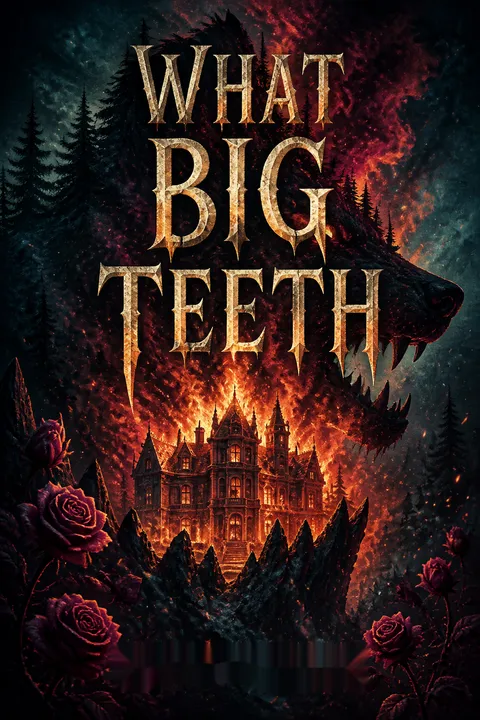
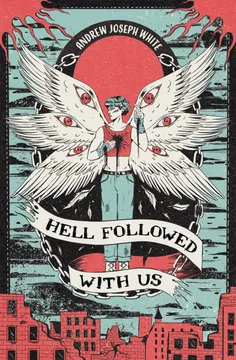
What Big Teeth received mixed reviews, with praise for its atmospheric gothic horror and unique premise, but criticism for confusing plot elements and underdeveloped characters. Some readers appreciated the bizarre family dynamics and creepy tone, while others found the story difficult to follow. The book's LGBTQ+ representation was noted, though some felt it was handled poorly. Many reviewers commented on the stunning cover art. Overall, opinions were divided, with some finding it a captivating read and others struggling to connect with the story.
People Also Read

Characters
Eleanor Zarrin
The returning daughterEleanor is a sharp-minded adolescent who returns to her isolated family after years at boarding school. At school she learned to hide hurt and answer cruelty with delayed retaliation; at home, that guardedness meets a family whose physical strangeness makes her feel both related and excluded. She wants to be useful and loved, and often mistakes taking responsibility for having to manage everyone alone. Her curiosity is a strength, but it can become intrusive, especially when she assumes she knows what others need. As she discovers unusual powers of her own, Eleanor must decide whether they will serve care, self-protection, or control.
Grandmere
The polished grandmotherGrandmere is Eleanor’s French-born maternal grandmother, a charming, cultivated visitor who arrives with gifts and a talent for organizing a household. She is observant about status, manners, and social alliances, and knows how to make attention feel like devotion. Her confidence contrasts with Aurora’s withdrawal and the Zarrins’ unruly habits. Grandmere treats order as a form of safety and encourages Eleanor’s intelligence, but her warmth carries strong expectations about what Eleanor should want and how she should use her gifts. She embodies the seductive appeal of being chosen by someone who seems to understand you completely.
Arthur Knox
The courteous outsiderArthur is the Zarrins’ longtime accountant and family companion, an elegant, soft-spoken man who wears dark glasses and walks with a cane. He can be wry and attentive, especially when Eleanor feels ignored, but he is also difficult to read and often seems to withhold more than ordinary privacy would explain. His history with the family reaches back far beyond Eleanor’s absence, and their familiarity with him contains unresolved tensions. Arthur’s careful manner is not passivity; beneath it lies an insistence on his own inner life. He draws Eleanor because he listens, but his presence also makes her confront the limits of what she can know about another person.
Persephone Zarrin
The formidable matriarchPersephone is Eleanor’s paternal grandmother and the force that has kept the Zarrin household functioning. She manages the family’s plant-based extracts business, handles relations with Winterport, and tries to keep her relatives from exposing their dangerous nature. Her authority comes from practical labor as much as from her knowledge of divination and magic. Persephone is sharp, guarded, and capable of affection, but she withholds explanations even when the silence wounds those she means to protect. Her complicated history with Miklos, Arthur, and the children makes her both a source of family knowledge and a reminder that caretaking can harden into control.
Luma Zarrin
The bright wolf sisterLuma is Eleanor’s older sister, strikingly beautiful and at ease with the family’s animal nature. She is affectionate, impulsive, and more inclined to meet a problem with force than with analysis. Her long separation from Eleanor has left her feeling rejected, though she initially assumes Eleanor chose not to write. Luma enjoys adornment, novels, hunting, and the freedom to act on desire without explaining herself. That freedom can look like carelessness to Eleanor, but Luma has her own code of loyalty and protects those she loves fiercely. Their renewed closeness is strained by jealousy, secrets, and very different ideas of what protection requires.
Miklos Zarrin
The old country wolfMiklos is Eleanor’s grandfather, a wealthy, imposing family patriarch who can turn into a wolf. He grew up in a silent country where he had no words or name, and his life in America is bound up with the identity he took for himself. He is loving in direct, physical ways, telling stories and offering his family a place in his imagined future, yet instinct can overwhelm recognition and make him dangerous. Miklos trusts action more than explanation and carries memories that he has avoided sharing. His grief and his fierce attachment to family coexist with an animal nature that no amount of affection can fully govern.
Aurora Zarrin
The waterbound motherAurora is Eleanor and Luma’s mother, a quiet woman whose body is partly composed of living, eyeless growths and who spends much of her time submerged in water. She is gentle with Eleanor and wants to offer her comfort, but habit and fear often leave her on the margins of family decisions. Aurora understands more than she says, and her silences can reflect pressure rather than indifference. Her marriage to Miles is marked by distance, yet she remains deeply attached to her daughters and to the house. Eleanor’s return gives them a chance to recover intimacy, though Aurora’s vulnerability makes it difficult for her to intervene openly.
Miles Zarrin
The hesitant fatherMiles is Eleanor’s father, a physically imposing man whose timidity and embarrassment distinguish him from Miklos and Rhys. He is courteous to Arthur and attentive to family custom, but he struggles to challenge the people who dominate the household. His avoidance leaves Eleanor without the protection she needs, even when he cares about her. Miles’s reluctance to speak plainly is tied to shame and fear, making his silences consequential rather than empty. He represents a softer form of family failure: not deliberate cruelty, but a refusal to confront what is happening until others have already been hurt.
Rhys Zarrin
The favored heirRhys is Eleanor’s older cousin, Margaret’s son, and Miklos’s favored heir. He is a powerful shapeshifter, quick to hunt, tease, and act before considering consequences. His confidence can make him seem careless, but it hides a capacity for intense attachment and vulnerability. Rhys has been indulged by the older generation and is accustomed to getting what he wants, which makes his resistance to being managed especially explosive. He and Eleanor share childhood memories and a history of rough physical affection, but their adult relationship is complicated by her fear of him and by his emotional dependence on the household’s enigmatic companion.
Margaret Zarrin
The silent caretakerMargaret is Eleanor’s aunt and Rhys’s mother, a reclusive woman who cooks, cleans, and rarely speaks in recognizable words. The family treats her labor as part of the house’s ordinary machinery, but she is stronger and more perceptive than Eleanor first understands. Margaret communicates through gestures, sounds, and practical actions, and she notices when others are in danger. Her silence is not a lack of intelligence or feeling. She has learned to move through a family that often values her work more readily than her voice.
Lusitania
The estranged auntLusitania is Aurora’s sister and Eleanor’s aunt, arriving from Syracuse with her son Charlie for Persephone’s funeral. She is guarded, blunt, and openly hostile toward Eleanor, whom she sees as a threat to the family. Lusitania’s own distance from the household has left her with an outsider’s mistrust but not an outsider’s compassion. She is also tied to Father Thomas through a family secret, making her arrival a reminder that the Zarrins’ history extends beyond the people living in the manor.
Charlie
The sharp-tongued cousinCharlie is Lusitania’s young son and Eleanor’s cousin. He is observant enough to notice what others avoid saying, but he uses that knowledge to provoke rather than comfort. His familiarity with the family’s unusual traits gives him a blunt confidence that can turn cruel. At the funeral, his confrontation with Eleanor escalates into physical violence and exposes how little trust exists between their branches of the family.
Father Thomas
The village priestFather Thomas is the elderly priest of Winterport, a local witness to the Zarrins’ long presence in town. He mourns Persephone sincerely and understands more about the family’s history than his clerical role suggests. His connection to the Zarrins is personal as well as pastoral, though he chooses caution over disclosure. Thomas represents the fragile bridge between the family and the village, where practical aid and old affection coexist with fear.
Lucy Spencer
The former school friendLucy is Eleanor’s former friend at Saint Brigid’s. Their closeness gives Eleanor a rare experience of being chosen, but Lucy later distances herself and joins the cruelty of their schoolmates. Her betrayal deepens Eleanor’s fear of intimacy and contributes to the violent confrontation that sends Eleanor home.
Mrs. Hannafin
Winterport’s social gatekeeperMrs. Hannafin runs the post office and exerts informal authority in Winterport. She carries local knowledge, skepticism, and the town’s wary attitude toward the Zarrins. Her willingness to attend the family’s gatherings shows how Eleanor and Grandmere attempt to repair the household’s relationship with the village.
Plot Devices
The Zarrin transformations
Bodies as hidden selvesSeveral Zarrins can turn into animal forms, most notably Miklos, Rhys, and Luma, whose wolf bodies carry heightened senses and appetites. The transformations make family affection physically risky: a familiar relative can become a predator before anyone has time to respond. They also express the family’s belief that a person contains more than the shape others see. Eleanor’s own difference develops along related but distinct lines, making the body a source of both kinship and uncertainty.
Persephone’s tarot and journal
Images expose buried historiesPersephone’s hand-drawn tarot deck and crowded journal hold records of divination, plant lore, and family history. The cards offer metaphors rather than simple answers, forcing Eleanor to interpret their images against what she knows. After Persephone’s death, the cards become a way for her ghost to communicate, while the journal guides Eleanor toward the care of the drakondia. These materials turn the family archive into a living, incomplete witness, useful only when Eleanor learns to read beyond literal instructions.
Drakondia extracts
A plant sustains the estateThe black orchid-like drakondia grows in Persephone’s greenhouse and supports the family’s extracts business. Its flowers and leaves can be prepared for very different uses, including a love potion and a poison. Eleanor nearly destroys the plants by treating them like ordinary orchids, then studies Persephone’s notes and corrects her care. The drakondia connects the household’s finances to its occult knowledge, while its fragile recovery gives Eleanor a concrete task at a moment when the rest of the family refuses to explain how the estate works.
The commanding voice
Speech becomes compulsionEleanor discovers that certain forceful instructions can make others obey, even when they resist. The power first appears in ordinary interactions, such as securing a delivery, then becomes central to family conflicts when she restrains Miklos and Rhys. Grandmere teaches Eleanor to understand influence as household management, but Eleanor gradually sees the danger in confusing obedience with care. The ability is effective because it can interrupt immediate violence, yet each use risks replacing another person’s choice with Eleanor’s judgment.
Arthur’s binding
A servant hidden undergroundArthur’s apparent life is sustained by a spell Persephone made after he killed her infant son. His body lies in a coffin-like box beneath the house, and he can be summoned, dismissed, or compelled through commands and ritual knocks. The binding explains his stiffness, his inability to disclose his past, and the family’s casual reliance on him. It also gives Eleanor a precise moral problem: she must recognize that freeing Arthur cannot simply mean deciding what should happen to him next.
FAQ
Synopsis & Basic Details
What is What Big Teeth about?
- Family secrets unravel: Eleanor Zarrin returns to her family's eerie mansion after years at boarding school, discovering her relatives are not quite human and harbor dark secrets.
- Supernatural elements explored: The story blends family drama with supernatural elements, including werewolves, witches, and a mysterious family business involving snake lilies.
- A fight for survival: Eleanor must navigate complex relationships, hidden truths, and a dangerous legacy to protect her family and find her own place in the world.
Why should I read What Big Teeth?
- Unique blend of genres: The novel masterfully combines elements of gothic horror, family drama, and coming-of-age, creating a captivating and original reading experience.
- Complex characters: The characters are richly developed, with hidden depths and motivations that keep readers engaged and invested in their journeys.
- Exploration of dark themes: The story delves into themes of identity, legacy, and the struggle between light and darkness, offering a thought-provoking and emotionally resonant narrative.
What is the background of What Big Teeth?
- Gothic setting: The story is set in a remote, eerie mansion in Maine, creating a gothic atmosphere that enhances the sense of mystery and foreboding.
- Supernatural family history: The Zarrin family has a long history of supernatural abilities and dark secrets, rooted in European folklore and mythology.
- Exploration of power dynamics: The novel explores the power dynamics within the family, as well as the influence of wealth and social status in a small, isolated community.
What are the most memorable quotes in What Big Teeth?
- "If something runs, he has to chase.": This quote, spoken by Grandma Persephone, encapsulates the predatory nature of the Zarrin family, particularly Grandpa Miklos, and foreshadows the danger Eleanor faces.
- "You can't sit down to table with the wolf and not see a mauling.": Arthur's observation highlights the chaotic and animalistic nature of the Zarrin family, contrasting with his own refined demeanor.
- "Whatever Persephone does, she does for her family.": This quote, also from Arthur, reveals the complex motivations of Eleanor's grandmother, suggesting that even her cruel actions are rooted in a twisted sense of familial duty.
What writing style, narrative choices, and literary techniques does Rose Szabo use?
- Atmospheric prose: Szabo employs vivid and evocative language to create a gothic atmosphere, immersing the reader in the eerie world of the Zarrin mansion and its surroundings.
- Shifting perspectives: The narrative shifts between Eleanor's first-person perspective and glimpses into other characters' thoughts and feelings, providing a multifaceted view of the story.
- Foreshadowing and symbolism: Szabo uses subtle foreshadowing and recurring symbols to create a sense of unease and to hint at the dark secrets and hidden truths that lie beneath the surface of the story.
Hidden Details & Subtle Connections
What are some minor details that add significant meaning?
- The recurring image of teeth: The emphasis on sharp teeth, both human and animal, symbolizes the predatory nature of the Zarrin family and the hidden dangers within their relationships.
- The use of mirrors: Mirrors are used throughout the novel to reflect the characters' inner selves and to highlight the duality of their nature, blurring the lines between human and monster.
- The descriptions of clothing: The characters' clothing choices, from Eleanor's school uniform to Luma's elaborate dresses, reveal their personalities and their attempts to conform to or rebel against societal expectations.
What are some subtle foreshadowing and callbacks?
- The mention of Lucy Spencer: The brief mentions of Lucy Spencer early in the novel foreshadow Eleanor's violent past and her struggle with her own dark impulses.
- The recurring dream of the forest: Eleanor's recurring dream of running through the forest with her cousins foreshadows her eventual transformation and her connection to the wild.
- The description of the house: The detailed descriptions of the Zarrin mansion, with its many hidden rooms and secret passages, foreshadow the hidden truths and dark secrets that Eleanor will uncover.
What are some unexpected character connections?
- The relationship between Arthur and Persephone: The revelation that Arthur was once Persephone's lover adds a layer of complexity to their relationship and highlights the manipulative nature of the Zarrin family.
- The connection between Margaret and the house: Margaret's deep connection to the house and her ability to communicate with it suggests a hidden power and a deeper understanding of the family's history.
- The parallel between Eleanor and her other grandmother: The discovery of letters from Eleanor's other grandmother in France hints at a hidden connection and a possible alternative path for Eleanor.
Who are the most significant supporting characters?
- Arthur Knox: Arthur's tragic history and his complex relationship with the Zarrin family make him a crucial figure in the story, serving as both a victim and a catalyst for change.
- Margaret: Margaret's silence and her hidden knowledge make her a mysterious and powerful figure, whose actions often have a significant impact on the plot.
- Father Thomas: Father Thomas's connection to Persephone and his role as a spiritual guide add a layer of complexity to the story, highlighting the conflict between faith and the supernatural.
Psychological, Emotional, & Relational Analysis
What are some unspoken motivations of the characters?
- Persephone's desire for control: Persephone's actions are driven by a desire to control her family and their legacy, even after her death, stemming from her own fears and insecurities.
- Arthur's longing for freedom: Arthur's seemingly passive behavior masks a deep longing for freedom from his cursed existence, which he seeks through his interactions with Eleanor.
- Rhys's need for acceptance: Rhys's aggressive behavior and his obsession with Arthur stem from a deep-seated need for acceptance and validation from his family.
What psychological complexities do the characters exhibit?
- Eleanor's struggle with identity: Eleanor grapples with her dual nature, torn between her human upbringing and her Zarrin heritage, leading to internal conflict and self-doubt.
- Luma's internal conflict: Luma's animalistic nature and her desire for connection create a complex internal conflict, as she struggles to reconcile her wild instincts with her human emotions.
- Miklos's grief and rage: Miklos's grief over Persephone's death manifests as unpredictable rage and a loss of control, highlighting the destructive power of unresolved trauma.
What are the major emotional turning points?
- Eleanor's discovery of her power: Eleanor's realization that she can control others through her voice marks a turning point in her journey, as she begins to embrace her own power and agency.
- Arthur's confession of his past: Arthur's revelation of his tragic history and his true feelings for the Zarrins marks a turning point in his character arc, as he confronts his own pain and desires.
- The family's escape from the house: The family's desperate escape from the burning house marks a turning point in their relationships, as they are forced to rely on each other and confront their shared trauma.
How do relationship dynamics evolve?
- Eleanor and Luma's sisterhood: The relationship between Eleanor and Luma evolves from rivalry and resentment to a deep bond of sisterhood, as they learn to accept and support each other.
- Eleanor and Arthur's connection: The relationship between Eleanor and Arthur evolves from a complex mix of attraction and fear to a deep understanding and mutual respect, as they confront their shared past and uncertain future.
- The Zarrin family's dynamic: The Zarrin family's dynamic shifts from one of control and manipulation to one of acceptance and support, as they learn to embrace their true nature and find a new path forward.
Interpretation & Debate
Which parts of the story remain ambiguous or open-ended?
- The nature of Grandmere's power: The exact nature of Grandmere's power and her origins remain ambiguous, leaving readers to speculate about the source of her abilities and her true motivations.
- The fate of Arthur: Arthur's final departure leaves his fate open-ended, raising questions about his future and whether he will ever find true freedom.
- The future of the Zarrin family: The family's escape from the burning house leaves their future uncertain, raising questions about where they will go and what they will become.
What are some debatable, controversial scenes or moments in What Big Teeth?
- Eleanor's violence: Eleanor's violent actions, particularly her attack on Lucy Spencer, raise questions about her morality and the extent to which she is influenced by her family's dark legacy.
- The nature of love and desire: The complex relationships between Eleanor, Arthur, Luma, and Rhys challenge traditional notions of love and desire, raising questions about the nature of attraction and the boundaries of consent.
- The morality of control: The novel explores the morality of control, as characters like Persephone and Eleanor grapple with the temptation to manipulate others for their own purposes.
What Big Teeth Ending Explained: How It Ends & What It Means
- The house is destroyed: The burning of the Zarrin mansion symbolizes the end of the family's dark past and the beginning of a new chapter, free from the constraints of their legacy.
- Grandmere is defeated: Eleanor's consumption of Grandmere's power represents her triumph over the forces of darkness and her emergence as a powerful leader.
- The family is scattered: The scattering of the Zarrin family symbolizes their newfound freedom and their ability to forge their own paths, independent of their past.
Download PDF
Download EPUB
.epub digital book format is ideal for reading ebooks on phones, tablets, and e-readers.








