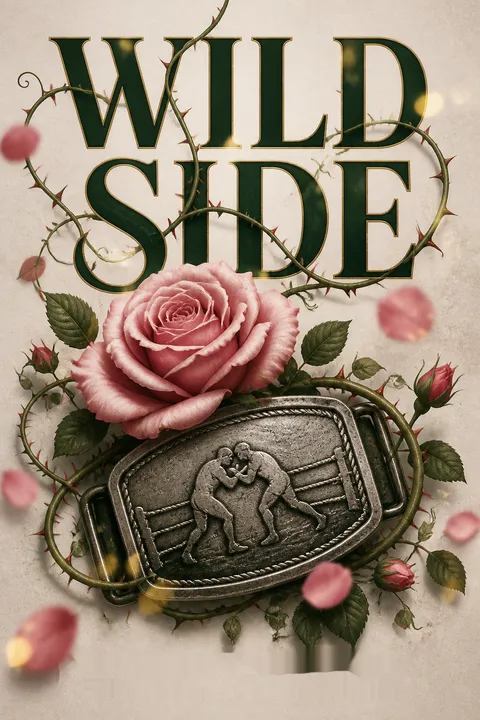


Plot Summary
The Pinky Promise
Two years before the story’s crisis, Tabitha Garrison2 arrives at Rhys Dupris’s1 lakeside home to make sure her sister Erika3 and Erika’s3 young son, Milo,4 will be safe in their new rental. Rhys1 expects a quiet tenant, but Tabitha2 bluntly warns him about Erika’s3 past prescription-drug addiction and asks him to call if rent or housing becomes a problem.
She even makes him swear to it with a pinky promise. Rhys1 agrees, unsettled by her intensity and drawn to it in equal measure. Tabitha2 leaves believing she has secured a safety net for her family. Neither knows how much that promise will matter when Erika’s3 life begins to unravel again.
This first encounter establishes the book’s central conflict in miniature: Tabitha treats care as an obligation that must be made explicit, while Rhys prefers privacy and assumes distance is a form of safety. Her childish-seeming oath is not comic decoration. It is a personal contract rooted in a family history where ordinary assurances have failed. Rhys’s willingness to accept it hints that he recognizes the fear beneath her forcefulness, even before he knows her well. Their attraction arrives inside a negotiation about risk, so intimacy and responsibility are intertwined from the start.
The Yellow Door
Two years later, Tabitha2 returns to Erika’s3 home to pack her belongings after her sister3 dies of an overdose. Grief is already tangled with guilt: Tabitha2 had spent years helping Erika,3 caring for Milo,4 and paying for treatment, yet wonders whether she missed signs of relapse. Rhys1 arrives and stops her at the door, believing she has no right to enter.
Tabitha2 tells him that Erika3 is dead and accuses him of evicting her without honoring their promise to alert her. She believes that eviction destabilized Erika3 and helped lead to her death. Rhys1 has no answer that can correct her assumptions, so he lets her leave with her anger intact.
Tabitha’s accusation gives grief a target. The mind often prefers a culpable person to an unbearable accident, because blame creates an action that seems possible: someone could have behaved differently. Rhys becomes that person partly because his promise offered a clear point where catastrophe might have been prevented. Tabitha’s anger is not evidence that she loved Erika less; it is an attempt to keep helplessness from swallowing her. Rhys’s silence, meanwhile, is not yet compassion in any healthy sense. It allows a false account to become the shared ground on which they will build their relationship.
A Guardian in Ink
When Rhys1 returns to Rose Hill, he brings Erika’s will: she named him Milo’s4 legal guardian. Tabitha2 rejects the document and insists that she, not a man she considers a stranger, should raise the boy.4 Rhys1 has known Milo4 for nearly two years and fears the child4 could be lost in the foster system, a prospect sharpened by his own childhood in unstable placements.
Tabitha2 arranges a consultation with therapist Trixie Bentham,14 who advises them to preserve Milo’s4 familiar home and community while helping him understand his mother’s3 death. Rhys1 agrees not to take him away immediately. Together, he and Tabitha2 tell Milo4 the truth, then Rhys1 returns to Florida with custody unresolved.
The will changes the conflict from an argument about character into a question of authority: who gets to define a child’s best interest when love is distributed across several adults? Tabitha offers continuity through kinship and place; Rhys offers a promise to prevent the abandonment he remembers. Neither position is merely possessive, though both are shadowed by personal fear. Trixie’s guidance makes Milo’s needs concrete, resisting the adults’ temptation to turn him into proof that one of them is right. Their first cooperation does not settle custody. It establishes a shared task more durable than trust.
The Border Clock
Rhys1 comes back for visits, and Tabitha2 reluctantly lets him stay in her unfinished basement while he spends time with Milo.4 Their co-parenting grows easier even as their arguments and attraction sharpen. Rhys1 notices Tabitha2 leaving her front door unlocked and arranges a security system; she resents the intrusion, then recognizes the care behind it.
He also sees how exhausted she is from running the Bighorn Bistro and raising Milo4 largely on her own. When immigration officials warn him that his repeated stays in Canada cannot continue without a change in his status, he tells Tabitha2 he may have to take Milo4 with him. The deadline turns their ongoing dispute into an immediate crisis.
The visits convert abstract custody claims into ordinary evidence: Rhys can soothe Milo, Tabitha can organize his life, and both adults keep showing up. Their domestic proximity also exposes how care is performed through unglamorous acts, such as fixing a lock or leaving food for someone too proud to ask. Rhys’s money gives him practical power, but Tabitha’s labor has built the child’s daily world. The border deadline makes that imbalance urgent. It is not simply a romantic obstacle; it tests whether legal status and financial capacity should outweigh the attachments that already make Milo feel at home.
Vows Under Pressure
With Rhys1 facing limits on how long he can remain in Canada, Tabitha2 impulsively proposes marriage so they can protect Milo’s4 stability and make Rhys’s1 continued involvement possible. Rhys1 accepts, and they tell Milo4 together, giving him the reassurance that the adults caring for him will stay connected. They arrange a small wedding in a week, with Tabitha’s parents,5 their friends, and Milo4 present.
The ceremony’s heartfelt vows unsettle the couple more than their practical plan anticipated, and their first kiss is unexpectedly intimate. At the reception, Rhys1 supports Tabitha2 publicly and she invents a harmless cover story for his secretive work. Their marriage begins as a solution, but it feels less pretend by the hour.
The marriage is a legal strategy, but the ceremony forces the characters to speak in a language of commitment that exceeds their stated intentions. The vows matter because they name behaviors neither can guarantee yet: advocacy, comfort, fidelity, and mutual participation. Their discomfort reveals that the arrangement is not emotionally neutral. Tabitha fears wanting more than she has bargained for; Rhys is unused to being included in anyone’s future. The wedding’s public audience also binds private decisions to community recognition. They are not only signing papers. They are asking other people to treat their fragile alliance as real.
Behind Wild Side
After the wedding, Tabitha2 watches a wrestling replay with Cora,18 a friend’s teenage daughter, and recognizes Rhys1 as the masked star Wild Side.1 His bruises, training, and frequent absences suddenly make sense. Rather than ridicule him, Tabitha2 asks why he hides the work he loves; Rhys1 explains that public attention and people seeking money have made anonymity feel safer.
She promises not to exploit his wealth, and Rhys1 returns the promise. During a quiet outing to gather rose hips, he tells her about growing up in foster care, moving between homes, and hiding food to keep other children from taking it. Tabitha2 begins to understand why he fears Milo4 losing a stable home, and Rhys1 starts trusting her with the story behind his guardedness.
The mask is both professional costume and psychological technology: Rhys can command an arena as Wild Side while keeping his private self out of reach. Tabitha’s response to the revelation matters more than the revelation itself. She does not demand access as a reward for being his wife; she offers discretion, allowing trust to remain voluntary. His account of childhood reframes his guardianship concern as remembered vulnerability rather than a bid for control. The rose-hip gathering creates a low-pressure setting where disclosure can emerge alongside shared work. Their intimacy grows through reciprocal recognition, not through one partner rescuing the other.
The Journals Speak
While Rhys1 is away, Tabitha2 finally opens Erika’s recovery journals. She learns that Rhys1 never evicted her sister:3 Erika3 invented the story to persuade Tabitha2 to help her move while she planned a weekend with Tyson, a boyfriend who was drawing her back toward addiction. Erika3 also chose Rhys1 as Milo’s4 guardian partly for his money and partly to spite Tabitha2 when she felt judged.
Tabitha2 realizes Rhys1 let her blame him rather than add guilt to her grief. When he returns unexpectedly, she confronts him, then breaks down in the shower. Rhys1 sits with her in the cold water until she reaches for him. The discovery destroys her idealized version of Erika,3 but it releases Rhys1 from a false accusation.
The journals complicate the dead rather than redeem or condemn her. Erika’s love for Tabitha, her resentment, her recovery, and her manipulation coexist on the page, refusing a clean moral portrait. Tabitha’s guilt had depended on a simpler story in which she could identify one decisive failure; the truth offers no such repair. Rhys’s lie was intended as care, but it also removed Tabitha’s right to know what had happened. Their reconciliation begins only when the concealed facts are named. The scene turns intimacy into a practice of staying present with pain, not erasing it.
A Real Family
After the journals bring them closer, Tabitha2 and Rhys1 stop treating their attraction as an accident and begin a sexual relationship. Their bond deepens through daily routines, meals, yoga, and care for Milo,4 while Rhys1 tells Tabitha’s2 friends and parents5 that he is a professional wrestler. He also admits that he and Erika3 were close friends, correcting the family’s incomplete picture of his place in Milo’s4 life.
Tabitha2 and Rhys1 tell each other they are in love, then agree that the marriage no longer feels fake. Rhys’s1 employer, Anthony,13 pushes a storyline pairing him romantically with wrestler Elle17 and demands that he kiss her and unmask. Rhys1 refuses to surrender his private boundaries simply to satisfy the show.
Their transition from arrangement to partnership is marked less by a single declaration than by the steady widening of what they can share: professional identity, family history, desire, and practical care. Rhys’s honesty with Tabitha’s parents is especially significant because it replaces secrecy with a chosen form of belonging. At work, Anthony tries to convert Rhys’s private life into marketable material, mirroring the intrusive attention Rhys has long feared. The contrast clarifies the couple’s values. Being known is not the same as being exposed; intimacy depends on consent, while spectacle can demand access without regard for the person underneath.
The Mask Comes Off
At Pure Pandemonium, Tabitha2 joins her friends in the arena to watch Rhys1 challenge Will,12 the wrestler who holds his championship belt. Anthony’s13 storyline has set up Elle17 as Rhys’s1 screen girlfriend, but Rhys1 refuses to kiss her or let her remove his mask. He wrestles through a punishing match and pins Will12 to reclaim the title.
Instead of accepting Elle’s17 staged embrace, he leaves the ring and kisses Tabitha2 in front of the crowd. Then he asks her to remove his mask. Tabitha2 does, revealing the man behind Wild Side1 to the arena on his terms. Rhys1 tells her he is finished hiding, and the audience’s roar meets the choice he has made for himself.
The climax resolves the book’s recurring tension between privacy and recognition without pretending that anonymity was simply cowardice. Rhys chooses visibility only when he controls its meaning and shares it with someone he trusts. His refusal to perform intimacy with Elle protects a boundary; his public kiss with Tabitha expresses a relationship he has chosen rather than a story imposed by management. The championship matters, but the deeper victory is authorship. Rhys can remain Wild Side in the ring while letting his real identity exist beside the persona. His mask comes off as an act of consent, not surrender.
The Wrong Landing
At a later show, Rhys1 and Will12 perform a planned stunt, but Will12 misjudges his leap and lands hard on Rhys’s1 back against the metal steps. Rhys’s1 legs stop responding. Will12 calls for help and contacts Tabitha,2 who abandons home preparations and reaches California on a private flight arranged by Ford.8
At the hospital, doctors find small bone fragments near Rhys’s1 T10 vertebra and suspect temporary spinal shock, though surgery is needed to remove the fragments and prevent further injury. Rhys,1 terrified that he may never walk or wrestle again, lashes out and tells Tabitha2 to leave. She steps out briefly, then returns and refuses to abandon him, making clear that his worst moment does not cancel their marriage.
The accident strips Rhys of the physical competence that has long protected him from dependence. His first response, rejection, is an attempt to regain control by making Tabitha’s care unnecessary before she can withdraw it. The old fear of being disposable shapes his cruelty more than any lack of love. Tabitha recognizes the pattern but does not romanticize it: she leaves enough space for him to process, then returns with a firm boundary against abandonment. Will’s guilt also shows how performance relationships can create real ethical bonds. The scripted danger has become a genuine crisis with consequences no storyline can contain.
Home Through Rehab
Rhys1 undergoes surgery, and five days later he can move his toes. Tabitha2 stays through intensive care and rehabilitation, bringing food, questioning clinicians, and sharing bedside shifts with Will.12 Rhys’s1 friends travel to visit, making the support around him feel less like charity than a family he has gradually chosen.
As his strength returns, he resumes bowling and looks toward wrestling again. Tabitha2 pays off the loans she took to send Erika3 to rehab, but Rhys1 later clears the debt so she can keep the Bighorn Bistro free of that burden. He also accepts Tabitha’s2 proposal to take the Garrison surname, giving the family they have built a shared name without asking her to surrender the one she values.
Recovery reverses the familiar direction of care. Rhys, who once feared becoming a burden, must allow others to feed, move, and advocate for him. Tabitha’s persistence is not limitless self-sacrifice, however; the wider circle of friends shares the work, preventing devotion from becoming another form of isolation. Rhys’s payment of Tabitha’s debt risks repeating the power imbalance that shaped Erika’s will, but their partnership lets the gesture become reciprocal rather than secretive. Taking the Garrison name carries particular weight for a man whose origins are uncertain. He does not merely enter a household; he is invited to belong by choice.
Ashes in the Wind
Back in the mountains, Tabitha2 brings Erika’s3 urn to the rose-filled place where she, Rhys,1 and Milo4 once lay together looking for shapes in the clouds. She speaks privately to her sister,3 acknowledging both the harm Erika3 caused and the love she gave, then scatters her ashes into the wind.
For the first time, Tabitha2 can mourn without protecting an idealized version of Erika.3 Rhys1 and Milo4 approach when she is ready, and the three lie together beneath the open sky. Milo4 notices that their linked fingers resemble a shape in the clouds. Tabitha2 holds him close while Rhys1 wraps an arm around them, and the family rests together without asking grief to disappear.
The release of Erika’s ashes is not a declaration that Tabitha has finished grieving. It is a change in how grief can be carried: the sister she remembers no longer needs to be either flawless or forgiven in order to remain loved. The mountain setting gathers the book’s recurring images of flowers, clouds, and shared quiet into a chosen memorial rather than a public ritual Erika rejected. Milo’s observation about linked fingers makes family visible as an action, not a bloodline or legal category. Rhys’s presence does not replace Erika. It helps Tabitha keep loving the dead while remaining available to the living.
Epilogue
Four years later, Rhys1 wrestles his final match at Pure Pandemonium against Will,12 now a trusted friend. From the ring, he sees Tabitha,2 seven-year-old Milo,4 their baby daughter Minka, and his in-laws5 wearing Wild Side1 gear. Rhys1 realizes he is ready to leave the ring because his life beyond it is full.
He removes his mask and throws it to Tabitha,2 who catches it and puts it on as the audience celebrates. His last leap closes his wrestling career, but the final image is not a champion alone beneath the lights. It is a husband,1 father,1 and friend surrounded by the family he once believed he could never have.
The epilogue makes retirement an expansion of identity rather than a fall from significance. Rhys does not reject Wild Side; he honors the persona that gave him confidence and a career, then chooses to stop performing it. The mask passes to Tabitha, turning a private symbol into a shared keepsake and recalling the moment she first wore it playfully in their basement. His family’s presence in the front row supplies a visible answer to his childhood expectation that people leave. The ending’s satisfaction comes not from fame or victory alone, but from Rhys being able to value a life that continues after the crowd goes quiet.
Analysis
Wild Side treats family as a practice built from repeated acts of attention rather than a clean inheritance. Tabitha2 already performs that practice for Milo,4 but her competence has become a trap: because she can manage the crisis, others assume she should carry it alone. Rhys1 arrives with legal authority and money, yet his own childhood has taught him that a child’s safety depends on consistent presence, not resources alone. Their dispute matters because each recognizes a different form of vulnerability. Tabitha2 fears losing the boy she helped raise;4 Rhys1 fears watching a child endure the instability he survived.
Erika’s journals prevent grief from settling into a comforting moral story. Her love for Tabitha2 and Milo4 is real, as are her resentments and manipulations. The novel argues that acknowledging harm does not require withdrawing love, and that idealization can be another way of refusing to mourn the person who actually existed.3 Tabitha’s2 eventual ability to remember Erika3 in contradictory detail is a psychological movement away from responsibility without boundaries. She can stop treating every outcome as proof that she failed to save her sister.3
Rhys’s1 mask offers a parallel problem of concealment. His public persona grants power, but it also lets him keep his private self protected from judgment and exploitation. The crucial distinction is not between hiding and revealing, but between being exposed by someone else and choosing to be seen. His final unmasking follows the same principle as the couple’s movement beyond a convenience marriage: intimacy becomes trustworthy when disclosure is voluntary and boundaries are respected.
The romance is therefore not a cure for grief or trauma. It is a relationship in which both characters learn to share responsibility without turning care into control. Tabitha’s2 generosity becomes sustainable when others help; Rhys’s1 independence becomes less punishing when he accepts that needing people does not make him disposable. Milo’s4 security grows from a network of adults rather than a single perfect guardian.1 The story’s most persuasive promise is modest and concrete: people can remain imperfect, and still return for one another.
Review Summary
Wild Side by Elsie Silver is a highly praised romance novel, receiving overwhelmingly positive reviews. Readers love the marriage of convenience and enemies-to-lovers tropes, as well as the chemistry between protagonists Rhys and Tabitha. The book is praised for its emotional depth, engaging plot, and well-developed characters. Many consider it the best in the Rose Hill series, with particular appreciation for the author's handling of heavy topics like grief. The novel's steamy scenes, witty banter, and found family elements are also frequently highlighted as strengths.
People Also Read







Characters
Rhys Dupris
Guarded, protective neighborRhys is a physically imposing man who values privacy, self-reliance, and control over his own story. His reserve is not indifference; it is a defense shaped by growing up without stable family and learning that dependence can be dangerous. He is deeply attentive to children and expresses care more readily through action than explanation, whether helping with Milo4 or quietly noticing when Tabitha2 is exhausted. His work in entertainment adds another layer to his guardedness, since public attention threatens the solitude he has carefully built. Rhys is drawn to Tabitha’s2 directness because she refuses to confuse silence with strength, though her challenges also force him to confront how fear can make him push away the very people he wants close.
Tabitha Garrison
Fierce chef and auntTabitha is an ambitious chef and restaurant owner who has spent much of her adult life acting as the practical center of her family. She is quick-witted, forceful, and comfortable taking charge, especially when a child’s safety is involved. Beneath that competence lies a habit of turning care into work: she feeds, plans, mediates, and keeps moving rather than asking others to carry some of the weight. Her grief over Erika3 is sharpened by the suspicion that she should have done more. Tabitha’s attraction to Rhys1 unsettles her because he is both a source of conflict and one of the few people willing to shoulder responsibility beside her. She values loyalty intensely, but must learn that accepting care does not diminish her independence.
Erika
Complicated older sisterErika is Tabitha’s2 older sister and Milo’s4 mother, a woman whose humor, affection, and difficult relationship with addiction shape the family around her. She can be loving and perceptive, yet also secretive and capable of choices that hurt the people trying to help her. Her struggle affects her bond with her parents5 and leaves Tabitha2 in the role of mediator and rescuer. Erika’s private writing reveals the difference between how she appears to others and how she understands herself: ashamed, hopeful, grateful, resentful, and often all at once. She is not reducible to either her illness or the harm it causes. Her presence in the story asks those who loved her to remember her honestly.
Milo
Beloved young nephewMilo is Erika’s3 young son and the person whose care brings Tabitha2 and Rhys1 into one another’s lives. Curious, affectionate, and unusually observant, he finds wonder in insects, flowers, stories, and small rituals. His emotional world is still developing, so adults around him must translate loss and change into language he can understand. Milo’s attachment to familiar people and places gives the custody conflict its human measure: he is not a prize to be won but a child who needs a dependable circle. His ease with Tabitha2 and Rhys1 makes their shared care visible long before either adult knows how to name what they are becoming.
Lisa Garrison
Tabitha's grieving motherLisa is Tabitha2 and Erika’s3 mother and Milo’s4 grandmother. She wants to provide a loving home for her grandson4, but grief and the history of estrangement make it difficult for her to speak openly about Erika3. Her instinct is to keep the family functioning, even when that means skirting painful truths. Tabitha’s2 insistence that Milo4 be allowed to remember his mother3 pushes Lisa toward a more honest form of care.
Paul Garrison
Steady, proud fatherPaul is Tabitha2 and Erika’s3 father, a practical and affectionate man whose grief remains close beneath his efforts to celebrate family milestones. He loves his daughters and is devoted to Milo4, though the family’s painful history leaves some subjects difficult to approach. His warmth toward Rhys1 reflects an instinct to recognize care by what a person does, not by where they came from.
West Belmont
The group's cheerful connectorWest is an energetic friend who pulls people into bowling, dinners, and celebrations with relentless friendliness. His jokes sometimes outrun his judgment, but his enthusiasm is genuine and helps Rhys1 experience companionship without having to initiate it. West’s easy acceptance of unconventional family bonds makes him a useful counterweight to Rhys’s1 tendency to define belonging too narrowly.
Ford Grant
Practical friend with resourcesFord is a wealthy, reserved friend whose dry humor conceals a dependable generosity. He offers practical help without turning it into a performance, especially when someone faces an urgent need. His loyalty to Rosie10 connects him to the wider friend group, while his calm presence helps others act clearly when emotion threatens to overwhelm them.
Bash
Gruff, reliable friendBash is a blunt, older member of the bowling group with a permanent scowl and a strong sense of responsibility. He is not skilled at softening his words, but he shows up when asked and takes people’s safety seriously. His reserve makes him a useful mirror for Rhys1, another man whose loyalty is easier to see in his actions than in his speech.
Rosie
Warm, irreverent friendRosie is Ford’s8 lively partner and one of Tabitha’s2 closest new friends. She uses humor to puncture tension and is quick to include people who might otherwise remain at the edge of a group. Her playfulness is paired with perceptiveness: she often notices emotional shifts before the people experiencing them are ready to admit them.
Skylar Stone
Famous friend finding balanceSkylar is a country-pop star and a friend who understands the costs of being watched by the public. Her polished career does not erase her vulnerability or her desire for ordinary companionship. She supports Tabitha2 without competing for attention and offers a perspective on public image that resonates with Rhys’s1 guarded professional life.
Will
Rhys's skilled ring rivalWill is a younger wrestler whose cocky character contrasts with his conscientious nature outside the ring. He respects Rhys1 as a performer and partner, and their staged rivalry rests on real trust in one another’s skill. His eagerness to succeed can make him impulsive, but he takes responsibility seriously when a performance goes wrong.
Anthony Morris
Demanding wrestling bossAnthony runs the wrestling company and sees storylines, ratings, and performers as parts of the same commercial machine. He recognizes Rhys’s1 value to the business but expects loyalty to flow upward. His pressure reveals the conflict between an entertainer’s contractual role and his right to protect his private boundaries.
Trixie Bentham
Milo's child therapistTrixie is a therapist who helps Tabitha2 and Rhys1 focus on Milo’s4 experience rather than their hostility toward one another. She translates a child’s likely fears into practical guidance about safety, continuity, and direct language. Her calm, nonjudgmental manner gives both adults a framework for cooperating without pretending their conflict has disappeared.
Gwen
Openhearted yoga instructorGwen teaches yoga and brings a patient, openly encouraging energy to the Rose Hill group. She helps Rhys1 find a form of physical practice that also quiets his racing thoughts. Her easy warmth contrasts with his guardedness, while her friendship with Tabitha2 creates another safe space for conversation and community.
Terence
Persistent high school exTerence is Tabitha’s2 former boyfriend, a smug local man who still treats their teenage history as permission to make crude advances. His behavior gives Rhys1 a chance to reveal how quickly protectiveness can become jealousy.
Elle
Rhys's on-screen counterpartElle is a talented wrestler who shares a televised storyline with Rhys1. She is confident in the ring and comfortable with the company’s more sensational creative choices, making her a professional foil to Rhys’s1 preference for privacy.
Cora
Teenage wrestling superfanCora is Ford’s8 teenage daughter, a thoughtful artist and devoted wrestling fan. Her admiration for Wild Side1 lets Tabitha2 discover Rhys’s1 professional identity, while Cora’s openness and humor help make wrestling feel like a shared community rather than Rhys’s1 isolated secret.
Doris
Blunt local officiantDoris is a longtime local bar owner and a licensed wedding officiant with little patience for pretension. Her bold humor disrupts the couple’s attempt to make their ceremony feel purely procedural.
Crazy Clyde
Conspiracy-minded localCrazy Clyde is a longtime local known for outlandish theories and a cantankerous streak. His presence adds comic disorder to the bowling crowd, while his health troubles reveal the loyalty hidden beneath the group’s teasing.
Plot Devices
The Guardian Will
Custody made personalErika’s3 signed will names Rhys1 as Milo’s4 legal guardian, turning a friendship between neighbors into a conflict with immediate consequences. For Tabitha2, the document feels like a rejection of the years she spent caring for her sister3 and nephew4. For Rhys1, it activates his fear that Milo4 could face the instability Rhys1 knew as a child. The will gives both adults a legitimate reason to remain involved, but it cannot decide what the child needs in daily life. Its emotional force also depends on what Tabitha2 and Rhys1 do not yet know about Erika’s3 motives.
Pinky Promises
A private measure of trustTabitha2 uses a pinky swear to make Rhys1 promise that he will tell her if Erika’s3 housing becomes precarious. The ritual seems playful, but it carries the seriousness of a contract between sisters who have learned to fear broken assurances. The promise later becomes the basis for Tabitha’s2 belief that Rhys1 failed Erika3, and its meaning changes as the truth emerges. Across the story, the gesture returns in moments when formal law and emotional safety do not align. It gives the characters a simple, recognizable way to ask whether the other person intends to stay.
The Convenience Marriage
Legal closeness becomes intimacyTabitha2 proposes marriage when Rhys’s1 immigration difficulties threaten his ability to remain near Milo4. Their agreement is meant to make the arrangement credible to authorities and preserve the child’s stable relationships. The ceremony and shared household then place them in situations no document can keep emotionally neutral: public affection, family gatherings, caregiving, and vows. The marriage lets the story test the difference between performing a relationship and choosing one. Its legal purpose creates forced proximity, but the characters’ developing trust gives the commitment a meaning neither initially planned.
Wild Side's Mask
Privacy with a public faceRhys’s1 wrestling mask separates his private identity from his commanding ring persona. As Wild Side1, he can perform confidence and control before a vast audience, while Rhys1 protects his personal life from scrutiny and opportunism. Tabitha2 first mistakes his bruises and absences for evidence of a different profession, then learns the truth and chooses to keep it private. The mask becomes a test of agency: others try to dictate when it should come off, but Rhys1 ultimately decides when and with whom he will reveal himself. It links his career, his fear of exposure, and his growing willingness to be known.
Erika's Journals
Grief revised by evidenceErika’s recovery journals give Tabitha access to the sister’s private thoughts, including truths she withheld while alive. The entries show affection and gratitude alongside resentment, relapse, and deception. Most consequentially, they reveal that Rhys did not evict Erika and that Erika selected him as guardian partly for reasons Tabitha would find painful. The journals do not offer a simple verdict or a route to undo the past. Instead, they replace a blame-based account with a more difficult, human one, allowing Tabitha to grieve Erika without pretending that love made every choice harmless.
FAQ
Synopsis & Basic Details
What is Wild Side about?
- Unexpected guardianship, fake marriage: Wild Side tells the story of Rhys, a professional wrestler, and Tabitha, a fiercely protective sister, who are unexpectedly brought together by the death of Tabitha's sister, Erika.
- Legal battle, emotional connection: Rhys is named the legal guardian of Erika's son, Milo, leading Tabitha to propose a marriage of convenience to keep Milo in her life.
- Complex relationship, personal growth: As they navigate their fake marriage, Rhys and Tabitha grapple with their growing feelings for each other, their pasts, and the challenges of raising Milo, ultimately discovering the true meaning of family and love.
Why should I read Wild Side?
- Emotional depth, relatable characters: Wild Side offers a compelling exploration of grief, addiction, and the complexities of family relationships, featuring characters with relatable vulnerabilities and strengths.
- Intriguing plot, unexpected twists: The story combines a marriage of convenience trope with a hidden identity element, creating a unique and engaging plot filled with unexpected twists and turns.
- Heartwarming themes, found family: Readers who enjoy stories about found families, second chances, and the transformative power of love will find Wild Side to be a heartwarming and satisfying read.
What is the background of Wild Side?
- Small-town setting, Canadian Rockies: The story is set in the fictional town of Rose Hill, nestled in the Canadian Rockies, providing a picturesque backdrop for the characters' emotional journeys.
- Contemporary romance, modern issues: Wild Side addresses contemporary issues such as addiction, child welfare, and the challenges of balancing personal and professional lives in the modern world.
- Wrestling world, entertainment industry: Rhys's career as a professional wrestler introduces a unique subculture into the story, exploring the demands and sacrifices of the entertainment industry.
What are the most memorable quotes in Wild Side?
- "I pinky promise": This seemingly childish promise, made between Tabitha and Rhys early on, becomes a significant symbol of trust and commitment, highlighting the importance of keeping one's word.
- "You're just some fucking random. You're not his dad.": This raw, emotional outburst from Tabitha encapsulates her initial distrust of Rhys and her fierce protectiveness of Milo, revealing her deep-seated fears and vulnerabilities.
- "I'm the closest thing he's got to one. And I've been in his life for almost as long as you have.": This quote reveals Rhys's growing attachment to Milo and his willingness to step into a parental role, despite his initial reluctance and the complexities of their situation.
What writing style, narrative choices, and literary techniques does Elsie Silver use?
- Dual POV, emotional depth: Elsie Silver employs a dual point-of-view narrative, allowing readers to experience the story through both Rhys and Tabitha's perspectives, enhancing the emotional depth and complexity of their relationship.
- Banter, humor, and tension: The author skillfully weaves banter, humor, and sexual tension into the dialogue and interactions between characters, creating a dynamic and engaging reading experience.
- Foreshadowing, symbolism, and motifs: Elsie Silver uses subtle foreshadowing, recurring symbols, and motifs to enhance the story's themes and create a richer, more meaningful reading experience.
Hidden Details & Subtle Connections
What are some minor details that add significant meaning?
- The yellow door, scuffs near keyhole: The description of Erika's yellow door with scuffs near the keyhole initially seems like a minor detail, but it later symbolizes the wear and tear of her life and the challenges she faced as a mother.
- Cinnamon scent, hair product: The recurring mention of the cinnamon scent in Rhys's hair product becomes a subtle marker of his presence and a trigger for Tabitha's attraction to him, highlighting the sensory details that draw them together.
- The spotted tussock moth: Milo's fascination with the spotted tussock moth, which Tabitha explains is a sign of a healthy ecosystem, subtly foreshadows the healing and growth that both Rhys and Tabitha experience throughout the story.
What are some subtle foreshadowing and callbacks?
- Rhys's initial reluctance, surprises: Rhys's initial aversion to surprises foreshadows his guarded nature and his difficulty in accepting the unexpected changes that Tabitha and Milo bring into his life.
- Tabitha's promise, never give up: Tabitha's promise to Erika that she would never give up on her becomes a poignant callback when she faces the possibility of losing Milo, highlighting her unwavering loyalty and determination.
- The pinky swear, legal contract: The contrast between the childish pinky swear and the formal legal contract of Erika's will underscores the complexities of trust and commitment in the story, highlighting the tension between personal promises and legal obligations.
What are some unexpected character connections?
- Bash, Gwen, and the past: The subtle hints about a past connection between Bash and Gwen add an intriguing layer to their characters, suggesting a shared history and unspoken emotions that influence their present interactions.
- Rhys, Erika, and the will: The revelation that Erika chose Rhys as Milo's guardian, despite their seemingly platonic relationship, raises questions about her motivations and the depth of their connection, adding complexity to their dynamic.
- West, Tabitha, and sibling-like bond: The playful banter and teasing between West and Tabitha reveal a deep-seated friendship and a sibling-like bond, providing a sense of community and support for Tabitha in the face of adversity.
Who are the most significant supporting characters?
- Rosie, unwavering support: Rosie serves as Tabitha's confidante and source of strength, offering unwavering support and a dose of reality when needed, highlighting the importance of female friendships.
- Ford, quiet strength: Ford's quiet strength and willingness to help, particularly through his financial resources, demonstrate the power of male friendships and the importance of having someone to rely on in times of need.
- Milo, innocent perspective: Milo's innocent perspective and unwavering love for both Rhys and Tabitha serve as a constant reminder of what is truly important, guiding their decisions and shaping their relationship.
Psychological, Emotional, & Relational Analysis
What are some unspoken motivations of the characters?
- Rhys, seeking redemption: Rhys's actions are driven by a desire for redemption, stemming from his difficult childhood and his guilt over Erika's death, leading him to protect Milo and provide him with the stability he never had.
- Tabitha, fear of abandonment: Tabitha's fierce protectiveness of Milo is rooted in her fear of abandonment, stemming from her sister's struggles and her parents' initial rejection of Erika, driving her to create a secure and loving environment for her nephew.
- Erika, seeking control: Erika's decision to name Rhys as Milo's guardian, despite their seemingly platonic relationship, may have been driven by a desire to maintain control over her son's future, even in death, and to ensure his financial security.
What psychological complexities do the characters exhibit?
- Rhys, emotional repression: Rhys exhibits emotional repression, stemming from his difficult childhood in the foster care system, making it challenging for him to express his feelings and form intimate connections.
- Tabitha, savior complex: Tabitha displays a savior complex, driven by her desire to protect and care for others, often at the expense of her own well-being, leading to burnout and resentment.
- Erika, addiction and guilt: Erika grapples with the psychological complexities of addiction, including guilt, shame, and self-destructive tendencies, which ultimately contribute to her tragic downfall.
What are the major emotional turning points?
- Tabitha's discovery, Erika's journals: Tabitha's discovery of Erika's journals marks a major emotional turning point, forcing her to confront the truth about her sister's struggles and her own role in their relationship, leading to a shift in her perspective and a newfound understanding of Rhys.
- Rhys's injury, vulnerability: Rhys's injury and subsequent vulnerability force him to confront his guarded nature and allow Tabitha to care for him, leading to a deeper level of intimacy and trust between them.
- Rhys's decision, unmasking: Rhys's decision to unmask himself at Pure Pandemonium symbolizes his acceptance of his true identity and his willingness to embrace a future with Tabitha, marking a significant emotional turning point in his journey.
How do relationship dynamics evolve?
- Rhys and Tabitha, animosity to love: The relationship between Rhys and Tabitha evolves from initial animosity and distrust to a deep and abiding love, forged through shared experiences, vulnerability, and a commitment to raising Milo together.
- Rhys and Milo, guardian to father: Rhys's relationship with Milo transforms from that of a legal guardian to a loving father figure, as he embraces his role in Milo's life and provides him with the stability and support he never had.
- Tabitha and Erika, sisterhood to understanding: Tabitha's relationship with Erika evolves from a protective and somewhat resentful dynamic to one of understanding and forgiveness, as she comes to terms with her sister's struggles and her own limitations.
Interpretation & Debate
Which parts of the story remain ambiguous or open-ended?
- Erika's true feelings, Rhys: The extent of Erika's romantic feelings for Rhys remains ambiguous, leaving room for interpretation about her motivations for naming him Milo's guardian and the nature of their relationship.
- Rhys's future, wrestling career: The long-term impact of Rhys's decision to retire from wrestling on his sense of identity and purpose is left open-ended, allowing readers to imagine his future beyond the ring.
- The long-term impact, family dynamics: The long-term impact of their unconventional marriage on Milo's development and the family dynamics between Rhys, Tabitha, and Milo is left open to interpretation, allowing readers to consider the challenges and rewards of their unique family structure.
What are some debatable, controversial scenes or moments in Wild Side?
- Rhys's initial decision, evict Erika: Rhys's initial decision to evict Erika, despite their friendship and the pinky promise he made to Tabitha, is a controversial moment that sparks debate about his character and his responsibility for Erika's downfall.
- Tabitha's initial judgment, Rhys: Tabitha's initial judgment of Rhys, based on limited information and her own grief, raises questions about the fairness of her accusations and her willingness to see him as a person, rather than a symbol of her sister's struggles.
- The decision, fake marriage: The decision to enter into a fake marriage raises ethical questions about the manipulation of legal systems and the potential for emotional harm, sparking debate about the morality of their actions.
Wild Side Ending Explained: How It Ends & What It Means
- Rhys's retirement, new priorities: Rhys's decision to retire from wrestling symbolizes his commitment to Tabitha and Milo, prioritizing family over his career and embracing a new chapter in his life.
- Tabitha and Rhys, true love: Tabitha and Rhys's declaration of love for each other signifies the culmination of their emotional journey, transforming their marriage of convenience into a genuine and fulfilling partnership.
- A new family, bright future: The epilogue, depicting Rhys, Tabitha, and Milo as a loving family, offers a hopeful vision of their future, emphasizing the transformative power of love and the enduring bonds of chosen family.
Rose Hill Series



About the Author
Other books by Elsie Silver








Download PDF
Download EPUB
.epub digital book format is ideal for reading ebooks on phones, tablets, and e-readers.








