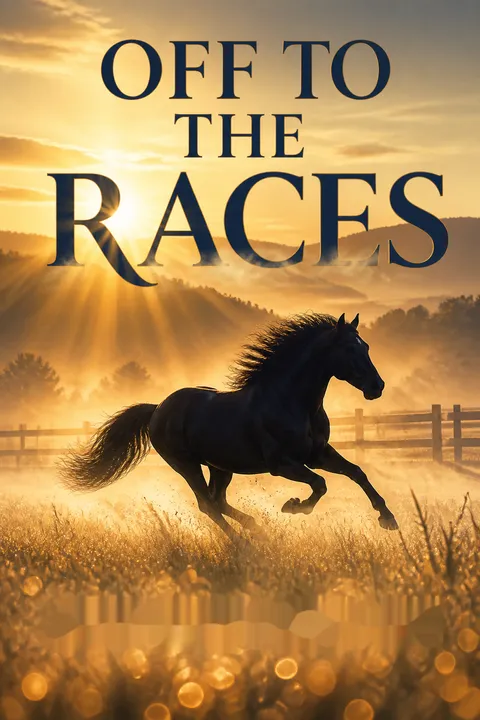


Plot Summary
Prologue
Ten years before the ranch story begins, Billie1 is trapped in a crush of reporters after compromising videos of her father, a powerful public figure, become news. Cameras flash as she tries to reach her car, where she can finally stop performing composure. When a reporter presses her for a response, Billie1 turns on the crowd instead of retreating.
The moment fixes an early pattern: when powerful people make a mess, she refuses to protect their comfort at her own expense. She will eventually leave that polished world behind, but the instinct to fight rather than play the dutiful daughter is already taking shape.
The prologue frames public scrutiny as a physical assault. The crowd presses close, the cameras strip away privacy, and the car promises only temporary shelter. Billie's choice to answer with anger is not simply rebellious; it is her first attempt to reclaim authorship of a story others are eager to tell for her. That response becomes a psychological template. She will later distrust wealthy men and resist being used to protect a powerful family's reputation. The opening also gives her bravado a cost: fighting back can restore agency, but it does not erase the hurt that made escape feel necessary.
The Trainer Is Billie Black
After his grandfather6 Dermot6 dies amid accusations of fixing races, Vaughn Harding2 leaves his corporate life in Vancouver to salvage Gold Rush Ranch, the family thoroughbred farm. The scandal has tarnished the ranch, and a three month suspension keeps its horses from sanctioned competition.
Vaughn2 wants to clear Dermot's6 name, while his brother Cole5 wants him back at the mining company. Hank Brandt,3 Dermot's6 longtime friend, recommends an accomplished trainer from Ireland. Expecting a man named Billy, Vaughn2 mistakes Billie Black1 for a date arranged by his mother10 and rudely sends her away.
When Hank3 identifies her, Vaughn2 hears her record and tests her judgment with horse files. Billie1 spots the neglected promise in Double Diablo, so Vaughn2 hires her on one condition: the colt must win after the suspension ends.
The opening binds the romantic conflict to competing definitions of inheritance. Vaughn treats the ranch as a duty to a man he cannot yet imagine as flawed, while Billie arrives with a practiced suspicion of wealthy families and their polished performances. His mistaken assumption reduces her to an accessory before he knows her skill, making the interview a small but telling contest over who gets to judge whom. The conditional contract translates that imbalance into a concrete wager: Billie must prove herself through a horse others have effectively abandoned. Vaughn thinks he is containing risk; in fact, he is handing his future to the person most likely to challenge his assumptions.
The Horse Behind The Fence
Hank3 shows Billie1 the black colt that has frightened handlers, resisted training, and never started a race despite his expensive pedigree. Double Diablo charges his fence, but Billie1 reads his alarm rather than treating him as vicious.
She offers food, waits for him to approach, and begins building trust through quiet, repeated visits. She shortens his name to DD and objects to the label that seems to have helped define him as a problem. The new trainer also meets Violet Eaton,4 a groom assigned to young horses, and quickly makes her a friend and work partner.
Billie1 settles into the neglected cottage, cleans it herself, and spends her first evenings beside DD. The horse cautiously accepts a carrot, giving her the first sign that patience may succeed where force has failed.
Billie's method begins with an ethical distinction: dangerous behavior is not the same as a dangerous nature. Instead of demanding obedience, she asks what the horse's reactions communicate and changes the conditions around him. Naming him DD rather than repeating a fearsome label is a modest act, but it resists the self fulfilling reputation that has left him isolated. Her connection with Violet matters for the same reason. Billie has spent years trusting horses more easily than people, yet she begins making a small human community at the ranch. Both relationships grow through attention rather than authority, offering an alternative to the coercive, image conscious world she escaped.
Coffee Beside The Paddock
Vaughn2 brings Billie1 coffee after overhearing her talk through their bad first meeting with DD, and she greets the peace offering with suspicion and jokes. They sit together by the paddock, where the horse reacts to Vaughn's2 tension almost as plainly as Billie1 does.
She asks whether Vaughn2 is all right, and he dodges the question, but the quiet unsettles his habit of hiding grief behind work. Over the following days Billie1 becomes central to the staff and begins turning DD into a calmer, shinier horse.
Vaughn2 watches from his office, then comes down to check her progress. Their mutual attraction sharpens when DD shoves Billie1 off a fence rail and Vaughn2 catches her. Neither treats the near fall as a simple accident; both recognize how much they want to cross a line.
The paddock becomes a place where Vaughn's usual defenses are visible rather than impressive. DD responds to his agitation, and Billie asks a sincere question he cannot yet answer, making emotional evasiveness seem less like control than a habit that has cost him connection. Their banter lets each approach vulnerability indirectly. Humor gives Billie cover for interest; competence gives Vaughn a socially acceptable reason to keep watching her. The near fall converts that subtext into bodily evidence, but neither character mistakes desire for trust. Their attraction grows inside a working relationship where power and reputation matter, so the developing intimacy carries genuine risk rather than functioning as a private escape from the plot.
A Missing Horse, A First Kiss
When Vaughn2 discovers DD's paddock empty, panic sends him racing down the farm road. He finds Billie1 riding the colt beside her cottage, carefully guiding him through a bucking fit. She rebukes Vaughn2 for charging in and frightening the horse, then invites him to stay for a beer and apologizes for her own temper.
Over dinner, Vaughn2 admits that Dermot's6 death has left him angry, then helpless and sad, because he cannot prove his grandfather6 innocent. Billie1 tells him that love and disappointment can coexist, and that no one else gets to dictate how he grieves.
She offers him a hug; the embrace becomes their first kiss. They stop before it goes further, but the tenderness changes their sparring. Vaughn2 has finally let someone see the grief beneath his polished composure.
The missing horse forces Vaughn out of the structures in which he feels competent. He cannot solve the crisis with paperwork; he must trust the trainer whose choices he has been trying to control. Billie's defense of the horse also gives Vaughn a mirror: both react fiercely when they feel threatened, though she can identify fear beneath DD's behavior more readily than Vaughn can identify it in himself. Her response to his grief is unusually important because she does not absolve Dermot or demand a verdict. She permits contradictory feelings. The kiss emerges from that permission, linking desire to being witnessed rather than to conquest or social performance.
Billie's Whip, Patrick's Fall
After months of Billie1 training DD, Vaughn2 arranges for experienced jockey Patrick Cassel8 to ride the colt's first race. Billie1 instructs Patrick8 not to use a whip because DD is frightened by it, but Patrick8 ignores her plan. DD wins narrowly after Patrick8 strikes him, then returns to his stall shaking with fear.
In the owners' lounge, Billie1 publicly strikes Patrick8 once with his own racing whip and bans him from her horses. Patrick8 retaliates by identifying her as Wilhelmina Farrington, the disgraced former prime minister's daughter, while also insulting Cole,5 who had pushed for Patrick's8 ride.
Billie1 leaves in the rain. Vaughn2 follows her onto a fire escape, where anger becomes a fierce kiss. The result is not uncomplicated romance: DD is distressed, Billie's1 privacy is gone, and Vaughn2 now knows she has hidden a painful past.
The race exposes a sharp difference between winning and caring for the means by which victory is obtained. Patrick's whip helps secure the result, but DD's panic reveals its cost, and Billie chooses the horse's welfare over the decorum expected of her. Her public retaliation is excessive, yet psychologically legible: she has seen powerful people evade consequences while others absorb the damage. Patrick's revelation weaponizes the very identity Billie has tried to leave behind, making her refusal to perform respectability a defense against humiliation. Vaughn's kiss follows the confrontation, but his attraction alone cannot repair the professional failure that precipitated it.
The Night DD Collapses
The morning after DD's first race, Billie1 finds him lying in mud, sweating and unable to rise. She recognizes a dangerous bout of colic, calls Hank,3 and walks the colt toward the barn while Violet4 brings medicine. When the regular vet is unavailable, track veterinarian Mira Thorne9 treats him and supplies fluids.
Vaughn2 arrives despite Billie's1 request that he stay away, then takes over walking DD so Billie1 can eat and rest. As the horse improves, Billie1 tells Vaughn2 that she is Wilhelmina Farrington, left home after her father's sex and drug scandal surfaced and her family expected her to defend him.
Vaughn2 accepts her explanation without demanding that she justify her escape. The two begin an intimate relationship, but the next morning Billie1 finds a text about a date his mother10 arranged.
The emergency changes the terms of intimacy from charged possibility to practical care. Vaughn helps by doing the repetitive, unglamorous work Billie cannot manage alone, and his usefulness depends on following her knowledge rather than taking command. The horse's illness also intensifies Billie's self blame, while Vaughn's presence gives her a chance to accept support without surrendering her independence. Her disclosure connects her distrust to lived experience, not mere prejudice against the wealthy. Yet the date message arrives at a vulnerable moment and activates precisely that history. The relationship advances physically before either has built enough shared understanding to prevent old fears from interpreting new evidence.
A Pink Dress, A Bad Text
Billie1 reads a message from Vaughn's mother10 arranging his appearance with another woman at a gala and assumes the night they shared means little to him. Vaughn2 tells his mother10 to stop arranging dates and decides not to attend, but Billie1 withdraws before learning that.
She focuses on ranch work and names Violet4 as DD's jockey, trusting the groom's calm connection with the colt over a famous rider's résumé. Vaughn,2 uncertain how to approach Billie,1 asks about her weekend plans.
She falsely claims to have plans, then takes Violet4 to a local pub instead of confronting her feelings. When Billie1 returns home, Vaughn2 is waiting outside. Their argument makes clear that he wants her, not the date his mother10 selected, and that Billie1 wants him to choose her openly rather than leave her guessing.
The misunderstanding is credible because it is built from a real asymmetry: Vaughn's mother still scripts parts of his social life, while Billie has learned that public charm can conceal private betrayal. Vaughn's decision to cancel the gala is meaningful but invisible to Billie, so intention cannot substitute for communication. Her choice of Violet as jockey runs parallel to the romantic conflict. In both cases, Billie values trust built through repeated conduct over status or reputation. Pretending to have plans lets her preserve pride while testing whether Vaughn will pursue her, but it also prolongs the very uncertainty she resents.
The Cottage Door Opens
At the cottage, Vaughn2 explains that he canceled the gala and has told his mother10 to stop arranging dates. He also admits he mishandled their separation after their first night together. Rather than accept a hidden, undefined arrangement, he tells Billie1 he wants a committed relationship alongside their work at the ranch.
Billie1 fears that the relationship could damage her standing in a sport where she already faces condescension, but she chooses to trust him. They sleep together, then agree to keep their relationship quiet for the moment so her work can speak for itself.
The next morning, a call from the secretive horse owner Stefan Dalca7 interrupts their domestic ease. Dalca7 has seen DD race and wants to buy him, bringing the ranch's business pressures directly into their new intimacy.
Vaughn's declaration matters because he stops asking Billie to infer his priorities from behavior that others control. He takes responsibility for the confusion and offers a relationship with explicit terms. Billie does not suddenly lose her fear; she makes a choice while still aware of the professional cost, which keeps her agency intact. Their decision to remain private is therefore a negotiated protection, not a shameful secret. Dalca's call immediately tests the boundary between their personal and professional lives. The horse that made their partnership possible is also a valuable asset, so affection cannot be separated from ownership, livelihood, and the power Vaughn holds as Billie’s employer.
Dalca Wants The Black Colt
Dalca's7 first offer unsettles Billie1 because Vaughn2 does not promise DD will never be sold. She tells Vaughn2 more about the life she left: a wealthy Toronto upbringing, pressure to become a suitable political daughter, and the abandonment she felt when her parents expected her to protect her father's reputation.
She left on her eighteenth birthday and built a career with Hank's3 help. Vaughn2 listens without trying to repair the past and tells her he does not want to disappoint her. Meanwhile, he accepts Billie's1 recommendation that Violet,4 still pursuing her jockey's license, should ride DD.
The choice makes the partnership concrete: Vaughn2 trusts Billie's1 horse sense, and Billie1 trusts Violet's4 steadiness. Their next race will decide whether DD reaches the Denman Derby, while Dalca's7 interest keeps the horse's future uncertain.
Billie's fuller account makes clear that her self reliance is both an achievement and a defense. She has built a life that cannot be easily taken from her, but she still measures safety by whether someone stays when loyalty becomes inconvenient. Vaughn's listening offers no instant cure; it creates a standard he will later be tested against. His acceptance of Violet as jockey is another form of trust, less romantic but equally consequential. He yields some control to the people closest to the horse. Dalca's offer keeps economic pressure in view, preventing the couple's emotional progress from becoming a sealed-off idyll.
Violet Takes The Reins
Violet4 rides DD in the final qualifying race and follows Billie's1 plan to let the colt settle before making his move. He surges past the field and wins decisively, earning a place in the Denman Derby. Billie1 and Vaughn2 celebrate in public, and Billie1 kisses him without trying to hide their relationship.
Cole5 appears at the winner's circle and speaks privately with Violet,4 leaving her visibly unsettled, but the immediate focus is DD's qualification. Dalca7 then corners Vaughn2 with a twenty million dollar offer for the horse.
He adds a second inducement: he claims he can provide proof that Dermot6 did not fix races. Vaughn2 accepts the proposed deal. Billie1 overhears, realizes Vaughn2 is trading DD and the truth for a manufactured exoneration, and confronts both men.
Violet's victory pays off Billie's insistence that horsemanship cannot be reduced to a famous name or a record. The horse, the trainer, and the novice jockey succeed through mutual attunement, not force. Billie's public kiss signals a new willingness to be seen with Vaughn, which makes his later decision more wounding: she has risked visibility while he chooses reputation management. Dalca understands the emotional leverage in the offer. He attaches money to the farm's future and false vindication to Vaughn's grief, turning a business negotiation into a moral trap. The victory raises the stakes precisely because DD has become both a champion prospect and a living bond.
Twenty Million For Silence
Vaughn2 argues that selling DD would give the struggling ranch money and restore the Harding name, but Billie1 sees a cover up built on another betrayal. She reminds him that Dermot's wrongdoing can coexist with the love he gave Vaughn.2
Vaughn2 retreats into his authority as owner and calls Billie1 an employee, ending their relationship. Billie1 gives notice and asks to spend one last day with DD before the sale. Hank3 comforts her but warns Vaughn2 that wealth cannot replace the woman he has driven away.
Cole5 makes the same point more bluntly, confirming Dermot's6 guilt and condemning Vaughn's deal with Dalca. Vaughn2 finds a letter Dermot6 wrote before his death, in which his grandfather6 admits fixing races and apologizes for betraying the sport and the family.
The rupture is not simply a lovers' quarrel over a horse. Vaughn repeats the structure that wounded Billie: he treats a powerful man's reputation as worth protecting through someone else's sacrifice. Calling her an employee restores the hierarchy at the exact moment he should recognize their shared moral stake. Billie's resignation is painful, but it prevents her from being folded into a decision she cannot endorse. Hank and Cole function as corrective witnesses, challenging Vaughn without denying his grief. Dermot's letter finally replaces speculation with testimony. Vaughn must face that love for his grandfather does not require falsifying the grandfather's history.
One Dollar, One Last Race
Before the Derby, Vaughn2 refuses to sign Dalca's contract and transfers DD to Billie1 for one dollar, registering the colt as Mister Black. Billie1 arrives expecting to watch the race from the crowd, then hears that she is now his owner and trainer.
Violet4 guides Mister Black through a difficult field, and he wins the Derby by a clear margin. Vaughn2 meets Billie1 afterward and admits he chose her over the deal, asking for the chance to rebuild her trust. He gives her Dermot's6 letter, which confirms the grandfather's6 guilt and love rather than offering a convenient innocence.
Billie1 tells Vaughn2 that Dermot6 was a good grandfather who loved him, and the two reunite with their friends at the barn. The sale is undone, the race is won, and the truth is finally allowed to stand.
The final race resolves the book's central conflict through a reversal of ownership and of moral priority. Vaughn cannot restore Dermot by laundering his record, but he can stop repeating the same sacrifice of others for family reputation. Giving Billie the horse is not a grand gesture detached from consequence; it returns authority to the person who trained him and accepts the financial risk Vaughn had tried to avoid. The horse's new name recognizes Billie's bond with him, while the victory makes that bond publicly legible. Dermot's letter permits grief without absolution. Reconciliation becomes possible because Vaughn chooses honesty and Billie can love without being asked to deny what is true.
Epilogue
Some months later, Mister Black has won the Northern Crown, and Vaughn2 reads the news with pride in Billie's1 work. At their home on the ranch, he brings her coffee made exactly to her preference and asks her to marry him.
Billie1 accepts, answering his promise to keep choosing her with one of her own. Their shared life now includes the horse who changed the ranch's fortunes, the work they built together, and a future no longer organized around hiding or repairing someone else's reputation.
The proposal completes the story's movement from conditional belonging to chosen partnership. At the beginning, Vaughn's family treats him as a public representative, while Billie fears that intimacy will make her subordinate to another person's reputation. Here, he offers a future through an ordinary ritual, coffee prepared with attention, rather than a public display of wealth. The Northern Crown headline confirms that the ranch's success no longer depends on selling its most promising horse or inventing an innocent past. Their marriage promise does not erase either character's history; it gives them a way to build continuity through repeated acts of care and honest choice.
Analysis
Off to the Races makes the training of a difficult horse the practical counterpart to learning how to love a guarded person. Billie1 does not conquer DD through dominance. She notices that his aggression grows from fear and patiently creates situations in which trust becomes possible. That approach challenges the racing culture around him, where reputation and performance can obscure the animal's actual needs. Violet's4 success as a jockey extends the same argument: skill may come from an unlikely person, and experience should not be confused with entitlement.
The romance develops through competing defenses. Billie1 uses humor, anger, and professional competence to prevent powerful people from defining her. Vaughn2 uses polish, work, and control to avoid feeling grief he cannot resolve. Their attraction becomes meaningful when each begins to risk a less defended form of honesty. Yet the relationship does not make their differences disappear. Vaughn's2 willingness to sell DD in exchange for money and a false account of Dermot's6 conduct shows that love without ethical change would leave Billie1 repeating her family's history.
The book's deepest distinction is between honoring the dead and protecting their reputations. Vaughn2 initially treats a clean public story as the proper tribute to his grandfather.6 Billie1 understands that affection does not require innocence, and Dermot's6 letter finally gives Vaughn2 permission to hold both truths. His decision to transfer DD to Billie1 is therefore more than romantic repair. It rejects the idea that money or family loyalty can purchase a version of the past in which no one did wrong. The ranch's future rests instead on care, competent work, and public success earned without denying the cost of earlier choices. The happy ending feels credible because it follows a real moral correction, not because love simply excuses the damage.
Review Summary
Off to the Races receives mixed reviews, with ratings ranging from 1 to 5 stars. Many readers praise the horse-related storyline and the chemistry between the main characters, Billie and Vaughn. Some appreciate the author's debut effort, noting her writing has improved in later works. However, others find the romance underdeveloped and criticize the characters' behavior. The horse, Double Diablo (DD), is frequently mentioned as a highlight. Overall, opinions vary on the book's pacing, dialogue, and character development.
People Also Read




Characters
Billie Black
The horse whispererBillie is a talented young trainer whose comic irreverence masks a fierce need for autonomy. Raised among wealth and public expectations, she distrusts polished men and refuses to protect powerful people from the consequences of their choices. Horses offer her a language of trust based on patience, observation, and consistency, and she applies that same attentiveness to DD and the people she lets close. Her temper can outrun her judgment, especially when she sees an animal or a less powerful person mistreated. Still, her bluntness is not mere provocation. It is a defense of hard won independence and a demand that competence, rather than pedigree or charm, determine whose voice counts.
Vaughn Harding
The grieving ranch heirVaughn is a polished businessman who has learned to manage rooms, headlines, and family expectations, but not the grief beneath them. His grandfather6 raised him after his father died, so the ranch represents affection, continuity, and a legacy he feels obliged to protect. Vaughn's instinct is to solve emotional problems through control and reputation management. That instinct makes him capable and composed, yet leaves him slow to recognize when duty has become denial. Billie1 unsettles him because she is unimpressed by his wealth and attentive to the person behind his public image. He values hard work and loyalty, but must learn that love of family does not justify falsifying its past or overriding the people beside him.
Hank Brandt
The ranch's steady heartHank is Dermot's6 old friend, an experienced horseman, and the practical force who helps Vaughn2 rebuild Gold Rush Ranch. He knows both Billie1 and the world of racing well enough to recognize what each needs, but he does not take their choices away from them. His humor and bear hugs make him a source of safety, while his direct advice keeps affection from becoming indulgence. Hank is a chosen father figure to Billie1 and a trusted mentor to Vaughn2, linking the ranch's history to its future.
Violet Eaton
The quiet horsewomanViolet is a groom assigned to young horses, observant, hardworking, and less timid than her careful manner first suggests. She becomes Billie's1 closest friend at the ranch and understands DD through calm handling rather than force. Violet is still finding confidence in her own abilities, but her relationship with the horses gives her a quiet authority that others can overlook. Her ambition develops through work, not self promotion, making her a natural partner for a trainer who values earned trust.
Cole Harding
Vaughn's guarded brotherCole is Vaughn's2 older brother and co owner of the ranch, a former soldier whose disciplined manner can harden into emotional distance. He left the family after their father's death, a choice that still shapes Vaughn's2 resentment. Cole is pragmatic about business and unsentimental about Dermot's6 failings, but his bluntness can carry a reluctant care for his younger brother2. He often challenges Vaughn2 by stating what Vaughn2 would rather avoid, even when he does so without tenderness.
Dermot Harding
The absent family patriarchDermot is Vaughn's2 late grandfather, the man who raised him and devoted decades to transforming the family ranch into a respected racing operation. His love for his wife and grandson2 gives the property much of its emotional meaning. To Vaughn2, Dermot is both caregiver and moral example, which makes the family's scandal especially difficult to face. Dermot's legacy is not simple: the tenderness Vaughn2 remembers exists alongside choices whose consequences reach beyond the family.
Stefan Dalca
The secretive horse buyerDalca is a wealthy, guarded newcomer to the regional racing world who moves through the community with money and information at his disposal. He is difficult to read and skilled at making an offer sound like an opportunity rather than pressure. His interest in valuable horses places him in direct conflict with people who see them as more than assets. Dalca's calm manner makes his ambition more unsettling, because he rarely needs to raise his voice to shift the terms of a conversation.
Patrick Cassel
The careless jockeyPatrick is an experienced jockey with an impressive record and a condescending attitude toward Billie1. He assumes his reputation entitles him to disregard her instructions and treats the horse's needs as secondary to his own judgment. His conduct exposes the gap between professional status and actual responsibility.
Mira Thorne
The practical veterinarianMira is a capable track veterinarian who approaches emergencies with scientific calm rather than sentiment. She treats DD during his colic episode and gives Billie1 clear guidance when time matters. Her dry humor and independence make her an appealing presence beyond the clinic, while her financial and career concerns show the practical pressures facing people who work in racing.
Vaughn's mother
The matchmaking motherVaughn's mother is a wealthy city woman who tries to guide her adult sons toward the kind of settled life that brought her happiness. Her matchmaking is intrusive, but it comes from affection and a wish to repair the distance between them. She has difficulty distinguishing care from management, especially when Vaughn2 refuses the future she imagines for him.
Rich Farrington
Billie's distant brotherRich is Billie's1 older brother and the only member of her birth family with whom she stays in contact. He remains back East, pursuing a political life, but occasionally makes time to visit her. His presence gives Billie1 one continuing family connection without undoing her decision to build a life of her own.
Plot Devices
Double Diablo
Trust made fleshThe expensive black colt has the pedigree to become a champion but has been left untrained because his fear and aggression make people avoid him. Billie1 treats his behavior as communication and earns his trust through patient, consistent handling. His progress gives the ranch a route back to racing success and gives Billie1 and Vaughn2 a shared project. The colt later becomes Mister Black, reflecting the relationship that Billie1 has built with him and the change in ownership that resolves the central conflict. His story tests whether people will treat a valuable animal as a living partner or merely as an asset.
The Racing Suspension
A narrow comeback windowThe racing authorities suspend Gold Rush Ranch from competition for three months after the scandal surrounding the Harding family. The suspension forces the horses back to the ranch and gives Billie1 a limited period to prepare DD for his return to the track. It also makes Vaughn's conditional job offer feel urgent: Billie1 must produce a win when racing resumes. The pause provides time for the horse's training and the romance to develop, while the approaching season keeps both under pressure.
The Conditional Contract
A job measured in winsVaughn2 hires Billie1 as head trainer but ties her continued position to DD winning his first race after the suspension. The condition lets Vaughn2 feel he has limited his risk, while Billie1 sees a chance to prove that her experience deserves authority. It turns the horse's progress into a test of her career and gives the early training scenes a concrete deadline. As Billie1 succeeds, the contract shifts from a mechanism of control into evidence that Vaughn2 must trust her expertise.
The Harding Scandal
Grief tangled with reputationReports that Dermot Harding6 fixed races threaten Gold Rush Ranch and Vaughn's2 family name. The scandal gives Vaughn2 a reason to take over the ranch, but it also traps his grief in a search for proof that the grandfather6 he loved was innocent. His wish to repair the public story becomes a source of conflict with Billie1, who has already been forced to endure a powerful family's attempts to manage its image. Dermot's6 letter later changes the problem from uncertainty to acceptance, allowing Vaughn2 to remember his grandfather6 without rewriting what he did.
Dalca's Bargain
Money against moral truthStefan Dalca7 offers a large sum for DD and promises to provide material that would make it appear Dermot6 was innocent of race fixing. The offer joins the ranch's financial need to Vaughn's2 unresolved grief, making a corrupt arrangement feel like a solution to several problems at once. For Billie1, the proposal repeats the pattern she fled: a powerful man asks others to accept moral damage in exchange for protecting a reputation. The bargain forces Vaughn2 to decide whether family loyalty means concealment or honest remembrance.
Gold Rush Ranch Series
About the Author
Other books by Elsie Silver






Download PDF
Download EPUB
.epub digital book format is ideal for reading ebooks on phones, tablets, and e-readers.








