


Plot Summary
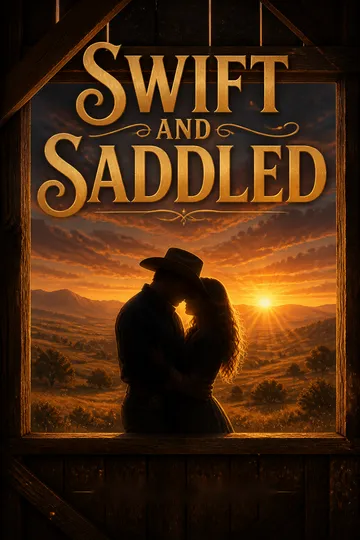
The Devil's Boot Kiss
After leaving San Francisco for her biggest design commission, Ada Hart searches Meadowlark for food and finds only a crowded dive bar. There she meets a striking cowboy, whose dog Waylon gives her an excuse to talk and whose easy attention awakens a confidence her failed marriage had worn down.
When Ada leaves her work bag behind, she follows the cowboy into a dim hallway and kisses him with startling urgency. The bartender interrupts before they can go further, and Ada bolts, embarrassed by her own impulsiveness. Wes takes her bag home rather than leave it at the bar. Neither knows the stranger's identity will matter by morning.
Ada's impulsiveness is not simply flirtation. It is a brief attempt to reclaim desire after a marriage that diminished her sense of being wanted. Her flight immediately complicates that reclamation: she can initiate intimacy, but embarrassment still drives her toward escape. The forgotten bag turns private attraction into practical consequence, giving the romance a credible route into Ada's working life rather than leaving it as a chance encounter.
The Cowboy Is Weston
At the ranch's Big House, Ada discovers that her cowboy is Weston Ryder, the son of ranch owner Amos and the Weston who hired her to transform an abandoned family home into a guest ranch. Wes returns her bag, allowing their first work meeting to proceed despite her missing plans.
The cabin prepared for Ada has flooded, so Amos offers her a room in the family home until repairs are complete. Ada accepts because staying on-site will help her manage the renovation, though living near Wes makes their attraction harder to ignore. When Wes takes her to the old house, she sees more than damaged steps and years of neglect: she sees a chance to build something ambitious.
The coincidence creates a double relationship, professional and intimate, before either person has chosen it. Ada's acceptance of the room is a practical decision, yet it also places her inside the Ryder family's daily life. The abandoned house mirrors her own uncertain starting point: both have been marked by past use, but neither is beyond repair. The renovation gives her independence a concrete form, while Wes's investment in it exposes his desire to create a role that belongs to him.
Baby Blue Takes Shape
Ada begins directing the renovation with contractor Evan and a local crew, preserving the old house's character instead of replacing every worn feature. She argues to keep its colorful bathroom tiles, proposes reusing old doors as bookshelves, and finds that Wes shares her preference for history over generic polish.
Their ease falters when an almost-kiss makes Ada fear that work and desire are becoming tangled. She tells Wes the bar encounter meant nothing and insists that their relationship stay professional.
Wes accepts the boundary, even though it hurts. Around the site, he also introduces Ada to his family and to Camille, Gus's co-parent and the lawyer helping with permits, giving Ada her first glimpse of the close-knit community she has entered.
Ada's boundary is both sensible and defensive. She has learned to associate intimacy with lost control, so naming the relationship professional feels safer than testing whether Wes can respect her agency. His compliance matters more than a grand romantic gesture because it gives her evidence that refusal will be honored. Her restoration choices also carry psychological weight: she does not mistake age for worthlessness, and her design practice becomes an assertion of judgment rather than a bid for approval.
Learning the Stick Shift
When Ada's unreliable Honda fails, Wes offers her a ranch truck, then learns she cannot drive its manual transmission. The skill is tied to her former marriage: her ex-husband Chance had controlled their only car and discouraged her from learning, leaving her dependent on him for transportation.
Wes offers to teach her, and Ada agrees on the condition that they stop avoiding conversation. During the drive into town, she tells him what happened; Wes, in turn, explains that he takes antidepressants for major depression and relies on treatment and routine.
At the store, Ada's card is declined, and Wes quietly covers her winter clothes while protecting her from embarrassment. The lessons give Ada more than a ride. They begin to restore a choice she once lacked.
The manual transmission makes autonomy bodily and teachable. Ada must coordinate unfamiliar movements, risk stalling, and continue without being shamed for mistakes. Wes's support works because he offers instruction rather than taking permanent control of the problem. Their disclosures are reciprocal, not a rescue transaction: Ada names coercion, while Wes shares a managed illness without asking her to cure it. The scene distinguishes care from possession through specific acts of respect and practical assistance.
Wildflowers and Old Friends
Emmy, Wes's sister, and Teddy, Ada's old college friend, arrive at the worksite with pizza and wine for a girls' night. Ada shows them how pounding local wildflowers onto linen leaves color on curtains, and the women turn the experiment into a shared project, adding roses from the Ryder home. Camille joins them after Amos arranges for Riley, her daughter with Gus, to stay with him.
Their evening is interrupted when Dusty Tucker, a ranch hand newly returned from working abroad, appears and unsettles Camille, his former girlfriend. The tension hints at old history, but the night gives Ada something more immediate: women who invite her in, laugh with her, and treat her creative work as worth celebrating.
The handmade curtains make belonging collaborative rather than ceremonial. Ada contributes expertise, but she also lets other women alter the work, turning a solitary design process into shared authorship. Her growing place in Meadowlark is not secured by romance alone; it comes through ordinary participation, food, jokes, and creative labor. Dusty's arrival briefly exposes a separate emotional history, showing that the ranch community is close without being simple or free of unresolved ties.
Popcorn After Midnight
After the gathering, Ada goes to the pantry for popcorn and finds Wes returning home. He reaches past her for the packet, then kisses her shoulder when she does not pull away. Their desire builds until Amos's late-night arrival interrupts them again. The next day, Wes attempts to make spanakopita, Ada's favorite spinach pie, and his siblings help rescue the recipe when his homemade pastry fails.
When Ada returns, she and Wes share the meal and talk about her parents, her Greek heritage, and the pressure she feels to meet her mother's expectations. The conversation gives their attraction tenderness and context. Soon afterward, Wes asks Ada on a proper date, and she accepts without retreating behind the professional boundary she set.
Food becomes a language of attention: Wes remembers a favorite and tries to make it himself, while Ada lets him see the family history attached to it. The interruptions keep desire from becoming a shortcut around trust; instead, intimacy accumulates through restraint, humor, and disclosure. Ada's willingness to accept a date marks a change in risk tolerance. She is not suddenly free of fear, but she begins to act on attraction without treating every step toward closeness as surrender.
Loretta in the Storm
A violent storm catches Ada, Wes, and Evan at the jobsite, so Wes drives Ada back to the Big House. He swerves to avoid a calf, then goes into the rain to find it tangled in barbed wire. Ada follows and helps him bring the injured animal home; Wes cuts the wire and names her Loretta.
A piece of wire has also cut Wes's ribs, so Ada cleans and bandages him when they reach the house. The power fails, and their careful kisses finally become sex. Afterward, Wes tends Loretta and tells Ada how therapy, medication, work, and Waylon help him manage depression. Ada stays beside him rather than trying to fix him, offering the quiet companionship he has long wanted.
The rescue makes each character's vulnerability visible through action. Ada's distress at the idea of leaving the calf alone echoes her own history of feeling trapped and abandoned, while Wes's injury temporarily reverses their familiar pattern of him providing care. Their sexual intimacy follows mutual disclosure rather than resolving it. Wes describes depression as something managed, not defeated, and Ada responds by staying present. The scene treats support as companionship through uncertainty, not a promise that pain will disappear.
Pies Above Meadowlark
On their first date, Wes takes Ada to a mountain overlook and brings twenty slices of pie from the Meadowlark diner. They taste their way through the boxes, joke about Wes's teenage embarrassment at the same lookout, and trade personal stories while he sketches a pie bracket.
Ada sees how easily he makes room for her odd childhood dream of becoming a game-show model, and she begins to imagine a future that includes more than her next job. At the same time, the renovation hits expensive snags: the storm has damaged the roof, the cabinets arrive in the wrong color, and flooring and tile need replacement. Ada manages the setbacks within the project plan, while Wes tells her he trusts her judgment.
The date places intimacy in a landscape Ada once experienced as a temporary escape. Wes's playful attention gives her space to reveal something unserious and personal without translating it into professional worth. Meanwhile, the construction setbacks test the trust built between them: Wes does not use the problems to undermine her authority, and Ada demonstrates competence under pressure. The paired developments matter. She can be desired and capable at once, rather than having to choose between emotional attachment and the work that defines her independence.
The Arizona Offer
A client in Tucson offers Ada another bed-and-breakfast project, exactly the kind of opportunity she hoped the ranch commission would attract. Instead of celebrating, Ada panics at the prospect of leaving Wes and the community she has begun to call home. Emmy finds her curled beside a ranch path and takes her riding on Moonshine, a calm horse suited to beginners.
As they ride, Ada admits she fears becoming dependent again and doubts that Wes could keep loving the less agreeable parts of her. Emmy reminds her that the choice need not be settled before the project ends. On Ryder Day, Ada also receives an unexpected call from Chance. She declines to call back, recognizing that she has already made her own closure.
The Arizona offer is not a simple career-versus-romance dilemma. It activates Ada's fear that any attachment will recreate the marriage in which care became control. Riding gives her a physical counterexample: she accepts help while remaining an active participant, learning to balance rather than surrender the reins. Emmy's friendship widens Ada's emotional vocabulary beyond toughness. Her refusal to return Chance's call further shows that closure can be self-authored, not granted by the person who caused the wound.
Roses in Wes's Sketchbook
At the family celebration, Ada learns that Amos created Ryder Day to honor the family life he and his late wife Stella built, deliberately rejecting the harsh model of his own father. But the warmth of the gathering makes Ada fear how much she wants to belong. In Wes's room, she finds pages of roses and thorns that match her tattoo sleeve, evidence that he has been drawing her for months.
She confronts him with the Arizona offer and tries to reduce their relationship to a temporary affair. Wes tells her he wants her to take the job and still hopes they can make a relationship work across distance. Ada admits she wants him too, and agrees they should try, though the future still frightens her.
The sketchbook is both evidence of attention and a trigger for Ada's fear of being known. Wes has noticed her closely, but his devotion feels dangerous because she equates permanence with the loss of self. The Ryder family holiday sharpens that conflict by showing a version of family built through deliberate choices, not inherited cruelty. Wes's response is crucial: he supports Ada's career rather than demanding that she prove love by staying. The tentative agreement allows commitment to begin without pretending uncertainty has vanished.
Fifteen Acres of His Own
As the renovation approaches its finish, Amos gives Wes the deed to the restored old Big House and fifteen surrounding acres, making the guest-ranch project his own piece of Rebel Blue. Wes shares the news with Ada, who understands how much it means to the son who has spent years beside his capable older brother Gus.
Their intimacy deepens in the nearly finished house, while Wes makes clear that he will not pressure Ada to abandon the Arizona opportunity. Ada knows she has the freedom to go, but she has not yet reconciled that freedom with the home and relationship she wants. When the day arrives to show the finished Baby Blue to the family, she is overwhelmed and reaches for the very truck Wes taught her to drive.
The deed resolves Wes's need for a place and purpose without displacing Gus's role in the larger ranch. Amos recognizes his son's work materially, turning praise into stewardship. For Ada, the nearly finished house embodies both achievement and attachment: she has helped create a welcoming place, yet the prospect of leaving now feels like abandoning more than a job. Wes's willingness to support her mobility keeps his gift from becoming a claim on her. Her next choice remains hers, even when fear distorts it.
The County Line Turnaround
Ada drives Wes's manual truck out of Meadowlark before the family can see Baby Blue. Near the county line, she recognizes that leaving without explanation repeats the abandonment she suffered when Chance disappeared from their marriage. She turns around and finds Wes waiting beside the welcome sign with Waylon.
Rather than ask her to stay, Wes tells her he wants her to take the Tucson job and believes they can manage the distance. Ada says she loves him and wants a life with him, then accepts that both ambitions can coexist for now. Wes returns her love and agrees they can make decisions as circumstances change. Baby Blue stands finished behind them, the first place Ada helped make feel like home.
The return is a moral choice as much as a romantic one. Ada sees that flight would protect her from immediate vulnerability by making Wes bear the unanswered loss, so she turns back before fear can become another person's wound. Wes's response separates love from ownership: he does not ask her to trade a career for security. Their resolution is deliberately provisional, built on communication and future negotiation rather than a guarantee that distance will be easy. The restored house gives that ethic a physical counterpart.
Epilogue
Eight months later, Wes meets Ada at the Jackson airport after she has completed projects in Arizona, Utah, and New Mexico. Their long-distance relationship has been difficult, but Ada tells him she is not leaving for another distant commission. She has arranged to renovate rooms at Meadowlark's Poppy Mallow Inn, choosing work that lets her stay near the life she has built.
Back at the Big House, family and friends welcome her home and celebrate Brooks's engagement to Emmy. As Ada and Wes sit among them, she tells Wes she hopes they will marry someday. Baby Blue is ready to open, and Ada is there to welcome its first guests.
The epilogue completes the book's central distinction between choosing home and being confined by it. Ada does not abandon her profession to remain with Wes; she finds a local commission that keeps her design work active while changing where she practices it. Wes's earlier promise of patience becomes credible because the couple has already endured months apart. The family gathering also places Ada inside the community without erasing her independent identity. Her hope for marriage is not a rescue fantasy but an extension of a life she has actively chosen.
Analysis
The novel makes renovation its most concrete model of change. Ada does not transform the old Ryder house by scrubbing away every sign of age; she preserves colored tile, reuses doors, and incorporates local flowers and Stella's roses. That method parallels her own recovery. Her past is not erased, but she learns to make choices that are not governed by it. The house also gives Wes a form of authorship within a family where Gus is expected to inherit the ranch. His father's gift recognizes the difference between belonging to a family and having a project that is his own.
The romance's central psychological conflict is the distinction between care and control. Chance's control over Ada's transportation disguised dependence as protection. Wes's care is tested through practical choices: he teaches her to drive, accepts her professional boundaries, and supports her Arizona opportunity rather than asking her to stay. This does not make him flawless or Ada instantly secure. Instead, the story lets trust develop through repeated evidence that she can say no, accept help, and still remain the decision-maker.
Wes's depression is likewise treated as an ongoing condition, not a secret cured by love. Medication, therapy, work, and Waylon's companionship are part of his life before Ada becomes his partner. Her presence offers connection, but not a replacement for those supports. That distinction strengthens the romance's emotional credibility: neither character is assigned the impossible task of healing the other.
The ending refuses the false choice between ambition and attachment. Ada first returns to Meadowlark, then later completes distant commissions before choosing a local project. Home becomes a place she can leave and come back to, not a cage disguised as security. Her eventual decision to stay carries weight precisely because the story has shown her learning how to go.
Review Summary
Swift and Saddled received generally positive reviews, with readers praising the chemistry between Ada and Wes, the small-town setting, and the found family aspect. Many enjoyed the mental health representation and the character growth. Some readers found the insta-love aspect and third-act conflict less appealing. The spice scenes were well-received, particularly the mirror scene. While some felt the book lacked depth in certain areas, most found it to be a sweet, comforting read that improved upon the first book in the series.
People Also Read





Characters
Ada Hart
Restless creative survivorAda is a self-employed interior designer whose work grew from practical organizing into a serious career, despite leaving design school before graduating. After a short, controlling marriage, she is wary of dependence and often protects herself with reserve, sharp humor, and retreat. She wants professional recognition and the freedom to choose where her life goes, but she also longs for connection she can trust. Her eye for salvaged materials reflects her belief that worn things can still hold value. Around the Ryders, she gradually discovers that accepting support need not mean giving up authorship of her own life.
Weston Ryder
Ranch dreamer and caretakerWes is the middle Ryder sibling, a capable rancher who wants to build the guest ranch project into something distinctly his. Friendly and attentive, he often puts other people's needs first, partly because he has long felt defined by his family roles. He lives with major depressive disorder and manages it through medication, therapy, work, and routine rather than pretending it has disappeared. Drawing gives him another way to steady himself. His patience with Ada is tested by his own desire for closeness, but he understands that affection must leave her free to choose.
Amos Ryder
A generous ranch patriarchAmos is the Ryder family patriarch and the owner of Rebel Blue Ranch. He believes in his children openly and gives Wes room to lead the guest-ranch project. His warmth appears in practical gestures, from feeding visitors to offering Ada a room when her cabin floods. His own difficult upbringing shaped his determination to create a kinder family culture with his late wife, Stella. Amos is not an idealized authority so much as a steady one: he notices what his children need and makes space for them to become themselves.
August Ryder
Protective eldest brotherAugust, usually called Gus, is the oldest Ryder sibling and Amos's second in command at the ranch. Practical, stubborn, and often gruff, he carries responsibility seriously and is devoted to his daughter, Riley. His close friendship with Brooks and his co-parenting relationship with Cam show a softer loyalty beneath his guarded manner. Gus is comfortable in the role of dependable eldest child, which can make him blunt with his siblings, but he remains deeply invested in their lives.
Clementine Ryder
The ranch's fierce horsewomanClementine, known as Emmy, is Wes and Gus's younger sister. A skilled rider who teaches lessons and trains horses, she has an independent streak and a playful, direct way of speaking. She is especially close to Teddy and is part of the ranch's daily work, though her return to Meadowlark followed time away. Emmy recognizes when Ada is hiding distress and offers companionship without forcing a confession. Her affection for her family is strong, but it does not make her passive or easy to manage.
Brooks
Bartender and family friendBrooks owns the Devil's Boot, the Meadowlark bar where Ada first meets Wes. He is Gus's longtime best friend and part of the Ryder family's close circle, often helping with ranch repairs as well as bar work. His teasing manner masks a reliable, hands-on nature. Brooks is deeply attached to Emmy, though their history and the family's protective instincts have made their relationship complicated at times. He gives the story a lively link between town life and ranch life.
Camille
Attorney and co-parentCamille, usually called Cam, is a lawyer awaiting her bar results when she helps with Baby Blue's paperwork. She is Riley's mother and Gus's friend and co-parent, connected to the Ryder family through years of shared life. Polished and capable, she also knows how to relax among friends and makes room for Ada without demanding instant closeness. Dusty's unexpected return unsettles her, suggesting a history she has not simply forgotten.
Theodora Andersen
Ada's old college friendTeddy is Ada's former college friend and Emmy's lifelong best friend. Expressive, mischievous, and comfortable taking up space, she works at a local boutique and enjoys drawing people into her orbit. Her teasing can be forceful, but it is grounded in loyalty rather than contempt. Teddy gives Ada an accessible bridge back to friendship and helps make the Ryder circle feel less intimidating. She is especially important to Emmy, with whom she shares a history of mutual reliance.
Evan
Ada's trusted contractorEvan is Ada's contractor and professional partner, managing the construction crews while she leads the design. His practical experience complements her creative eye, and he has enough personal knowledge of her past to recognize when she is distracted. He offers support without taking over her decisions. His presence also keeps the renovation grounded in real project demands, including schedules, materials, budgets, and the consequences of construction surprises.
Riley Ryder
Gus and Cam's daughterRiley is the young daughter of Gus and Cam. Outspoken and curious, she enjoys learning people's full names and speaks without the social caution of adults. She is loved by both parents and welcomed by the wider Ryder family, making their shared care for her visible in everyday scenes.
Hank Andersen
Teddy's musician fatherHank is Teddy's father, a longtime ranch hand and musician who uses a wheelchair. He is part of the extended Rebel Blue circle and joins the Ryders for family gatherings. His weathered presence, tattoos, and guitar make him distinctive, while his easy familiarity with the family reflects years of shared loyalty.
Dusty Tucker
Returning ranch wandererDusty is a cowboy who has worked in ranching around the world before returning to Meadowlark. He is an old friend of the Ryders and Teddy, with a past connection to Cam that remains emotionally charged. His arrival brings a reminder that people can leave a small town and still carry its unfinished relationships with them.
Waylon
Wes's steadfast dogWaylon is Wes's fluffy, sociable dog and near-constant companion. He wanders into the Devil's Boot, befriends Ada, and stays close to Wes around the ranch. For Wes, Waylon is a source of comfort and routine, especially when depression makes ordinary steadiness feel difficult.
Chance
Ada's controlling exChance is Ada's former husband. During their marriage, he controlled practical parts of her life, including access to their car, while presenting dependence as care. His sudden departure and later attempt to contact her left Ada to rebuild her confidence without receiving explanations from him.
Aggie
Meadowlark's skilled carpenterAggie is a local carpenter and longtime Ryder family friend. She builds custom furniture for Baby Blue from Ada's plans, including pieces that reuse the ranch's materials. Her work helps the renovation support local craftspeople as well as preserve the old house's character.
Irie Fox
Arizona inn ownerIrie is the owner of a small bed-and-breakfast in Tucson who follows Ada's design work and offers her a commission. The opportunity represents the professional reach Ada has been trying to build beyond California and Rebel Blue.
Stella Ryder
The family's painter motherStella was Amos's wife and the mother of Gus, Wes, and Emmy. A painter, she left artwork that remains in the family's attic. Her roses and paintings continue to shape the family's memories and become part of the old house's renewed identity.
Loretta
Rescued ranch calfLoretta is a young calf Wes and Ada find injured and alone in a storm. They bring her to the ranch, warm her, and arrange for a veterinarian to check her. Caring for her gives Ada and Wes a shared task that draws out their protective instincts.
Plot Devices
The old Big House
A home rebuilt through workThe abandoned former Ryder family home gives the romance a shared practical purpose. Ada is hired to turn it into a guest ranch, while Wes wants the project to establish something of his own within Rebel Blue. Their design decisions reveal character: Ada salvages rather than erases, and Wes values the property's history. As the house becomes livable, it also becomes a test of whether Ada can build a sense of home without surrendering her independence.
The manual truck
A lesson in self-directionWes's stick-shift truck first exposes how Chance restricted Ada's mobility during their marriage. Learning to drive it gives her a concrete skill and a practical alternative to depending on someone else for transportation. The truck later becomes the means of Ada's attempted escape from Meadowlark, then her return. Its function changes with her: what begins as a site of vulnerability becomes evidence that she can choose her direction, even when she is frightened.
The shared Big House
Proximity without coercionWhen Ada's cabin floods, Amos invites her to stay in the Big House. The arrangement places Ada and Wes in daily proximity, creating opportunities for attraction, domestic routines, and honest conversation. It also makes professional boundaries more important because Wes is both her client and host. The temporary living situation gradually makes the ranch feel less like a work assignment and more like a community, while the story repeatedly tests whether Ada can accept hospitality without experiencing it as a new form of dependence.
The rose sketchbook
Private attention made visibleWes's sketchbook contains repeated studies of roses, leaves, and thorns that echo Ada's tattoo sleeve. Ada discovers the drawings during Ryder Day, when her growing attachment to Wes has collided with the Arizona job offer. The sketchbook makes his private attention tangible, but its importance lies in Ada's reaction: being deeply seen feels both affirming and frightening. It triggers the confrontation in which she tries to push Wes away, forcing both of them to decide whether love can coexist with her ambitions.
Wildflower curtains
Local history made by handAda experiments with transferring the pigment of wildflowers onto linen, then makes curtains with Emmy, Teddy, and Cam. They add roses from the Ryder home, connecting the landscape and Stella's memory to Baby Blue's interior. The curtains are a design solution, but also a record of Ada's growing friendships and her willingness to create with others. Their handmade quality rejects generic renovation polish in favor of details rooted in this particular ranch and the people who care for it.
FAQ
Synopsis & Basic Details
What is Swift and Saddled about?
- City Designer Seeks Fresh Start: Ada Hart, an interior designer from San Francisco, travels to Meadowlark, Wyoming, for a major renovation project at Rebel Blue Ranch, seeking escape from a failed marriage and a life where she felt trapped.
- Unexpected Cowboy Connection: On her first night, Ada has a passionate encounter with a charming cowboy, Wes Ryder, only to discover the next day that he is the owner of the ranch and her new boss.
- Renovation and Romance Unfold: As Ada works on transforming the historic ranch house (Baby Blue), she navigates her complicated feelings for Wes, confronts past insecurities, and finds an unexpected sense of belonging with the Ryder family and the Wyoming landscape.
Why should I read Swift and Saddled?
- Deep Emotional Resonance: The story delves into Ada's journey of healing and self-discovery after trauma, offering a relatable portrayal of overcoming past hurts and learning to trust again.
- Rich Setting as a Character: The vivid descriptions of Rebel Blue Ranch and the Wyoming landscape create an immersive atmosphere that becomes integral to the characters' growth and the themes of finding home.
- Compelling Character Dynamics: The central romance between Ada and Wes is built on genuine connection, mutual respect, and shared vulnerability, complemented by the warm and engaging Ryder family who welcome Ada into their fold.
What is the background of Swift and Saddled?
- Wyoming Ranch Setting: The story is set on the expansive Rebel Blue Ranch in Meadowlark, Wyoming, highlighting the unique culture, challenges, and beauty of ranch life and a small, close-knit community.
- Family Legacy and Dreams: The narrative is deeply rooted in the Ryder family history, particularly Wes's dream of transforming the old family home into a guest ranch, a project that represents his desire for personal validation within the family legacy.
- Contrast of Worlds: The plot draws tension and interest from the contrast between Ada's urban, independent background and the traditional, interconnected world of the Wyoming ranch, exploring how these different perspectives intersect and influence one another.
What are the most memorable quotes in Swift and Saddled?
- "You don't get to tell me what to do on Saturdays.": Ada's defiant line to Wes when he insists on driving her, highlighting her struggle for independence and control after her past experiences, even in seemingly small interactions.
- "I would rather have the moon anyway.": Wes's powerful declaration to Ada, rejecting her self-description as not being "warm or bright" like the sun and instead valuing her unique, complex nature, symbolizing his deep acceptance of her true self.
- "You're my dream, Wes. You, and Waylon and Loretta and Baby Blue.": Ada's heartfelt confession at the end, revealing that her definition of "dream" has shifted from a geographical escape or career goal to encompass the love, belonging, and life she's found with Wes and his world.
What writing style, narrative choices, and literary techniques does Lyla Sage use?
- Dual First-Person Perspective: The story alternates between Ada's and Wes's first-person points of view, providing intimate access to their thoughts, feelings, and internal struggles, enhancing reader empathy and understanding of their evolving relationship.
- Sensory and Atmospheric Prose: Sage employs rich sensory details, particularly in describing the ranch environment (smells, sights, sounds), grounding the narrative in its setting and using the atmosphere to reflect character emotions and thematic elements.
- Subtle Foreshadowing and Symbolism: The author weaves in subtle hints and recurring symbols (like the car, the third step, the moon/tides) that gain significance as the story progresses, adding layers of meaning to the plot and character arcs without being overly explicit.
Hidden Details & Subtle Connections
What are some minor details that add significant meaning?
- The Third Step at Baby Blue: The loose third step on the old house's porch, initially just a physical hazard Wes warns Ada about, becomes a recurring point of connection and vulnerability, symbolizing the unexpected stumbles and moments of reliance in their relationship ("When I got to the third step, the top of the stair flipped up, and I started going in the opposite direction... Wes caught me.").
- Ada's Car Troubles: Ada's unreliable, old Honda Civic, which barely makes it to Wyoming and then breaks down, subtly represents her past life and feeling trapped ("She also didn't have air-conditioning. But she was the only thing that had never let me down.") and her journey towards independence, culminating in her learning to drive Wes's stick shift truck.
- The Scent of the Big House: The specific combination of pie crust, cedar, and leather conditioner that Ada notices upon entering the Ryder home is a powerful sensory detail that immediately signals warmth, comfort, and a sense of established home, contrasting with Ada's previous feelings of displacement and contributing to her growing sense of belonging.
What are some subtle foreshadowing and callbacks?
- Brooks's Hallway Comment: Brooks's throwaway line about the strange things he finds in the Devil's Boot hallway ("Honestly, the shit I find in this hallway stopped surprising me a long time ago... But this? This was unexpected.") humorously foreshadows the unexpected and significant nature of Ada and Wes's impulsive kiss in that very spot.
- Ada's "Running" Tendency: Ada's internal admission that she "ran" out of the bar after kissing Wes ("So I did what I'd come to Wyoming to do. I ran.") subtly foreshadows her later impulse to flee Meadowlark when faced with the intensity of her feelings and the Arizona job offer, highlighting a pattern of avoiding difficult emotional situations.
- Wes's "Cowboy Take Me Away" Joke: Ada's internal thought about not wanting a "stupid 'Cowboy Take Me Away' fantasy" when setting boundaries with Wes early on is a callback to a common romance trope, which the story both leans into with Wes's cowboy persona and subverts by focusing on deeper emotional connection and Ada's agency.
What are some unexpected character connections?
- Ada's Connection to Wes's Mom's Roses: Ada's decision to incorporate dried roses from Wes's late mother's bushes into the curtains for Baby Blue creates a poignant, unexpected link between Ada's design work, Wes's family history, and the memory of his mother, symbolizing Ada's integration into the Ryder family and her respect for their legacy.
- Cam and Dusty's Past Relationship: The reveal that Cam (Gus's co-parent) and Dusty (Gus's friend, the cowboy who returns) dated in high school adds an unexpected layer to the Ryder family's extended social circle and hints at unresolved history or complex dynamics within the community.
- Hank's Knowledge of Wes's Feelings: Teddy's father, Hank, immediately recognizing that Wes is "smitten" with Ada upon meeting her, despite having only heard about her, highlights the interconnectedness and observant nature of the small Meadowlark community and the depth of Wes's feelings being apparent to those close to him.
Who are the most significant supporting characters?
- Amos Ryder: As the patriarch, Amos provides a foundation of warmth, stability, and unconditional support that is crucial for Ada's healing and sense of belonging ("If there was one thing that Amos Ryder always did, it was believe in his kids."). His belief in Wes's dream validates Wes and enables the project, indirectly bringing Ada into their lives.
- Emmy Ryder: Wes's sister becomes a vital friend and confidante for Ada, offering genuine connection, emotional support, and insightful perspectives on relationships and belonging ("Emmy is the love of my life, but my soulmate has always been Teddy Andersen."). Her openness about her own life and her nurturing nature help Ada lower her guard.
- Teddy Andersen: Ada's college friend is the initial link to Rebel Blue and the Ryder family, but her significance grows as she welcomes Ada into her close-knit friendship circle with Emmy and Cam, providing Ada with a sense of female community she previously lacked ("Teddy Andersen... my soulmate has always been Teddy Andersen.").
Psychological, Emotional, & Relational Analysis
What are some unspoken motivations of the characters?
- Ada's Need for Control: Beyond escaping a bad marriage, Ada's intense focus on her career and meticulous planning (like the buffer time, the iPad prep) is an unspoken motivation to regain control over her life after feeling powerless and trapped in her previous relationship ("I had unknowingly placed myself on the wrong side of an unfair power dynamic with a man. Again.").
- Wes's Desire for Validation: While Wes states the guest ranch is "something that was mine," his deeper, unspoken motivation is tied to seeking validation from his father and older brother, Gus, feeling "easy to get lost" between their established identities and wanting to prove his worth beyond being "just Wes" ("It felt like they saw me.").
- Amos's Desire for Family Connection: Amos's subtle actions, like offering Ada to stay at the Big House or sending people to the old house during girls' night, are driven by an unspoken desire to fill the Big House with warmth and connection, perhaps stemming from his own complicated family history and the loss of his wife ("He loved it when people were in the Big House. It was usually just him and me.").
What psychological complexities do the characters exhibit?
- Ada's Trauma Response: Ada exhibits psychological complexities related to past trauma from her marriage, including difficulty trusting men, a tendency to build emotional walls, and a fear of vulnerability and dependence, which manifest in her initial resistance to Wes and her impulse to flee when things become too intense ("I didn't want anyone to have the power to do that anymore, let alone a stranger.").
- Wes's Depression Management: Wes openly discusses his major depressive disorder, showcasing the psychological complexity of managing a mental illness even when seemingly happy and successful, highlighting the constant underlying fear of relapse and the effort required to maintain stability ("Even when I was happy, I was thinking about when I wouldn't be.").
- Gus's Protective Nature: Gus's gruff exterior and initial suspicion of Ada mask a deep-seated protective instinct towards his family, particularly Emmy and Riley, a complexity rooted in his role as the oldest brother and perhaps influenced by their family history, making him wary of outsiders who might disrupt their equilibrium.
What are the major emotional turning points?
- The Bar Kiss: The impulsive kiss in the Devil's Boot hallway is the initial emotional turning point, igniting undeniable chemistry and forcing Ada and Wes to confront a connection they weren't seeking, setting the stage for their complicated dynamic ("I wanted something new. I wanted him—the man who looked at me like I was worth looking at.").
- Ada's Car Breakdown & Wes's Response: Ada's car breaking down and her confession about her ex-husband's control marks a significant emotional turning point, as Wes's gentle, understanding response ("You don't have to feel trapped like that again.") begins to break down Ada's walls and shows her a different kind of male support.
- The Storm & Loretta's Rescue: The storm and the rescue of Loretta the calf serve as a major emotional turning point, forcing physical proximity and vulnerability between Ada and Wes, allowing Ada to show her empathy and caretaking side, and solidifying their bond through a shared, intense experience ("Wes pulled me to him and held me tight. 'I'm not going to leave her, sweetheart. I would never leave her,' he murmured in my ear.").
How do relationship dynamics evolve?
- Ada & Wes: From Boss/Employee to Partners: Their dynamic evolves from a strictly professional relationship complicated by initial attraction to one of mutual respect, emotional vulnerability, and eventually, romantic partnership, where they support each other's dreams and navigate challenges together ("This project is both of ours.").
- Ada & The Ryder Family: From Outsider to Belonging: Ada's relationship with the entire Ryder family (Amos, Emmy, Gus, Brooks, Cam, Riley, Hank, Teddy) evolves from being an outsider hired for a job to becoming an integral part of their extended family unit, finding a sense of belonging and community she lacked before ("You're a part of Rebel Blue now.").
- Gus & Teddy: From Antagonists to Affectionate Rivals: The dynamic between Gus and Teddy, initially presented as pure animosity ("my arch nemesis"), evolves into a form of affectionate rivalry characterized by constant teasing and insults that mask an underlying history and grudging respect, hinting at a complex bond beneath the surface.
Interpretation & Debate
Which parts of the story remain ambiguous or open-ended?
- Details of Ada's Divorce: While Ada reveals the emotional impact and the feeling of being trapped and abandoned, the specific details of her ex-husband's controlling behavior and the full circumstances of his departure remain somewhat ambiguous, allowing readers to fill in the blanks based on the emotional fallout portrayed.
- Future of Wes's Depression: Wes is open about managing his depression and the fear of future relapses ("I expect that there will come a day when I feel the ache in my bones... and what I'm doing now won't work, and I'll have to start over."), leaving the long-term trajectory of his mental health journey open-ended, focusing instead on his current coping mechanisms and support system.
- Dusty and Cam's Past: The brief interactions between Dusty and Cam hint at a significant past relationship that "didn't end well," but the specific reasons for their breakup and the full extent of their unresolved feelings are left ambiguous, adding a layer of mystery to their characters and their place within the community dynamics.
What are some debatable, controversial scenes or moments in Swift and Saddled?
- Ada's Impulse to Flee: Ada's decision to abruptly leave Meadowlark without telling Wes after receiving the Arizona job offer is debatable. Some readers might see it as a regressive, self-sabotaging act driven by fear and past trauma, while others might interpret it as a moment of panic and a final, necessary confrontation with her deepest fears about commitment and belonging before she can fully choose to stay.
- Wes's "Waiting" Declaration: Wes telling Ada "I'm here. And that I'm waiting" when she's unsure about their future could be debated. Is it a romantic gesture of unwavering support, or does it subtly place pressure on Ada, echoing (unintentionally) the dynamics she experienced in her past marriage where her choices felt limited? The text leans towards the former, but Ada's reaction highlights the potential for misinterpretation based on her history.
- The Kitchen Counter Scene Interruption: The second time Ada and Wes are interrupted during an intimate moment (by Amos during the kitchen counter scene) could be seen as a controversial use of a trope. While it serves to heighten tension and delay gratification, some readers might find the repeated interruptions frustrating or overly convenient as a plot device to prevent the characters from fully connecting earlier.
Swift and Saddled Ending Explained: How It Ends & What It Means
- Ada Chooses Belonging Over Escape: The Swift and Saddled ending sees Ada, after impulsively driving away from Meadowlark, realize that her true home and happiness are with Wes and the Rebel Blue community. She returns to Wes, who was waiting for her, and they confess their love.
- Love and Dreams Are Not Mutually Exclusive: The ending signifies that Ada doesn't have to choose between her career dreams (like the Arizona job) and her relationship with Wes. Wes fully supports her ambitions, and they commit to making a long-distance relationship work temporarily, with the understanding that Meadowlark will eventually be her permanent home.
- Finding Home in People, Not Just Places: Ultimately, the ending means that Ada finds her sense of belonging and "home" not just in the physical place of Rebel Blue Ranch, but in the love and acceptance she receives from Wes and his family, symbolizing her healing journey and her ability to build a future based on genuine connection and mutual support.
Rebel Blue Ranch Series

About the Author

Download PDF
Download EPUB
.epub digital book format is ideal for reading ebooks on phones, tablets, and e-readers.








