

Key Takeaways
Turn remorse into repair without pretending the harm can be undone.
Remorse is a beginning. In 2001, during his second year of a four-and-a-half-year stretch in solitary confinement, Shaka Senghor faced the hurt and anger he had carried since childhood. He also confronted the fact that he had killed a man. Forgiving people who had harmed him did not mean excusing what they had done, or what he had done. He began to see that responsibility for his reactions belonged to him.
Repair has limits. Years after the killing, Senghor wrote to the victim, acknowledging that no apology could restore the life he took or the family left behind. He committed his writing and work with young people to preventing violence. The victim’s godmother had already written to forgive him, offering care without denying the devastation of her family’s loss.
The distinction between forgiveness and absolution matters. Forgiveness may loosen the grip of resentment, but it cannot cancel a victim’s loss, settle questions of justice, or require the harmed family to reconcile. Senghor’s account is strongest when remorse becomes a continuing obligation: tell the truth, accept consequences, and work to reduce future harm. This resembles restorative justice, which centers accountability and repair rather than treating punishment as the only meaningful response. Such work remains incomplete by definition. Its value lies not in making the past disappear, but in refusing to let remorse become another way to avoid responsibility.
Treat violence as learned armor, then question what it is protecting.
Armor covered fear. Senghor recalls a childhood shaken by his parents’ separations, his mother’s rejection, and physical punishment. At fourteen, he left home and found shelter and money in the crack trade. The work brought danger as well as status: early on, two desperate adults held him at gunpoint and robbed him. He learned to hide fear because vulnerability seemed unsafe, and carrying a gun began to feel like protection.
The injury continued. At seventeen, he was shot during a street dispute. Rather than receiving help to process the shock, he became more vigilant and more ready to shoot first. Fourteen months later, when an argument escalated outside his home, he fired into a car and killed a man. The memoir traces a path from fear to violence without treating the path as an excuse.
This account makes visible a familiar trauma pattern: danger can teach someone to treat vigilance as safety and aggression as control. That adaptation may make sense in an unpredictable environment while becoming destructive elsewhere. The distinction between explanation and excuse is essential here. Early abandonment and exposure to violence help explain Senghor’s choices, but they do not erase his responsibility for a killing. Nor should the story suggest that all traumatized people become violent. Context matters, and so do the resources, relationships, and chances to interrupt a learned response.
Escaping consequences once does not mean you have chosen to change.
Crisis made promises temporary. Before his murder conviction, Senghor had repeatedly vowed to change when facing arrest. After one case, he earned a GED and learned carpentry at Job Corps in Kentucky, yet continued selling drugs and running a loan operation. When the program expelled him after a fight with a security guard, he returned to Detroit and resumed street life. He describes a pattern: fear of punishment prompted promises, but release from immediate danger returned him to the same choices.
The cost became permanent. At nineteen, Senghor expected a plea deal to bring a limited sentence. Instead, he received two years for a firearm offense and fifteen to forty years for second-degree murder, served consecutively. Even then, his first response was to plan an escape from jail, not to reckon fully with the person he had killed.
The memoir challenges the comforting idea that a dramatic warning automatically produces lasting change. Behavior is shaped by more than a moment of resolve: familiar peers, immediate rewards, and limited alternatives can pull someone back into old patterns. Senghor’s account also identifies a personal turning point in becoming fully dissatisfied with the life he was living. That insight is powerful, but it should not be read as a requirement that people hit rock bottom before they deserve help. Early intervention, safe housing, education, and credible support can create room for change before catastrophe does.
Let books widen your identity, not merely arm your anger.
Reading opened another world. In prison, Donald Goines’s novels helped Senghor recognize his own neighborhood in literature and made him want to read more. Malcolm X’s autobiography then prompted questions about the history and religious images he had been taught. He studied African history and writers including Marcus Garvey and Cheikh Anta Diop, gaining a sense of cultural identity that he had not found in school.
Learning had contradictions. Senghor joined the Melanic Islamic Palace of the Rising Sun, whose members combined spiritual study with African-centered teachings. The group offered discipline, belonging, and mentors. It also operated within prison’s violent codes. Senghor took part in a retaliatory stabbing while members were teaching love, history, and compassion. His education broadened his understanding, but at times political anger gave him new language for old justifications.
Books can enlarge a person’s sense of possibility, especially when familiar institutions have offered a narrow account of history. Yet information alone does not guarantee wisdom. A compelling political or spiritual identity can supply community and purpose while also making violence seem righteous. Senghor’s mixed experience is valuable precisely because it resists a simple story of education as rescue. Intellectual growth requires more than exposure to ideas. It also requires the willingness to test those ideas against one’s conduct, including conduct defended in the name of a cause.
Use writing to interrupt the instant between insult and retaliation.
A thought can be examined. During four and a half years in solitary confinement, Senghor began treating his cell as a classroom. He studied history, psychology, politics, and religion, and kept journals. When an inmate angered him, Senghor wrote down the violent response he wanted and the reasons he gave himself. Days later, rereading one entry, he questioned whether a neighbor’s inconsiderate act truly meant personal hostility, and whether it justified harm.
Reflection changed his choices. Writing helped Senghor see anger as something he could observe rather than obey. He began to recognize how childhood abuse and fear had shaped his reactions, and he found more room for compassion toward other inmates. He also wrote fiction and letters. This practice supported his growth, but it took place inside a damaging system of isolation, not a therapeutic program designed to help him.
Journaling can create distance between an emotional trigger and an action. In psychological terms, naming a feeling and revisiting its interpretation can make a first, automatic story less convincing. Senghor’s example adds an important detail: he did not merely vent; he returned to his own account and questioned its assumptions. Still, writing is not a substitute for skilled mental-health care, and solitary confinement should not be mistaken for a useful treatment because one person found ways to learn within it. His self-directed practice demonstrates resourcefulness inside a harmful setting, not the setting’s value.
A child’s truth can break the excuses an adult has rehearsed.
His son named the harm. Senghor had spent years feeling guilty about being absent from his children, but guilt did not yet mean he had fully accepted responsibility. While Senghor was in solitary, his eleven-year-old son wrote that he knew his father was in prison for murder. The boy described missing his father and worrying about anger in his own life. The letter made Senghor face how his choices had shaped not only his victim’s family, but also his own child’s understanding of violence and fatherhood.
He answered honestly. Senghor wrote back about the shooting, the fear that followed being shot himself, and the choices that led to the killing. He did not present those events as a defense. He acknowledged the damage and committed himself to changing. His son’s letter prompted a shift from feeling bad about the past to accepting responsibility for what it meant.
The letter works because it strips away adult euphemism. A child who has not learned to smooth over painful facts can expose the gap between a parent’s private remorse and the consequences experienced by others. But the story should not place the burden of rehabilitation on the child. The son’s honesty became a catalyst; the responsibility for change remained Senghor’s. That distinction matters in families affected by incarceration, where children already carry emotional costs they did not choose. Their voices deserve to be heard without making them responsible for healing the adults who caused the harm.
A parole system cannot demand programs it fails to provide.
The process set conflicting terms. Senghor’s parole prospects depended on completing the ten-month Assaultive Offender Program, but he waited years for a place and was once told the group had been canceled. He went before the parole board without completing it and was denied. After he eventually finished the program, he faced another denial before receiving a third review. By that point, he had spent seventeen years in prison and had a record that included thirty-six misconducts and years in solitary confinement.
Relationships sustained the effort. His partner, Ebony, wrote to officials, gathered support letters, and made long trips to visit him, sometimes traveling ten hours each way. His father and other supporters documented the changes they had seen. Senghor was finally granted parole in 2010, after nearly nineteen years in prison.
This story shows how an institution can make rehabilitation a condition of release while rationing access to the very program it requires. That gap is not a minor administrative inconvenience when time in prison and family separation are at stake. At the same time, parole decisions must assess public safety, and personal growth alone does not settle every question. A fair process needs credible evidence of change, consistent standards, and realistic access to required programs. Otherwise, the system risks measuring people against opportunities it has withheld from them.
Turn a hard-won story into service without claiming it erases the past.
Freedom required adjustment. Released in June 2010, Senghor returned to a city and a daily life transformed during his nineteen years away. He struggled to find steady work, faced parole restrictions, and had to learn technologies and routines that had not existed when he entered prison. Writing, speaking, and mentoring young people became ways to build a life beyond the identity of prisoner.
Service began with listening. In Detroit, Senghor helped connect an MIT Media Lab and IDEO team with residents and organizers. He challenged their polished vision of the city and brought them to neighborhoods where residents were already addressing problems. He also used writing in mentoring work with young people, helping them express experiences of violence and abuse. These efforts did not undo the killing; they made his experience useful to others.
The ending moves redemption from a private feeling to a public practice. Senghor’s work is not simply to tell a compelling story, but to use it in settings where young people and communities can shape their own responses to harm. His challenge to visiting innovators also offers a civic lesson: good intentions do not replace local knowledge or durable relationships. The memoir cannot establish that one person’s outreach solves structural problems, and it does not claim that it does. Its more credible promise is modest: show up, listen, contribute, and remain accountable.
Analysis
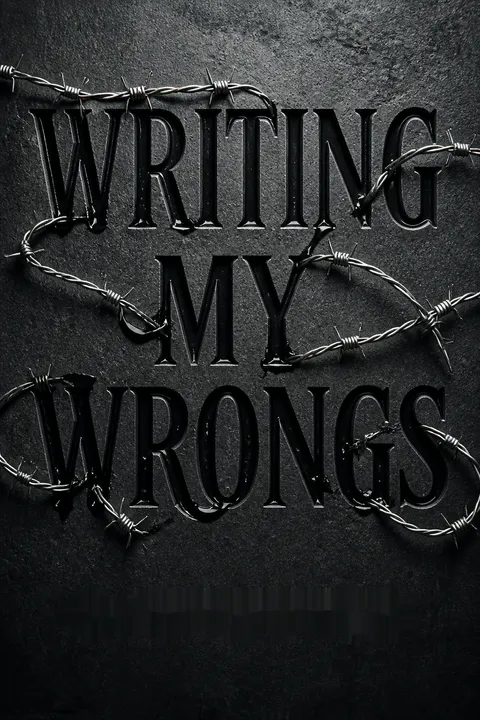
Writing My Wrongs is a memoir of transformation, but its deepest claim is not that anyone can erase a terrible act through self-improvement. Senghor’s story insists that a person can become more than the worst thing he has done, while refusing to pretend that change restores what violence destroyed. The narrative moves between the boy recruited into Detroit’s crack economy, the young man who kills, the prisoner shaped by racial conflict and institutional violence, and the adult who tries to repair harm through family responsibility and community work. Its nonlinear structure makes those selves feel connected rather than neatly replaced.
The memoir’s most productive tension is between agency and circumstance. Family instability, childhood abuse, neighborhood violence, racism, and prison conditions help explain how Senghor came to understand fear as a reason to carry a gun. They do not make the killing inevitable or absolve him. Equally, personal accountability is not presented as proof that structural conditions are irrelevant. The book repeatedly shows how institutions can demand rehabilitation while withholding programs, separating people from family, and preserving incentives for conflict.
Reading and writing function as tools of self-interpretation, not magic cures. Senghor’s journals help him catch the stories anger tells and question whether they justify retaliation. His reading gives him history and belonging, but prison organizations can turn belonging into another justification for violence. That contradiction makes the account more persuasive than a clean conversion narrative: growth involves revising not only one’s self-image, but also the ideas and loyalties used to defend harmful behavior.
The memoir is also one person’s testimony, not a complete account of Detroit, Black life, or the prison system. Its experiential evidence offers moral and human detail, not a substitute for population-level research or policy analysis. Its contribution is to make those abstractions harder to keep at a distance. Redemption here is not a verdict awarded by the narrator. It is a demanding practice of honesty, responsibility, and service, carried out alongside consequences that remain.
Review Summary
Writing My Wrongs is a powerful memoir that offers insight into the American prison system and one man's journey of redemption. Readers praise Senghor's honest, engaging writing style and his ability to provide a human face to the incarcerated. The book alternates between his life on the streets and his time in prison, exploring themes of forgiveness, self-discovery, and the power of literacy. While some found the non-linear narrative challenging, most reviewers were deeply moved by Senghor's story and its implications for criminal justice reform.
People Also Read


Glossary
Melanic Islamic Palace of the Rising Sun
African-centered prison religious groupA spiritual organization Senghor encountered and joined in Michigan prisons. Its members drew on African-centered ideas and used multiple religious and political texts, including the Bible and Quran. The group offered discipline, cultural identity, study, and mutual support, while also participating in the conflicts and retaliatory violence of prison life.
building
Group study and discussionThe term Senghor and fellow prisoners used for sessions intended to develop members’ spiritual and cultural understanding. Participants discussed ideas, challenged one another, and considered how to shape their lives around principles such as reciprocity, compassion, and respect. The word frames learning as constructing a different way of living, rather than simply memorizing material.
weapons of ass destruction
Feces-filled prison projectilesA crude prison slang term for bottles or other containers filled with feces and used to attack inmates or officers. Senghor describes these weapons as part of the extreme conflicts that developed in solitary confinement. The term captures how deprivation, hostility, and improvised violence could turn bodily waste into a weapon within the cellblock.
Assaultive Offender Program (AOP)
Violence-focused group therapyA ten-month group therapy program required for prisoners with assaultive cases who were seeking parole. Senghor used the program to examine the thinking and reactions behind past violence, and to practice empathy and accountability. Access was limited, however, and delays in placement complicated his parole process even though completing the program was treated as important to release.
cook up
Shared prison food mixtureA meal prisoners prepared by combining available foods, including instant noodles, cheese, summer sausage, pickles, chili, and nachos. Senghor describes sharing a cook up as a way for members of his group to supplement the prison meals and eat together. It also illustrates how inmates created small routines of cooperation within a tightly controlled environment.
FAQ
What's Writing My Wrongs about?
- Personal Journey of Redemption: The book chronicles Shaka Senghor's transformation from a young man involved in crime to a reflective individual seeking redemption while incarcerated.
- Life in Prison: Senghor provides a raw depiction of his experiences in various correctional facilities, highlighting the brutality and psychological toll of prison life.
- Forgiveness and Healing: A central theme is Senghor's journey toward forgiveness, emphasizing the importance of confronting one's past for personal growth and healing.
Why should I read Writing My Wrongs?
- Inspiring Transformation: Senghor's story is a powerful testament to the possibility of change and redemption, making it a compelling read for those interested in personal growth.
- Insight into the Prison System: The book offers a unique perspective on the American prison system, shedding light on the realities faced by inmates.
- Emotional Depth: Senghor's writing is deeply emotional and relatable, encouraging empathy and understanding for those affected by crime and incarceration.
What are the key takeaways of Writing My Wrongs?
- Power of Forgiveness: Senghor emphasizes that forgiveness is essential for personal healing, stating, "Forgiveness wasn’t only about letting other people off the hook. It was about me."
- Responsibility for Actions: The book teaches that individuals must take responsibility for their choices and the consequences that follow.
- Importance of Community: Senghor highlights the significance of support systems and community in the journey toward redemption.
What are the best quotes from Writing My Wrongs and what do they mean?
- "The unexamined life is not worth living.": This quote underscores the importance of self-reflection and understanding one's actions.
- "I had to forgive myself.": This statement reflects Senghor's realization that self-forgiveness is crucial for moving forward.
- "I was responsible for my thoughts and the feelings that they produced.": Senghor acknowledges that he has control over his mindset and reactions.
How does Writing My Wrongs address the theme of violence?
- Cycle of Violence: Senghor discusses how violence is often a learned behavior in marginalized communities.
- Consequences of Violence: The book illustrates the devastating impact of violence on individuals and families.
- Desire for Change: Senghor's narrative conveys a desire to break the cycle of violence, using his story to educate and inspire others.
What role does family play in Writing My Wrongs?
- Impact of Family Dynamics: Senghor reflects on his childhood and the influence of his family on his choices.
- Connection with Children: The book emphasizes Senghor's longing to be a present father for his children.
- Support and Love: Despite challenges, Senghor's family remains a source of motivation for him.
How does Senghor’s writing style contribute to Writing My Wrongs?
- Vivid Storytelling: Senghor employs a raw and honest narrative style that immerses readers in his experiences.
- Introspection and Reflection: The writing is reflective, allowing readers to witness Senghor's internal struggles and growth.
- Authenticity: Senghor's voice is authentic and unfiltered, adding to the book's emotional weight.
What specific methods does Senghor use to cope with his time in prison?
- Writing as Therapy: Senghor turns to writing as a means of self-expression and healing.
- Forgiveness Exercises: He engages in exercises focused on forgiveness, both for himself and others.
- Building Community: Senghor emphasizes the importance of forming connections with other inmates.
How does Writing My Wrongs explore the concept of identity?
- Struggle with Self-Perception: Senghor grapples with his identity as a young Black man in America.
- Transformation Through Adversity: The book illustrates Senghor's journey of redefining his identity through personal growth.
- Cultural Heritage: Senghor's exploration of Black history and culture plays a significant role in shaping his identity.
What impact did Writing My Wrongs have on readers and communities?
- Raising Awareness: The book has sparked conversations about the prison system and the importance of rehabilitation.
- Inspiring Change: Senghor's story has motivated individuals to seek personal transformation and engage in community service.
- Fostering Empathy: By sharing his experiences, Senghor cultivates empathy and understanding for those affected by crime and incarceration.
What challenges does Senghor face during his time in prison?
- Isolation and Loneliness: Senghor describes the profound loneliness of solitary confinement and its impact on his mental health.
- Violence and Conflict: The book details the constant threat of violence in prison, including stabbings and assaults.
- Systemic Barriers: Senghor faces numerous systemic challenges, including the difficulty of obtaining parole.
How does Writing My Wrongs explore the concept of redemption?
- Personal Accountability: Senghor emphasizes the importance of taking responsibility for one’s actions as a crucial step toward redemption.
- Forgiveness as a Tool: The book illustrates how forgiveness can lead to healing and transformation.
- Community Support: Senghor’s redemption is supported by the relationships he builds with others, including mentors and family.
Download PDF
Download EPUB
.epub digital book format is ideal for reading ebooks on phones, tablets, and e-readers.








