

Key Takeaways
Stop trying to graduate from grief; learn to carry it
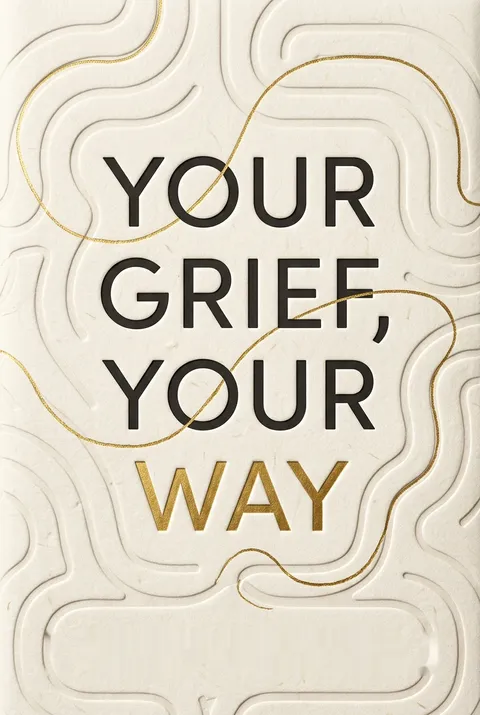
A different kind of healing. Shelby Forsythia began writing this guide after her mother died suddenly in 2013. Grief made it hard to concentrate, so she wanted brief advice that could be opened on a difficult day, not a demanding program to complete. The central idea is that healing does not mean erasing grief or returning to the person you were before. It means making room for loss in the life you have now.
Keep the format flexible. Read in order, skip around, try an exercise, or leave one aside. The book treats grief as an experience to live through, not a problem with a finish line. A memory may bring warmth one day and a fresh ache the next. Both belong.
What's distinctive is the book's refusal to turn recovery into a performance. That stance aligns with the continuing-bonds view of bereavement, which understands a relationship with someone who died as something that can change form rather than simply end. It also resists the false choice between remembering and rebuilding. Still, accepting grief as a lasting companion should not be confused with accepting unrelenting distress as inevitable. Persistent suffering that disrupts daily life can merit professional care, not just more patience.
Let your grief set its own pace, not the calendar
There is no standard route. Forsythia challenges the idea that grief follows a tidy sequence or should be finished within a year. Denial, anger, bargaining, depression, and acceptance are better understood as emotional categories a person may move among, rather than checkpoints reached in order. Grief can feel intense after a quiet stretch, or surprisingly calm in the middle of a difficult period.
Notice, do not grade. The book suggests keeping a simple daily log, rating grief from 1 to 10, to record how its intensity changes. The purpose is not to produce a downward trend. It is to see that a hard day does not prove that healing has failed, and a lighter day does not mean the person who died matters less.
This approach replaces comparison with observation, a useful shift when a person is already vulnerable to judging their progress. It also resembles the dual-process model of bereavement, which describes people moving between attention to the loss and attention to ordinary life demands. That model helps explain why apparent progress and renewed pain can alternate without contradiction. A tracking tool should remain optional, though. Numbers can create a sense of control, but for some people they may become another scorecard.
Give every feeling room, even anger, numbness, and joy
Emotion is not misconduct. Sadness does not need a silver lining, and anger can express the felt unfairness of a death. Forsythia encourages finding safe ways to release it, such as movement or loud music, rather than treating anger as proof of bad character. Tears also need no perfect explanation. The simple fact of missing someone can be reason enough.
Try feeling in small doses. If an emotion seems too large to face all at once, the book suggests setting aside five or ten minutes to sit with it, then returning attention to the room and the body. Joy can be allowed, too. Laughing or enjoying a beautiful moment does not cancel grief or betray the person who died.
The strength here is permission without a demand to feel better. In psychological terms, this resembles emotional acceptance: acknowledging an inner experience without immediately suppressing it or obeying it. That can loosen the exhausting cycle of feeling grief and then feeling ashamed of grief. The small-dose approach also matters because willingness is not the same as forcing exposure. If an exercise intensifies panic, trauma symptoms, or unsafe impulses, stopping and seeking support is a sensible response.
Count the future and your former self among your losses
Loss has more than one object. Forsythia calls the additional changes caused by a death secondary losses. They may happen immediately, gradually, or unexpectedly: a shared morning routine disappears, financial security changes, or a family custom becomes harder to remember. The loss can also reach forward, into milestones and ordinary moments the person will not share.
Grieve the changed self. A death may alter beliefs, energy, relationships, and the sense of who one is. The book invites readers to name these changes rather than treating them as personal failures. Listing what changed can make a sprawling upheaval easier to see. It also allows grief for the old life and old identity to be acknowledged alongside grief for the person who died.
Naming secondary losses gives structure to what can otherwise feel like one enormous, indistinct collapse. It is also consistent with narrative approaches to identity, where people make sense of change by identifying which parts of their life story have been disrupted. The practical value is not that every loss can be repaired; it is that each one can be noticed and responded to on its own terms. The categories should be prompts, not a complete inventory of what every bereaved person experiences.
Keep loving the dead through rituals that fit your relationship
Connection can change form. The book rejects the assumption that continuing to love someone means refusing to live. A person can remember, speak to, or honor the dead while building a future. Forsythia describes finding personal significance in repeating numbers after her mother's death. The useful lesson is not that everyone must interpret signs the same way, but that a symbol can offer a private moment of connection.
Make remembrance tangible. A ritual might be a brief daily greeting, a garden, a yearly activity, or a story shared with family. It can draw on something the person enjoyed, such as music, animals, or photography. The practice should feel meaningful to the griever, not like a memorial obligation imposed by other people.
These rituals turn remembrance from an abstract intention into a repeatable action. Research on continuing bonds similarly explores how relationships with deceased loved ones can persist through memories, practices, and inner conversation. The book's personal approach is a strength: a ritual is not required to be public or religious to matter. Its examples of signs are best understood as optional sources of comfort, rather than evidence that should be accepted as fact. Personal meaning need not be universal to be real.
Make grief manageable with tiny structures, not grand resolutions
Shrink the time horizon. When imagining an entire future feels impossible, Forsythia suggests focusing on the next minute, then the next hour, or simply getting from one meal to another. Small steps are not a lesser form of progress; they make an overwhelming present more navigable. A short walk, a ten-minute grief practice, or a brief daily ritual can also provide some choice in a life changed without consent.
Borrow support for the brain. Grief can bring forgetfulness, poor concentration, and a warped sense of time. The book recommends alarms, notes, simple meal planning, and asking another person to double-check dates. These are practical accommodations, not signs of incompetence. When energy is scarce, protecting essential tasks and declining optional demands can help preserve capacity.
This is a strong example of adapting the environment to a temporarily overloaded mind. Cognitive offloading, such as using reminders rather than relying on memory, is a practical principle across education and human-computer interaction. The book also links action to agency: small choices can restore a sense of influence without pretending anyone can control the loss. The caution is that structure should support, not police, the griever. A missed walk or forgotten appointment is not evidence of insufficient effort.
Ask for witnesses, not fixes, and be specific about help
Presence can matter more than advice. Friends may care deeply and still reach for platitudes, solutions, or silence because they do not know how to respond. Forsythia distinguishes sympathy, which acknowledges pain from the outside, from empathy, which recognizes the pain without trying to remove it. Grief groups can offer a place to tell the story without translating every feeling for someone unfamiliar with loss.
Make support easier to give. Instead of waiting for others to guess what is needed, ask for a walk, company without conversation, or help with a particular errand. A person can also say that listening would help more than advice. Some friendships may need time or distance; the book encourages keeping close the people who show up without judgment.
The distinction between care and competence is important: a loved one may want to help but lack the language or confidence to do so. Specific requests reduce guesswork and give a supporter a concrete way to respond. This also recognizes that support is relational, not a service delivered on demand; friends have limits, and requests can include permission to decline. Grief-specific communities add another option, especially when a person's usual circle cannot understand the particular circumstances of a loss.
Let meaning and joy be invitations, never duties
Do not force a silver lining. Forsythia argues that loss is not automatically a lesson, a blessing, or a route to becoming stronger. Meaning, if it emerges, belongs to the person grieving. One exercise is to try a thought beginning with “maybe,” such as the possibility that an experience might connect someone to others, while leaving open the possibility that it means nothing at all.
Let good moments count. Happiness, laughter, and beauty can return without erasing sorrow. The book suggests noticing very small sources of life, from a pet's presence to a pleasant moment outside. Acceptance does not mean liking what happened; it means recognizing that the death is real. A person can acknowledge that fact without feeling peaceful about it.
The refusal to prescribe growth is ethically important. Research and popular language about post-traumatic growth can help some people describe change, but they can also make suffering sound useful or obligatory. Forsythia preserves the griever's authority over interpretation. The invitation to notice small positive moments is gentler than gratitude demanded from outside, because it does not require a cheerful account of the loss. It is equally important that a person be allowed not to find meaning or beauty on a particular day.
Build safety first; seek expert help when grief overwhelms daily life
Create room to cope. The book recommends identifying safe places, trusted people, and a short list of daily necessities. Someone might step into a quiet stairwell at work, ask a friend to stay on the phone, or leave a social gathering early. These choices make space for grief without requiring a person to explain everything in public. They are especially useful when concentration, sleep, or ordinary responsibilities are strained.
Know when self-help is not enough. Forsythia notes that grief can affect mood, thinking, the body, and existing mental health conditions. If distress makes it hard to work, sleep, or connect with others, a clinician experienced in grief or trauma may help. The book is not a substitute for diagnosis or treatment. If there is immediate danger or suicidal intent, contact emergency services or a crisis professional.
The book's exercises are deliberately accessible, but accessibility should not blur the line between comfort and clinical care. Grief is not itself proof of illness, while severe or persistent impairment deserves attention rather than a moralized demand to cope better. The emphasis on safe places and trusted people is useful because support can begin before a formal appointment. Crisis needs require more immediate help than a reflective prompt can provide, so this boundary is a necessary part of responsible self-help.
Analysis
Your Grief, Your Way is best understood as a pocket companion, not a theory of bereavement or a step-by-step recovery plan. Its calendar-like form offers short reflections and practical experiments, but the author explicitly permits readers to ignore the calendar. That design fits the problem it addresses: bereavement can disrupt concentration, memory, energy, and a person's sense of time. The book's most coherent argument is that grief cannot be defeated by willpower. It can be acknowledged, expressed, shared, and incorporated into daily life.
The strongest material is concrete and nonprescriptive. It gives readers language for anger, numbness, guilt, shifting identity, and the losses that follow the death itself. It offers modest tools such as alarms, brief rituals, memory prompts, and scripts for asking friends for support. These are not cures. Their value is that they make an unmanageably large experience a little more addressable. The continuing relationship with the deceased is another useful corrective to the expectation that healing requires detachment or forgetting.
The book's warmth is also its main limitation. It presents many possible exercises, symbols, and interpretations, and an overwhelmed reader may not know which one to try. Some practices, including guided visualization, deliberate contact with triggers, or interpreting coincidences as signs, will not suit everyone. The author repeatedly says to discard what does not fit, and the book's opening disclaimer matters: professional treatment may be needed. A reader should not mistake persistent impairment or immediate danger for a failure to use the exercises correctly.
The deeper value lies in its change of question. Instead of asking how to stop grieving, readers are invited to ask what support, boundaries, and rituals make living possible today. That shift honors both the permanence of love and the variability of pain, without claiming that either can be put on a schedule.
Review Summary
Your Grief Your Way receives overwhelmingly positive reviews, with readers praising its accessible format and comforting approach to grief. Many appreciate the daily prompts, practical exercises, and diverse perspectives offered. Reviewers find the book helpful for navigating various types of loss, with several mentioning its usefulness during personal grief experiences. The author's compassionate tone and emphasis on individual grief journeys are frequently highlighted. Some readers note the book's flexibility, allowing them to engage with it in ways that suit their needs during difficult times.
People Also Read




Glossary
secondary losses
losses surrounding the deathChanges that occur in addition to the death of a loved one. They may be immediate, gradual, or unexpected, and can include disrupted routines, changes in finances or relationships, altered beliefs, and the loss of imagined future experiences. Naming these losses can help a griever recognize that one death may unsettle many parts of life.
grief brain
grief-related cognitive strainForsythia's term for common cognitive difficulties after a loved one's death, including forgetfulness, trouble concentrating, racing thoughts, and mental fog. The book describes these experiences as part of grief, not proof that a person is incapable. It recommends external reminders and help from others when memory or attention is unreliable.
griefiversary
a loss-related anniversaryA date connected to a loved one's death or to an important shared milestone, such as a birthday or anniversary. Such dates may bring a stronger wave of grief or physical distress. Forsythia suggests planning around them and, when possible, allowing time off or choosing a personally meaningful way to remember.
grief time
grief-distorted sense of timeForsythia's description of how time can feel altered during grief. Months may seem to pass quickly while a short interval feels endless, and people may lose track of dates or appointments. The term normalizes this disorientation and supports practical aids such as alarms and advance reminders.
1 percent rule for grief
a lasting share of griefForsythia's image for the idea that some grief may remain even during a joyful or successful life. The percentage is figurative, not a measurement. It gives readers permission to experience happiness without expecting to feel entirely free of sorrow or to regard lingering grief as evidence that joy has failed.
emotional validation
acknowledging feelings as understandableA practice of responding to one's own emotions with recognition rather than dismissal or correction. Forsythia encourages a person to notice a feeling, understand why it makes sense in context, and offer oneself compassion. It is not the same as agreeing with every thought or trying to make distress disappear.
access points
chosen routes into griefSongs, films, scents, or other experiences that a person deliberately uses to reconnect with feelings of grief. Forsythia suggests identifying such prompts for times when someone feels emotionally stuck or has had little space to mourn. They are optional tools, and a person can avoid them when the emotional effect feels too intense.
keening
vocal expression of mourningA form of vocal lament, such as wailing or crying out, that Forsythia presents as an ancient way to express grief. It may help when ordinary language cannot convey the intensity of pain. The book recommends finding a safe, private place to do it, rather than treating public composure as the only acceptable response.
FAQ
What's "Your Grief, Your Way" about?
- Purpose: "Your Grief, Your Way" by Shelby Forsythia is a guide designed to help individuals navigate the complex emotions and experiences following the death of a loved one.
- Structure: The book is organized as a daily guide with dated entries, offering quotes, reflections, and practical tips for processing grief.
- Flexibility: Readers are encouraged to use the book in a way that suits them, whether by following it daily or jumping to sections that resonate with their current feelings.
- Content: It includes quotes about grief, reflections on those quotes, and practical exercises like meditations, journaling prompts, and actions to help manage grief.
Why should I read "Your Grief, Your Way"?
- Supportive Companion: The book acts as a supportive companion for those experiencing grief, offering comfort and guidance through a difficult time.
- Practical Advice: It provides practical tips and exercises that can be easily integrated into daily life to help manage and process grief.
- Empathy and Understanding: Shelby Forsythia shares her personal experiences and insights, creating a sense of empathy and understanding for readers.
- Non-Prescriptive Approach: The book emphasizes that there is no right or wrong way to grieve, allowing readers to find their own path through their grief journey.
What are the key takeaways of "Your Grief, Your Way"?
- Individual Grief Journey: Grief is a personal experience, and there is no one-size-fits-all approach to healing.
- Daily Practices: Incorporating daily practices like journaling, meditation, and mindfulness can aid in processing grief.
- Community and Support: Finding a community or support group can provide comfort and understanding from others who have experienced similar losses.
- Acceptance and Growth: Acceptance of grief as a part of life can lead to personal growth and resilience over time.
How does Shelby Forsythia suggest dealing with grief in "Your Grief, Your Way"?
- Daily Reflections: Engage with daily reflections and quotes to gain new perspectives on grief.
- Practical Exercises: Use practical exercises such as journaling prompts and meditations to process emotions.
- Flexibility in Healing: Allow yourself to grieve in your own way, without adhering to a strict timeline or method.
- Community Engagement: Seek out support groups or communities to share experiences and find solidarity.
What are some of the best quotes from "Your Grief, Your Way" and what do they mean?
- "Grief is a story that must be told, over and over." This quote emphasizes the importance of sharing one's grief story to process emotions and connect with others.
- "Death ends a life, not a relationship." It highlights the idea that the bond with a loved one continues even after their physical presence is gone.
- "Grief is never something you get over." This quote suggests that grief is a lifelong journey, and the goal is to integrate it into one's life rather than eliminate it.
- "Resilience is not a fixed personality trait. It’s a lifelong project." It underscores the idea that resilience can be developed and strengthened over time through the experience of grief.
What practical tips does "Your Grief, Your Way" offer for managing grief?
- Mantras and Affirmations: Create personal mantras to ground yourself during overwhelming moments.
- Physical Movement: Engage in physical activities like walking to boost mood and provide a sense of movement in life.
- Storytelling: Share your grief story with others to solidify your new reality and connect with those who understand.
- Mindful Practices: Incorporate mindfulness exercises, such as meditation and deep breathing, to manage stress and anxiety.
How does "Your Grief, Your Way" address the concept of resilience?
- Resilience as a Skill: The book views resilience as a skill that can be developed over time, not an innate trait.
- Daily Progress: Encourages readers to recognize small daily achievements as steps toward building resilience.
- Reflection and Growth: Suggests reflecting on personal growth and changes since the loss to acknowledge resilience.
- Long-Term Perspective: Emphasizes that resilience is a lifelong project, continually evolving with each experience.
What exercises does Shelby Forsythia recommend in "Your Grief, Your Way"?
- Journaling Prompts: Use journaling to explore emotions and document the grief journey.
- Meditation Practices: Engage in short meditations to center yourself and find peace amid chaos.
- Physical Activities: Incorporate daily walks or other physical activities to improve mood and outlook.
- Creative Expression: Explore creative outlets like art or music to express emotions that are difficult to verbalize.
How does "Your Grief, Your Way" suggest finding meaning after loss?
- Personal Reflection: Reflect on personal growth and changes since the loss to find meaning in the experience.
- Community Involvement: Engage with communities or support groups to share experiences and find collective meaning.
- Legacy and Memory: Honor the memory of the loved one through rituals or activities that celebrate their life.
- Open-Ended Exploration: Use the word "maybe" to explore potential meanings without pressure to find definitive answers.
What role does community play in "Your Grief, Your Way"?
- Shared Experiences: Community provides a space to share grief stories and find solidarity with others who understand.
- Support Networks: Encourages building a support network of friends, family, and fellow grievers for emotional support.
- Validation and Empathy: Community offers validation and empathy, helping individuals feel seen and heard in their grief.
- Resource Sharing: Communities can be a source of resources and advice for navigating the grief journey.
How does "Your Grief, Your Way" address the concept of acceptance?
- Acceptance as a Process: Acceptance is framed as an ongoing process rather than a final destination.
- Living with Grief: Encourages integrating grief into daily life rather than trying to eliminate it.
- Future-Oriented: Acceptance involves looking forward and finding ways to live meaningfully after loss.
- Personal Timeline: Emphasizes that acceptance happens on a personal timeline, unique to each individual's journey.
What resources does "Your Grief, Your Way" provide for further support?
- Online Communities: Lists websites like The Compassionate Friends and The Grief Recovery Method for finding support.
- Books on Grief: Recommends books such as "It’s OK That You’re Not OK" by Megan Devine for further reading.
- Therapy Options: Suggests online therapy platforms like BetterHelp for professional support.
- Workshops and Courses: Mentions workshops and courses from organizations like Refuge in Grief for guided support.
Download PDF
Download EPUB
.epub digital book format is ideal for reading ebooks on phones, tablets, and e-readers.








