

Key Takeaways
Treat attention problems as clues to investigate, not a diagnosis by themselves.
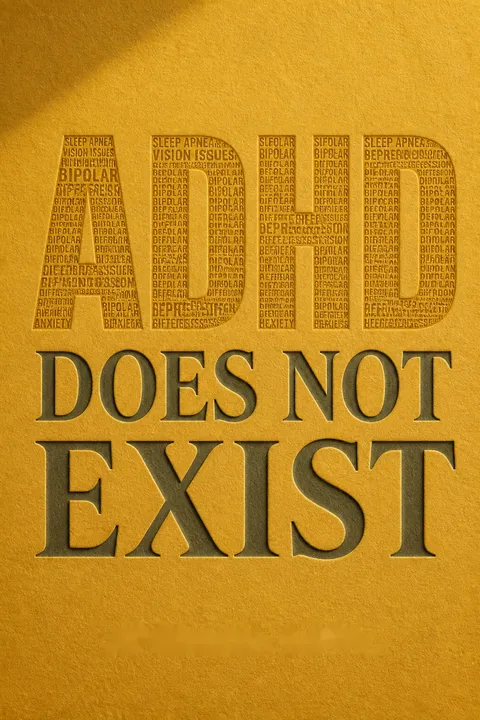
Symptoms are not explanations. Richard Saul’s central argument is that distractibility, restlessness, and impulsivity are real difficulties, but the ADHD label describes those behaviors without identifying their cause. He compares this to treating chest pain as though it were a disease rather than looking for what is wrong with the heart. In his clinical practice, he says, many people referred for ADHD had other conditions that better explained their symptoms, while some had no diagnosable disorder.
The argument is deliberately provocative. Saul points to the rapid rise in diagnoses, including an estimate that 11 percent of US school-age children had received an ADHD diagnosis by 2011-12. He sees this as evidence of an overly broad label and rushed evaluations. Rising numbers alone, however, cannot establish that the diagnosis is invalid or that most cases are mistaken.
The valuable distinction here is between observing a pattern and explaining it. A checklist can describe what is happening without settling why. That distinction encourages better clinical questions and guards against treating a label as a complete account of a person. But many legitimate medical diagnoses are defined partly by recurring symptoms, even when causes vary. Finding several possible contributors to inattention does not, by itself, show that ADHD is unreal. The book’s strongest contribution is its demand for careful assessment; its sweeping conclusion goes much further than that useful demand supports.
A symptom checklist cannot tell you what is causing a child's distraction.
Checklists have limits. The manual Saul discusses lists 18 behaviors in two groups: inattention and hyperactivity-impulsivity. Under its criteria, a child could qualify through a minimum number of symptoms, provided they began during childhood, appeared in more than one setting, and impaired functioning. Saul objects that judgments such as what counts as excessive talking or disorganization can be subjective, and that a quick checklist may overlook other explanations.
Use manuals as guides. Saul describes successive editions of the diagnostic manual changing the age cutoff, symptom threshold for adults, and impairment language, arguing that these revisions broadened the pool of people eligible for diagnosis. His practical point is not to diagnose from a form, but to combine symptom reports with a developmental history, observations from more than one setting, and examination of plausible alternatives.
A checklist is best understood as a screening instrument, not a verdict. The same behavior can mean different things depending on a child’s age, demands, and environment, so a clinician needs context as well as symptom counts. Yet subjectivity is not unique to ADHD, and changing criteria do not automatically make a diagnosis arbitrary. Formal criteria can improve consistency when paired with clinical judgment. The central safeguard is to ask whether the pattern is persistent, developmentally unusual, and meaningfully impairing, rather than treating a score as a complete explanation.
Notice where attention fails; context can expose the real obstacle.
Patterns point toward causes. Several cases turn on where the difficulty appears. Seven-year-old Aviva disrupted class when pupils copied words from the board, but focused in one-to-one lessons. An eye exam found that she was nearsighted and could not see the board clearly; glasses improved her classroom behavior. Nine-year-old Thom was attentive at home but struggled with spoken lessons at school. Testing found significant hearing loss, and hearing aids improved both his learning and his behavior.
Specific tasks matter too. Ellen read smoothly but could not explain what she had read. Testing identified a reading-comprehension difficulty, and targeted instruction helped her participate without disrupting classmates. Bhavik acted out mainly during material he had already mastered. A more advanced math class gave him an appropriate challenge without moving him up a whole grade.
Context works like a diagnostic clue because it reveals what the person is being asked to process. A problem limited to reading, lectures, or a particular classroom can suggest a mismatch between the task and the person’s access, skill, or level of challenge. This is also a useful reminder for teachers: behavior may be information about an unmet need, not simply defiance. Still, improvement after an environmental change does not always prove a single cause. Good evaluation checks whether the pattern holds over time and whether other difficulties remain.
Check sleep, substances, and physical health before blaming attention alone.
The body shapes attention. Saul describes sleep loss as a frequent source of poor concentration and irritability. His patient James, a teacher, was getting only four or five hours of sleep after late-night online gaming. Reducing evening caffeine, improving his sleep environment, and limiting internet access helped his work focus. The book cites a controlled study in which people limited to six hours of sleep showed worsening attention over time.
Other causes can hide in plain sight. Saul also describes Ralph, whose falling grades and concentration problems followed escalating alcohol and marijuana use. Other cases involved iron deficiency, seasonal allergies, an overactive thyroid, and lead exposure from paint in an old house. These examples support a broad history and symptom-led medical assessment. They do not mean that every distracted person needs every possible test.
Attention is not an isolated mental function. It depends on sleep, sensory input, physical health, and the demands of the task, so checking these factors can uncover problems that a narrow behavioral assessment misses. James’s case also shows the value of asking about routines rather than relying on a patient’s initial theory. The caution is proportionality: an expansive list of possible causes can provoke unnecessary testing or alarm. Evaluation should follow specific clues, use appropriate expertise, and avoid assuming that a common symptom must signal an unusual disease.
Mood shifts, tics, compulsions, and social differences deserve distinct assessment.
Look beyond visible restlessness. Saul presents attention problems alongside conditions with very different signs. William’s changing periods of low mood and unusually elevated energy pointed toward bipolar disorder. Jeremy’s intrusive fears and repeated checking fit obsessive-compulsive disorder. Max’s early fidgeting was followed by motor and vocal tics, suggesting Tourette’s syndrome. Sara’s brief episodes of lost awareness were absence seizures, confirmed with an EEG.
Some clues require direct questions. Matt’s distraction and mumbling made more sense once he described hearing voices; further assessment identified schizophrenia. The book also discusses autism-related social differences, fragile X syndrome, and fetal alcohol syndrome, all of which can affect attention, behavior, or learning. These are not interchangeable conditions, and the examples are prompts for professional evaluation, not a checklist for readers to diagnose themselves.
This range of examples makes a practical point: similar classroom behaviors can arise from fundamentally different experiences. A child who misses instructions during a brief seizure, one absorbed in obsessive fears, and one who cannot follow a lesson because of a learning difficulty need different forms of support. That is why detailed histories and carefully chosen assessments matter. The breadth of possibilities should not obscure the need for evidence. An unusual behavior, family story, or isolated symptom is a reason to ask more, not enough to establish a diagnosis.
Treat stimulant response as an effect, never as proof of ADHD.
Medication response is not a diagnosis. Saul warns that stimulants may briefly improve alertness while leaving an underlying problem untreated. He describes common concerns such as reduced appetite, sleep disruption, anxiety, and irritability, and discusses misuse by students seeking an academic advantage. A person feeling more focused after a stimulant does not, by itself, confirm the cause of their attention problems.
Saul proposes a separate explanation. He calls his own proposed category neurochemical distractibility/impulsivity, or NDI. He attributes it to abnormal serotonin or epinephrine/norepinephrine levels and claims blood tests can identify different treatment responses. NDI is not an established diagnosis, and this claim should not be treated as a validated test or treatment pathway. The book’s stimulant warnings also do not justify stopping prescribed medication without speaking to the prescriber.
The book correctly raises a general problem in diagnosis: a treatment can affect a symptom without proving what produced it. That principle applies well beyond stimulants. Its NDI proposal, however, illustrates why a plausible-sounding biological story needs independent validation before it guides care. A blood measurement should not be assumed to represent brain chemistry or to identify a disorder merely because it correlates with behavior. Readers can take the caution about side effects seriously while recognizing that carefully monitored medication can be appropriate for some patients.
Judge symptoms by impairment, persistence, and patterns across settings.
Not every struggle is a disorder. Justin, an eleven-year-old, had occasional classroom distraction but did well in music and sports. His attention challenges were linked to boredom, social activity, and late-night phone use, not a condition found in testing. Yvette, a young adult juggling jobs and study, felt overwhelmed but was functioning; scheduling changes and returning to exercise helped her feel more in control.
Function matters. Saul argues that medical intervention is more warranted when problems persist and significantly disrupt school, work, relationships, or daily responsibilities. He also describes how age, gender expectations, school demands, and cultural assumptions can affect which behaviors adults notice and label. A child being young for their grade, for instance, may be judged against older classmates. Patterns and consequences matter more than a moment of fidgeting or a bad week.
This distinction protects ordinary variation from being medicalized while still taking serious impairment seriously. It also resists a common mistake: measuring a person only against the quietest student or most organized colleague. The more informative question is whether difficulties persist across relevant situations and interfere with goals that matter to that person. Context can explain some symptoms, but context should not be used to dismiss substantial impairment. A careful assessment makes room for both possibilities, and avoids turning normal stress into a disorder or a treatable condition into a character flaw.
Bring observations and strengths to a clinician, not an internet diagnosis.
Prepare for a fuller conversation. Saul begins with four questions: What problems concern the person most? What do others see as problems? What are the person’s strengths? What are their weaknesses? He recommends using answers as starting points, then building a fuller history that can include family observations, teacher reports, physical examination, and tests selected for the symptoms in question.
Describe patterns, not labels. Note when difficulties started, where they occur, what tasks bring them on, how sleep and health are going, and how much daily life is affected. Online questionnaires can help organize observations, but the book cautions that self-tests are screening tools, not diagnoses. Saul’s broader lifestyle suggestions include adequate sleep, exercise, nutritious food, meaningful activities, and supportive relationships. These may help, but they cannot replace assessment when symptoms are severe or persistent.
The questions about strengths are especially useful because they keep assessment from becoming a list of deficits. A clinician can learn from what a person does well, and from the settings in which they can concentrate, as much as from the places where they struggle. A concise record of triggers, timing, and consequences can make an appointment more productive than arriving with a fixed label. The book’s self-management suggestions are sensible general supports, but they should complement, not delay, professional care when functioning is seriously affected.
Analysis
The book is most useful as a challenge to diagnostic shortcutting, not as a reliable demonstration that ADHD does not exist. Its central distinction, between a set of observed behaviors and the mechanisms producing them, is clinically productive. The case narratives make that distinction memorable: a child who cannot see a classroom board, a student losing attention after curtailed sleep, or a child experiencing brief lapses of awareness may all look inattentive for different reasons. The strongest practical implication is to investigate onset, context, impairment, development, health, and competing explanations before settling on a diagnosis.
The argument overreaches when it treats causal diversity as proof that the category itself is invalid. Many recognized conditions have multiple contributing causes, and diagnostic categories can describe clinically meaningful patterns without identifying one unique mechanism. The book also draws heavily on referred clinical cases, which are selected precisely because they are complicated and often fail initial treatment. Such cases can illustrate overlooked possibilities, but they cannot establish how often ADHD is misdiagnosed in the wider population. Prevalence growth and genetic overlap likewise do not prove diagnostic error: shared risk factors and co-occurrence can reflect overlapping biology while leaving distinct clinical patterns.
A further concern is the proposed neurochemical distractibility/impulsivity diagnosis. The author's blood-based serotonin and catecholamine claims are not established clinical criteria, and peripheral blood measurements should not be presented as direct measures of neurotransmitter function in the brain. The book’s 2014-era account should therefore be read with particular caution around diagnosis and treatment. Contemporary clinical practice recognizes ADHD as a neurodevelopmental disorder, while also requiring consideration of other conditions and sources of impairment. The most balanced reading preserves the book’s call for thorough differential assessment, rejects its categorical denial of ADHD, and treats its cases as prompts for questions rather than templates for self-diagnosis. Patients should not stop or change prescribed treatment without consulting their clinician.
Review Summary
ADHD Does Not Exist received mixed reviews, with many readers criticizing the author's provocative title and contradictory arguments. Some praised the book for highlighting potential misdiagnoses and overmedication, while others felt it downplayed the reality of ADHD. Reviewers noted the author's reliance on anecdotal evidence and questioned his proposal of a new disorder. Many found the writing repetitive and boring. Some readers appreciated the discussion of alternative diagnoses, but overall, the book's reception was lukewarm due to perceived logical fallacies and lack of scientific rigor.
People Also Read









Glossary
Neurochemical Distractibility/Impulsivity
Author-proposed chemical explanationSaul's proposed term for attention and impulsivity symptoms he attributes to abnormal serotonin or epinephrine/norepinephrine levels. He claims blood testing can distinguish patterns and help select medication. The term is not an established diagnosis, and the book's proposed blood-test interpretation should not be taken as a validated clinical method.
Comorbidity
Co-occurring diagnosesA clinical term for two or more diagnoses present in the same person at the same time. Saul argues that conditions described as co-occurring with ADHD may instead be the primary explanation for attention symptoms. The term itself does not establish whether one diagnosis causes another, or whether both are independently present.
Sleep hygiene
Habits supporting sleepPractices and environmental conditions intended to support adequate, regular sleep. In the book, examples include limiting late-day caffeine, reducing evening screen use, making the bedroom dark and quiet, and keeping a consistent schedule. Saul presents improved sleep habits as one way to address attention problems associated with insufficient or disrupted sleep.
Sleep debt
Accumulated unmet sleepThe growing gap between the amount of sleep a person gets and the amount they need. Saul argues that routinely sleeping too little can impair attention and other cognitive abilities, and that occasional extra sleep on weekends may not fully make up for repeated nightly shortfalls.
Exposure and response prevention
OCD treatment methodA form of cognitive-behavioral therapy for obsessive-compulsive disorder. A person gradually encounters a feared thought, object, or situation while practicing not performing the ritual used to reduce anxiety. The approach is intended to help weaken the link between obsession, distress, and compulsion, and is described in the book as a common treatment.
Individualized Education Program
Customized school support planA formal school plan that sets educational objectives and supports tailored to a student's assessed needs. The book describes using these plans for students with learning disabilities and other developmental needs, including specialized instruction, tutoring, or classroom accommodations. The specific services depend on the student's evaluation and educational setting.
FAQ
What's ADHD Does Not Exist about?
- Core Argument: Richard Saul argues that ADHD, as currently defined, does not exist as a standalone disorder. Instead, symptoms are often manifestations of other underlying conditions.
- Misdiagnosis Focus: The book highlights the dangers of misdiagnosing ADHD, which can lead to inappropriate treatments and overlook the real issues affecting individuals.
- Call for Awareness: Saul aims to provoke a deeper understanding among practitioners and the public about attention-related symptoms and their true causes.
Why should I read ADHD Does Not Exist?
- Challenging Conventional Wisdom: The book encourages readers to rethink their understanding of attention-related disorders by challenging widely accepted beliefs about ADHD.
- Practical Insights: It provides insights into various conditions that can mimic ADHD symptoms, offering a broader perspective on diagnosis and treatment.
- Empowerment for Patients: Readers will gain knowledge that can help them advocate for themselves or their loved ones in seeking appropriate care.
What are the key takeaways of ADHD Does Not Exist?
- ADHD Misdiagnosis: Many individuals diagnosed with ADHD may actually have other conditions, such as mood disorders, learning disabilities, or sensory processing issues.
- Comprehensive Evaluation Importance: A thorough evaluation is crucial for accurate diagnosis, as quick assessments can lead to misdiagnosis and ineffective treatment.
- Treatment Focus: Effective treatment should target the underlying conditions rather than relying on stimulant medications that may not address the root cause of symptoms.
What are the best quotes from ADHD Does Not Exist and what do they mean?
- “Listen to the patient, and they will give you the diagnosis.”: Emphasizes the importance of patient history and symptoms in making accurate diagnoses, rather than relying solely on standardized checklists.
- “ADHD, as we currently define it, does not exist.”: Encapsulates the book's central thesis, challenging the legitimacy of ADHD as a distinct disorder and advocating for a reevaluation of how we understand attention-related symptoms.
- “Treatment delayed is treatment denied.”: Highlights the consequences of misdiagnosis, stressing that failing to identify the true underlying condition can lead to a lack of appropriate care.
How does Richard Saul define ADHD in ADHD Does Not Exist?
- Not a Standalone Disorder: Saul argues that ADHD is not a distinct disorder but rather a collection of symptoms that can arise from various underlying conditions.
- Symptoms Overlap with Other Conditions: Symptoms such as inattention and hyperactivity can be present in many disorders, complicating the diagnosis and treatment of ADHD.
- Need for Comprehensive Evaluation: Emphasizes the necessity of thorough evaluations to identify the true causes of attention-related symptoms, preventing misdiagnosis.
What conditions are often mistaken for ADHD according to ADHD Does Not Exist?
- Vision Problems: Issues like myopia can lead to distractibility and impulsivity, resulting in misdiagnosis.
- Sleep Disorders: Poor sleep quality can cause significant attention deficits, which may be misinterpreted as ADHD symptoms.
- Mood Disorders: Conditions such as depression and bipolar disorder can manifest as attention-related symptoms, leading to confusion with ADHD diagnoses.
How does ADHD Does Not Exist suggest we evaluate ADHD symptoms?
- Comprehensive Assessment: Richard Saul advocates for thorough evaluations that consider a wide range of potential underlying conditions.
- Patient History Importance: Gathering detailed patient histories and observing behavior across different settings is crucial for accurate diagnosis.
- Collaboration with Specialists: Involving specialists can help identify conditions like learning disabilities or sensory processing disorders that may explain attention symptoms.
What role do stimulants play in the treatment of ADHD according to ADHD Does Not Exist?
- Temporary Relief: Stimulants may provide short-term relief for attention symptoms but do not address the underlying conditions causing those symptoms.
- Potential for Harm: The author warns that stimulant medications can lead to side effects and may exacerbate symptoms in individuals who do not have ADHD.
- Need for Alternative Treatments: Emphasizes the importance of finding appropriate treatments that target the actual underlying conditions rather than relying on stimulants.
How does ADHD Does Not Exist suggest treating attention-related symptoms?
- Holistic Treatment Approaches: Advocates for a combination of behavioral therapies, lifestyle changes, and, when necessary, medication tailored to the specific underlying condition.
- Focus on Underlying Conditions: Emphasizes treating the root causes of attention-related symptoms, such as iron deficiency or allergies.
- Behavioral Interventions: Encourages the use of behavioral modification techniques to help individuals manage their symptoms effectively.
What lifestyle changes does ADHD Does Not Exist recommend for managing symptoms?
- Healthy Diet: Advocates for a balanced diet rich in nutrients, which can positively impact attention and behavior.
- Regular Exercise: Encourages individuals to engage in regular physical activity, which can enhance mood and cognitive function.
- Stress Management Techniques: Suggests incorporating stress-reduction practices, such as mindfulness and meditation, to help individuals cope with daily challenges.
How does the author address the stigma surrounding ADHD diagnoses in ADHD Does Not Exist?
- Cultural Bias: Discusses how societal perceptions and cultural biases contribute to the overdiagnosis of ADHD.
- Encouraging Dialogue: Encourages open discussions about the validity of ADHD diagnoses and the importance of understanding the underlying causes of attention symptoms.
- Empowerment through Knowledge: Aims to empower patients and families to seek appropriate care by providing information on alternative explanations for attention-related symptoms.
What is the significance of the author's clinical experience in ADHD Does Not Exist?
- Real-World Insights: Richard Saul draws on decades of clinical experience to illustrate how many patients misdiagnosed with ADHD actually have other conditions.
- Case Studies: Includes numerous case studies that highlight the complexities of diagnosing attention-related symptoms and the importance of comprehensive evaluations.
- Advocacy for Change: His experiences serve as a call to action for practitioners to reconsider their diagnostic approaches and for patients to seek accurate diagnoses and effective treatments.
Download PDF
Download EPUB
.epub digital book format is ideal for reading ebooks on phones, tablets, and e-readers.








