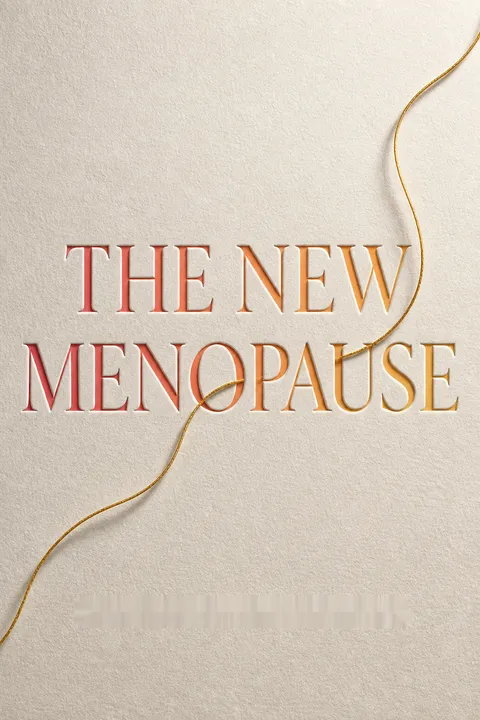


Key Takeaways
Menopause is more than hot flashes, and suffering is not inevitable.
Symptoms can travel widely. Mary Claire Haver describes women searching across specialties for explanations for brain fog, joint pain, fatigue, palpitations, sleep disruption, and changes in sexual or urinary health. Falling estrogen may contribute because estrogen receptors are found throughout the body, not only in reproductive organs. The book’s central message is that a natural transition can still disrupt health and deserves care, not automatic dismissal as aging or imagination.
A connection is not a diagnosis. Symptoms vary from person to person, and many have other possible causes. Menopause can be part of the explanation without being the only explanation. A clinician should consider the hormonal transition while also evaluating symptoms that could signal other conditions.
What's valuable here is the correction of a narrow mental picture: menopause is not simply a brief season of hot flashes. Giving unfamiliar symptoms a possible hormonal context can help patients describe patterns that otherwise look disconnected. The caution matters just as much. A broad symptom list can validate experience, but it can also encourage over-attribution if every new problem is assigned to hormones. Good care holds both ideas at once: the transition may be relevant, and persistent or alarming symptoms still need ordinary medical investigation.
Track the transition by patterns, not a one-time hormone test.
Three stages, one changing system. Perimenopause is the often unpredictable transition before the final period, commonly marked by cycle changes and fluctuating hormones. Menopause is the specific point reached after twelve months without a period. Postmenopause is the lifelong stage that follows. Symptoms can overlap across all three stages, and their timing and intensity differ widely. The book cites research finding hot flashes lasted an average of about seven and a half years, with longer averages among those whose symptoms began earlier.
History beats a snapshot. Because hormone levels fluctuate during perimenopause, a single blood, urine, or saliva test cannot reliably confirm it. Diagnosis is generally based on symptoms and menstrual history, sometimes alongside tests to rule out other causes, such as thyroid disease or anemia. A symptom journal can help show duration, frequency, and change over time.
This is a useful lesson in measurement: a snapshot can be less informative than a timeline when the underlying system fluctuates. The same logic appears in many areas of medicine, where patterns, context, and repeated observations sharpen judgment. It also explains why a normal hormone result should not, by itself, end a discussion about symptoms. Still, the absence of a definitive test does not make every symptom hormonal. A careful history and appropriate checks for competing explanations are what make pattern-based diagnosis credible.
Interpret the WHI in absolute risks, study design, and timing.
The headlines simplified a complicated trial. The Women’s Health Initiative, or WHI, tested specific hormone regimens in postmenopausal women. In the combined estrogen and progestin group, the reported annual breast cancer rate was about four cases per 1,000 women on placebo and five per 1,000 on treatment. That difference can be described as a 25 percent relative increase, while the absolute increase is much smaller. The estrogen-only group, whose participants had no uterus, did not show the same breast cancer increase, though that trial raised a stroke concern.
The sample matters. Participants averaged 63, older than the usual age of menopause, and the trial tested particular formulations. After the 2002 reports, many women stopped therapy. The book argues that media coverage underplayed these details and that results should not be generalized to every patient or product.
Absolute risk helps answer the question patients usually mean to ask: how many additional people experience an outcome? Relative risk is not inherently deceptive, but without the baseline it can make a small change sound enormous. Study design matters too. A randomized trial can establish effects for the regimen and population tested, but it cannot automatically answer every question about different ages, doses, or formulations. The strongest reading is neither panic nor reassurance by slogan. It is a demand for risk figures and evidence that match the person and treatment under discussion.
Choose hormone therapy by personal risk, timing, route, and uterine status.
There is no universal prescription. The book presents menopausal hormone therapy, or MHT, as an effective option for many symptoms, especially hot flashes, while stressing individual assessment. It highlights a possible therapeutic window: for healthy people younger than 60 and within ten years of menopause, guidance cited in the book says benefits may outweigh risks. Starting much later can change that balance, particularly for cardiovascular or cognitive concerns. The timing hypothesis is the idea that effects may differ depending on how close treatment begins to menopause.
The details change the decision. Someone with a uterus generally needs a progestogen alongside systemic estrogen to protect the uterine lining. Estrogen can be delivered through the skin, by mouth, or locally in the vagina; route can affect risks such as clotting. FDA-approved products offer standardized dosing, while compounded preparations have less consistent oversight. Personal history and contraindications require discussion with a qualified clinician.
The useful move is from asking whether hormones are simply good or bad to asking which treatment, for whom, and at what point. That is a more clinically meaningful question because dose, route, uterine status, and medical history alter the risk-benefit picture. The book also distinguishes treatment for symptoms from broader hopes about preventing disease, a distinction worth keeping clear. Potential benefit does not establish that MHT is appropriate for everyone, and a recommendation should rest on current guidance and an individual medical assessment.
Treat estrogen loss as a health signal, not a sentence.
The transition can shift more than comfort. The book links declining estrogen with changes in bone remodeling, cholesterol, glucose regulation, brain function, body fat distribution, and muscle maintenance. It describes osteoporosis, cardiovascular disease, insulin resistance, neuroinflammation, visceral fat gain, and sarcopenia as concerns to monitor, not inevitable outcomes. For example, one cited study found visceral fat made up a greater share of total body fat after menopause than before it.
Early loss deserves attention. Menopause before age 45, premature ovarian insufficiency before 40, and surgical removal of both ovaries can mean a longer period with reduced ovarian hormones. The book argues for proactive planning in these situations, including discussing hormone treatment when appropriate and addressing bone, heart, and muscle health. Risk depends on the individual, so prevention and screening should be tailored rather than assumed.
This framing helps distinguish aging as a calendar from changes in biological systems that can be monitored. It also gives a practical reason to discuss cardiovascular and bone health even when symptoms are manageable. The nuance is essential: an association between menopause and a condition does not mean estrogen loss is its sole cause, or that hormone therapy prevents it for every person. Risk factors, medical history, and age still matter. The strongest implication is attention and prevention, rather than treating menopause as either harmless or fated to produce disease.
Build muscle and metabolic resilience with repeatable daily behaviors.
Make strength a health priority. Haver’s practical program combines resistance training with aerobic activity, rather than treating exercise only as a way to lose weight. Muscle supports strength, balance, glucose use, and independence; resistance exercise also places useful load on bone. The book recommends regular strength work and cites protein targets around 1.2 to 1.6 grams per kilogram of ideal body weight for supporting muscle in midlife and beyond.
Food and recovery count too. Its broad nutrition approach emphasizes vegetables, fruit, fiber, lean protein, healthy fats, and fewer highly processed foods and added sugars. It suggests at least 25 grams of fiber daily. Sleep, stress management, and limiting alcohol also matter because poor sleep and chronic stress can make healthy routines harder and may worsen metabolic strain. Supplements are not substitutes for food or a reason to megadose.
The shift from chasing a smaller body to protecting strength is both practical and humane. It makes function, such as carrying groceries or rising from a chair, a more meaningful measure than appearance alone. Muscle is also metabolically active tissue, so strength training connects mobility with broader health goals. Nutrition targets should still be adapted to medical needs, preferences, and access to food. The durable idea is not a perfect regimen; it is a repeatable pattern of movement, nourishment, and recovery.
Match treatment to the symptom, since evidence ranges from strong to tentative.
Different problems need different tools. For hot flashes, the book describes MHT as the most effective option for many candidates. It also lists evidence-supported nonhormonal choices, including cognitive behavioral therapy, clinical hypnosis, some antidepressants, gabapentin, and fezolinetant. For genitourinary syndrome of menopause, or GSM, which includes vaginal and urinary changes related to low estrogen, low-dose vaginal estrogen is presented as a highly effective option; moisturizers and lubricants can help with comfort but do not address the underlying tissue changes.
Evidence is uneven. The toolkit covers symptoms from sleep disruption to joint pain, tinnitus, and vertigo, but the research is not equally strong for each. The book urges readers to check persistent symptoms with clinicians rather than assume menopause is the cause, and to be skeptical of products promising a single cure. Treatment can combine medical care, lifestyle changes, and symptom-specific support.
A symptom-based toolkit is more useful than a single cure narrative because menopause affects people differently and research quality varies by complaint. The distinction between lubricants, which reduce friction during sex, and moisturizers, used regularly for dryness, is a good example of matching a tool to its job. The same evidence discipline should apply to every remedy: plausible mechanisms and testimonials do not equal proven benefit. Readers benefit most when treatment choices are ranked by evidence, safety, personal goals, and the possibility of other diagnoses.
Bring records and preferences, then make care a shared decision.
Prepare before the appointment. The book recommends recording symptoms, menstrual changes, family history, and personal treatment preferences. A symptom journal can make frequency and severity easier to explain. The Greene Scale, a questionnaire that scores common symptoms, is another way to organize concerns, though it is not a standalone diagnosis. Patients can ask about a clinician’s menopause training, familiarity with current guidance, available treatment options, and plans for managing side effects.
A dismissal is not a care plan. If a clinician refuses to discuss options or says symptoms must simply be endured, the book suggests seeking another provider, including a menopause-trained clinician or telehealth service when local access is limited. The point is not to dictate a particular treatment. It is to reach a plan that weighs symptoms, medical history, benefits, risks, and the patient’s priorities.
Preparation can make a short medical visit more productive by turning a scattered collection of symptoms into a record a clinician can assess. It also gives patients language for asking whether a treatment decision is based on their own risk profile or on a blanket rule. This is not a demand that every preference be granted; it is a demand for reasons, alternatives, and follow-up. Shared decision-making works best when clinicians bring expertise and patients bring knowledge of how symptoms affect their daily lives.
Demand menopause research and workplace support, not just another product.
Neglect has institutional roots. The book reports that in 2021, menopause research received $15 million of roughly $5 billion in United States federal funding for women’s health research. It also describes gaps in medical training and the costs of patients being sent through repeated appointments without an explanation or useful treatment. These are not merely personal frustrations: research priorities influence what clinicians know and what care becomes available.
Culture and work shape access. Surveys cited in the book found that symptoms affected concentration, confidence, and career decisions, with nearly one in five American women reporting they had quit or considered quitting because of menopause symptoms. More open conversation, manager education, flexibility, and evidence-based benefits can help. The growing market may expand options, but patients should treat sweeping product claims cautiously and ask what evidence supports them.
The book’s social argument broadens menopause from an individual health problem into a question of infrastructure: research funding, clinician education, workplace policy, and public language all shape the choices people can make. Social sharing can break isolation and reveal patterns that formal systems overlook. Yet attention alone is not reform. A commercial boom can make support more visible while also blurring education and sales. Durable progress requires transparent evidence, affordable care, and institutions that treat midlife health as routine medicine rather than a niche market.
Analysis
The book’s narrative begins with a clinician discovering that professional training had not prepared her to recognize the lives her patients were describing. Her own symptoms and the stories gathered through social media become a route into a larger critique: menopause has been narrowed to a few familiar complaints, while research, medical education, and care have lagged behind the needs of a large population. That narrative gives the book its emotional force. It frames validation not as comfort alone, but as a first step toward diagnosis and agency.
Its strongest practical contribution is to replace a false binary with a series of useful distinctions. Menopause is natural, yet symptoms may merit treatment. Hormone therapy has genuine benefits and risks, and results depend on timing, formulation, route, and the person’s health history. A symptom may be associated with menopause without being caused by it. Lifestyle habits can protect health without acting as a universal cure. These distinctions help readers ask better questions rather than accept a slogan from either a dismissive clinician or an enthusiastic marketer.
The book’s advocacy for MHT requires especially careful reading. Its discussion of the WHI usefully emphasizes absolute risk, participant age, and the specific formulations tested. But evidence about symptom relief is not identical to evidence that a medication prevents heart disease, dementia, or other chronic illness for a broad population. Readers should separate established uses from promising or contested research, and should not treat the book as a prescribing guide. The author also promotes a diet program and supplements, making clear evidence standards and disclosure particularly important in this commercial landscape.
The larger lesson is institutional. Better symptom tracking and self-advocacy can improve a patient’s encounter, but they cannot repair inadequate training or underfunded research by themselves. The most durable version of the book’s call is therefore both personal and collective: seek informed, individualized care, and expect health systems and workplaces to make that care ordinary.
Review Summary
The New Menopause receives mostly positive reviews, with readers praising its comprehensive information on perimenopause and menopause symptoms. Many appreciate the author's evidence-based approach and the helpful toolkit section. Some criticize the book for promoting the author's diet and products. Readers find the content empowering and informative, though some note it can be clinical at times. The audiobook format is less preferred due to the reference-like nature of the content. Overall, reviewers recommend it as an essential resource for women navigating this life stage.
People Also Read








Glossary
Menopausal hormone therapy (MHT)
Hormone treatment for menopauseThe book’s preferred broad term for prescribed hormone treatment during perimenopause and postmenopause. MHT may include estrogen, a progestogen, or other hormones, depending on the person’s symptoms and medical history. Products differ by dose, formulation, and delivery route. Decisions require an individualized assessment of potential benefits, risks, and, when a uterus is present, protection of its lining.
Timing hypothesis
Treatment effects depend on timingThe idea that the effects of menopausal hormone therapy may depend on how long it has been since menopause began. The book describes a potentially more favorable window for some healthy people who start before age 60 or within ten years of menopause. It cautions that later initiation may carry different risks, especially when cardiovascular disease is already present.
Perimenopause
Transition before the final periodThe extended, variable stage during which ovarian function declines and hormone levels fluctuate before menopause. It often involves changes in menstrual cycles and may bring symptoms such as hot flashes, sleep disruption, mood changes, or joint pain. Because hormone levels can vary substantially, the book says that diagnosis generally relies on symptoms and menstrual history rather than one test.
Genitourinary syndrome of menopause
Vaginal and urinary changesA collection of genital, sexual, and urinary symptoms associated with reduced estrogen after menopause. Changes can affect the vagina, vulva, bladder, and urethra, causing dryness, irritation, painful intercourse, urinary discomfort, or recurrent infections. The book describes low-dose vaginal estrogen as a leading treatment option, with moisturizers and lubricants providing additional symptom relief.
Greene Scale
Menopause symptom questionnaireA questionnaire used to record the severity of symptoms that may accompany the menopausal transition. It includes items such as hot flashes, sleep problems, anxiety, fatigue, joint pain, vaginal dryness, and urinary frequency. The book suggests completing it before an appointment to organize concerns. It can support discussion with a clinician but does not independently diagnose menopause.
Women’s Health Initiative (WHI)
Large postmenopausal health trialsA major United States research initiative that included randomized trials of hormone therapy in postmenopausal women. One trial tested combined conjugated equine estrogens and medroxyprogesterone acetate in participants with a uterus; another tested estrogen alone in participants who had undergone hysterectomy. The book emphasizes that the trials’ age groups and formulations matter when interpreting results.
Endocrinological age
Age of hormone-producing systemsThe book’s term for the aging of hormone-producing organs, especially the ovaries, considered alongside chronological age. Haver argues that ovarian aging can influence health across multiple body systems as reproductive hormone production declines. The concept is used to explain why people of the same chronological age may have different hormonal histories and why the timing of menopause can matter clinically.
FAQ
What's The New Menopause about?
- Focus on Transition: The New Menopause by Mary Claire Haver explores the hormonal changes women experience during perimenopause, menopause, and postmenopause, aiming to educate and empower them.
- Personal and Comprehensive: The author shares her own menopause journey, providing a personal narrative that connects with readers and offers a comprehensive guide with practical advice and symptom management strategies.
- Holistic Approach: The book combines medical insights with lifestyle recommendations, including nutrition, exercise, and mental health support, to help women navigate menopause effectively.
Why should I read The New Menopause?
- Empowerment Through Knowledge: The book equips women with essential information about menopause, helping them advocate for their health and understand their bodies better.
- Addressing Misconceptions: It tackles myths about menopause, emphasizing that symptoms are real and deserve attention and treatment.
- Supportive Community: The author encourages connecting with others experiencing similar challenges, fostering a sense of community and support.
What are the key takeaways of The New Menopause?
- Menopause is Inevitable: Haver emphasizes that while menopause is inevitable, suffering is not, encouraging women to seek solutions.
- Importance of Hormone Therapy: The book discusses the benefits and risks of hormone therapy, advocating for informed discussions with healthcare providers.
- Holistic Management: A comprehensive approach, including lifestyle changes, nutrition, and exercise, is recommended to manage menopause symptoms and improve health.
What are the best quotes from The New Menopause and what do they mean?
- "Menopause is not a disease": This quote highlights that menopause is a natural transition, not something to be feared or stigmatized.
- "Knowledge is power": Dr. Haver stresses the importance of being informed about menopause, empowering women to manage their health better.
- "You are not alone": This serves as a reminder that many women face similar challenges, encouraging them to seek support and share experiences.
What symptoms of menopause does The New Menopause address?
- Vasomotor Symptoms: The book discusses hot flashes and night sweats, providing strategies for managing these common symptoms.
- Emotional and Physical Changes: It covers mood swings, anxiety, depression, weight gain, and joint pain, linking them to hormonal fluctuations.
- Underreported Symptoms: Haver highlights symptoms like joint pain and migraines, emphasizing the need for awareness and proper diagnosis.
What is the significance of estrogen during menopause according to The New Menopause?
- Protective Role: Estrogen is crucial for bone, cardiovascular, and cognitive health, with its decline increasing health risks.
- Health Risks: The drop in estrogen levels can lead to osteoporosis, heart disease, and cognitive decline, underscoring the need for health monitoring.
- Hormone Replacement Therapy: HRT can help mitigate these risks by replenishing estrogen levels, with informed discussions with healthcare providers encouraged.
How does The New Menopause address hormone therapy?
- Comprehensive Overview: The book provides detailed information on hormone therapy, including types, delivery methods, and potential side effects.
- Personalized Approach: Haver emphasizes tailoring hormone therapy to the individual, considering personal health history and symptoms.
- Risks and Benefits: The book discusses the risks, such as increased cancer risk, and stresses weighing these against the benefits for informed choices.
What lifestyle changes does The New Menopause recommend?
- Nutrition Focus: An anti-inflammatory diet rich in healthy fats, lean proteins, and fiber is advocated to manage symptoms and improve health.
- Exercise Importance: Regular physical activity, including strength training and cardiovascular exercise, is essential for maintaining muscle mass and bone density.
- Stress Management: Stress reduction techniques, such as mindfulness and yoga, are highlighted to help manage symptoms and improve well-being.
How does The New Menopause suggest managing hot flashes?
- Lifestyle Modifications: Maintaining a healthy weight, regular exercise, and an anti-inflammatory diet can reduce hot flash frequency and severity.
- Hormone Therapy: MHT is discussed as a primary treatment option, with benefits and risks to be considered with healthcare providers.
- Mindfulness Techniques: Practices like meditation and deep breathing can help manage stress and reduce hot flash intensity.
What dietary changes does The New Menopause recommend?
- Anti-Inflammatory Diet: A diet rich in fruits, vegetables, whole grains, and healthy fats is recommended to alleviate symptoms and improve health.
- Increased Protein Intake: Increasing protein intake supports muscle mass and metabolic health, with specific intake recommendations provided.
- Limit Processed Foods: Reducing processed foods, added sugars, and unhealthy fats is emphasized to manage weight and reduce inflammation.
What role does exercise play in managing menopause according to The New Menopause?
- Regular Physical Activity: Exercise is crucial for managing symptoms, with both aerobic and resistance training recommended for physical health.
- Improved Mental Health: Exercise is linked to improved mood and reduced anxiety, with enjoyable activities encouraged to boost mental well-being.
- Bone Health: Weight-bearing exercises are essential for maintaining bone density, with strength training stressed to support bone health.
How does The New Menopause address mental health during menopause?
- Recognizing Challenges: The book acknowledges anxiety, depression, and mood swings, emphasizing awareness and understanding.
- Therapeutic Options: Hormone therapy and psychotherapy are discussed as options, with professional help encouraged for significant mood changes.
- Self-Care Practices: Mindfulness, stress reduction, and social support are promoted to enhance mental well-being, with self-care as important as physical health.
About the Author
Other books by Mary Claire Haver
Download PDF
Download EPUB
.epub digital book format is ideal for reading ebooks on phones, tablets, and e-readers.








