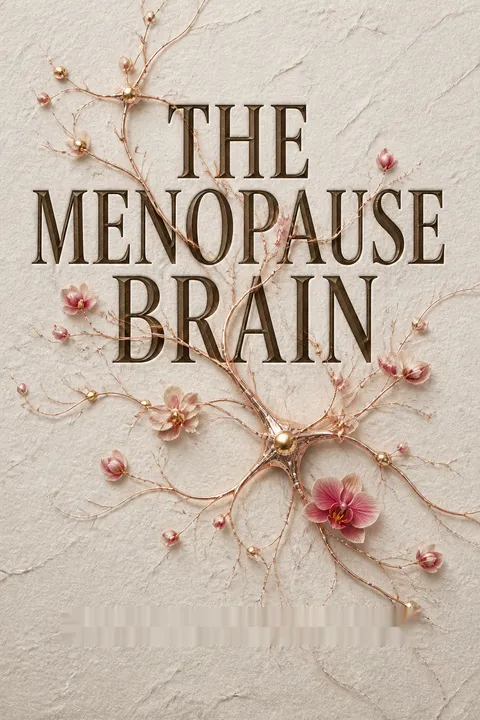


Key Takeaways
Treat brain fog and hot flashes as real signals, not personal failure.
The brain is involved. Menopause can affect temperature regulation, sleep, mood, energy, memory, and concentration. These symptoms are not proof that someone is losing her mind, nor are they imaginary: hormonal shifts affect brain systems that govern these functions. Mosconi reports that more than three-quarters of women experience brain symptoms during the transition, while hot flashes affect as many as 85 percent.
Change is measurable. In one example, a woman's PET scan showed a 30 percent drop in brain energy across eight years, from before menopause to shortly after it. That single case illustrates the kinds of changes being studied, not a universal outcome or a diagnosis of damage. The broader message is practical: name symptoms, take them seriously, and discuss them with a qualified clinician.
Validation matters because symptoms that are dismissed are less likely to be assessed or treated. It can also interrupt a damaging loop in which uncertainty becomes self-blame. The brain imaging gives a biological frame for experiences that can otherwise feel bewildering. Still, a scan is not a personal forecast: group patterns and individual trajectories differ, and imaging findings do not by themselves establish what a symptom means for one patient. Recognition should open a careful clinical conversation, not replace one.
Track menopause as a years-long transition, not a date on the calendar.
The transition has stages. Premenopause is the reproductive period. Perimenopause is the shifting interval when cycles become irregular and symptoms may begin. Menopause is confirmed only after 12 consecutive months without a period; postmenopause follows. The average age of menopause is about 51 to 52, but timing varies. Perimenopause often lasts four to eight years and can last as long as fourteen.
Different routes matter. In spontaneous menopause, ovarian function declines over time. Surgery removing both ovaries can produce a much more abrupt menopause, while chemotherapy and some other treatments can also cause ovarian function to stop. A partial hysterectomy, which removes the uterus but leaves the ovaries, stops periods but does not itself cause menopause. Blood tests rarely settle the question during perimenopause because hormone levels fluctuate.
This timeline corrects a common mismatch between clinical definitions and lived experience. A retrospective definition is useful for consistent diagnosis, but it can leave people waiting for certainty while symptoms are already disrupting daily life. Tracking cycle changes and symptoms can help make that experience legible in an appointment. The distinctions also matter before surgery or cancer treatment, when a rapid hormonal shift may warrant preparation. A single age or laboratory value cannot capture the range of individual courses.
Understand estrogen loss as brain-wide change, not merely ovarian decline.
Hormones and brain work together. The hypothalamic-pituitary-gonadal axis, or HPG axis, links the brain's hypothalamus and pituitary to the ovaries. Estradiol, the main estrogen during reproductive years, also acts on brain systems involved in memory, emotion, sleep, temperature, and energy use. As ovarian output becomes erratic and then declines, those systems must adjust. This helps explain why a reproductive transition can bring cognitive and emotional symptoms.
Adjustment is not only loss. The book describes menopause as a period of brain remodeling. Mosconi's imaging research reports that some changes in brain energy appear to stabilize or improve in later postmenopause, and some memory scores recover after a temporary dip. These findings are promising but still being investigated. They do not mean every person will recover in the same way or that symptoms should simply be endured.
The brain-ovary connection offers a more useful model than treating reproductive and neurological health as unrelated specialties. It also encourages clinicians to consider sleep, mood, and cognition alongside menstrual history. The adaptation framing is constructive: biological change can include both strain and compensation. Yet a plausible mechanism is not the same as a complete explanation. Estrogen is one influence among many, and the available imaging findings do not prove that every symptom comes from a single hormonal pathway.
Demand care that connects reproductive symptoms to brain health.
Medical silos leave gaps. Menopause is often treated as an ovarian issue, while neurologists and psychiatrists may not routinely address hormonal transitions. Mosconi calls the reduction of women's health to reproductive anatomy beneath a bikini line "bikini medicine." She argues that this narrow frame helped keep brain effects out of research and clinical care. In the United States, fewer than one in five ob-gyn residents receive formal menopause training, according to the research cited in the book.
The gap has a history. Women were excluded from many clinical trials for decades, and research often used male bodies as the default. This leaves clinicians with thinner evidence for women's health, including menopause. The book also warns against assuming that all women have the same symptoms, resources, or access to informed care. Persistent anxiety, insomnia, or cognitive changes deserve assessment rather than automatic dismissal as stress or aging.
The argument links an individual frustration to a structural problem: a person can be passed between specialties because the healthcare system divides what the body experiences together. That is a powerful reason to bring a symptom timeline and specific questions to appointments. Better research must also represent differences in race, income, health history, and gender identity. At the same time, correcting past exclusion requires careful evidence, not simply assuming that every sex difference is clinically meaningful.
Take cognitive changes seriously without mistaking every lapse for dementia.
Fog is not a diagnosis. More than 60 percent of perimenopausal and postmenopausal women report brain fog, such as losing words, struggling to focus, or taking longer to complete familiar tasks. The book uses the term subjective cognitive decline for a person's sense that thinking has worsened, even when formal testing remains within the expected range. In the Study of Women's Health Across the Nation, more than 2,300 women were followed over time; some test scores dipped during perimenopause and generally rebounded after menopause.
Notice the pattern. Temporary forgetfulness is different from progressive problems that interfere with everyday independence. Persistent or worsening difficulties, especially years after menopause, warrant medical evaluation. The book recommends considering a neurologist or neuropsychologist when cognitive concerns remain serious or functionally disruptive. Reassurance is useful, but it should not become a reason to ignore a changing pattern.
The distinction between a felt decline and measurable impairment is clinically important: people can be distressed by a change from their own baseline even when a screening score is normal. That distress merits attention in its own right. A longitudinal view is often more informative than one test, since sleep, mood, medication, and hormonal change can all affect performance. The average rebound reported in a study cannot guarantee an individual outcome, so assessment should respond to symptoms and function, not stereotypes about menopause.
Choose hormone therapy by timing, formulation, symptoms, and personal risk.
The WHI needs context. The Women's Health Initiative tested oral conjugated equine estrogen, with or without the synthetic progestin MPA, largely in women well past menopause. Its findings raised real concerns, including blood clots and stroke; the combined treatment also increased breast cancer risk. But the participants, drugs, and timing do not represent every current treatment choice. The book describes a timing hypothesis: benefits and risks may differ when therapy begins near menopause rather than many years later.
Make a personal decision. Hormone therapy is the most effective treatment for moderate to severe hot flashes, and low-dose vaginal estrogen can help genitourinary symptoms. For eligible people under 60 or within about ten years of menopause, professional guidance supports individualized discussion. Therapy is not recommended as a general dementia-prevention strategy, and personal history, contraindications, uterus status, dose, and delivery route matter. A clinician can help weigh options and review them over time.
This is a good example of why risk headlines need denominators, populations, and treatment details. A result from one regimen in an older cohort should not be casually generalized to every formulation or patient. The reverse caution matters too: correcting an overbroad fear does not establish universal safety. Shared decision-making works best when the goal is clear, such as relief of disruptive symptoms, and uncertainty is stated plainly. Hormone treatment should not be sold as either a cure-all or a threat that admits no nuance.
Keep nonhormonal and inclusive care on the table.
There are other options. For people who cannot or do not want to use systemic hormones, the book reviews medications including certain antidepressants, gabapentin, and fezolinetant for hot flashes. Fezolinetant, approved in 2023, targets a brain pathway involved in temperature regulation; its trials showed symptom reductions, but long-term evidence was limited. Testosterone therapy has a narrower role, chiefly for persistent low libido after other causes are considered. Supplements vary in evidence and can interact with medication, so "natural" does not automatically mean safe.
Care must fit the person. Cancer treatment can trigger menopause symptoms and cognitive changes sometimes called chemo brain. Cancer therapy should not be stopped without an oncology team; nonhormonal symptom care may be especially relevant, while hormone decisions require specialist discussion. Transgender men with ovaries can also experience menopause, including after surgery or hormone treatment. Research on these overlapping experiences remains limited, making informed, respectful individualized care essential.
A menu of options protects against the false choice between hormones and suffering. It also makes room for people whose medical histories, priorities, or identities do not match the default patient imagined in older research. The evidence is uneven, however: a treatment that helps one symptom may not help another, and short trials cannot settle long-term safety. Clinicians should distinguish established indications from promising possibilities, and discuss interactions rather than treating supplements or prescriptions as interchangeable.
Use moderate movement and plant-rich meals as daily brain support.
Move at a sustainable pace. The book recommends combining aerobic activity, strength work, and balance or flexibility practice. For many midlife women, a useful target is 30 to 60 minutes on three to five days a week, adjusted to health and fitness. Brisk walking counts. Exercise is associated with better sleep, mood, cardiovascular health, and bone strength; observational studies also link activity with lower dementia risk. These benefits do not require punishing workouts.
Feed the whole system. Mosconi favors a Mediterranean-style pattern rich in vegetables, fruit, beans, whole grains, nuts, and healthy fats, with less ultra-processed food. Fiber supports digestive health and may help regulate hormone circulation. The book also advises noticing personal triggers such as alcohol, caffeine, or spicy food, which can aggravate symptoms for some people. Sustainable habits matter more than restrictive menopause diets or expensive specialty products.
The strongest feature of this advice is its convergence: movement and minimally processed, plant-forward eating support several systems at once rather than promising a single menopause fix. A walk can be more realistic than an idealized gym routine, and a dietary pattern is more durable than a short cleanse. The evidence still needs careful reading: associations between exercise and dementia do not prove that exercise alone prevents it. These habits complement clinical care; they should not be used to blame people facing symptoms or barriers to access.
Protect sleep and challenge fear, while changing what you can control.
Rest is part of care. Night sweats can fragment sleep, while poor sleep worsens fatigue, mood, and concentration. The book recommends consistent sleep and wake times, a cool, dark bedroom, and putting screens away before bed. Yoga, mindfulness-based stress reduction, cognitive behavioral therapy, hypnosis, and paced breathing are among the approaches it reviews. Some have clinical evidence for easing distress or hot flashes; they are options to explore, not obligations.
Expectations matter, but biology remains real. Menopause symptoms vary across individuals and cultures. The Japanese term konenki frames the transition as renewal across a season of life, rather than simply the end of menstruation. The author argues that beliefs and social support can influence how distressing symptoms feel. Tracking symptoms can reveal patterns, while reducing smoking and exposure to certain pollutants may support health. A positive outlook cannot erase symptoms or substitute for treatment.
Sleep and stress are not soft concerns; they shape attention, emotional regulation, and the ability to cope with physical symptoms. Small routines can therefore have consequences beyond comfort. The cultural comparison is valuable as a challenge to the assumption that one society's meaning of menopause is universal. It needs restraint, though: differences in reported symptoms may reflect many factors, including diet, environment, and reporting norms. Mindset can influence experience without making symptoms a matter of willpower.
See menopause as a possible reorganization, not a verdict of decline.
A life stage can contain gains. The book compares puberty, pregnancy, and perimenopause as the "Three P's": transitions in which hormones and brain systems shift, bringing both vulnerability and adaptation. It also describes reports of greater contentment, independence, or emotional steadiness among some postmenopausal women. In one cited British survey, 65 percent of postmenopausal respondents said they were happier than before menopause. Such findings counter the stereotype that this stage must mean diminished vitality.
A hypothesis gives the change social context. The grandmother hypothesis proposes that menopause allowed older women to support grandchildren and their communities, helping human groups survive. Research among the Hadza in Tanzania, where older women gather food and help sustain families, helped renew interest in the idea. It remains an evolutionary hypothesis, not a settled explanation. The practical point is broader: reproductive capacity is not the measure of a woman's contribution or future.
The reorganization frame is persuasive because it refuses to equate bodily change with personal decline. The grandmother hypothesis makes that case through social contribution, not just individual symptom relief, and invites a wider account of human history. Yet an attractive evolutionary story should not be mistaken for proof that menopause evolved for one purpose; social roles vary, and many people do not become grandparents. The evidence for improved wellbeing also describes averages, not promises. A balanced narrative can hold real difficulty and genuine possibility together.
Analysis
The book's central achievement is to move menopause from a narrow reproductive category into a brain and whole-body account. That shift changes the reader's practical question from "Why am I failing?" to "What is changing, what needs care, and what evidence applies to me?" It also makes the history of medical neglect relevant to treatment today: gaps in knowledge are not neutral when symptoms are routinely dismissed or routed between specialties.
Its strongest scientific contribution is the insistence that change is a process. Perimenopause, rather than a single final period, is when hormonal variability and many symptoms begin. The distinction between temporary average cognitive shifts and possible persistent decline is especially useful because it validates concern without inviting immediate catastrophizing. Similarly, the account of hormone therapy is strongest when it explains why the WHI findings cannot be reduced to either "hormones are dangerous" or "hormones are protective." Population, timing, formulation, and clinical goal alter the question.
The book also blends established treatment guidance with emerging neuroscience and evolutionary interpretation. Those categories should remain distinct. Symptom relief and the clinical uses of hormone therapy have a firmer footing than claims about dementia prevention, brain remodeling, or the evolutionary function of menopause. The author generally signals uncertainty, but readers benefit from noticing where a promising mechanism or observational association is not proof of cause or a forecast for an individual.
The broader implication is a model of care that combines credible clinical assessment with attention to sleep, mood, social context, and personal preference. Lifestyle advice is useful when presented as support, not moral responsibility. A reader cannot exercise away inadequate healthcare, unequal access, or every biological symptom. The most durable message is therefore neither that menopause is a disease nor that it is automatically liberating. It is a variable transition that deserves informed care, better research, and a culture capable of seeing women beyond fertility.
Review Summary
The Menopause Brain receives mixed reviews. Many readers appreciate the scientific information about hormones and brain changes during menopause. However, some criticize the diet and lifestyle advice as unrealistic or promoting diet culture. The book's strengths include its explanation of hormonal effects on the brain and dispelling menopause myths. Weaknesses include repetitive content and occasionally overwhelming recommendations. Some readers found the first half more informative than the second. Overall, it's considered a valuable resource for understanding menopause, despite its flaws.
People Also Read






Glossary
menopause brain
brain and body changesThe book's term for changes in temperature regulation, sleep, mood, energy, cognition, and libido associated with the menopausal transition. These experiences vary widely: some people report few changes, while others experience several disruptive symptoms. The term emphasizes that menopause affects brain systems as well as reproductive organs, without implying that every symptom has the same cause or that symptoms indicate dementia.
Perimenopause
menopause transition phaseThe phase in which menstrual cycles become irregular and hormonal and clinical symptoms of menopause may begin. It commonly lasts several years, though duration varies. Menopause is confirmed only after 12 consecutive months without a menstrual period; perimenopause ends at that point. Surgical or medically induced menopause can follow a different, more abrupt course.
Three P's
three hormonal life transitionsMosconi's grouping of puberty, pregnancy, and perimenopause as major transitions involving hormones and the brain. Each can include vulnerability, such as mood or cognitive symptoms, alongside adaptation. The comparison is intended to place perimenopause within a broader life course rather than treating it as an isolated malfunction. Not everyone experiences pregnancy, and the transitions are not biologically identical.
hypothalamic-pituitary-gonadal axis
brain-ovary hormone pathwayOften shortened to HPG axis, this is the hormonal signaling system linking the hypothalamus and pituitary gland in the brain with the gonads, including the ovaries. It helps regulate reproductive hormones and ovarian activity. Because these brain structures also influence functions such as temperature, sleep, and appetite, shifts in the system can affect more than menstruation.
bikini medicine
reproductive-only women's healthcareMosconi's label for a medical approach that reduces women's health to reproductive organs and related body parts. In this framing, conditions affecting other systems, including the brain, may be studied or treated as though sex and reproductive history do not matter. The term criticizes both the neglect of women's broader health and the research practices that have treated male bodies as the default.
timing hypothesis
hormone therapy timing modelThe hypothesis that the effects of menopausal hormone therapy depend partly on when treatment begins relative to menopause. Therapy started near the transition may have a different balance of benefits and risks from therapy begun many years afterward. It helps explain why results from older postmenopausal participants in the Women's Health Initiative should not automatically be applied to every person or formulation.
grandmother hypothesis
menopause and kin supportAn evolutionary hypothesis proposing that women who stop reproducing but live longer can improve the survival of descendants by helping care for grandchildren and support community food gathering. Research among the Hadza hunter-gatherers helped bring the idea renewed attention. It offers one possible explanation for human post-reproductive life, but it remains debated rather than a settled account of why menopause evolved.
estrobolome
estrogen-processing gut bacteriaThe book's term for gut bacteria involved in metabolizing estrogen. These microbes produce beta-glucuronidase, an enzyme that helps determine whether estrogen is reactivated and returned to circulation or eliminated. Diet and gut health can affect this microbial community. Research into the estrobolome is developing, so its role should not be treated as a simple or complete explanation for menopausal symptoms.
Study of Women's Health Across the Nation
longitudinal midlife women's studyKnown as SWAN, this large study followed women through midlife and the menopausal transition. The book cites its findings on cognitive performance, including temporary average declines in some test results during perimenopause and recovery toward prior levels after menopause. Its longitudinal design helps researchers compare changes over time, but population averages do not predict the course of every participant.
menostart
menopause as new beginningAn alternative term discussed in the book for women who experience menopause as a turning point or renewed phase of life rather than only an ending. It captures reported shifts in priorities, independence, interests, or self-care. The term is a reframing, not a clinical diagnosis, and it does not imply that symptoms are easy or that every person's experience is positive.
FAQ
What's The Menopause Brain about?
- Focus on Menopause and Brain Health: The Menopause Brain by Lisa Mosconi delves into the neurological changes women experience during menopause, highlighting the link between hormonal shifts and brain health.
- Empowerment Through Knowledge: The book aims to empower women by providing knowledge about menopause, enabling them to navigate this transition with confidence and understanding.
- Holistic Approach: It combines scientific research with practical advice, addressing hormonal and non-hormonal therapies, lifestyle changes, and integrative health strategies.
Why should I read The Menopause Brain?
- Comprehensive Understanding: The book offers a thorough understanding of menopause, debunking myths and addressing the often-overlooked impact on brain health.
- Expert Insights: Written by neuroscientist Lisa Mosconi, it provides insights from her extensive research and clinical experience, making it a credible resource.
- Support and Solutions: It discusses the challenges of menopause and offers actionable solutions and strategies for managing symptoms effectively.
What are the key takeaways of The Menopause Brain?
- Menopause Affects the Brain: The book highlights that menopause significantly impacts brain function, leading to symptoms like brain fog, mood swings, and sleep disturbances.
- Importance of Hormones: It emphasizes the role of hormones, particularly estrogen, in maintaining brain health and how their decline during menopause can lead to cognitive changes.
- Empowerment and Agency: Women are encouraged to take charge of their health by understanding menopause and exploring various treatment options, including lifestyle changes and therapies.
What are the best quotes from The Menopause Brain and what do they mean?
- “You are not crazy.”: This quote reassures women experiencing menopause-related symptoms that their feelings and experiences are valid and not a sign of mental decline.
- “Menopause brain is not just your imagination.”: This emphasizes that the cognitive changes many women experience during menopause are real and scientifically backed, not merely psychological.
- “Menopause is a window not only of vulnerability but also of opportunity.”: This suggests that while menopause presents challenges, it also offers a chance for personal growth and new beginnings.
How does menopause affect brain health according to The Menopause Brain?
- Hormonal Changes: The decline in estrogen during menopause leads to changes in brain chemistry, impacting mood, cognition, and overall brain function.
- Increased Vulnerability: Women may experience heightened vulnerability to conditions like anxiety and depression during this transition due to these hormonal shifts.
- Long-term Effects: The book discusses how these changes can have lasting effects on cognitive health, making it essential to manage symptoms effectively.
What is menopause brain, according to The Menopause Brain?
- Neurological Symptoms: Menopause brain refers to a range of cognitive and emotional symptoms that arise due to hormonal changes during menopause, including memory lapses and mood swings.
- Real and Valid: The book stresses that these symptoms are not imaginary; they are scientifically recognized changes that many women experience.
- Impact on Daily Life: These cognitive changes can affect daily functioning, making it crucial for women to understand and address them.
What lifestyle changes does The Menopause Brain recommend for managing symptoms?
- Regular Exercise is Essential: The book highlights the benefits of physical activity in reducing menopausal symptoms, improving mood, and enhancing cognitive function.
- Balanced Diet for Brain Health: Mosconi advocates for a nutrient-dense diet rich in fruits, vegetables, whole grains, and healthy fats to support hormonal balance and cognitive function.
- Mindfulness and Stress Reduction: Practices such as meditation and mindfulness are encouraged to manage stress and improve mental clarity.
What are the recommended therapies for managing menopause symptoms in The Menopause Brain?
- Hormonal Therapies: The book discusses estrogen therapy and other hormonal treatments as effective options for alleviating menopausal symptoms.
- Non-Hormonal Options: It highlights non-hormonal medications, such as antidepressants and gabapentin, which can help manage symptoms without the risks associated with hormone therapy.
- Lifestyle Changes: Mosconi emphasizes the importance of lifestyle modifications, including diet, exercise, and stress management, as integral parts of a comprehensive approach to menopause care.
How does The Menopause Brain address the stigma surrounding menopause?
- Challenging Cultural Narratives: The book confronts the negative stereotypes associated with menopause, advocating for a more positive and informed perspective on this life stage.
- Empowerment Through Education: By providing scientific insights and practical advice, Mosconi aims to empower women to embrace menopause and advocate for their health.
- Encouraging Open Dialogue: The author encourages discussions about menopause, aiming to break the silence and stigma that often surround this natural transition.
What is the significance of the Three P’s in The Menopause Brain?
- Connecting Life Stages: The Three P’s—puberty, pregnancy, and perimenopause—represent critical hormonal transitions in a woman’s life, each affecting brain health and function.
- Vulnerability and Resilience: Each stage is marked by both vulnerabilities and opportunities for growth, illustrating the complex interplay between hormones and brain health.
- Contextualizing Menopause: Understanding these connections helps to reframe menopause as a natural part of a woman’s life journey rather than a negative endpoint.
What are the potential benefits of hormone replacement therapy (HRT) discussed in The Menopause Brain?
- Relief from Menopausal Symptoms: The book explains that HRT can effectively alleviate symptoms such as hot flashes, night sweats, and mood swings.
- Support for Cognitive Function: Mosconi discusses research suggesting that HRT may have positive effects on cognitive function and memory.
- Individualized Treatment Options: The author emphasizes that HRT should be tailored to each woman's needs and health history, with consultation from a healthcare provider.
How does The Menopause Brain suggest women can improve their mental health during menopause?
- Prioritize Self-Care Practices: The book encourages women to engage in self-care activities that promote mental well-being, such as exercise, mindfulness, and social connections.
- Seek Support from Others: Mosconi highlights the importance of building a support network of friends, family, and healthcare professionals.
- Focus on Positive Mindset: The author advocates for cultivating a positive outlook on menopause and aging, which can lead to improved mental health and resilience.
About the Author
Other books by Lisa Mosconi

Download PDF
Download EPUB
.epub digital book format is ideal for reading ebooks on phones, tablets, and e-readers.








