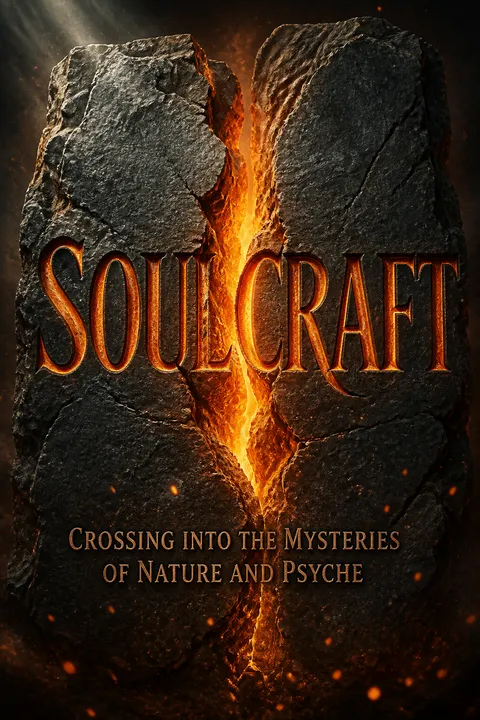


Key Takeaways
Follow the image that unsettles your career, not merely the job it suggests.
A calling is deeper than a title. Bill Plotkin began as a successful psychology professor, until an encounter on a snowy mountain made his academic future feel hollow. During a later wilderness fast, he received an image of a cocoon and understood his work as creating settings where people could transform. The image did not name a profession. It suggested the quality of what he was meant to offer.
Find the gift beneath the form. Plotkin distinguishes a soul gift from its delivery system. A job, craft, or role may carry the gift, but none defines it. The practical question is not only what work fits, but what distinctive human quality wants expression through that work.
The image-first approach usefully separates vocation from the labor market’s narrow job labels. It resembles the distinction between a person’s values and the roles through which those values are expressed. That can make career changes less frantic: a new position is not automatically a new purpose. The caution is that a vivid inner image is meaningful evidence about a person’s experience, not proof of a predetermined destiny. It becomes more trustworthy when tested through sustained action, relationships, and the actual effects of the work.
A true calling feels like both a homecoming and a storm.
The call disrupts the familiar. Plotkin describes a call to adventure as a deep signal that an existing way of life has become too small. It can arrive amid success, grief, spiritual doubt, or a crisis. He recognizes it on a mountain after realizing his academic career no longer fits. Natalie Goldberg, by contrast, sees ordinary trees outside her classroom with startling clarity and feels compelled to leave teaching to wander.
Test before you leap. Plotkin suggests noticing whether ignoring the call brings persistent dread or sorrow, and whether modest steps toward it deepen a sense of rightness. A call feels both strangely familiar and frightening because it points toward something desired but not yet understood. Sharing the experience with a trusted person can help keep it alive without requiring an immediate life overhaul.
The call is compelling partly because it joins emotional force with uncertainty. That combination can help distinguish a durable concern from a passing whim, but it cannot diagnose what the concern means. Burnout, depression, trauma, and oppressive circumstances can also make ordinary life feel intolerable. Treating every crisis as sacred instruction risks bypassing practical care. The stronger reading is less dramatic: take intense discontent seriously, investigate its sources, and test possible responses while protecting health and existing responsibilities.
Grow into your unique soul, not only beyond your ego.
Three kinds of growth matter. Plotkin uses soul to mean the wild, distinctive core of a person, the source of particular values, abilities, and knowledge. Spirit means the universal mystery shared by all existence. Ego means the ordinary conscious self, shaped by personal history and culture. He describes three related developmental tasks: ego growth, soul embodiment, and spirit realization.
Do not substitute one for another. Therapy may help heal wounds and build relationships. Soul work asks what particular gift a person is here to express. Meditation and spiritual disciplines can loosen attachment to a narrow self and cultivate presence. Plotkin argues that a rounded life needs all three. A person can pursue universal peace while neglecting their particular responsibilities, or become self-focused while ignoring connection to the whole.
This map is useful because it prevents a common category error: improved coping, spiritual calm, and a sense of vocation are not identical outcomes. A person may need one kind of help more urgently than another. The map also resists the idea that transcendence is the only mature spiritual goal. Its limitation is that soul and spirit are interpretive concepts, not established psychological entities. Their value here is practical: they name different questions a person might ask about healing, individuality, and belonging.
Enter the second cocoon before comfort hardens into your whole identity.
A second adulthood requires change. Plotkin calls the second cocoon a prolonged transition from an identity organized around acceptance, safety, and status toward one rooted in a person’s deeper capacities. The Wanderer is his name for someone undergoing this uncertain passage. Like a caterpillar in a chrysalis, the person is no longer satisfied with the old form but cannot yet see the new one.
Prepare rather than abandon everything. Plotkin describes work during this period that includes building self-reliance, addressing unfinished emotional development, reducing addictions, grieving the past, and loosening attachment to old roles. He distinguishes a survival dance, the work that supports daily life, from a sacred dance, the work that expresses a deeper gift. He warns that the transition does not justify breaking commitments or abruptly discarding responsibilities.
The cocoon metaphor gives shape to a transition that otherwise looks like failure or indecision. Developmental psychology also recognizes that identity can be revised across adulthood, rather than completed in adolescence. But metamorphosis is a metaphor, not a guarantee that upheaval produces wisdom. Stability can be a resource, not merely a trap. The useful challenge is to ask which routines protect growth and which prevent it, then make changes at a pace that preserves practical support and emotional safety.
Let wild nature teach you belonging, not just provide a mirror.
Nature is a relationship, not scenery. Plotkin argues that human soul and wild nature are intertwined, so time outdoors can reveal both a person’s inner life and a deeper membership in the living world. During a fast, one quester asks an old juniper how it survives in bare rock. Its brief response, understood by the man as a lesson in deep roots, becomes an image for his own need to reach beneath a thin surface life.
Observe before interpreting. Tracking an animal, watching a plant, or sitting quietly can cultivate attention to forms of life with needs and rhythms unlike one’s own. Plotkin also recommends speaking to nonhuman beings as a way to enter relationship. He cautions, in effect, that the encounter should not be reduced to extracting a personal message from nature.
This approach expands environmental attention beyond nature as a backdrop for human recreation. The act of observing another species carefully can unsettle human-centered assumptions and make ecological dependence emotionally legible. At the same time, the distinction between a being’s behavior and a person’s interpretation of it matters. A juniper does not need to speak English for the encounter to be meaningful, but symbolic meaning should not be confused with biological evidence. Respectful curiosity can hold both forms of knowing without collapsing them.
Treat dreams as worlds to enter, not puzzles to solve.
Soulcentric dreamwork changes the question. Plotkin uses this term for engaging dreams as encounters with a psyche larger than the waking self, rather than treating them only as coded reports about daily life. He describes three possible approaches: objective, focused on waking people and events; subjective, where dream figures represent parts of the dreamer; and archetypal, where the dream may unsettle the ego’s assumptions.
Stay with the images first. In Plotkin’s dream, two women carry red and blue cases and cannot resolve a conflict. Instead of quickly assigning fixed meanings, he retells the dream, explores his associations, and imagines the characters speaking. The process helps him see a tension in his own priorities. Deep imagery offers a related practice: while awake, a person interacts with spontaneous inner images rather than following scenes supplied by a guide.
The method encourages patience with ambiguity, a useful counterweight to the appetite for instant explanation. Retelling and dramatizing a dream can reveal feelings that summary misses, much as close reading opens up a poem. The approach becomes less reliable if every dream is treated as authoritative or if interpretation replaces practical judgment. Dreams can be psychologically revealing without being predictions or commands. Their strongest use here is as material for reflection, especially when explored with care and appropriate support.
Use ritual and solitude to make life transitions tangible.
A vision quest is a structured rite. In Plotkin’s contemporary adaptation, participants prepare together, then spend several days alone in wilderness, fasting, observing nature, and engaging in personal ceremonies. They return to a group that listens to their stories and supports their reintegration. The practice is intended to create a meaningful threshold during major changes, not simply to produce a dramatic vision.
Ritual gives change a body. A quester might create a circle of stones or sacrifice an object that represents an ending. These actions make an inner decision visible and offer a way to speak with the sacred in symbols. Plotkin emphasizes preparation, experienced guidance, and respect for traditions that are not one’s own. Fasting, exposure, and wilderness travel can be dangerous, so his account is not a recommendation to attempt them casually or alone.
Ritual can help people mark transitions that modern life often leaves unnamed. Its sequence, witnesses, symbols, and return can turn an abstract change into a shared event. That structure is relevant even when no wilderness fast is appropriate: the essential function is to acknowledge an ending, endure uncertainty, and reconnect with a community. The limits are important. Intensity does not guarantee insight, and isolation can amplify distress. A sound rite needs informed consent, competent support, and options suited to a participant’s health.
Thank the defenses that protected you, then reclaim what they buried.
Protection can outlive its purpose. Plotkin calls a childhood survival subpersonality the Loyal Soldier. It develops strategies to shield a vulnerable child from rejection or harm, such as people-pleasing, emotional suppression, or risk avoidance. Those strategies may once have been necessary, yet can restrict adult life after circumstances change. Plotkin recommends acknowledging the protector’s original service rather than attacking it.
The shadow holds rejected capacities. In Jungian language, the shadow consists of aspects of the self that the conscious identity disowns, both troubling qualities and strengths. Plotkin describes dreams of threatening figures whom he eventually recognizes as carrying qualities he needs, including directness and courage. Working with such material can be useful, but it can also be destabilizing. He stresses that deep exploration requires adequate emotional grounding and, when needed, therapeutic support.
This compassionate account of defenses avoids treating protective behavior as mere stubbornness. It asks what a pattern solved before asking how to eliminate it. That question aligns with trauma-informed practice, where safety and choice matter more than forcing exposure. Still, a person should not assume every disliked trait is a hidden gift or every defense is obsolete. Some protections remain necessary in unsafe circumstances. The task is discernment: preserve the skill, update the strategy, and seek professional care when the underlying wound is severe.
Stop asking romance to rescue you from the work of becoming whole.
The Magical Other is a rescue fantasy. Plotkin uses this term for the hope that a lover will complete, save, or permanently reassure a person. That expectation can obscure the actual partner and invite efforts to force them into a prewritten role. He argues that romantic intensity also exposes projections, unmet needs, and disowned qualities, making love a possible path of self-discovery rather than a substitute for it.
Practice honest conversation. Plotkin presents soulful romance as sustained curiosity about oneself and the other, with each person taking responsibility for their own psychological well-being. Love can deepen a person’s relationship to their inner life, but it cannot guarantee a particular outcome. The book’s ceremonial examples of inner marriage treat a person’s relationship with the self as primary, not as competition with human partnership.
The critique of romantic rescue is persuasive because it distinguishes intimacy from dependency without dismissing love’s power. A partner can help someone grow, but assigning them the job of completing another person creates an impossible contract. The emphasis on radical conversation also makes romance an ethical practice, not just a feeling. It needs a practical supplement: mutual consent, boundaries, and explicit agreements matter as much as openness. Projection can illuminate a relationship, but it should never be used to excuse harm or override a partner’s stated experience.
Turn your soul image into a gift people can actually receive.
An image becomes a life through action. Plotkin calls a soul image a symbolic expression of a person’s distinctive capacities and contribution. It may emerge in a dream, a vision, or an encounter with nature. One woman receives the name Hands to the World during a desert storm and connects it with her work offering healing touch and guiding others through wilderness experiences.
The image needs a delivery system. Soul initiation, in Plotkin’s vocabulary, is the lasting shift toward organizing life around such a contribution. The image does not dictate a job; the person must develop skills and choose forms that serve the gift in a particular place and time. Projects, daily practices, and concrete acts can test and embody the image. The aim is not status or self-display, but a contribution that nourishes both community and the more-than-human world.
This ending joins personal meaning to responsibility. A private revelation is not treated as complete until it has consequences in the shared world. That resembles the test of a craft: an intention becomes credible through practice and through what it makes possible for others. The book’s ecological frame further asks whether service supports life beyond the human community. Its claim that the world will support a person’s calling should be held carefully, since meaningful work may remain poorly paid or institutionally unsupported. Purpose needs material conditions, not faith alone.
Analysis
Soulcraft is part memoir, part spiritual philosophy, and part practice guide. Its organizing movement is a descent: a person notices that conventional success no longer answers the question of what life is for, leaves familiar assumptions long enough to encounter less conscious material, then returns with a contribution to make. Plotkin’s opening story gives this movement a memorable origin. His academic career does not end because he identifies a better occupation; a wilderness experience gives him an image of the kind of work he wants to do. That distinction anchors the book’s central argument: vocation is first a quality of being and service, and only second a job description.
The book’s most useful conceptual contribution is its refusal to collapse psychological healing, spiritual transcendence, and individual purpose into one goal. Its categories of ego growth, soul embodiment, and spirit realization make room for multiple forms of development. The second cocoon gives adult change a narrative shape, while practices such as dreamwork, nature observation, ceremony, and council make the framework experiential. Readers are not simply told to find meaning; they are given ways to attend to images, emotions, relationships, and place.
The ecological claim is also consequential. Nature is not merely restorative scenery. It is presented as a community of living beings in which human identity is embedded. This challenges individualistic self-help, where nature can become another instrument for personal optimization. Plotkin instead asks whether a person’s distinctive gift contributes to the larger web of life.
The argument is strongest as an invitation to interpret experience, not as a universal psychological law. The language of soul, destiny, omens, and initiatory trauma carries spiritual force but cannot be verified in the same way as clinical findings. A crisis may reveal purpose, but it may also require medical care, economic support, or protection from harm. The book acknowledges some risks, yet its ideal of transformation can still romanticize suffering if read carelessly. Its most durable counsel is therefore both daring and restrained: listen to what unsettles the old identity, test its meaning in lived action, and do not mistake intensity for truth.
Review Summary
Soulcraft by Bill Plotkin receives mixed reviews, with an overall positive reception. Many readers find it transformative, praising its insights on soul discovery and nature connection. Critics argue it's too lengthy, repetitive, and sometimes impractical. Some appreciate Plotkin's unique perspective on spiritual growth, while others find his ideas too "out there." The book's emphasis on wilderness experiences and radical life changes is both praised and criticized. Despite its flaws, many readers consider it a powerful tool for self-discovery and purposeful living.
People Also Read






Glossary
Soulcraft
Practices for discovering and embodying soulPlotkin’s term for a nature-oriented approach to psychological and spiritual development. Soulcraft uses practices such as dreamwork, solitude, ceremony, and wilderness immersion to help people encounter their distinctive inner capacities and express them in service. It differs from psychotherapy in its emphasis on initiation and contribution, though it may overlap with therapeutic methods.
Soul
A person’s distinctive inner natureIn this book, soul is the vital, mysterious core of an individual, deeper than personality and shaped by unique values, abilities, and knowledge. It is understood as part of nature rather than separate from it. The soul’s image points toward a person’s particular way of belonging and contributing, not necessarily toward a specific occupation.
Spirit
The universal mystery of existencePlotkin uses spirit to mean the single, encompassing mystery that animates and transcends all things. Where soul concerns a person’s particularity, spirit concerns what beings share and their participation in a larger whole. The book presents spiritual development as including both movement toward spirit and movement into the distinctiveness of soul.
Second cocoon
Transition into a soul-rooted adulthoodThe second cocoon is Plotkin’s metaphor for the extended, uncertain transition from an identity organized around social acceptance and security toward one organized around a distinctive contribution. The Wanderer enters this liminal period by loosening former roles and assumptions. It may involve solitude, grief, unfinished emotional work, and preparation for a more mature relationship with self and community.
Wanderer
Seeker in a period of transformationThe Wanderer is Plotkin’s name for a person searching beyond familiar social roles for a deeper sense of identity and belonging. The search includes inward exploration and attention to the natural world. Rather than merely conforming to society or rebelling against it, the Wanderer learns to live with uncertainty while gathering clues about a personal path.
Soul image
Symbol of a person’s distinctive giftA soul image is a symbolic expression of a person’s distinctive capacities and potential contribution. It may appear in a dream, vision, deep imagery, or an encounter with nature. Because it is symbolic, its meaning may unfold over time. It does not usually name a career; the person must develop forms through which its qualities can be expressed.
Soul encounter
A conscious glimpse of soulA soul encounter is an experience in which a person becomes consciously aware of an image or quality associated with their deeper nature. It can occur through dreams, wilderness experiences, ceremony, or other altered states. Such an encounter can reveal a direction or gift, but Plotkin distinguishes it from the lasting developmental change he calls soul initiation.
Soul initiation
Commitment to embodying soulSoul initiation is the transition into a life in which expressing one’s distinctive capacities becomes a central priority. It is not a status conferred by a teacher or community. In Plotkin’s account, it is confirmed through sustained embodiment of a soul image and the contribution that follows, rather than through a single intense experience.
Loyal Soldier
Childhood protector subpersonalityThe Loyal Soldier is Plotkin’s name for a part of the psyche that develops protective strategies during childhood. It may encourage pleasing others, suppressing emotion, or avoiding risk to reduce the chance of rejection or harm. These strategies can persist into adulthood. The suggested response is to recognize their former purpose and assess whether they remain necessary.
Soulcentric dreamwork
Dream engagement focused on soulSoulcentric dreamwork approaches dreams as symbolic encounters with a psyche larger than the ordinary conscious self. Instead of quickly translating images into fixed meanings, the dreamer retells, explores, or imaginatively enters the dream. Plotkin presents this as one route toward understanding inner conflicts and possibilities, while distinguishing it from interpretations focused only on waking-life events.
Vision quest
Guided wilderness rite of transitionA vision quest is a nature-based rite involving preparation, solitude, exposure to wilderness, and often fasting, ceremony, or sustained prayer. Plotkin’s contemporary version includes group preparation and a supported return, where participants share and integrate their experiences. He stresses that such practices can be hazardous and require appropriate guidance, preparation, and respect for cultural traditions.
FAQ
What's Soulcraft: Crossing into the Mysteries of Nature and Psyche about?
- Exploration of the Soul: Soulcraft by Bill Plotkin explores the journey of self-discovery and the importance of reconnecting with one's soul. It emphasizes the need for individuals to embark on a transformative journey into the depths of their psyche and nature.
- Nature and Psyche Connection: The book presents a framework for understanding how our inner lives are intertwined with the natural world. Plotkin argues that true fulfillment comes from recognizing and nurturing this connection.
- Cultural Context: Plotkin contrasts modern Western society's disconnection from nature and soul with the practices of nature-based cultures that honor rites of passage and soul encounters.
Why should I read Soulcraft by Bill Plotkin?
- Personal Transformation: This book offers insights and tools for anyone seeking deeper meaning in their life. It encourages readers to confront their fears and embrace their unique paths.
- Reconnect with Nature: Plotkin emphasizes the importance of nature in the healing and discovery process. Readers will learn how to cultivate a relationship with the natural world that enriches their soul.
- Practical Guidance: The book is filled with practical exercises and pathways for soul encounter, making it a valuable resource for personal growth.
What are the key takeaways of Soulcraft?
- Journey of Descent: A central theme is the necessity of descending into the depths of one's soul to uncover hidden truths and gifts. This journey is often marked by challenges but leads to profound personal growth.
- Role of the Wanderer: The archetype of the Wanderer is introduced as a guide for those seeking their true identity. This figure represents the quest for authenticity and the courage to explore the unknown.
- Integration of Experiences: The integration of experiences from the journey is crucial for living authentically. Readers are encouraged to take action based on their soul encounters to manifest their gifts in the world.
What are the best quotes from Soulcraft and what do they mean?
- “The world was made to be free in.” This quote emphasizes the idea that true freedom comes from embracing one's authentic self and the natural world. It suggests that societal constraints often inhibit our ability to live fully.
- “You do not have to be good.” This line encourages readers to let go of societal expectations and embrace their true desires. It highlights the importance of self-acceptance and authenticity over conformity.
- “The darkness shall be the light.” This quote reflects the transformative power of facing one's fears and shadows. It suggests that through embracing darkness, individuals can find clarity and illumination in their lives.
How does Bill Plotkin define "soul" in Soulcraft?
- Core of Individuality: Plotkin defines "soul" as the vital, mysterious, and wild core of our individual selves. It encompasses the essence that makes each person unique and is often buried beneath societal expectations.
- Connection to Nature: The concept of soul is deeply connected to the natural world, suggesting that our true nature is intertwined with the earth. Plotkin emphasizes that understanding our soul requires engaging with the wild.
- Journey of Discovery: The journey to uncover one's soul is portrayed as a vital quest for authenticity and purpose. It involves exploring the depths of one's psyche and embracing the complexities of existence.
What is the concept of the "second cocoon" in Soulcraft?
- Metaphorical Transformation: The "second cocoon" represents a phase of profound transformation where individuals prepare to shed their old identities. It is a time of introspection and personal growth, akin to the metamorphosis of a caterpillar into a butterfly.
- Separation from Old Identity: During this phase, individuals must separate from their previous roles and societal expectations. This process can be challenging but is essential for discovering one's true self.
- Preparation for Soul Initiation: The second cocoon serves as a preparatory stage for soul initiation, where individuals learn to embrace their authentic selves. It involves confronting fears and engaging in practices that foster self-reliance and emotional healing.
What role does the "Loyal Soldier" play in Soulcraft?
- Protective Mechanism: The "Loyal Soldier" is a sub-personality that develops to protect individuals from emotional pain and societal rejection. It employs various strategies to ensure safety and conformity.
- Resistance to Change: This sub-personality often resists the journey of self-discovery, fearing the loss of identity and security. Recognizing and integrating the Loyal Soldier is crucial for personal growth.
- Path to Authenticity: By welcoming the Loyal Soldier home and acknowledging its role, individuals can begin to shift their focus from survival to authenticity. This process allows for a more profound connection to the soul and the journey ahead.
What is the significance of the "Wanderer" in Soulcraft?
- Archetype of Exploration: The Wanderer represents the individual on a quest for deeper meaning and connection with their soul, embodying the spirit of exploration and discovery.
- Journey of Self-Discovery: This archetype emphasizes the importance of wandering in nature and within oneself to uncover hidden truths and desires.
- Integration of Experiences: The Wanderer learns to integrate experiences from both the inner and outer worlds, fostering a holistic understanding of their identity and purpose.
How does Soulcraft address the theme of grief?
- Emotional Healing: Plotkin discusses the necessity of confronting grief as part of the journey to soul. He emphasizes that allowing oneself to grieve is essential for personal transformation and healing.
- Sacred Wound: The concept of the "sacred wound" is introduced, suggesting that our deepest wounds can lead to profound insights and growth. Embracing these wounds allows individuals to uncover their true gifts.
- Collective Grief: The book also addresses the collective grief experienced in society due to disconnection from nature and soul. Plotkin encourages readers to acknowledge this grief as a step toward healing both personally and collectively.
What practices does Soulcraft recommend for engaging with the soul?
- Vision Quests: Plotkin emphasizes the importance of vision quests as a method for individuals to immerse themselves in nature and confront their inner selves. This practice allows for deep reflection and connection with the soul.
- Deep Imagery: The book introduces deep imagery as a technique for exploring the unconscious and engaging with inner guides. This method helps individuals access their soul's wisdom and navigate their personal journeys.
- Nature Dialogues: Engaging in dialogues with nature is another recommended practice. This involves listening to and communicating with the natural world, fostering a deeper connection to both the environment and one's inner self.
How does Soulcraft define "soul encounter"?
- Direct Experience of Soul: A "soul encounter" is described as a profound experience where individuals connect with their deeper essence, often through non-ordinary states of consciousness. This can occur during dreams, visions, or intense emotional experiences.
- Catalyst for Transformation: These encounters serve as catalysts for personal transformation, prompting individuals to reassess their lives and priorities. They often lead to a clearer understanding of one's purpose and gifts.
- Contrast with Soul Initiation: While a soul encounter is the initial experience of connecting with the soul, "soul initiation" is the subsequent commitment to embodying that connection in daily life. This distinction is crucial for understanding the journey.
How can I apply the teachings of Soulcraft in my life?
- Engage with Nature: Start by spending time outdoors, observing and connecting with the natural world. This practice can help you uncover insights about your soul and identity.
- Explore Inner Landscapes: Utilize techniques such as dreamwork, journaling, and meditation to explore your inner self. These methods can facilitate a deeper understanding of your emotions and desires.
- Embrace the Journey: Be open to the call of adventure in your life, even if it feels daunting. Trust that the journey will lead you to greater authenticity and fulfillment, and take steps to engage with the practices outlined in the book.
About the Author


Download PDF
Download EPUB
.epub digital book format is ideal for reading ebooks on phones, tablets, and e-readers.








