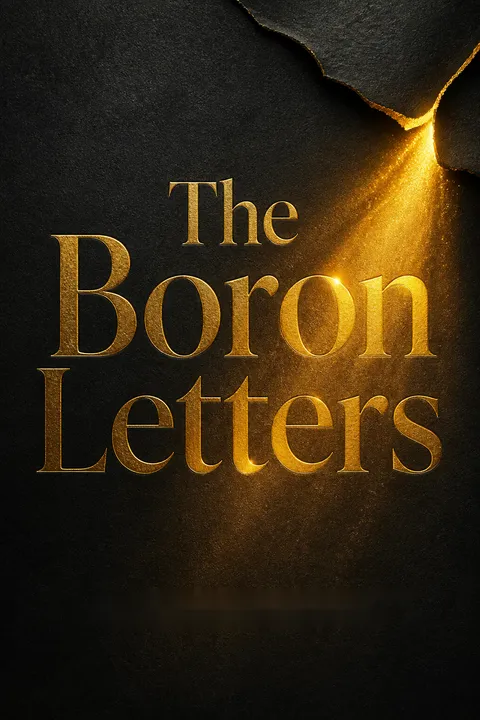


Key Takeaways
Build a repeatable routine, but distinguish resistance from real depletion.
Start with your condition. The letters begin in a federal prison camp, where Gary Halbert writes to his teenage son about health before turning to business. After arriving, he could barely manage the steep hill near camp. Within weeks, he was jogging several laps. He argues that exercise, food, and mood affect the quality of a person's thinking, so he treats a morning walk or run as preparation for the day, not a distraction from work.
Persist with judgment. Halbert urges his son to try difficult things more than once, since the first attempt often teaches what the second requires. But he also rejects pushing through serious illness or chronic exhaustion. His own dietary prescriptions, including weekly fasting, are personal advice from the 1980s, not universal instructions.
What's striking is that the book places physical condition inside the craft of persuasion. Copywriting is not presented as inspiration arriving on command, but as work performed by a person whose energy and mood fluctuate. That connects practical creativity to basic self-regulation: sleep, movement, and food can influence attention and persistence. The useful principle is to design a routine that supports clear work, then observe its effects. Halbert's confidence in fasting and particular foods exceeds what these letters establish, so readers should separate his broad mind-body insight from prescriptions that require individual judgment.
Believe purchase patterns more than polished answers in customer surveys.
Behavior beats self-image. Halbert recounts a beer survey in which roughly 80 percent of respondents claimed to prefer the premium brand, even though sales showed that regular beer was what most people bought. He offers similar examples of people praising plays or the Bible while their actual choices point elsewhere. The marketer's task, he argues, is to notice revealed preferences: what people pay for, read, and buy repeatedly.
Watch the market. He recommends studying recurring advertisements, mail-order publications, and products that sell consistently. A repeated ad is evidence that its seller has found a response worth pursuing, though it does not prove the same pitch will work for a different audience or offer.
This is a sharp corrective to treating stated preference as a reliable forecast. Money and behavior impose a useful reality check on aspiration and social desirability. Yet a purchase is evidence of a choice, not a complete explanation of motive: price, convenience, habit, and limited options can all shape it. Strong research therefore pairs observed buying with questions about context. Halbert's core lesson is not to ignore what people say, but to refuse to let what they say substitute for evidence of what they do.
Find the audience before you invent the product.
Demand comes first. Halbert uses a hamburger-stand challenge to make his point: superior ingredients, location, and price all matter, but the decisive advantage would be a crowd already eager to buy. In direct marketing, he says, a business should first identify a group with a demonstrated need, then find or create a product that serves it.
Match the offer. He imagines tailoring a money-making report to specific occupations, such as architects or chiropractors, rather than mailing one generic pitch to everyone. The product could share useful general material while including advice relevant to that group. The principle is practical: begin with a reachable audience and a real problem, then shape the product and message around their situation.
The market-first sequence helps prevent a familiar entrepreneurial error: falling in love with an invention and mistaking its existence for demand. It also puts audience definition upstream of copywriting, where it belongs. A niche is not automatically a market, however. A reachable group still needs a sufficiently important problem, willingness to pay, and an offer that can be delivered responsibly. The audience-first method is most powerful when treated as a hypothesis to test, not a guarantee that any tailored product will sell.
Choose prospects by recency, repeat buying, and demonstrated spending.
Rank behavior, not labels. Halbert lays out three measures for evaluating mailing lists: recency, meaning how recently someone bought; frequency, meaning how often they buy in a category; and unit of sale, meaning how much they spent. He considers recent buyers of similar products especially promising, and argues that repeat, higher-spending buyers are more qualified than people selected only by income or occupation.
Start with proven customers. His comparison moves from broad telephone-directory names to wealthier buyers, then to people who repeatedly purchase similar offers. He places a company's own satisfied customers above rented lists, because they have already chosen to buy from that business. These are selection clues, not certainties: each list still needs to be tested against the actual offer.
The framework turns vague targeting into observable signals of readiness. Recency can indicate that a need is active, while frequency and spending reveal experience and capacity. Together, they help a marketer allocate attention more intelligently than broad demographics alone. The caveat is that past purchases can reflect temporary circumstances, and customer data carries responsibilities around consent and privacy. The strongest use of these measures is disciplined experimentation: rank plausible audiences, test them fairly, and let response data update the initial assumptions.
Test the deal cheaply before risking a full-scale campaign.
Prove the economics. Halbert describes a direct-mail process that begins with a market, then a product, then a promotion. A small test, often 1,000 to 5,000 pieces, shows whether people respond. A clear loser is dropped; a promising result earns a larger mailing, and only continued success justifies a full rollout. He describes financing a test with a limited development budget, rather than assuming a good idea will work.
Make the deal credible. A proposition is the exchange being offered, such as a discount or a bonus. Halbert says a special deal needs a believable reason. He particularly favors explaining why this recipient is being offered the opportunity, such as a product available in limited quantities because it bears that person's family name.
This is direct-response marketing as an empirical business, not merely an exercise in clever language. Small tests limit the cost of being wrong and produce information before large commitments are made. The method also joins offer design to credibility: a bargain without a plausible explanation can feel suspicious. Tests still require care. Response rates can shift with season, audience, and execution, and a profitable first mailing does not establish long-term customer value. The disciplined move is to measure costs and results at each stage before scaling.
Use an attention hook that naturally belongs to the offer.
Curiosity needs a bridge. To sell a real-estate report, Halbert imagines attaching a small bag of sand and explaining its connection to a beach property. The object makes the recipient curious, while the copy gives that curiosity a meaningful destination. He warns against bait that has no honest relationship to the pitch, such as making an advertisement resemble a traffic ticket. That may force attention, but it can also leave people irritated.
Make the object part of the story. He also describes a fundraising letter that enclosed a dollar as a way to invite a larger donation. In his view, a physical insert works best when it clarifies the subject, lends it immediacy, or helps the reader understand the offer, rather than serving as a random stunt.
The distinction between attention and useful attention is essential. A surprise can interrupt a routine, but trust depends on the explanation that follows. The sand insert works because it connects a physical sensation to the real-estate subject; a false alarm may earn a glance while damaging the relationship. In modern channels, the same test applies to subject lines, images, and notifications: does the opening reward curiosity with relevant substance? An attention tactic should be judged by the quality of the next step, not the size of the initial reaction.
Move readers from attention to desire with a clear route to action.
Use a sequence. Halbert teaches AIDA, a structure for moving a reader through four stages: attention, interest, desire, and action. In his real-estate example, the sand insert gets noticed; facts about the property hold interest; descriptions of what ownership could make possible build desire; and a direct request tells the reader how to respond.
Make the next step obvious. He insists that a sales letter should spell out what to do, where to find the order form, what to pay, how to send payment, and when to act. Desire alone is not a sale if the reader has to guess how to proceed. Urgency should explain a genuine consequence of delay, rather than inventing pressure that the offer cannot support.
AIDA is useful because it forces a writer to ask what each part of a message is doing. It also exposes common gaps: a striking headline with no sustained interest, or strong benefits followed by a vague close. The sequence should not be mistaken for a mechanical law of persuasion. Readers can skip, pause, or decide against the offer, and their trust matters more than moving them through a funnel at any cost. Clear action instructions reduce friction; honest reasons to act protect credibility.
Make your promotion feel personal, readable, and trustworthy at first glance.
Design for the first glance. Halbert describes an A-pile of mail that looks personal and a B-pile that looks plainly commercial. He argues that a personal-looking envelope is more likely to be opened. Inside, he recommends specific details, direct address, short paragraphs, generous white space, and small instructions that guide the reader from page to page. The aim is a message that feels inviting rather than visually demanding.
Sell without shouting. A family-crest promotion struggled as a broad catalog, then improved when Halbert sent a personal letter with a picture of the recipient's crest. He uses the story to argue that an informative, editorial appearance can outperform a design that announces its sales intent too soon. The look must support a truthful message, not disguise a poor offer.
The physical design advice rests on a lasting insight: presentation is part of the message because readers form expectations before processing every claim. Readability reduces effort, while relevant personal details signal that the communication may matter to the recipient. The coat-of-arms example also shows the value of focus: a narrow, personally meaningful presentation beat an overloaded assortment. There is an ethical boundary, though. Making commercial communication look personal can blur expectations, so a strong design should invite reading without pretending to be a private relationship.
Train your copy instincts by studying winners and revising aloud.
Collect raw material. Halbert recommends assembling the product facts, comparable ads, books, mailing-list descriptions, and other useful references before writing. He calls short, rough observations made during this research nugget notes. After marking the strongest ideas, he advises stepping away briefly so connections can form, then identifying the central selling idea that organizes the promotion.
Learn through imitation. He assigns his son the task of copying successful ads by hand and reading them aloud. Hand-copying directs attention to sequence, sentence rhythm, and transitions; reading aloud reveals awkward passages that silent reading may miss. Halbert favors ordinary words, short sentences, and clear explanations. The goal is not to display a distinctive style, but to make the offer easy to understand.
This is apprenticeship built from close observation and deliberate practice. Copying a strong example can reveal craft choices that a reader may overlook, while reading aloud gives the writer a practical editing test. Research and notes also reduce dependence on last-minute inspiration. Imitation has limits: reproducing surface features without understanding why they worked can produce stale copy. The deeper skill is to identify the underlying problem, audience, and sequence, then adapt those elements to a new situation rather than borrow another campaign's voice.
Notice when you are off, then recover before making costly decisions.
Check your state. Halbert uses HALT to name four conditions that can distort judgment: hungry, angry, lonely, and tired. In prison, he recounts situations where irritation and low energy could have escalated into fights, with serious consequences. Instead, he writes, exercises, walks, or steps back from people until he feels steadier. His point is not to avoid every hard moment, but to notice when poor condition is shaping a response.
Protect what matters. Halbert describes working through sadness and confinement while continuing to write, maintain routines, and teach his son. He also ends by stressing the value of close relationships. Together, these letters present persistence as returning to useful action, not pretending hardship is absent. When judgment is impaired, a pause can preserve both a business decision and a human relationship.
HALT provides a compact way to notice that a decision may be state-dependent rather than purely rational. That is valuable in negotiation, conflict, and creative work, where a depleted person can confuse an urgent feeling with a sound plan. Halbert's willingness to walk away from a provocation is more instructive than his emphasis on appearing tough: avoiding needless escalation can be a form of control. The limit is that stepping back cannot solve every conflict. Recovery works best when followed by a deliberate return to the issue.
Analysis
The Boron Letters is a father-son correspondence written from a federal prison camp, and its structure gives the advice an unusual double charge. Gary Halbert is not presenting a polished marketing textbook. He is building a curriculum in public, writing through interruptions, loneliness, work, exercise, and conflict. The result joins two subjects that are often separated: how to persuade customers and how to manage the person doing the persuading.
Its most durable business insight is that copy is downstream of the market and the offer. The writer must locate people already showing interest, observe what they buy, shape a relevant proposition, and test before scaling. The emphasis on recency, repeat purchasing, and existing customers turns marketing from guesswork into a series of measurable bets. The craft lessons then make that strategy usable: earn attention honestly, organize the argument, reduce reading and ordering friction, and revise until the message is clear.
The letters also reveal a tension between persuasion and manipulation. Personal-looking envelopes, guilt, urgency, and attention-grabbing inserts can improve response, but response alone is an incomplete measure of success. A campaign can convert and still mislead, damage trust, or attract buyers who are poorly served. The book's strongest ethical constraint is its insistence that the hook connect to the offer and that claims remain believable. A modern application should extend that constraint to transparent sponsorship, customer data, and the actual quality of the product.
Some advice is bound to its period or to Halbert's personal convictions. Physical mail remains a useful model for sequencing and testing, but its specific devices do not transfer unchanged to digital channels. His health recommendations are not a substitute for individualized medical guidance. What transfers is the method beneath them: observe reality, build routines that support clear judgment, test claims against behavior, and keep improving through practice. The letters endure less as a bag of copywriting tricks than as a portrait of disciplined attention under pressure.
Review Summary
The Boron Letters receives mostly positive reviews for its marketing and copywriting advice, despite being dated. Readers appreciate Gary Halbert's conversational writing style and personal anecdotes. The book offers valuable insights on direct mail marketing, finding target markets, and crafting effective sales copy. Some readers find the life advice particularly helpful. Criticisms include outdated information, frequent product promotions, and occasional offensive language. Overall, it's considered a foundational text for marketers and copywriters, though some find the content manipulative or overly sales-focused.
People Also Read







Glossary
AIDA
Four-stage persuasion sequenceAIDA names four stages Halbert uses to organize a sales message: attention, interest, desire, and action. The writer first earns notice, then gives the reader reasons to keep engaging, makes the benefits vivid, and clearly requests a response. It is a planning structure, not a guarantee that every reader will follow the same path.
A-pile and B-pile
Personal-looking and commercial mailHalbert's labels for the two broad categories into which, he argues, recipients sort incoming mail. The A-pile appears personal or important and is more likely to be opened. The B-pile looks overtly commercial and may be ignored. He uses the distinction to explain why envelope design can affect whether a direct-mail message gets read.
Recency, frequency, and unit of sale
Three list-selection signalsThese are Halbert's measures for judging the likely responsiveness of a mailing list. Recency is how recently someone bought; frequency is how often they buy in a category; unit of sale is the amount they spent. He treats recent, repeat, higher-spending buyers of related products as stronger prospects, while still recommending campaign testing.
Nugget notes
Rough research observationsShort notes Halbert makes while reviewing product information, books, competing promotions, and other research. They can be a single word, a phrase, or an incomplete thought. Their purpose is to capture potentially useful facts and ideas without trying to write polished copy too early. The writer later reviews and ranks them to find the strongest material.
Swipe file
Collection of useful promotionsA stored collection of advertisements, direct-mail pieces, headlines, layouts, and other examples that a marketer considers worth studying. Halbert recommends keeping it current and examining campaigns that appear repeatedly or have produced strong results. It serves as a source of ideas and a record of how successful promotions communicate, rather than a license to copy them unchanged.
HALT
Four warning conditionsAn acronym for hungry, angry, lonely, and tired. Halbert uses it as a check for conditions that can make a person less aware and more prone to poor decisions or conflict. Recognizing one or more of these states can be a cue to recover, get perspective, or delay a consequential response until judgment improves.
Central selling idea
The promotion's organizing claimThe main idea that gives a promotion its focus and explains why the reader should care about the offer. Halbert expects it to emerge from research into the audience, product, and successful competing messages. Once identified, it guides the headline, supporting information, benefits, and call to action so that the promotion feels like one coherent argument.
Winning formula
A repeatable successful promotionHalbert's term for a promotion that works well enough to adapt for other audiences or related offers. For example, a general report might retain its core material while adding sections tailored to different occupations. A winning formula is a useful starting point, not proof that every variation will succeed; each adaptation still needs to fit its audience and be tested.
FAQ
What's "The Boron Letters" about?
- Personal and Professional Growth: "The Boron Letters" is a collection of letters written by Gary Halbert to his son Bond while he was in Boron Federal Prison Camp. The letters cover personal development, health, and marketing strategies.
- Marketing Wisdom: The book is renowned for its insights into direct marketing, copywriting, and the importance of understanding markets.
- Life Lessons: Beyond marketing, Halbert shares life lessons, emphasizing the importance of discipline, self-reliance, and continuous learning.
- Father-Son Relationship: The letters also reflect a deep father-son bond, with Halbert imparting wisdom and guidance to his son.
Why should I read "The Boron Letters"?
- Timeless Marketing Advice: Gary Halbert is considered one of the greatest copywriters, and his insights into marketing are still relevant today.
- Practical Life Lessons: The book offers practical advice on health, discipline, and personal growth, applicable to anyone seeking self-improvement.
- Unique Perspective: Written from prison, the letters provide a unique perspective on overcoming adversity and maintaining focus.
- Inspirational Content: The book is both motivational and educational, making it a valuable read for aspiring marketers and entrepreneurs.
What are the key takeaways of "The Boron Letters"?
- Market First, Product Second: Halbert emphasizes the importance of identifying a hot market before developing a product.
- AIDA Formula: Attention, Interest, Desire, Action—this formula is crucial for effective copywriting.
- Personalization and Relevance: Customizing marketing messages to the audience increases engagement and response rates.
- Self-Discipline: Consistent habits, like daily exercise and fasting, are essential for personal and professional success.
How does Gary Halbert suggest improving copywriting skills?
- Handwriting Great Ads: Halbert advises copying successful ads by hand to internalize their structure and flow.
- Reading Aloud: Reading copy aloud helps identify and smooth out awkward phrasing.
- Nugget Notes: Take notes in short, impactful phrases to capture key ideas and inspiration.
- Continuous Learning: Study successful ads, direct mail pieces, and marketing books to refine skills.
What is the AIDA formula mentioned in "The Boron Letters"?
- Attention: Capture the reader's attention with a compelling headline or visual element.
- Interest: Engage the reader by presenting interesting facts and information.
- Desire: Create a strong desire for the product by highlighting its benefits and emotional appeal.
- Action: Clearly instruct the reader on how to take the next step, such as making a purchase.
What are some of the best quotes from "The Boron Letters" and what do they mean?
- "You don't have to get it right, you just have to get it moving." This emphasizes the importance of taking action rather than waiting for perfection.
- "Write for money, not applause." Focus on creating effective copy that sells, rather than seeking approval for writing style.
- "Sell people what they want to buy." Understand and cater to the desires of the market rather than trying to push unwanted products.
- "You never get a second chance to make a first impression." The initial impact of your marketing materials is crucial in capturing interest.
How does Gary Halbert recommend finding a hot market?
- Study Mailing Lists: Use resources like the SRDS list book to identify active and responsive markets.
- Observe Buying Behavior: Focus on what people actually purchase, not just what they say they want.
- Analyze Successful Ads: Look for ads that are consistently run, indicating a profitable market.
- Stay Informed: Keep up with industry trends and consumer interests through trade journals and market research.
What is the significance of the "baggie of dirt" example in "The Boron Letters"?
- Attention Grabber: The baggie of dirt is used to capture the reader's attention in a direct mail piece.
- Relevance: It ties into the sales message about real estate, making the attention grabber relevant and intriguing.
- Curiosity: It piques the reader's curiosity, encouraging them to read further to understand its significance.
- Memorable Impact: Such unique elements make the marketing message more memorable and engaging.
How does Gary Halbert address the importance of self-discipline in "The Boron Letters"?
- Daily Routine: Halbert stresses the importance of a consistent daily routine, including exercise and healthy habits.
- Fasting and Health: He advocates for regular fasting as a means to maintain physical and mental health.
- Continuous Improvement: Emphasizes the need for ongoing learning and self-improvement in both personal and professional life.
- Handling Adversity: Demonstrates how discipline helps in overcoming challenges and maintaining focus.
What role does personalization play in Gary Halbert's marketing strategy?
- Customized Messages: Personalizing marketing messages to the recipient increases engagement and response.
- Relevance to Audience: Tailoring content to the specific interests and needs of the audience makes it more compelling.
- Building Connection: Personalization helps build a connection with the reader, making the message feel more personal and trustworthy.
- Increased Effectiveness: Personalized marketing is more effective in capturing attention and driving action.
How does Gary Halbert suggest handling setbacks and challenges?
- Keep Moving: Emphasizes the importance of continuing to take action, even when facing difficulties.
- Self-Reflection: Use setbacks as an opportunity for self-reflection and learning.
- Focus on Solutions: Concentrate on finding solutions rather than dwelling on problems.
- Maintain Discipline: Stick to routines and habits that promote resilience and recovery.
What is the "HALT" principle mentioned in "The Boron Letters"?
- Hungry, Angry, Lonely, Tired: HALT is an acronym for states to avoid when making decisions.
- Avoid Decision-Making: Recommends not making important decisions when experiencing any of these states.
- Self-Awareness: Encourages self-awareness to recognize when these states are affecting judgment.
- Regain Balance: Suggests taking steps to address these states before proceeding with important tasks.
Download PDF
Download EPUB
.epub digital book format is ideal for reading ebooks on phones, tablets, and e-readers.








