



Plot Summary
Prologue
In a treatment center, Silas Hawthorne1 learns from his therapist17 that he was never schizophrenic. The diagnosis was made after he witnessed a doctor abusing Rosemary Donahue,14 the girl he loved, and the town buried the truth by insisting his account was delusion. Silas1 has kept Rosemary14’s secret for years, even from his family and closest friends.
His later psychotic break followed her death and the trauma of being disbelieved, but his therapist17 distinguishes that episode from schizophrenia. Silas1 accepts the correction without relief. He still fears his friends will doubt him, and he is not ready to tell them the truth.
The prologue makes diagnosis both a clinical question and a social weapon. Silas’s childhood account was dismissed not because it lacked truth, but because powerful adults needed it to be false. His silence then becomes a form of protection for Rosemary, though it also estranges him from people who love him. The therapist’s distinction between a genuine later psychotic break and a false lifelong diagnosis prevents the story from reducing mental illness to a plot twist. Silas receives validation, but not instant repair: being believed by one professional cannot undo years of learned self-doubt.
A Number on the Roof
Eight months after escaping Stephen Sinclair12’s basement, Coraline Whittaker2 sits on her parents’ roof, unable to make her old life fit. She has returned to familiar friends, art, and routines, but each feels distant, while nightmares and fear keep her mentally trapped with her captor.12 Alone with a number she saved, she calls Silas,1 a boy she barely knows who once visited her in hospital.
She tells him about being abducted, drugged, assaulted, and sold, and admits that survival has left her hollow. Silas1 listens without asking her to perform gratitude or recovery. His steady attention gives Coraline2 one small permission she has not found elsewhere: to be alive without pretending she is fine.
Coraline’s call is not a cure or a romantic rescue. It is a first experiment in being witnessed without being turned into a spectacle. Her family and town have treated her survival as a public fact, but the private aftermath remains unspoken. Silas offers no demand for a clean account, and that restraint matters: Coraline can choose what to disclose and when. The scene establishes their bond through a specific exchange of attention rather than instant intimacy. For both characters, voice becomes a bridge across isolation, but Coraline’s immediate need is simpler than romance. She needs someone to accept that survival can coexist with despair.
Cancer and Blackmail
Two years later, Silas1 is running Hawthorne Technology while his father,10 Scott,10 undergoes chemotherapy. Scott10’s cancer is advanced, and Silas1 hides how little he expects treatment to change. Then a board rule forces a new crisis: Silas must marry before he can become CEO, or his father may sell the family company.
At the same time, an anonymous sender delivers video of Silas, Rook Van Doren, and Alistair Caldwell disposing of a body. The footage could send them to prison and pulls their scattered group back toward Ponderosa Springs. Silas1 tells his father10 he already has a girlfriend, buying time while concealing both the blackmail and the fact that his supposed schizophrenia diagnosis may be false.
Two forms of inheritance collide here. Scott’s illness makes the family business feel like a legacy Silas must preserve, while the video threatens to expose the violent past that binds him to his friends. Both pressures exploit Silas’s belief that he must absorb danger alone. His lie about having a girlfriend is an attempt to protect his father from worry, but it also creates a problem he cannot solve privately. The scene connects corporate power to intimate obligation: the board’s archaic marriage rule turns a personal relationship into a condition of succession. Silas’s competence at systems cannot save him from the human consequences of silence.
The Drink Goes Wrong
Coraline2 tries to numb herself at Vervain, a hidden club where Ecstasy and alcohol briefly quiet her memories. She meets Lyra Abbott,9 Sage Donahue,7 and Briar Lowell,8 who approach her without asking for a trauma story. When Coraline2 catches a man slipping a pill into Sage7’s drink, she attacks him and draws a crowd.
A security guard pulls Coraline2 away, but his grip and the dark hallway throw her back into the basement. Silas1 recognizes her panic and grounds her by reciting chess history until she can breathe and identify him. Coraline2 leaves before she can thank him. The encounter exposes the gap between her fierce public defense of others and her fear when her own body remembers captivity.
The scene complicates the familiar image of a survivor as either helpless or fully healed. Coraline can act decisively when another woman is threatened, yet a harmless-seeming restraint can collapse her sense of present safety. Her response is not inconsistency; it reflects how trauma can attach to sensory cues rather than conscious judgment. Silas’s chess recitation works because it gives her mind a structured task and a familiar voice, not because he claims to control her fear. The women’s uncomplicated welcome also offers Coraline a social possibility she resists: connection without interrogation. She is not ready to accept it, but the scene makes that possibility concrete.
The Boogeyman Returns
Coraline2 has already received anonymous messages that echo Stephen12’s language, but she tries to keep functioning through family dinners and her survivor art classes. Then a local emergency broadcast reports that Stephen12 has escaped prison. Across town, Silas1 meets Rook,4 Alistair,5 and Thatcher Pierson6 at their old coastal lookout; the men learn that their blackmailer is skilled, and that the video may have come through Easton Sinclair,13 Stephen’s son.13
Silas1 wants to protect his friends, while Alistair5 insists this is their last return to Ponderosa Springs. Coraline2 recognizes that the texts were not a prank. The escape makes her fear concrete, and Silas1’s friends understand that the past they hoped to leave has found them again.
The escape converts private apprehension into shared danger. Coraline’s body has been anticipating Stephen’s return, but public confirmation forces her to trust that instinct rather than dismiss it as paranoia. For Silas and his friends, the reunion at the Peak reveals an old pattern: Ponderosa Springs draws them back through threats, secrets, and unfinished consequences. Their banter preserves the intimacy of their bond, yet Alistair’s refusal to return indefinitely marks a limit. The story makes home morally ambiguous. It is the place where the group formed, but also a system that has repeatedly protected powerful abusers and punished people who tell the truth.
A Fiancée by Necessity
At a benefit for Light, the organization supporting Halo survivors, Silas1 finds Coraline2 beside a painting inspired by him. When his coworker Daniel challenges his claim to have a fiancée, Coraline2 takes Silas1’s arm and plays along, then coolly humiliates Daniel’s nosiness. Outside, Silas1 explains that he needs a wife to satisfy the board and preserve Hawthorne Technology.
He offers to help her pursue Stephen,12 but Coraline2 insists she does not want revenge and refuses to bind herself to a man she believes she could harm. She also warns Silas1 that the town’s stories about her curse are worth taking seriously. Her refusal leaves him without a solution, while their attraction becomes harder for either to disguise.
Coraline’s refusal is not simple distrust; it is an ethical attempt to keep her damage from becoming someone else’s burden. She assumes that intimacy will injure Silas because previous losses have become evidence in her private theory of a curse. Silas, meanwhile, frames the marriage as useful to both of them, but his offer already exceeds calculation: he wants proximity and a chance to protect her. The benefit setting links their private wounds to public reputation. Coraline can speak for survivors through art, yet she remains reluctant to claim care for herself. Their conflict begins where their strengths turn against them: his devotion becomes overprotection, and her self-protection becomes isolation.
Lilac’s False Date
When Coraline2’s younger sister, Lilac,3 sends their emergency code, Coraline2 rushes to Black Sands Cove and calls Silas.1 The Hollow Boys join the search, despite initial suspicion from Thatcher.6 They find Lilac3 after Stephen12 lured her there through a fake online romance, posing as a girl named Reece and sending gifts connected to Coraline’s captivity.
The snowdrop flowers and charcoal drawings are deliberate messages to Coraline,2 not affection for Lilac.3 Once her sister is safe, Coraline2 asks Silas1 whether he still needs a pretend partner. She agrees to marry him if he guarantees Lilac3’s safety. Their deal requires two years of marriage for the company, public displays of devotion, and no expectation that either will fall in love.
The rescue punctures Coraline’s belief that self-reliance is always safer. She has taught Lilac to use a code and defend herself, yet she cannot search the coast alone and must accept help from the people she has kept at a distance. Stephen’s deception weaponizes Lilac’s trust and turns Coraline’s private history into a threat against the person she most wants to protect. The marriage agreement is therefore both a corporate arrangement and an emergency alliance. Coraline uses a formal promise to secure Lilac’s future, while Silas offers the structure of protection she cannot provide alone. Their rules try to contain emotional risk, even as the choice to marry begins with mutual trust.
Vows in the Courthouse
On the way to obtain a marriage license, Coraline2 and Silas1 are trapped when the courthouse elevator loses power. As darkness presses on Coraline2’s memories of the basement, Silas1 invites her to ask him personal questions and tells her how they can present their relationship to his family.
The machinery jolts them together, but Coraline2 pulls back before they kiss. Stephen12’s latest message arrives as they leave, confirming that he is watching.
At the courthouse ceremony, Coraline2 wears the wedding dress her father15 kept for her late mother and reads vows written by her mother for a life that never happened. Silas1 answers with promises of protection. Their first kiss is legally unnecessary, but emotionally it makes the arrangement feel real.
The elevator turns forced proximity into an encounter with agency. Silas does not simply tell Coraline to calm down; he gives her a way to direct the conversation and make him more than a reassuring voice. Her questions become a small act of choosing contact on her own terms. At the courthouse, her mother’s unused vows pass from one lost relationship to another, giving the marriage a history neither spouse planned. The gesture is poignant but not uncomplicated: Coraline is borrowing language from a love she never witnessed to enter a union she insists is temporary. Their kiss exposes the instability of their rules. The arrangement is already emotionally consequential before either admits it.
A Borrowed Family
Silas1’s family learns of the marriage through the newspaper, and his mother,11 Zoe,11 arrives expecting an explanation. Instead of rejecting Coraline,2 Zoe11 and Scott10 invite her into their home and ask about her work with survivors. Coraline2 sees the warm family life she has never known, while Silas1 quietly arranges space for her art studio.
His parents ask for a fuller wedding before Scott10’s health worsens, and Coraline2 agrees, moved by their kindness. At a Light fundraiser, Coraline2’s students sell their paintings, and the women who become the Loner Society begin treating her as one of their own. That fragile belonging breaks when her landlord reports that her apartment has been ransacked.
Coraline’s encounter with the Hawthornes unsettles her conviction that affection must be earned through performance. Zoe’s welcome is not based on social polish or a sanitized account of trauma; she is interested in Coraline’s actual work. That kindness sharpens Coraline’s guilt about the sham marriage, because its emotional effects are no longer confined to the couple. The fundraiser gives her a different kind of agency: she can redirect wealth toward survivors and create a space where art belongs to its maker. The break-in then demonstrates the limit of domestic safety. A new family and community can offer support, but they cannot make Stephen’s threat disappear.
The Studio Is Smashed
Stephen12’s hired intruder tears through Coraline2’s apartment, destroying paintings, clothes, and the space she had built after captivity. He leaves the marriage clipping pinned to a canvas with a message claiming he still owns her memory.
Coraline2 lashes out at Lilac,3 then tries to drive Silas1 away by comparing his grief over Rosemary14 with her own sexual torture. Silas1 refuses to label her cruel; he identifies her anger as the response of someone still living in survival mode.
He later captures the hired hacker, Charlie Monroe, and kills him after extracting little useful information. Coraline2 confronts Silas1 about taking revenge in her name, then chooses intimacy with him rather than retreating from the anger and desire both have exposed.
Stephen’s vandalism is an assault on Coraline’s post-captivity identity, not merely her property. Destroying her art and attaching their marriage to the damage attempts to make her new life appear to belong to him. Coraline’s cruelty toward Lilac shows how pain can spill onto the safest person nearby, then intensify shame. Silas’s response offers recognition without pretending to undo the damage, though his killing of Charlie complicates his role as protector. His violence may answer his own rage more than Coraline’s needs. Their intimacy follows a difficult confrontation, not a tidy resolution. It gives Coraline an experience of chosen control, while leaving the ethical cost of Silas’s violence unresolved.
Secrets Exchanged at Last
As their relationship deepens, Coraline2 tells Silas1 about the boys she loved who died or took their own lives. She has treated these tragedies as proof that loving her brings harm, and she fears Silas1 will become the next loss. Silas1 listens, then explains that he was misdiagnosed as schizophrenic after witnessing his psychiatrist abuse Rosemary14 when they were children.
He stayed silent because Rosemary14 trusted him with the truth, and later experienced a real psychotic break after her death. Coraline2 believes him without demanding proof. For the first time, Silas1 gives the secret to someone outside his childhood promise. He has not yet told his closest friends, but the truth no longer belongs only to him.
The exchange transforms confession from a bid for absolution into a reciprocal risk. Coraline’s account reveals how survivors may convert uncontrollable harm into self-blame: if she is the common thread, then perhaps she can prevent future loss by refusing love. Silas recognizes the trap because he has lived inside another imposed story. His trust in Coraline does not depend on medical records; he gives her the validation he once needed. Their intimacy is therefore epistemic as well as romantic. Each becomes a witness who can distinguish lived experience from the narratives imposed by a town, a family, or an institution.
The Brothers’ Buried Truths
Silas1 traces and destroys the system holding the blackmail video, though he cannot yet prove who ordered the threat. When Easton Sinclair13 is confronted, he insists he is not working with his father12 and offers evidence of another family scandal: Wayne Caldwell is his biological father, making Easton13 and Alistair5 half brothers.
Alistair5 admits he learned this two years earlier and hid it because he thought it would never matter. Rook4 takes the concealment as a betrayal, and the friends fight at the Graveyard. In the aftermath, Silas1 finally tells them he is not schizophrenic and recounts what he witnessed as a child. The friends understand why he was afraid to speak, but the revelation leaves their old silences exposed.
This turning point makes secrecy contagious: Alistair’s withheld parentage echoes Silas’s hidden diagnosis, and both men have mistaken silence for protection. Rook’s anger is less about genealogy than about the fear that the group’s trust has been conditional all along. Silas chooses this rupture as the moment to speak, refusing to let the argument remain only about Alistair. The friends cannot undo years of misrecognition, but their willingness to hear him changes the terms of their bond. Trust is no longer proven by having no secrets. It is tested by whether the group can remain present when a secret changes what they thought they knew.
The Bride Goes Missing
After Easton13 warns that Stephen12 will appear at the planned church wedding, Coraline2 decides the safest way to protect Silas1 and his friends is to go to Stephen12 herself. She leaves the wedding preparations and offers herself in exchange for Stephen12 leaving Ponderosa Springs.
Silas1 knows she is missing when she fails to arrive, and the friends use the microchip hidden in the nipple rings he gave her to locate her at Sinclair Manor. He breaks into the office where Stephen12 has tied her up and attacks him before Stephen12 can reach his gun. Silas1 strangles Stephen,12 ending the man’s control over Coraline.2 Outside, Easton13 arrives armed and, in his grief and rage, shoots Silas.1
Coraline’s sacrifice repeats her old survival logic in a new form: she takes danger onto herself so no one else will pay. This time she acts with a clearer sense of who she is, but her choice still denies Silas the chance to share the risk she claims to be managing. The tracker built into a gift turns intimacy into a practical rescue mechanism, a setup that makes Silas’s attentiveness consequential rather than merely possessive. Stephen’s death ends his physical threat, but it cannot erase the memories he planted. Easton’s shot immediately complicates any simple victory. One enemy’s death does not dissolve the history of violence that formed the group.
Back from the Flowers
Silas1 is critically wounded and slips into a vision of a flower-filled place where Rosemary14 appears. He apologizes for failing to protect her, and she releases him from responsibility for her death. When she asks him to carry her one last time, Silas1 understands that goodbye does not require him to abandon the living. He returns to Coraline2 and survives.
Three months later, Coraline2 is making art again, Lilac3 is preparing for her senior year, and Silas1 supports her work without trying to own it. Coraline2 tells him she is pregnant. They have built a marriage beyond the arrangement, and she can imagine a future without treating love as a curse or grief as proof that she must remain alone.
Rosemary’s appearance gives Silas closure without turning grief into a solved problem. He does not need to stop loving her in order to choose Coraline; the vision separates continuing affection from self-punishment. His survival is a narrative reversal of the book’s persistent equation between love and loss, but the emotional change comes before the medical outcome: Silas wants another day with Coraline, whereas earlier he had struggled to imagine a future. Coraline’s pregnancy makes that future tangible, while her return to art and care for Lilac keeps it rooted in choices she already values. Hope becomes practice rather than a promise that nothing painful will happen.
The Oath Still Holds
Six months later, Silas1 and his family bury Scott.10 Zoe11 tells Silas1 that he is free to leave Ponderosa Springs, a town he has stayed in for duty, grief, and the company. Rook,4 Alistair,5 and Thatcher6 join him at the church afterward, where they remember the childhood oath that bound them to one another through danger.
The men debate whether to keep or sell the town, but Alistair5 argues that their loyalty does not depend on owning the place that shaped them. Coraline2 arrives with the other women and stands beside Silas.1 The group renews their promise to find one another beyond the town’s reputation. Their destination remains undecided, but their family does not.
The ending refuses to equate freedom with erasure. Ponderosa Springs contains both the place where the friends were forged and the institutions that damaged them, so leaving cannot make their history vanish. Zoe’s permission matters because Silas has organized his life around protecting other people’s needs; she asks him to consider what he wants. Alistair’s answer relocates belonging from geography to chosen loyalty. The Styx oath began as a child’s way to make safety feel binding, and it returns now as a flexible promise rather than a sentence to remain in one place. The group can carry its history without letting the town dictate its future.
Analysis
The novel’s central conflict is not simply whether Coraline2 and Silas1 will fall in love. It is whether two people who have been misread, controlled, or disbelieved can let another person know them without surrendering agency. Coraline2’s captivity leaves her with a painful strategy: treat need as danger, and treat self-blame as a way to explain what she could not control. Silas1 answers that strategy with attention and protection, but his instinct to intervene can become another form of control. Their intimacy develops when each learns that care must include listening, consent, and the possibility of being told no.
The book makes credibility a form of power. Coraline2’s town treats her as a survivor when it wants a story, then resists the messy consequences of her trauma. Silas’s false diagnosis similarly gives the town a convenient reason to dismiss what he witnessed. Their histories are not identical, and the narrative is strongest when it preserves that difference while showing how both characters recognize the damage of having someone else define reality for them. Their mutual belief is not a substitute for professional care or justice; it is the interpersonal ground from which truth becomes speakable.
The found family offers a counterweight to inherited reputation. The Hollow Boys are not absolved of violence, and the novel does not pretend that loyalty makes every action ethical. Their bond instead gives them a way to face consequences together, while Coraline2’s circle creates belonging outside the old hierarchies of Ponderosa Springs. The recurring Styx oath shifts from a childhood promise to keep secrets into a mature promise to remain connected without being trapped in one place.
Grief also changes shape without disappearing. Silas1 can remember Rosemary,14 regret his past, and still choose Coraline.2 His vision of Rosemary14 releases him from the fantasy that endless guilt proves endless love. The ending’s hope is deliberately ordinary: art, family, a child on the way, and the freedom to decide whether home is worth keeping. Love does not erase the past. It gives the survivors a future that the past no longer gets to dictate.
Review Summary
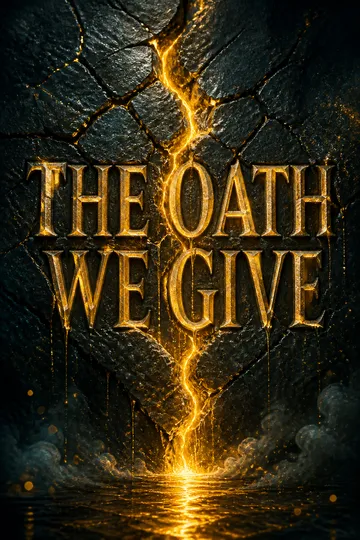
The Oath We Give received mixed reviews, with many readers praising the romantic development between Silas and Coraline. Fans appreciated the emotional depth, character growth, and steamy scenes. Some critics felt the plot was weaker compared to previous books in the series and disliked the handling of Silas's past relationship. The book's exploration of mental health and trauma resonated with many readers. Overall, it was seen as a satisfying conclusion to the Hollow Boys series, though opinions varied on its standalone quality.
People Also Read









Characters
Silas Hawthorne
The guarded protectorSilas is a quiet, observant technology executive whose reserve conceals intense loyalty and a capacity for violence. A false childhood diagnosis and years of not being believed have taught him to withhold the truth, while his promise to Rosemary14 shapes his sense of duty. He is also a devoted son, trying to preserve his father10’s company and shield his family from fear. Silas reads other people closely, often recognizing distress before they can name it, but struggles to let anyone read him in return. His connection with Coraline2 offers him a rare listener who does not demand proof before believing him. His central tension is between protecting others and trusting them with his own vulnerability.
Coraline Whittaker
The survivor artistCoraline is a gifted artist and teacher whose sharp tongue protects a private life shaped by abduction and sexual violence. She resents being reduced to a survivor story, yet uses her resources and studio to support other women recovering from trafficking. Her devotion to her younger sister, Lilac3, is the strongest organizing force in her life. Coraline’s belief that she is cursed grows from repeated losses and Stephen12’s manipulation, making her fear that love itself harms others. She is courageous in defense of other people but distrustful of care directed toward herself. Her relationship with Silas1 challenges the shame beneath her self-reliance without making recovery effortless or uniform.
Lilac Whittaker
Coraline’s bright anchorLilac is Coraline2’s younger sister, a talented and disciplined tennis player with an open, affectionate nature. She remains a rare source of joy for Coraline2 and understands that her sister is more isolated than she admits. Lilac is curious, confident in her identity, and willing to challenge Coraline2 gently when she retreats behind anger. Their closeness is not simply protective: Lilac also offers Coraline2 a model of a life that can remain hopeful without being naive.
Rook Van Doren
The reckless loyalistRook is one of Silas1’s oldest friends and a member of the tightly bonded Hollow Boys. His irreverence and appetite for danger sit beside a deeply protective nature, especially toward Sage7 and the friends he considers family. He has a complicated relationship with pain and is working against the patterns of violence he inherited. Rook often masks fear with jokes, but his loyalty is direct and difficult to mistake.
Alistair Caldwell
The hard-edged guardianAlistair is a blunt, intimidating member of the Hollow Boys, shaped by a family that treated inheritance and affection as conditional. He is quick to use force, but his severity hides a fierce sense of responsibility toward the people he loves. His relationship with Briar8 reveals a tenderness he rarely shows publicly. Alistair’s pride and distrust make honesty difficult, particularly when family history threatens to redefine his place among the people he chose.
Thatcher Pierson
The wary strategistThatcher is an analytical, polished member of the Hollow Boys who prefers to assess a threat before trusting anyone near his circle. His sharp skepticism reflects both his family’s dark reputation and his instinct to control risk. With Lyra9, he reveals a quieter loyalty and a willingness to protect someone without diminishing her independence. He often punctures the group’s bravado with practical questions, though his caution can sound like cruelty.
Sage Donahue
The resilient sisterSage is Rosemary14’s twin and a survivor whose warmth coexists with a sharp, teasing manner. She recognizes the cost of hiding behind a public mask because she has had to manage Ponderosa Springs’ expectations herself. Her bond with Rook4 is affectionate and fiercely loyal. Sage offers Coraline2 a path into friendship without demanding that she become softer or more socially acceptable first.
Briar Lowell
The protective truth-tellerBriar is Alistair5’s partner and a member of the women’s close-knit circle. Direct and watchful, she does not confuse politeness with trust and is ready to defend the people she loves. Her steadiness helps balance Alistair5’s severity, while her blunt questions make room for Coraline2 to explain what she fears about new friendships.
Lyra Abbott
The welcoming instigatorLyra is a friend who reaches across old social divisions, first approaching Coraline2 at the club and later helping fold her into the Loner Society. She is warm and perceptive, with enough nerve to organize risky games and enough empathy to notice who has been left alone. Her relationship with Thatcher6 rests on a playful contrast between her openness and his caution.
Scott Hawthorne
The steadfast fatherScott is Silas1’s father, a loving parent and longtime leader of Hawthorne Technology. Even as cancer weakens him, he tries to preserve his family’s future and reassure Silas1 that he is capable of taking responsibility. Scott’s humor and pride mask how much effort treatment costs him. He wants his son1 to inherit more than a company, including the possibility of a life built around love.
Zoe Hawthorne
The generous matriarchZoe is Silas1’s warm, attentive mother, devoted to her husband10 and three sons. Her affection extends naturally to the people her children bring home, and she responds to Coraline2 with genuine interest rather than social judgment. Zoe’s instinct is to gather people into a family, though that hope can make her overlook how complicated the circumstances around them are.
Stephen Sinclair
The possessive captorStephen is a powerful and manipulative man whose control depends on isolating victims and recasting coercion as affection. His history with Coraline2 leaves her doubting her own motives and blaming herself for surviving through attachment. He is skilled at exploiting family connections, social influence, and private memories to keep people afraid. Stephen’s language of ownership contrasts sharply with Coraline2’s effort to reclaim her body and identity.
Easton Sinclair
The rival heirEaston is Stephen12’s son and a longtime adversary of the Hollow Boys. He carries the privileges and public image of the Sinclair family, but also the damage produced by growing up near its corruption. His history with Sage7 and Rook4 complicates any simple reading of him as merely a rival. Easton is volatile, proud, and deeply shaped by questions of loyalty, family, and the control others have exercised over his life.
Rosemary Donahue
Silas’s first confidanteRosemary is Sage7’s twin and the person who first gave Silas1 the trust he could not find elsewhere. Their childhood friendship and shared experience of institutional abuse shape Silas1’s long silence and his belief that keeping a promise is a form of love. Rosemary’s memory remains present in the group’s history, but she is more than a symbol of loss: she is the compassionate friend who helped Silas1 understand himself.
James Whittaker
Coraline’s distant fatherJames is Coraline2 and Lilac3’s wealthy father, a man accustomed to influence and careful public appearances. His relationship with Coraline2 is strained by his choices, his involvement with the Halo’s network, and years of emotional distance. He is capable of regret and keeps a meaningful connection to Coraline2’s late mother, but he has not learned how to repair trust through words alone.
Regina Whittaker
The critical stepmotherRegina is Coraline2’s stepmother, invested in wealth, status, and the polished appearance of family life. She treats Coraline2 as a reminder of James15’s earlier relationship and often criticizes her choices, especially when they fall outside respectable society. Her sharpness and social ambition make her a source of pressure in Coraline2’s home, while her presence exposes how wealth can hide unkindness.
Jennifer Tako
The validating therapistJennifer Tako is Silas1’s therapist at Evergreen Health Institution. Careful and compassionate, she reviews the thin records behind his childhood diagnosis and gives him a sound clinical explanation for what happened. She offers professional validation without demanding that he disclose his history before he is ready.
Faye
The young art studentFaye is a teenage survivor who attends Coraline2’s art classes. She is tentative about asking for supplies, but her ability with watercolor and her willingness to keep creating show a quiet persistence. Coraline2’s generosity helps Faye practice claiming what she needs.
Hedi Tenor
The survivor advocateHedi founded Light after losing her daughter, Emma, and works to provide survivors and families with housing, therapy, and practical support. Her advocacy is personal without making her self-appointed authority over other people’s healing. She encourages Coraline2 to accept that wealth cannot cancel trauma.
Plot Devices
Silas’s false diagnosis
A secret built on disbeliefSilas1 is labeled schizophrenic after he witnesses a psychiatrist abusing Rosemary14 as a child. Adults dismiss his account as delusion, and Silas1 keeps quiet to protect Rosemary14’s confidence. The diagnosis shapes how his family, friends, and town interpret his silence, even though a later therapist finds it unsupported. It also gives the book a careful distinction between a false long-term diagnosis and the genuine psychotic break Silas1 experiences after Rosemary14’s death. The secret pays off when Coraline2 believes him and he finally tells the Hollow Boys.
The body-disposal video
A past crime reopenedAn anonymous sender delivers footage of Silas1, Rook4, and Alistair5 disposing of a body, threatening their freedom and forcing the Hollow Boys back into Ponderosa Springs. Silas1 traces the digital routes and eventually erases the file, but the threat exposes how dependent the group remains on secrets staying buried. The video connects the friends’ criminal past to the present danger posed by Stephen Sinclair12, while its uncertain origin keeps them suspicious of Easton13 and one another.
The marriage clause
A corporate rule forces intimacyHawthorne Technology’s board requires Silas1 to be married before it will approve him as CEO. His father10’s cancer makes the demand urgent, and Silas1 agrees to marry Coraline2 because he needs to preserve the family company. Coraline2 accepts to protect Lilac3 and gain access to Silas1’s resources against Stephen12. The two-year arrangement gives them a reason to share a home and perform devotion publicly, while their rules against love and sex become increasingly difficult to maintain.
Snowdrop gifts
A captor speaks through symbolsStephen12 impersonates Reece online to lure Lilac3 to Black Sands Cove, sending gifts that seem romantic but are meant for Coraline2. The flowers, Circe book, and charcoal drawings recall their captivity and Stephen12’s private mythology about Coraline2 as a dangerous enchantress. Lilac3’s emergency code exposes the trap before it can become another abduction. The gifts transform intimate memories into threats and reveal that Stephen12 has learned to reach Coraline2 through the person she most wants to protect.
The hidden tracker
A gift becomes a lifelineSilas1’s custom nipple rings for Coraline2 also contain a microchip. The jewelry appears first as a possessive, intimate gift, but it allows Silas1 and the others to locate Coraline2 when she disappears on the day of the church wedding. It turns his knowledge of Coraline2’s flight risk into a concrete rescue mechanism. The device is deliberately double-edged: it saves her, while raising the question of when protection becomes surveillance.
FAQ
Synopsis & Basic Details
What is The Oath We Give about?
- Trauma, Secrets, and Survival: The Oath We Give follows Silas Hawthorne, grappling with the revelation that his lifelong schizophrenia diagnosis was a lie, and Coraline Whittaker, a survivor haunted by a traumatic kidnapping. Both carry deep secrets and the weight of Ponderosa Springs' dark past.
- An Unexpected Alliance: Their paths intertwine when Coraline, seeking solace and understanding, reaches out to Silas, who is dealing with his own grief and the pressures of his family's legacy. Their shared experiences create an unlikely connection.
- Forced Proximity and Rising Threats: A looming threat from Coraline's past, coupled with Silas's need to secure his future, leads to a marriage of convenience. This arrangement forces them into close proximity, challenging their carefully constructed walls and drawing them deeper into the town's dangerous undercurrents.
Why should I read The Oath We Give?
- Deep Emotional Resonance: The novel delves into the psychological impact of trauma and misdiagnosis, offering a raw and honest portrayal of characters struggling to heal and find acceptance in a world that has judged them.
- Intriguing Mystery and Suspense: Beyond the romance, the story weaves a compelling narrative of secrets, blackmail, and a dangerous escaped figure, keeping readers on edge as the characters navigate threats from their past.
- Complex Character Dynamics: The evolving relationship between Silas and Coraline, built on shared pain and unexpected trust, provides a captivating exploration of connection, vulnerability, and the possibility of finding light in darkness.
What is the background of The Oath We Give?
- Ponderosa Springs Setting: The story is set in the seemingly prestigious town of Ponderosa Springs, Oregon, which harbors deep corruption and dark secrets beneath its polished surface, influencing the characters' lives and reputations.
- The Halo Organization: A central element is the history and aftermath of the Halo, a human trafficking ring run by the Sinclair family, which directly impacted Coraline and indirectly affected the Hollow Boys' families.
- Founding Families' Legacy: The narrative is rooted in the history of the town's founding families (Hawthorne, Caldwell, Van Doren, Pierson, Whittaker, Sinclair), whose intertwined legacies of power, wealth, and hidden crimes shape the present conflict.
What are the most memorable quotes in The Oath We Give?
- "We are only hollow if we allow ourselves to remain that way.": Silas offers this profound insight to Coraline during their first phone call, defining a central theme of the book about choosing to fill the emptiness left by trauma rather than being consumed by it.
- "You're not a curse, baby. You're a fucking blessing.": Silas's powerful declaration to Coraline directly counters the lifelong narrative she's been given, symbolizing his unwavering acceptance and love for her true self, scars and all.
- "Hexadecimal... It's short for hexadecimal... I'm saying you're a special language only I can decode.": Silas redefines the derogatory nickname "Hex" given to Coraline, transforming it into a term of endearment that signifies their unique connection and his ability to see and understand her beneath the surface.
What writing style, narrative choices, and literary techniques does Monty Jay use?
- Dual Perspective Narrative: The story alternates between Silas and Coraline's first-person perspectives, offering intimate access to their internal struggles, thoughts, and emotional responses, highlighting their individual journeys and shared experiences.
- Symbolic Language and Motifs: Jay employs recurring symbols like chess terms (Zugzwang, Checkmate, Immortal Game), colors (orange, black, white), and locations (the basement, the Peak, the studio) to represent character states, power dynamics, and thematic elements.
- Emotional Intensity and Rawness: The writing style is characterized by its raw emotional depth, particularly in depicting trauma, fear, and desire, often using visceral descriptions and internal monologue to convey the characters' psychological states.
Hidden Details & Subtle Connections
What are some minor details that add significant meaning?
- Coraline's White Hair Streaks: The white streaks in Coraline's hair, appearing after her trauma, are a subtle physical manifestation of her internal pain and the "curse" she believes she carries, a visible scar that sets her apart.
- Silas's Nipple Piercings: Silas's pierced nipples, initially a detail of his physical appearance, become deeply symbolic when he rebrands them with Coraline's initials (S and H) and uses them during intimate moments, signifying his claim and their unique connection.
- The Lavender Plant: Silas buying a fresh lavender plant for Coraline after learning it helps her sleep is a quiet, powerful gesture of care and attentiveness, demonstrating his protective nature and desire to soothe her trauma in a tangible way.
What are some subtle foreshadowing and callbacks?
- Coraline's First Call to Silas: Coraline's initial, desperate phone call to Silas, where he is just a "voice" and an "ear," foreshadows his later role as her anchor and confidant, establishing their unique connection based on shared understanding of unseen demons.
- The "Hex" Nickname: The town's cruel nickname "Hex" for Coraline is initially presented as a general judgment, but it subtly foreshadows Silas's reinterpretation of the term as "Hexadecimal," transforming it from a symbol of a curse to a code only he can understand.
- Silas's Gun Engravings: The engravings "Non timebo mala" and "Vallis tua umbra" (I will fear no evil, The shadow and valley are yours) on Silas's guns are a constant callback to his internal battle with fear and darkness, foreshadowing his willingness to embrace violence to protect those he loves.
What are some unexpected character connections?
- Alistair Caldwell's Paternity: The revelation that Wayne Caldwell, Alistair's father, is also Easton Sinclair's father creates an unexpected and deeply unsettling familial link between two rival founding families, adding a layer of betrayal and complexity to Alistair's character arc.
- Coraline and Rosemary's Shared Trauma Source: Coraline's realization that Rosemary Donahue was the girl Silas saw being abused by the psychiatrist connects their traumas directly through the same perpetrator, solidifying the foundation of their unique understanding and bond.
- Sage Donahue's Promise to Rosemary: Sage's confession to Coraline that she promised Rosemary she would ensure Silas's happiness reveals a hidden layer to her character and establishes a direct link between Rosemary's memory and Sage's support for Silas and Coraline's relationship.
Who are the most significant supporting characters?
- Lilac Whittaker: Coraline's younger sister is her primary motivation and emotional anchor. Lilac's innocence and well-being are Coraline's driving force, and her presence highlights Coraline's protective nature and capacity for selfless love.
- The Hollow Boys (Rook, Alistair, Thatcher): Silas's found family provides unwavering loyalty and support. They are his confidantes, partners in navigating the town's dangers, and a crucial emotional support system, demonstrating the strength of chosen family bonds.
- Zoe and Scott Hawthorne: Silas's parents represent unconditional love and acceptance, contrasting with the judgment he faced from the town. Their desire for his happiness and Scott's illness become significant motivators for Silas's actions, highlighting themes of family legacy and sacrifice.
Psychological, Emotional, & Relational Analysis
What are some unspoken motivations of the characters?
- Coraline's Need for Control: Coraline's seemingly harsh demeanor and insistence on boundaries are often unspoken attempts to regain control after being stripped of it during her kidnapping, a defense mechanism against vulnerability.
- Silas's Desire for Acceptance: Beneath his stoic exterior, Silas deeply craves acceptance for his true self, particularly from his friends and family, a motivation stemming from years of living with a false diagnosis and the secret he kept.
- Stephen's Obsession: Stephen's continued pursuit of Coraline isn't just about control; it's fueled by a twisted belief that she genuinely loved him and that her "curse" prevented him from selling her, a narcissistic inability to accept rejection or his own culpability.
What psychological complexities do the characters exhibit?
- Trauma-Induced Self-Loathing: Coraline exhibits profound self-loathing and shame stemming from her trauma, particularly her mind's survival mechanism of forming an attachment to Stephen, leading her to believe she is "cursed" and undeserving of love.
- Suppressed Emotion and Control: Silas demonstrates a complex psychological response to his misdiagnosis and the secret he kept, suppressing his emotions and developing an intense need for control as a coping mechanism against feeling helpless and unheard.
- Survival Mode Mentality: Both Coraline and Silas operate in a perpetual state of "survival mode," a psychological adaptation to prolonged trauma and danger, which manifests in hyper-vigilance, difficulty trusting, and a tendency to push others away, even when safe.
What are the major emotional turning points?
- Coraline's First Call to Silas: This initial act of reaching out marks a significant emotional turning point for Coraline, signifying a desperate need for connection and a willingness to seek help from someone who might understand her unseen demons.
- Silas's Confession to Coraline: Silas revealing the truth about his misdiagnosis and the secret he kept for Rosemary is a major emotional release for him, marking the first time he shares this burden and solidifying the deep trust and understanding between him and Coraline.
- Coraline's Breakdown in Her Apartment: Coraline's emotional collapse after Stephen vandalizes her apartment is a critical turning point, forcing her to confront the raw pain of her trauma resurfacing and allowing Silas to witness and validate her suffering, moving past her defensive facade.
How do relationship dynamics evolve?
- Silas and Coraline: From Strangers to Soulmates: Their relationship evolves from an unlikely connection based on shared trauma to a marriage of convenience, eventually deepening into genuine trust, vulnerability, and profound love, challenging Coraline's belief in her "curse" and Silas's emotional walls.
- The Hollow Boys' Bond Tested and Strengthened: The revelation of Alistair's paternity and Silas's misdiagnosis tests the trust and loyalty within the Hollow Boys' group. However, their shared history and commitment to one another ultimately strengthen their bond, proving their chosen family is resilient.
- Coraline and Her Family: Strained to Tentative Understanding: Coraline's relationships with her father and stepmother remain strained due to past betrayals and superficiality. While moments of tentative understanding occur (James giving her the dress, Regina's reaction to the engagement), the core dynamic remains complex and marked by unresolved pain.
Interpretation & Debate
Which parts of the story remain ambiguous or open-ended?
- The Extent of the "Curse": While Silas dismisses Coraline's belief in a literal curse as psychological, the recurring pattern of men she loves facing tragedy (Jeremy, Riley, Emmet) leaves a subtle ambiguity, allowing readers to debate if there's a supernatural element or purely psychological manifestation of trauma and guilt.
- Easton Sinclair's Future: Despite being apprehended, Easton's fate and potential role in future conflicts remain open-ended, hinted at by the tease for the next generation series, leaving his character arc unresolved within this book.
- The Hollow Boys' Future in Ponderosa Springs: The final chapter leaves the decision of whether the Hollow Boys will stay and claim Ponderosa Springs or sell it and leave open for the next series, symbolizing the choice between confronting or escaping their past.
What are some debatable, controversial scenes or moments in The Oath We Give?
- Silas's Violent Acts: Silas's decision to kill Charlie Monroe and brutally injure Carson Bloom raises moral questions about his methods, prompting debate on whether his actions are justified by his protective instincts or indicative of a darker, potentially uncontrollable side.
- The Elevator Scene: The intimate encounter in the dark elevator, where Coraline experiences pleasure despite her trauma history, could be debated regarding its portrayal of healing and consent dynamics, particularly given the power imbalance and her initial panic.
- The Office Scene (Crawling/Gun): The scene where Silas makes Coraline crawl and uses his gun during sex is highly controversial, sparking debate about power, control, consent, and the depiction of trauma responses within a sexual context.
The Oath We Give Ending Explained: How It Ends & What It Means
- Stephen's Demise and Liberation: The climax sees Silas confronting and killing Stephen Sinclair, burning his body. This act signifies the definitive end of Stephen's reign of terror and serves as a brutal form of justice and liberation for Coraline and all affected by the Halo.
- Near-Death Experience and Rebirth: Silas is shot by Easton Sinclair but survives after a near-death experience where he finds closure with Rosemary. This event acts as a catalyst for him, solidifying his desire to live fully with Coraline and shedding the last of his guilt.
- A Future Chosen Together: The ending culminates with Silas and Coraline embracing their love and facing the future together, including the unexpected news of Coraline's pregnancy. Their journey signifies healing, breaking cycles of trauma, and choosing a future defined by their bond rather than their pasts, while the Hollow Boys contemplate their collective future.
Hollow Boys Series Series


About the Author
Other books by Monty Jay



Download PDF
Download EPUB
.epub digital book format is ideal for reading ebooks on phones, tablets, and e-readers.








