


Plot Summary
The Fishery's Price
At a coastal fishery, Hades forces crime boss Sisyphus to donate millions to the homeless for trafficking drugs and killing rivals. Sisyphus has little time left to live, but Hades leaves him free, unaware the mortal will soon challenge death itself. That night, Aphrodite arrives at Hades's club with a problem of her own.
Her marriage to Hephaestus has withered into silence, yet she has asked Zeus for a divorce rather than risk admitting she still loves her husband. After Hades challenges her choices, Aphrodite wins their card game and sets a cruel condition: within six months, Hades must make someone fall in love with him. If he fails, she can demand the return of Basil, her dead war hero.
The opening establishes Hades as a ruler who treats punishment as a means of restoring balance, not as proof of moral purity. His bargain with Sisyphus exposes the limits of that authority: he can compel a donation, but not change the man’s appetite for power. Aphrodite’s wager turns Hades’s own loneliness into a test. His advice to her is easy to give from a position of emotional distance; the challenge makes that distance personally costly.
A Thread at Nevernight
At Nevernight, Hades spots a woman in pink whose scent combines vanilla, lavender, and the wildflowers he associates with Demeter. An uncanny urge to claim her rises in him, but he approaches with a card game instead. She loses their poker hand, answers one question, then flees when she realizes her opponent is Hades, the God of the Dead.
Before she goes, his magic marks her wrist. Hades later consults the Fates' records and learns her name is Persephone, Demeter's hidden daughter and the woman whose life-thread connects to his. The sisters call her his future queen, but warn that Demeter paid a price for having her. Hades fears that this promised bond may be another way for the Fates to torment him.
The attraction arrives before either character understands it, making desire feel both intimate and coercive. Hades recognizes the danger of his instinct, yet still uses the club’s rules to bind Persephone to him. Fate offers him a relationship, but not consent or certainty. His discovery of her identity complicates the fantasy: Persephone is not merely a stranger he wants, but a person whose mother has shaped her life and whose freedom Hades can easily threaten.
A Garden in Ash
Persephone returns to Nevernight in her divine form after a bouncer, Duncan, grabs her during an argument. Hades punishes Duncan, then explains that the mark on Persephone's wrist binds her to a wager she did not understand. He could release her, but instead sets the terms: she must create life in the Underworld within six months or remain there permanently.
Persephone accepts, determined to finish the task after her university classes. Hades also grants her protection and access to his realm, though she remains suspicious of his motives. Her power is dormant, and she relies on Demeter's magic to hide her identity. Hades sees the contract as a way to force Persephone to confront the belief that she is powerless.
The bargain echoes Hades’s usual method with mortals: identify a weakness, make it the condition of escape, and call the pressure an opportunity. With Persephone, that method is especially fraught because he already knows she is destined to be his partner. His choice to withhold the option of freedom is an act of control disguised as instruction. Persephone’s acceptance, meanwhile, is not trust. It is her first deliberate refusal to let fear make the decision for her.
The Shears Refuse
After Sisyphus's guard, Isidore, dies, Hades tortures him for information and learns that the mortal criminal group Triad is reorganizing for war. Soon Atropos's shears break when she tries to cut Sisyphus's life-thread. Hades and Thanatos find Alexander Sotir dead in his apartment, his soul so damaged by an unnatural death that it cannot recover.
Alexander was addicted to a drug supplied by Sisyphus, who has apparently found a relic capable of stealing lives from their appointed endings. The Fates threaten to unweave Persephone's thread from Hades's if he fails to stop him. Hades carries Alexander's soul to Elysium, then turns his attention to finding the relic and its owner.
The broken shears transform Hades’s romantic problem into a crisis of public responsibility. His desire for Persephone is now entangled with the consequences of Sisyphus’s defiance, and the Fates make that connection explicit by threatening her thread. Alexander’s ruined soul gives the danger a human cost beyond divine politics. Hades can restore order only imperfectly: he offers the dead a gentler resting place, while recognizing that his delayed response may leave others beyond healing.
The Reporter Arrives
Persephone returns to Nevernight with Adonis, Aphrodite's handsome mortal favorite, to question Hades for the New Athens News. She challenges his bargains as deceptive traps that endanger mortals, while Hades insists that people choose to gamble and that he targets the burdens destroying their lives.
When Adonis steps between them, Hades magically knocks him unconscious and warns Persephone away from him. Later, during her first visit to the Underworld, Persephone wanders too near the River Styx and falls among its hostile dead. Hermes rescues her, and Hades finds her badly wounded. He heals her ribs and shoulder, carries her to his bed, and tends to her until she wakes.
Persephone’s journalism gives her a way to challenge divine authority using evidence and public scrutiny, while Hades interprets criticism as a judgment of his entire character. Their disagreement is not simply that she is compassionate and he is harsh. She sees how his rules feel to those subject to them; he sees costs and consequences she has not yet encountered. Her injury briefly interrupts the argument, revealing Hades’s protectiveness, but care alone does not resolve the unequal power built into their relationship.
Orpheus's Petition
During a tour of the Underworld, Persephone witnesses Orpheus ask Hades to trade his own soul for the return of his wife, Eurydice. Hades refuses, sensing guilt in Orpheus and knowing the Fates chose Eurydice's death, but Persephone condemns his cold dismissal and leaves angry. Hecate, Hades's trusted witch and adviser, makes him see that he could have offered Orpheus a glimpse of his wife rather than shutting him down.
Later, Hades explains that he can bargain for souls in limbo, as he does for a dying child's mother, but cannot simply reverse a death chosen by the Fates. Persephone also urges him to treat addiction as an illness and fund rehabilitation rather than threaten addicts with death.
The Orpheus encounter exposes a blind spot in Hades’s administration: he understands the rules so thoroughly that he mistakes explaining limits for offering care. Persephone asks him to consider what a person needs when a request cannot be granted. Her perspective does not erase the Fates’ authority, but it expands Hades’s sense of what mercy can look like within constraint. His willingness to listen marks an early change from defending his system to examining its effects.
A Promise of Hope
After Hecate advises Hades to let Persephone see more than his worst deeds, he finds a mother begging for help because her young daughter has aggressive cancer. He refuses her offer of a life-for-a-life bargain, instead granting the child his favor and asking the mother to keep his intervention private. Persephone, hidden nearby with Hermes, witnesses the choice.
Hades then begins developing the Halcyon Project, a free rehabilitation center inspired by her argument that mortals need support, not only punishment. At the same time, he uncovers a dryad sent by Demeter to spy on Persephone and pressures her to conceal the visit. His concern for Persephone is growing, but he still manages people through secrecy and leverage.
The mother’s request lets Hades act compassionately without violating the boundary that troubled Persephone in Orpheus’s case. The difference between a dead soul and a life still in limbo matters, but so does Hades’s choice to explain less than he knows. The Halcyon Project translates Persephone’s ethical criticism into an institution rather than a romantic gesture. His growth remains incomplete: he can change a policy while still relying on surveillance and strategic concealment.
The Golem's Escape
Hades asks Hephaestus for a weapon that can restrain violence and compel truth. He uses the resulting Chains of Truth on Poseidon, who admits giving Sisyphus a magical spindle to repay him for protecting Poseidon's granddaughter from Zeus. At Poseidon's shipyard, Hades and Thanatos attack what appears to be Sisyphus, only to discover it is a clay golem.
The real criminal escapes through a portal, and the chains accidentally trap Thanatos. Hecate traces the portal's magic to a shop called the Three Moons, where a Magi admits that Theseus, Poseidon's ambitious demigod son, recruited him to help Sisyphus. Hades now knows the threat includes powerful allies, not just a relic.
The hunt makes Hades confront the limits of force. His new chains can uncover truth, but they cannot tell him whom to trust or prevent a deception built with magic. Poseidon’s casual use of the spindle turns sibling rivalry into a danger for mortals, while Theseus’s involvement hints at a broader political ambition. Hades’s response remains combative, yet his dependence on Hephaestus and Hecate shows that even the God of the Dead must work through others.
Adonis at La Rose
Aphrodite alerts Hades that Persephone is at her club with Adonis. He arrives to find Adonis kissing Persephone while she pushes him away and cries. Hades pulls the mortal off her and carries her out, then uses magic to keep the clubgoers from remembering the scene. Persephone has been drugged; disoriented and drunk, she makes advances toward Hades in his office and bedroom.
Hades wants her, but recognizes that she is not in a state to choose freely, so he uses magic to put her to sleep without having sex with her. When she wakes, she learns what happened and accuses him of jealousy. Their argument turns to her published criticism of him and the contract that still binds her.
This episode tests Hades’s possessiveness against his responsibility to respect Persephone’s agency. He feels rage at Adonis and desire for Persephone, but chooses not to use her vulnerability for his own gratification. That restraint is meaningful precisely because their relationship has been shaped by a contract she never wanted. Their next conflict shows how ethical conduct in one moment cannot undo earlier coercion or erase the distrust that Hades’s secrecy has cultivated.
The Bathhouse Boundary
After Persephone accuses him of manipulating her, Hades follows the magic behind the golem to the Three Moons shop. The owner, Vasilis, reveals that Triad burned his cat and forced him to help create the golem in exchange for its collar. He names Theseus as the person who took Sisyphus through a portal.
Hades brings Vasilis and the resurrected cat to safety, then confronts Aphrodite about Adonis's conduct. Later, Persephone joins Hades in the baths. Their attraction finally becomes physical, but when Hades tells her he can taste her lies, Persephone calls the encounter a mistake and leaves. Their intimacy has deepened, but her trust has not caught up.
Vasilis’s story mirrors Hades’s own tendency to make choices under the pressure of attachment: he accepts danger to recover the cat he loves. Hecate presses Hades to recognize the mortal’s humanity rather than reduce him to a criminal accomplice. The bathhouse encounter offers physical closeness without emotional security. When Persephone withdraws, Hades treats desire as proof of a bond, but her departure makes clear that attraction cannot substitute for an honest, freely chosen relationship.
Halcyon in the Spotlight
At the Olympian Gala, Hades presents the Halcyon Project, a free rehabilitation center shaped by Persephone's criticism of his bargains. He publicly credits her ideas, then watches her examine the plans rather than accepting his gesture as an apology. The two dance and challenge each other over Hades's past with Minthe.
Persephone asks whether he has slept with his assistant; after Hades admits that it happened once, long ago, she insists on the promised game of cards. Their questions and wagers lead to a night together in which Persephone chooses him soberly and Hades finally acknowledges the depth of his attachment. The new intimacy gives them pleasure, but it does not resolve their history of mistrust.
The gala places private change in a public frame. Hades turns criticism into a concrete service, but crediting Persephone also risks recasting her argument as an instrument of his self-improvement. Her insistence on asking about Minthe and setting the game’s terms gives her a measure of agency within a relationship otherwise burdened by Hades’s control. Their first fully chosen night together marks a genuine shift, though Hades still has not told her plainly that he loves her.
Theseus Returns the Spindle
Theseus comes to Nevernight carrying the stolen spindle and Sisyphus, whom he has captured himself. Before handing over the criminal, Theseus tests Hades by having a guard kill Vasilis, the Magi who helped him; Hades watches without intervening. Theseus asks for a favor in exchange for the spindle, and Hades grants it despite knowing the request could later be dangerous.
He sends Sisyphus to Tartarus and commissions an engagement ring from Hephaestus. Soon afterward, Hades attends an Olympian council, where he warns that Triad is organizing under demigod leaders. Demeter confronts him and demands that he leave Persephone alone, but Hades refuses to deny the Fates' bond or Persephone's right to choose.
Theseus’s exchange makes Hades’s willingness to act for Persephone costly: he secures the spindle, but gives a powerful and opaque rival a claim on him. His refusal to react to Vasilis’s murder suggests composure, though it also exposes how easily Hades can tolerate violence when it serves a larger purpose. The ring is an act of hope, not yet a promise shared with Persephone. Demeter’s demand sharpens the question of whether protection becomes another form of control.
The Underworld Crowns Spring
At the Ascension Ball, Persephone arrives beside Hades in her divine form, wearing the crown made for her by a craftsman of the Underworld. The souls greet her warmly, and she moves among them with an ease Hades has never managed. Minthe tells Hades that Persephone is supposed to fall in love with him, not the other way around, and warns that spring and darkness cannot endure together.
Hades doubts whether he can give Persephone a life she would want, especially because he cannot give her children. Yet he watches her dance with the souls and sees that she is happy in his realm. During their reunion, Persephone's ability to sense life begins to awaken, suggesting her divine power is finally stirring.
The ball turns the relationship from private desire into a question of belonging. Persephone does not merely occupy Hades’s world; she builds ties with its inhabitants, revealing a form of leadership based on attention rather than distance. Minthe’s warning names a real asymmetry, but Hades’s fear makes him imagine Persephone’s needs for her instead of asking her. The first stirrings of her power matter because they arise alongside recognition, not because Hades can manufacture them for her.
Minthe Opens Tartarus
Minthe helps Sisyphus escape from Tartarus, undoing the bargain Hades made with Theseus and restoring the threat to the stolen life-thread. Hades discovers her betrayal and banishes her from the Underworld, then orders Hermes to spread word that he will bargain with Sisyphus for immortality. The escape forces Hades to return to his old methods, using Sisyphus's dwindling criminal resources to make him desperate enough to come back.
Meanwhile, Hades begins trying to court Persephone outside the bedroom. He asks her on a date, learns that she loves baking, and visits her apartment in borrowed casual clothes to make cookies with her. Their ordinary afternoon gives him a glimpse of the simple life he has never allowed himself to want.
Minthe’s betrayal makes the cost of Hades’s neglected relationships tangible: he treated her attachment as manageable, and she turns that hurt into a political act. Banishment restores his authority but does not undo the damage. His attempt to court Persephone through a domestic activity marks a different kind of vulnerability. Baking requires patience, shared attention, and the possibility of failure, qualities unlike the command-and-contract structures through which Hades usually gets what he wants.
Demeter Finds the Lovers
After Hades and Persephone spend the night together at her apartment, Demeter appears in the bedroom and orders her daughter away from him. Persephone refuses to be treated as a child, but Demeter strips away the favor that hid her divine form and tries to take her home.
The contract prevents Demeter from removing her, though Persephone is left shaken. Her friend Lexa enters and learns that Persephone is a goddess. Hades goes to Olympia, where Zeus hears Demeter's claim and rules that Persephone must remain free to follow the Fates' arrangement.
Hades argues that Demeter's secrecy kept Persephone powerless, while Demeter insists she was protecting her. The confrontation leaves Persephone caught between family loyalty and the life she has chosen.
Demeter’s intervention makes visible the difference between care and control. She may believe secrecy protects Persephone, but stripping away her daughter’s glamour and denying her adult choices repeats the very disempowerment Hades claims to oppose. Hades’s defense is compromised by his own contract, which also limits Persephone’s freedom. Lexa’s discovery broadens the conflict beyond gods: Persephone must decide whether intimacy with Hades can coexist with the ordinary friendships and identity she has built.
Cookies Beneath the Stars
After Zeus rules against Demeter, Hades notices Persephone withdrawing, though she attributes her mood to university finals. He prepares a picnic in the Underworld and brings cookies he has made himself. Persephone treasures them because no one has ever cooked for her, and the two share the quiet evening with Hecate and Hermes after they join unexpectedly.
Hades enjoys seeing Persephone welcomed by his friends and the souls, but her sadness remains. Their closeness does not settle the question of what she will do when the contract ends. Hades wants to keep her in his realm, yet increasingly understands that love cannot mean deciding her future for her.
The picnic offers care without spectacle. The imperfect cookies matter more than Hades’s wealth because they register effort and personal attention, forms of affection Persephone has rarely received. Yet tenderness cannot neutralize the structure that brought her to him. Her withdrawal shows that comfort and consent are separate needs. Hades is beginning to understand this distinction, but his fear of losing her still tempts him to treat continued proximity as the same thing as a freely chosen future.
Aphrodite Reveals the Wager
Aphrodite visits Persephone and tells her about the six-month wager, making her believe Hades pursued her as a way to win a game. Persephone runs to Tartarus, where she encounters Tantalus, a tortured king, and Hades finds her terrified and brings her to safety.
In the baths, she confronts Hades, who insists that their contract was separate from Aphrodite's bargain and that he wanted her to believe in her own power. His explanations sound like more manipulation to Persephone, who says she loves him but asks whether the wager made that love worth winning.
When Hades calls her trapped by her own choices, Persephone's dormant magic erupts as living black vines bind him. She has created life in the Underworld and fulfilled the contract, but the revelation does not repair their broken trust.
Aphrodite’s disclosure converts an unspoken fear into evidence: Hades did approach Persephone under the pressure of a bet. His genuine love does not erase the coercive beginning, and his claim that he intended to awaken her power cannot decide how she should interpret his choices. Persephone’s vines make the contract’s central irony literal. The first life she creates is also an act of resistance, binding the god who believed he could guide her into freedom.
A Queen Chooses Both Worlds
With Persephone gone, Hades finally lures Sisyphus to Nevernight by promising a bargain for immortality. Sisyphus tries to shoot him, but Hades melts the gun, wins their game of blackjack, and sends him to Tartarus. Hephaestus finishes the engagement ring Hades ordered, but Hades returns it, unable to bear the future it represents.
At Persephone's graduation, Hades watches her look unhappy and realizes he never told her he loved her. Hecate brings him to Persephone at a coffee shop. She runs into his arms, and he apologizes and says he loves her. Persephone returns his love. Hades asks her to live between the mortal world and the Underworld, and she accepts, choosing both her freedom and a place beside him.
The ending resolves two different struggles through different kinds of action. Hades defeats Sisyphus by mastering the game the mortal has repeatedly tried to evade, while he repairs his relationship with Persephone by abandoning games and finally speaking plainly. Returning the ring shows that love cannot be secured through a planned symbol or a divine destiny alone. Persephone’s choice to move between worlds preserves the life she built rather than requiring surrender to Hades’s realm.
Analysis
A Game of Fate asks whether destiny can create a meaningful bond without making consent irrelevant. Hades and Persephone are linked by the Fates before they understand one another, but the relationship begins through an unequal contract: Hades marks Persephone, sets a task she considers impossible, and withholds the freedom to leave. The novel does not treat attraction as a clean answer to that imbalance. Persephone can desire Hades and still object to the conditions under which he entered her life. Her anger, her journalism, and finally her emerging power insist that love must leave room for refusal.
Hades's development is measured less by his capacity for passion than by his willingness to revise how he uses authority. He starts by treating souls as cases whose burdens can be corrected through bargains. Persephone makes him consider the emotional and social conditions behind addiction, grief, and desperation. The Halcyon Project is a practical result of that pressure, while his failure with Orpheus shows that good intentions do not automatically produce humane judgment. Hades must learn not only to care, but to explain himself and accept that care does not entitle him to control another person.
Persephone's hidden identity gives the power struggle a second scale. Demeter's protection has concealed her daughter's divinity so thoroughly that Persephone mistakes dependence for safety and ignorance for ordinary life. Hades sees her potential, but his attempt to awaken it through coercion repeats the logic he claims to oppose. Her vines emerge at the moment she rejects his interpretation of her needs. Power arrives not as a gift from a lover, but as her own response to being cornered.
The supporting conflicts echo this central problem. Aphrodite and Hephaestus struggle to communicate affection; Minthe confuses proximity with entitlement; Poseidon turns a relic into a weapon in a sibling feud; Theseus wraps personal ambition in the language of freedom. Across these relationships, the story distinguishes love from possession through concrete choices. Its final reconciliation matters because Hades stops wagering on Persephone and tells her the truth, while Persephone chooses a future that preserves both her mortal life and her place in the Underworld.
Review Summary
A Game of Fate retells the story from Hades' perspective, offering more depth to his character and the world of Greek gods. Many readers preferred this version to Persephone's, enjoying the added mythology and Hades' interactions with other deities. The book provides insight into Hades' thoughts and motivations, though some found his constant sexual thoughts about Persephone excessive. Overall, readers appreciated the expanded plot and character development, despite mixed opinions on the romance and sexual content.
People Also Read










Characters
Hades
The guarded underworld kingGod of the Dead and ruler of the Underworld, Hades treats bargains as instruments for exposing the weaknesses that ruin mortal lives. Centuries of war and judgment have made him controlling, suspicious, and more comfortable with punishment than emotional disclosure. He believes that balance requires hard choices, but Persephone's compassion makes him question whether a system can be just if it offers no hope. His desire for her forces him to confront the difference between protecting someone and controlling them. Beneath his severe authority is a ruler capable of tenderness, though he often reaches for power before he reaches for honest words.
Persephone
The hidden goddess of springDemeter's daughter, Persephone lives as a university student and journalist, unaware of the full reach of her divine nature. She is curious, compassionate, and willing to challenge Hades when his bargains treat vulnerable people as problems to be corrected. Her mortal life gives her a perspective the gods often lack, while her dependence on her mother's protection has left her uncertain of her own power. She wants love, but also the right to decide what she believes and where she belongs. Her relationship with Hades tests whether attraction and destiny can coexist with genuine choice.
Aphrodite
The love goddess with a wagerGoddess of Love, Aphrodite is witty, proud, and more wounded by her marriage than she lets others see. She uses charm and games to test people, partly because vulnerability feels more dangerous than rejection. Her relationship with Hephaestus leaves her caught between wanting to be loved and refusing to risk asking for love directly. She knows how to expose other people's insecurities, but her own loneliness complicates her judgments. Her wager with Hades comes from frustration and desire, not simple amusement.
Demeter
The protective harvest goddessGoddess of Harvest and Persephone's mother, Demeter equates safety with control. She has kept her daughter apart from divine society and helped shape the belief that Persephone is not powerful enough to stand alone. Her fear of Hades is intensified by an old grievance and a desire to determine her daughter's future herself. Demeter's care is real, but her methods leave little room for Persephone's independent judgment. She represents the danger of protection that never allows the protected person to grow.
Hecate
Hades's candid witch adviserGoddess of Witchcraft, Hecate is Hades's oldest confidante and one of the few people willing to challenge his self-deceptions. Her humor is sharp, her loyalty fierce, and her practical knowledge of magic makes her valuable in the search for Sisyphus. She recognizes that Hades's anger often masks fear and pushes him to communicate rather than command. Her affection for Persephone develops through their friendship and shared concern for the Underworld's inhabitants.
Minthe
The possessive royal aideA nymph who has served Hades for ages, Minthe manages his work and gathers information at Nevernight. Her long proximity to him blurs the line between professional loyalty and a claim on his attention. She is perceptive about Hades's habits but mistakes access for authority, especially when his relationship with Persephone unsettles her. Her need for recognition turns the workplace into a battleground for intimacy and status.
Sisyphus
The death-defying crime bossA criminal kingpin who uses a fishery as a front for drug trafficking, Sisyphus treats other people as expendable obstacles to his empire. He fears losing the power he has built more than he fears the moral cost of keeping it. His defiance of death is not an act of courage so much as an extension of his refusal to accept limits. The relic he acquires gives that refusal dangerous consequences for the living and the dead.
Theseus
Poseidon's ambitious sonA demigod and leader within Triad, Theseus presents himself as an advocate of freedom while seeking influence for himself. His confidence and strategic patience resemble Poseidon's, and he is adept at making a favor sound like a fair exchange. He sees the old gods' authority as something to challenge, but his own appetite for power complicates his claims about equality.
Hephaestus
The forge god and makerGod of Fire and master craftsman, Hephaestus builds weapons, machines, and marvels with a precision few gods can match. His quiet manner and history of rejection have made him guarded, but his reserve should not be mistaken for indifference. He loves Aphrodite while struggling to express that love directly, and his inventions help Hades face threats that strength alone cannot solve.
Poseidon
The volatile god of seasGod of the Sea and Hades's brother, Poseidon is powerful, proud, and quick to turn rivalry into spectacle. He resents limits imposed by Zeus and Hades, yet his attachment to his family can interrupt his anger. His support for Sisyphus begins as a petty way to frustrate Hades, illustrating how divine grudges can put mortals at risk.
Hermes
The irreverent divine messengerGod of Trickery and guide of souls, Hermes moves freely between realms and treats danger with irreverent humor. He teases Hades but is capable of stepping into real peril when someone needs help. His blunt observations often identify emotional truths Hades would rather avoid, while his role as messenger and thief makes him useful in the search for Sisyphus.
Thanatos
The compassionate death godGod of Death, Thanatos guides souls from the living world and approaches that responsibility with unusual gentleness. He cares about the condition of the dead, not merely the completion of his task, and works closely with Hades when deaths occur outside the Fates' order. His steadiness offers a contrast to Hades's harsher methods.
Ilias
Hades's loyal satyr agentA satyr who manages Hades's businesses and enforces his authority, Ilias is mild in manner but formidable when action is needed. He is trusted to gather information and handle dangerous assignments without confusing loyalty with softness. His history of defending someone he loved gives his service to Hades a personal foundation.
Adonis
Aphrodite's favored mortalA handsome mortal in Aphrodite's circle, Adonis benefits from his charm and from divine protection. Persephone's work brings him into Hades's orbit, where his polished appearance contrasts with the darker motives Hades perceives.
Lexa
Persephone's outspoken friendPersephone's best friend, Lexa is energetic, direct, and protective of the people she loves. Her presence anchors Persephone's student life in the mortal world and offers companionship beyond the gods' rules.
Zeus
King of the OlympiansGod of Thunder and king of the Olympians, Zeus prefers to see himself as a mediator, though his authority rests on a history of conquest. He is suspicious of threats to divine order and expects his siblings to accept his judgments. His conduct toward women makes Hades's defense of Persephone and other women pointedly personal.
Charon
The Styx's royal ferrymanA dignified daimon who ferries souls across the Styx, Charon commands respect through competence rather than menace. His work connects the mortal world to Hades's realm, and his calm presence reflects the ordinary care required to govern the dead.
Euryale
The blind gorgon guardA gorgon Hades rescued after an attack, Euryale guards Nevernight despite blindness and carries herself with dry humor. Her survival and strength make her a quiet example of the refuge Hades offers to those harmed by others.
Plot Devices
Threads of Fate
Destiny made visibleThe Fates spin, measure, and cut the life-threads of mortals and gods. Hades can see these connections and consult the Fates' records, but he cannot freely command their decisions. Persephone's thread links her future to his, while Sisyphus's stolen spindle disrupts the system and threatens other lives. The threads make destiny tangible without removing the characters' responsibility for how they behave within it.
Nevernight's Games
Desire becomes a wagerAt Hades's club, games can bind players to contracts, and Hades sets the terms when they lose. He uses those bargains to challenge the habits and desires he sees burdening a soul. The device structures both the central romance and the moral conflict: Persephone's first loss binds her to the Underworld, while later games let her question Hades and demand answers. The rules create suspense, but their unequal power makes clear that a formally accepted wager may still be coercive.
The Stolen Spindle
A relic cheats deathPoseidon gives Sisyphus a spindle imbued with the Fates' magic. It allows the mortal to evade his appointed death and causes Atropos's shears to fail. The stolen power does not simply preserve Sisyphus: it leaves other victims dead before their time and damages their souls. The relic drives Hades's investigation, draws Poseidon and Theseus into the crisis, and forces Hades to bargain for its return.
Chains of Truth
Force candor from captivesHephaestus creates magical chains that restrain a captive and compel truthful answers. Hades uses them to question Poseidon about his connection to Sisyphus, learning that the god supplied the spindle. The chains turn an interrogation into a test of restraint: they can expose facts, but cannot guarantee that Hades understands the motives behind them or that the truth will produce cooperation.
The Halcyon Project
Compassion becomes infrastructureA free rehabilitation center developed through Hades's Cypress Foundation, the Halcyon Project grows from Persephone's criticism of his contracts with people struggling with addiction. Rather than demanding that addicts simply defeat their illness under threat of death, it offers treatment and support. Hades presents it at the Olympian Gala, making his response to Persephone's challenge visible in public action. The project does not absolve him of past choices, but it shows that he can alter the institutions through which he exercises power.
Hades x Persephone Reading Order Series
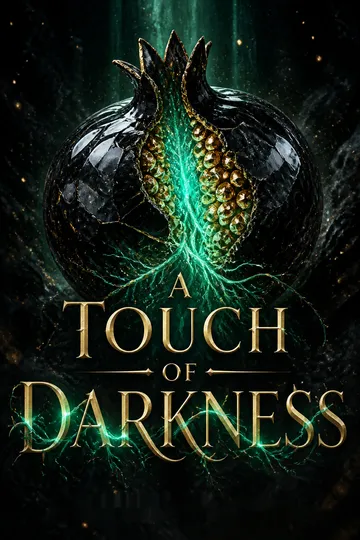


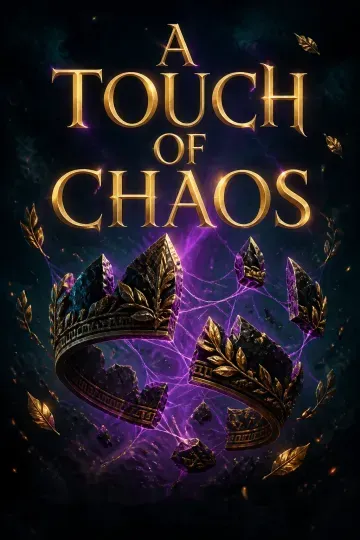
About the Author
Other books by Scarlett St. Clair





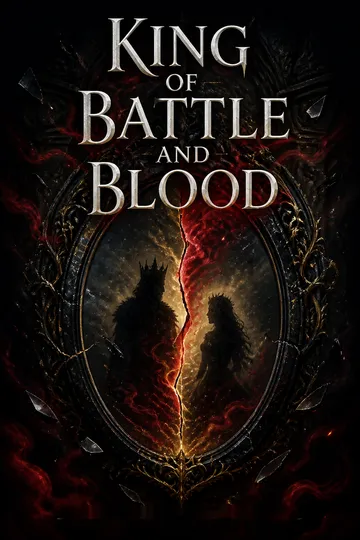


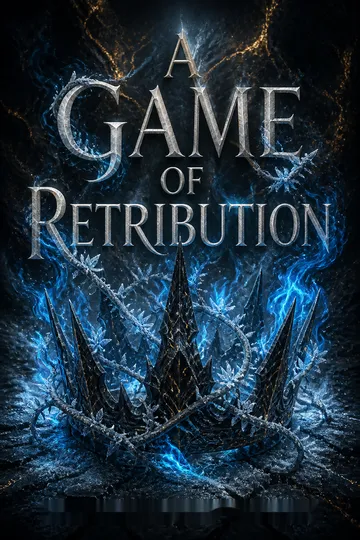
Download PDF
Download EPUB
.epub digital book format is ideal for reading ebooks on phones, tablets, and e-readers.








