


Plot Summary
A Room Refused
Lucy Honeychurch has come to Florence with her older cousin, Charlotte Bartlett, who is acting as her chaperone. Their pension gives them rooms facing a courtyard instead of the promised view of the Arno.
At dinner, retired journalist Mr. Emerson offers to exchange rooms with them, but Charlotte initially refuses, wary of owing a stranger a favor. The clergyman Mr. Beebe, who knows the Emersons, persuades her to reconsider. The exchange goes ahead, though Charlotte claims the larger room herself to keep Lucy from feeling indebted to the Emersons’ son, George.
From her new window Lucy sees the river, hills, and evening light. The view opens a world beyond the pension’s English rules, while Charlotte’s precautions keep her from knowing what to make of it.
The room exchange makes a practical kindness carry social weight. Charlotte reads the offer through the rules of chaperonage and obligation; Mr. Emerson treats it as a simple matter of giving people what they need. Lucy stands between those readings, grateful for the view yet trained to distrust the ease of accepting it. The novel’s central conflict begins not with a declaration of love but with a window: a widening of perception that cannot yet be matched by a widening of conduct. Charlotte’s protective role is sincere, but her insistence on managing Lucy’s choices foreshadows how safety can become a form of confinement.
Lost Without Baedeker
On Lucy’s first outing, the novelist Eleanor Lavish takes her toward Santa Croce, removes her guidebook, loses their way, then abandons her to pursue a local acquaintance. Lucy enters the church alone and finds the Emersons there.
When a child falls against a tomb, Mr. Emerson and Lucy help him up; the old man then disputes a lecturer’s reverent account of Giotto. George, his quiet, troubled son, guides Lucy to the frescoes. Mr. Emerson tells her that George is unhappy because the world seems incoherent to him, and asks her to understand his son rather than judge him by his awkwardness.
Lucy is startled by the request, especially when Charlotte arrives and pulls her back into the familiar company of chaperones. Yet the Emersons have made her question who gets to interpret art, kindness, and proper behavior.
Lavish’s failed excursion strips Lucy of the guidebook that promises authoritative access to Florence, while Mr. Emerson offers a more personal, less orderly way of seeing. He judges the church’s lessons by their effects on living people, not by their cultural prestige. George’s melancholy is introduced as more than youthful gloom: he experiences a gap between inherited explanations and what life actually feels like. Mr. Emerson’s request that Lucy understand him is both an unusual act of trust and an imposition, since it assigns her emotional work she did not seek. Her attraction to the Emersons begins as intellectual disturbance, not romance.
Blood on the Photographs
After playing Beethoven, Lucy feels an impatience with the smallness of her days and goes out alone. In Piazza della Signoria, a quarrel between two Italian men ends when one is stabbed. Lucy sees the blood, faints, and wakes in George’s arms in the Uffizi Arcade.
He stays with her while the crowd gathers, then retrieves the photographs she dropped. Because they are stained with blood, he throws them into the Arno. His anxious explanation unsettles Lucy more than the loss: together they have passed through an event neither can fold neatly into polite conversation.
She asks him not to tell anyone about her fainting, then tries to return to ordinary talk. George makes clear that the encounter has altered his sense of what life might hold. Lucy goes back to the pension carrying the same unanswerable feeling.
The stabbing makes the body impossible to treat as a decorous abstraction. Lucy’s fainting is not a moral failure, but she immediately worries about how it will look and asks for secrecy. George responds to the stained photographs as objects contaminated by mortality, not as souvenirs worth preserving. His response draws them into a shared experience that cannot be controlled by social etiquette. The scene also shifts the novel’s idea of perception: Lucy has spent her first days looking at art and views, but now she confronts an actual death. George’s renewed wish to live gives the moment emotional force, while Lucy’s attempt to resume ordinary conversation shows how quickly convention tries to close over shock.
Violets on the Hillside
Before a country outing, the English chaplain Mr. Eager accuses Mr. Emerson of having caused his late wife’s death through irreligion. Lucy questions the accusation, but the party sets off together. Their driver, Phaethon, brings his companion Persephone onto the carriage box; when Eager orders them separated, Mr. Emerson objects that the English are interfering with their happiness.
Later, Lucy wanders through the hillside brush while searching for the clergymen and falls onto a terrace carpeted with violets. George finds her there and kisses her. Charlotte witnesses the embrace.
In a thunderstorm on the return, Lucy confesses enough to reveal her confusion, but Charlotte turns the moment into a warning about George’s character. She arranges an early departure for Rome, and Lucy, caught between gratitude and distrust, leaves Florence without settling what the kiss means.
The outing places different forms of authority in direct competition. Eager uses religious standing to condemn Mr. Emerson; the father judges the party’s treatment of the young Italian couple by whether it protects their happiness. In the violet-covered clearing, Lucy’s carefully managed identity gives way to physical feeling, but Charlotte’s arrival restores surveillance before Lucy can interpret her own response. The storm briefly makes confession possible, then Charlotte redirects the confession toward risk and reputation. Her intervention is not simple villainy: she fears a young woman’s exposure in a world that punishes it. Still, the abrupt journey to Rome teaches Lucy to associate desire with danger before she has language for either.
Three Proposals Later
In Rome, Lucy meets Cecil Vyse, a cultured young man she has known before. He proposes, and she declines; he asks again among the Alps, and she still refuses, although they remain on friendly terms. Back in England, Cecil visits Windy Corner, Lucy’s family home in Surrey, and makes a third proposal.
This time she accepts, saying she loves him. Her mother, Mrs. Honeychurch, and her brother, Freddy, welcome the engagement, though Freddy privately doubts that Cecil suits his sister. Cecil admires Lucy as if she were a mysterious work of art and assumes their marriage will draw her into his cultivated London world.
Lucy, meanwhile, wants to believe that the engagement is right. She tries to make her uncertain feelings fit the approval surrounding them, and the family’s celebration gives her little space to question that choice.
The third proposal succeeds partly because the social setting has changed: at home, marriage appears to be the expected next step, and the people Lucy loves approve. Cecil’s attraction is sincere, but he approaches Lucy through an aesthetic ideal, valuing the mystery he imagines in her more than the ordinary person who might contradict him. Lucy’s acceptance is not a calculated deception; she is trying to make affection, gratitude, and external approval cohere. Freddy’s unease registers a mismatch he cannot yet explain. The engagement therefore begins with a subtle imbalance: Cecil believes he understands the woman he admires, while Lucy has not yet learned to distinguish being admired from being known.
The Tenants at Cissie
While Lucy visits Cecil’s mother in London, Cecil arranges for Mr. Emerson and George to rent Cissie Villa near Windy Corner. He intends to frustrate Sir Harry Otway, the landowner, who had hoped to find tenants of higher social standing.
Lucy had earlier recommended two elderly sisters, Teresa and Catherine Alan, for the cottage; Cecil’s intervention means they cannot have it. A letter from Charlotte warns Lucy about George’s behavior in Florence and urges her to tell her family, but Lucy keeps her promise not to disclose the kiss.
She returns to Surrey and learns that the Emersons have moved in. Cecil’s scheme, which he sees as a comic blow against snobbery, leaves Lucy feeling that he has used her good intentions for his own amusement. The old secret now sits beside her engagement and her home.
The Cissie Villa episode tests the difference between professed principle and actual regard. Cecil speaks for social mixing, yet acts unilaterally, treating Lucy’s attempt to help the Miss Alans as material for a joke. His progressive posture does not prevent him from exercising control over other people’s circumstances. Lucy’s silence about Florence has a different source: she is honoring a promise Charlotte extracted when Lucy was vulnerable, but that secrecy now limits her ability to speak plainly. The Emersons’ arrival brings the past into her home without resolving it. Private memory, public reputation, and romantic commitment begin to occupy the same small social landscape.
A Bath in the Woods
Freddy visits the newly arrived Emersons and invites George to swim in the family’s woodland pond. Mr. Beebe joins them, and the three men’s playful, undressed escape through the trees ends when they encounter Mrs. Honeychurch, Cecil, and Lucy.
George greets Lucy openly rather than with the brooding reserve she expected. The next Sunday, Lucy’s mother invites the Emersons to tennis. Mr. Emerson speaks warmly with Mrs. Honeychurch and says George may come, while Charlotte keeps her distance. George arrives, and Lucy’s pleasure at seeing him is stronger than she admits.
When Charlotte later asks whether Lucy has told anyone about the Florentine kiss, Lucy says she has not. She insists George is no threat and explains his railway work, but her defensive certainty only makes the hidden attachment more difficult to ignore.
The pond scene lets George reappear outside the narrow roles Lucy has assigned him: he is not only the melancholy young man from Florence but also a physical, playful participant in her family’s world. Freddy’s casual invitation bypasses the formal introductions that have repeatedly managed Lucy’s relationships. Mr. Emerson and Mrs. Honeychurch also find an ease with each other that unsettles the idea that class differences must dictate intimacy. Charlotte’s questioning brings back the old framework of danger and concealment. Lucy’s insistence that George is harmless is less a settled judgment than a defense against what she feels. Her words protect the secret while revealing its growing pressure.
The Novel Gives Them Away
At Sunday tennis, Cecil reads from a novel by Eleanor Lavish. Its heroine sits among violets above Florence before a man embraces her, reproducing the private scene Lucy shared with George. Charlotte had confided the story to Lavish, and Lucy recognizes the betrayal as Cecil reads.
George hears it too. In the garden path, he kisses Lucy again. She later summons him, with Charlotte present, and orders him to leave; George refuses to treat her engagement to Cecil as proof that she is happy. He criticizes Cecil’s habit of directing Lucy’s tastes and decisions, then departs without forcing an answer.
When Cecil declines to join Freddy’s tennis, Lucy sees how thoroughly he separates himself from the people and pleasures of her home. That evening she ends their engagement. Cecil listens, recognizes the truth of her criticism, and lets her go.
Lavish’s novel converts Lucy’s private experience into public material, showing how easily a woman’s story can be appropriated by people who call themselves observers. The exposure forces George and Lucy to face what secrecy has protected but also distorted. George’s criticism of Cecil is partly insight and partly self-interest; he names a real pattern of control while trying to win Lucy. Lucy’s decision, however, follows her own recognition that Cecil cannot meet her as an equal within her actual life. Cecil’s response complicates a simple rejection narrative: once Lucy speaks directly, he can acknowledge his limitations. The engagement ends not through a rival’s victory but through Lucy’s emerging capacity to define what she will not accept.
Greece Becomes an Escape
After breaking her engagement, Lucy tells her family and Mr. Beebe that she wants to travel to Greece with the Miss Alans. She presents the journey as a need for independence, while avoiding the truth that she loves George and fears what that knowledge demands.
Charlotte and Mr. Beebe help persuade Mrs. Honeychurch to allow the trip. Before Lucy leaves, she meets Mr. Emerson at the Rectory. He explains that his wife’s religious guilt deepened after George survived typhoid without baptism, and that the chaplain’s influence helped return her to beliefs the couple had rejected.
This history clarifies the accusation that Mr. Emerson had spiritually killed his wife. He then recognizes Lucy’s love for George and challenges her to stop disguising it. Lucy breaks down, accepts his counsel, and lets him kiss her before she goes home.
Greece functions as a respectable name for flight. Lucy can admit that she wants distance, but not that distance cannot erase an attachment she has repeatedly denied. Mr. Emerson’s account of his wife’s suffering reframes Eager’s accusation: the charge rests not on literal violence but on the painful return of religious fear within a household that had tried to escape it. This revelation deepens Mr. Emerson’s own history of loss and makes his advice to Lucy more than romantic advocacy. He speaks from the knowledge that evasion can wound a life. His blunt recognition breaks through Lucy’s carefully rehearsed explanations, while the kiss offers reassurance rather than a demand. She leaves with the truth newly visible, not yet publicly acted upon.
Back at Bertolini
Lucy and George marry and return to Florence, staying at the Pension Bertolini where their story began. The Miss Alans undertake their journey to Greece without Lucy. At the window, Lucy and George remember the people who shaped their path, especially Charlotte.
George believes Charlotte may have known Mr. Emerson was at the Rectory and allowed Lucy to meet him; Lucy initially doubts this, then admits the possibility. The book leaves Charlotte’s motive unresolved: she may have acted through confusion, or some less visible hope.
The Honeychurch family has not yet forgiven Lucy, and Freddy’s letter treats the marriage as an elopement, though Lucy believes honest conduct may eventually repair the estrangement. With Florence’s view before them, the couple begin their life together, aware that their happiness depended on uncertain choices and other people’s imperfect help.
The return to the pension closes the spatial circle without pretending that every relationship has been repaired. The view that began as a contested room now belongs to Lucy and George’s shared life, but the family’s disapproval remains real. Their discussion of Charlotte preserves moral ambiguity: protection and obstruction have been intertwined, and the couple cannot prove whether her final act was deliberate. That uncertainty suits the novel’s resistance to tidy explanations of motive. Lucy’s hope that truth can restore trust is not a guarantee of immediate reconciliation; it is a choice to stop organizing life around concealment. The ending offers joy as lived companionship, not as a social verdict that all previous damage has vanished.
Analysis
A Room with a View treats self-knowledge as a social achievement, not merely a private discovery. Lucy’s problem is that other people continually supply interpretations of her life: Charlotte calls desire dangerous, Cecil translates her into an artwork, and Mr. Emerson urges her toward emotional candor. Their influence differs, but each risks speaking over her. Lucy’s development begins when she learns to test these interpretations against what she actually feels and values.
The novel’s class critique is similarly concrete. Mr. Emerson’s room exchange, Freddy’s casual invitation to George, and the dispute over Cissie Villa reveal that social hierarchy persists through small acts of management: who may accept a favor, who belongs in a neighborhood, and whose happiness counts as respectable. The English characters often praise democracy or culture while preserving barriers in practice. Italy does not erase those barriers; it makes their contingency easier to see.
The opposition between art and life runs through Cecil and Lavish. Cecil appreciates Lucy as an image, while Lavish turns a private encounter into literary material. Both forms of aesthetic attention can distance the observer from the person being observed. Lucy’s music suggests another relation to art: it is not a trophy or an explanation, but an experience that releases capacities she has not yet learned to use in ordinary life.
The ending refuses to make honesty painless. Lucy and George find each other, but the Honeychurch family remains estranged, and Charlotte’s motives remain uncertain. The resolution matters because Lucy chooses truth despite its social cost, not because every consequence disappears. Forster’s argument is less that passion automatically makes people virtuous than that repression and self-deception deform affection, while directness creates the possibility of mutual recognition.
Review Summary
A Room with a View is a beloved classic that combines romance, social commentary, and beautiful prose. Readers praise Forster's witty writing, character development, and exploration of societal conventions. The story of Lucy Honeychurch's journey to self-discovery resonates with many, who find it both charming and insightful. While some struggle with the pacing or dated elements, most appreciate the novel's themes of personal growth and challenging social norms. The vivid descriptions of Italy and England add to the book's appeal, making it a timeless and enjoyable read.
People Also Read

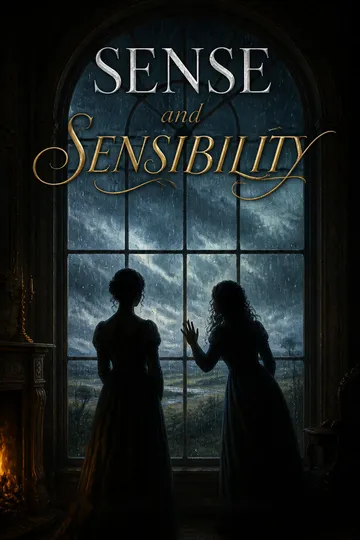








Characters
Lucy Honeychurch
A mind coming into viewLucy is a young woman from a comfortable Surrey family whose musical feeling is more forceful than her everyday manner suggests. She is affectionate, observant, and often unsure how to interpret her own desires, so she leans on other people’s judgments even when those judgments make her uneasy. Italy exposes the limits of the social rules she has taken for granted. Her instinctive kindness crosses class boundaries, but her fear of gossip and conflict makes her vulnerable to secrecy. Lucy’s central struggle is not choosing between two men as much as learning to distinguish genuine affection from being shaped into someone else’s ideal.
George Emerson
The troubled truth-tellerGeorge is the son of a retired journalist and works in a railway office. Quiet and physically capable, he can seem gloomy because he takes seriously the gap between what people claim about life and what they actually experience. He shares his father’s frankness but initially has little ease in expressing himself. His connection with Lucy grows through unguarded moments rather than polished courtship. George values directness and equality, though his own desire can lead him to press past another person’s uncertainty. He is neither a conventional romantic hero nor an expert interpreter of Lucy; his honesty matters most when he admits his own capacity for error.
Mr. Emerson
The generous dissenterGeorge’s father is a retired journalist with socialist convictions, a blunt manner, and a powerful instinct for kindness. He gives without keeping score, whether he is offering rooms or helping a frightened child in Santa Croce. His plain speech unsettles people who rely on etiquette to manage difficult feelings. Mr. Emerson believes that affection and bodily life should not be treated as shameful, and he urges younger people to trust what they experience rather than retreat into abstractions. His concern for George is both loving and imperfect: he wants to help his son, but cannot always explain the source of the boy’s unhappiness.
Charlotte Bartlett
The vigilant chaperoneCharlotte is Lucy’s older cousin and companion in Italy, with some of her travel costs paid by Lucy’s mother. She is conscientious, financially constrained, and acutely alert to the social risks faced by an unmarried young woman. Her care often appears as self-denial, but it also gives her influence over Lucy’s choices. Charlotte knows how to make a refusal sound generous and a warning sound like duty. She is not merely a guardian or a plot obstacle; her affection, anxiety, pride, and occasional evasions coexist. Through her, the story shows how protection can become entangled with control even when the protector believes she is acting for the best.
Cecil Vyse
The artful idealistCecil is an educated, well-connected young man who spends much of his time among books, art, and cultivated conversation. He is attracted to refinement and dislikes what he considers vulgar or conventional, yet his confidence in his taste can become a way of managing other people. He imagines Lucy through artistic metaphors and is slow to notice the ordinary family life that gives her pleasure. Cecil is neither a simple snob nor a cold opportunist: he can be thoughtful and capable of self-criticism. His importance lies in the distinction between appreciating a person as an image and meeting that person as an independent mind.
Mr. Beebe
The perceptive clergymanMr. Beebe is the incoming rector near Windy Corner and a former acquaintance of Lucy. Wry, tolerant, and attentive to other people’s habits, he often sees a change coming before its subject can name it. He likes arranging pleasant encounters and remains unusually open to the Emersons despite the pension’s social resistance. His sympathy has limits, however: he sometimes interprets Lucy through his own preferences and does not immediately understand what she needs. His combination of humor, discretion, and personal bias makes him a helpful observer rather than an infallible guide.
Mrs. Honeychurch
The warm homekeeperLucy’s widowed mother manages Windy Corner with practical warmth and a dislike of unnecessary ceremony. She worries about household burdens, social changes, and her children’s happiness, but is less rigid than Lucy sometimes assumes. Her common sense is rooted in daily life: meals, flowers, visitors, and the family’s place in the neighborhood. She can be impulsive and sharp when frustrated, yet she is capable of affection and generosity. Mrs. Honeychurch represents a home that is imperfect but emotionally sustaining, and her plainness contrasts with Cecil’s tendency to turn life into an aesthetic argument.
Freddy Honeychurch
The candid younger brotherFreddy is Lucy’s nineteen-year-old brother, energetic, teasing, and more perceptive than his lack of polish suggests. He prefers practical action to refined conversation and is comfortable inviting George to swim without formalities. His instinctive egalitarianism helps create openings that more cautious adults would close. Freddy’s bluntness can be exasperating, especially to his mother, but he is loyal to Lucy and senses when something about her life does not feel right. He offers a model of companionship grounded in shared activity rather than supervision or admiration.
Mr. Eager
The cultured gatekeeperThe English chaplain in Florence, Mr. Eager is proud of his standing among the permanent expatriate community and treats cultural knowledge as a mark of distinction. He lectures on art and deplores the superficiality of ordinary tourists, yet his conduct reveals a narrow and censorious side. His hostility toward Mr. Emerson is tied to an old religious conflict, though he presents his judgment as moral certainty. Eager shows how education and clerical authority can be used to guard social boundaries rather than deepen understanding.
Eleanor Lavish
The opportunistic novelistLavish is a self-styled unconventional novelist who claims to seek the authentic life of Italy beyond guidebooks and tourist habits. She is energetic, politically talkative, and drawn to vivid local detail, but her appetite for material can outrun her care for the people who provide it. Her friendship with Charlotte and Lucy is lively yet unreliable. Lavish embodies the tension between observing experience for art and respecting it as someone else’s private life.
Teresa and Catherine Alan
The pension sistersThe Miss Alans are elderly sisters Lucy meets at the Pension Bertolini. They are cautious travelers who value comfort, familiar routines, and proper English manners, yet they have the curiosity to venture abroad. Their judgments can be conventional, but their good humor and companionship make them more than comic tourists. Their presence connects Florence to the later question of travel as a real adventure rather than a performance of expertise.
Mrs. Vyse
The London social guideCecil’s mother is a London hostess who hopes Lucy will become comfortable in the social world she represents. She is perceptive about the transformation she sees in Lucy, though she understands it mainly as a matter of education and manners. Her well-appointed flat offers a contrast to Windy Corner’s domestic informality. Mrs. Vyse’s welcome is genuine, but her social vision assumes that belonging means adapting to a particular cultivated circle.
Sir Harry Otway
The anxious local landownerSir Harry owns the nearby cottages and worries about the changing character of Summer Street. He prizes social respectability and aesthetic taste, but his hesitation and class assumptions complicate his good intentions. His effort to find suitable tenants sets Cecil’s prank in motion.
Phaethon
The instinctive driverPhaethon is the young Italian carriage driver who takes the English party into the hills. He reads the feelings of the people around him more readily than they read his, and his conduct becomes a small test of their assumptions about class, propriety, and happiness.
Persephone
The driver’s companionPersephone is Phaethon’s companion, whom the English travelers first allow onto the carriage and later order away. Her presence exposes the gap between the party’s language of kindness and its impulse to control people it considers socially inferior.
Minnie Beebe
The lively young nieceMinnie is Mr. Beebe’s thirteen-year-old niece, often swept into the adults’ visits and family gatherings. She is direct, energetic, and untroubled by conventions that silence older characters, making her an occasional source of comic clarity.
Plot Devices
The room with a view
A window into choiceThe rooms at the Pension Bertolini begin as a practical dispute over comfort, but the exchange gives Lucy access to the Arno, the hills, and a wider sense of possibility. The view recurs as a way to measure whether characters are open to life or enclosed by social habits. It does not dictate Lucy’s decisions; it makes the limits of her existing world more visible. The window therefore functions as both a literal pleasure and an image of perception that still requires courage to act upon.
Music and feeling
Emotion before languageLucy’s Beethoven playing reveals a force and freedom that her ordinary manners conceal. Mr. Beebe notices the difference between how she plays and how she lives, while Lucy herself often treats music as a private refuge rather than evidence about her desires. As the story advances, her choices around playing and listening help register changes in her emotional life before she can explain them aloud. Music is not a code with one fixed meaning; it exposes the distance between Lucy’s inner vitality and her practiced social restraint.
Violets and views
Desire made visibleFlorentine landscapes and the hillside violets give Lucy’s feelings a physical setting. The flowers frame an encounter that she cannot comfortably fit into her inherited rules, while later views allow her to recognize that beauty is not separate from ordinary bodily life. These settings do not magically determine what Lucy wants. Instead, they make emotional facts harder to dismiss as mere nerves or imagination. Nature repeatedly interrupts the characters’ attempts to control experience through etiquette, aesthetic theory, and social rank.
Secrets and the novel
Private memory exposedLucy’s promise to keep the Florentine encounter private gives Charlotte leverage and leaves Lucy unable to seek help openly. When Lavish turns the hillside scene into fiction, the novel makes private experience visible in a distorted, consumable form. This exposure forces Lucy and George to confront what secrecy has preserved and what it has made harder to resolve. The device also links storytelling to ethics: observing a life can produce art, but using someone else’s vulnerable experience without care can cause real harm.
FAQ
Synopsis & Basic Details
What is A Room with a View about?
- A young woman's awakening: The story follows Lucy Honeychurch, a young Englishwoman, as she travels to Italy and experiences a personal awakening that challenges her conventional upbringing and societal expectations.
- Clash of cultures and values: The novel explores the contrast between the restrictive Edwardian society of England and the more passionate and free-spirited culture of Italy, highlighting the impact of these environments on Lucy's personal growth.
- A journey of self-discovery: Through unexpected encounters and emotional experiences, Lucy embarks on a journey of self-discovery, grappling with her feelings, societal pressures, and the complexities of love and relationships.
Why should I read A Room with a View?
- Exploration of timeless themes: The novel delves into universal themes of love, freedom, self-discovery, and the conflict between societal expectations and individual desires, making it relevant to readers across generations.
- Rich character development: Forster creates complex and nuanced characters, each with their own motivations and flaws, allowing readers to connect with their struggles and triumphs on a personal level.
- Beautiful prose and vivid imagery: The novel is written in a lyrical and evocative style, with vivid descriptions of both the English countryside and the Italian landscape, creating a rich and immersive reading experience.
What is the background of A Room with a View?
- Edwardian England setting: The novel is set in early 20th-century England, a time of rigid social conventions and class distinctions, which serve as a backdrop for Lucy's internal conflict and her desire for personal freedom.
- Cultural contrast with Italy: The story contrasts the restrictive social norms of England with the more passionate and expressive culture of Italy, highlighting the impact of these environments on the characters' personal growth and self-discovery.
- Exploration of societal expectations: The novel examines the societal expectations placed on women during the Edwardian era, particularly regarding marriage, social status, and personal expression, which Lucy challenges throughout her journey.
What are the most memorable quotes in A Room with a View?
- "It is so difficult--at least, I find it difficult--to understand people who speak the truth.": This quote from Mr. Beebe highlights the novel's theme of honesty and the challenges of navigating social conventions that often prioritize politeness over truthfulness.
- "We are all in a muddle, and, unless we see it, we shall never get out.": This quote from Mr. Emerson encapsulates the novel's exploration of the complexities of life and the importance of self-awareness in overcoming personal and societal limitations.
- "Love is of the body; not the body, but of the body.": This quote from Mr. Emerson challenges conventional notions of love, emphasizing the importance of physical desire and passion as integral components of genuine human connection.
What writing style, narrative choices, and literary techniques does E.M. Forster use?
- Free Indirect Discourse: Forster frequently uses free indirect discourse, blending the narrator's voice with the characters' thoughts and feelings, allowing readers to gain deeper insights into their inner lives and motivations.
- Symbolism and Imagery: The novel is rich in symbolism and imagery, with recurring motifs such as the view, music, and nature, which serve to enhance the themes and emotional depth of the story.
- Irony and Social Commentary: Forster employs irony and social commentary to critique the rigid social conventions and class distinctions of Edwardian England, often using humor to highlight the absurdity of these norms.
Hidden Details & Subtle Connections
What are some minor details that add significant meaning?
- The "S" incident: Miss Alan's discomfort with the mention of "S" (stomach) and Miss Lavish's attraction to it reveals the characters' differing attitudes towards propriety and unconventionality, foreshadowing the clash between traditional and modern values.
- The note of interrogation: The note of interrogation pinned up in Charlotte's room after the room swap symbolizes her unease and suspicion of the Emersons, highlighting her inability to accept anything outside her narrow worldview.
- The blood on the photographs: George's disposal of Lucy's blood-stained photographs in the Arno River symbolizes his rejection of conventional beauty and his embrace of a more raw and authentic experience of life.
What are some subtle foreshadowing and callbacks?
- The initial room swap offer: Mr. Emerson's initial offer to swap rooms foreshadows the later emotional and social upheaval that Lucy experiences, as she is forced to confront her own desires and societal expectations.
- Mr. Beebe's comment on Lucy's playing: Mr. Beebe's remark that "If Miss Honeychurch ever takes to live as she plays, it will be very exciting both for us and for her" foreshadows Lucy's eventual break from convention and her embrace of a more passionate and authentic life.
- The recurring mention of violets: The violets that Lucy falls into during her walk with the cab driver foreshadow the later kiss with George, symbolizing the awakening of her emotions and her connection to the natural world.
What are some unexpected character connections?
- Charlotte and Miss Lavish: The unlikely friendship between Charlotte and Miss Lavish, two seemingly opposite characters, reveals the complexities of human nature and the potential for unexpected connections across social and ideological divides.
- Mr. Emerson and Mrs. Honeychurch: Despite their differing backgrounds and beliefs, Mr. Emerson and Mrs. Honeychurch share a common ground in their genuine concern for Lucy's well-being, highlighting the universality of parental love and the desire for their children's happiness.
- Freddy and George: The unexpected camaraderie between Freddy and George, who initially seem to have little in common, reveals the potential for connection beyond social and intellectual differences, and highlights the importance of shared experiences in building relationships.
Who are the most significant supporting characters?
- Mr. Beebe: As the local clergyman, Mr. Beebe serves as an observer and commentator on the social dynamics of the community, offering insights into the characters' motivations and the complexities of their relationships.
- Charlotte: As Lucy's cousin and chaperone, Charlotte embodies the restrictive social conventions that Lucy struggles against, highlighting the tension between propriety and personal freedom.
- Mr. Emerson: As George's father, Mr. Emerson serves as a voice of unconventional wisdom, challenging societal norms and encouraging Lucy to embrace her true desires and emotions.
Psychological, Emotional, & Relational Analysis
What are some unspoken motivations of the characters?
- Charlotte's repressed desires: Charlotte's rigid adherence to social conventions and her attempts to control Lucy's behavior may stem from her own repressed desires and a fear of losing control.
- Cecil's need for control: Cecil's condescending behavior and his desire to "protect" Lucy reveal his need for control and his inability to accept her as an equal, highlighting his own insecurities and limitations.
- George's search for meaning: George's melancholy and his struggle to find his place in the world stem from a deeper search for meaning and authenticity, which he ultimately finds through his connection with Lucy.
What psychological complexities do the characters exhibit?
- Lucy's internal conflict: Lucy's internal conflict between her desire for personal freedom and her sense of duty to societal expectations reveals the psychological complexities of a young woman navigating the constraints of her time.
- Cecil's intellectual arrogance: Cecil's intellectual arrogance and his inability to connect with others on an emotional level highlight his psychological limitations and his struggle to understand genuine human connection.
- Mr. Emerson's unconventional wisdom: Mr. Emerson's unconventional views and his willingness to challenge societal norms reveal his psychological depth and his ability to see beyond superficial appearances.
What are the major emotional turning points?
- Lucy's kiss with George in the violet field: This moment marks a turning point in Lucy's emotional journey, awakening her to the power of passion and challenging her conventional understanding of love.
- Lucy's realization of Cecil's limitations: Lucy's growing awareness of Cecil's condescending nature and his inability to connect with her on an emotional level leads to her decision to break off their engagement.
- Lucy's conversation with Mr. Emerson: Lucy's conversation with Mr. Emerson in the Rectory study forces her to confront her true feelings for George and to acknowledge the limitations of her own self-deception.
How do relationship dynamics evolve?
- Lucy and Charlotte's strained relationship: The relationship between Lucy and Charlotte evolves from one of dependence to one of growing tension and resentment, as Lucy begins to challenge her cousin's rigid adherence to social conventions.
- Lucy and Cecil's failed engagement: The relationship between Lucy and Cecil deteriorates as Lucy realizes that their values and desires are fundamentally incompatible, leading to the breakdown of their engagement.
- Lucy and George's growing connection: The relationship between Lucy and George evolves from a series of unexpected encounters to a deep and passionate connection, as they challenge each other's perspectives and embrace their true feelings.
Interpretation & Debate
Which parts of the story remain ambiguous or open-ended?
- The nature of Charlotte's feelings: The novel leaves the true nature of Charlotte's feelings towards Lucy and the Emersons ambiguous, allowing readers to interpret her actions as either well-intentioned or manipulative.
- The extent of George's influence on Lucy: The novel leaves open the question of how much George's influence shapes Lucy's decisions, allowing readers to debate whether she is truly acting on her own desires or simply reacting to his presence.
- The long-term implications of Lucy's choices: The novel's ending leaves the long-term implications of Lucy's choices open-ended, allowing readers to speculate on the challenges and triumphs that she and George may face in the future.
What are some debatable, controversial scenes or moments in A Room with a View?
- The kiss in the violet field: The spontaneous kiss between Lucy and George in the violet field is a controversial moment, as it challenges conventional notions of propriety and raises questions about the nature of love and desire.
- Lucy's decision to break off her engagement: Lucy's decision to break off her engagement with Cecil is a controversial moment, as it challenges societal expectations and raises questions about the balance between personal happiness and social responsibility.
- Mr. Emerson's unconventional views: Mr. Emerson's unconventional views on religion, society, and love are controversial, as they challenge traditional beliefs and raise questions about the nature of truth and morality.
A Room with a View Ending Explained: How It Ends & What It Means
- Lucy and George's reunion: The novel concludes with Lucy and George reunited in Florence, symbolizing their commitment to a life together based on genuine love and mutual understanding, free from the constraints of societal expectations.
- Rejection of societal norms: The ending signifies Lucy's rejection of the restrictive social norms of Edwardian England and her embrace of a more authentic and fulfilling life, highlighting the importance of personal freedom and self-discovery.
- The power of love and truth: The ending emphasizes the power of love and truth to overcome societal barriers and personal limitations, suggesting that genuine human connection is the key to a meaningful and fulfilling life.
About the Author
Other books by E.M. Forster


Download PDF
Download EPUB
.epub digital book format is ideal for reading ebooks on phones, tablets, and e-readers.








