

Plot Summary
Kin Before the Change
On the night before her Awakening, Charlotte Travesty leaves a club with Cain, the charming vampire she has been casually dating, and declines to spend the rest of the night with him. His recent attack on a human feeder reminds her that even familiar vampires are ruled by hunger. Her driver, Alexei, brings her home to the royal estate, where the approaching ceremony will decide her district and future.
Charlotte has spent her life sheltered behind the family gates, but the city beyond them is divided by species and rank: vampires command, while humans serve them. As Cain disappears into the city, Charlotte understands that their easy intimacy may not survive the transformation waiting for her.
The opening makes Charlotte's safety feel conditional rather than secure. Her affection for Cain is real, but she sees him participate in violence without mistaking charm for virtue. That split perception establishes her defining habit: she can recognize the system's brutality even while benefiting from it. The Awakening is therefore more than a coming-of-age ritual. It is the machinery that will sort her into a permanent social role, and Charlotte's fear of change is also an unspoken fear of discovering what kind of person the system expects her to become.
The Mansion's Quiet Violence
Inside the estate, Charlotte finds a human servant cleaning up after Henry, the king's violent heir, has killed another worker. She asks the frightened girl who did it, but cannot safely offer more than sympathy. Alexei gives Charlotte a hand-carved box and tools for carving, a farewell gift from the human who has cared for her for years.
Her mother, Cassandra, remains distant when Charlotte asks why she has never loved her, then leaves without answering. A letter from the king reassures Charlotte that he hopes she will find a place among artists and writers. Holding that tenderness beside the blood on the stairs, Charlotte prepares for the ceremony still longing for a future in Sul, where she can read and garden.
Charlotte's moral conflict is already present before her status collapses. She notices the servant's fear and Henry's impunity, yet her concern remains constrained by the risk of being watched. Alexei's gift offers a model of care based on attention and craft, while the king's letter preserves her faith in a gentler private father. The contrast matters: Charlotte does not lack compassion, but she has learned to express it cautiously inside a household where affection can be treated as disobedience.
Lavender at First Sight
When Charlotte wakes among her gathered relatives, their horrified faces tell her that the Awakening has gone wrong before she sees her reflection. Her eyes have turned lavender, the mark of a person born between vampire and human, a despised class called Lavenders. The color also makes the truth unavoidable: the king she has called Father is not her biological father, and Cassandra conceived her with a human.
Alexander enters, sees the evidence, and rejects her in front of the family. He breaks Charlotte's crown and leaves her alive but banished, warning that execution would have been within his power. Her relatives scatter. Only Valerie offers a brief kindness before security arrives to remove Charlotte from the mansion.
The eye color turns a private family secret into a public verdict. Charlotte loses more than privilege: the visual marker that once promised a place in society now makes her body evidence against her mother. Alexander's decision to spare her is not acceptance; it is a demonstration that he controls the terms of her survival. The broken crown compresses that reversal into one object. Charlotte's former identity cannot be restored simply by leaving the room, because the city will read her face and mark her accordingly.
Sent Beneath the City
As security escorts Charlotte out, Cassandra pulls her aside and admits that her hatred was directed at herself, not her daughter. She knew Charlotte had been born into danger but lacked the courage to prepare her for it; before Charlotte can ask for help, Cassandra flees.
Gabriela, the human caretaker who raised Charlotte, has arranged the escape but cannot go with her without risking her own life. Alexei, Raphael, and Mei Lien drive Charlotte through the neglected districts, where Mei Lien directs her toward a boardinghouse.
Raphael reveals the king's punishment: Charlotte is assigned to the sewer sector, where workers protect the city's underground passages from infected weepers. They leave her in the rain, and the family estate vanishes behind her.
Cassandra's confession repairs one wound while opening another. Charlotte learns that her mother's distance came from shame and fear, but the explanation arrives at the exact moment when practical care is most needed. Gabriela's help is more concrete: she secures a route out, then stays behind because her own freedom is controlled by the king. The humans' choices complicate Charlotte's inherited view of power. They risk themselves for her, even though the system that raised her treats them as property.
A Bed at Ada's
After wandering Oldbel through the night, Charlotte reaches Ada's boardinghouse and gives a false name to avoid drawing further attention. Ada recognizes her from the news and initially refuses shelter, but changes her mind and grants her two nights. Ada's nephew, Drew Hayes, treats Charlotte as a person rather than a royal scandal; his twin sister, Nina, stays guarded and warns him away from getting close to her.
Charlotte chooses the name Charlie, then calls her old friend Julia, hoping for comfort. Julia hangs up when Charlie asks whether her new identity matters to her. Alone in a cramped room, Charlie fights the hunger rising inside her and realizes the humans around her are not automatically the enemies she once imagined.
The boardinghouse replaces royal protection with conditional, negotiated belonging. Ada's short stay is not generosity without limits; it is a boundary shaped by the danger Charlie brings to everyone under that roof. Drew's easy welcome offers a different social rule, while Nina's suspicion shows that kindness cannot erase the risks attached to Charlie's presence. Choosing Charlie is a small act of authorship. Julia's silence makes the cost of that choice immediate: the people from her old life may prefer the princess she used to be.
Ink Before the Descent
Charlie wakes with her gums aching and finds a public feeding facility, where she drinks from a human woman but stops before taking too much blood. The feeder's drugged warning about a blood man with silver teeth unsettles her, though Charlie cannot tell what it means. Back at Ada's, city worker Hideshi tattoos a black ownership band on her wrist and a number on her neck, making her legal status visible.
Drew stays beside her and distracts her with jokes through the pain. With her marks still throbbing, Charlie heads to the sewer warehouse with Drew and Nina, takes a sword, and follows the workers into the underground tunnels, where her new life begins as dangerous labor.
This sequence forces Charlie to confront two forms of bodily control at once. Feeding tests whether she can govern an appetite that feels alien, while the tattoos turn the king's judgment into permanent public information. Her restraint with the feeder is meaningful but not effortless; morality here depends on repeated attention to another person's pulse. Drew's humor does not remove the pain or the stigma. It gives Charlie a way to endure both without pretending they are harmless.
Lucas Knows the Tunnels
In the tunnels, Charlie is assigned to Lucas, a young human who has worked the sector for a month. When she asks why, he explains that a king's supply runner killed his father and sold his family; Lucas has not seen his younger sister since. Charlie apologizes sincerely, then answers his questions about vampires as they clear blockages and set rat traps.
The shift passes without a weeper attack, and she returns to the surface relieved to have survived and cautiously glad to have made a connection. Nina tells Charlie that the workers function as a family, but warns her not to become involved with Drew, because people close to a Lavender may be endangered. Drew invites Charlie to Rowan's bar after work.
Lucas gives the city's injustice a family shape: the king's order is not an abstraction when it has separated a boy from his sister and killed his father. Charlie's willingness to listen marks a change from sheltered sympathy to reciprocal exchange. She can offer knowledge about vampires, but she cannot undo what the regime has done to Lucas. Nina's warning reveals the boardinghouse's protective logic. Her distrust is not merely jealousy or hostility; she measures intimacy by its possible cost to people who already have little protection.
Noah's Bloody Welcome
At Rowan's, Charlie shares a blood cocktail with Drew and begins to relax among the workers. Nina's warning about her brother lingers, especially when Charlie notices him speaking with Hannah, but Charlie does not act on her jealousy.
The mood changes when she sees Noah Forrest, a vampire bounty hunter, feeding on a human woman in a private room. Noah recognizes Charlie, pins her against the wall, and threatens to taste her Lavender blood.
Drew and Nina rush in; Nina raises a canister of milk thistle, a plant that burns vampires, and Noah finally backs away. The woman on the couch wakes asking whether Noah has finished with her. Before Charlie can answer, screams erupt throughout the bar, ending the volume without explaining what has happened.
The bar scene exposes the limits of Charlie's new refuge. She can be welcomed by individual humans and still remain physically vulnerable to vampires who treat her as prey. Noah's threat echoes her own hunger, but reverses its direction: Charlie has been struggling not to harm feeders, while he openly imagines consuming her. Drew and Nina intervene together, and Nina's prepared weapon turns resistance into something practical. The closing screams suspend the story at the moment private danger becomes collective, leaving the volume's immediate crisis unresolved.
Analysis
A Whisper in the Dark builds its conflict around the difference between having power and having moral agency. Charlotte begins inside the privileged class, protected by the same order that reduces humans to servants and feeders. Her unease about that arrangement matters, but the novel does not treat private kindness as a substitute for change. Once banished, she must confront the material conditions she previously observed from a safe distance: hunger, inadequate shelter, forced labor, and the possibility of violent death underground.
The Awakening makes identity both intimate and administrative. A change in eye color assigns work, district, and social worth, while Charlotte's lavender eyes expose a family truth the king cannot absorb into his preferred hierarchy. Her expulsion shows how quickly affection becomes conditional when it threatens political legitimacy. The book's strongest contrast is between forms of care: Alexander's private tenderness coexists with state violence, while Gabriela, Alexei, Drew, and the other humans risk practical consequences to help someone who has lost her rank.
Charlotte's struggle with bloodlust gives this contrast a psychological dimension. She is not absolved of danger because she feels compassion; she must actively monitor her hunger and stop before it harms another person. That discipline parallels her effort to understand the people whose lives she once overlooked. The sewer shift begins that education through Lucas's account of family separation and through the workers' mutual reliance. The volume ends before its larger danger is explained. Noah's threat and the sudden screams widen the crisis, leaving Charlie's fragile new belonging unsettled and the immediate emergency unresolved.
Review Summary
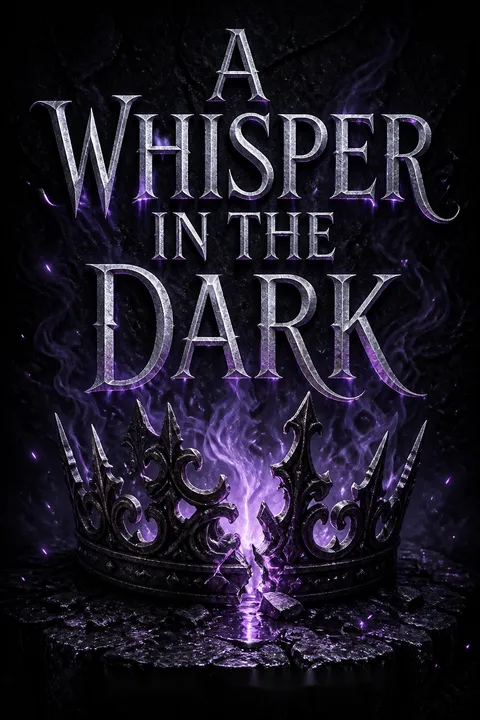
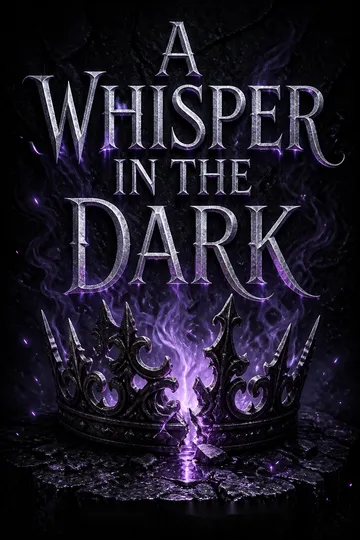
A Whisper in the Dark is the first installment in a vampire romance series. Reviews are mixed, with readers praising the intriguing world-building, vampire lore, and interesting characters. Some enjoyed the fast-paced story and unique concept, while others found it too short and lacking in character development. Critics noted excessive info-dumping and low stakes. Many readers expressed interest in continuing the series despite its flaws, appreciating the return of vampire stories to the genre.
People Also Read





Characters
Charlotte Travesty, called Charlie
The sheltered dissenterCharlotte begins as a royal vampire who prefers books and gardening to the clubs and violence that occupy much of her immortal family. She has been raised within a system that gives her comfort while denying humans freedom, yet she recognizes the cruelty around her and feels genuine concern for the people serving her household. Her central psychological tension is between appetite and conscience: she fears the predatory impulses of her vampire nature, but does not use that fear as an excuse to harm others. When her inherited place disappears, she has to turn quiet sympathy into choices that carry real risk.
Drew Hayes
The generous sewer workerDrew is a human laborer at the sewer sector and Nina's twin brother. He meets Charlie with humor and uncomplicated warmth, helping her through the shock of her new surroundings without asking her to earn basic kindness first. His jokes are not a denial of danger so much as a daily survival practice; he believes people need moments of levity in a world that offers little relief. Drew is protective of his coworkers and welcoming to newcomers, though his openness can make Nina fear that he underestimates the danger around them.
Nina Hayes
Drew's wary twinNina works alongside Drew and is alert to the costs of trust in a city where humans have little power. She is blunt with Charlie and protective of her brother, but her suspicion has a practical source: she has seen people suffer and does not want Drew drawn into danger. Nina is capable, guarded, and more observant than her sharp manner first suggests. Her loyalty to the workers' informal family shapes how she judges newcomers.
Ada
The guarded boardinghouse ownerAda runs the Oldbel boardinghouse where Charlie seeks shelter. She is disciplined about rules, wary of anyone who might bring danger to her residents, and unwilling to confuse compassion with unlimited trust. Her bluntness protects a fragile household in a district where one person's misfortune can threaten everyone. Even when she offers help, she sets terms and expects people to respect them.
Noah Forrest
The dangerous bounty hunterNoah is a vampire bounty hunter whose confidence borders on menace. At Rowan's, he treats the human he feeds on as part of his appetite and regards Charlie's unusual blood as a temptation. His physical strength and teasing manner make him difficult to read as harmless, and his presence quickly turns a public bar into a place where Charlie must rely on her new allies.
Alexander Travesty
The iron-fisted kingAlexander rules New Ve through rigid social divisions, surveillance, and public punishments. He is also the father figure Charlotte has known, capable of private tenderness even while maintaining a brutal political order. His belief that stability depends on control makes him both protective of his authority and dangerous to anyone who challenges its design. The contrast between personal affection and institutional violence shapes Charlotte's understanding of him.
Cassandra Travesty
The distant queenCassandra is Charlotte's mother and one of the king's wives. She moves through the royal household with reserve, keeping emotional distance from Charlotte even when the girl longs for maternal warmth. Her choices are shaped by secrecy, shame, and the severe limits placed on women within the king's family. Cassandra's silence has consequences for everyone around her.
Gabriela
Charlie's devoted caretakerGabriela has cared for Charlotte since birth and has become the closest thing she has to a nurturing mother. She is perceptive, affectionate, and careful about what she says under the surveillance of the royal household. Her care is expressed in small acts of protection, but she understands that open defiance could endanger both herself and Charlotte.
Alexei
The longtime royal driverAlexei has driven Charlotte for years and treats his duties with the formality required of a human servant in the royal household. Beneath that discipline is genuine affection, visible in the thoughtful carved box he gives her. He is one of the few steady presences in Charlotte's life, though the king's rules limit how openly he can show it.
Lucas
The displaced sewer workerLucas is a young human assigned to sewer patrol. He knows the tunnels better than Charlie and speaks plainly about the violence that separated him from his family. His curiosity about vampires gives Charlie a chance to share knowledge rather than authority, and his frankness lets her see the human cost of the king's rule through one worker's experience.
Cain Broadbent
Charlie's casual vampire dateCain is a charming vampire Charlotte has dated casually. Their easy physical affection comes without promises, but his violence toward a human feeder reminds Charlotte that charm does not cancel predatory behavior.
Valerie Travesty
The disciplined royal sisterValerie is one of Charlotte's sisters. She studies military strategy, practices at the royal shooting range, and treats her feeders more kindly than many members of the family.
Beatrix Travesty
The composed royal sisterBeatrix is Charlotte's sister, known for her polished appearance and formidable self-control. She is present at the Awakening and offers little outward emotion as the family confronts Charlotte's changed eyes.
Hideshi Takahashi
The city tattoo officialHideshi is a kitsune employed by the city to process Charlie's slave identification. Professional and unsentimental, he applies the marks required by New Ve's system.
Sylvia
The feared city hunterSylvia is a bounty hunter whose reputation makes workers wary of attracting her attention. She appears in Oldbel and is associated with Noah, though the nature of their relationship remains uncertain.
Julia
Charlie's old club friendJulia is a vampire Charlie met through the city's nightlife. Their friendship belongs to Charlie's former social world, where acceptance seems easy until Charlie asks whether her new identity matters.
Henry Travesty
The violent royal heirHenry is the king's heir and one of the royal family's most casually violent members. His treatment of human servants gives Charlotte an early, intimate view of the cruelty protected by rank.
Plot Devices
The Awakening
A ritual of social sortingAround the age of twenty-three, vampires Awaken with heightened abilities and a new eye color. That color assigns them to one of New Ve's districts and expected occupations, turning a biological change into a state-controlled future. Charlotte's lavender eyes expose her as a person between vampire and human, and the society's categories leave no accepted place for her. The ritual therefore drives both the family crisis and her exile.
Lavender Status
A body made into evidenceLavenders are people of mixed vampire and human heritage, rejected by the social order built by the Vampire King. Charlotte's eyes make her status immediately visible, while news coverage turns her into a public symbol of the king's humiliation. The category converts private lineage into a political threat and explains why even sheltering her can endanger other people.
Slave Identification
Ownership worn on skinHumans and other people assigned to service wear permanent marks on the wrist and neck. The numbers and bands announce legal status to everyone they encounter. When Hideshi marks Charlie, the procedure makes the king's punishment visible and removes her ability to pass unnoticed as a royal. The device also links personal identity to a system that treats people as property.
The Weeping Virus
A threat beneath the streetsThe virus infects humans and vampires, leaving its victims alive but mindless, sobbing, and dangerously hungry. Sewer workers patrol the underground routes to keep the infected from threatening the city and to maintain essential passages. Charlie has heard of weepers but has never faced one before her assignment, so the threat makes the king's punishment a genuine danger rather than a symbolic demotion.
Charlie Travesty Series
Download PDF
Download EPUB
.epub digital book format is ideal for reading ebooks on phones, tablets, and e-readers.








