

Key Takeaways
Read the body as an ecosystem, not a collection of isolated parts.
Start with the fish tank. Aniys opens with a personal lesson: adding fish, water, and food did not make a healthy aquarium. Waste, bacteria, oxygen, minerals, and water acidity interacted, and the tank became murky until he added plants and tried to restore balance. He uses this as a model for the human body, where organs, microbes, nutrients, and environmental exposures also interact.
Think in connected systems. The book presents medicinal plants as contributors to this balance, not as isolated fixes. Its useful practical question is what a whole pattern of eating and care does to health, rather than which single herb promises to solve a symptom. The aquarium is an analogy, however, not proof that the same mechanisms operate in people.
What's compelling is the shift from a magic-ingredient mindset to systems thinking. Ecology shows how organisms and their environments shape one another, and human health also reflects interacting biological and social conditions. That perspective can encourage attention to diet, sleep, stress, medication, and access to care together. The analogy has limits: an aquarium is a simpler system than a human body, and a plant's benefit in a tank does not establish a medical effect. The strongest use of the story is as a prompt to ask better questions about context, not as evidence for a specific treatment.
Build meals around whole plants without turning diet into dogma.
Change the food pattern. Aniys recommends moving away from meals centered on meat, dairy, and processed products toward whole plant foods. His food guide includes fruits, leafy greens, vegetables, legumes, selected grains, nuts, seeds, and herbs. He also advises minimizing added sugar and oils. The book cites the World Health Organization's classification of processed meat as carcinogenic and red meat as probably carcinogenic, using this to argue for a plant-centered diet.
Keep the useful core. The practical emphasis on minimally processed plant foods is more defensible than the book's strict rules about alkaline foods, hybridized plants, or African origins. A plant-rich diet can support health without requiring every listed food to be nonhybrid, without forbidding all animal foods, and without assuming one food list fits every person.
The book's most broadly useful dietary message is a change in the overall pattern, not a promise that particular foods reverse disease. Nutrition research commonly finds benefits in diets rich in fruits, vegetables, legumes, and whole grains, while processed meat is a sensible food to limit. Yet food quality, affordability, allergies, culture, and medical needs all matter. The book sometimes treats its prescribed list as uniquely suited to human biology, a claim that goes beyond the evidence it presents. A flexible plant-forward approach preserves the practical value without making food purity another source of anxiety.
An alkaline menu cannot meaningfully reset blood pH.
Know what pH measures. Aniys says the blood should remain slightly alkaline, around pH 7.4, and argues that acidic foods make the body draw alkaline minerals, including calcium, from bones. He recommends alkaline plant foods to prevent this supposed burden. He also notes that different body regions have different pH levels, including the stomach, skin, and vagina.
Separate diet from blood chemistry. In a healthy person, the lungs, kidneys, and chemical buffers keep blood pH within a narrow range. Eating foods labeled alkaline does not substantially raise blood pH, and eating foods labeled acidic does not ordinarily push it into acidosis. Diet can affect urine pH, which is not the same as changing blood pH. The book's dietary suggestions should not be justified as a way to reset the blood's acidity.
The narrow range of blood pH is real, but the book draws an unsupported dietary conclusion from it. Physiology maintains that range through tightly regulated systems, not by letting each meal shift the blood toward acidity or alkalinity. This distinction matters because the alkaline-diet explanation can make normal foods sound toxic and can mislead people about bone health. Plant-rich eating may still be worthwhile for other reasons, including fiber and nutrient quality. A sound health claim needs to identify the actual pathway and evidence, rather than borrowing authority from a biological number.
Keep plant nutrition, but reject a racialized genetic diet prescription.
The book's central ancestry claim. Aniys argues that the African genome is the foundation of human biology and that African environments shaped a highly electric body best supported by natural alkaline plants. He further proposes that meat-centered diets and harsher European environments changed that genome, contributing to disease. From this narrative, he recommends plant-based eating for people of every ancestry.
Separate history from prescription. The book's account of human origins in Africa is not evidence that all people share a single ideal diet, or that foods from particular environments have a special genetic fit for everyone. The proposed links between Neanderthal ancestry, meat eating, and modern disease are not established by the evidence described here. Plant-forward eating can be considered on its nutritional merits without treating ancestry as a medical instruction.
The account joins a valuable recognition of African human origins to a much stronger claim about present-day diet and genetic destiny. Those are different propositions. Human populations share deep ancestry while also carrying diverse, overlapping genetic variation; ancestry alone does not determine an individual's nutritional needs. Environmental effects on gene expression are real, but that does not demonstrate that a racial category maps neatly onto a prescribed menu. The plant-centered recommendation can stand without this genetic story. Keeping those claims separate makes the advice more inclusive and less vulnerable to pseudoscientific ideas about biologically distinct diets.
Treat herbal claims as leads to investigate, not cures to trust.
A long catalogue, uneven evidence. The book describes herbs such as elderberry, burdock, nettle, bladderwrack, and sage, attributing to them effects ranging from digestive support to antiviral or anti-inflammatory activity. It cites research for many claims. One example is a laboratory study in which elderberry flavonoids bound to H1N1 virus and interfered with its entry into cells. That finding does not show that an elderberry product prevents or cures flu in people.
Ask what kind of evidence exists. Traditional use, a test-tube result, an animal study, and a well-designed human clinical trial answer different questions. The book often places these findings beside broad claims about reversing cancer, diabetes, or other disease, but the cited mechanisms do not by themselves establish those outcomes. Check the evidence for the exact preparation and condition before treating a claim as clinically proven.
The book's extensive references make it easier to trace claims, but a citation is not a guarantee that the claim is settled. Herbal research often begins with compounds tested in cells or animals, where dose, metabolism, and context differ from human use. This early research can identify promising questions; it cannot carry the full weight of a treatment recommendation. Readers benefit from asking whether a study tested the same plant part, preparation, and dose being sold, and whether it measured meaningful outcomes in people. That standard respects traditional knowledge while distinguishing possibility from demonstrated benefit.
Match preparation to the plant, but don't mistake craft for safety.
Different parts need different methods. Aniys recommends harvesting roots when more of the plant's resources are stored there, and leaves before flowering. He advises drying herbs away from direct sun and moisture, then storing them in sealed containers. For softer parts such as leaves and flowers, an infusion means steeping them in hot water. A decoction uses simmering water for tougher parts such as roots or bark.
Preparation affects what reaches the cup. The book also favors whole herbs bought in bulk or grown as wild plants, partly because powdered supplements can be difficult to identify. These are practical considerations, but correct harvesting and preparation do not prove a plant is effective or make it safe. Species identification, contamination, strength, and interactions still matter, and each can vary between products.
This section's practical value lies in treating an herbal product as a material with a history, not as a label on a bottle. Plant part and preparation can change which compounds are extracted, while storage and identification affect quality. Similar questions arise in food science and pharmacology: the substance and the process both shape exposure. Still, a home-prepared product is not automatically purer or more reliable than a commercial one. Without expertise, growing or grinding herbs can introduce misidentification and contamination risks. Craft improves understanding; it does not replace safety testing or clinical evidence.
Treat every herb's dose and interactions as serious medicine.
Natural does not mean harmless. Aniys includes cautions that should not be lost among the many claimed benefits. He warns that arnica may be toxic when swallowed, cascara sagrada should not be used continuously, lily of the valley can interfere with heart medicines, and yohimbe can significantly raise heart rate. He also flags kidney concerns with contribo and a blood-thinning interaction risk with guaco.
Do not use the tables as personal instructions. The book provides adult dose ranges and explains Clarke's Rule for calculating children's doses from weight. These general calculations cannot account for a person's diagnoses, medicines, pregnancy status, allergies, or the variable strength of herbal products. A clinician or pharmacist with relevant expertise should review an herb before use, especially for children, serious conditions, or people taking prescription drugs.
The cautions are not fine print. They illustrate why herbs belong in conversations about pharmacology: a plant can contain active compounds, cause harm, and interact with medicines. The book's own safety notes sit uneasily beside its broad assurances that herbal medicine is forgiving and its detailed dosing advice. That tension deserves attention. Weight-based arithmetic alone cannot make a dose safe, and product strength can vary. A careful approach does not dismiss herbal medicine; it asks the same basic questions asked of any intervention: what is known, what could go wrong, and who can monitor the result?
Never replace diagnosis or proven treatment with an herbal combination.
The book proposes whole-body formulas. Aniys groups herbs into combinations such as the Foundation, Gut and Cell Cleanser, and Brain and Nerve Support. He presents them as ways to address interacting body systems, rather than targeting one symptom with one compound. For complex illness, he recommends combining multiple formulas with his plant-based food guide. He also links lupus to Candida overgrowth and describes a multi-herb approach intended to address it.
Treat these as the author's proposals. The book's suggested combinations are not established clinical protocols, and its account of lupus as rooted in Candida overgrowth is not demonstrated by the material presented. Autoimmune diseases and other serious conditions need proper evaluation. Herbs may also alter the effects of prescribed treatment. Anyone considering supplements should discuss them with a qualified health professional and should not delay or discontinue recommended care.
A whole-person perspective is valuable when illness involves multiple systems, and coordinated care can prevent the narrow treatment of symptoms in isolation. But a systems perspective does not validate a specific formula, nor does a proposed root cause become established because it offers a simple explanation. Lupus, for example, is a complex autoimmune disease, not a diagnosis that can be reduced to the book's Candida account. The responsible middle ground is to integrate safe, evidence-aware supportive practices with diagnosis and treatment, while making clear which claims remain unproven.
Analysis
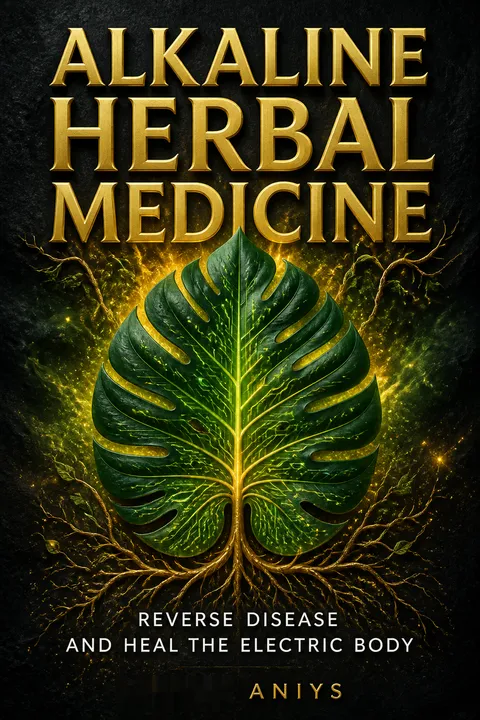
This 2016 book is part dietary manifesto, part herbal reference, and part preparation manual. Its narrative begins with an aquarium, using ecological balance to make health feel interconnected, then builds toward a plant-centered diet and a catalogue of herbs and combinations. That progression gives readers a coherent practical message: food patterns matter, plants contain biologically active compounds, and preparation and context deserve attention.
Its strongest contribution is the invitation to look beyond isolated symptoms and ask how routine diet and care shape health. The distinction between food herbs and more concentrated medicinal plants, along with the descriptions of infusions, decoctions, and safety cautions, makes the reference material concrete. The book also points readers toward an important general principle: natural substances can have potent effects, so they deserve scrutiny rather than automatic trust. The major weakness is that a systems metaphor is repeatedly treated as if it proved a medical mechanism. Blood pH, claims of intracellular cleansing, disease reversal, and the proposed relationship between African ancestry, Neanderthals, meat eating, and chronic disease are not established by the book's cited material. Many herb references concern laboratory or animal findings, which cannot demonstrate human cures. The text's specific cautions also conflict with broad reassurances about herbal safety and with its detailed general dosing instructions.
The most reliable way to use the book is selectively. Its plant-forward dietary direction can be considered separately from its alkaline rationale and genetic narrative. Its herb descriptions can serve as prompts for careful investigation, not as treatment protocols. The result is a useful starting point for questions about food and traditional medicine, but not a dependable guide to managing serious disease. Evidence quality, individual circumstances, and professional medical advice should govern any therapeutic decision.
Review Summary
Alkaline Herbal Medicine receives mostly positive reviews, with readers praising its informative content on plant-based diets and herbal remedies. Many appreciate the book's guidance on Dr. Sebi's teachings and alkaline diet principles. Readers find it helpful for understanding herbs' healing properties and their applications. Some criticize the book for lacking depth or being too focused on African-centric perspectives. Overall, reviewers consider it a good introduction to alkaline health and herbal medicine, though some desire more comprehensive information.
People Also Read






Glossary
African Bio Mineral Balance
Alkaline food and herb approachAniys uses this name for a healing methodology associated with Dr. Sebi. It emphasizes alkaline plant foods and selected herbs, on the premise that they supply minerals and plant compounds that support bodily balance and health. The book presents the method as a means of reversing disease, but its broad disease-treatment claims are not established simply by the framework's name or rationale.
Electric African Genome
Author's ancestry and energy modelThe book's proposed model of human biology, linking African human origins with a body described as highly electrical and best supported by alkaline plants. Aniys connects electrolytes and nerve signaling to this framing, then extends it into claims about diet, ancestry, and disease. The physiological role of electrolytes is real, but the book's specific genetic and dietary conclusions are not established by that fact.
chemical affinity
Proposed plant-body compatibilityAniys uses this phrase for his claim that certain natural plants have chemical structures especially compatible with the human body and the African genome. He argues that these plants support bodily balance, while hybridized plants may not. The book does not establish this proposed compatibility as a scientific measure, and the term should be understood as part of its own explanatory framework.
wildcrafted
Grown without human interventionThe book defines wildcrafted plants as those that grow naturally without human intervention. Aniys favors them as potential sources of seed or transplants, arguing that natural environmental stressors may encourage stronger development of plant compounds. Wild growth alone does not verify a plant's identity, purity, safety, or medicinal strength.
infusion
Hot-water extraction for soft partsAn infusion is a preparation made by steeping softer plant materials, such as leaves, flowers, buds, or some seeds, in hot water. The book describes it as a way to draw plant compounds into the liquid without simmering the material. The strength of an infusion can vary with the plant, amount used, water temperature, and steeping time.
decoction
Simmered extraction for tough partsA decoction is a hot-water preparation for tougher plant parts, particularly roots, bark, and twigs. Rather than simply steeping them, the method simmers the plant material in water to extract compounds. The book provides a general preparation method, but the appropriate method and safe amount depend on the specific plant.
Clarke's Rule
Weight-based child dose calculationClarke's Rule is a calculation the book cites for estimating a child's dose from the child's weight and an adult dose. Aniys applies it to herbal products and presents it as a way to make children's dosing understandable. It is not a substitute for pediatric medical guidance, and a mathematical estimate does not establish that an herb or dose is appropriate for a child.
Download PDF
Download EPUB
.epub digital book format is ideal for reading ebooks on phones, tablets, and e-readers.








