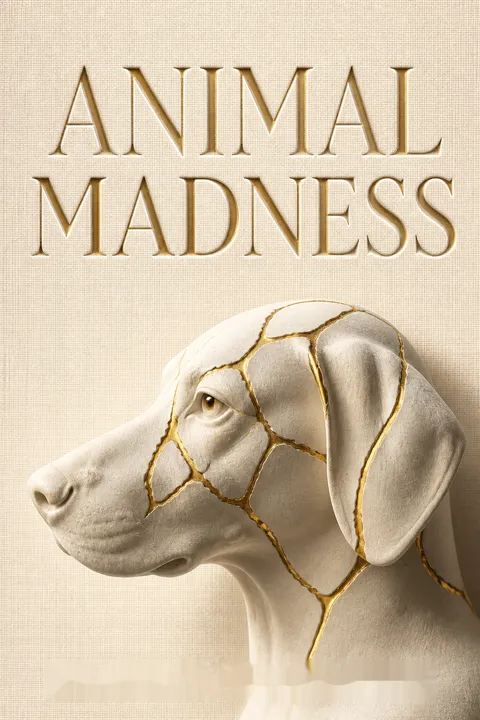


Key Takeaways
Treat animal distress as real, even when the animal cannot explain it
Oliver made the question urgent. The Bernese Mountain Dog panicked when left alone, chewed through a window screen, and fell more than fifty feet. He survived, but his compulsive licking, storm terror, and destructive escapes showed how severely distress can disrupt an animal’s life. Braitman argues that when fear, sadness, or repetitive behavior prevents an animal from doing what is normal for its kind, the suffering deserves attention, even without a verbal diagnosis.
Shared minds, different lives. Darwin and modern researchers point to emotional and neural capacities shared across species. Rats make sounds during play that researchers interpret as laughter-like; dogs show fear and attachment; and the 2012 Cambridge Declaration on Consciousness recognized conscious experience in mammals, birds, and some other animals. These parallels support taking animal distress seriously, without assuming every human diagnosis fits another species exactly.
The argument shifts the burden of proof. An animal does not need to describe pain in human language before observers have reason to respond to it. That is a useful ethical standard wherever direct testimony is unavailable, including with infants and people who cannot communicate conventionally. The caution is equally important: shared brain structures support comparison, not certainty about identical inner experience. Careful attention to behavior can justify compassionate action while leaving the animal’s precise subjective world partly unknown.
Diagnose the individual, not the species-shaped stereotype
Behavior needs a baseline. A possum hiding under cardboard might be frightened, cold, or simply behaving normally for that animal. Inferring fear from hiding, then treating the hiding as proof of fear, is circular reasoning. Knowing an individual changes the interpretation: Oliver hid during a game of hide-and-seek, not because he was afraid. Veterinary behaviorists therefore ask about an animal’s routines, preferences, past, and surroundings, rather than relying on a single dramatic act.
Use human language carefully. Anthropomorphism means interpreting nonhuman behavior through human qualities or feelings. Braitman argues that it can help make animal experience intelligible when grounded in observation and species knowledge. The opposite error, assuming only human intelligence and emotion count, can be just as distorting. A dog may show signs resembling anxiety or compulsion, but an observer cannot confirm the animal’s thoughts as a person might describe them.
This is a practical lesson in inference, not a license to project any emotion onto any animal. The strongest interpretation combines repeated observation, knowledge of the species, and evidence about the individual. That resembles good clinical reasoning: a symptom matters in context, and a familiar behavior can change meaning when its frequency or consequences change. The hard limit remains that observers may mistake unfamiliar behavior for pathology. Humility is not indecision; it is a method for making better decisions under uncertainty.
Treat symptoms as evidence about the animal's environment, not just its body
A behavior can expose a bad fit. Repetitive, seemingly pointless actions are called stereotypies. Captive animals may pace, sway, circle, or repeatedly groom when their surroundings restrict normal activity. The book reports stereotypies among 91.5 percent of pigs and 82.6 percent of poultry in cited studies. Early separation from mothers is associated with these behaviors in several farm and laboratory species, though the behavior alone does not identify one cause.
Distress can have a physical source. Frenzy, a California sea lion, arrived at a marine hospital with seizures, agitation, and confused behavior. Staff linked her symptoms to domoic acid, a neurotoxin produced by certain algal blooms and accumulated in prey fish. Long exposure can damage the hippocampus and impair navigation. Together, these cases suggest that apparent madness may reflect confinement, stress, illness, or polluted surroundings, rather than a defect inside the animal alone.
The environmental framing prevents a common mistake: trying to suppress a visible behavior while leaving its cause untouched. A pacing animal may need more than a medication or a toy if its daily life offers little movement, choice, or stimulation. At the same time, a behavior is a clue, not a complete causal explanation. Similar actions can arise from different sources, so environmental improvement and medical investigation should be considered together rather than treated as competing explanations.
Early relationships teach animals what safety, trust, and belonging feel like
Care is part of development. In Harry Harlow’s controversial experiments, infant rhesus monkeys preferred a soft cloth surrogate to a wire surrogate that supplied milk. Monkeys deprived of touch and social contact developed severe repetitive and withdrawn behaviors. The experiments helped establish that food and shelter alone do not meet an infant primate’s needs.
Early experience leaves a long shadow. Brian, a bonobo, spent his first seven years isolated with an abusive father and lacked the maternal and peer relationships through which young bonobos learn social behavior. In Milwaukee, he struggled to interact, ate poorly, and harmed himself. His history helped explain why he needed patient social teaching, not simply punishment for disruptive behavior. Rara, an elephant separated from her mother at one year old, likewise lacked the elephant social knowledge normally learned from a herd.
The developmental point is stronger than a claim that early experience determines destiny. A young animal learns what to expect from others through repeated interaction, and a deprived start can leave important skills unpracticed. Yet the recovery of some animals shows that development is not simply a one-way timetable. The book’s cases also remind readers that human caregiving can help while still failing to replace the distinct social learning an animal would receive from its own kind.
Treat psychiatric labels as historical tools, not timeless truths
Madness changed meaning. In the nineteenth century, people called animals mad when they acted strangely or violently, sometimes confusing mental disturbance with rabies. Elephants such as Tip were branded dangerous and condemned, although confinement, mistreatment, or hormonal changes could help explain their behavior. The label often described what frightened human observers as much as what was happening to the animal.
Diagnosis follows its era. Around the turn of the twentieth century, people described animals as dying from homesickness or heartbreak. John Daniel, a young gorilla raised affectionately in England, was sent alone to a circus in New York and died three weeks later after refusing food. The period’s language may sound quaint, but it recognized that separation and isolation could cause profound harm. Modern terms such as anxiety and depression are also shaped by changing medical ideas and social expectations.
The history is a warning against treating diagnostic categories as nature’s permanent filing system. Labels can make suffering visible, but they can also conceal the social conditions producing it or assign blame to the sufferer. Tip’s story is especially revealing: calling him mad made his violence seem like an internal flaw instead of a possible response to a life in chains. Historical distance encourages skepticism, but it should not become cynicism about all diagnosis.
Use medication to support recovery, not to make distress convenient
Drugs have a complicated history. Psychopharmaceuticals were tested in animals before many were given to people. Meprobamate, sold as Miltown, calmed laboratory monkeys and became a widely used tranquilizer for humans in the 1950s. Today, veterinarians prescribe drugs such as fluoxetine for anxious or compulsive pets and captive animals. The shared history makes animal treatment possible, but it also raises the question of whose comfort a prescription serves.
Medication works best within a plan. Oliver received Valium and Prozac alongside behavioral exercises, but the effort to retrain his responses was difficult and the drugs did not resolve his distress. In one study of dogs with separation anxiety, symptoms fell by 72 percent in the group receiving fluoxetine and training, and by 50 percent in the placebo-and-training group. The results support medication as a possible aid, not a substitute for behavior change or a suitable environment.
The useful distinction is not medication versus no medication, but treatment versus behavioral control. A drug may reduce suffering enough for an animal to learn, rest, or socialize. The same drug can also make a captive animal easier for people to handle without changing the conditions that distress it. The book’s examples therefore call for asking what improvement means, who benefits from it, and whether the animal’s daily life is changing along with its symptoms.
Build recovery around relationships with trusted companions
Social bonds can restore capacity. Brian the bonobo gradually improved with help from Lody, an older male who guided and comforted him, and Kitty, a blind and deaf female who groomed him. Keepers also paired Brian with younger bonobos so he could practice play and social skills. Medication eased his anxiety, but the troop supplied forms of support no prescription could provide.
Companionship must fit the animal. At an elephant sanctuary, blind Jokia formed a close bond with Mae Perm, who guided and reassured her. Racehorse Seabiscuit rejected a goat but settled with a calm pony named Pumpkin. These cases show why a companion cannot be assigned by formula. The helpful relationship depends on the individual animals, their histories, and whether they feel safe together.
These examples make social connection part of care rather than a pleasant extra. A trusted companion can provide predictable contact, reassurance, and opportunities to practice behavior that isolation has interrupted. But companionship is not automatically therapeutic: Seabiscuit’s rejection of one proposed partner shows that compatibility matters. The relevant question is not simply whether an animal has company, but whether it has access to relationships it chooses or can safely sustain.
Do not call self-harm suicide when the evidence is uncertain
Self-injury is not proof of intent. Animals may bite themselves, stop eating, or repeatedly injure themselves, but observers cannot reliably know whether they intend to die. Charlie, a macaw who plucked herself bald after losing a companion, died after falling onto a metal stake. Her keeper wondered whether the fall was deliberate, but the circumstances could not establish that. The distinction matters because self-destructive behavior can be real even when suicidal purpose remains unproven.
Strandings have multiple explanations. Whales and dolphins that come ashore have often been called suicidal. Yet sick or exhausted cetaceans may be using the beach to stay afloat, and healthy pod members may follow a distressed companion because of strong social bonds. Illness, noise, pollution, and confusing geography are also possible causes. Acknowledging uncertainty does not require dismissing suffering or agency; it requires not turning a compelling story into a settled diagnosis.
The book’s restraint is ethically useful. Calling an animal’s act suicide can recognize agency, but it can also turn a complicated event into a human drama that obscures disease, injury, or environmental harm. At the same time, refusing to consider intention simply because it cannot be proven would be another form of human-centered bias. The better approach is to separate observable harm from uncertain motive, then act on the harm while continuing to investigate its causes.
Challenge systems that keep animals distressed, not only their symptoms
Individual care cannot fix every structural problem. Zoos and aquariums may provide food, veterinary treatment, and enrichment, yet captive animals can still develop pacing, repetitive grooming, or other stereotypies. Enrichment means changing an animal’s surroundings or activities to better match its behavioral needs. It can help, but a puzzle toy or realistic-looking exhibit does not necessarily provide freedom of movement, meaningful choice, or social life.
The same question reaches farms and laboratories. The book describes early weaning, restrictive housing, and animals given psychiatric drugs to reduce distress or make them manageable. It also notes that human pharmaceuticals enter waterways, where their effects on aquatic animals are uncertain. Braitman argues for reducing avoidable suffering at its source, from reconsidering animal entertainment to improving the conditions in which farmed and research animals live.
This moves the argument from private compassion to institutional responsibility. A devoted keeper or pet owner may make an animal’s life better, but cannot always change the enclosure, breeding practice, work schedule, or business model. The challenge is to judge care by the animal’s lived options, not by the benevolence of the humans in charge. Enrichment is valuable, yet it should not be used to imply that a constrained life has become equivalent to a self-directed one.
Make room for animal choice, not just human access
The final encounter depends on choice. In Baja, some gray whales approach small boats and allow people to touch them. The behavior began after a fisherman encountered a whale in a lagoon in 1972; decades later, guides reported that roughly 10 to 15 percent of the whales there were sociable. Why they approach remains uncertain. The whales may be curious, and mothers may be introducing calves to boats, but the encounters are not proof that the animals forgive humans.
That uncertainty sharpens the ethical point. Gray whales were once hunted in these same lagoons, and some living whales may carry scars from that era. Their voluntary approach differs from an encounter imposed by a tank, cage, or leash. The book ends by asking humans to notice other minds, reduce the harm their activities cause, and build relationships that allow animals meaningful room to approach or withdraw.
The whale encounter offers a model of contact organized around the animal’s initiative. That is a more demanding standard than simply making animals visible or accessible to people. It also avoids romanticizing the scene: curiosity is an interpretation, and forgiveness cannot be established from a whale’s approach. The important distinction is practical. When an animal can leave, refuse, or initiate contact, human attention becomes a relationship with boundaries rather than an entitlement to access.
Analysis
Animal Madness works as memoir, history of science, and ethical argument at once. Oliver’s frightening behavior gives the inquiry emotional urgency, while elephants, gorillas, parrots, bears, sea lions, and whales widen its scope. The book’s central move is not to claim that animals experience human disorders identically. It argues that emotional suffering is plausible across species, that behavior and physiology can make it visible, and that responses should be guided by an animal’s history and environment.
Its strongest contribution is a change in the question. Instead of asking only whether an animal can be called anxious, depressed, or obsessive, it asks what circumstances produce a disruptive behavior and what would help the particular animal. That shift connects clinical observation to animal welfare: a diagnosis is useful when it leads to better care, but dangerous when it turns a response to captivity or neglect into an individual defect. The book’s histories of madness, homesickness, and heartbreak also show that humans repeatedly use animal behavior to test their own changing ideas about mind and emotion.
The evidence is varied rather than uniform. Some cases rest on long observation by keepers and veterinarians, some on neurological similarity, and others on interpretations that cannot be conclusively verified. Those differences matter. A sea lion with toxin-related brain damage is not evidence that every pacing animal has a psychiatric disorder; a whale stranding does not establish a wish to die. Braitman’s most persuasive position is therefore a disciplined openness: take signs of suffering seriously, remain cautious about the label, and address obvious harms even before inner experience can be proven.
The book’s practical and political implications follow from that position. Care may require medication, routine, companionship, or environmental change, but individual kindness cannot erase harmful systems. The final standard is not whether humans feel affectionate toward animals, but whether their practices give animals safer, richer lives and some control over their own interactions. Recognizing other minds becomes meaningful when it changes what humans do.
Review Summary
Animal Madness explores the mental health of animals, drawing parallels to human psychology. Readers found it engaging, well-researched, and eye-opening, praising Braitman's blend of science and personal anecdotes. Many appreciated the insights into animal behavior and emotions, though some felt it was too anecdotal or lacked scientific rigor. The book sparked discussions on animal welfare, zoos, and pet care. While most reviewers enjoyed the author's writing style, a few found it choppy or overly personal. Overall, it challenged readers' perceptions of animal cognition and treatment.
People Also Read








Glossary
Anthropomorphism
human-centered interpretationThe practice of interpreting nonhuman beings through human emotions, traits, or intentions. Braitman distinguishes careless projection from interpretations informed by an animal’s individual behavior, natural history, and circumstances. Used carefully, anthropomorphism can make animal experience understandable; used uncritically, it can mistake human assumptions for evidence.
Stereotypies
repetitive, seemingly pointless behaviorsRepeated actions that follow a consistent pattern and appear to serve no immediate purpose, such as pacing, swaying, circling, or compulsive grooming. They are especially common in captive animals and can be associated with stress, restricted environments, or other unmet needs. Their presence is a warning sign, though it does not by itself identify a single cause.
Learned helplessness
passivity after uncontrollable harmA state in which repeated exposure to an uncontrollable negative experience leaves an animal passive, even when an opportunity to escape later becomes available. Martin Seligman and Steven Maier described the phenomenon after dogs exposed to inescapable shocks often failed to avoid later shocks. The research helped shape comparisons between animal responses to trauma and human depression.
Morgan's canon
caution against complex attributionA principle associated with psychologist Conwy Lloyd Morgan: animal behavior should not be explained by a more complex mental process if a simpler explanation adequately accounts for it. The canon helped guard against unsupported claims about animal minds, but strict use can also encourage observers to dismiss emotional capacities that behavior and context may support.
Capture myopathy
stress-related physical collapseA potentially fatal condition in which extreme stress, often during capture or pursuit, contributes to damage in an animal’s muscles or heart. The book describes cases in which frightened animals died after intense exertion or panic, even without being physically injured by a predator or hunter. It illustrates how emotional stress can have serious bodily effects.
Jai dee
good heart, good intentionsA Thai expression meaning good heart, used by elephant keeper Pi Sarote to describe a quality of kindness, sincerity, and wholehearted care. In his account, elephants respond to the intentions and emotional presence of the people who work with them. The idea captures a reciprocal view of human-elephant relationships, in which each can influence the other’s well-being.
Cambridge Declaration on Consciousness
statement on animal consciousnessA declaration issued in 2012 by researchers in neuroscience, neuroanatomy, and animal behavior. It argued that mammals, birds, and some other animals possess the neurological substrates associated with conscious experience and emotions. In the book, it marks a shift in scientific debate away from whether nonhuman animals have any emotional life and toward what kinds of experience different species may have.
FAQ
1. What’s Animal Madness by Laurel Braitman about?
- Exploring animal mental illness: The book investigates how nonhuman animals—ranging from dogs and parrots to elephants—experience mental illnesses similar to humans, such as anxiety, compulsions, and depression.
- Interdisciplinary approach: Braitman combines personal narrative, veterinary science, psychology, neuroscience, and history to examine animal mental health and its parallels to human experiences.
- Challenging human exceptionalism: The book argues that recognizing mental illness in animals challenges the idea that only humans have complex emotions and mental states, advocating for a more empathetic understanding of animal behavior.
2. Why should I read Animal Madness by Laurel Braitman?
- Broadened perspective on mental health: The book bridges human and animal experiences, offering new insights into the biological and emotional commonalities across species.
- Animal welfare and ethics: Readers gain awareness of the challenges faced by captive and domestic animals, including the use of psychopharmaceuticals and the importance of enrichment.
- Engaging storytelling: Through vivid case studies and personal stories, Braitman makes complex scientific and ethical issues accessible and emotionally resonant.
3. What are the key takeaways from Animal Madness by Laurel Braitman?
- Mental illness is not uniquely human: Many animals experience emotional and behavioral disorders, highlighting evolutionary continuity in mental health.
- Environment and relationships matter: Social bonds, environmental enrichment, and compassionate care are crucial for animal recovery and well-being.
- Diagnosis and treatment are complex: Diagnosing and treating animal mental illness involves observation, behavioral therapy, and sometimes medication, but cures are rare and relapses common.
- Human-animal parallels: Understanding animal madness can deepen our empathy and inform approaches to human mental health.
4. How does Laurel Braitman’s personal story with her dog Oliver shape Animal Madness?
- Oliver’s severe anxiety: Braitman’s Bernese Mountain Dog, Oliver, suffered from extreme separation anxiety, compulsive behaviors, and self-injury, inspiring her investigation into animal mental health.
- Treatment challenges: Despite veterinary diagnoses and medications like Valium and Prozac, Oliver’s condition worsened, illustrating the complexity of animal mental illness.
- Emotional impact: Oliver’s struggles deeply affected Braitman and her husband, highlighting the toll of caring for mentally ill animals and the need for empathy and understanding.
5. What are the main concepts of animal mental illness discussed in Animal Madness by Laurel Braitman?
- Abnormal behaviors as madness: The book uses terms like madness, mental illness, and insanity to describe behaviors such as compulsive licking, self-harm, and phobias in animals.
- Shared neurobiology: Emotional states like fear and anxiety are rooted in brain structures common to many animals, making similar mental illnesses possible across species.
- Environmental and developmental factors: Early trauma, captivity, and social environment profoundly affect animal mental health, as seen in various case studies.
6. How does Animal Madness by Laurel Braitman address the diagnosis of mental illness in animals?
- Observation-based diagnosis: Since animals cannot verbalize symptoms, diagnosis relies on detailed observation, caretaker history, and sometimes video recordings.
- No standardized manual: There is no animal equivalent of the DSM, making diagnoses individualized and often complex.
- Role of veterinary behaviorists: Specialists use interviews, behavioral assessments, and medication trials to identify conditions like separation anxiety and compulsive disorders.
7. What does Animal Madness by Laurel Braitman reveal about the use of psychopharmaceuticals in animals?
- Historical development: Drugs like Prozac and Valium were first tested on animals, then used in humans, and are now prescribed back to animals for anxiety and compulsions.
- Treatment strategies: Medications are often combined with behavioral therapy, but they rarely cure and relapses are common.
- Ethical and industry considerations: The book discusses the booming pet pharmaceutical industry, ethical dilemmas, and the limits of understanding animal subjective experiences.
8. How does Animal Madness by Laurel Braitman explore the impact of environment and captivity on animal mental health?
- Captivity as a stressor: Unnatural environments, confinement, and lack of stimulation in zoos, circuses, and labs contribute to stereotypic and compulsive behaviors.
- Stereotypies and compulsions: Repetitive behaviors like pacing and self-plucking are common signs of distress in captive animals, paralleling human compulsive disorders.
- Importance of enrichment: Providing social groups, environmental complexity, and understanding individual histories can mitigate mental health problems in captive animals.
9. What role do social relationships and environment play in animal recovery according to Animal Madness by Laurel Braitman?
- Companionship aids recovery: Animals often improve mentally through relationships with conspecifics or even other species, such as elephants forming close bonds or rabbits benefiting from friendship therapy.
- Environmental enrichment: Toys, puzzles, and social interaction in zoos and homes help reduce compulsive behaviors and improve emotional well-being.
- Case studies of healing: Stories like Gigi the gorilla’s improved anxiety after troop reintroduction illustrate the critical role of environment and social bonds in recovery.
10. How does Animal Madness by Laurel Braitman address animal suicide and self-destructive behavior?
- Historical skepticism and evidence: The book reviews debates about animal suicide, presenting documented cases of self-destructive behaviors in dogs, dolphins, and primates.
- Behavioral parallels to humans: Compulsive behaviors and self-mutilation in animals are discussed as analogs to human psychiatric conditions, possibly as coping mechanisms for trauma.
- Therapeutic interventions: Psychopharmaceuticals and environmental management are used to reduce self-harming behaviors, emphasizing the complexity and individuality of animal mental health.
11. What insights does Animal Madness by Laurel Braitman provide about environmental toxins and human activity affecting animal mental health?
- Neurotoxicity from pollutants: Contaminants like mercury, lead, and domoic acid can cause anxiety, seizures, and cognitive impairments in wildlife.
- Anthropogenic noise and stress: Human-generated sounds, such as naval sonar, cause distress and mass strandings in marine mammals, linking environmental disruption to animal mental health crises.
- Ecological consequences: The book connects these stressors to population declines and altered behaviors, highlighting the intertwined fate of human and animal mental health.
12. What are the best quotes from Animal Madness by Laurel Braitman and what do they mean?
- “Every animal with a mind has the capacity to lose hold of it from time to time.” This underscores that mental illness is a shared vulnerability across species.
- “There cannot be one companion species; there have to be at least two to make one.” Quoted from Donna Haraway, this highlights the mutual and reciprocal nature of human-animal relationships.
- “You don’t have to talk to someone to see they’re suffering. You see it in their eyes, their physiognomy, their posture.” This quote emphasizes the universality of suffering and the ability to recognize distress across species.
- “Blessed are the cracked for they let in the light.” Attributed to Groucho Marx, it reflects the idea that mental illness can foster empathy and understanding.
Download PDF
Download EPUB
.epub digital book format is ideal for reading ebooks on phones, tablets, and e-readers.








