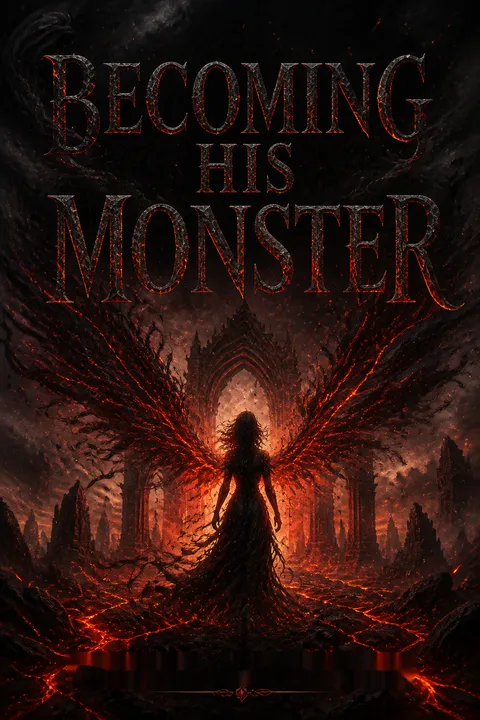


Plot Summary
The Grave Sends Lena Back
Months after her apparent death, Lena Fitz-Gerald watches Lucian Blackstone's coven mourn her from the shadows while she and her brother Joshua survive as soulless beings. When red-eyed hounds and yellow-skinned handlers track displaced witches to Spokane's Guild, Lena refuses Joshua's plea to stay clear.
Their group uses music to disrupt the creatures and rune stones to protect the Guild, but the battle draws Lucian and his forces into the fight. He recognizes Lena beneath her mask. When Lucian's ally Spyder seizes Joshua, Lena offers herself in exchange for her brother's escape. Joshua gets away, but Lena is captured and placed in Lucian's custody, where the man she once loved demands an explanation for her return.
Lena's return begins not as a reunion but as an act of tactical concealment. She watches the people who grieve her and refuses to interrupt their mourning because she no longer recognizes herself as the woman they lost. Yet when danger threatens the coven, she acts without hesitation. That contradiction, emotional distance paired with protective action, establishes the central strain of her new existence. Her bargain with Lucian also reverses their old dynamic: she chooses the terms of her capture, but remains vulnerable to the history and power he represents.
The Moon Repeats Her Death
Inside a transparent, rune-sealed dome, Lena faces Lucian, Spyder, her mother, and her pregnant twin sister Kendra, but refuses to let them treat her as the person they remember. Her scarred throat and claims of being soulless make the reunion feel more like an interrogation than a homecoming. At the full moon, the fighting stops when Lena's body collapses into a death echo.
She relives the violence that killed her, then watches ghostly women remove the child she carried. When her body revives, grief and rage return with her. Lena escapes the dome, leaving Lucian and her family with proof that she died to protect them, and with no clear account of what she has become.
The death echo makes Lena's sacrifice an ongoing event rather than a finished memory. Her body returns, but her experience of loss is repeatedly reopened, while the people around her see only the physical consequences. This mismatch explains her hostility: being recognized as Lena feels like being asked to resume a self that no longer exists. Kendra's pregnancy sharpens the wound because it gives Lena a living image of the future she lost. The scene turns private grief into public evidence, forcing her family to confront the cost of their survival.
Joshua's Name Was Borrowed
At a Guild meeting, Lena demonstrates how little she trusts her own returned body by pulling out her still-beating heart, which Spyder keeps rather than discards. Joshua then explains why his identity confounds the family: he and Benjamin were magically made from a divided soul, and after the two met in Afghanistan, Joshua killed Benjamin and later resumed the life associated with his counterpart.
He also reveals that Katarina and Lucifer shaped the events that ensnared Lena, using magic to make her a vessel and draw Lucian into their scheme. Lena says she chose death when she learned her unborn child carried a force that could destroy worlds. Her choice saved Kendra and trapped the seal, but left her without the soul she once had.
Identity in this story is constructed, stolen, and defended rather than simply inherited. Joshua's account shows how a name can become a survival strategy, while Lena's explanation recasts her death as a decision made inside a rigged game. She does not ask her family to forgive her or restore the old version of herself. Instead, she insists they accept the consequences of what she chose. The scene also widens the story's moral frame: Lena and Joshua are not merely victims of supernatural schemes, but people forced to make decisions with incomplete knowledge and irreversible costs.
Wings Over the Guild
Before the Guild can settle its questions, a new wave of demons and monstrous hounds attacks. Lena fights alongside Synthia, Ryder, and the others, but her body changes when a winged attacker threatens Lucian. Black wings tear free from her back, and she kills the creature before turning on Catalina, a fellow soulless being who reaches toward Lucian.
Lena removes Catalina's head, then claims Lucian as if the violence has clarified something neither of them can safely ignore. Joshua points out that Catalina is on their side, but the mistake exposes how dangerously Lena's instincts now run. The attack ends, yet her new wings and possessive response leave the Guild watching her as a weapon they cannot predict.
Lena's transformation is registered through action before anyone can explain it. Her wings appear in the precise moment she chooses to protect Lucian, binding her new power to an attachment she claims to have abandoned. The killing of Catalina complicates that protection: Lena's reflexes can defend the people she loves while endangering their allies. This is not a simple emergence of strength. It is a loss of reliable boundaries between threat, desire, and loyalty. The Guild's wary reaction gives Lena an external version of her own fear: she may be powerful, but she does not yet know what her power considers an enemy.
Nyx Names the Fury
The truth arrives when Hades and Nyx appear before Lucian's gathered allies. Nyx tells Lena that she helped return her from death, while Hades explains that a sliver of soul and the power of night now sustain her. Lena is not a harpy, as Synthia had guessed, but a Fury created for vengeance and chaos. More startling, she carries all three Furies within her, an unprecedented concentration of power.
Nyx gives her the soulless fighters as an army and says the coming war will require Lena to lead them. The gods also reveal a bond linking Lena to Lucian, one that prevents her from harming him. Lena rejects the idea that she belongs to him, but the supernatural rules have already tied their fates together.
The revelation gives Lena's change a mythic name without restoring a stable identity. Calling her a Fury explains her appetite for vengeance, but also risks reducing her to the purpose the gods assign. Nyx presents power as both gift and obligation, making Lena's freedom feel conditional: she can refuse the role verbally, yet her army and bond already place her inside it. The restriction around Lucian is especially charged. It converts an intimate history into a supernatural limit, so that desire, loyalty, and coercion become difficult to separate.
The Army Falls Silent
Spyder tries to reach Lena by turning an awkward song and dance into a private performance in front of the Guild. She laughs for the first time since returning, but the fragile relief does not last. During training, Lena's soulless fighters challenge her right to lead and attack under a rule that makes the contest lethal.
She kills them one by one, including Joshua, then waits as their bodies remain broken in the street. When her lost son appears in a vision, Lena refuses to take him from the life beyond, telling him she loves him and accepting that he cannot stay. She turns grief into a command, summons her warriors back, and they rise. The moment gives her an army, but also forces her to face what she cannot reclaim.
The sequence links humor, violence, and mourning without allowing any one of them to cancel the others. Spyder's performance briefly reaches Lena through the defenses she has built, but the challenge to her leadership turns her own people into the test. She wins by killing them, then restores them through the very rage she fears. Her refusal to take her son is the deeper victory: she chooses his release over her need to keep him close. Leadership here is not emotional invulnerability. It is the capacity to act after grief, without pretending grief has become harmless.
Lucian Teaches Her Control
Lucian takes responsibility for teaching Lena to control her shifting body, using pleasure and pain to make her recognize how her emotions trigger her wings and magic. The lessons become intimate, but intimacy exposes another limit: Lena cannot reach pleasure through her own touch or with most partners. Hades explains that her altered soul permits it with only three men, including Lucian and Lucifer.
Lena resents the restriction, even as Lucian's touch brings back sensations she thought she had lost. She refuses to forgive him for the choices that led to her death and their child's loss, yet continues the training because Kendra's safety may depend on her control. Their attraction is real, but it cannot erase the injury between them.
The training turns the body into both instrument and battleground. Lucian's method gives Lena a way to regulate her powers, but it also makes control inseparable from a sexual relationship in which he already holds emotional leverage. The restriction on pleasure intensifies that dependence, presenting bodily agency as something another force has rationed. Lena's refusal to equate desire with forgiveness is therefore crucial. She can want Lucian and still hold him accountable. The relationship's tension comes not from uncertainty about attraction, but from whether intimacy can coexist with an honest reckoning over the harm that preceded it.
Lucifer Offers Her a Crown
In a dream encounter, Lucifer invites Lena to rule beside him and promises to leave Kendra and her unborn child alone if Lena becomes his queen. He appeals to her anger at Lucian and offers revenge as a path to power. Lena agrees to his terms, then uses the promise to draw Lucifer to the Guild, where she pretends to surrender herself in front of Lucian's forces.
When Lucifer embraces her and begins to expose her, Lena smashes his skull against the pavement and tears through the demons around him with her lightning. He regenerates, so the attack does not end the threat, but it proves he can be hurt and gives Lena his scent to track. Her deception also leaves Lucian furious, though she has gained a way to pursue their enemy.
Lucifer's offer is tailored to Lena's most defensible grievance: she has suffered because powerful men made choices around her, and he offers her the power to answer them. Her apparent acceptance is a strategic performance, but it borrows the language of possession and betrayal that already wounds her relationship with Lucian. The violence that follows is not a clean victory. Lucifer heals, while Lena gains information and demonstrates agency in a public, bodily way. Her tactic works because she understands what her enemy wants, yet the cost is that Lucian must watch her enact the betrayal she only pretends to choose.
Angels Open Hell
Lena and the others follow a tear in the world where a siren lures men into Hell and sends their dead bodies back. Archangels arrive and begin closing the breach, but the attempt explodes, killing lesser angels and opening Hell into the city. Demons pour through, and Lena's group spends hours trying to rescue people as Spokane collapses around them.
They reach Nightshade, where old witches have used corrupted wards to slaughter guests, but Vlad and other survivors emerge from a hidden refuge. Raphael then reports that Heaven has also fallen. What looked like divine assistance has widened the disaster, and the surviving fighters now face enemies from Hell, betrayal by supposed allies, and a world with no safe boundary between realms.
The failed closure of the breach marks a shift from containment to catastrophe. The archangels' intervention appears authoritative, but its consequences expose how little anyone understands the forces they are handling. Lena's group responds by saving individuals rather than pursuing a clean strategic victory, a choice that preserves the story's human scale amid cosmic collapse. Nightshade's corrupted wards make safety itself suspect, while Heaven's fall removes the assumption that a higher power will repair the damage. The result is an altered moral landscape: survival depends less on cosmic hierarchy than on whether allies can be trusted and protected.
The Guild's False Sanctuary
After Raphael points them toward a warehouse that may hold a way to trap Lucifer, Lena's group heads there, only to trigger powerful wards and waking gargoyles. Lena recognizes the attack as a diversion and rushes back to the Guild. The sanctuary has been breached: Fiona, Lena's mother, is dead, Alden is badly wounded, and Kendra and many witches have vanished.
The archangels have taken Kendra, while the coven is dead or scattered. Lena's grief arrives in fragments, often hardening into the urge to kill rather than tears. She learns that the attackers may use ancient witches and a leyline at the family home to transfer souls into new bodies. The enemy has taken her family and turned the places meant to protect them into traps.
The warehouse attack works because it exploits the group's willingness to trust an apparent source of help. The tactical diversion becomes a personal catastrophe: Lena returns to find that the Guild's wards did not fail by accident, and that her family has been targeted while she was elsewhere. Her reaction reveals the cost of her new emotional structure. She knows what grief should feel like, but often experiences it as numbness and violent purpose. The plot's geography reinforces that betrayal: the Guild and the family home, once anchors of safety, are now sites the enemy can weaponize.
Spyder Releases the Bond
As Lena prepares to reach Kendra, she confronts the powers she has been holding back. Hades warns that the three Furies inside her must be allowed to act, and Lucian helps her release their force without losing herself completely. At the same time, Spyder asks to sever the bond that makes him feel Lena's intimacy with Lucian.
Lena agrees to a shared encounter meant to loosen that connection, though the bond does not disappear. Her magic then marks her and Lucian as mates, binding them in a way that neither can casually undo. Lena's new power is no longer only a threat she must contain; she and Lucian must also reckon with a permanent tie that demands trust neither has yet fully earned.
This turning point makes chosen intimacy and imposed destiny collide. Lena consents to help Spyder because she wants to relieve his suffering, but the act cannot simply erase what their magic has made of them. Her bond with Lucian is more absolute still, changing a charged relationship into a supernatural commitment. The scene's importance lies less in romance than in the limits of consent under magical systems: characters can choose their actions, yet those actions produce consequences they did not intend. Lena's growing power therefore brings more responsibility, not uncomplicated freedom.
A Daughter Stolen at Birth
Lena's group reaches the ritual site as Kendra labors beneath the watch of Lucifer and his allies. Synthia disguises herself as Lena, helping the team approach, while Lena breaks through the wards despite the pain they inflict. Kendra tells her sister that she has accepted death and asks her to protect the baby.
Lucifer appears with the newborn, Makenna, and refuses Lena's attempt to take her. Kendra dies in Lena's arms, having made a bargain to keep her soul safe and leave her daughter to Lena's care. Lucian honors a separate debt by allowing Adam to preserve Kendra's body as a vessel. The rescue saves neither mother nor child from Lucifer, and Lena is left with a promise she cannot yet fulfill.
Kendra's death is not presented as a failure of love but as a choice made under conditions no one should have to face. She directs Lena toward the future even as Lena clings to the present, asking her to save Makenna rather than undo what cannot be undone. That request gives Lena a new role, but not a simple replacement for motherhood: she must protect a child whose father embodies the threat that destroyed her own chance to raise one. Lucifer's possession of Makenna turns grief into obligation, ensuring that Lena's next fight is also an attempt to honor her sister.
The Son Behind the Bargain
After Kendra's funeral, Lena reads her sister's letter and accepts responsibility for raising Makenna, while Joshua sets their ancestral home ablaze. Lena still believes her child is gone and that the Fitzgerald family has been lost. In the closing shift to Lucian's point of view, Death confirms that the bloodline has ended.
Lucian reveals that he secretly made that sacrifice to bring his and Lena's son back in a new infant body, which he now holds. He intends to recover Makenna and raise both children with Lena, but she does not yet know what he has done or what he truly is. The ending replaces mourning with a dangerous secret: the child she grieved has returned, purchased at the cost of the family she tried to save.
The ending gives Lena the return she never asked for, but makes it inseparable from another devastating loss. Lucian's bargain echoes Lena's earlier sacrifice while reversing its terms: she chose what to give up, whereas he decides for her and conceals the price. His rescue of their son can be read as love, possession, or both, and the novel refuses to settle that tension. The returned child offers hope, but the destroyed bloodline and missing Makenna keep that hope morally compromised. Lena's next chapter begins with a future she must confront before she knows it exists.
Analysis
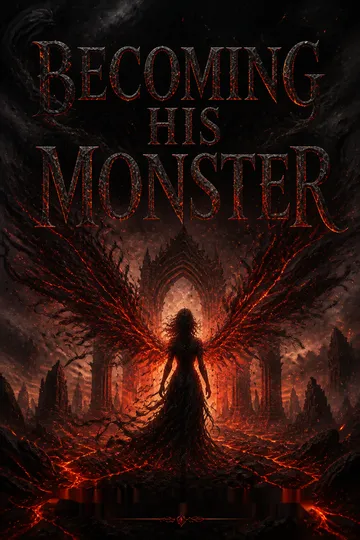
Becoming His Monster makes transformation feel less like a reward than an argument over who gets to define a person after catastrophe. Lena returns with power, but she does not return to her former self. Her family wants recognition, Lucian wants intimacy and control, and the gods want a weapon fit for an approaching war. Each group has a reason to claim her, and each claim risks reducing her to a function: sister, lover, vessel, Fury. Her resistance is therefore not simply defiance. It is a struggle to keep agency when even her body has become contested territory.
The novel repeatedly links love with sacrifice, but it refuses to treat sacrifice as automatically noble or healing. Lena gives up her child to protect others, and her grief becomes a recurring death echo rather than a resolved consequence. Kendra later makes her own choice about her child and her remaining time. Lucian's final bargain, however, exposes the danger in assuming that love authorizes unilateral decisions. He restores their son by paying with Lena's bloodline, making his apparent devotion another act that denies her the choice she fought to claim. The ending's hope is real, but morally compromised.
The supernatural world also mirrors the instability of the characters' boundaries. Wards can become weapons, portals turn rescue into invasion, and divine authorities mistake obedience for justice. Ordinary protections fail because the people who rely on them do not understand the forces surrounding them. Lena's development offers no clean cure for that uncertainty. She learns control not by becoming gentler or less angry, but by recognizing what her anger can do and deciding where to direct it. The book's central question is not whether a monster can be loved. It is whether a person remade by violence can choose what kind of power to become, even when every god, lover, and enemy has already chosen a purpose for her.
Review Summary
Becoming His Monster received mixed reviews, with ratings ranging from 2 to 5 stars. Many readers found the book repetitive and felt it lacked plot progression. Some praised the intense romance and character development, while others criticized the writing style and editing. Readers were divided on Lena's character evolution, with some enjoying her newfound strength and others finding her annoying. The ending left many intrigued about Lucian's true nature, but overall, the book polarized fans of the series.
People Also Read


Characters
Magdalena Fitzgerald
The returning warriorKnown as Lena, Magdalena is a coven-raised witch whose protectiveness often outruns her caution. She is direct, irreverent, and instinctively suspicious of anyone who claims authority over her choices. Her relationship with Lucian is marked by desire and distrust, while her bond with her twin sister Kendra gives her a more intimate measure of loyalty. Lena's greatest strength is her willingness to act when others hesitate; her vulnerability is that she tends to treat self-sacrifice as the clearest proof of love. Her story begins with a woman trying to separate herself from the person her family remembers, while still being pulled toward the people she cannot stop protecting.
Lucian Blackstone
The guarded immortalLucian is a powerful, commanding leader whose connection to Lena is older and more painful than either can neatly explain. He relies on control, secrecy, and force, habits that make him effective in a crisis but difficult to trust in an intimate relationship. His possessiveness can appear protective, yet it also risks repeating the very coercion that has harmed Lena. Beneath his authority lies a capacity for attachment that unsettles his self-image. He wants to keep Lena close, but his challenge is to distinguish devotion from ownership and protection from making choices on her behalf.
Joshua
Lena's steadfast brotherJoshua is Lena's closest surviving family member and a fellow fighter who understands the cost of coming back changed. He is practical, loyal, and quicker than Lena to assess whether a battle is worth the risk. Their sibling bond provides her with a rare source of familiarity, though his steadiness does not always prevent her from choosing danger. Joshua carries a complicated history and a strong sense of responsibility toward the people he loves. He tends to protect through action rather than emotional display, but his loyalty is unmistakable when Lena is threatened.
Kendra
Lena's twin and confidanteKendra is Lena's twin sister, a nurturing and determined woman whose warmth is not the same as weakness. She values family deeply and tries to hold people together even when she is frightened or exhausted. Her bond with Lena is intimate enough to survive anger and estrangement, but Kendra also wants her sister to recognize her as a person with choices of her own. She is guided by a fierce maternal instinct and a desire to protect the next generation. Kendra's gentleness gives Lena a counterpoint to her own harder, more defensive way of surviving.
Lucifer
The fallen world-makerLucifer is an immensely powerful antagonist who treats temptation as a tool and intimacy as leverage. He understands how to identify another person's grievance and reshape it into an offer that serves his ambitions. His confidence comes from a history of surviving defeat and from his ability to command demons and exploit supernatural loyalties. He approaches Lena as more than an enemy, seeing her anger and power as qualities he might recruit. That mixture of seduction and threat makes him dangerous: he wants allegiance, but he is prepared to take what he believes belongs to him.
Spyder
Lucian's loyal provocateurSpyder is one of Lucian's closest allies, a dangerous fighter whose teasing manner conceals strong emotional perception. He recognizes that Lena's defiance is partly armor and tries to reach her without demanding that she become the person she used to be. His loyalty to Lucian is deep, but his connection with Lena complicates that loyalty and forces him to consider his own needs. Spyder uses humor, music, and boldness to puncture the Guild's grim atmosphere. He is both a formidable combatant and one of the few people willing to meet Lena's pain without flinching.
Synthia
The Guild's fierce queenSynthia is a strong leader within the Guild, a skilled fighter and strategist who balances authority with practical compassion. She can be sharp and irreverent, but she does not confuse toughness with emotional indifference. Her loyalty to Ryder and her responsibility for the Guild inform nearly every decision she makes. Synthia sees Lena's potential before Lena can accept it, while remaining alert to the danger Lena's power may pose. She offers a model of leadership based on competence and solidarity rather than domination.
Nyx
The mother of nightNyx is an ancient goddess associated with night, darkness, and the creation of powerful beings. She is amused by danger and unsentimental about the costs of war, yet she recognizes courage when she sees it. Her attention toward Lena mixes affection, expectation, and the confidence of a creator who believes her creation has a purpose. Nyx does not offer comfort in a conventional way. Instead, she pushes Lena toward the strength she thinks the coming conflict requires, leaving Lena to decide what that strength will mean.
Hades
The Underworld's strategistHades is a powerful ruler of the Underworld and an ally of Lucian who understands the cost of supernatural bargains. He is blunt, irreverent, and willing to intervene when he believes the larger balance demands it. His methods can be unsettling because he treats life, death, and desire as forces to be managed rather than moral absolutes. Hades respects Lena's resolve, though he sees her as part of a larger plan. His relationship with Persephone adds a personal dimension to an otherwise calculating figure.
Fiona
Lena's devoted motherFiona is Lena and Kendra's mother, a woman shaped by coven life and the instinct to protect her family. Her care is steady, and her presence represents the home and kinship Lena struggles to feel she can return to. Fiona's love does not erase the distance created by Lena's transformation, but it remains a point of emotional gravity for both daughters. She is part of the family network that gives Lena a reason to keep fighting, even when Lena insists that she no longer feels what she once did.
Alden
The Guild's loyal elderAlden is a trusted figure in the Guild and a calm, experienced presence amid its supernatural turmoil. His affection for Fiona gives his loyalty a personal depth, while his willingness to protect the coven makes him a dependable ally to Lena. Alden is not driven by the pursuit of power; he is motivated by the people and community he has chosen to serve. His endurance under pressure reflects a quieter kind of courage than the battlefield heroics around him.
Ryder
Synthia's formidable partnerRyder is a powerful Fae warrior and Synthia's partner, combining physical force with an instinct for group strategy. He takes threats to the Guild personally and is protective of the people he considers family. His temper can flare when others endanger those he loves, but he is capable of working within a team and accepting the judgment of trusted allies. Ryder's presence gives Synthia both a partner in leadership and a formidable defense when the Guild is under attack.
Erie
The rebellious druidErie is a powerful druid and ward-maker whose sharp humor masks a wary, independent streak. She has her own reasons for seeking refuge with the Guild and resists being reduced to a tool for anyone else's plans. Her skill with wards becomes crucial whenever the group must defend a place or find a path through magical barriers. Erie is resourceful and confrontational, but she also understands what it means to be hunted for the power others want to use.
Ristan
The observant demon allyRistan is a demon allied with the Guild whose silver-eyed perception makes him unusually attentive to hidden pain. He often offers Lena blunt counsel rather than easy reassurance, pushing her to see the ways she is isolating herself. His manner is dry and sometimes irreverent, but his concern is genuine. Ristan's perspective helps bridge the gap between Lena's self-image as a monster and the community that still sees value in her.
Vlad
The sanctuary's keeperVlad is a powerful vampire who helps maintain Nightshade as a refuge for people caught in the supernatural conflict. He combines patience with a strong sense of hospitality, treating sanctuary as a duty rather than a favor. His attachment to the people around him gives him a stake in the war beyond simple survival. Vlad's steadiness makes him a source of reassurance, though he is also capable of fierce action when the safety of his community is threatened.
Katarina
Lucian's dangerous former loverKatarina is a powerful figure from Lucian's past whose ambition and capacity for revenge shaped events long before Lena understood them. She is driven by grievance and a desire to control the terms of her relationships, making her history with Lucian a source of ongoing danger. Her influence is felt even when she is not present. For Lena, Katarina represents the way another person's private conflict can turn an unsuspecting life into collateral damage.
Makenna
Kendra's vulnerable childMakenna is Kendra's daughter, whose birth is bound to the conflict among humans, immortals, and supernatural powers. Though she is too young to choose her place in that struggle, others already assign meaning and danger to her lineage. Her existence gives Lena a new reason to protect the future, while raising the question of whether a child's origins must determine who she becomes.
Raphael
The commanding archangelRaphael is an archangel who represents Heaven's authority and its rigid understanding of cosmic order. He is confident in his judgments and skeptical of beings he considers dangerous or unnatural. His certainty brings him into conflict with Lena, whose experience has taught her that obedience to rules does not guarantee justice. Raphael's role exposes the distance between divine hierarchy and the people who suffer when its decisions fail.
Olivia
The Guild's expectant allyOlivia is a member of the Guild who is expecting a child and is closely connected to Ristan. Her presence offers Lena a glimpse of ordinary tenderness amid a world where pregnancy and parenthood carry extraordinary risks. Olivia is gentle but not passive, and her own history gives her an understanding of what it means to be born into a dangerous lineage.
Zahruk
The dangerous Fae warriorZahruk is a powerful Fae fighter whose confidence and appetite for challenge make him a forceful presence in the Guild's defense. He respects strength and is willing to test it, while remaining alert to the dangers surrounding his allies. His direct manner brings friction and energy to the group's planning.
Death
The keeper of endingsDeath is a personified force who treats mortal endings as part of an order that even gods hesitate to challenge. His presence turns abstract questions of sacrifice into immediate bargains with consequences. He is neither a conventional villain nor a comforting guide, but a power whose decisions can reshape the lives of those who negotiate with him.
Plot Devices
The death echo
Reopens the original lossLena's death echo forces her to relive the violence of her death and the removal of the child she carried. The experience recurs with the full moon, making survival feel less like escape than a sentence repeatedly renewed. It lets the people around Lena witness what she endured, but it does not give them access to the numbness and grief she now carries. The echo is both a supernatural rule and a narrative mechanism: it reveals the cost of her sacrifice in stages, then tests whether she can continue to live without trying to reclaim what she lost.
The sealed body
Keeps the world-ending seal containedLena's body serves as a vessel for a destructive seal linked to the schemes of Katarina and Lucifer. Runes and markings help hold the force in place, while Lena's lack of a conventional soul makes her an unusual container that the seal cannot easily control. The threat explains why her death was not simply a personal tragedy: had the force escaped through her child, it could have devastated multiple worlds. The seal also complicates every attempt to understand or heal Lena, because her transformed body is at once her own and the prison holding a danger no one fully understands.
The realm breaches
Turns hidden worlds into a war zoneRifts and portals connect the human world to places such as Hell and Faery. Some creatures cross through them to hunt, while others exploit the openings to draw people into danger. Wards and rune stones can protect a location or delay an assault, but they can also be corrupted and used against the people they were meant to defend. The portals give the conflict its escalating scale: closing one breach may redirect danger rather than end it, and a failed attempt can open a much larger passage. They transform Spokane's streets and sanctuaries into unstable borders between worlds.
The three Furies
Makes grief a supernatural forceNyx reveals that Lena carries all three Furies within her, concentrating powers associated with vengeance, rage, and retribution. Their influence appears through her wings, magic, and dangerous responses to emotional pressure. Lena cannot simply suppress them without consequence, but letting them loose risks harming allies and overwhelming her own judgment. The Furies give the story a supernatural form for anger that has been denied or contained, while making control an urgent practical skill. Lena's challenge is not to erase the rage that helped her survive, but to wield it without letting it decide who deserves to be destroyed.
The soul bonds
Binds desire to supernatural consequencesSeveral magical bonds shape Lena's relationships. Her connection to Lucian limits her ability to harm him and eventually marks them as mates, while a separate bond makes Spyder feel the effects of her intimacy with Lucian. Lena's altered body also limits who can give her pleasure. These rules turn desire into more than a private emotion: it becomes a source of power, obligation, and conflict. The bonds can deepen trust, but they can also make choice feel constrained, forcing Lena and the men around her to distinguish genuine consent from what magic demands.
Fae Universe Series Series
About the Author

Download PDF
Download EPUB
.epub digital book format is ideal for reading ebooks on phones, tablets, and e-readers.








