


Plot Summary
Spokane Burns Again
Spokane has become a killing ground, and Lucian, an ancient power who commands the city’s defenders, is cutting through demon hordes while searching for Lucifer and the missing child Makenna. Lena, the witch he loves, has returned from death as an immortal fury, but her grief remains raw: her coven is gone, her son seems lost, and she cannot reach Makenna.
Their allies are scattered by the wider war, including Ryder and Synthia, whose daughter Kahleena is also missing. Lucian hides a different fear beneath his confidence. When Lena enters stasis, Lucifer can draw her into the veil and use the baby to lure her closer. Lucian refuses to let either child become another casualty.
The novel opens after catastrophe rather than before it, making survival itself the characters’ ordinary condition. Lucian’s competence at killing demons contrasts with his inability to locate Makenna or protect Lena from a threat that reaches her through sleep. The missing children gather the sprawling supernatural conflict into an intimate measure: every battle matters because someone vulnerable may be lost. Lena’s grief is also complicated by her altered body and restored emotions. She is not simply recovering from violence; she is learning that survival has returned her capacity to feel the losses all at once.
The Devil Shows Makenna
During stasis, Lucifer lets Lena hear Makenna crying, then appears with the baby in his arms. His tenderness toward his daughter unsettles Lena, even as he offers her a place beside him and promises another child. He also claims that Lucian has concealed a terrible price paid to bring Lena back.
Lena refuses the offer, but she cannot dismiss the sight of Makenna reaching for Lucifer or the fact that he tends to her whenever she fusses. Back at Club Chaos, Lena tells Lucian what she saw. His jealousy flares when he learns Lucifer kissed her, while Lena discovers that Spyder is suffering from the magical bond joining all three of them. Their desire is no longer private or voluntary.
Lucifer’s leverage is effective because it mixes coercion with genuine attachment. Makenna is not merely a hostage in Lena’s perception; the baby’s needs reveal a tenderness that complicates the Devil’s reputation and makes his offer emotionally legible. Lena’s uncertainty therefore cannot be resolved by deciding that Lucifer is simply evil. Meanwhile, the bond with Spyder turns intimacy into a problem of consent and consequence. Lena’s body registers a pull she does not interpret as love, creating the central conflict between what magic demands and what she consciously chooses.
Spyder Bears Her Mark
When Nyx arrives demanding her daughter Eris, Spyder restrains the goddess and reveals the marks Lena unknowingly placed on him while bonding with Lucian. The magic has claimed Spyder as Lena’s mate too.
He can no longer be intimate with anyone else without risking their death, and his growing need for Lena threatens to overwhelm his control. Spyder tells her he may have to die and be reborn to escape the curse. Lucian admits that their attempts to undo the bond have failed.
Lena rejects the idea of losing him and decides to try the one remaining possibility: fulfill what the spell demands, then repeat the original ritual in reverse. She knows the choice could change her relationship with Lucian, but refuses to let Spyder pay for her mistake.
The mark converts a protective act into an involuntary claim, exposing how easily magical systems can turn care into ownership. Lena’s response is driven by responsibility, but it is not purely self-sacrificing: she wants the coercive desire to stop controlling all three of them. Spyder’s willingness to accept death is both protective and avoidant. He would rather erase himself than risk becoming dangerous to Lena. Their conflict shows that loyalty can become destructive when characters treat self-annihilation as the cleanest solution to harm they did not choose.
Shadows Spread Through Spokane
While Lena asks Alden, the guild’s experienced elder, to research the original furies, he takes her and Zahruk to a spreading shadow anomaly. The substance grabs Zahruk, leaves rainbow marks on him, and returns a thrown stone as a humming crystal. Alden explains that people have vanished near similar portals; some who return are altered, ravenous, or mentally unstable.
Zahruk warns the guild to keep its enforcers away and connects the phenomenon to the escaped prisoners and changing order in Faery. Lena also learns that the matter may be touching her through contact with Zahruk. The threat is not simply Lucifer’s invasion of Earth. Something from Faery is remaking bodies and drawing new beings into its balance.
The portals widen the story beyond Lena’s emotional crisis without displacing it. Their transformations echo her own uncertain status: bodies can be rewritten by powers that neither understand nor ask permission. Zahruk’s exposure makes this threat personal to the group, while the crystal shows that the anomaly changes matter as well as people. Alden’s practical response, warning the guild and seeking Faery expertise, contrasts with the characters’ tendency to meet danger through force. The scene establishes that the apocalypse has several causes, so defeating one enemy cannot restore the old world.
Nightshade’s Unwanted Reunion
Lena tracks Spyder to Nightshade, Vlad’s vampire club, where he is using an orgy to try to exhaust his desire for her. When a patron grabs Lena, Spyder throws him aside and clears the room. Lena refuses to leave without him and tells him plainly that she wants to fulfill the bond rather than watch him choose death. Lucian arrives and agrees to a single night, with Lena belonging to both men for the ritual.
Before it begins, Lena helps launch Club Chaos’s new lower-level show, arranging performers, consent signals, and protections for guests. The performance establishes her authority in Lucian’s world. Then Spyder tests whether she will retreat in front of the watching clientele, and Lena approaches him without hiding her desire.
Lena’s decision is a reclamation of agency, but it takes place inside a coercive magical structure with no simple exit. She insists that her desire is real, not merely pity for Spyder, while Lucian’s agreement reflects both friendship and possessiveness. Her work on the club matters because it gives her a role beyond being protected or fought over. The public performance also turns private sexuality into social evidence. Lena is learning to choose visibility on her own terms, even as the men around her attempt to define what that visibility means.
The Bond’s Price
Lucian and Spyder subject Lena to a long, intense ritual, then repeat the blood, runes, and chanting used to create the bond. The spell severs the force compelling Spyder and Lena toward one another, but the mating mark remains. Spyder no longer faces immediate loss of control, yet he is still connected to Lena through the furies.
Lucifer watches part of the night and later tells Lena that Lucian traded the souls of her family and coven to save her. Lena confronts Lucian, who refuses to deny that he let her relatives die. He compels her to return to their room and keeps her there, insisting that she does not understand what is at stake. His silence confirms her fear without explaining his choice.
The ritual offers partial relief, not a clean resolution. The distinction between breaking desire and breaking a bond exposes the limits of treating magic as a technical problem: the spell can change behavior without erasing obligation. Lucifer’s accusation lands because it matches Lucian’s own refusal to explain himself. Lucian equates withholding information with protection, while Lena experiences the same choice as the destruction of trust. Their conflict is therefore not simply about whether he made a defensible decision. It is about whether love gives him the right to decide what she can bear to know.
Makenna’s Unexpected Father
While Lucian keeps Lena inside their rooms, Lucifer draws her into his realm and lets her meet Makenna in person. Lena sees him care for the baby with practiced tenderness, and he allows her to hold her niece while warning that he will fight anyone who tries to take her.
Lucifer also explains how his father cast him into Hell for wanting the intimacy and love humans shared, complicating Lena’s view of the monster who killed her. He admits regret over Kendra and the way their conflict harmed Lena. Back in Lucian’s rooms, Lena cannot reconcile the Devil’s affection for Makenna with his cruelty toward her family. The visit gives her a bond with the child, but no promise of safety or custody.
The scene distinguishes affection from goodness. Lucifer’s care for Makenna is real within the story, but it does not erase his violence or make his offers trustworthy. Lena can recognize his emotional history without excusing the harm he caused. Holding Makenna intensifies her own grief for her lost son and connects her to Kendra through care rather than memory alone. The competing men both frame protection as possession, yet Lena’s response to the baby is less about claiming her than accepting responsibility. That difference becomes crucial when Makenna is endangered.
A Queen in Public
At Club Chaos, Lucian presents Lena before the supernatural clientele and publicly declares her his Queen, placing her beside him rather than beneath him. A magical mark on her wrist announces their lasting bond, and the display discourages rivals who assumed he had shared her with Spyder and moved on.
Lena wants the gesture to answer where she belongs, but she still needs the truth about her family. Before she can settle that question, she and Erie leave the club.
Erie hopes to draw Lucifer out and take control of Hell, while Lena wants female company and a break from Lucian’s confinement. At Nightshade, Asmodeus appears in human guise, touches Lena, and identifies himself as the creator of the furies. Lucian arrives and kills him, then chains Lena in their room for disobeying him.
The public ceremony offers recognition while preserving an asymmetry: Lucian defines the terms of Lena’s status, and she is still waiting for information that would let her judge his choices. His gesture of equality is meaningful, but it does not automatically undo his control. Lena’s departure with Erie is an attempt to recover ordinary companionship and movement, not merely an act of reckless defiance. Asmodeus’s arrival shows how that independence can expose her to danger. Lucian’s violent response protects her physically while deepening the emotional captivity that has already strained their relationship.
Letters in the Ruins
After days chained in the wrecked bedroom, Lena finds two notes Lucian hid in Luna’s collar. They reveal that he had loved her before she understood his feelings, but feared that naming love would repeat the betrayal he suffered with Katarina.
When Lucian returns, Lena confronts him, destroys his suits, and demands that he recognize her as a partner rather than property. Their anger gives way to a frank reconciliation, and Lucian explains that Lena contains three furies, each tied to a seal: his own, the power guarding Pandora’s Box, and the force connected to Abaddon.
If Asmodeus or Lucifer frees those powers, the consequences could reach every world. Lucian still refuses to reveal the full cost of her family’s deaths, but Lena now knows his silence conceals love as well as fear.
The letters change the meaning of Lucian’s silence without making it harmless. Lena gains evidence of his attachment, but she still has to confront the coercion that accompanied it. Their reconciliation works because she does not become docile: she destroys his possessions and demands recognition on her own terms. The revelation about the seals recasts her body as a site of cosmic containment, raising the stakes of every choice she makes. Lucian’s protectiveness is understandable, yet the same secrecy that may prevent catastrophe also denies Lena informed participation in her own life.
The Guild Falls Silent
When the guild stops answering calls, Lucian and Lena join Synthia, Ryder, Vlad, Erie, Zahruk, and their allies to investigate. They find the building shattered, its wards disabled, and its defenders burned.
In the catacombs, the group discovers survivors sealed inside a shelter, including children and enforcers who have rationed food while the attack continued above them. Alden is no longer the human elder who guided Lena. The spreading Faery influence has changed him into an Unseelie prince, and he has been feeding with the other transformed beings.
Before they can reach him, a king’s summons draws Alden and the newly made princes away. Synthia loses the man who helped raise her, while Lena must accept that the rescue has saved the shelter’s survivors but not restored Alden.
The guild’s destruction turns the earlier portal mystery into a human cost that cannot be reversed by winning a battle. The rescuers succeed in protecting the children, yet the transformation of Alden denies them the uncomplicated reunion they came for. His altered state is especially painful because he had chosen a mortal life and now has no control over the change. The scene challenges the assumption that survival is always a victory. For Lena and Synthia, loyalty means staying with someone whose identity has been violently altered, while still recognizing the grief of what has been lost.
The Box and the Dagger
As Lena and the others enter the guild’s shelter passage, Lucifer and Asmodeus ambush them and drag her through a hidden gate into Hell. Asmodeus wants the furies and their seals, while Lucifer wants Pandora and her box released from Lucian’s control.
Asmodeus uses a dagger taken from the Unseelie prison, a weapon capable of killing Lena and a Nephilim. In the chamber, Lena finds Makenna and realizes Lucifer’s care for the child is genuine, though he still threatens her.
She throws Pandora’s box beyond Asmodeus’s reach instead of opening it. When Asmodeus attacks, Lucifer takes the dagger meant for Lena, and Makenna destroys a demon who restrains her. Lena is stabbed as Erie decapitates Asmodeus. Lucian takes Lena from Hell and brings Lucifer with them.
Lena’s decisive act is refusal: she will not open the box simply to buy her life, even though the weapon makes the threat immediate. Her choice protects the world and prevents Asmodeus from claiming the power he intended to rule. Lucifer’s intervention complicates the rescue, because he risks himself for Lena and Makenna without becoming a safe ally. Makenna’s sudden defense of Lena confirms that she is not a passive prize in the men’s conflict. The dagger concentrates the story’s recurring problem: power can preserve one person only by placing others in danger.
The Fates Refuse Death
The dagger’s wound is killing Lena, and Lucian summons Hades, Thanatos, the Fates, and the witches of her family rather than accept her death. He bargains away favors and promises to free a captive in exchange for a chance to restore her. Lena agrees to live. Her mother and grandmother join the ritual, revealing that the coven had chosen its fate and that Lucian preserved their souls in his realm.
Kendra’s soul cannot return yet, but she had saved her womb for Lena, allowing the women to restore Lena’s body and her capacity to bear children. Persephone removes the seal-bound womb, Lucian contains it, and the witches help return Lena’s soul. As the Fates prepare to cut her thread, it resists, and Lena’s life continues.
The rescue transforms earlier accusations without erasing their emotional force. Lucian did allow Lena’s family to die, but the revelation shows that their deaths were part of a bargain they understood and chose, while he preserved their souls. Their agency complicates Lena’s initial interpretation of betrayal, and Kendra’s gift makes care materially transformative: she gives Lena the possibility of a future she herself cannot yet share. The scene also refuses to make love a substitute for consent. Lena must agree to live, and Lucian’s power alone cannot complete the restoration.
A Witch Holds Her Son
Lena wakes with human sensations restored, her mother and grandmother beside her, and learns that Lucian has returned her to life as a witch rather than leave her consumed by the furies. Her soul is restored, though not entirely unchanged, and her family explains the sacrifices they made to protect their line.
Then Lena hears an infant crying and finds Benjamin, the son she believed she had lost. Lucian had kept him alive in stasis, hidden from Lucifer until he could protect them both.
Lena holds her son at last, naming him Benjamin Harbinger, and understands why Lucian kept the truth from her: Lucifer could have learned it through her mind. She is furious that Lucian withheld so much, but she cannot mistake the child in her arms for anything less than real.
The reunion gives Lena back what the earlier sacrifices seemed to make impossible: a self, a family, and motherhood. The restoration is not a return to an untouched past. Her body and soul have changed, and the people she loves have made choices in her absence. Benjamin’s survival reframes Lucian’s secrecy as strategic protection, but it does not make secrecy emotionally costless. Lena must hold gratitude and anger together. Naming the child herself is a small but crucial act of authorship after a story in which gods, lovers, and enemies repeatedly made decisions about her body.
A Home Among Monsters
Lena’s coven and family gather in Lucian’s realm, while Lucifer heals in a cell and agrees that Makenna should stay with Lena and Lucian for her safety. Joshua, weakened by the fury consuming his remaining soul, says farewell and accepts that he cannot return to the life they once shared.
Spyder also leaves to confront the furies and protect the children from their reach, promising no certainty about when he can return. Lena and Lucian settle into his world with Benjamin and Makenna, and Lena finds that the landscape reflects the man she loves rather than threatening her.
Three weeks later, Lucian senses a new heartbeat in Lena’s womb. She names their daughter Laurie, and the couple begins imagining a family whose children will be raised without the old game deciding their fate.
The ending offers chosen belonging rather than a restoration of the old world. Lena cannot recover Joshua’s former self, and Spyder’s departure leaves an unresolved danger, so happiness does not erase grief or uncertainty. What changes is the basis of the future: Lena is no longer an object being moved between realms or protected without explanation. She chooses Lucian’s home and participates in naming their child. The new pregnancy recasts the ending’s earlier fixation on lost motherhood as possibility, while the unresolved supernatural conflicts keep that possibility grounded in ongoing responsibility.
Analysis
Revealing the Monster builds its central conflict around a question that dark fantasy often avoids: when does protection become possession? Lucian repeatedly saves Lena, but he also withholds information, compels her, and restricts her movement. The novel does not treat those acts as equivalent to care simply because he loves her. Lena’s repeated demands for explanation make agency the emotional measure of the relationship. Her eventual choice of Lucian matters most when it follows knowledge, anger, and the chance to leave, rather than when magic or physical force narrows her options.
The story also makes bodies into political territory. Lena’s soul, womb, marks, and capacity to contain the furies are all targets of bargains among gods and princes. Her sexuality is another site where supernatural compulsion complicates consent. The attempted ritual with Spyder is therefore more than erotic spectacle: it is a desperate attempt to distinguish chosen desire from a magical command. Its partial success preserves the tension instead of pretending that one act can neatly erase the consequences of another.
Motherhood supplies the story’s moral counterweight. Lena’s lost son, Makenna’s contested safety, Kendra’s decisions, and the possibility of future children all test whether the powerful see children as people or instruments. Lucifer’s love for Makenna does not redeem his violence, but it prevents the reader from dismissing him as a simple embodiment of evil. Lena’s refusal to open Pandora’s Box similarly rejects a solution that would sacrifice the larger world for immediate personal relief.
Finally, the restoration of Lena’s family and the survival of Benjamin do not make the preceding pain meaningless. They reveal that sacrifice, secrecy, and consent have been entangled throughout the plot, with real costs even when the outcome is life. The ending offers belonging, not peace: Spyder leaves, Joshua cannot remain, Alden is changed, and Faery’s disturbance continues. Lena’s future with Lucian is hopeful because she chooses it, while the unresolved losses prevent that hope from becoming a claim that love fixes everything.
Review Summary
Revealing the Monster received mostly positive reviews, with readers praising the intense storyline, steamy scenes, and satisfying conclusion to the series. Many appreciated the character development and world-building. Some criticized the repetitive nature and excessive focus on sexual content. Fans were excited to finally learn Lucian's true identity. The book was described as action-packed, emotional, and a fitting end to the Monsters series. A few readers felt disappointed with the pacing and plot development.
People Also Read

Characters
Magdalena Fitzgerald
The stubborn witchLena is a witch whose life is pulled into a war among primordial beings, demons, and the courts of Faery. Her instinct is to protect the people she loves, even when the cost falls on her own body. She is curious, sexually self-possessed, and far less willing to obey than her powerful protectors expect. Grief and the return of her emotions force her to face losses she once could not feel. Lena’s strength is not invulnerability; she keeps asking questions, making choices, and demanding that love recognize her as an equal rather than a possession.
Lucian Blackstone
The primordial protectorLucian is an ancient, immensely powerful being who commands a network of clubs, allies, and supernatural forces. He is Lena’s lover and the person most determined to keep her safe, but his idea of protection often becomes control. Betrayal has made him distrustful of spoken declarations, so he relies on action and secrecy to express attachment. His love for Lena exposes a vulnerability he has spent ages avoiding. He can threaten worlds without hesitation, yet must learn that devotion is not the same as deciding what another person is allowed to know.
Spyder
Lucian’s shadow-bound brotherSpyder is Lucian’s oldest companion, a primordial being whose shadows serve as both weapon and shelter. He is loyal, irreverent, and perceptive enough to challenge Lucian when his protectiveness becomes destructive. A magical connection to Lena places him in painful conflict with his affection for her and his bond with Lucian. Spyder’s willingness to accept danger rather than impose it on others makes him protective, though sometimes self-erasing. His humor often masks how seriously he takes the people he considers family.
Lucifer
The Devil and fatherLucifer rules Hell and pursues Lena through dreams, promises, and force. He is manipulative and dangerous, but his devotion to his daughter Makenna is not merely an act. His past as a being cast out for wanting the love and intimacy he witnessed among humans gives his longing an origin without excusing his cruelty. Lucifer wants Lena to choose him, yet repeatedly confuses desire with entitlement. His relationship with her is complicated by their shared grief, mutual distrust, and the fact that his affection for Makenna creates a bond Lena cannot ignore.
Makenna
The contested infantMakenna is the infant daughter of Kendra and Lucifer, and her safety draws Lena into the Devil’s realm. She is too young to understand the supernatural war around her, but her needs change how adults behave: Lucifer tends to her, Lena longs to hold her, and their enemies see her as leverage. Makenna’s presence makes the conflict more than a contest for power. She represents a vulnerable future that cannot be reduced to the sins or bargains of her parents.
Kendra
Lena’s twin sisterKendra is Lena’s twin and the mother of Makenna. Her decisions are shaped by fierce love for her family and a desire to protect her child from the consequences of a war she did not choose. The sisters share a history and a physical resemblance, but they are not interchangeable in their wishes or loyalties. Kendra’s care continues to shape Lena’s choices, especially where motherhood and the Fitzgerald bloodline are concerned.
Joshua
Lena’s surviving brotherJoshua is Lena’s brother and one of the few links to her former human life. He is brave, protective, and accustomed to acting under pressure, but the war and his changing nature place strain on the siblings’ bond. Lena worries about him even when he tries to redirect attention away from himself. His presence reminds her that immortality cannot guarantee that loved ones remain unchanged or available.
Alden
The guild’s elderAlden is a seasoned guild leader who once loved Lena’s mother and has become a trusted elder to Lena. He brings practical judgment to a world where most characters answer danger with power or violence. Alden understands grief as something people carry differently, and he encourages Lena to consider what she can live with rather than dictate her choice. His loyalty to the guild and its vulnerable residents makes him a steady presence amid supernatural upheaval.
Erie
The unruly war goddessErie, also associated with the name Mórrígan, is a goddess of war whose humor and appetite for chaos make her difficult to predict. She is fiercely protective of people she claims as friends, but her methods can endanger the very people she means to help. Her fractured relationship with Callaghan reveals her resistance to being treated as a means to someone else’s political or reproductive goals. Erie values freedom, loyalty, and the right to answer betrayal on her own terms.
Asmodeus
The Prince of LustAsmodeus is a powerful Prince of Hell and the creator of the furies. He treats desire as a force he can command and people as bodies that can be claimed or used. His alliance with Lucifer is unstable because his ambition extends beyond serving another ruler. Erie’s history with him mixes familiarity, conflict, and mistrust. Asmodeus is frightening not simply because he is seductive, but because he assumes that another person’s resistance is an obstacle rather than a boundary.
Nyx
Mother of the furiesNyx is a powerful goddess and the mother of Eris. She brings a forceful presence wherever she appears, expecting others to answer for the choices involving her daughter. Her relationship with the furies and Lena is shaped by creation, power, and the limits of what she understands about the beings she has brought into the world. Nyx is accustomed to authority, but Lucian and the other primordial forces do not automatically yield to her.
Hades
Keeper of the UnderworldHades is the god of the Underworld and one of the few beings able to intervene in matters of souls and death. He has an intimate history with the other gods and understands that every rescue has a cost. His authority does not make him omnipotent, and he is careful when Lucian asks him to break rules that govern the dead. Hades provides a bridge between the mortal world, the divine order, and the choices Lena faces.
Synthia
The fae queenSynthia is a ruler of Faery, allied with Ryder and deeply invested in the people and children under her protection. She balances political responsibility with emotional openness, particularly when loved ones are in danger. Her pregnancy does not make her withdraw from the conflict; instead, it sharpens her awareness of what the next generation may inherit. Synthia’s loyalty to Alden and her concern for the guild connect the larger fae plot to Lena’s personal world.
Ryder
Synthia’s fae kingRyder is Synthia’s partner and a powerful fae king whose attention is divided between his family, Faery’s shifting order, and the search for his missing daughter. He is protective without being detached from the political realities around him. His partnership with Synthia is one of the few relationships in the story where the two rulers visibly work as a team. Ryder often moves quickly from concern to command when a group needs direction.
Vlad
Nightshade’s vampire hostVlad is a vampire and the proprietor of Nightshade, a club that doubles as an information network and refuge. He observes people closely and tends to speak plainly when Lena is caught in a conflict between powerful men. His establishment reflects his talent for making dangerous beings share space under carefully managed rules. Vlad is a practical ally whose loyalty is expressed through shelter, intelligence, and a willingness to tell Lena what she may not want to hear.
Zahruk
The transformed fae kingZahruk is a fae warrior whose strength and blunt humor help him navigate a world that keeps changing around him. His encounter with the shadow anomaly makes him a direct link between the human crisis and Faery’s transformation. Zahruk does not hide his appetites or discomfort, but he also respects boundaries when he recognizes another person is claimed or vulnerable. His shifting nature places him between familiar fae identity and something less understood.
Thanatos
The soul reaperThanatos is a force associated with death and the passage of souls. He approaches Lena’s fate as a matter governed by rules, debts, and limits, rather than sentiment. His presence makes clear that even Lucian must negotiate when he wants to alter what death has claimed.
The Fates
The weavers of destinyClotho, Lachesis, and Atropos are the Fates, three beings who oversee the threads and limits of life. They approach bargains with a sharp awareness of obligation and consequence. Their combined authority makes them powerful participants in any attempt to change a person’s destiny.
Persephone
The underworld’s life-giverPersephone is connected to life, death, and the restoration of bodies. She participates in the ritual surrounding Lena’s return, bringing practical power to a process that others cannot complete. Her compassion does not spare Lena from pain, but she explains what she is doing rather than treating Lena as an object.
Eris
Nyx’s disruptive daughterEris is Nyx’s daughter and a goddess whose actions intensify conflict among the fae. Her association with discord gives her presence political consequences even when she is not physically directing events. She is treated as a danger by some characters and as family by Nyx, creating tension between accountability and maternal loyalty.
Plot Devices
The three furies and seals
Contain world-ending powersLena’s body houses three furies, each connected to a seal with a distinct cosmic function. One is associated with Lucian, another guards the power in Pandora’s Box, and the third is tied to Abaddon. The furies protect these powers but also exert pressure on their host, shaping Lena’s emotions and desires. Their presence explains why she can be targeted by several supernatural factions at once and why Asmodeus seeks her. The device turns Lena’s body into both a person’s home and a contested supernatural prison.
The mating bond
Make desire dangerousA protective ritual connects Lena, Lucian, and Spyder, but its consequences exceed what Lena understands when she claims Lucian. The bond intensifies attraction and makes Spyder’s intimacy with anyone else dangerous. A second ritual can sever the compulsion, but it does not remove every mark or connection. The device turns a romantic triangle into a problem of consent, responsibility, and risk. It also gives the characters a concrete reason to negotiate what they want instead of assuming that magical compulsion reflects genuine love.
Pandora’s Box
Threaten the worldsPandora’s Box contains destructive powers and is tied to the seals hidden within the furies. Lucifer wants Pandora returned, while Asmodeus intends to use the box and the furies to secure power. Lena is the key who can open it, making her a target even when she refuses to cooperate. Lucian’s history with the box explains the Princes of Hell and the danger of allowing its contents to escape. In the climax, Lena’s decision not to open it prevents Asmodeus from turning the supernatural conflict into a wider catastrophe.
Souls, bargains, and rebirth
Put a price on survivalThe story treats souls as both the basis of emotion and a currency in dealings among gods and primordial beings. Escaping death or returning someone to life can carry costs that affect an entire bloodline. Lucian’s bargains preserve Lena’s family in his realm and later help restore Lena’s soul, but the process requires consent, magic, and sacrifice from others. The device creates genuine moral ambiguity: bargains can save lives while still appearing cruel to those kept in the dark about them.
The Unseelie portals
Spread Faery’s transformationLiving shadow portals appear around Spokane after the upheaval in Faery. Contact with them alters bodies and appetites, changing some humans and other beings into new fae. The portals threaten the guild, draw people away, and eventually transform Alden. Their effects are not fully understood by the characters, making them a persistent danger separate from Lucifer’s war. The device expands the setting from an invaded human city to a world in which Faery itself is reshaping the creatures and territories around it.
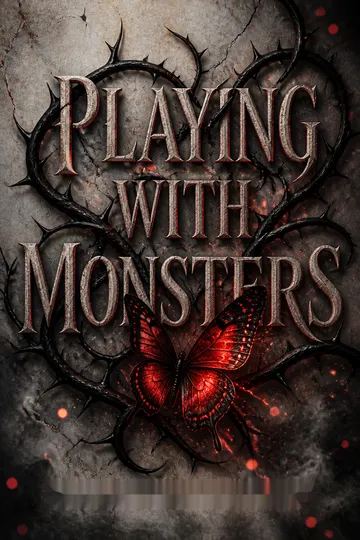
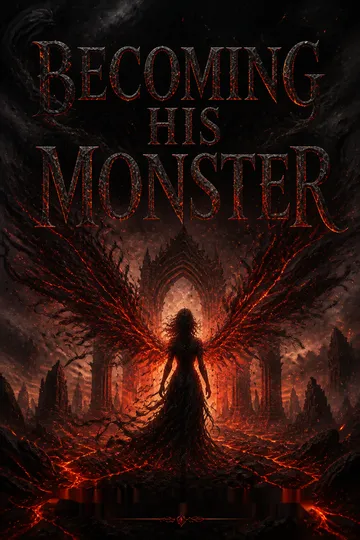
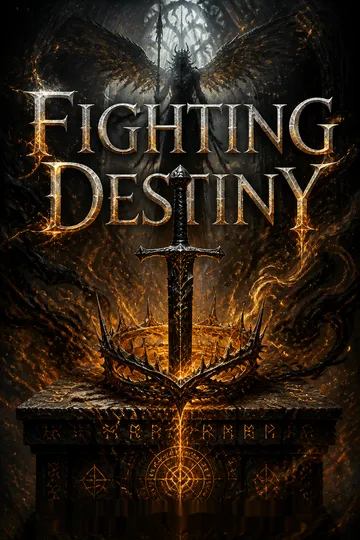
Playing with Monsters Series

About the Author

Download PDF
Download EPUB
.epub digital book format is ideal for reading ebooks on phones, tablets, and e-readers.








