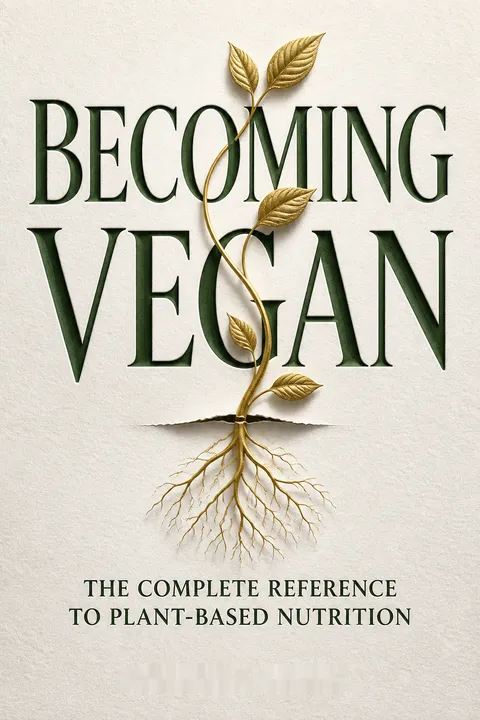


Key Takeaways
Make compassion concrete by tracing what ordinary purchases ask animals to endure
Ethics becomes practical. The book defines veganism as avoiding animal exploitation as far as possible and practical, not as a test of personal purity. Its modern movement began in Britain in 1944, when Donald Watson and a small group argued that dairy and egg industries, like meat production, ultimately depended on slaughter. Brenda Davis describes how a friend who hunted challenged her: buying meat also supports the killing, even when someone else pulls the trigger.
Choice carries consequences. The book links the ethical case to factory farming, wildlife harm, and resource use, while acknowledging that perfect avoidance of animal-derived materials is nearly impossible. Its aim is to reduce exploitation, not to catch people out over trace ingredients or occasional mistakes.
What's striking is the shift from private virtue to shared responsibility. It asks consumers to notice the systems their spending sustains, much as civic choices are understood to support institutions. The practical standard of doing what is possible and practical also keeps the ethic from collapsing into purity rules. That flexibility matters: a moral practice that permits learning and imperfect progress is easier to sustain than one that treats every mistake as hypocrisy.
Treat veganism as an ethical direction, not a guarantee of good nutrition
Planning makes the difference. The book cites the Academy of Nutrition and Dietetics' position that appropriately planned vegan diets can be nutritionally adequate. That qualification matters: a vegan diet built around refined snacks is not equivalent to one built around varied whole foods. The authors identify vitamin B12 as the clearest exception to the idea that ordinary plant foods reliably cover every need. Fortified foods or supplements provide a dependable source.
Check the usual gaps. Depending on food choices and sun exposure, vegans may also need to pay close attention to vitamin D, iodine, calcium, zinc, and omega-3 fats. Supplements do not replace a nourishing diet, but some nutrients require a deliberate source. Needs also change with age, pregnancy, activity, and health conditions.
The distinction between a dietary identity and a dietary pattern is useful well beyond veganism. Labels describe what is excluded, not the quality of what remains. The book's emphasis on planning also avoids the reverse mistake of treating animal foods as inherently necessary. Its strongest practical message is neither that plants solve every nutrition problem nor that veganism creates one, but that a few predictable needs deserve active management.
Build meals from whole plants, with legumes doing dependable heavy lifting
Use a flexible plate. The Vegan Plate is the book's food guide for combining grains, vegetables, fruits, legumes, and nuts or seeds, while highlighting calcium-rich options. It also calls attention to reliable sources of vitamin B12, vitamin D, iodine, and omega-3 fats. The guide is a planning aid, not a rigid daily scorecard: servings and calories should fit a person's size, activity, age, and goals.
Make beans a staple. The authors recommend at least three servings of legumes daily for many adults. Beans, peas, lentils, and soy foods contribute protein, iron, zinc, fiber, and other nutrients. Add them to soups, salads, sauces, or grain dishes. A broad mix of vegetables and fruits supplies additional fiber and protective plant compounds, while fortified foods can make key nutrients easier to obtain.
The plate works because it translates nutrition into a pattern rather than a list of isolated nutrients. It also resists the false choice between convenience and health: tofu, fortified beverages, and prepared beans can make a plant-based routine more manageable. Its serving guidance should be treated as a starting point, not a prescription for every body. The book itself recognizes that energy needs range widely, from older adults to endurance athletes.
Get protein from varied plants, and stop policing every meal combination
Variety covers the amino acids. Proteins are built from amino acids, including essential amino acids that must come from food. The book explains that every essential amino acid is available in plant foods. Grains tend to provide less lysine, while legumes are richer in it, so eating a varied mix across the day supplies a useful balance. Adults do not need to pair particular foods at every meal; the body draws on amino acids from the broader diet.
Avoid the real shortfalls. Most people eating enough calories and including legumes, grains, nuts, seeds, or vegetables can meet protein needs. The authors suggest about 0.9 grams per kilogram of healthy body weight daily for vegan adults. A fruit-heavy or very low-calorie diet, or one with few legumes, can fall short. The book uses PDCAAS, a score combining digestibility and essential-amino-acid pattern, to compare protein quality, while noting its limits.
This is a useful correction to the idea that protein is a single ingredient rather than a pattern across foods. It also shows why protein quantity and overall diet quality should be considered together: refining a food may improve digestibility while removing fiber and other nutrients. The suggested vegan target is a practical planning figure in this book, not a reason to chase ever-higher intake. Individual needs rise with growth, recovery, and some kinds of training.
Choose fat sources carefully, and give omega-3s deliberate attention
Quality matters more than a slogan. The authors do not prescribe one fat percentage for every healthy vegan. They distinguish fats in whole foods, such as nuts, seeds, and avocados, from concentrated oils, which add calories with few other nutrients. They advise limiting trans fats and keeping saturated fat modest, while warning that very low-fat diets can make essential-fat intake and absorption of fat-soluble nutrients harder.
Plan for omega-3s. Alpha-linolenic acid, or ALA, is an essential plant omega-3 found in foods such as flaxseeds, chia seeds, hempseeds, and walnuts. Because the body's conversion of ALA to longer-chain fats varies, the authors suggest higher ALA intake and describe microalgae-derived DHA, sometimes with EPA, as an option. They especially emphasize DHA during pregnancy and lactation.
What's valuable is the refusal to turn fat into either villain or miracle. The book distinguishes whole foods from oils and recognizes that health, calorie needs, and life stage change what is sensible. Its proposed omega-6 to omega-3 balance is a useful prompt to examine food sources, but the text itself presents conversion and ideal ratios as unsettled. Readers should preserve that uncertainty rather than treating one ratio as a universal clinical rule.
Keep carbohydrates, but trade stripped grains and added sugar for fiber-rich foods
The source changes the story. Carbohydrates from whole fruits, vegetables, legumes, and grains provide energy alongside fiber and other nutrients. Refining grains removes much of the bran and germ; the book estimates that making white flour from wheat can discard about 80 percent of its vitamins, minerals, and fiber. Added sugars and sweetened drinks are different from sugars contained in whole fruit, and frequent sugary beverages can add calories without much fullness.
Fiber works through several routes. Fiber is the portion of plant foods that human digestive enzymes do not fully break down. It can increase fullness, support regular bowel movements, and help regulate blood glucose and cholesterol. Vegan study participants often consumed 35 to 50 grams daily, compared with much lower typical Western intakes. The book distinguishes fiber by viscosity and fermentability, properties that help explain different effects in the gut.
The distinction between carbohydrate sources is more useful than sorting foods into simple and complex categories. A food's glycemic index can describe its effect on blood glucose, but it cannot tell whether the food is nutritious overall. The book makes that limitation concrete: a low-index snack can still be a poor choice. The broader lesson is to evaluate foods in context, including processing, portion, accompanying foods, and the nutrients that remain.
Use plant-forward eating to lower risk, not to promise disease immunity
The evidence is encouraging. The book reviews cohort studies and interventions linking vegetarian and vegan patterns with lower rates of some chronic diseases. In Adventist Health Study-2, the authors report a 15 percent lower mortality rate among vegans than nonvegetarians. EPIC-Oxford reported lower ischemic heart disease risk among vegetarians, a group that included vegans. These findings fit a pattern of lower saturated fat and more fiber-rich plant foods, but they do not prove diet alone caused the differences.
The pattern matters. Small intervention studies also explored plant-based diets in treatment. In Dean Ornish's Lifestyle Heart Trial, a combined program involving diet, exercise, and stress management was associated with improved coronary blockages among many participants. The book also describes promising diabetes research. It repeatedly cautions that a vegan label cannot rescue a diet dominated by refined foods, and that diet complements rather than replaces medical care.
The careful reader should separate three claims: a diet can improve risk factors, a cohort can show an association, and a treatment can reverse disease. They are related but not interchangeable. The book's evidence is most persuasive when it describes a coherent pattern and least conclusive when a multicomponent program is credited to diet alone. That distinction strengthens rather than weakens the case for plant-forward eating, because it keeps the promised benefit proportionate to the evidence.
Protect bones with calcium, vitamin D, protein, and loading exercise
Bone health has several inputs. The book does not treat osteoporosis as simply a dairy or calcium deficiency. Bone maintenance also depends on vitamin D, adequate protein, other nutrients, and weight-bearing activity. Some studies it reviews found lower bone-density measures or higher fracture rates among vegans, particularly where calcium intake was low. In one UK cohort, vegans with calcium intakes above 525 milligrams daily had fracture rates closer to those of other groups; the authors still advise aiming for recommended calcium intakes.
Choose calcium that absorbs well. Low-oxalate greens, calcium-set tofu, and fortified nondairy beverages are practical sources. Calcium in spinach is poorly absorbed because oxalates bind much of it. Vitamin D supports calcium absorption, while walking, dancing, and other weight-bearing activities signal bones to maintain strength. The book warns against relying on one nutrient or one food as a complete bone-health strategy.
This section is strongest when it treats bone as a system shaped by nutrition and mechanical use. It also corrects the simplistic claim that dairy guarantees protection or that plant-based eating automatically weakens bones. The fracture findings deserve attention, but the book notes that many studied vegan diets predated widespread fortified nondairy products. The practical implication is to assess actual intake and risk factors rather than infer bone status from diet identity.
Pregnancy, infancy, and aging demand nutrient checks, not guesswork
Needs shift across life. The book considers well-planned vegan diets suitable across the life cycle, but stresses careful planning during pregnancy, infancy, childhood, and older age. Pregnancy raises needs for several nutrients, including iron, folate, iodine, and protein. The authors describe a study of 775 vegan pregnancies at The Farm, where birth weights were typical and one case of preeclampsia was reported. That result is reassuring, not proof that every vegan pregnancy will be uncomplicated.
Prioritize reliable sources. Vitamin B12 is especially important: a deficient mother can pass too little to a breast-fed infant, with severe neurological consequences. Infants need breast milk or commercial infant formula, not ordinary plant beverages or homemade formula. Vitamin D and iron may also need direct attention. In older adults, reduced absorption of B12 from animal foods makes fortified foods or supplements relevant regardless of diet.
The life-stage discussion turns the book's general nutrition argument into a safety principle: the consequences of a small shortfall are not equal at every age. It appropriately distinguishes ordinary fortified beverages from infant formula, a distinction that can prevent dangerous substitutions. A menu can guide planning, but pregnancy, infant feeding, and diagnosed deficiencies call for qualified clinical support. The book's strongest advice here is to make reliable nutrient sources habitual before symptoms appear.
Count environmental costs across land, water, feed, and pollution
Food systems have footprints. The book argues that animal agriculture uses land and crops that could feed people directly, while also contributing to water pollution, deforestation, greenhouse-gas emissions, and habitat loss. It notes that livestock production uses large shares of agricultural land and that raising animals consumes more feed than the edible meat returned. These are broad system-level costs, not just emissions from transportation or the distance food travels.
Labels do not erase the structure. Factory farms, which the book also calls concentrated animal feeding operations or CAFOs, raise animals in high-density facilities focused on production efficiency. The authors question whether labels such as free-range or humanely raised reliably match consumer expectations, and point out that all animals raised for meat, milk, or eggs are eventually slaughtered. They also discuss overfishing and the ecological problems of intensive fish farming.
The environmental case adds a systems lens to a choice often framed as individual health. It shifts attention from food miles to how food is produced and how many resources pass through livestock before reaching a plate. The book's quantitative estimates reflect its 2014 publication context and should not be mistaken for current measurements. The durable insight is the comparison of production systems, while specific impact figures need periodic updating.
Fit the diet to bodies and lives, especially weight, sport, and recovery
One pattern cannot serve every need identically. Vegan diets range from very low-fat to higher-fat, raw to cooked, and convenient to minimally processed. The book argues that each needs attention to calories, nutrient density, and dependable sources of key nutrients. Someone underweight may need more frequent meals and energy-dense foods such as tofu, nut butters, and smoothies. Someone managing excess weight may benefit from emphasizing vegetables, legumes, and minimally processed foods rather than assuming every vegan product is healthful.
Match fuel to the task. Athletes mainly use carbohydrate for training, while protein needs rise with some endurance and strength programs. The book also distinguishes a genuine ethical commitment from restrictive eating that adopts veganism as a cover. Eating disorders require professional care; recovery does not inherently require abandoning ethical commitments. Children should not be placed on restrictive raw or fruitarian diets, whose safety and adequacy are not established in the text.
The useful principle is adaptability without abandoning nutritional standards. A diet that supports an older adult with low energy needs may not fuel an ultrarunner, and a plan for weight gain differs from one for weight loss. The section also avoids blaming veganism for eating disorders while recognizing that restrictive behavior can hide behind any dietary rule. Individual goals deserve expert support when growth, illness, or disordered eating is involved.
Analysis
Becoming Vegan is best understood as a practical reference book built around a moral proposition: avoiding animal exploitation can coexist with a nutritionally adequate diet, but adequacy depends on informed choices. Its architecture moves from ethics and food production into nutrient science, disease evidence, life-stage guidance, and daily menus. That breadth is its strength and its main summarizing challenge. The book is not one simple diet plan; it is a map of constraints, options, and predictable blind spots.
Its most durable contribution is the translation of vegan nutrition into decisions readers can act on. Legumes are not merely a protein substitute; they also contribute iron, zinc, and fiber. Fortified foods are not an admission of dietary failure; they are practical tools for nutrients that plant foods do not reliably provide. The recurring emphasis on B12, and on context-dependent attention to vitamin D, iodine, calcium, and omega-3 fats, keeps an ethical commitment connected to physiological responsibility. The life-stage chapters make that responsibility especially concrete.
The evidence requires distinctions. Cohort comparisons can show that dietary groups differ, but cannot isolate diet from every difference in lifestyle. Small interventions can demonstrate promising changes, yet programs that combine food, exercise, and stress management do not identify which component produced each effect. Environmental figures and some nutritional recommendations also belong to the book's 2014 context, so readers should not treat every number as a current consensus estimate. The authors themselves acknowledge uncertainty in areas such as fat targets, omega-3 conversion, and bone outcomes.
The resulting message is more nuanced than either a sales pitch or a warning label: veganism is an ethical framework, not a nutritional guarantee. A strong version of the book's case asks readers to evaluate both the production system they support and the actual composition of their meals. Good practice requires compassion without purity tests, and confidence without pretending that planning, supplementation, or professional care are unnecessary.
Review Summary
Becoming Vegan is highly regarded as a comprehensive reference on vegan nutrition. Readers appreciate its scientific approach, detailed information on nutrients, and coverage of different life stages. Many consider it an essential resource for transitioning to or maintaining a vegan lifestyle. While some find it dry and textbook-like, others value its unbiased presentation and practical advice. The book is praised for addressing potential nutritional concerns and offering guidance for various dietary needs. Some readers note its slightly outdated information and occasionally preachy tone.
People Also Read





Glossary
Veganism
Avoiding animal exploitationThe book defines veganism as a philosophy of compassion and respect for living beings that rejects treating animals as resources for exploitation. A vegan lifestyle avoids animal-derived foods and other animal products as far as possible and practical. The emphasis is on reducing exploitation, not achieving perfect personal purity.
The Vegan Plate
Plant-based meal guideThe Vegan Plate is the book's food guide for planning a varied vegan diet. It organizes foods into grains, vegetables, fruits, legumes, and nuts or seeds, while identifying calcium-rich options within those groups. It separately highlights reliable sources of vitamin B12, vitamin D, iodine, and omega-3 fats.
PDCAAS
Protein quality scoreProtein Digestibility Corrected Amino Acid Score rates a protein by combining its digestibility with its essential amino-acid pattern. The book uses it to compare foods such as tofu, legumes, eggs, and isolated soy protein. It also notes that the scoring system is debated and does not capture every nutritional advantage of whole foods.
Glycemic index (GI)
Blood glucose response measureThe glycemic index estimates how quickly a carbohydrate-containing food raises blood glucose compared with a reference food, usually glucose. The book classifies values as low, medium, or high. GI does not measure a food's overall nutritional quality, and a meal's effect changes with serving size and the other foods eaten alongside it.
Glycemic load (GL)
Serving-adjusted glucose estimateGlycemic load adjusts a food's glycemic index for the amount of carbohydrate in a typical serving. It helps explain why a food can have a high GI but a modest effect at an ordinary portion size. Like GI, it describes blood glucose impact, not the full health value of a food.
Concentrated animal feeding operations (CAFOs)
High-density animal farmsCAFOs are intensive livestock facilities that keep large numbers of animals in confined spaces and manage them as production units. The book discusses them in relation to animal welfare, disease control, antibiotic use, waste, and pollution. It notes that these operations are commonly called factory farms.
Female athlete triad
Three linked athletic health risksThe female athlete triad describes the linked conditions of disordered eating or inadequate energy intake, disrupted or absent menstruation, and reduced bone density. The book associates the risk with excessive training, restrictive eating, and pressure to remain very lean. It warns that the combination can damage both performance and long-term health.
Adventist Health Study-2 (AHS-2)
North American diet cohortAHS-2 is a large study of Seventh-day Adventists in the United States and Canada. Because participants include vegans, other vegetarians, and nonvegetarians, researchers can compare dietary patterns within a broadly health-conscious population. The book cites findings on mortality, heart disease, diabetes, cancer, and other outcomes, while noting that observational studies cannot establish causation by themselves.
EPIC-Oxford
British diet and health cohortEPIC-Oxford is the British component of the European Prospective Investigation into Cancer and Nutrition. It deliberately enrolled substantial numbers of vegetarians and vegans alongside meat and fish eaters, allowing comparisons of diet and health over time. The book cites its findings on heart disease, cancer, fractures, and other outcomes, with the usual limits of observational research.
FAQ
What's Becoming Vegan: The Complete Reference to Plant-Based Nutrition about?
- Comprehensive Guide: Becoming Vegan is a thorough resource on plant-based nutrition, covering essential nutrients, dietary guidelines, and the health benefits of vegan diets.
- Focus on Health and Ethics: It emphasizes the health advantages of veganism while addressing ethical considerations regarding animal welfare and environmental sustainability.
- Practical Advice: The book offers practical tips for transitioning to a vegan diet, including meal planning, recipes, and nutritional analysis to ensure a balanced intake.
Why should I read Becoming Vegan?
- Expert Authors: Written by Brenda Davis and Vesanto Melina, both registered dietitians with extensive experience in plant-based nutrition, ensuring credible and reliable information.
- Evidence-Based Information: The book is grounded in scientific research, making it a reliable source for understanding the nutritional aspects of a vegan diet.
- Holistic Approach: It integrates ethical, environmental, and health perspectives, encouraging readers to consider the broader implications of their dietary choices.
What are the key takeaways of Becoming Vegan?
- Nutritional Adequacy: A well-planned vegan diet can provide all essential nutrients, with the exception of vitamin B12, which requires supplementation or fortified foods.
- Health Benefits: The book outlines the health advantages of a vegan diet, including reduced risks of chronic diseases such as heart disease, diabetes, and certain cancers.
- Practical Resources: It includes meal plans, recipes, and resources for further learning, making it a practical guide for anyone interested in veganism.
What are the best quotes from Becoming Vegan and what do they mean?
- “Our lives begin to end the day we become silent about things that matter.”: Emphasizes the importance of speaking out against injustices, including those faced by animals in the food industry.
- “Becoming vegan is about taking a stand against this injustice.”: Highlights the ethical motivation behind veganism, framing it as a moral choice to oppose animal exploitation.
- “A vegan lifestyle excludes, as far as is possible and practical, all forms of animal exploitation.”: Defines veganism as a comprehensive approach to living that seeks to minimize harm to animals in all aspects of life.
How does Becoming Vegan address protein needs?
- Plant-Based Protein Sources: The book explains that all plant foods contain protein, and a varied diet can easily meet protein requirements without animal products.
- Complete Proteins: It clarifies that combining different plant proteins throughout the day provides all essential amino acids, debunking the myth that plant proteins are incomplete.
- Recommended Intake: The authors suggest a protein intake of 0.9 g/kg of body weight for vegans, which can be easily achieved through a balanced diet.
What nutritional deficiencies should vegans be aware of according to Becoming Vegan?
- Vitamin B12: The book stresses that vitamin B12 is not reliably found in plant foods, so vegans should consume fortified foods or take supplements.
- Calcium and Vitamin D: It highlights the importance of ensuring adequate calcium and vitamin D intake for bone health, recommending fortified plant milks and sun exposure.
- Omega-3 Fatty Acids: The authors discuss the need for omega-3 fatty acids, suggesting sources like flaxseeds and walnuts, and the importance of balancing omega-6 and omega-3 intakes.
What are the environmental benefits of a vegan diet as discussed in Becoming Vegan?
- Reduced Resource Use: The book outlines how plant-based diets require fewer natural resources, such as land and water, compared to animal agriculture.
- Lower Greenhouse Gas Emissions: It emphasizes that vegan diets contribute significantly less to greenhouse gas emissions, helping combat climate change.
- Biodiversity Preservation: The authors argue that reducing animal agriculture can help preserve biodiversity by minimizing habitat destruction and pollution.
How does Becoming Vegan support the idea of veganism as a lifestyle?
- Holistic Approach: The book presents veganism not just as a diet but as a comprehensive lifestyle that includes ethical, environmental, and health considerations.
- Consumer Choices: It encourages readers to make conscious choices in all areas of life, including clothing and personal care products, to avoid animal exploitation.
- Community and Support: The authors highlight the importance of connecting with vegan communities for support, resources, and shared experiences.
What practical tips does Becoming Vegan provide for transitioning to a vegan diet?
- Gradual Transition: The book suggests starting with small changes, such as incorporating more plant-based meals into the diet before fully committing to veganism.
- Meal Planning: It offers guidance on how to plan balanced meals that meet nutritional needs, including tips on shopping and cooking.
- Addressing Challenges: The authors discuss common challenges faced by new vegans, such as social situations and cravings, and provide strategies to overcome them.
How does Becoming Vegan address the concerns about vegan diets being restrictive?
- Variety of Foods: The book emphasizes the wide variety of delicious and nutritious foods available in a vegan diet, including fruits, vegetables, grains, legumes, nuts, and seeds.
- Culinary Creativity: It encourages readers to explore new recipes and cooking methods, showcasing the culinary possibilities of plant-based eating.
- Nutritional Balance: The authors reassure readers that a well-planned vegan diet can be satisfying and nutritionally complete, countering the notion of restriction.
How can vegans ensure adequate vitamin B12 intake according to Becoming Vegan?
- Supplementation is Key: The book recommends that vegans take a daily B12 supplement or consume fortified foods to meet their needs, as plant foods do not provide sufficient B12.
- Recommended Dosage: An intake of at least 25 mcg per day is suggested, with higher amounts for those over 50 or pregnant women.
- Testing for Deficiency: Regular testing for B12 levels is advised to prevent deficiency, which can lead to serious health issues.
What role do phytochemicals play according to Becoming Vegan?
- Health Benefits: The book explains that phytochemicals are compounds found in plants that have been linked to various health benefits, including reduced inflammation and lower disease risk.
- Diversity of Sources: It emphasizes the importance of consuming a wide variety of colorful fruits and vegetables to maximize phytochemical intake.
- Synergistic Effects: Brenda Davis discusses how the combination of different phytochemicals can work synergistically to enhance their health-promoting effects.
Download PDF
Download EPUB
.epub digital book format is ideal for reading ebooks on phones, tablets, and e-readers.








