

Plot Summary
The Audition That Vanished
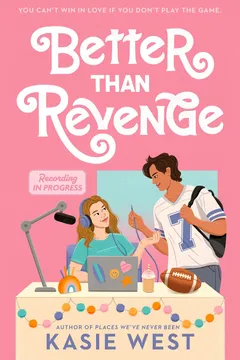
Finley Lucas has spent years preparing to host her high school podcast, believing the position will lead to a community-college internship. On audition day, her boyfriend, Jensen Ballard, waits until she finishes and then tries out too. The seniors choose Jensen and Ava as hosts, while Finley becomes a researcher.
Worse, Jensen presents Finley’s weekly student-interview idea as his own, then tells the whole school she lacks the voice, charm, and quick thinking to host. The insult turns a professional disappointment into a public humiliation. Finley ends their relationship, but Jensen’s casual response convinces her that he does not understand, or care about, the damage he has done.
The injury here is not simply losing a place on a school podcast. Finley has tied that role to years of preparation and a possible career, so Jensen’s decision makes her question both her talent and her judgment of him. The public insult compounds the theft: he controls the story of why she was passed over while she is still trying to understand what happened. Her breakup restores a measure of agency, but it begins in anger rather than clarity, leaving her vulnerable to the idea that retaliation can repair what was taken.
A Rival Becomes a Coach
With her friends Deja, Lee, and Maxwell, Finley plots ways to make Jensen suffer, including a crude bathroom advertisement using his phone number. It brings no satisfaction. At football player Theo Torres’s house, she expects a party and instead walks into his grandmother’s birthday dinner. When the actual party begins later, Finley realizes Theo arranged it after seeing her embarrassment.
Her clumsy kick at his practice net impresses him enough to suggest she could challenge Jensen for the school kicker position. Theo agrees to train her in secret. Finley accepts, not because football is a dream, but because beating Jensen at the position he prizes seems like the sharpest answer to his betrayal.
Finley’s revenge plan gives her a task at the exact moment she feels powerless, but it also makes Jensen the measure of every choice. Theo complicates that logic. He is Jensen’s rival, yet he does not merely provide an audience for Finley’s anger; he offers a difficult skill and a real test. Their bargain therefore contains two motives at once: a wish to punish Jensen and an opportunity for Finley to discover what she can do. The training is the first point where her response to humiliation requires effort rather than performance.
Grandma’s Lost Summer
As Theo teaches Finley the mechanics of kicking, she continues recording her grandmother Charlotte, who has Alzheimer’s. Charlotte recalls moving to the coast as a teenager and meeting Andrew Lancaster, a young surfer who later became a celebrated local painter. Their conversations reveal a tender first love and a surfboard Andrew painted for her, though Charlotte cannot remember where it went.
Finley had nearly abandoned her personal podcast, convinced nobody cared about it. Hearing Charlotte’s vivid recollections changes her mind, and she edits and publishes another episode. The recordings become both an archive for her family and a way for Finley to practice telling stories without the school’s microphone or approval.
Charlotte’s changing memory gives Finley a form of urgency that her own ambition lacks. Each interview preserves details that may not be available later, making recording an act of care rather than a bid for an audience. Andrew’s story also introduces a counterpoint to Finley’s fear of rejection: he doubts his own artistic ability, while Charlotte recognizes it before others do. The podcast lets Finley serve someone else’s story, which gradually loosens her belief that worth depends on being selected for a prestigious role.
The Eye on the Board
Finley finds a photograph of Cheryl Millcreek in an old school yearbook and contacts Cheryl’s daughter, Alice, hoping to locate Charlotte’s missing surfboard. Alice invites Finley and Theo to search her late mother’s cluttered shed. They do not find the painted board, but an old photograph shows Charlotte standing beside it, decorated with a large image of her eye.
The discovery makes Charlotte’s story tangible, and Finley is moved by seeing her grandmother young and remembered. Outside, Theo admits that he came to help for Finley, not only for the search. When he kisses her, their partnership changes from secret training to an uncertain romance, while the board remains missing.
The photograph changes the surfboard from a vague memory into evidence of a life Charlotte can no longer fully retrieve. Its painted eye links art to intimate attention: Andrew’s work matters because it records how he saw her, not because he later became famous. Finley’s response also shows that she is beginning to value a story for what it means to the people inside it, rather than for its public recognition. Theo’s confession makes the same distinction in their relationship. His interest is personal, but Finley is not yet sure she can trust that distinction.
A Kiss with Conditions
Finley and Theo grow closer through demanding practices, flag football with children, and visits to the college field, where Finley makes her first confident kicks through the uprights. Theo reveals that a knee injury cost him a college football offer, and Finley encourages him to try again without treating every kick as a verdict on his future.
Their attraction becomes unmistakable, and Theo asks her to be his girlfriend. Finley also shares more of her life with her friends, repairing a rift with Deja after taking them for granted. Jensen warns that Theo once bragged he could take Finley from him, but Finley dismisses the claim as spite. Her trust is genuine, though not yet tested by the full story.
Both teenagers are using skill to negotiate wounded ambition. Finley trains to reclaim a future she thinks Jensen stole; Theo has stopped trusting his own injured body with the future he once expected. Their best moments come when they interrupt that pressure for one another. Yet romance cannot erase the unequal information between them. Finley’s choice to trust Theo is emotionally credible, but it is also premature, because the story has not yet exposed the reason he wanted Jensen to lose. The warning she rejects becomes a test of whether affection can survive a hidden motive.
The Video Turns the Knife
While searching for Andrew’s surfboard, Finley, Theo, and their friends spot a painted lifeguard tower on a guarded property. The owner throws rocks at them, driving them away, but the clue deepens Finley’s search. The next day, Deja shows Finley a video from Theo’s backyard: football players tease him about Jensen, and Theo boasts that he could take Jensen’s girlfriend and make her believe it was her idea.
When Finley confronts him, she learns Jensen also injured Theo with a hard tackle after a play, worsening the knee that ended his college offer. Theo had been helping her partly to retaliate against Jensen. Finley walks away, unable to separate his real feelings from the revenge that brought them together.
The video converts rumor into evidence, but it does not settle the meaning of Theo’s later kindness. His earlier boast was not necessarily a plan, yet he concealed a grievance that shaped the partnership from its beginning. Finley’s anger is therefore about more than being used: she recognizes that she had begun to build trust without knowing the terms. The parallel with Jensen is deliberately uncomfortable. Both boys have allowed competition to distort how they treat her, while Finley’s own revenge has also made people into instruments. The revelation exposes the cost of that shared logic.
Kicking Through the Noise
The morning after the video surfaces, Finley arrives at football tryouts with her friends beside her and Theo’s apology unresolved. She tells the coaches she is trying out for kicker, then joins the special-teams drills with Jensen and two other candidates. Jensen’s warning not to miss disrupts her first kick, which skids along the grass.
She steadies herself, hits the next attempt cleanly, and grows more consistent as the kicks move farther from the goal. Jensen misses several and eventually throws down the kicking holder in frustration. Finley completes the final kick over defenders, and the coach praises her performance. She has likely earned the spot, but the expected rush of triumph never comes.
The tryout separates Finley’s ability from the revenge story she built around it. She does not succeed because anger makes her invulnerable; Jensen’s taunt still unsettles her, and she has to recover in public. Her improvement comes from practice, attention, and a willingness to continue after failure. Yet victory feels empty because the goal was designed around Jensen’s loss, not Finley’s desire. The moment reveals an important difference between proving oneself and choosing something for oneself. Finley has shown that she can compete, but she has not yet decided whether she wants the prize.
The Spot She Refuses
After tryouts, Finley’s family reveals they went to the Pismo Beach triathlon she had pretended to enter, unaware she was competing for a football position. Their disappointment makes her face the lie and the fact that she does not even want the role.
In a recorded conversation, Charlotte explains that Andrew once lent her surfboard to Cheryl without permission. After Charlotte ended their relationship, Andrew painted their story on a lifeguard tower as an apology, then repainted it blue when ordered.
Charlotte forgave him because the gesture showed he understood what he had damaged. Finley apologizes to her parents and recognizes that her own revenge has left her ashamed. The roster confirms she is first-string kicker, with Jensen second-string.
Charlotte’s account gives Finley a model of repair that differs from punishment. Andrew’s gesture mattered because it addressed the particular injury, the loss of something shared, rather than merely displaying remorse. Finley’s revelation about the triathlon exposes the practical cost of her revenge: she has displaced her family’s support and chosen an achievement she does not want. Her shame is not evidence that she is irredeemable; it signals that the story she told herself about justice no longer fits her values. The roster makes the choice concrete, since she now has something real to relinquish.
An Apology in Blue
On Monday, Finley finds her name atop the kicker roster, with Jensen listed as second string. She asks the coach to remove her name because she has no desire to play for revenge, then tells Nolen she wants to pursue live football commentary instead of the research role. That afternoon, Theo invites the school to the field and brings the painted lifeguard tower from Andrew’s story.
He publicly apologizes for treating Finley as a way to get even with Jensen, then takes her inside to show the preserved painting of Charlotte’s surfboard on the wall. Theo has also persuaded the property’s owner to let them recover Charlotte’s actual board. Finley chooses to forgive him and tells him she wants him.
Finley’s decision to leave the roster is the story’s clearest act of self-definition: she gives up a real victory because it belongs to a motive she no longer accepts. Her new broadcasting proposal still carries risk, but it aligns with the work she wants to do. Theo’s public apology answers the public humiliation that began the conflict, while the tower makes the apology specific to Finley’s family history. Forgiveness here is not forgetting the video or pretending their motives were pure. It becomes possible because both acknowledge the harm, and Finley is free to choose what happens next.
Epilogue
Two months later, Finley and Theo spend a beach afternoon with Deja, Lee, Maxwell, and the soccer team. Finley joins a soccer game instead of watching from the sidelines, while Theo kicks for fun and considers trying out as a kicker at the community college.
Charlotte’s recovered surfboard rests nearby, and the family has donated Andrew’s board to his art exhibit so it can be preserved. Theo no longer treats every kick as a test of his future, and Finley no longer needs revenge to decide what she is capable of. Their shared summer begins with play rather than a score to settle.
The beach ending does not reward Finley with a perfect career or erase the damage that preceded it. Instead, it returns the characters to activities they can choose for pleasure: Finley plays soccer, and Theo kicks without making each attempt carry his whole future. The surfboards remain, but their meaning has shifted from lost property and romantic evidence to shared memory and community history. Charlotte’s board is preserved beyond the limits of her memory, while Finley’s story continues through her own choices. The final movement is from performance toward participation.
Analysis
The novel treats revenge as a flawed attempt to make an injury legible. Finley wants Jensen to experience the same loss he caused, so she chooses the one arena where she can visibly take something from him. But winning the kicker position cannot restore her lost trust or transform the choice into a personal ambition. Her eventual refusal of the roster matters because it is not a retreat from difficulty. She has already proved she can compete; she declines because the goal belongs to her anger rather than her future.
Podcasting and football provide parallel tests of performance. Finley wants to edit every mistake out of her voice, while Theo has built his identity around a body that no longer obeys him reliably. Both use perfection as protection against uncertainty. Their training becomes valuable when each helps the other tolerate imperfection, not when one simply coaches the other toward victory. Finley’s later interest in live commentary signals a different relationship to failure: she is willing to be heard before she can revise herself.
Charlotte’s memories give the book a second romance and a practical model of repair. Andrew’s painted board and tower matter not because they certify him as an artist, but because they show attention to a specific person and shared history. The final tower echoes that gesture without equating Theo’s apology with Andrew’s. Theo must name his own conduct and let Finley decide what forgiveness means. Across the two love stories, the book distinguishes a grand gesture from a shortcut: symbolic acts matter only when they acknowledge the actual harm. Finley’s final choices protect her agency, reconnect her to family and friends, and allow romance to begin outside the machinery of revenge.
Review Summary
Better Than Revenge receives mostly positive reviews, averaging 3.96/5. Readers frequently praise the charming banter between protagonists Finley and Theo, the heartwarming subplot featuring Finley's grandmother, and the satisfying revenge-to-karma story arc. Many note it feels like a return to form for the author after some disappointing recent releases. Common criticisms include shallow character development, elementary-feeling conflicts, and "telling rather than showing" writing. The Taylor Swift references delighted fans, and Theo was widely celebrated as an ideal YA book boyfriend.
Characters
Finley Lucas
The aspiring audio storytellerFinley is a high school junior devoted to podcasting, careful preparation, and the belief that good work should speak for itself. Her interview idea grows from a genuine wish to learn about the people around her, but rejection makes her measure her worth by a single host position. At home, she helps care for Charlotte and records her grandmother’s memories, showing a patience and curiosity that contrast with her perfectionism. Finley is also funny and quick, especially when she is nervous, but she often edits herself before anyone else can judge her. Her central tension is between wanting recognition and learning to take risks that matter even when no award is guaranteed.
Theo Torres
The guarded football rivalTheo is a popular football player whose confidence can look like arrogance. He keeps people at a distance with earbuds, teasing, and a carefully cultivated reputation, while his devotion to training reveals how much identity he has invested in the sport. A serious knee injury complicates his plans and makes him wary of his own limits. With Finley, he becomes both a demanding coach and an attentive companion, pushing her to practice while challenging her habit of judging herself too harshly. His humor and physical ease conceal a more vulnerable fear of losing the future he has worked toward. He is drawn to Finley’s intelligence, determination, and lively resistance to his assumptions.
Jensen Ballard
The ambitious boyfriendJensen is Finley’s boyfriend and a backup football kicker who expects to become the starter after the current senior graduates. He is friendly and affectionate in familiar settings, and he has spent years waiting for a chance to prove himself. That underdog identity shapes his sensitivity to Theo, whose confidence and popularity have long unsettled him. Jensen is also eager for new opportunities, including the school podcast, even when he lacks Finley’s experience. His mix of charm, competitiveness, and insecurity makes him difficult for Finley to read. He represents the way ambition can become entitlement when someone values being chosen more than considering what the choice costs others.
Charlotte Lucas
Finley’s fading-memory storytellerCharlotte is Finley’s grandmother, an affectionate romantic whose Alzheimer’s affects her memory of recent events while leaving many early recollections vivid. Finley records Charlotte’s stories to preserve a family history that might otherwise disappear, and Charlotte meets the microphone with wit, warmth, and a willingness to revisit her youth. She remembers arriving on the California coast as a teenager and the people and places that helped it become home. Charlotte’s candid stories about love, pride, and forgiveness offer Finley perspective without making her choices for her. Her presence also grounds the novel’s emotional stakes in the daily work of caregiving, where patience and affection must be renewed again and again.
Deja
Finley’s candid best friendDeja is Finley’s longtime best friend, a talented soccer player who remains close after Finley leaves the team. She is protective, direct, and wary of boys who seem to bring more trouble than care. Her loyalty fuels Finley’s revenge plotting, but it also leads her to challenge Finley when she feels excluded. Deja’s concern is not always easy for Finley to hear, yet it comes from knowing how much Finley can invest in other people at her own expense.
Lee
The steady friendLee is one of Finley’s close friends and Maxwell’s boyfriend. He tends to notice the hurt beneath Finley’s anger and offers calm, practical support when the group’s plans become heated. Lee values loyalty but is willing to name the emotional costs of revenge and secrecy. His steady presence helps the friend group remain a source of care rather than simply an audience for Finley’s romantic and school conflicts.
Maxwell
The gleeful schemerMaxwell is Finley’s friend and Lee’s boyfriend, known for turning a bad situation into an opportunity for an outrageous plan. He is enthusiastic about petty revenge and quick to make jokes, but his humor sits alongside genuine affection. Maxwell cheers for Finley, helps her through awkward moments, and is among the first to celebrate her successes. His exuberance gives the friend group levity without making him indifferent to Finley’s hurt.
Ava Lester
The other new hostAva is selected with Jensen to host the school podcast. She is earnest about the opportunity and gradually finds an on-air rapport with him, while remaining attentive to the tension around Finley. Ava is not responsible for the selection process, but her presence makes Finley confront the difference between personal disappointment and resentment toward the person who received the role. She functions as a capable peer rather than a simple rival.
Nolen
The outgoing podcast leaderNolen is a senior host who leads the school podcast team and helps decide its next lineup. He values chemistry, audience reach, and fresh ideas, sometimes treating those priorities as more important than experience or fairness. His guidance gives Finley useful chances to practice, even as his decisions intensify her sense of being overlooked. Nolen represents the institutional judgment Finley hopes to earn and eventually learns to approach on her own terms.
Susie
The outgoing cohostSusie is a senior cohost who announces the new podcast team and helps guide the mentorship sessions. She recognizes Finley’s ability and offers encouragement, though she is part of the process that leaves Finley feeling passed over. Her role reflects the mixed nature of school approval: it can provide opportunities and honest advice, but it cannot decide what a student should value.
Finley’s mother
The patient caregiverFinley’s mother, Debra, works while caring for Charlotte and relies on Finley’s help at home. She urges her daughter to move forward with dignity, but she also recognizes when advice arrives before Finley is ready to hear it. Her response to the family’s caregiving responsibilities reveals both exhaustion and devotion. She wants Finley to be honest with her, while trying not to turn support into control.
Finley’s father
The worried parentFinley’s father works long hours and shares the family’s concern for Charlotte. He supports Finley but is hurt when she hides her football tryout and leaves her family searching for her at the triathlon she claimed she would attend. His disappointment comes from worry, not a wish to direct her future, and his response helps make Finley face the consequences of her secrecy.
Corey
Finley’s older brotherCorey is Finley’s older brother, who has moved away for college but returns to visit the family. He shares her parents’ frustration when she keeps her tryout secret, while also finding humor in the boldness of her plan. His presence reminds Finley that her decisions affect people who care about her, even when she is focused on Jensen.
Andrew Lancaster
Charlotte’s artist first loveAndrew is a young surfer in Charlotte’s memories who later becomes a celebrated local painter. As a teenager, he is talented but unsure whether his informal drawings count as art. His relationship with Charlotte gives her early years a romantic center, while his paintings preserve specific places and moments. Through Charlotte’s recollections, Andrew’s story becomes a second account of youthful ambition, insecurity, and the effort to repair hurt.
Alice
The keeper of Cheryl’s shedAlice is Cheryl Millcreek’s daughter, who is sorting through her late mother’s belongings. She responds to Finley’s search and permits her and Theo to look through the shed. Her cooperation turns an online clue into a real investigation and gives Finley access to photographs that deepen Charlotte’s story.
Cheryl Millcreek
The missing board’s borrowerCheryl was Charlotte’s schoolmate and fellow member of the surf club. Her connection to Charlotte’s missing surfboard makes her a key figure in the family’s search, though Finley initially knows her only through an old yearbook photograph and Charlotte’s memories.
Coach O
The open-minded assistant coachCoach O helps run football tryouts and initially doubts that Finley is serious about becoming a kicker. He gives her a fair chance to demonstrate her ability and evaluates her alongside the other candidates. His practical judgment allows Finley’s training, rather than assumptions about who belongs on the field, to determine her standing.
Cliff
The guarded property ownerCliff is the hostile man who guards the property where Finley and her friends spot a painted lifeguard tower. He throws rocks to drive them away, making their search more difficult. His property holds a crucial piece of Andrew’s history, though the group must find a way to approach him more carefully.
Plot Devices
It’s About Us
A family memory archiveFinley’s personal podcast records interviews with Charlotte, whose Alzheimer’s makes the preservation of family stories urgent. At first Finley doubts anyone beyond her relatives will listen and nearly stops publishing. The episodes eventually attract an audience because Charlotte’s memories of Andrew and her youth are vivid and emotionally specific. The podcast also connects Finley’s private ambition to a more generous form of storytelling: she learns to help another person’s voice reach listeners, then considers pursuing audio work through live commentary rather than relying on one school appointment.
The Kicker Tryout
A test of chosen ambitionTheo’s football lessons give Finley a concrete way to retaliate against Jensen, who is expected to become the starting kicker. The tryout forces her to convert anger into practiced technique under public pressure. Her strong performance proves she can win the role, but the position also exposes the difference between ability and desire. Finley eventually steps away from the roster because she does not want to build her senior year around punishing Jensen.
The Revenge Plan
Anger turned into actionFinley and her friends build a list of ways to make Jensen feel the humiliation he caused her. Early schemes, from the bathroom advertisement to smaller pranks, do little to affect him. The football plan gives revenge a larger shape and becomes the engine of Finley’s connection with Theo. It also creates the story’s moral pressure: Finley must eventually recognize that an achievement pursued only to wound someone else may not feel like success.
Charlotte’s Surfboard
A keepsake linking generationsThe painted surfboard is the object Charlotte remembers from her first love with Andrew, but its disappearance leaves the memory incomplete. Finley searches through yearbooks, photographs, and Alice’s shed, gradually uncovering evidence of the board and the young woman Charlotte once was. The search gives Finley and Theo a shared purpose beyond football and revenge. It also prepares the story’s final gesture, when Andrew’s art and Charlotte’s history give Theo a way to apologize in a language Finley understands.
The Backyard Video
A motive caught on cameraA short phone video from Theo’s backyard captures football players teasing him about Jensen and Finley. Theo boasts that he could win Finley over, making his earlier help appear tied to his rivalry with Jensen. The clip forces Finley to reconsider the trust she has placed in Theo, especially when she learns that Jensen’s tackle contributed to Theo’s knee injury. The recording does not resolve whether Theo’s feelings are sincere, but it exposes the grievance he had not shared and precipitates their separation.


Download PDF
Download EPUB
.epub digital book format is ideal for reading ebooks on phones, tablets, and e-readers.








