

Key Takeaways
Change your brain through repeatable habits, even after injury or aging
Your brain is adaptable. Neuroplasticity is the brain’s ability to alter connections and function in response to experience. Neurogenesis is the creation of new neurons, which the book says can occur in adulthood, particularly in the hippocampus, a region important for learning and memory. Together, these ideas challenge the belief that brain health is fixed at birth or declines on a one-way track.
Small changes can add up. The author helped study 100 current and retired NFL players who followed individualized programs involving diet, sleep, supplements, and cognitive training for six months. Follow-up scans and tests showed improvements, including in brain blood flow. The study is encouraging, but because the players changed several things at once, it cannot establish which changes drove the results.
The most useful claim is that brain function is not simply a verdict on age or past choices. The brain’s capacity to adapt supports rehabilitation and makes ordinary routines relevant to long-term cognition. Still, claims about new neurons in adult humans deserve more caution than claims about changing neural connections: the extent of adult human neurogenesis remains debated. Brain scans also measure particular signals, not a complete picture of recovery. The strongest takeaway is therefore practical, not miraculous: a change in function is possible, but no single lifestyle plan promises to reverse every injury or disease.
Move often, and include sustained aerobic exercise for brain circulation
Movement feeds the brain. Cerebral circulation means blood moving through the brain’s vessels, delivering oxygen and nutrients and carrying away waste. The brain depends heavily on that supply, and the book presents exercise as a practical way to support it. Walking, running, cycling, and swimming are highlighted for sustaining an elevated heart rate; resistance work, yoga, and everyday movement also have value.
Consistency beats heroics. The author describes research in which older women who walked for 30 to 50 minutes several times a week improved measured brain blood flow over three months. Her broader point is to find activity that can be repeated, rather than treating exercise as an occasional punishment. Gardening, household tasks, and chair-based exercise can be useful options when conventional workouts are difficult.
Exercise is unusually valuable because it connects cardiovascular health, mood, sleep, and cognitive function instead of targeting one symptom in isolation. The book’s emphasis on enjoyable movement also recognizes a basic behavioral reality: a theoretically ideal workout that someone avoids has little practical effect. However, stronger claims about one exercise type growing neurons should be separated from the better-established benefits of physical activity for general health. Fitness, disability, and chronic illness change what is safe and feasible, so the durable principle is regular, appropriately scaled movement, not a universal mileage target.
Build meals around whole plants, with seafood and unsaturated fats
Choose patterns over superfoods. The Better Brain Diet favors vegetables, fruits, beans, nuts, seeds, and whole grains, while limiting highly processed foods and added sugar. It also recommends omega-3-rich seafood, especially oily fish, as a source of DHA, a fat important to brain-cell membranes. For people who eat animal products, the book advises choosing them selectively and keeping portions modest.
A useful template exists. The MIND diet, short for Mediterranean-DASH Intervention for Neurodegenerative Delay, combines elements of Mediterranean-style eating with an emphasis on foods associated with brain health. The book reports that strong adherence was associated with a 53 percent lower Alzheimer’s risk in one study, while looser adherence was associated with a 35 percent reduction. These are study associations, not guarantees that a particular menu prevents disease.
The dietary argument is strongest when read as a whole-food pattern rather than a catalogue of miracle ingredients. A plate built around plants, fiber, and minimally processed food is more actionable than obsessing over one berry or supplement. The reported MIND findings are promising, but observational associations cannot prove that diet alone caused the difference; education, income, activity, and other factors may also matter. The book’s specific warnings about food chemicals and its confident judgments about particular fats are less settled than its broad case for a varied, nutrient-rich diet.
Protect sleep and calm chronic stress before chasing cognitive hacks
Recovery is brain work. Sleep supports memory consolidation and helps the brain clear waste products. The book recommends at least seven hours for most adults, while recognizing that individual needs vary. A regular bedtime, a cool room, and less screen exposure near bedtime are among its practical suggestions. Loud snoring, gasping during sleep, or persistent daytime drowsiness can point to sleep apnea, which deserves medical assessment.
Stress needs an off switch. Short-term stress can focus attention, but prolonged stress may disrupt sleep, mood, and memory. Meditation, yoga, and slow belly breathing are presented as ways to practice calming the body’s stress response. One former football player in the book found that yoga helped him sleep better and feel more focused after years of relying mainly on weight training.
Sleep and stress interact in a feedback loop: worry can disrupt rest, while inadequate rest can make emotional regulation harder. That makes the book’s emphasis on simple, repeatable calming routines more useful than treating stress as a personal failure. Its suggested sleep duration is a population guideline, not a precise prescription for every individual. Persistent insomnia, major anxiety, or suspected apnea should not be reduced to a self-help project; clinical evaluation can uncover treatable causes that breathing exercises alone will not address.
Hydrate steadily, but match water and electrolytes to your circumstances
Too little can dull performance. The book describes research linking dehydration with poorer attention, memory, mood, and reaction time. Its author learned the point dramatically after fainting during presentations, then changing her fluid habits. The useful lesson is not that everyone needs the same number of bottles, but that thirst, heat, exercise, illness, medications, and age can all affect fluid needs.
Water is not a contest. The book suggests using urine color as a rough hydration cue and notes that fruits and vegetables contribute fluid. Electrolytes matter when substantial fluid is lost through prolonged exercise, sweating, vomiting, or diarrhea. But excessive water can dilute blood sodium and become dangerous. Avoid relying on sugary sports drinks for routine hydration, and ask a clinician about fluid restrictions or electrolyte concerns tied to medical conditions.
Hydration is a good example of a modest intervention that can be mistaken for a universal cognitive enhancer. Adequate fluids help prevent impairment from dehydration, especially during heat, illness, or exertion, but drinking beyond need is not automatically beneficial. The book’s personal account illustrates why hydration can matter without establishing that dehydration caused every fainting episode or symptom. A sensible approach is responsive rather than rigid: notice context and symptoms, use water as the default, and seek medical advice when fainting or persistent dizziness occurs.
Interrupt rumination with evidence-based reframing, not forced positivity
Notice the thought loop. The book argues that repeated negative thinking can intensify distress and make clear decision-making harder. Its proposed method begins with a thought journal: record thoughts that reliably trigger worry, guilt, anger, or inadequacy, then look for patterns. Next, test a troubling conclusion against evidence and replace sweeping predictions with a more balanced or actionable statement.
Attention can be trained. Mindfulness means deliberately returning attention to present experience, such as breathing or bodily sensations, instead of being pulled into past regrets or future fears. The author describes sports agent Leigh Steinberg using mindfulness, journaling, and visualization while rebuilding his life and career after addiction and financial trouble. The story illustrates how mental habits can support action, not how optimism alone solves complex problems.
Cognitive reframing is valuable because it asks for more accurate thinking, not relentless cheerfulness. This distinction matters: suppressing an unwanted thought can make it more intrusive, while examining evidence can loosen its grip. The book’s account also correctly connects hope with concrete steps and support. Still, positive thinking should not be treated as a cure for cancer, depression, or other serious illness. Emotional pain can reflect real conditions that require treatment, and realistic negative appraisals sometimes protect people from danger. The aim is flexibility, not compulsory optimism.
Keep learning unfamiliar skills instead of repeating easy puzzles
Novelty supplies the challenge. The book treats cognitive training broadly: learning a language, making art, writing, reading, playing music, volunteering, navigating a new route, or solving puzzles can all ask the brain to work in fresh ways. The author’s point is that cognitive exercise need not come packaged as an app. A familiar puzzle may become less demanding as skill grows, so variety helps keep learning active.
Make it absorbing. Janet, a busy executive who struggled with anxiety and insomnia, began doing crosswords and jigsaw puzzles. She found that puzzling helped her settle her attention, and she reported better concentration and sleep. The book also discusses cognitive reserve, the brain’s ability to maintain function despite some damage, and presents learning as one possible way to support it.
The most persuasive part of this advice is its breadth. A demanding hobby can combine learning, attention, emotional engagement, and sometimes social contact, making it more sustainable than a solitary score-chasing routine. There is an important limit, however: improvement at a practiced game does not necessarily transfer to unrelated everyday abilities. Cognitive training is best viewed as a way to keep learning and engagement alive, not as a guaranteed shield against dementia. Choosing a skill that is both challenging and enjoyable makes the proposal stronger.
Treat supplements as targeted support, not a substitute for basics
The book offers tiers. Its Starting Lineup includes omega-3s, a multivitamin, probiotics, vitamin D, trace minerals, and curcumin. It adds B vitamins, vitamin C, magnesium, spirulina, and CoQ10 as an All-Star Team, with further compounds for people with brain injury or cognitive disorders. The author connects these products to nutrient gaps and reports improvements in a supplement program used with football players.
Evidence and safety vary. The player studies included multiple interventions, so they cannot show that any one pill produced the improvements. The book itself advises checking supplement quality and consulting a physician because products can interact with medicines and medical conditions. A more cautious starting point is to discuss diet, deficiencies, symptoms, and medications with a qualified clinician rather than adopting a large stack on the strength of broad claims.
This is the book’s most commercially vulnerable territory. Supplements may help when a deficiency or specific indication exists, but a long list of proposed benefits does not make every product effective for every person. Quality, dose, interactions, and the strength of human evidence all matter. The author’s tier system is useful as an inventory of options, but it should not be mistaken for a clinical protocol. The larger lesson is to identify a need before buying a remedy, particularly when a supplement could affect blood clotting, blood sugar, or prescription treatment.
Track a few behaviors and use clinical tests to find blind spots
Small steps are more durable. The book recommends changing one habit at a time, recording progress, and seeking an accountability partner. Tracking can expose patterns that memory misses, such as unplanned snacking or consistently short sleep. The author suggests monitoring relevant measures for roughly twelve weeks, then adjusting instead of interpreting a missed day as failure.
Measure health, not just habits. The book encourages discussing blood work and hearing tests with a clinician, and considering assessment for sleep apnea when symptoms fit. It tells the story of a former fire chief whose medical evaluation found obesity, high blood sugar, low vitamin D, and hypothyroidism. With treatment and lifestyle changes, he reported major improvements, including a weight change from 395 to 225 pounds. His outcome is an individual case, not a forecast for everyone.
Measurement can turn vague intentions into visible feedback, but numbers are tools, not verdicts. A diary or wearable may reveal patterns; it may also encourage obsessive monitoring or false confidence in imperfect devices. Clinical tests are most useful when guided by symptoms, risk, and a professional who can interpret results in context. The book’s strongest behavioral advice is to make changes manageable and review them over time. Its weaker implication is that more testing or tracking is always better. A focused measure that informs a decision beats a dashboard full of noise.
Analysis
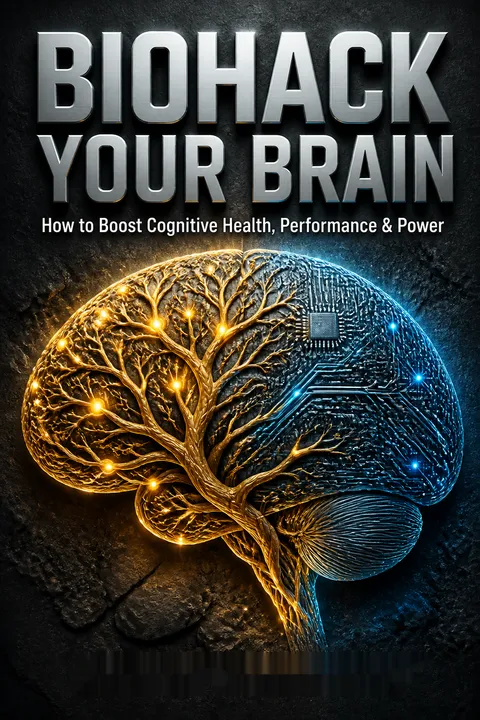
Biohack Your Brain is a practical health guide organized around a compelling premise: brain function is influenced by daily behavior, and improvement is possible across the lifespan. The author gives that premise emotional weight through two recurring stories, her father’s Parkinson’s disease and the NFL players whose cognitive health she studied. These stories make the subject intimate while illustrating the book’s central shift from treating the brain as an untouchable black box to treating it as an organ deserving routine care.
The book’s most coherent model is cumulative rather than proprietary. Exercise supports circulation and mood; food supplies energy and nutrients; sleep supports restoration; stress management affects attention and emotional regulation; learning keeps the mind engaged. These practices overlap, which helps explain why a complete lifestyle program may be more plausible than a single magic intervention. The practical advice to begin with small changes, track behavior, and seek accountability translates the biology into an implementable routine.
Its scientific claims do not all carry equal weight. General recommendations for movement, adequate sleep, and a varied whole-food diet are more defensible than some specific assertions about supplements, water quality, electromagnetic exposure, or particular foods reversing disease. The NFL examples involve selected participants, clinical settings, and bundled treatments. Brain scans and personal reports can be informative, but they cannot establish that every component caused the observed change or that results generalize to the public. Claims about adult human neurogenesis also warrant particular restraint.
A careful reading preserves the useful ambition while lowering the promise. The book is best treated as a menu of health behaviors and questions for clinicians, not as a diagnostic manual or a guaranteed anti-dementia plan. Its deepest contribution is a change in emphasis: cognitive health deserves attention before a crisis, and sustainable improvements are more credible than dramatic promises. The reader can act on that insight without buying every supplement, accepting every mechanism, or mistaking an encouraging case history for proof.
Review Summary
Biohack Your Brain receives mostly positive reviews for its accessible, science-based advice on improving brain health. Readers appreciate the practical tips on diet, exercise, hydration, and stress management. Some find the supplement recommendations costly and criticize the lack of in-depth explanations. The book is praised for making complex neuroscience concepts understandable for laypeople. While a few reviewers expected more advanced biohacking techniques, most find the book helpful for those seeking to enhance cognitive function and prevent age-related decline.
People Also Read





Glossary
Neuroplasticity
The brain’s capacity to adaptNeuroplasticity is the brain’s ability to alter the strength, organization, or activity of neural connections in response to learning, experience, injury, or changes in behavior. In the book, it explains why practice and lifestyle changes may influence cognitive function across adulthood. It is distinct from the creation of entirely new neurons.
Neurogenesis
Creation of new neuronsNeurogenesis is the process of producing new neurons. The book focuses on the hippocampus, a brain region involved in memory and learning, and presents exercise, diet, sleep, and stress regulation as possible influences. Evidence for new neuron formation in adult humans is more uncertain than evidence that existing neural connections can change.
Cerebral circulation
Blood flow through the brainCerebral circulation is the movement of blood through the brain’s blood vessels. Blood delivers oxygen, glucose, and other nutrients needed by brain cells and helps carry away metabolic waste. The book treats healthy circulation as a foundation of cognitive function and highlights physical activity, hydration, and cardiovascular health as relevant influences.
BDNF
A neuron-supporting growth proteinBrain-derived neurotrophic factor, abbreviated BDNF, is a protein involved in the survival, growth, and maintenance of neurons. The book describes it as one possible link between aerobic exercise and changes in the hippocampus, as well as a factor associated with mood. It should not be understood as a stand-alone measure or guaranteed treatment.
Gut-brain axis
Communication between gut and brainThe gut-brain axis is the two-way communication between the gastrointestinal tract and the brain. The book emphasizes the role of the gut microbiome, the community of microorganisms living in and on the body, and suggests that diet can influence this system. It connects gut processes with digestion, immune activity, mood, and other bodily functions.
MIND diet
A brain-focused eating patternMIND stands for Mediterranean-DASH Intervention for Neurodegenerative Delay. It is an eating pattern combining elements of Mediterranean-style and DASH diets, with emphasis on vegetables, especially leafy greens, whole grains, berries, legumes, and nuts. The book cites research associating stronger adherence with lower Alzheimer’s risk, while noting that the diet is not a guarantee against disease.
Cognitive reserve
Resilience despite brain changesCognitive reserve describes the brain’s capacity to maintain functioning despite damage or age-related changes. The book links learning and mentally challenging activities with the idea that a person’s brain may be better able to compensate for impairment. It is a model of resilience, not a promise that games or education will prevent dementia.
Neurofeedback
Training with brain activity feedbackNeurofeedback uses sensors, commonly measuring electrical activity through EEG, to provide information about brain activity while a person practices changing or regulating it. The book presents it as a way to train brain patterns and discusses its use for attention, stress, sleep, and other concerns. Treatment requires trained guidance, and evidence and suitability vary by condition.
qEEG
Quantified electrical brain mappingQuantitative electroencephalography, or qEEG, analyzes electrical activity recorded from the scalp using EEG. The book describes it as a noninvasive assessment that may help clinicians examine patterns of brain activity and guide treatment decisions. It is not a general-purpose measure of intelligence or a stand-alone diagnosis, and results need qualified clinical interpretation.
FAQ
What's Biohack Your Brain about?
- Focus on Cognitive Health: Biohack Your Brain by Kristen Willeumier emphasizes enhancing cognitive health through lifestyle changes. It provides strategies to improve memory, focus, and mental well-being.
- Scientific Basis: The book is grounded in neuroscience and clinical research, offering evidence-based methods for optimizing brain health. Insights are drawn from the author's work with NFL players and patients at the Amen Clinics.
- Empowerment Through Knowledge: It aims to empower readers to take control of their cognitive health at any age, encouraging proactive measures to prevent cognitive decline.
Why should I read Biohack Your Brain?
- Practical Strategies: The book offers actionable advice on diet, exercise, stress management, and supplementation to enhance cognitive function, which readers can implement immediately.
- Research-Backed Information: Kristen Willeumier provides scientific data and personal anecdotes, making the book both informative and relatable.
- Holistic Approach: It addresses various aspects of brain health, including nutrition, physical activity, and mental exercises, providing a comprehensive guide to improving cognitive performance.
What are the key takeaways of Biohack Your Brain?
- Change Your Brain: The book emphasizes that everyone can improve their brain health, regardless of age or past choices.
- Lifestyle Importance: Key lifestyle factors such as diet, exercise, hydration, and stress management are crucial for cognitive health, with specific methods outlined for optimization.
- Neurogenesis and Neuroplasticity: These concepts are central, highlighting the brain's ability to grow new cells and change, which can be stimulated through lifestyle changes.
What are the best quotes from Biohack Your Brain and what do they mean?
- Long-Term Health Focus: "If you only plan to live until you’re forty, this book may not help you." This underscores the importance of long-term thinking regarding health and wellness.
- Empowerment Through Knowledge: "You can biohack your brain if you have the right resources and information to do so." This emphasizes the empowerment from knowledge and informed choices about brain health.
- Intrinsic Brain Value: "Your brain is what makes you you—unique, beautiful, and blessed to be alive." This highlights the brain's role in defining identity and the importance of cognitive health.
How does Biohack Your Brain define "biohacking"?
- Personal Optimization: Biohacking involves making small, incremental changes to improve health and cognitive function using science and technology.
- Self-Experimentation: Readers are encouraged to experiment with lifestyle changes to find what works best for them, allowing for personalized health control.
- Integration of Techniques: The book suggests integrating diet, exercise, and mindfulness practices to create a comprehensive biohacking strategy for brain health.
What is the Better Brain Diet mentioned in Biohack Your Brain?
- Whole Foods Focus: Emphasizes consuming whole, unprocessed foods while avoiding processed items high in sugar and unhealthy fats to support brain health.
- Healthy Fats and Omega-3s: Encourages intake of healthy fats, particularly omega-3 fatty acids, essential for maintaining neuronal health and function.
- Plant-Based Emphasis: A significant portion of the diet consists of fruits, vegetables, legumes, and whole grains, providing vital nutrients and antioxidants.
How can I improve my brain health according to Biohack Your Brain?
- Regular Exercise: Engaging in aerobic exercise boosts blood flow to the brain and promotes neurogenesis, enhancing cognitive function.
- Mindfulness and Stress Management: Techniques like meditation or yoga reduce stress levels, essential for maintaining cognitive health.
- Proper Hydration: Staying hydrated is vital for optimal brain performance, with an emphasis on drinking water and balancing electrolytes.
How can I improve my sleep according to Biohack Your Brain?
- Establish a Sleep Schedule: Consistency in sleep and wake times helps regulate the body's internal clock, improving sleep quality.
- Create a Relaxing Bedtime Routine: Calming activities before bed, like reading or a warm bath, signal the body to wind down.
- Limit Screen Time: Avoiding screens before bedtime reduces blue light exposure, which can interfere with melatonin production.
What role does stress play in cognitive health as discussed in Biohack Your Brain?
- Negative Impact of Chronic Stress: Chronic stress can lead to cognitive decline by shrinking the hippocampus and impairing memory and learning.
- Stress and Neurogenesis: High stress levels inhibit neurogenesis, essential for maintaining cognitive function, making stress reduction crucial.
- Coping Strategies: The book provides strategies like mindfulness, exercise, and nutrition to mitigate stress's adverse effects on the brain.
How does hydration affect brain function according to Biohack Your Brain?
- Brain Composition: The brain is about 75% water, making hydration essential for optimal function, with dehydration leading to cognitive impairments.
- Effects of Mild Dehydration: Even mild dehydration can negatively impact mood, mental energy, and cognitive performance.
- Hydration Recommendations: Drinking adequate water daily and monitoring urine color as a hydration indicator are practical tips provided.
What specific dietary recommendations does Biohack Your Brain provide?
- Focus on Whole Foods: Advocates for a diet rich in whole, unprocessed foods, including fruits, vegetables, whole grains, and healthy fats.
- Omega-3 Fatty Acids: Highlights the importance of omega-3s for brain function, essential for maintaining neuronal health and reducing inflammation.
- Hydration is Key: Stresses the importance of proper hydration for cognitive performance, noting that dehydration impairs cognitive abilities.
What are some quick tips for biohacking my brain from Biohack Your Brain?
- 10-Minute Brain Boosts: Simple activities like a brisk walk or eating dark chocolate can enhance cognitive function quickly.
- Mindfulness Practices: Incorporating exercises like deep breathing or visualization can reduce stress and improve mental clarity.
- Healthy Snacking: Choosing brain-healthy snacks like blueberries or nuts provides essential nutrients supporting cognitive function.
Download PDF
Download EPUB
.epub digital book format is ideal for reading ebooks on phones, tablets, and e-readers.








