

Plot Summary
Middlefield Makes Donte a Suspect
At Middlefield Prep, a white student named Alan throws a pencil that hits Samantha, but their teacher blames Donte Ellison, the darker-skinned son in a biracial family. The headmaster scolds Donte in public, ignores his account of being bullied, and compares him unfavorably with his older brother, Trey. Donte loses control and slams his backpack onto the floor.
Instead of asking what happened, the adults call the police. Officers handcuff him and march him past students recording on their phones. Alan leads teammates in mocking Donte's skin color as the patrol car leaves. Trey finally tells the officers that Donte is innocent, but the humiliation has already become a spectacle.
The arrest grows from a chain of ordinary institutional choices: a teacher assumes, a headmaster refuses to investigate, and police treat a child's frustration as danger. Donte's outburst is real, but it follows repeated accusations he cannot correct. The school turns that reaction into proof of its original suspicion. The public arrest also gives Alan's insult an audience, making racial difference the story other students are invited to believe about Donte. His wish to disappear is therefore not simple shyness. It is a response to being made visible as a threat while his own account goes unseen.
The Cell Follows Him Home
In a holding cell, Donte vomits while adult detainees laugh, frightened that a place meant for criminals has swallowed a child. His mother, Denise, arrives demanding his release; his father, William, collects him and notices that officers treat him differently from Denise. At home, Denise describes the arrest as part of a wider pattern against children of color, while William reassures Donte that he believes him.
Their love steadies him, but it cannot erase the cell or his fear that something about him invites suspicion. Suspended for a week, Donte walks through Newton and panics when a police car slows nearby. He decides he cannot make the world see him fairly, but he can challenge Alan, and resolves to learn fencing.
The family's care protects Donte from accepting the arrest as proof that he is bad, yet reassurance cannot undo the physical memory of confinement. Denise understands the incident structurally and wants to fight the system; Donte experiences it first as shame and danger lodged in his body. William's quiet presence offers a different kind of support, grounded in trust rather than explanation. Donte's plan to defeat Alan is both a reclaiming of agency and a narrowing of the problem: if he can win against one boy, perhaps he can repair what an entire school has made him feel.
Arden Jones Says No
Trey finds Donte a newspaper profile of Arden Jones, a Black former Olympic fencer who now works at a Boston Boys and Girls Club. Donte expects the young athlete in the photograph, then finds an older, tired facilities manager and nearly walks away. Jones initially refuses to teach him. Donte comes back anyway, watches Jones prepare the crowded gym, and begins helping set up equipment.
When Jones asks why he is out of school, Donte explains his suspension and arrest. Jones makes him breathe slowly, tests what happened, and learns that Donte neither hurt nor threatened anyone. Donte insists he wants fencing. Jones finally agrees to coach him, provided he arrives punctually for Saturday practice.
Donte first approaches Jones as an answer to a practical problem: learn a weaponized skill and beat Alan. The gap between the heroic photograph and the aging man forces him to confront how easily he mistakes public glory for present worth. Jones, meanwhile, refuses to become a convenient instrument of Donte's anger. He requires the boy to explain himself and regulate his body before offering instruction. Their agreement begins with a small act of mutual recognition: Donte sees ability beneath Jones's worn appearance, while Jones sees a frightened child whose insistence may contain genuine discipline.
Welcome, Then the Stomp
At Donte's first session, Jones makes him complete exhausting push-ups and squats before he touches a sword. Donte finishes despite trembling arms, and Jones accepts him as a student. At home, Trey helps him stretch, while William reveals that he fenced in college and once took ballet, turning a family workout into a moment of shared play.
When Donte returns to Middlefield, Trey has gathered classmates to welcome him. The warmth vanishes as Alan and his fencing teammates rush past, stomping and kicking Donte on the hall floor. Trey tries to shield him. Donte reaches class shaken but less alone: several students have shown they care, even if they were not brave enough to challenge Alan before.
Physical training gives Donte a new experience of effort: pain can be chosen, measured, and survived, unlike the helplessness of the arrest. William's fencing history also unsettles Donte's assumptions about which family members belong in which roles; athletic skill is not the same as the visible privilege he associates with Trey. The welcome and assault expose two truths at once. Middlefield contains classmates capable of kindness, but Alan still controls the risks of showing it. Donte begins to distinguish being supported from being protected, a distinction that will matter as he learns to act without expecting institutions to intervene.
Trey Takes Alan's Challenge
As Donte trains with Jones, he learns footwork, patience, and how to read an opponent's smallest movements. Trey joins the club after arranging to observe Middlefield's team, and Alan challenges him to fence despite Trey's inexperience. Alan scores quickly, then drives Trey backward until he falls. Donte leaves the bleachers to stand beside his brother, refusing to let Alan's teammates intimidate them into silence.
At home, Denise fears that their confrontation could bring worse consequences, while the boys insist they never struck anyone. The headmaster gives them a warning rather than a suspension. Donte begins to notice that fencing is not just speed or force: it rewards anticipating choices, a skill he will soon need beyond the strip.
Trey's defeat reverses the familiar family hierarchy: the naturally athletic older brother cannot rely on his usual strengths in a sport Alan has mastered for years. Donte's loyalty matters more to him than the chance to appear detached or sensible. Denise sees the danger of that loyalty in a world where the same behavior can be read differently depending on who displays it. Jones's emphasis on patience offers Donte a possible alternative to retaliation, but he has not yet separated learning to fence from wanting Alan to suffer. The unresolved desire makes the coming hearing another test of control.
The Hearing Becomes a Bout
Before Donte's juvenile hearing, his family waits among children and parents whose cases are processed with startling speed. Jones joins them at lunch, then urges Donte to treat the courtroom as another place to watch and think.
The school has sent no representative, and the prosecutor relies on the police report accusing Donte of throwing a pencil and backpack. Donte tells the judge that he did not hurt anyone, then points out his white father, white brother, and Black fencing coach.
Their presence complicates the judge's assumptions about him. The prosecutor withdraws the complaint, and the judge rules that Donte is not a threat, though he orders two hundred hours of service at the club. Denise's larger civil rights case remains unresolved.
Donte wins relief by making the judge look at people who disrupt a simple racial stereotype, but the basis of that success is uneasy. The judge's reaction suggests that education, family support, and a respected coach make Donte easier to recognize as harmless. Children without those signals remain vulnerable to the same process. The courtroom metaphor empowers Donte to study authority rather than freeze before it, yet the proceeding is not a fair contest: Middlefield provides no witness, while Donte must make himself credible. His personal case ends without settling the broader injustice his mother is pursuing.
The First Tournament Stings
At a preseason city meet, Donte's club team arrives in matching uniforms, facing polished school and private-club squads. Alan shouts a racial insult during Zarra's bout; she turns toward the noise, loses focus, and is defeated. Donte wants Jones to stop the heckling, but his coach tells the team to keep its attention on fencing.
Donte then loses his own first match to a taller opponent. This time, the defeat is clean: his opponent treats him respectfully, and Donte discovers that losing does not erase the pleasure of concentrating on every movement. He comforts Zarra and helps rally the team. Afterward, Jones takes him aside, proud not of a score but of how Donte supported his teammates.
The tournament separates two kinds of defeat. Zarra's loss is shaped by a racist interruption that the adults fail to correct; Donte's comes from inexperience in a fair contest. That contrast lets him feel the difference between being outmatched and being deliberately undermined. His growing concern for Zarra also marks a shift beyond his own injury: he recognizes the insult's power because he knows what it means to be reduced to a skin color. Jones's approval redirects success from winning toward attention, fairness, and responsibility to a team.
Arden's Olympic Regret
At a doughnut shop, Jones and Donte meet Jonathan Michael, a former fencing teammate who insults Jones and calls his coaching a disgrace. Jonathan's son, Nate, tries to greet Jones, but his father stops him. Donte defends his coach, then rides with Jones, who finally explains why he quit fencing. In the 1970s, Jonathan harassed the Black Olympian and persuaded others to blame him for problems.
Jones eventually threw a team bout out of spite, helping end his team's chance to advance. He regrets betraying his teammates and letting a bully define him. Donte recognizes the danger in his own wish to humiliate Alan. He begins to ask what he wants from fencing if revenge is no longer the answer.
Jones's confession makes him more than the wise mentor Donte hoped to find. He once responded to racial hostility by sacrificing the very achievement that mattered to him, and his regret is not softened into a simple lesson about forgiving others. He takes responsibility for his own choice without absolving Jonathan. Donte is forced to consider that revenge can make the target's prejudice the organizing force of his life. The parallel between the boys is not exact, but it is urgent: Jones's past gives Donte a glimpse of how anger can both defend dignity and consume the goals it was meant to serve.
History Opens the Fencing Door
During summer training, Donte and Trey turn their garage into a workout room and practice with their teammates. At Middlefield's July tryouts, more students arrive than the old elite team can easily absorb.
The headmaster now encourages Donte to try out, but Donte watches Alan humiliate Danny and decides that the club, not Middlefield, is his fencing home. Zarra brings books about Black Olympic fencers and Alexandre Dumas's father, General Thomas-Alexandre Dumas, whose life inspired stories often presented without their Black history.
The discoveries reveal that fencing has never belonged only to wealthy white schools, even when access and representation have been restricted. Jones tells the young fencers that their work, not his lost career, will be his legacy.
The expanded tryout crowd challenges Alan's control of Middlefield fencing, but Donte's decision not to audition is not a rejection of the sport. He refuses to let the school's new interest define his worth after its earlier refusal to see him fairly. Zarra's research enlarges the team's imagination by making Black fencers and historical figures visible within a tradition that popular culture has often whitened. Jones's idea of legacy shifts the focus from individual redemption to transmission: a coach can repair part of his relationship to the sport by making access possible for younger athletes.
Donte Sees Alan Clearly
At the regional competition, Donte advances through the rounds and defeats Nate in the semifinal. Alan trips him afterward, injuring his wrist, but Donte refuses to withdraw. Trey steadies him, and Donte enters the final knowing Alan's habits, including a tell in his left hand.
He uses patience and deception to counter Alan's attacks, then earns a point when Alan is penalized for striking out of turn. Donte keeps parrying until he wins five to one. He offers Alan his uninjured hand, insisting on recognition rather than friendship or an apology. The victory settles Donte's personal contest, while the larger civil rights case and Middlefield's racial climate remain unresolved.
The final converts the skills Donte has practiced into agency under pressure. He does not win through raw force or a sudden transformation into a flawless athlete; he wins by observing Alan, managing pain, and choosing when to counter. The injured wrist keeps the contest connected to the aggression outside the rules, while the referee's penalty makes Alan's conduct visible in a way the school office never allowed. Donte's handshake is not reconciliation. It demands acknowledgment without making Alan's approval the measure of his identity.
Epilogue
Donte wins gold and Zarra takes silver; the club celebrates with a crowded meal and a hopscotch game shared by Zarra and Denise. Middlefield also recognizes the brothers, though the school's new friendliness does not end its tensions. Alan wants to quit fencing, while his parents insist he remain on the team, and Danny becomes captain.
Denise's civil rights case continues. On the anniversary of Donte's arrest, he and Trey wear shirts that exchange the labels classmates used to divide them, then join a school Heritage Sit-in where students decorate shirts celebrating their different backgrounds. Their protest offers a small, public answer to the arrest that once made Donte wish he could disappear.
The ending gives Donte recognition without pretending that a tournament win repairs the institutions that failed him. His gold medal belongs to a team, a community center, and a family, not to the fantasy of defeating racism through individual excellence. The brothers' shirts turn the phrase used to shame them into a visible act of solidarity, while the Heritage Sit-in moves that gesture into collective school life. Yet the civil case is still pending, and Alan's continued place at Middlefield complicates any easy claim of reform. The book closes on a beginning: Donte can be seen on his own terms, even as the larger struggle continues.
Analysis
The novel ties racial bias to the intimate mechanics of being believed. Donte is not merely insulted; teachers, school leaders, and police repeatedly interpret his actions through a prior image of him as dangerous. His anger then risks confirming the judgment that produced it. This loop explains why self-control matters without suggesting that Donte alone is responsible for ending the harm. The adults and institutions around him must also choose whether to listen, intervene, and provide fair access.
Fencing offers a precise counter-model to that unfairness. Its rules make movement legible: a touch has conditions, an attack can be parried, and a competitor must acknowledge an opponent after the bout. Donte's fascination with the sport begins as a wish to humiliate Alan, but training teaches him that observation and restraint can be forms of strength. Jones's story complicates the lesson by showing that a talented adult once let prejudice redirect his own choices. Mentorship therefore works in both directions: Jones gives Donte skill, while Donte gives Jones a reason to face the past without repeating its surrender.
The brothers' contrasting appearances make colorism concrete within a loving family. Trey receives easier acceptance, but the book does not turn him into a rival; he learns to stand beside Donte while Donte learns that needing support does not make him weak. The community club supplies what Middlefield withholds: teammates, varied role models, and room to participate without first proving wealth or innocence. Donte's victory matters because he claims authorship of his identity, not because one medal can cure racism. The continuing lawsuit and school tensions keep the ending honest. Visibility becomes a beginning, and solidarity a practice rather than a final cure.
Review Summary
Black Brother, Black Brother explores racism and identity through the story of biracial brothers Donte and Trey. Readers praise the book's engaging writing, important themes, and incorporation of fencing. Many found it powerful and relevant, especially for middle-grade readers. Some critics felt the plot became predictable or lacked depth in character motivations. Overall, reviewers appreciated the book's handling of complex issues like colorism and systemic racism, while also providing an inspiring sports story about perseverance and self-discovery.
People Also Read

Characters
Donte Ellison
The watchful young fencerDonte is a seventh grader at Middlefield Prep, the darker-skinned son in a biracial family, and the story's observant narrator. Repeatedly blamed for incidents he did not cause, he struggles to tell the difference between justified anger and the image of danger others impose on him. His mind is quick, especially when reading other people's movements, but shame makes him doubt what he sees. Fencing gives him a disciplined way to turn attention into action. Donte wants respect and initially confuses it with revenge; his growing capacity to consider teammates, history, and his own ambitions makes him more than the school's version of him.
Trey Ellison
The protective older brotherTrey is Donte's taller, lighter-skinned older brother, a natural athlete accustomed to being liked at school. His ease can unintentionally leave Donte feeling like the less successful sibling, and Trey is slow at first to understand how much Alan's targeting isolates him. Still, Trey is affectionate, funny, and unusually good at easing tension without dismissing pain. He apologizes when he realizes he has failed to support Donte and looks for practical ways to stand beside him. Their bond allows each brother room to be different without making difference a measure of love.
Arden Jones
The guarded fencing coachArden Jones is a former Olympic fencer who manages activities at a Boston Boys and Girls Club. At first he seems worn down and unwilling to revive his athletic past, yet his precision, speed, and sharp attention remain visible beneath his reserve. He demands commitment before offering instruction and teaches through repetition, observation, and self-control. Jones is also a mentor who does not pretend adults are free of regret or anger. His relationship with Donte is reciprocal: he offers the boy a path into fencing, while Donte's seriousness gives Jones a reason to reconnect with the sport.
Alan Davies
Middlefield's fencing kingAlan is Middlefield Prep's celebrated fencing captain and the son of a wealthy family closely tied to the school. Confident in his status, he uses ridicule and intimidation to isolate Donte, especially by turning the brothers' different skin tones into a taunt. His fencing skill is genuine, built on years of practice, and he knows how to use both technique and social power to unsettle opponents. Alan's behavior is not simply competitive swagger: he expects others to accept his dominance and rarely considers how his actions affect them.
Denise Ellison
The justice-minded motherDenise is Donte and Trey's Black mother and a lawyer at the Legal Aid Society. She recognizes the racial pattern behind Donte's arrest and responds with legal urgency, even while fear makes it difficult to hide her distress from her sons. Her commitment to social justice gives Donte language for what has happened, but she also has to navigate the risk of making him the public face of a larger case. Denise combines fierce advocacy with tenderness, and her family sees both her strength and the worry that fuels it.
William Ellison
The steady, protective fatherWilliam is Donte and Trey's white father, a computer architect and veteran who supports his family through calm presence and affection. He believes Donte without demanding that the boy prove his innocence at home, and he recognizes the danger beneath his son's anger. William can become visibly protective when authorities threaten his family, though his usual manner is gentle and humorous. His own unexpected history with fencing and ballet helps loosen the boys' ideas about masculinity, athleticism, and who gets to belong in a sport.
Zarra
The sharp-eyed twin fencerZarra is Zion's twin sister, an assured and talented young fencer at the Boys and Girls Club. She speaks plainly, reads people well, and is quick to challenge assumptions about race, gender, and who belongs in fencing. Her curiosity leads her to books and histories that broaden the team's sense of possibility. Zarra is also perceptive about the emotional currents around her, especially Donte's intensity, and responds with warmth without treating him as fragile.
Zion
The generous twin teammateZion is Zarra's twin brother and one of Donte's first friends at the club. Friendly and relaxed, he welcomes Donte without making him explain himself. He shares food, supports his sister, and helps make the club's fencing group feel like a team rather than a collection of students. Zion is less technically instinctive than Zarra or Donte, but he contributes humor, loyalty, and a generous spirit.
Jonathan Michael
The bitter former teammateJonathan Michael is an adult connected to the fencing world and Nate's father. He approaches Arden Jones with open contempt and treats Jones's past as a weapon, revealing how some people preserve old hierarchies long after childhood. His hostility also shapes the atmosphere for Nate, who appears accustomed to his father's behavior. Jonathan serves as a reminder that the habits of bullying and entitlement do not belong only to schoolyards.
Nate Michael
The fair-minded opponentNate is Jonathan Michael's son and a capable fencer who competes against Donte. He shows ordinary courtesy even when his father refuses to show it, suggesting a boy trying to form his own judgments inside a difficult family dynamic. Nate's role in the story gives Donte an opponent whose skill does not depend on humiliation or prejudice.
Headmaster McGeary
The school's unseeing authorityMcGeary leads Middlefield Prep and has the authority to discipline Donte, yet he accepts the school's accusation before hearing the boy's account. He speaks of community and school values, but his actions reveal how quickly institutional confidence can become indifference to a student who does not fit expectations. His treatment of Donte shapes the boy's fear of authority as much as Alan's direct bullying does.
Monsieur Durant
Middlefield's fencing coachMonsieur Durant coaches Middlefield Prep's accomplished fencing team. He oversees Alan's matches and represents the school's established, competitive program. His authority is most visible in what he permits and fails to notice, leaving students to navigate both the sport's rules and the team's social hierarchy.
Delores
The welcoming club receptionistDelores works at the Boys and Girls Club reception desk. Her friendly attention helps Donte feel that the club is a place where he can return, even before Jones has agreed to coach him.
Dylan
The hesitant classmateDylan is a Middlefield student who sees more of the truth around Donte's accusation than he initially admits. His hesitation reflects the social risk of challenging Alan, while his later gestures suggest that silence does not always mean indifference.
Plot Devices
Fencing's Rules and Tactics
Anger becomes disciplined actionThe foil, fencing strip, and rules of parry, riposte, patience, and right-of-way shape both the action and Donte's changing judgment. Training teaches him to watch an opponent rather than react blindly, while etiquette asks competitors to respect one another even in conflict. These skills do not make the world fair, but they give Donte a language for recognizing when an encounter is fair and a method for choosing his response.
The Courtroom as a Strip
Observation counters assumptionJones encourages Donte to treat the juvenile hearing like a fencing bout: watch the people in front of him, notice where the argument is vulnerable, and make an unexpected move. Donte applies that advice by drawing the judge's attention to his family and coach, then explaining what the school has accused him of. The comparison gives the boy a way to act within an intimidating legal setting, while the outcome also reveals that the hearing is not an equal contest.
The Photograph and Books
Hidden histories widen possibilityA newspaper photograph leads Donte to Arden Jones, setting the central mentorship in motion. Later, books about Black fencers and Thomas-Alexandre Dumas show Donte and his teammates that their place in fencing has a history, even when familiar stories have obscured it. The books do more than provide facts: they challenge the assumption that a sport's unequal access proves it belongs to only one group.
Black and White Labels
A slur becomes solidarityAlan uses the brothers' different skin tones to make Donte seem separate from Trey, despite their shared parents and closeness. Across the story, the labels expose how classmates sort people into rigid categories. The brothers' later shirts reuse that language on their own terms, making their bond visible and challenging the idea that appearance can define family or identity.
FAQ
What's "Black Brother, Black Brother" about?
- Story Overview: "Black Brother, Black Brother" by Jewell Parker Rhodes is a middle-grade novel that follows Donte Ellison, a biracial boy who faces racial discrimination at his elite prep school.
- Main Conflict: Donte is unjustly suspended and arrested, leading him to take up fencing to challenge the school's racist fencing team captain, Alan.
- Themes: The book explores themes of racism, identity, and the struggle for justice, as Donte navigates a world that often judges him by the color of his skin.
- Setting: The story is set in Massachusetts, primarily at Middlefield Prep, an elite private school, and the Boston Boys and Girls Club.
Why should I read "Black Brother, Black Brother"?
- Timely Themes: The book addresses important issues like racism, colorism, and the school-to-prison pipeline, making it relevant for today's social climate.
- Empowering Story: It offers an inspiring narrative about standing up against injustice and finding one's identity and strength.
- Relatable Characters: Readers can connect with Donte's journey of self-discovery and resilience, as well as his relationship with his brother, Trey.
- Educational Value: The book provides insights into the sport of fencing and its historical context, enriching readers' understanding of diverse cultures and sports.
What are the key takeaways of "Black Brother, Black Brother"?
- Racism and Colorism: The book highlights how systemic racism and colorism affect individuals differently, even within the same family.
- Identity and Self-Discovery: Donte's journey emphasizes the importance of self-acceptance and finding one's place in the world.
- Resilience and Justice: It showcases the power of resilience and the fight for justice, encouraging readers to stand up for what is right.
- Community and Support: The story underscores the significance of community support and mentorship in overcoming challenges.
How does Donte change as he learns to fence?
- Physical Growth: Donte becomes physically stronger and more disciplined through fencing training.
- Mental Strength: He develops mental resilience, learning to focus and strategize both in fencing and in life.
- Confidence Boost: Fencing boosts his confidence, helping him to confront challenges and stand up to bullies like Alan.
- Identity Formation: The sport becomes a part of his identity, allowing him to see himself beyond societal labels.
How do Donte and Trey's friends support them in "Black Brother, Black Brother"?
- School Support: Trey's friends rally around Donte, helping him feel more included and safer at school.
- Fencing Team: Zion and Zarra, Donte's teammates, provide camaraderie and encouragement, reinforcing the importance of teamwork.
- Community Allies: The Boys and Girls Club community, including Coach Jones, offers mentorship and a sense of belonging.
- Being Allies: Their friends' actions demonstrate what it means to be allies, standing up against injustice and supporting each other.
What role does Coach Jones play in Donte's journey?
- Mentor and Guide: Coach Jones becomes a crucial mentor, teaching Donte the skills and discipline of fencing.
- Role Model: He shares his own experiences with racism, helping Donte navigate similar challenges.
- Emotional Support: Coach provides emotional support, encouraging Donte to believe in himself and his abilities.
- Life Lessons: Through fencing, Coach imparts lessons on patience, respect, and self-confidence, which Donte applies to his life.
How does "Black Brother, Black Brother" address the school-to-prison pipeline?
- Unjust Punishment: The book illustrates how students of color, like Donte, are often unfairly punished and criminalized in schools.
- Systemic Issues: It highlights systemic racism within educational institutions that contribute to the school-to-prison pipeline.
- Legal Battle: Donte's mother, a lawyer, plans to file a civil rights case, emphasizing the need for systemic change.
- Awareness and Advocacy: The story raises awareness about these issues, encouraging readers to advocate for justice and equality.
What are the best quotes from "Black Brother, Black Brother" and what do they mean?
- "I wish I were invisible." This quote reflects Donte's initial desire to escape the racism and bullying he faces, highlighting his struggle with identity.
- "Be you. Stay confident, visible." Coach Jones's advice to Donte emphasizes the importance of self-acceptance and resilience in the face of adversity.
- "Fencing is life. The battle is always centered in the self." This quote underscores the book's theme of self-discovery and the internal battles one must overcome.
- "All for one, one for all." A recurring phrase that symbolizes unity, teamwork, and the support Donte receives from his friends and family.
How does the book explore the theme of identity?
- Biracial Identity: Donte's journey highlights the complexities of being biracial and the different experiences of him and his brother, Trey.
- Self-Discovery: Through fencing, Donte discovers his strengths and learns to define himself beyond societal labels.
- Cultural Heritage: The book emphasizes the importance of understanding and embracing one's cultural heritage.
- Personal Growth: Donte's growth throughout the story reflects the broader theme of finding one's identity and place in the world.
How does "Black Brother, Black Brother" depict the sport of fencing?
- Fencing Basics: The book introduces readers to the basics of fencing, including footwork, strategy, and etiquette.
- Historical Context: It provides historical context, mentioning famous fencers of color and the sport's aristocratic roots.
- Metaphor for Life: Fencing serves as a metaphor for life's challenges, teaching Donte lessons in patience, strategy, and resilience.
- Empowerment Through Sport: The sport empowers Donte, helping him gain confidence and confront the racism he faces.
How do Donte and Trey make space for each other in "Black Brother, Black Brother"?
- Brotherly Bond: Despite their differences, Donte and Trey share a strong brotherly bond, supporting each other through challenges.
- Shared Experiences: They navigate the complexities of being biracial together, understanding each other's unique experiences.
- Mutual Respect: Both brothers respect each other's strengths and make space for each other's interests and passions.
- Unified Front: They present a united front against bullies and racism, reinforcing their bond and commitment to each other.
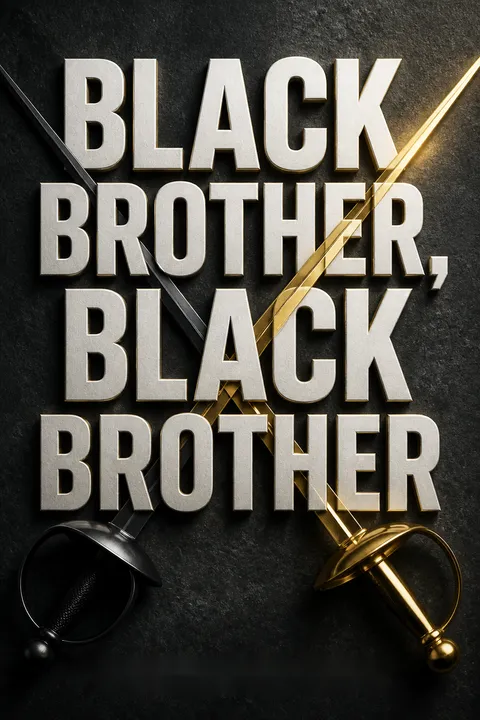
What is the significance of the book's title, "Black Brother, Black Brother"?
- Identity and Race: The title highlights the central theme of race and identity, focusing on Donte's experiences as a black brother.
- Brotherly Relationship: It emphasizes the bond between Donte and Trey, who are brothers despite their different skin tones.
- Racial Dynamics: The title reflects the racial dynamics and colorism that Donte faces at school and in society.
- Empowerment: Ultimately, the title signifies Donte's journey towards self-acceptance and empowerment as a black brother.

Download PDF
Download EPUB
.epub digital book format is ideal for reading ebooks on phones, tablets, and e-readers.








