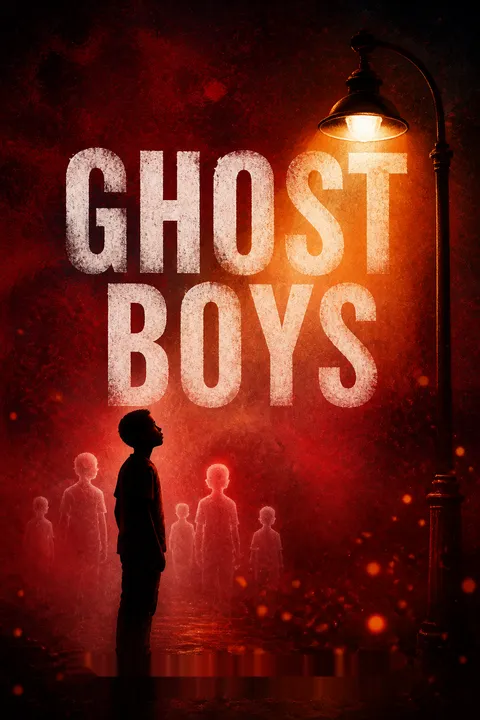


Plot Summary
Green Acres Goes Silent
The story opens with twelve-year-old Jerome Rogers dead on a snowy lot in Chicago. Earlier that day, he left home after promising his mother and grandmother he would come straight back. At school, he was an easy target for Eddie, Mike, and Snap, until new student Carlos befriended him over lunch in a hidden bathroom stall.
When the bullies attacked them, Carlos used a toy pistol to scare them off. After school, he offered Jerome the toy so they could play together. Jerome’s sister Kim warned him against taking it, but he wanted the ordinary pleasure of having a friend. He carried it home in his pocket. The newspaper called the gun real, and an officer’s bullets turned Jerome into a headline.
The opening makes the gap between a child’s inner life and the public story about him painfully immediate. Jerome’s choices are small and recognizable: he hides from bullies, protects a new friend, and accepts a toy because loneliness has made belonging feel worth the risk. The newspaper’s account compresses those details into a threat. By beginning with Jerome’s death and then supplying the social texture around the toy, the novel asks readers to resist the same shortcut that shaped the officer’s perception. The danger is not that Jerome behaves like an adult criminal, but that adults can misread a child before they bother to see him.
A Ghost At His Funeral
Jerome cannot eat, sleep, or comfort his mother as relatives fill the apartment to mourn him. His father, James, rages against the officer, while his mother, Ma, struggles to function and Kim retreats into books. Grandma senses Jerome nearby and insists that the dead remain close to the living, though the reverend dismisses her belief.
At the funeral, Grandma gently urges Jerome to move on, but he does not know where to go. A ghost boy in old-fashioned clothes appears outside the church and warns him away from the casket. When Jerome asks who he is, the stranger identifies himself as someone like Jerome. He vanishes before Jerome can learn more. Carlos also comes to the funeral and gives Grandma a drawing that she presses to her heart.
Jerome’s afterlife begins not as freedom but as forced proximity: he can witness his family’s grief while having no way to interrupt it. This reverses a familiar fantasy of ghosts as empowered observers. His parents’ different responses, James’s anger and Ma’s collapse, show grief becoming both protest and paralysis. Grandma offers another model: remembrance can keep a bond alive without denying death. The unknown boy’s warning at the church also establishes that seeing the body is not the same as understanding the death. Jerome’s uncertainty about where to go turns the supernatural premise into a psychological one: he is caught between the family he longs to comfort and a history he has not yet learned.
Sarah Sees Jerome
Four months later, Jerome watches Officer Moore testify at a preliminary hearing. Moore claims he mistook Jerome for a grown man with a real gun and feared for his life. Jerome knows he was only a child playing, and his family’s cries from the courtroom deepen his helpless anger. Then Sarah, Moore’s daughter, points toward Jerome: she can see him.
He later finds her in her bedroom, where she is lonely and frightened by the shooting’s effect on her parents. Sarah repeats her father’s belief that he was doing his job; Jerome insists that he shot an innocent boy. Their friendship starts in argument, sharpened by their unequal lives. Sarah has a comfortable home and a father who embraces her, while Jerome can only watch his own family grieve.
Sarah’s ability to see Jerome is less a magical solution than an uncomfortable form of access. She cannot restore him or settle the legal question, but she can no longer treat the shooting as an abstract public controversy. Jerome, meanwhile, initially sees her wealth and whiteness as evidence that she cannot understand his life. Their conflict is not a neat exchange of perspectives: Sarah loves her father, while Jerome has suffered the consequences of his actions. The friendship becomes possible only because each child is allowed to remain conflicted. The novel uses their unequal intimacy to examine how empathy begins, not with agreement, but with sustained attention to another person’s reality.
The Video Names the Lie
Sarah searches online and finds a silent video of Jerome’s shooting. It lasts only seconds, but she sees her father’s patrol car arrive, Jerome fall, and the officers remain beside him without helping.
Jerome remembers the clip from inside the moment of his death, including his desperate attempt to explain that the gun was a toy. In court, testimony reveals that the caller described a toy gun, but the dispatcher did not pass that detail to police. Moore admits he did not announce himself or tell Jerome to drop the gun, and he gave no first aid.
The prosecutor emphasizes that Jerome was shot in the back. Still, the judge rules there is insufficient evidence to charge Moore. The decision leaves Jerome’s family devastated and Sarah with evidence her father cannot easily explain away.
The video makes an essential distinction between what can be seen and what a court is willing to conclude. It corrects Moore’s story in Sarah’s eyes, yet it does not produce accountability. The hearing’s procedural limits sharpen the gap between public proof and legal consequence: the judge is deciding whether charges may proceed, not whether Jerome’s life mattered. Sarah’s transformation begins when she watches rather than accepts her family’s account. Jerome’s memory of trying to identify the toy gun shows how little control a child has once adults have assigned him a threatening role. The court’s failure is therefore not a lack of information alone; it is a failure to convert knowledge into justice.
Carlos Tells the Truth
After the hearing, Carlos becomes a steady presence for Kim and Grandma, walking Kim to school and helping her laugh again. At school, Eddie, Mike, and Snap eventually approach Carlos and Kim without attacking them; Eddie apologizes for Jerome’s death, and the four boys walk Kim to class in a wary truce.
Later, Carlos tells his father that he gave Jerome the toy gun. His father hears the shame behind the confession and supports him in telling Jerome’s family.
Kim helps Carlos face Grandma, who admits she suspected Jerome was hiding something and had been glad to see him acting mischievous for once. Carlos apologizes, and Kim explains that she tried to stop Jerome from taking the toy. Grandma comforts both children, then brings them together at her table.
Carlos’s confession shifts the story from blame toward responsibility without pretending that a child intended the consequences of his action. He did give Jerome the toy, but fear, gratitude, and a desire to share play shaped that choice. His father responds by asking what made school feel unsafe, not by reducing Carlos to his worst decision. Grandma likewise refuses the fantasy that remorse can undo harm; she makes room for truth and continued care. Kim’s role matters because she witnessed the exchange and helps both boys speak honestly. The scene offers a model of repair based on disclosure, accountability, and relationship, rather than punishment alone.
Emmett Opens the Past
Jerome finally learns the ghost boy’s name: Emmett Till. Emmett takes him back to 1955, when he left Chicago to visit relatives in Mississippi. His cousins warn him about the dangers of the Jim Crow South, but Emmett enters a store and behaves as he would at home. The white shopkeeper’s wife interprets his actions as an insult. That night, two white men take Emmett from his relatives’ house.
They beat and murder him, then weigh his body down with a cotton-gin fan and throw it into the Tallahatchie River. Jerome sees the story rather than merely hearing it, and understands that Emmett’s death and his own belong to a long history of black boys treated as threats. Other ghost boys gather as Emmett calls on them to bear witness.
Emmett’s account reveals how racial violence can turn a small, ordinary act into a pretext for punishment. The danger lies not in what Emmett does, but in the power of others to define his behavior as menace. By making Jerome experience the past rather than receive it as a history lesson, the novel links personal trauma to inherited memory without suggesting that the two deaths are identical. Emmett’s story also changes the scale of Jerome’s grief: he is no longer an isolated ghost but part of a community of murdered children. Bearing witness becomes a form of connection, and a demand that the living remember the human beings behind public narratives.
Sarah Turns Toward Her Father
Sarah grows increasingly isolated as her parents argue and classmates divide between those who condemn her father and those who praise him. She builds a website about racism, police shootings, and the stories of black boys, including Jerome and Emmett.
Jerome worries that gathering names and images cannot change the dead, but he recognizes that Sarah wants people to know what happened. He asks her to speak to her father rather than reduce him to a monster. Sarah remembers Moore’s affection and his earlier acts of care, then approaches him with her project.
She asks him to help examine deaths shaped by prejudice and mistakes. Moore struggles to answer, but he embraces her and agrees. Sarah’s work does not excuse him; it gives their family a difficult way to face what he did.
The novel resists two convenient endings: that a loving parent cannot commit grave harm, and that wrongdoing erases every other part of a person. Jerome’s insistence that Sarah speak with her father is not absolution. It asks her to confront the contradiction between the parent she loves and the officer whose actions killed a child. Sarah’s website turns private distress into public work, but the project remains limited unless people who hold power participate and change. Moore’s agreement is only a beginning, not proof of reform. The scene locates hope in accountable relationship: love can motivate difficult truth, but it cannot substitute for it.
The Cemetery Holds a Feast
On the Day of the Dead, Jerome’s family and Carlos’s family gather at his grave. They bring food, tamales, candles, and sugar skulls painted with Jerome’s name and face. Carlos explains the celebration to Kim, who wants to learn to draw the skulls, while the families share a meal and stories.
Ma and James look less strained, and Grandma places Carlos’s drawing beside her family altar. Carlos promises to keep remembering Jerome, and Grandma offers him Jerome’s video games. Emmett and the other ghost boys appear beside Jerome.
Emmett tells him that remembrance keeps the dead connected to the living, but only living people can make change. Jerome sees the gathering not as a return to life, but as proof that his family can carry love forward without pretending he was never lost.
The cemetery gathering transforms mourning from a private wound into a shared practice. Food, drawings, and games give memory a physical shape, while the joining of the Rogers and Rodríguez families creates a bond that Jerome’s short friendship helped begin. The ritual does not cancel grief or promise that violence will end. Instead, it makes remembrance compatible with laughter and ordinary care. That distinction is important for Jerome, who has feared that his family’s recovery might mean they are forgetting him. The ghost boys’ presence widens the scene beyond one family, but Emmett’s reminder about living people keeps the book’s moral responsibility firmly in the present.
Jerome Leaves a Warning
The story returns to the afternoon Jerome played alone in Green Acres, imagining himself as a hero in a game. His excitement fades when he realizes that a real person might mistake the play for danger. A patrol car approaches, and two shots leave him badly wounded. Jerome tries to make the officers understand that the gun is a toy, but he cannot make his body obey or reach the people he loves.
The memory brings the opening image into focus: the child on the ground was still thinking about play, friendship, and getting home. In his final message, Jerome asks the living to tell his story and prevent others from repeating it. He and the other ghost boys remain witnesses until the living make the world safer for children.
The final return to the shooting closes the book’s circle while changing what the opening can mean. The reader now knows Jerome’s ordinary intentions, the school bullying that preceded the toy, the testimony that distorted his actions, and the history Emmett has shared. The gun is not a symbol of hidden danger but an object whose appearance overwhelms the child holding it. Jerome’s final appeal does not make him a saint or turn his death into a useful sacrifice. It insists instead that remembrance carries an obligation: the living must change the conditions that keep converting children into threats.
Analysis
Ghost Boys asks what happens when a child’s ordinary actions are interpreted through a racialized image of danger. Jerome is bullied, lonely, and eager to play with a friend; the toy gun he accepts is not evidence of criminal intent. Yet the officer’s perception becomes more powerful than Jerome’s age, his actions, or his ability to explain himself. The novel makes that perceptual failure intimate by letting readers follow Jerome through breakfast, school, family rituals, and the unreachable grief that follows his death.
The split narrative between Jerome’s afterlife and the preliminary hearing exposes two different forms of truth. Jerome knows what he meant to do, while the court weighs testimony under a limited procedural standard. The judge’s decision not to charge Officer Moore does not resolve the moral question. Instead, it shows how a legal system can acknowledge tragedy while declining to hold an individual responsible. The recording matters because it changes Sarah’s understanding, though it cannot reverse the ruling or restore Jerome.
Sarah and Carlos give the book distinct paths toward responsibility. Sarah must face the gap between loving her father and confronting what he has done. Carlos must tell the truth about giving Jerome the toy, even though he never intended harm. Neither child is asked to become perfectly innocent; both learn that care includes honesty. Grandma’s response makes repair possible without pretending that an apology can undo the past. Emmett Till’s story places Jerome’s experience within a history in which white fear has repeatedly turned black children into supposed threats. The ghost boys make that history visible, but they cannot change it themselves. Their work is to remember and bear witness. The novel’s insistence that only the living can create change leaves readers with a civic obligation, not a comforting supernatural escape: listen closely to children, challenge the assumptions that endanger them, and make remembrance lead to action.
Review Summary
Ghost Boys by Jewell Parker Rhodes is a powerful middle-grade novel addressing police brutality and racial injustice. The story follows Jerome, a 12-year-old Black boy killed by a police officer, as he observes the aftermath of his death as a ghost. Readers praise the book's emotional impact, important message, and accessibility for young readers. Some criticize the handling of forgiveness and the burden placed on Black characters to educate others. Despite mixed opinions on certain aspects, many consider it a necessary and thought-provoking read for children and adults alike.
People Also Read



Characters
Jerome Rogers
The boy who bears witnessJerome is a twelve-year-old Chicago boy who tries hard to be good, protect his younger sister, and reassure the adults who worry about him. He is often bullied and hides his loneliness behind jokes, daydreams, and the hope that adulthood will bring a wider life. His ordinary interests include video games, basketball, and imagining a future in which he can help his family. Jerome’s sensitivity makes him attentive to other people’s pain, but that same instinct can leave him carrying burdens no child should have to manage. His perspective anchors the novel’s questions about how children are seen, what their stories omit, and what care can still mean after loss.
Sarah Moore
The uneasy bridgeSarah is a thoughtful seventh grader who loves her father and is unsettled by the conflict between his family role and his public actions. She is accustomed to a protected life, but she is neither careless nor incapable of moral courage. Her loneliness makes her receptive to Jerome, while her loyalty to her family initially complicates what she can accept about him. Sarah’s defining struggle is not choosing between love and truth, but learning that love cannot require denial. Her curiosity, willingness to question adults, and developing sense of responsibility shape her into a bridge between private grief and public attention.
Emmett Till
The historical witnessEmmett is a boy from an earlier generation whose presence links Jerome’s experience to a longer history. He carries both youthful memories and a grave understanding of how racial fear can distort ordinary behavior into supposed danger. His patience with Jerome is imperfect; he withholds parts of his own story until Jerome is ready to hear them. Emmett’s warmth and restraint make him a guide rather than an all-knowing spirit. He treats memory as something that can connect people across time, while insisting that the living, not the dead, must do the work of changing the world.
Carlos
Jerome’s first friendCarlos is a new student from San Antonio who arrives in Chicago hoping to find a friend and a safer place in school. He worries about fitting in and about his family’s move, but he is generous, imaginative, and quick to recognize Jerome’s kindness. Their friendship begins in an unlikely refuge and grows through shared humor and a rhythm-making game. Carlos’s story explores the difference between intending harm and accepting responsibility for consequences. He is also a caring presence for Kim, whose grief makes him more attentive to what a child needs from a friend.
Kim Rogers
Jerome’s watchful sisterKim is Jerome’s younger sister, a bright reader who notices the risks he tries to hide from his family. She is affectionate without being sentimental, and she understands that her brother’s school days are harder than he admits. Kim’s instinct is to protect him, but she also has to navigate her own grief and the changing relationships around her. Her books offer comfort, and her honesty helps other children find the courage to tell the truth.
Grandma
The family’s keeperJerome’s grandmother is a caregiver whose household rituals include cooking, helping the children, and asking Jerome to name three good things. Her spiritual beliefs allow her to imagine that the dead remain near, a view others sometimes dismiss. She worries deeply, but her warmth extends beyond her immediate family. Grandma’s ability to make space for grief, confession, and affection gives the children a steady place to return to.
Ma
Jerome’s striving motherMa works as a hotel receptionist and wants Jerome and Kim to have the education and opportunities she lacked. Her repeated insistence that Jerome come straight home reflects the dangers she sees in their neighborhood, not a lack of trust in him. She is loving and practical, balancing work, parenting, and the difficult task of keeping her children safe.
James Rogers
Jerome’s grieving fatherJames, whom the family calls Pop, works long hours as a sanitation worker and expresses care through routine, provision, and time with his children. He worries quietly and shares his love of music and sports with Jerome. His sense of responsibility is bound to a clear awareness of racial danger, which shapes how he understands the risks his children face.
Officer Moore
Sarah’s conflicted fatherOfficer Moore is Sarah’s father and a police officer who believes his work is meant to protect people. He is also shaped by fear, professional assumptions, and the pressure to defend his actions. His relationship with Sarah reveals a man capable of tenderness who must still face the consequences of his decisions. The novel does not let affection erase accountability; instead, it asks what responsibility looks like when a parent’s self-image is challenged by the harm he has caused.
Mrs. Moore
Sarah’s unsettled motherSarah’s mother is caught in the strain surrounding her husband’s actions and her daughter’s growing questions. She shares the family’s grief and tension, and her presence shows that public controversy reaches into the home of the officer as well as the family of the child.
Carlos’s father
A patient parentCarlos’s father works as a construction foreman and wants his son to feel secure in their new home. When Carlos admits his fear and shame, he responds with concern rather than simply anger. His parenting gives Carlos a model of honesty: admitting fear is not weakness, and a child should not have to face danger alone.
Eddie
A schoolyard ringleaderEddie is one of the boys who bullies Jerome and later targets Carlos. He performs toughness for his peers and helps set the terms of who belongs at school. His capacity to acknowledge harm hints at the possibility of change, though the damage his behavior causes remains real.
Mike
A bullying classmateMike joins Eddie and Snap in tormenting Jerome and Carlos. He represents the immediate, everyday danger of schoolyard bullying, where a child can be singled out because no one expects retaliation.
Snap
A schoolyard bullySnap is part of Eddie and Mike’s circle and uses intimidation to control other students. His presence helps show how fear can become a routine feature of Jerome’s school day.
Emmett’s cousins
Children guarding one anotherEmmett’s cousins know the racial rules imposed on black families in Mississippi and try to warn him about the danger of crossing them. Their fear reflects hard-earned knowledge, while their loyalty shows how children attempt to protect one another when adults and institutions will not.
Plot Devices
Ghostly witnessing
Connects lives across timeJerome’s existence as a ghost allows him to witness his family’s grief, the preliminary hearing, and the lives of Sarah and Carlos. The other ghost boys expand his experience beyond a single death, creating a community across generations. This device gives the dead an observing presence, but not the power to repair events themselves. Their role is to remember and bear witness; decisions and change remain the responsibility of the living.
The plastic gun
Turns play into perceived dangerCarlos’s toy pistol first gives the boys a way to frighten school bullies, then becomes a plaything Jerome carries home. Its realistic appearance overwhelms its actual function. The gun links the boys’ desire for fun and safety to an adult response shaped by fear, and it becomes the central object around which competing accounts of Jerome’s actions form.
The hearing and video
Tests competing accountsThe preliminary hearing sets family grief against the officer’s account and the court’s narrow question of whether charges can proceed. A brief recording of the shooting allows Sarah and Jerome to see what testimony leaves out. The court evidence includes the missed description of a toy gun, the absence of a warning, and the failure to provide aid. The legal result demonstrates that visible evidence and public pain do not automatically become accountability.
Peter Pan
Opens a door to EmmettSarah’s copy of Peter Pan gives Jerome and Sarah a way to talk about childhood and the wish to grow up. The book’s image of a boy who does not grow older prompts Emmett to appear, connecting Jerome’s immediate grief with a much older history. The reference is not simply a fantasy escape: it sharpens Jerome’s anger at having adulthood taken from him and introduces the historical witness who helps him understand the ghost boys’ shared story.
Day of the Dead
Makes remembrance communalCarlos’s family brings the Day of the Dead tradition to Jerome’s grave, where food, candles, decorated skulls, and family stories honor the dead. The celebration joins the Rogers and Rodríguez families and gives Kim a new way to remember her brother. It does not suggest that grief disappears; it makes mourning compatible with food, play, and renewed relationships. The ritual also gives shape to Grandma’s belief that the dead remain close to the living.
FAQ
Synopsis & Basic Details
What is Ghost Boys about?
- Tragic shooting, ghostly perspective: Ghost Boys centers on Jerome, a 12-year-old African American boy who is shot and killed by a police officer while playing with a toy gun. The story unfolds from Jerome's perspective as a ghost, allowing readers to witness the aftermath of his death and the impact it has on his family and community.
- Confronting racial injustice: As a ghost, Jerome encounters other "ghost boys," including Emmett Till, who share similar experiences of racial violence. These encounters help Jerome understand the historical context of his death and the systemic racism that plagues society.
- Seeking understanding and change: The novel explores themes of racial bias, prejudice, and the importance of empathy and understanding. It follows Jerome's journey as he grapples with his death and seeks to find meaning and purpose in his ghostly existence, ultimately inspiring change in the living world.
Why should I read Ghost Boys?
- Addresses critical social issues: Ghost Boys tackles important and timely issues such as racial injustice, police brutality, and the criminalization of Black youth, prompting readers to reflect on these issues and their impact on society.
- Offers a unique perspective: The novel's narrative structure, told from the perspective of a ghost, provides a unique and thought-provoking lens through which to explore themes of grief, loss, and the search for justice.
- Promotes empathy and understanding: By humanizing the victims of racial violence and exploring the perspectives of characters on both sides of the issue, Ghost Boys encourages readers to develop empathy and understanding for others, fostering dialogue and promoting positive change.
What is the background of Ghost Boys?
- Echoes historical events: The story is deeply rooted in the historical context of racial injustice in America, drawing parallels to the murder of Emmett Till in 1955 and other instances of police brutality against Black individuals. This historical backdrop underscores the enduring nature of racial bias and the need for continued vigilance and activism.
- Contemporary relevance: Ghost Boys reflects contemporary concerns about police brutality and racial profiling, particularly in the wake of high-profile cases that have sparked national outrage and calls for police reform. The novel serves as a powerful commentary on these issues and their impact on communities of color.
- Cultural influences: The inclusion of the Day of the Dead celebration highlights the cultural traditions of Mexican-American communities and their approach to honoring and remembering deceased loved ones. This cultural element adds depth and richness to the story, emphasizing the importance of cultural understanding and appreciation.
What are the most memorable quotes in Ghost Boys?
- "Every goodbye ain't gone": This quote, spoken by Grandma, encapsulates the novel's exploration of the connection between the living and the dead, suggesting that spirits remain present even after death, offering comfort and guidance to those left behind. It highlights the theme of remembrance and the enduring power of love.
- "Only the living can make the world better. Live and make it better. Don't let me (Or anyone else) Tell this tale again.": This powerful statement, delivered by Jerome as Ghost Boy, serves as a call to action, urging readers to confront injustice and work towards creating a more equitable world. It emphasizes the responsibility of the living to honor the memory of those who have died by striving for positive change.
- "Bear witness.": This recurring phrase, spoken by Emmett Till, underscores the importance of storytelling and remembrance in the fight against injustice. It highlights the power of personal narratives to raise awareness, promote empathy, and inspire action, ensuring that the stories of victims of racial violence are never forgotten.
What writing style, narrative choices, and literary techniques does Jewell Parker Rhodes use?
- First-person ghostly narration: Rhodes employs a unique first-person narrative from Jerome's perspective as a ghost, providing an intimate and emotional connection to the story. This allows readers to experience the events through the eyes of the victim, fostering empathy and understanding.
- Interweaving past and present: The author skillfully interweaves historical events, such as the story of Emmett Till, with contemporary issues of racial injustice, creating a powerful and thought-provoking narrative that highlights the enduring nature of these problems. This technique emphasizes the cyclical nature of history and the need for continued vigilance.
- Symbolism and imagery: Rhodes uses vivid symbolism and imagery throughout the novel to convey complex themes and emotions. The toy gun, for example, serves as a potent symbol of lost innocence and the dangers of racial bias, while the ghost boys represent the countless victims of racial violence.
Hidden Details & Subtle Connections
What are some minor details that add significant meaning?
- Jerome's love for video games: Jerome's enjoyment of video games, particularly first-person shooters, gains a tragic irony when he is shot, blurring the line between virtual violence and the real-world consequences of gun violence. This detail underscores the desensitization to violence in society and its impact on young people.
- Kim's love for reading: Kim's passion for books and her desire to own them highlights the importance of education and literacy as tools for empowerment and social mobility. It also contrasts with the limited resources available in their community, emphasizing the disparities in access to education.
- The significance of Green Street: The description of Green Street as "not peaceful; it isn't green either" symbolizes the lack of opportunity and the presence of violence and despair in Jerome's neighborhood. This detail underscores the environmental factors that contribute to the cycle of poverty and crime.
What are some subtle foreshadowing and callbacks?
- Grandma's premonitions: Grandma's dreams of "lightning strikes" and "dark clouds mushrooming in the sky" foreshadow the tragic events to come, creating a sense of unease and impending doom. This foreshadowing adds a layer of suspense to the narrative and heightens the emotional impact of Jerome's death.
- Jerome comforting Grandma: Jerome's role as a comforter to his Ma and Grandma is a callback to his inherent goodness and empathy. This trait makes his death all the more tragic, as he is robbed of the opportunity to continue providing support and love to his family.
- Carlos's description of San Antonio: Carlos's vivid descriptions of San Antonio, with its "always sun" and "wide open and blue" sky, serve as a stark contrast to the bleakness and danger of Jerome's neighborhood in Chicago. This contrast highlights the disparities in opportunity and quality of life that exist across different communities.
What are some unexpected character connections?
- Sarah and Jerome's shared age: The revelation that Sarah and Jerome are the same age underscores the senselessness of his death and the potential that was lost. It also highlights the shared humanity between individuals from different backgrounds, challenging readers to confront their own biases and prejudices.
- Emmett Till and Jerome's Chicago connection: The fact that Emmett Till was also a "Chicago boy" creates a powerful connection between the two characters, emphasizing the enduring legacy of racial violence in the city and the need for continued efforts to address these issues.
- Carlos and Jerome's shared love for percussion: The discovery that both Carlos and Jerome enjoy playing rhythms on objects highlights their shared creativity and artistic expression, suggesting a deeper connection beyond their shared experiences of being bullied. This detail adds a layer of complexity to their friendship and underscores the importance of finding common ground across cultural divides.
Who are the most significant supporting characters?
- Grandma: Grandma's wisdom and faith provide a source of strength and comfort to Jerome and his family, both before and after his death. Her belief in the connection between the living and the dead offers a sense of hope and continuity, while her cultural traditions, such as the Day of the Dead, provide a framework for mourning and remembrance.
- Carlos: Carlos's friendship with Jerome offers a glimpse of hope and connection in a world marked by division and prejudice. His willingness to stand up to bullies and his introduction of the Day of the Dead celebration demonstrate the power of cultural exchange and empathy to bridge divides.
- Sarah: Sarah's ability to see Jerome's ghost and her subsequent journey of self-discovery and advocacy make her a pivotal supporting character. Her transformation from a privileged white girl to an ally for justice highlights the potential for understanding and reconciliation across racial divides.
Psychological, Emotional, & Relational Analysis
What are some unspoken motivations of the characters?
- Officer Moore's fear: While Officer Moore claims to have acted out of fear for his life, his unspoken motivations may include racial bias and a predisposition to view Black individuals as inherently dangerous. This unspoken bias contributes to his misjudgment of Jerome and his tragic decision to use lethal force.
- Sarah's guilt: Sarah's unspoken guilt over her father's actions drives her to seek connection with Jerome and to advocate for racial justice. She feels responsible for her father's actions and seeks to atone for his wrongdoing by working to create a more equitable world.
- Jerome's desire for acceptance: Jerome's unspoken desire for acceptance and belonging motivates his friendship with Carlos and his willingness to take the toy gun. He wants to be seen as cool and brave, but his desire for acceptance ultimately leads to his tragic death.
What psychological complexities do the characters exhibit?
- Officer Moore's cognitive dissonance: Officer Moore experiences cognitive dissonance as he struggles to reconcile his role as a protector of the community with his actions that resulted in the death of an innocent child. This internal conflict leads to denial, rationalization, and ultimately, a failure to take responsibility for his actions.
- Sarah's survivor's guilt: Sarah experiences survivor's guilt as she grapples with the fact that she is alive while Jerome is dead. She feels responsible for his death, even though she was not directly involved, and struggles to find meaning and purpose in her life in the wake of the tragedy.
- Jerome's identity crisis: As a ghost, Jerome experiences an identity crisis as he struggles to define himself outside of his physical body and his earthly relationships. He grapples with questions of purpose and meaning, seeking to understand his role in the world and his connection to the living.
What are the major emotional turning points?
- Jerome's death: Jerome's death is the major emotional turning point of the novel, setting in motion a chain of events that impact his family, community, and even strangers like Sarah. His death serves as a catalyst for grief, anger, and ultimately, a desire for change.
- Sarah seeing Jerome's ghost: Sarah's ability to see Jerome's ghost is a major emotional turning point for her, forcing her to confront the reality of her father's actions and the racial injustices that led to Jerome's death. This encounter sparks a journey of self-discovery and advocacy.
- Carlos telling Grandma about the gun: Carlos's decision to confess to Grandma about giving Jerome the toy gun is a major emotional turning point, allowing for healing and forgiveness to begin. His confession demonstrates his remorse and his commitment to honoring Jerome's memory.
How do relationship dynamics evolve?
- Jerome and Kim's sibling bond: Jerome and Kim's sibling bond evolves from playful teasing to deep affection and mutual support. After Jerome's death, Kim becomes a beacon of hope for the family, carrying on his memory and finding solace in her friendship with Carlos.
- Sarah and Officer Moore's father-daughter relationship: Sarah and Officer Moore's father-daughter relationship is strained by the tragedy of Jerome's death. Sarah struggles to reconcile her love for her father with her awareness of his wrongdoing, leading to conflict and ultimately, a desire for reconciliation and understanding.
- The Rogers and Rodríquez families: The relationship between the Rogers and Rodríquez families evolves from a casual acquaintance to a deep bond of friendship and mutual support. Carlos's friendship with Jerome and his family's embrace of the Rogers family demonstrate the power of community and cultural exchange to bridge divides and foster healing.
Interpretation & Debate
Which parts of the story remain ambiguous or open-ended?
- Officer Moore's true motivations: The extent to which Officer Moore's actions were driven by genuine fear versus racial bias remains ambiguous. While the story suggests that racial bias played a role, it also acknowledges the complexities of the situation and the challenges of determining intent.
- The ultimate fate of the ghost boys: The ultimate fate of the ghost boys and their ability to find peace or move on to the afterlife remains open-ended. While the story suggests that their stories can inspire change, it also acknowledges the enduring nature of racial injustice and the challenges of achieving true equality.
- The long-term impact of Sarah's activism: The long-term impact of Sarah's activism and her ability to effect meaningful change in the world remains uncertain. While the story suggests that she has the potential to make a difference, it also acknowledges the systemic nature of racial injustice and the challenges of dismantling deeply ingrained prejudices.
What are some debatable, controversial scenes or moments in Ghost Boys?
- The shooting scene: The shooting scene itself is likely to be controversial, as it depicts the death of a child at the hands of a police officer. Some readers may find the scene disturbing or triggering, while others may view it as a necessary depiction of the realities of racial violence.
- The decision not to charge Officer Moore: The court's decision not to charge Officer Moore is likely to be controversial, as it reflects the systemic biases and prejudices that permeate the justice system. Some readers may view this decision as a miscarriage of justice, while others may argue that it was a fair outcome given the circumstances.
- Sarah's initial defense of her father: Sarah's initial defense of her father may be controversial, as it reflects the challenges of confronting one's own biases and prejudices. Some readers may view her initial reaction as naive or insensitive, while others may see it as a realistic portrayal of the complexities of family loyalty and the process of self-discovery.
Ghost Boys Ending Explained: How It Ends & What It Means
- Day of the Dead celebration: The novel concludes with a Day of the Dead celebration at Jerome's grave, symbolizing the enduring bonds of love and friendship that transcend death. This celebration offers a sense of hope and healing, as the living and the dead come together to honor Jerome's memory and celebrate life.
- Emmett's final message: Emmett's final message to Jerome, urging him to "believe" that the murders will stop one day, underscores the importance of hope and perseverance in the fight against injustice. This message serves as a call to action, encouraging readers to continue working towards a more equitable world.
- Sarah's commitment to activism: Sarah's commitment to activism and her determination to "make people listen" suggest that Jerome's death will not be in vain. Her activism represents the potential for change and the power of individuals to make a difference in the world, ensuring that Jerome's story is never forgotten.
Download PDF
Download EPUB
.epub digital book format is ideal for reading ebooks on phones, tablets, and e-readers.








