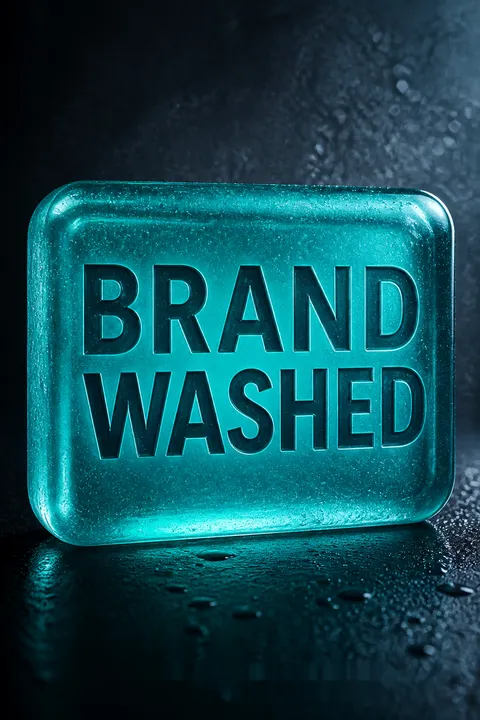


Key Takeaways
Treat brand loyalty as learned early, not chosen from scratch
Preferences take root young. Lindstrom argues that brand associations can begin before birth and deepen in childhood. He recalls his mother playing bossa nova while pregnant with him, and links that early exposure to his lasting affection for the music. Research cited in the book suggests fetuses can recognize repeated sounds and that flavors from a mother’s diet reach the womb. The author also reports that by age three, children recognize many logos, and that 53 percent of surveyed adults still use brands they remember from childhood.
Familiarity gains feeling. A child who sees a parent repeatedly choose a product may inherit the habit, a process the book calls hand-me-down influence. Pester power, a child’s ability to sway household purchases, reinforces the loop: a child asks for the familiar cereal, and the parent keeps buying it. Logos can also acquire emotional meaning through family routines, play, and comfort.
The valuable distinction is between recognizing a logo, preferring a product, and remaining loyal to it. Those are related outcomes, not interchangeable proof that childhood exposure permanently fixes adult taste. Early familiarity can make a brand feel safe and ordinary, but later experience, price, access, and deliberate reflection can change a preference. The chapter is most useful as a reminder that consumer choice has a history, often one inherited from family routines rather than consciously selected.
When fear spikes, pause before buying the promised protection
Anxiety opens wallets. The book describes how health scares can turn fear into demand. During the 2009 swine flu panic, hand-sanitizer sales rose sharply, while marketers emphasized hygiene in ways that could imply their products protected against the virus. Lindstrom notes that flu spreads mainly through airborne droplets, so sanitizer was not the decisive shield some messaging suggested. Likewise, ads for home security helped lift alarm sales by 10 percent in a year when crime rates fell.
Picture the feared self. Marketing can also invent or amplify worries about a future version of the customer: unhealthy, unattractive, lonely, or inadequate. The book calls this a feared self. Ads often pair a threat with guilt, then offer a product as the route back to safety or acceptance. For parents, this can mean a growing list of locks, monitors, sanitizers, and other purchases framed as proof of responsible care.
Fear is not automatically a trick. Public warnings can help people respond to real hazards, and a clear, effective action can reduce danger. The useful test is whether the product addresses the stated threat, whether the evidence is specific, and whether the message is proportionate. Anxiety narrows attention toward immediate relief, so delaying a purchase long enough to check the claim can restore some perspective. The chapter also shows how guilt makes ordinary uncertainty feel like personal failure.
Notice the cue that makes a want feel like a need
Craving has prompts. Lindstrom describes how sensory details can trigger desire before a shopper can explain it. Beverage marketers, for example, use visible condensation and the sound of a can opening to suggest a cold, refreshing drink. The author recounts helping a soft-drink company develop a distinctive opening sound after sales declined when its ads dropped familiar sensory cues. These are designed prompts, not proof that the drink itself has changed.
Habits can deepen. The book distinguishes a routine stage, when a product becomes part of daily life, from a dream stage, when relaxed or celebratory moments link new products to pleasant feelings. It also describes games that turn shopping into repeated reward-seeking through points, countdowns, and near misses. Lindstrom cautions that attachment to a phone is not necessarily clinical addiction: his small brain-imaging study suggested affection, not the classic signs of addiction.
This account makes a strong case for noticing the moment before the purchase: what sound, image, feeling, or situation has made the product suddenly salient? That pause can separate the cue from the need. Still, the book sometimes moves quickly from reward-related brain activity to addiction language. A pleasurable response, a repeated habit, and a clinical disorder are different things. Treating them as one category risks overstating marketing’s power and understating individual differences.
Sexual imagery sells an ideal self, not always the advertised brand
Desire is the pitch. The Axe campaign grew from research with 12,000 males about insecurity, rejection, and sexual fantasy. Ads promised that body spray could make an ordinary young man irresistible. The campaign helped establish Axe as a leading men’s grooming brand, but its success also created problems: some boys used far too much, and the brand acquired an image among peers that could make it less appealing.
Attention can misfire. Lindstrom also cites a study in which men who saw sexually suggestive commercials remembered the advertised brands no better than men who saw less suggestive versions. The images may capture attention while the product name slips away. The book’s wider point is that ads sell a hoped-for identity, such as confidence or desirability, and that sexual cues can be tailored to changing ideas about masculinity and beauty.
The distinction between remembering an image and remembering its sponsor is essential. A vivid ad can entertain or provoke without creating a durable reason to choose the product. The Axe example also shows that persuasion has feedback effects: a brand can attract its intended customers so aggressively that it gains an unwanted social meaning. Marketing does not simply transmit an identity; audiences interpret it, imitate it, and sometimes turn the intended promise into a joke.
Borrowed popularity can make a mediocre product feel like the obvious choice
People watch people. A Leeds University crowd experiment, as reported in the book, found that a small group of informed walkers could steer a much larger crowd without speaking. Lindstrom uses this to explain why shoppers notice what others choose. In a cookie experiment, seeing another person take a cookie made participants much more likely to take one themselves. The visible action mattered more than merely guessing that others had already eaten some.
Scarcity intensifies the signal. The Zhu Zhu toy hamster became a holiday hit after giveaways and attention from influential parent bloggers helped spread awareness. Limited supply then made the toy seem even more desirable. Best-seller lists work similarly: popularity acts as a shortcut when a buyer faces too many choices. But the shortcut can become self-reinforcing, giving already popular products still more visibility while lesser-known alternatives disappear from view.
Social proof is efficient because people often lack time or expertise to assess every option independently. Other people’s choices can carry genuine information. The vulnerability appears when popularity is manufactured, scarcity is staged, or repeated exposure is mistaken for independent agreement. A useful question is not only how many people endorse something, but how they encountered it and whether their recommendations are separate from one another. Consensus can guide attention without proving quality.
Sell people the remembered feeling, not the supposedly better past
Memory edits the past. The book explains rosy retrospection, the tendency to remember earlier experiences more favorably than they felt at the time. A study of travelers found that memories and anticipation of trips were more positive than participants’ reports during the trips themselves. Brands can attach themselves to this glow by reviving old packaging, familiar slogans, or childhood characters. A returned Heinz beans slogan and vintage cereal boxes use recognition to make products feel reassuring.
Authenticity is staged. Lindstrom argues that stores can evoke an imagined simpler past with chalk-style price signs, rough boxes, flowers, and produce displays. He calls these sensory signals symbolics: cues that suggest qualities such as freshness, even when they do not establish them. Whole Foods, for instance, uses rustic displays that imply a farm stand, though the products may have traveled through modern supply chains.
Nostalgia can offer comfort and continuity, especially when the present feels unstable. Its commercial force comes from how effortlessly a familiar cue can summon a larger personal story. But the emotional truth of a memory is not evidence that a product has the qualities associated with it. A worn-looking package may feel handmade without being handmade. The reader can enjoy the reminder while still judging freshness, quality, and value by evidence beyond the atmosphere.
Treat fame as borrowed identity, not evidence of quality
Fame transfers feeling. Lindstrom argues that celebrity endorsements let consumers borrow traits they admire, such as beauty, confidence, or success. A product becomes a small token of proximity to the famous person. Bill Clinton’s mention of the South Beach Diet, for example, helped propel the book into bestseller status. The effect can also reach household choices: the author describes celebrity children influencing clothing and toy trends.
Authority can quiet judgment. The book cites a brain-imaging study in which participants given financial advice from someone presented as an expert showed reduced activity in areas associated with weighing alternatives. Celebrity doctors and familiar television personalities can therefore make advice feel more credible than its evidence warrants. Lindstrom’s staged experiment, in which an ordinary producer appeared to be a celebrity by wearing designer clothes and traveling with an entourage, suggests that audiences often infer importance from its trappings.
Familiarity and status can make a message easier to notice, and expert guidance can be valuable when a person lacks specialist knowledge. The danger is allowing recognition to stand in for relevant expertise. A famous person may have no meaningful knowledge of the product, while a polished entourage says little about actual achievement. The strongest response is not blanket cynicism, but a separation of questions: who is endorsing this, what do they know, and what independent evidence supports the claim?
Separate the feeling of virtue from proof that a product helps
Wellness can be packaging. Lindstrom examines products such as goji and acai juices, marketed with exotic origins and sweeping promises about health. The evidence he discusses is limited, and some claims exceed what studies have established. He also shows how terms such as natural can create a healthy impression without guaranteeing meaningful nutritional benefits. A label can make a product feel medicinal even when it is sold as food or a supplement.
Good intentions have signals. The same logic applies to ethical and environmental goods. The Prius became a status symbol as well as a hybrid car, and some buyers said it expressed something about them. The book calls attention to competitive altruism: acting responsibly partly to display responsibility. Such purchases may still have benefits, but a virtuous image is not the same as a measurable outcome. Check the claim, the evidence, and what the product actually changes.
The distinction between symbolic value and practical effect is not a reason to dismiss either. A product can help someone express identity while also serving a real function. The mistake is treating the feeling of being healthy, ethical, or enlightened as proof of a corresponding result. The book’s examples invite a useful audit: identify the concrete claim, look for evidence that tests that claim in people, and compare the price with ordinary alternatives. Virtue should not require surrendering scrutiny.
Assume convenience rewards may exchange privacy for targeting
Small perks create profiles. The book describes loyalty cards, digital coupons, and shopping apps as sources of detailed behavioral data. A grocery card can record what a person buys, when, and at what price. Retailers may combine that information with demographic or online data to predict what the shopper might purchase next. A discount can therefore be both a saving and a way to improve the retailer’s picture of the customer.
Tracking crosses contexts. Lindstrom also describes phone apps and location services collecting information about users’ movements, searches, and purchases. These records can support targeted offers or pricing strategies. The concern is not simply that companies know one isolated fact; it is that many ordinary actions can be joined into a detailed profile. Before signing up, consider what data is collected, how it may be shared, and whether the promised convenience is worth that exchange.
Convenience makes surveillance feel voluntary, but consent is meaningful only when people can understand the exchange and refuse without unreasonable cost. This is also a collective problem: one person’s data can reveal patterns about relatives, friends, or a neighborhood. The chapter is strongest when it shifts attention from a single coupon to the accumulated profile. Its older examples of specific apps may date, but the underlying question remains practical: what is being recorded, and who gains power from combining it?
Trust friends, but check whether their recommendation is independent
Familiar voices travel far. In The Morgensons, Lindstrom secretly filmed a well-liked Southern California family as its members recommended selected products to friends and neighbors. The experiment reported that friends bought an average of three recommended brands per person, and about one third began recommending those brands onward. In a separate effort promoting environmentally minded products and behaviors, the family’s circle increased its green activities by 31 percent over the study period.
Trust hides the sales pitch. Friends’ recommendations feel personal, so they can be more memorable than conventional advertising. Yet the family’s endorsements were part of a staged marketing experiment. The conclusion is not that every recommendation is suspect; it is that social trust can carry commercial influence without feeling commercial. Notice whether the recommender has an incentive, whether they have actually used the product, and whether the recommendation still makes sense outside the relationship.
The experiment makes a persuasive case that people influence one another through ordinary habits, not only through explicit advice. It also exposes an ethical fault line: covert promotion borrows the credibility of friendship while concealing the sponsor’s purpose. The reported behavior change is intriguing, though one affluent neighborhood cannot establish how broadly the effect generalizes. Peer influence can also support beneficial choices, as the environmental example suggests, when the purpose is transparent and the product’s claims hold up.
Analysis
Brandwashed is a reported critique of consumer persuasion, organized as a tour through the vulnerabilities marketers target: early learning, fear, craving, sexuality, conformity, nostalgia, celebrity, wellness, data collection, and peer influence. Its narrative engine is the author’s insider status and his failed attempt to stop buying brands. The Cyprus T-shirt that ends his six-month fast gives the argument a useful human scale: expertise does not make a person immune to the emotional and situational pressures being described.
The book’s most durable contribution is not the claim that every purchase is manipulation. It is the insistence that choice is shaped by context. A smell, package, trusted friend, familiar song, or personalized coupon can alter what seems desirable before a buyer has formed a conscious explanation. This perspective is useful because it directs attention away from the fiction of a perfectly self-contained consumer and toward the environments, relationships, and information systems in which decisions occur.
The evidence requires more caution than the storytelling sometimes provides. The text mixes established psychological findings, small experiments, industry anecdotes, and the author’s own interpretations. Brain scans can show activity, but they do not by themselves prove that a person is addicted, deceived, or destined to buy. Nor does a dramatic case study establish the prevalence of a behavior. The Morgensons experiment, for example, offers vivid evidence of influence in one community, not a universal estimate of how consumers respond.
The author’s insider position strengthens the account by revealing marketing intent, but it also creates tension: he describes techniques he has helped develop while criticizing their use. That tension makes the book most valuable as a consumer’s field guide rather than a neutral scientific review. Its practical lesson is to slow down at moments of urgency, status anxiety, nostalgia, or social approval, and ask what evidence supports the purchase and whose interests the message serves.
Review Summary
Brandwashed receives mixed reviews, with some praising its insights into marketing tactics and others criticizing its sensationalism. Positive reviews highlight the book's eye-opening revelations about manipulative advertising techniques, while negative reviews argue it oversimplifies consumer behavior and exaggerates claims. Many readers find the information thought-provoking, even if they disagree with some assertions. The book's style is described as engaging, though some find the tone condescending. Overall, it sparks discussion about the ethics of marketing and consumer awareness.
People Also Read




Glossary
brand detox
A pause from new brandsLindstrom’s attempt to avoid buying new branded products for a year while continuing to use what he already owned. He treated brands broadly, including food, clothing, books, and entertainment. The experiment ended after six months when lost luggage forced him to buy a replacement T-shirt, illustrating how situational pressure can disrupt an intended consumer fast.
pester power
Children’s influence on purchasesA child’s ability to influence what parents or other adults buy, often by repeatedly requesting products or making a purchase difficult to refuse. Lindstrom describes tactics such as negotiation, creating a public fuss, and appealing to one parent against another. The term captures how marketing to children can affect the whole household, not only the child.
hand-me-down influence
Parents passing down brand habitsThe transmission of preferences from parents to children through repeated exposure and household routines. A child may treat a parent’s regular choice, such as a particular orange juice, as the natural or only option. The child can later request the same brand and continue buying it as an adult, making family behavior a channel for lasting brand familiarity.
feared self
An unwanted future identityA version of oneself that a person is afraid of becoming, such as unhealthy, unattractive, socially isolated, or unsuccessful. Lindstrom argues that advertisements can make this imagined future vivid, then position a product as protection from it. The appeal is not only the promise of improvement, but the desire to avoid a personally threatening outcome.
routine stage
A product embedded in daily lifeThe phase in the brand-attachment model described to Lindstrom by a former Philip Morris executive. During this stage, people use familiar products as part of ordinary habits, such as grooming or commuting. Repeated use makes the brand feel necessary to everyday functioning, even if the original choice was made for emotional rather than practical reasons.
dream stage
A relaxed moment for trying brandsThe companion phase to the routine stage, when a person is relaxed, on vacation, or otherwise away from regular obligations and more open to new products. Pleasant feelings from that context can become associated with a newly tried brand. The account proposes that people may then bring the product into their daily routine to recapture the enjoyable mood.
symbolics
Cues that suggest product qualitiesSensory or visual details used to imply qualities such as freshness, purity, or authenticity without necessarily demonstrating them. Examples in the book include flowers at a store entrance, ice beneath foods, and rustic price signs. These cues shape the atmosphere in which a product is judged and can influence perception independently of its actual ingredients or handling.
Farmgate
An image of farm-made simplicityLindstrom’s term for retail cues that suggest produce comes directly from a small, traditional farm. Rustic crates, handwritten-looking signs, and displays that resemble a roadside stand can create this impression. The strategy relies on the shopper’s association between farm imagery, natural origins, and freshness, even when the products come through a large industrial supply chain.
Factorygate
The industrial reality behind imageryLindstrom’s contrasting term for the manufactured reality behind retail presentations that appear artisanal or farm-fresh. It describes the gap between a product’s polished production and the simpler origin story suggested by its display. The contrast matters because shoppers may respond to the image of a product’s making rather than knowing how it was actually produced.
pixie-dust phenomenon
Fame weakened by familiarityLindstrom’s description of how a celebrity can lose some of the aura that makes them compelling when they become too familiar or accessible. Celebrity brands depend on a balance between connection and distance: audiences want a sense of contact, but excessive exposure can make the figure seem ordinary. The concept also applies to royalty and other carefully managed public identities.
generation lap
Youth rejecting older generations’ brandsLindstrom’s term for young consumers abandoning a trend once it becomes associated with their parents or an older generation. The rejection creates symbolic distance and supports a sense of independence. The book uses Levi’s jeans to illustrate how a brand once tied to youthful rebellion can lose appeal when the same style becomes identified with parents.
The Morgensons
A covert word-of-mouth experimentLindstrom’s staged experiment placed a selected family in a Southern California neighborhood and had its members recommend chosen products to friends without disclosing the marketing project. Cameras and follow-up interviews tracked responses and purchases. The experiment was designed to examine how trusted social relationships can spread product preferences, while raising ethical questions about concealed promotion.
FAQ
What's Brandwashed about?
- Explores marketing manipulation: Brandwashed by Martin Lindstrom examines the psychological tactics companies use to influence consumer behavior, revealing how marketers exploit fears, desires, and social pressures.
- Focus on hidden persuaders: The book discusses hidden persuaders like nostalgia, peer pressure, and sex in advertising, aiming to expose these tactics to help consumers recognize and resist manipulation.
- Blend of anecdotes and research: Lindstrom combines personal marketing experiences with scientific research, making the book both engaging and informative.
Why should I read Brandwashed?
- Gain consumer awareness: Reading Brandwashed equips you with knowledge about marketing strategies that influence purchasing decisions, empowering you to make informed choices.
- Insight into modern marketing: The book provides a comprehensive look at how marketing has evolved with technology and consumer psychology, highlighting sophisticated methods used by brands.
- Practical applications: Lindstrom offers insights applicable to everyday life, helping you navigate advertising and marketing more effectively for smarter shopping habits.
What are the key takeaways of Brandwashed?
- Understanding brand influence: Brands significantly impact our identities and choices, often shaped by early experiences and marketing strategies.
- Psychological triggers: Marketers exploit triggers like nostalgia and fear, and recognizing these can help consumers resist impulsive buying.
- Importance of awareness: Lindstrom advocates for a "brand detox," encouraging mindfulness in consumption habits to reclaim control over purchasing decisions.
How does Martin Lindstrom define brand addiction in Brandwashed?
- Persistent reliance on brands: Brand addiction is described as a compulsive behavior where individuals feel a strong need to purchase and use specific brands.
- Emotional triggers: It often stems from emotional triggers like nostalgia or peer pressure, creating a strong association between the brand and positive feelings.
- Impact on identity: Brand addiction can shape a person's identity and self-esteem, making it crucial for consumers to understand this connection to break free from dependencies.
What role does nostalgia play in Brandwashed?
- Powerful marketing tool: Nostalgia is used to evoke positive memories and emotions, driving consumer loyalty and purchasing behavior.
- Influences preferences: Preferences for brands are often rooted in childhood experiences, with marketers leveraging this by creating campaigns that remind consumers of happier times.
- Psychological benefits: Nostalgia provides comfort and a sense of belonging, making it an effective strategy for brands to connect with consumers.
How does Brandwashed address the concept of peer pressure?
- Social influence on buying: Peer pressure significantly impacts consumer behavior, often leading individuals to make purchases based on others' buying habits.
- Collective consciousness: Lindstrom draws parallels between human and animal behavior to illustrate subconscious following of others' actions, driving trends and fads.
- Marketing strategies: Companies exploit peer pressure by creating urgency or exclusivity around products, and understanding this can help resist conformity.
What examples of fear marketing are discussed in Brandwashed?
- Antibacterial products: Companies capitalized on public fear during health scares, like the swine flu pandemic, to sell antibacterial products, leading to a surge in sales.
- Health and safety concerns: Marketers use fear of illness or social isolation to promote products, playing on anxieties to drive purchases.
- Emotional manipulation: Fear marketing taps into primal instincts, and understanding these tactics can make consumers more aware of emotional manipulation.
How does Brandwashed illustrate the impact of technology on marketing?
- Data mining and targeting: Companies use data mining to gather consumer information, allowing for highly targeted advertising campaigns.
- Social media influence: Platforms like Facebook and Instagram shape consumer behavior, amplifying peer pressure and creating urgency around trends.
- Gamification of shopping: Brands use gamification techniques to engage consumers, making shopping feel like a game and reinforcing addictive behaviors.
What is the significance of the "brand detox" concept in Brandwashed?
- Personal challenge: Lindstrom shares his experience of a "brand detox," refraining from new brands for a year, illustrating the difficulty of resisting consumer culture.
- Awareness and mindfulness: The concept encourages mindfulness in consumption habits and brand support, recognizing marketing influence for intentional choices.
- Empowerment through knowledge: The "brand detox" serves as a metaphor for reclaiming control over purchasing decisions, advocating for consumer education on marketing tactics.
How does nostalgia marketing work according to Brandwashed?
- Creating emotional connections: Nostalgia marketing taps into fond memories to evoke positive feelings, enhancing consumer attachment and loyalty.
- Reviving old campaigns: Companies reintroduce past slogans and advertisements to resonate emotionally with consumers, boosting sales and brand loyalty.
- Associating products with memories: By linking products to cherished memories, brands foster long-term loyalty and emotional connections.
What role does peer pressure play in consumer behavior according to Brandwashed?
- Influence of friends and family: Recommendations from friends and family significantly impact purchasing decisions, as demonstrated by the Morgenson family experiment.
- Social validation: Consumers seek validation from social circles before purchases, leading to conformity in brand choices and reinforcing peer influence.
- Viral marketing effects: Positive word-of-mouth can create a ripple effect, leading to widespread brand adoption through social networks.
How can consumers protect themselves from being brandwashed according to Brandwashed?
- Awareness and education: Educate yourself about marketing tactics to understand how brands manipulate emotions and perceptions for informed choices.
- Critical thinking: Examine advertising messages and brand claims critically, questioning motivations and seeking unbiased information before purchases.
- Mindful consumption: Reflect on personal values and needs to resist impulsive buying and avoid manipulative marketing tactics.
About the Author
Other books by Martin Lindstrom





Download PDF
Download EPUB
.epub digital book format is ideal for reading ebooks on phones, tablets, and e-readers.








