


Plot Summary
A Sheep Finds Phazikai
Cedar Hannigan, an archaeologist drawn to ancient cave art, explores a ruined English castle alone. After rescuing a trapped sheep, she finds human skeletons beneath the stones and notices that the corridors seem to change behind her. She climbs out into a snow-covered city that cannot be Kellington.
There she meets Dain Sundamar, the monstrous Stag King, and Pelleas Xirangyl, Raven Court’s beautiful Prince of Shadows. Dain explains that Cedar has crossed into Faery and is Pelleas’s soulmate, then gives her an iron dagger and warnings about bargains and the Raven King. Pelleas claims her as his responsibility and binds her with magic. Cedar follows because escape is beyond her reach, not because she trusts him.
The inciting accident grows directly from Cedar’s defining habit: curiosity is not a pastime for her but a way of inhabiting the world. Rescuing the sheep pulls her into a buried history, and her expertise makes her notice the impossible before she can explain it. Her first powerlessness is social as much as magical. Dain gives her useful knowledge, but his political caution leaves her with Pelleas. The soulmate bond arrives not as comfort but as a claim imposed before either person can consent, establishing the book’s central tension between fate and chosen attachment.
The Prince in Disguise
Pelleas leads Cedar through an abandoned mine and into a cavern deep beneath Raven Court, where glamored warmth and light surround a makeshift bed. He leaves her there while he handles urgent business, but Cedar refuses to wait obediently.
Mapping the tunnels brings her to a chamber of prehistoric paintings, where Pelleas’s shadows drag her away before she can touch the sacred wall. When he seizes her by the throat, Cedar stabs him in the eye with Dain’s iron dagger.
The iron breaks Pelleas’s glamor, exposing a towering, horned, scaled-bodied man beneath the prince’s beautiful mask. He explains that the cave is dangerous and that his disguise protects him from enemies. He returns her to a barred alcove, wounded and angry, while Cedar plans another escape.
The cave makes power visible through physical consequences: Pelleas can control the dark, but Cedar’s iron knife can cut through the image he has built around himself. Her attack is neither a romantic breakthrough nor a clean triumph. It is a desperate act that exposes both his vulnerability and her danger. Pelleas’s explanation complicates his cruelty without excusing it. He feared what Cedar might reveal and what the sacred paintings might do to her, yet he chose force rather than trust. Their relationship begins as a contest over who gets to define the other’s body and story.
Lascaux Opens a Door
Cedar cuts through the glamored bars with her iron knife and slips back into the cave. An underground passage delivers her not to an exit but to a prehistoric version of Lascaux, where she finds famous paintings untouched by modern visitors. A creature matching the painted Lascaux Unicorn appears and leads her to a marked flint pebble.
Cedar swallows it, then wakes with silver eyes and the ability to see in darkness and follow paths between worlds. She crosses back through the cave network and returns to Pelleas by choice. Her new power makes her an explorer in Faery rather than merely its prisoner. She turns that advantage into a bargain: Pelleas must betroth her publicly and grant her access to his resources and concealed form.
The cave art is not merely scenery for Cedar’s transformation. It connects her academic devotion to a form of power that conventional political systems cannot control. The Unicorn’s intervention rewards a lifetime of attention to ancient places, but it also gives Cedar a debt and a purpose she does not yet understand. Her return to Pelleas matters because it is the first meaningful choice she makes after the kidnapping. She remains wary, yet curiosity and desire for access outweigh the safety of going home. The bargain turns captivity into negotiation, though its terms still leave both characters exposed.
A Bargain for the Prince
Pelleas needs a wife because the goddess Ithronel has been invited to claim him as her consort. Cedar learns that a soulmate’s claim can outrank a god’s, so she agrees to impersonate a fae bride and publicly profess love. In exchange, she demands his wealth, knowledge, household, and the right to see his natural body when she chooses. They seal the bargain in blood.
Pelleas disguises Cedar with fae ears and blue eyes to conceal her humanity from his father, Raven King Tathalin. At the Winged Palace, Cedar is given a shared bedroom, servants, lessons, and an accelerated education in court behavior. Their agreement turns her into a political shield, while making Pelleas answerable to the woman he had intended to control.
Cedar’s bargaining is an act of agency, but not a simple escape from dependence. She trades one form of captivity for a position inside the court, using Pelleas’s need to block Ithronel as leverage. Her demand to see his true body is especially revealing: access becomes both a practical protection and a claim to intimacy. Pelleas, meanwhile, accepts a relationship structured around performance because the alternatives appear worse. Their blood pact makes deception legally dangerous, but it cannot guarantee affection. The palace’s education and etiquette begin turning Cedar into a public character she must play, even as she resists being remade into someone else.
The Palace’s Beautiful Lie
At dinner with Tathalin, Cedar must act besotted while avoiding a candied yellow flower that could manipulate her generosity. Pelleas steers the conversation and kisses her for the King, who accepts her as his son’s betrothed while warning that the match displeases him.
Outside the dining room, Cedar sees two branded Furies guarding the doors and learns that Tathalin keeps altered soldiers as slaves. Pelleas admits that he executed his former paramour, Kaexara, after she betrayed the Crown, and that sex has always been a performance because he cannot physically feel through glamor.
Cedar and Pelleas begin practicing the public intimacy their bargain requires. Their staged affection becomes increasingly complicated by genuine curiosity and the trust neither expected.
The dinner establishes the court as a place where appetite and power share the same table. The flower is a small, concrete danger, while the Furies reveal the violence that supports Raven Court’s polished rituals. Pelleas’s confession about Kaexara also reframes his seduction skills: what looks like effortless pleasure is labor performed without reciprocal sensation. Cedar responds neither with instant pity nor rejection. Instead, she begins to see the cost of his mask while guarding against being manipulated by it. Their staged intimacy works politically precisely because each can read performance, yet the practice also creates conditions for feelings they cannot easily categorize.
Antibiotics and a Hairpin
Pelleas’s old neck wound becomes infected, and Cedar realizes he may die if he continues hiding it from healers. She follows her wayfinding power to her apartment in France, gathers antibiotics and wound-care supplies, and returns although the weakened blood pact might have allowed her to stay. She cleans and dresses the wound, then feeds him while he recovers.
His pain and medication loosen his control, giving Cedar glimpses of his vulnerability. Later, he takes her through a secret passage into his dead brother Raelix’s preserved suite. Pelleas recalls the brother who loved him without demanding a performance. Cedar secretly removes a hairpin from the room and hides it among his jewelry, returning a small piece of Raelix’s life to him.
Cedar’s return from France is the clearest early distinction between obligation and choice. The bargain is weakening, yet she comes back because Pelleas’s survival matters to her. Medical care turns intimacy into action rather than rhetoric: she handles his wound, food, and bodily needs with practical competence. The hairpin extends that care into grief. Cedar does not force Pelleas to mourn on her schedule; she quietly restores an object he could not bring himself to claim. This episode shifts their relationship from contractual cooperation toward reciprocal attention, while preserving Cedar’s awareness that tenderness can still be used as leverage.
The Court Beneath the Masks
As Pelleas heals, Cedar draws him out of the palace to eat across Caetathil, where richer meals help repair his chronic malnutrition. Their outings let her meet ordinary residents and see what his wealth can do beyond court display. Pelleas teaches her that a rare alignment of three comets, the Silver Coronation, may change the balance of Faery.
He suspects gods are steering royal monsters toward mortal soulmates, using their relationships to undermine rival Courts and compete for control of the Ways between worlds. Cedar also learns that Pelleas is bound by dangerous vows and that his father’s rule leaves little room for open rebellion. Their growing companionship now sits inside a larger, uncertain conspiracy.
The restaurant visits place political stakes beside ordinary consequences. Pelleas’s body has been damaged by court expectations, and sharing food gives Cedar a way to care for him without making every exchange an explicit bargain. The city also complicates her picture of Faery: its people are not merely scenery around royal conflict. The comet theory expands the story from a romance under pressure to a struggle over reality’s infrastructure. Yet the evidence remains incomplete. Pelleas can infer patterns from centuries of observation, but Cedar recognizes that even a compelling theory may be another mask, making inquiry itself an act of caution.
The Stag at the Revel
At the Feast of Doves, Cedar makes her first formal appearance before the wider court, dressed in a gown Pelleas designed to turn her into a striking wild-born princess. Dain arrives as Stag Court’s King, provoking Tathalin with his presence and publicly welcoming Cedar. Pelleas responds with possessive magic and keeps her attention fixed on him, turning their fake romance into a dangerous public spectacle.
The court sees Cedar as both political prize and potential weakness. Pelleas announces that he intends to marry her at the Silver Coronation and invites Dain, adding an enemy monarch to a ceremony Tathalin expected to control. After the revel, Avelina tells Cedar that Ithronel wants to see her, setting the next confrontation in motion.
The feast makes performance a weapon with witnesses. Pelleas’s jealousy is useful to their cover, but it is also a real emotional force he has difficulty containing. Dain’s attention to Cedar tests the boundary between courtship theater and territorial fear. His presence carries a second message: Raven Court’s neighbors are watching Tathalin’s succession and may be willing to intervene. Cedar’s elaborate dress shows how art can give her a public identity, but the identity remains one designed by others. The invitation to the Coronation converts a private arrangement into a public challenge with political consequences.
The Oracle’s First Blood
Avelina brings Cedar to Ithronel, who explains that Tathalin wants to use Pelleas as a weapon and presses Cedar to surrender him. When Ithronel’s touch breaks Cedar’s glamor, the goddess recognizes her silver eyes and Cedar flees through the caves. She follows the Ways into the distant past and witnesses Tathalin as the mortal Savinae.
During a comet alignment, he kills his pregnant fae mother and unborn sibling, then takes the deathlessness that makes him fae and establishes Raven Court. Cedar returns to the present with this knowledge. Avelina later admits that Pelleas’s mother had warned her about his destiny, but her attempts to protect him have become another way of controlling him. Pelleas dismisses her as steward and friend.
Cedar’s pastward journey turns the setting’s deep time into evidence. Tathalin is not simply an ancient ruler who became cruel through power; he began as a mortal who chose violence to escape mortality, and built a political identity atop that act. The revelation helps Cedar understand why he fears weakness and why Pelleas’s existence matters to him, without making his later oppression inevitable or excusable. Avelina’s intentions are similarly compromised: protection becomes paternalism when it denies Pelleas a voice. Cedar’s wayfinding grants knowledge, but escaping Ithronel leaves her more visible to the powers already circling Pelleas.
The Queen’s Leash
Tathalin summons Cedar and Pelleas before the court, where Ithronel strips away their glamors and exposes Cedar’s humanity and Pelleas’s hidden body. Cedar protects Pelleas from the crowd by accepting the King’s demand that she collar him and treat him as a pet.
Tathalin then invokes the old marriage contract he shares with the silver-eyed Stag princess, forcing Cedar into the role of his queen-consort as well as Pelleas’s betrothed. He confines her in Nephinae’s preserved rooms and places Pelleas in a stable.
Cedar sneaks to him, removes his opal collar, and learns that he had concealed his body not from shame alone but to survive. She binds him temporarily to her commands to satisfy Tathalin, while privately refusing to let the King define their bond.
This is the story’s sharpest collision between public survival and private loyalty. Cedar must appear to betray Pelleas in order to remain near him and limit Tathalin’s control. The humiliation is not symbolic only; the opals suppress Pelleas’s magic and make his body vulnerable to command. Tathalin’s marriage claim transforms an old rejection into a political trap, using Cedar’s status as a proxy for a dead princess. The contrast between the public collar and Cedar’s private care is central: obedience can be coerced, but its meaning depends on who chooses it and what protection it serves.
Oaths in the Shadows
Kept under guard, Cedar negotiates narrow freedoms with Pelleas, including permission for him to protect her and act without constant commands. She sends messages by Dain’s flicker-bird to neighboring rulers and learns that Danica Khellair, a mortal breaker, will be present at the Coronation.
In the shadows, Cedar hears fragments of a childhood memory: Pelleas swore obedience to Tathalin to end his mother’s suffering. She suspects other vows bind him to vengeance as well.
During the court’s preparations, Cedar discovers that the stays in her elaborate wedding dress are ivory, a material she can use against iron and opal restraints. She privately asks Danica to break every vow on Pelleas if the opportunity comes, accepting the risk that Danica’s power may damage more than intended.
Cedar’s response to confinement is not a single escape but the construction of options. The flicker-bird, secret shadow memories, and ivory stays each offer a different kind of information or leverage. Her bargain with Danica is ethically risky because it asks for an uncontrolled intervention, yet Cedar sees no reliable alternative to the vows that make Pelleas a weapon. The memory of his childhood oath also sharpens the book’s critique of coerced consent: a promise made under threat can govern someone for centuries. Cedar acts without telling Pelleas, both to protect him from knowledge he cannot safely use and to preserve the possibility of choice.
Ivory Against Opal
Tathalin leads his court and army toward the Anvil, keeping Pelleas chained to Cedar’s palanquin. When Pelleas falls during the forced march, Duchess Estienne Xirangyl blocks the procession and rebukes Cedar for allowing the prince to be dragged through the dirt.
Cedar finally takes the key, removes Pelleas’s collar and muzzle, and rejects Tathalin’s theater of ownership. At the Anvil, the three comets converge over the assembled armies, and Tathalin begins the ritual that will elevate him.
Ayre’s Furies attack from the sky while Dain faces Raven soldiers below. Cedar uses the ivory stays from her dress to break the opal restraints holding Pelleas. Released, he joins Ayre as Danica begins her dangerous work on the vows and the structure of the world.
The march makes Cedar’s complicity visible to her. Until Estienne intervenes, she has accepted the appearance of Pelleas’s enslavement as the safest strategy. The key forces her to choose between the plan’s cover and the person it was meant to protect. Ivory, first noticed as part of an extravagant dress, becomes an improvised tool of liberation. The Coronation’s battle then brings private choices onto a public field: Dain’s restraint, Estienne’s defiance, Ayre’s rescue mission, and Danica’s vow-breaking all challenge Tathalin’s assumption that every person and institution can be arranged around his will.
The Anvil Breaks
Danica’s breaking cracks the world’s bindings, while Dain holds off the Raven Army and Ayre and Vaduin fight to protect her. Tathalin impales Sarcaryn and steals the god’s deathlessness, then turns toward the Silver Throne to seize power. Cedar reaches him first, calls him by the mortal name Savinae, and wounds him with the crystal knife from the vision of his past.
Tathalin knocks her down, but Pelleas drives a metal spire through his father and ends his reign. The vows that had held Pelleas together break with the world. He and Cedar are separated as Raven Court dissolves, leaving both of them in the void while the old order collapses around the Anvil.
The climax pays off objects and knowledge introduced much earlier: the crystal knife from Tathalin’s origin, the opals that suppress Pelleas, Danica’s breaking, and the political allies who converge at the Anvil. Cedar’s use of Savinae’s name is psychological as well as tactical. She attacks the identity Tathalin built to escape his mortal beginnings, briefly making him vulnerable before Pelleas strikes. Yet victory does not preserve their relationship automatically. When the old vows vanish, the lovers lose the structure that had held them together, exposing the difference between magical connection and mutual commitment.
Found in the Void
As reality dissolves, Cedar jumps into the void after Pelleas instead of using her power to restore the world alone. She finds him by memory, joining their hands and declaring her love. Their devotion restores their balance as soulmates, and together they draw on Ayre’s shaping magic, Xarcassah’s healing power, Omaxion’s authority over the Ways, and Pelleas’s command of shadow and glamor.
Cedar opens paths between Mortality and Faery while Pelleas helps rebuild the worlds around them. They return to solid ground alive, bound by a new marriage rather than the vows that had constrained him. Tathalin is dead, the old Raven Court is gone, and Cedar and Pelleas emerge as rulers of a changed realm.
The decisive act is not simply Cedar’s declaration of love but her choice of priority. She refuses the fantasy that she can save the world while remaining emotionally untouched by its cost. Pelleas, in turn, must hear that her attachment is freely chosen rather than purchased through their bargain. Their reunion makes intimacy the condition for power to work constructively: the magic of the world is rebuilt through cooperation among people with distinct capacities. The scene answers the opening’s forced soulmate claim with a deliberate bond, shifting fate from an imposed sentence into a relationship both characters actively inhabit.
A Court Called Comet
The fallen Anvil becomes the Silver Palace, and Cedar and Pelleas discover that its living magic answers to both of them. They establish Comet Court from Raven Court’s remnants and neighboring territories, then accept Omaxion as its patron using the ancestral eagle-talon necklace.
Pelleas begins negotiating with the surviving rulers, including Dain, Ayre, and Danica, while Cedar presses for medical help for Pelleas’s lasting injuries. The old enemies do not become friends overnight, but Dain and Pelleas agree to a truce, and Ayre returns with his rescued Furies.
Cedar and Pelleas also begin to face the political work of rebuilding a court whose people have endured generations of oppression. Their new marriage gives them a private anchor; governing requires them to earn public trust.
The resolution refuses to treat a new kingdom as a clean slate. The Silver Palace is beautiful, but its borders contain displaced people, damaged institutions, and old obligations. Cedar’s choice of Omaxion as patron links political authority to the Ways that first brought her into Faery. Pelleas must now rule without the old enemy that organized his identity, while Cedar converts compassion into governance by attending to health, resources, and public confidence. Their alliance with former adversaries is practical rather than sentimental. Repair begins with specific acts, including medical care, safe passage, and the gradual replacement of a court built on fear.
Epilogue
Ten months later, Pelleas and Cedar attend a family reunion in a cabin built across the border between Comet and Lightning Courts. Varistan, Ayre, Dain, and their mortal partners gather despite old wounds, while Isabela brings her infant daughter, Callixta. The baby dissolves the room’s remaining hostility, drawing even the most guarded fae into gentle attention.
Pelleas watches her with open tenderness, and Cedar realizes that the family she once lacked is taking shape around her. The gathering does not erase the past, but it gives the Xirangyls a reason to meet again. That night, Pelleas and Cedar talk about a distant future with children, then turn back toward each other and their shared life.
The reunion measures peace at human scale. The courts and gods have been rearranged, but the proof of change is a family sharing a room without turning every old injury into a weapon. Callixta’s presence draws the Xirangyls into caretaking, while Isabela insists that reconciliation include accountability rather than pretending no harm occurred. Cedar’s sense of family expands through deliberate bonds, not ancestry alone. Pelleas’s tenderness toward the baby also suggests that intimacy is no longer only a private refuge from politics. The ending offers a future, not a guarantee: the couple can imagine children because they have time, trust, and the freedom to choose.
Analysis
The novel treats intimacy as a political force without pretending that love automatically cures coercion. Cedar and Pelleas begin with a soulmate bond that gives neither of them a sound basis for trust. Their blood bargain protects them from an immediate threat, but its asymmetry mirrors the wider institutions around them: Tathalin’s commands, the Furies’ collars, and the goddess’s offer of mercy all turn dependence into control. Cedar’s practical acts, especially treating Pelleas and returning for him when escape is possible, gradually distinguish care from obligation.
The book also makes concealment bodily. Pelleas’s glamor is not merely disguise; it lets him survive a court that would punish his actual form and lets him perform pleasure without feeling it. Cedar’s insistence on seeing him therefore carries both erotic and political weight. The question is not whether the hidden self is beautiful, but whether being seen can be made safe. Their intimacy improves only when they negotiate limits, allow refusal, and acknowledge that consent cannot be manufactured by fate.
Deep time gives the political conflict a tragic scale, but the plot refuses to treat age as moral authority. Tathalin’s longevity has not made him wise; it has allowed one wound to harden into a system of domination. Cedar’s archaeological attention counters that claim to permanence. She sees that objects, bodies, and even Courts carry histories older than the rulers who possess them. The ending does not erase those histories. It redistributes power, makes the Ways accessible again, and leaves Cedar and Pelleas with the harder work of governing among people still marked by what happened. Their future is hopeful because it is chosen and shared, not because the past has vanished.
Review Summary
Captive to the Shadow Prince concludes Mallory Dunlin's Monsters of Faery series with an overall 4.54/5 rating. Readers praise the autistic FMC Cedar Hannigan (32) and shadow prince Pelleas (1,070) for their authentic chemistry and emotional depth. The 500+ page finale features fake betrothal, fated mates, and complex world-building that ties together all previous books. Reviewers highlight the neurodivergent representation, slow-burn romance, and spicy content (4-4.5/5). While some found the plot convoluted and pacing uneven, most celebrate the satisfying HEA and masterful series conclusion.
People Also Read



Characters
Cedar Hannigan
Cave-art wayfinderCedar is a human archaeologist whose knowledge of prehistoric caves sits alongside an instinct for solitary exploration. She is observant, self-reliant, and intensely curious, but her directness can leave her unprepared for the layers of fae etiquette and political implication around her. A difficult childhood has made her wary of promises and slow to trust affection. She also has a strong practical streak: when Pelleas is injured, she treats him with supplies from her own world rather than waiting for permission. Her attention to places, bodies, and small material clues repeatedly becomes a form of insight. Cedar wants the freedom to choose where she belongs, even when the choices carry frightening consequences.
Pelleas Xirangyl
Masked shadow princePelleas is Raven Court’s crown prince, a skilled glamor mage, and an artist who devotes himself to making beautiful things. He is socially perceptive and capable of shifting his manner to suit an audience, yet the polished persona also keeps others from seeing how vulnerable he feels. His unusual relationship to physical sensation shapes his experience of intimacy and his reliance on performance. As a royal heir, he carries obligations that often conflict with his personal judgment, and he fears that showing weakness will give others power over him. Cedar’s bluntness unsettles him, but her practical care and interest in his work offer a kind of attention he cannot easily dismiss.
Tathalin Xirangyl
Ancient Raven KingTathalin rules Raven Court with the confidence of someone who has watched generations pass and expects the world to obey his will. He is politically patient, attentive to symbols, and comfortable using court ritual to intimidate or contain others. His authority reaches beyond direct orders: the palace itself responds to him, making his presence difficult to escape. Tathalin treats family as both a source of loyalty and a political resource, particularly when succession and power are at stake. His history with the Stag Court shapes his rivalries, while his increasingly rigid rule leaves little space for disagreement. He prizes control and permanence, and sees vulnerability as a threat to both.
Dain Sundamar
Stag Court war kingDain is the formidable King of Stag Court, a powerful glamor mage and an imposing presence even among the fae. His reputation comes from a devastating past conflict, but he is not simply the violence people fear: he studies a situation before acting and understands the cost of drawing his kingdom into war. Dain recognizes Cedar’s vulnerability early and gives her practical warnings without pretending he can control what follows. His relationship with Pelleas is shaped by old grief and political enmity, yet he is capable of imagining a different future between their Courts. He is also devoted to Leah, whose judgment influences how he approaches other soulmates.
Omaxion
Keeper of the WaysOmaxion is a goddess associated with caves, thresholds, and the paths between worlds. She appears in the form of the Lascaux Unicorn before Cedar meets her as a woman, presenting herself as both guide and power with purposes of her own. Her attention is drawn to people who are at home in darkness as well as under open sky. Omaxion speaks in long spans of history and treats the actions of gods as moves in a larger struggle over the structure of reality. She offers Cedar knowledge and power, but not simple explanations. Her manner combines warmth with the unsettling patience of someone who can watch civilizations change.
Ithronel
Mercy without comfortIthronel is a goddess of mercy, freshwater, and the pain that gives people reason to seek relief. She is beautiful, physically imposing, and capable of making generosity feel like a trap. Her idea of mercy is bound to debt and obligation, which lets her present control as compassion. Ithronel’s interest in Pelleas combines desire for his power with a claim to his suffering, while her conversations with Cedar test whether the human understands what is being offered. She is not merely a courtly rival: her divine nature lets her alter bodies and landscapes, and her presence forces Cedar to distinguish genuine care from a gift designed to make its recipient dependent.
Danica Khellair
The mortal breakerDanica is a human noble of the Court of Mercy, known for covert resistance work and a rare ability to break magical bonds. She is stylish, sharp-minded, and accustomed to making dangerous decisions without waiting for permission. Her loyalty is concentrated on the people she has chosen as family, especially Vaduin, and she judges others by what they did when vulnerable people needed help. That history makes her suspicious of Pelleas, whose courtly position appears incompatible with the suffering of Raven Court’s mortals. Danica is courageous but not invulnerable; her power demands risk, and her distrust is partly a defense against being used again.
Vaduin Khellair
Basilisk duke and mateVaduin is the Duke of Mirage, a Fury with basilisk features and Danica’s soulmate. His striking, inhuman appearance makes him a visible reminder of how fae bodies can be altered by magic and war. He is protective of Danica, but his devotion does not erase her independence; he supports her decisions while remaining alert to danger. Vaduin’s physical strength and battlefield awareness make him a formidable ally. His relationship with Danica is intimate and collaborative, shaped by shared risk rather than courtly display.
Ayre Brouwer
Manticore wind kingAyre is Pelleas’s younger brother, a monarch whose body and magic carry the legacy of war. He is energetic, sharp-tongued, and fiercely attached to the Furies he created, treating them as people rather than instruments. His history with Pelleas is strained by years of separation and political conflict, yet their shared family bond remains important beneath the rivalry. Ayre’s magic can reshape living forms and land, making him a powerful but ethically complicated figure. He is married to Lillian and has a daughter, Kyra, and his choices are often guided by a desire to protect the family and community he built.
Avelina
The prince’s stewardAvelina has served Pelleas since childhood and manages his household with skill and certainty. She regards herself as his protector, but that care often takes the form of deciding what he should want and limiting his choices. Her long experience around the royal family gives her political knowledge and a keen sense of danger. Avelina is affectionate in her own way, yet she can mistake control for loyalty and underestimate Pelleas’s capacity to decide for himself. Her relationship with him is intimate and complicated, part steward, part guardian, and part family.
Xarcassah Marys
Healer king of MercyXarcassah, often called Cass, is the King of the Court of Mercy and a healer of exceptional ability. His command of healing is matched by a political understanding of what it costs to protect a Court and its people. Cass has made consequential bargains to secure his realm, and he expects those who benefit from his help to remember their obligations. He is Danica and Vaduin’s ally, but his patience is not unlimited. His willingness to communicate candidly with Pelleas makes him one of the few rulers capable of imagining cooperation across the old hostilities.
Estienne Xirangyl
The pragmatic duchessEstienne is a powerful Xirangyl duchess whose control of major shipping routes gives her influence beyond her title. She is composed, business-minded, and willing to challenge the royal family when its conduct threatens the stability she values. Estienne’s defiance is measured rather than theatrical: she intervenes when Pelleas is being mistreated, then leaves him room to make his own decisions. She understands that trade and politics are inseparable, and her practical judgment makes her a potential counterweight to Tathalin’s increasingly coercive rule.
Varistan Yllaxira
Dragon king of LightningVaristan is the King of Lightning Court, a royal cousin of Pelleas and a man whose body bears the mark of a war-dragon. He is formal, proud, and still carries resentment over choices made for him during a time of crisis. His relationship with Ayre is especially strained, because their shared history involves both rescue and a violation of bodily autonomy. Varistan’s devotion to Isabela and his hopes for a family give him a softer center than his courtly reserve suggests. He is an important reminder that survival can be both a gift and a wound.
Leah Sundamar
Dain’s mortal soulmateLeah is Dain’s human soulmate and Queen of Stag Court. She is not present for much of Cedar’s story, but her influence shapes Dain’s willingness to approach other soulmates with care. Leah hopes for friendship among the neighboring rulers, while insisting that acceptance of her must include acceptance of Dain. Her approach to relationships is both warm and firm: affection does not require pretending that a partner’s past is harmless, but neither does history have to dictate every future choice.
Lillian Brouwer
Ayre’s mortal queenLillian is Ayre’s human soulmate and Queen of Windswept Court. Her mortal background informs the community she and Ayre have built, while her political position requires her to live within fae customs that do not always fit her instincts. She is connected to the Furies and to the Court’s efforts to protect people displaced by Raven Court’s policies. Lillian’s presence offers a model of a mortal partner who participates in rulership without being reduced to a symbol or a prize.
Isabela Keris
Lightning’s mortal queenIsabela is Varistan’s human soulmate and Queen of Lightning Court. She is practical, direct, and comfortable challenging the fae around her, particularly when they are behaving badly. Her insistence on apologies and clear boundaries gives her a quiet authority that even powerful rulers respect. Isabela’s grounded manner makes her an easy companion for Cedar, and her care for her family reveals the ordinary emotional labor that continues beneath royal politics.
Kyra Brouwer
The young Fury princessKyra is Ayre and Lillian’s daughter, a spirited child with green hair and a strong interest in games and family gatherings. She approaches adults without the caution that shapes court politics, asking questions and expecting answers. Her confidence around the more intimidating rulers helps soften their behavior and gives the reunited family a shared focus beyond old grievances.
Plot Devices
The Ways and painted caves
Paths between worldsCaves connect Faery and Mortality through passages that can also touch the past. Their paintings and chambers hold more than archaeological value: they are places where memory, magic, and geography overlap. Cedar’s expertise lets her recognize the significance of what she finds, while her silver sight allows her to follow routes that ordinary travelers cannot perceive. The Ways provide a physical form for the book’s question of belonging. A person may cross into another world accidentally, but choosing which path to follow becomes an act of identity and responsibility.
Soulmate balance
Fate made negotiableIn Faery, soulmates are not necessarily destined lovers. Their bond can resolve into several kinds of relationship, including rivals, allies, family, or devotees. The bond carries political and magical weight, yet it does not decide how the people involved must treat each other. Cedar and Pelleas begin under an imposed claim, then struggle to distinguish need, bargain, and genuine affection. Their eventual balance depends on mutual recognition rather than the fact that fate connected them. This device makes romance a matter of repeated choices, not proof that any behavior is justified.
Glamor and iron
Image against embodimentGlamor allows fae mages to create convincing appearances, objects, and sensations, while worked iron can disrupt that magic. Pelleas uses glamor to conceal himself, perform his royal identity, and protect against a hostile court. Cedar’s iron dagger reveals that his public image is not the whole truth, and later ivory and iron objects help her resist magical restraints. Glamor is both practical craft and psychological defense: it lets a person control what others see, but also makes authentic contact difficult. The device links visual beauty to power, concealment, and the cost of being known.
Bargains and hospitality
Promises with teethFae bargains are binding, but their wording can be narrow, evasive, and dangerous. Hospitality also creates enforceable limits on what guests may do, giving even gods reasons to respect a host’s domain. Cedar learns to treat every offer as a legal structure, asking what each party gives, what the terms permit, and how the agreement can end. These rules shape her betrothal bargain, Pelleas’s obligations to Tathalin, and the later struggle to free him from promises made under duress. They make language a form of magic, with consequences that outlast the moment of consent.
The Silver Coronation
Comets amplify the struggleThe Anvil of the Gods is a crater of ancient star-metal where three comets align in an event of extraordinary magical force. Its power can magnify creation, destruction, and the actions of mages who enter its field. Tathalin plans to use the alignment to claim deathlessness, while other gods and Courts maneuver to prevent or redirect him. The Anvil gathers the book’s political conflicts into one physical place, where prior vows, alliances, and tools become consequential. Its magic also threatens to fracture reality itself, so victory requires more than defeating an enemy; the world must be rebuilt.
Monsters of Faery Series


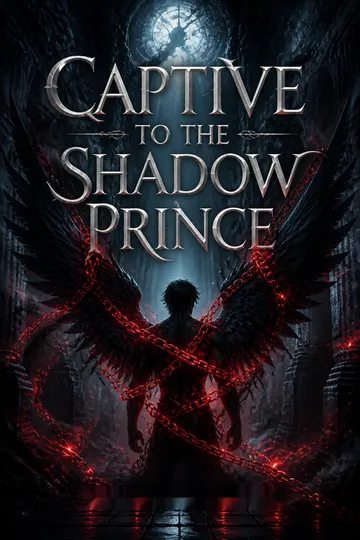
About the Author
Download PDF
Download EPUB
.epub digital book format is ideal for reading ebooks on phones, tablets, and e-readers.








