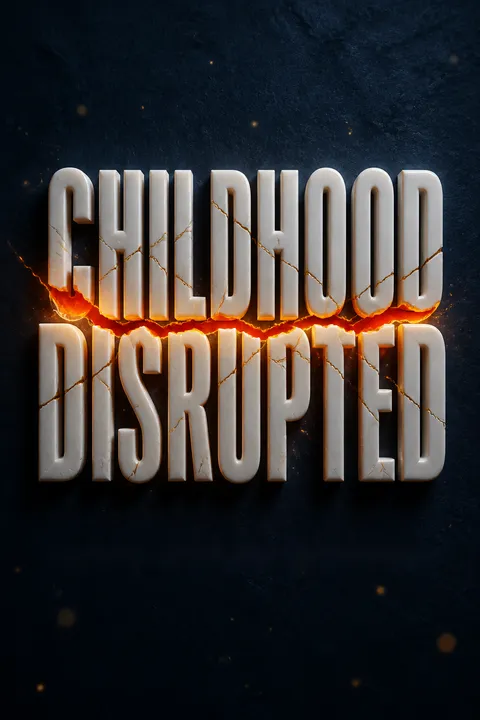


Key Takeaways
Your childhood biography can shape adult biology without dictating destiny
A hidden history. Donna Jackson Nakazawa’s own search for answers began after years of serious illness and the realization that losing her father as a child might matter to her adult health. A similar clue emerged when physician Vincent Felitti investigated why patients who were losing weight in his obesity program kept dropping out. Interviews suggested that, for some, food had soothed old distress or weight had offered protection after abuse. Felitti and Robert Anda expanded the question into a large study of adult patients.
A pattern, not a prophecy. In that cohort, 64 percent reported at least one of ten measured Adverse Childhood Experiences, 40 percent reported two or more, and 12.5 percent reported four or more. Higher scores correlated with greater illness risk. Childhood adversity is one contributor among genetics, environment, infection, and adult habits, not a diagnosis or an individual forecast.
The book’s central move is to treat a health history as more than a list of symptoms. That can reveal context a brief medical appointment often misses, especially when coping behaviors themselves began as adaptations. The ACE framework is useful because it makes hidden experiences discussable and measurable. Its score, however, compresses very different events into a simple count. A population-level association can guide better questions, but it cannot explain any one person’s illness or replace a clinical assessment.
Look for chronic unpredictability, not only spectacular trauma
The stress loop. A healthy stress response rises when danger appears, then settles after the threat passes. The hypothalamus, pituitary, and adrenal glands coordinate this response, including the release of cortisol and other stress signals. Repeated childhood stress without a reliable chance to recover can leave the system more reactive and keep inflammation-promoting processes active. The book connects this pattern with changes in gene expression, brain development, and immune regulation.
The common denominator. Different childhood experiences can share one feature: a child cannot predict when the next emotional or physical threat will arrive. In animal studies described in the book, mild stressors delivered unpredictably changed stress-related brain responses, while a more severe but predictable stressor did not produce the same pattern. The human stories suggest a similar alarm system can follow people into adulthood, though the exact biological pathways vary.
Unpredictability is a useful lens because it explains why a seemingly ordinary household can still feel unsafe to a child. It also points toward a practical intervention: reliable routines and dependable relationships can make stress more manageable. The science deserves careful wording, though. Animal experiments can isolate mechanisms in ways human studies cannot, and biological findings do not yet provide a complete causal map from one childhood event to one adult disease. The model is compelling as a guide to inquiry, not a universal explanation.
Distinguish toxic adversity from the ordinary struggle that builds coping
Not all stress is equal. The book distinguishes chronic, unpredictable hardship without adequate adult support from the disappointments and challenges that help children learn to recover. A missed bus or a difficult assignment can be a manageable problem when a caring adult offers guidance without taking over. Persistent humiliation, neglect, violence, or fear in a child’s home is different: the child may have no safe place to recover.
A limited sweet spot. In Mark Seery’s study of adults with chronic back pain, those reporting moderate numbers of past difficulties showed better outcomes than participants reporting either many adversities or none. The result supports the idea of a Good Wobble: some manageable hardship may build coping capacity. It does not mean that severe or chronic childhood adversity is beneficial, or that deliberately exposing children to distress makes them resilient.
This distinction corrects two popular mistakes: treating every setback as damage, and romanticizing suffering as character-building. The useful question is not simply how hard an event was, but whether it was chronic, personal, unpredictable, and buffered by support. Seery’s result is intriguing, but it comes from a particular group facing chronic pain and should not be stretched into a rule that adversity improves health. For children, challenge works best when safety and a responsive adult remain in reach.
Break secrecy with one trustworthy adult who names what is happening
Silence adds shame. Children often interpret an unspoken family crisis as evidence that they are at fault. Kat, whose father murdered her mother, grew up with the event largely unmentioned and carried guilt and fear for years. Her story shows how a child can be left alone not only with trauma, but with the burden of believing it must remain secret.
A protective relationship. The book describes resilience as more likely when a child has even one dependable adult who listens, offers protection, and makes clear that the harm is not the child’s fault. That person may be a relative, teacher, coach, neighbor, or mentor. A resilience questionnaire can help adults notice protective experiences as well as adversity. It does not erase what happened, but it broadens the story beyond a tally of injuries.
A trusted adult changes the meaning of an event as well as the child’s immediate access to help. The message that a harmful situation is not the child’s fault counters shame, which often keeps people from seeking support. This insight has implications beyond families: schools and community groups can become reliable places of disclosure and safety. Such support cannot substitute for action when abuse or danger is ongoing. Listening matters, but protection and appropriate professional help matter too.
Treat women’s adversity-linked illness risk as a medical clue, not fate
A notable difference. The book reports that women in the ACE research were more likely than men to have experienced several categories of adversity. In a study examining 21 common autoimmune diseases, each additional ACE category was associated with a 20 percent higher likelihood of hospitalization for autoimmune illness among women, compared with 10 percent among men. The reported association appeared even at relatively low ACE scores.
A question worth asking. The book discusses possible differences in stress and immune responses, alongside the social pressures girls and women face. These findings may help explain why some women’s chronic symptoms have been dismissed or treated as unrelated problems. They do not mean that adversity causes every autoimmune disease, or that a woman with a high score is destined to become ill. The author emphasizes that illness has multiple contributing factors.
The gender finding calls attention to a real clinical risk: a patient’s social history can be relevant to physical symptoms, particularly when illness is chronic and difficult to explain. It also makes room to examine how unequal burdens and interpersonal stress affect health. Yet sex-based biological explanations can become too tidy if they obscure variation among individuals or the role of social conditions. The most useful response is not to predict disease from gender or score, but to take symptoms seriously and ask better questions.
Practice repair in relationships instead of repeating childhood alarm patterns
Old alarms travel. Early relationships help children learn whether closeness is safe, whether feelings can be expressed, and whether conflict can be repaired. John, who grew up with a critical and volatile father, longed for intimacy but sometimes pushed partners away when he felt exposed or unworthy. His reactions were not simply bad habits; they made sense in the emotional world he had learned as a child.
Attachment can change. Secure attachment develops through repeated experiences of having needs noticed and met. It supports emotional regulation and later connection, while unreliable care can make closeness feel both necessary and threatening. The book describes therapy, supportive relationships, and growing self-awareness as ways adults can build new patterns. Understanding a parent’s own history may help explain how harm crossed generations, but it does not excuse harmful behavior or require reconciliation.
This account offers a humane alternative to labeling people as needy, cold, or difficult. Those behaviors may be protective strategies that outlived the conditions that created them. Naming their origin can create room for responsibility without self-condemnation. The intergenerational lens is especially useful when it interrupts blame and helps a parent choose different behavior. Its limit is equally important: understanding another person’s history does not make a relationship safe. Compassion and boundaries can coexist.
Use repeated mind-body practice to teach the stress system recovery
Start with awareness. The book’s self-guided approaches begin with understanding one’s history and strengths: take the ACE questionnaire, consider protective relationships, and put difficult experiences into words through writing or drawing. Mindfulness practice builds attention to breath, sensations, and thoughts, creating a pause between feeling and action. Movement practices such as tai chi and qigong can provide another way to settle attention and reduce rumination.
Small practices, real effort. Kat began meditation in brief sessions and gradually extended her practice; John found that slow movement helped him feel calmer and regain perspective. The book also discusses sleep, nutrition, body-based practices, and social connection as parts of a broader healing effort. These accounts illustrate possibilities, not guarantees. An ACE score cannot prescribe a treatment, and persistent physical or mental health symptoms still deserve appropriate medical care.
The strength of this approach is its emphasis on repeated experiences rather than a single revelation. Attention training, expressive writing, movement, and supportive contact each offer different ways to notice distress and respond with less automaticity. They are not interchangeable, and a practice that feels calming to one person can feel overwhelming to another, especially when trauma memories surface. Beginning gently and adjusting to the person’s response makes the promise of self-directed practice more credible than presenting any technique as a cure.
Choose skilled trauma care when self-guided healing is not enough
Different tools, different needs. The book describes several professional approaches. Somatic Experiencing helps clients notice body sensations and approach distress gradually, using a felt sense of safety as an anchor. EMDR, or Eye Movement Desensitization and Reprocessing, uses structured attention and guided recall to help process distressing memories. Guided imagery, hypnosis, and neurofeedback are also discussed. In therapy, a reliable clinician can help a person face painful material without being left alone or overwhelmed.
Find a safe fit. Priscilla tried EMDR after years of panic and found that it helped her process experiences she had not been able to resolve through talk therapy alone. Her outcome is one person’s story, not a promise of the same result for everyone. The book recommends choosing a trained professional, asking about relevant experience, and considering professional support when memories, symptoms, or daily functioning are difficult to manage.
A central insight here is that healing can be relational: a clinician’s steadiness may provide a new experience of being heard while revisiting old material. The range of approaches also reflects that trauma is not purely a story told in words; it can be experienced through bodily sensations, attention, and emotion. Evidence and training standards differ across methods, so readers benefit from asking about qualifications, goals, risks, and progress measures. No technique should require a person to disclose more than feels safe.
Parent for safety and repair, not perfection or constant protection
Regulate before correcting. The book argues that parents do not need to be flawless; they need to notice when their own stress is spilling into the relationship and repair the rupture. A prompt apology helps a child understand that an adult’s angry reaction was not the child’s responsibility. Parents can validate feelings while still setting limits on behavior, and help children name what they feel rather than dismissing or shaming it.
Build security in ordinary moments. Dan Siegel’s Four S’s framework, as presented in the book, asks caregivers to help children feel understood, safe, soothed, and secure. Warm attention, open conversation, and dependable adults support that foundation. At the same time, age-appropriate struggles, such as solving a homework problem, can teach competence when a child has support. Bullying, abuse, neglect, and chronic humiliation require adult intervention, not a lesson in toughness.
This is a practical model of parenting as both protection and preparation. A child needs someone to help regulate overwhelming feelings, but also room to try, fail, and recover. Repair is particularly valuable because it demonstrates that conflict need not end in fear or silence. The framework also avoids making parents responsible for preventing every painful experience. A more realistic standard is sustained responsiveness, coupled with prompt action when a child is unsafe.
Ask doctors to include childhood history alongside tests and symptoms
History belongs in care. Felitti argues that patient history is an essential diagnostic tool, especially when symptoms are persistent or difficult to explain. The book reports a study of 125,000 patients in which those who completed the ACE questionnaire and discussed their scores with a doctor had 35 percent fewer doctor visits and 11 percent fewer emergency-room visits over the following year. The author presents this as evidence that acknowledging a patient’s history can improve care, not as proof that discussing trauma cures illness.
Add context, not blame. Patients can tell a clinician that early adversity may be relevant to current health and ask whether it belongs in the care plan. Clinicians, in turn, can listen without treating an ACE score as a diagnosis or assuming symptoms are psychological. Trauma-informed care should complement examination, testing, and appropriate treatment, while recognizing that many diseases have several causes.
The medical argument is strongest when it expands the clinician’s field of view rather than replacing biology with biography. A brief, respectful question may uncover relevant context and make a patient feel taken seriously. The reported reductions in service use are encouraging, but they do not by themselves establish why utilization changed or whether every patient benefits equally. Screening also creates a duty to respond safely, protect privacy, and connect patients to care rather than invite disclosure with no support.
Analysis
Childhood Disrupted joins personal reporting to a public-health argument: childhood adversity is common, its effects can persist in mind and body, and adults can still build new patterns of regulation and connection. Its most memorable contribution is not simply that difficult childhoods correlate with illness. It is the proposed bridge between adversity, an overactive stress response, inflammation, emotional reactivity, and the way people relate to partners and children. The case stories make that bridge legible. Laura’s vigilance, John’s difficulty trusting intimacy, and Kat’s grief show how adult symptoms can look disconnected until a life history gives them context.
The ACE framework is useful as a conversation starter and population-level risk marker, but it has limits. Its ten original categories do not capture every adversity, and a summed score cannot represent duration, age, severity, cultural context, or the presence of protective relationships. The original cohort also reflected a relatively educated, largely white insured population, so its percentages should not be treated as universal personal predictions. The book itself recognizes that adversity is one influence among many.
The scientific narrative is persuasive when it presents stress biology as a plausible pathway, but some of its mechanisms are less firmly established in humans than the prose can suggest. Animal experiments, observational associations, and clinical anecdotes answer different questions. They should not be collapsed into a claim that a particular childhood event directly caused a particular illness. The healing chapters likewise range from established clinical approaches to practices with more variable evidence, and individual recovery stories are illustrations rather than treatment trials.
The book’s best practical lesson is therefore both compassionate and disciplined: ask what a person has lived through, take current symptoms seriously, and offer support without turning a score into a verdict. Recognition can reduce shame, improve communication, and guide care. It cannot replace diagnosis, treatment, safety planning, or the broader social work required to prevent adversity in the first place.
Review Summary
Childhood Disrupted receives mostly positive reviews for exploring the impact of adverse childhood experiences on adult health. Readers appreciate the scientific research and personal stories, finding it eye-opening and validating. Some criticize the book's emphasis on correlation over causation and find the healing suggestions lacking. The writing style is described as accessible, though occasionally sensationalist. Many readers recommend it for those interested in trauma, psychology, and holistic health, while cautioning it may be triggering for some.
People Also Read


Glossary
Adverse Childhood Experiences (ACEs)
Measured childhood adversityACEs are categories of difficult experiences occurring before age eighteen. The original ACE questionnaire measures ten family and household experiences, including abuse, neglect, parental separation, household substance use, mental illness, and incarceration. The book stresses that this list is not exhaustive: bullying, community violence, poverty, and medical trauma can also create serious childhood stress.
ACE Score
Count of ACE categoriesAn ACE Score is the number of categories from the original ten-item ACE questionnaire that a person reports experiencing before age eighteen. It is used in research to study population-level patterns between adversity and later health. It is not a diagnosis, a measure of an individual’s full life story, or a precise prediction of that person’s future.
Chronic Unpredictable Toxic Stress (CUTS)
Prolonged, unsupported stressThe book uses CUTS for chronic, unpredictable stress during childhood, especially when a child lacks a supportive adult who can help them recover. The concept distinguishes persistent fear, humiliation, neglect, or instability from ordinary challenges that children can manage with support. The author uses it to explain why apparently different adversities may produce overlapping effects on stress responses and well-being.
Allostatic load
Cumulative stress burdenAllostatic load describes the accumulated wear and tear on the body and brain as they adapt to repeated physical and emotional stress. In the book, greater adversity can add to this burden and make recovery from later challenges harder. The concept emphasizes cumulative exposure rather than treating each stressful event as an isolated episode.
Epigenetics
Environment-linked gene regulationEpigenetics refers to changes in how genes are expressed without changing the underlying DNA sequence. The book discusses how experiences and environmental conditions can affect chemical markers that influence gene activity, including systems involved in stress regulation. These changes are presented as one possible route through which early experience can affect later biology, not as a simple or inevitable genetic switch.
Theory of Good Wobble
Resilience through manageable challengeThe Theory of Good Wobble describes the possibility that some people can experience manageable adversity, develop coping skills, and recover from later difficulties without being overwhelmed. The book contrasts this with severe, chronic, unpredictable stress without supportive relationships, which can undermine resilience. The idea is based on research discussed in the book and does not imply that harmful adversity is beneficial.
Post Childhood Adversity Syndrome
Proposed name for lasting effectsPost Childhood Adversity Syndrome is the author’s proposed label for the lasting physical, emotional, and relational effects that may follow childhood adversity. It is not presented as an established formal diagnosis. Nakazawa uses the term to gather together outcomes that can include heightened stress reactivity, chronic illness, depression, anxiety, and difficulty forming secure relationships.
Mindsight
Awareness of mind and othersMindsight is a term associated with psychiatrist Dan Siegel and used in the book for the ability to notice one’s own mental life, understand another person’s inner experience, and connect those perspectives. This capacity supports self-awareness, empathy, and more considered responses. Practices such as mindful attention and reflection are described as ways to strengthen it.
Somatic Experiencing
Body-focused trauma therapySomatic Experiencing is a therapeutic approach developed by Peter Levine that focuses attention on bodily sensations associated with stress and trauma. As described in the book, a trained practitioner helps a client approach distress gradually, return to a felt sense of safety, and build the ability to tolerate difficult sensations without becoming overwhelmed. It does not require detailed verbal retelling of the traumatic event.
Eye Movement Desensitization and Reprocessing (EMDR)
Guided memory-processing therapyEMDR is a structured psychotherapy developed by Francine Shapiro. In the book’s account, a therapist helps a client focus on a distressing memory while using bilateral stimulation, such as guided eye movements or alternating tones. The aim is to process the memory so that it remains part of the person’s history without triggering the same level of distress in the present.
FAQ
What's Childhood Disrupted about?
- Explores childhood's impact on adulthood: The book examines how early life adversities shape our biology and predispose us to health issues in adulthood, including chronic illnesses and mental health disorders.
- Focus on Adverse Childhood Experiences (ACEs): It discusses the ACE Study, which identifies ten types of childhood adversity and their correlation with adult health problems, highlighting the long-term effects of even mild adversities.
- Pathways to healing: Nakazawa provides insights into healing from childhood adversity, offering practical steps and methods to reclaim health and well-being.
Why should I read Childhood Disrupted?
- Understanding personal health: The book is essential for those seeking to understand the roots of their physical or mental health challenges, providing a framework for recognizing the influence of past experiences.
- Empowerment through knowledge: Readers gain insights into the biological mechanisms linking childhood experiences to adult health, empowering them to take control of their healing journey.
- Practical advice for healing: Nakazawa offers actionable steps and therapeutic methods to help individuals recover from childhood adversity, making it a valuable resource for personal growth.
What are the key takeaways of Childhood Disrupted?
- Childhood experiences shape biology: The book emphasizes that "your emotional biography becomes your physical biology," illustrating how early stress can lead to chronic health issues.
- The significance of ACEs: Nakazawa highlights that a significant percentage of adults faced ACEs, indicating widespread impact and the importance of understanding one's ACE score.
- Hope for recovery: The author reassures readers that healing is possible at any age, with scientifically supported methods to reverse damage caused by early adversity.
How does Childhood Disrupted define Adverse Childhood Experiences (ACEs)?
- Ten categories of adversity: The book identifies ten types of ACEs, such as emotional neglect and physical abuse, linked to higher risks of health issues in adulthood.
- Impact on health: ACEs can lead to chronic inflammation and changes in brain architecture, predisposing individuals to various diseases.
- ACE Score significance: Nakazawa encourages readers to assess their ACE score to understand the potential impact of their childhood on current health.
What methods does Childhood Disrupted suggest for healing from childhood adversity?
- Mindfulness and meditation: Emphasizes mindfulness practices, like meditation, to help repair the brain and manage stress, promoting emotional regulation.
- Therapeutic writing and art: Suggests expressive writing and drawing to process emotions and experiences, aiding in understanding and reframing past traumas.
- Seeking professional help: Advocates for therapy, including EMDR and somatic experiencing, as vital components of recovery, providing guidance and tools for healing.
How do adverse childhood experiences (ACEs) affect adult health according to Childhood Disrupted?
- Increased risk of illness: ACEs are linked to a higher likelihood of chronic illnesses, such as heart disease and autoimmune disorders.
- Mental health consequences: Individuals with ACEs are more prone to mental health disorders, including depression and anxiety.
- Biological mechanisms: ACEs can lead to changes in brain structure and function, affecting emotional regulation and stress responses.
What role does gender play in the effects of childhood adversity, according to Childhood Disrupted?
- Higher vulnerability in women: Women are more likely to experience ACEs and develop health issues, influenced by biological and social factors.
- Differences in brain development: Girls often show greater changes in brain structure due to adversity, making them more susceptible to anxiety and depression.
- Impact on relationships: Early adversity can affect women's ability to form healthy relationships, leading to emotional reactivity and intimacy difficulties.
How can understanding my ACE score help me, as discussed in Childhood Disrupted?
- Self-awareness and reflection: Knowing your ACE score provides insight into how childhood experiences may influence current health and emotional well-being.
- Guiding treatment options: An ACE score helps healthcare providers tailor treatment plans addressing specific impacts of childhood adversity.
- Encouraging conversations: Understanding ACEs fosters discussions about childhood experiences, breaking the silence around trauma and promoting healing.
What is the significance of having a reliable adult during childhood, as mentioned in Childhood Disrupted?
- Buffer against adversity: A reliable adult provides emotional support and guidance, mitigating the effects of childhood adversity.
- Promotes healthy development: Such support helps children process experiences and develop a sense of safety and security.
- Long-term benefits: Supportive adults contribute to better emotional regulation and healthier relationships in adulthood.
How does Childhood Disrupted address the concept of neuroinflammation?
- Link to childhood adversity: Chronic stress from childhood can lead to neuroinflammation, affecting brain function and overall health.
- Impact on brain structure: Neuroinflammation can alter brain architecture, leading to difficulties in emotional regulation and increased vulnerability to disorders.
- Potential for recovery: Understanding neuroinflammation opens pathways for healing, as the brain remains malleable throughout life.
What are the best quotes from Childhood Disrupted and what do they mean?
- “Time does not heal all wounds.” Highlights that unresolved childhood trauma can manifest as health issues later in life, stressing the need for addressing these wounds.
- “Your biography becomes your biology.” Illustrates how personal experiences shape biological responses and health outcomes, emphasizing understanding one's life story.
- “The brain can restore itself.” Offers hope, indicating that individuals can heal and change their brain’s functioning despite past traumas.
What is the concept of "Mindsight" in Childhood Disrupted?
- Understanding Mindsight: Refers to the ability to perceive and understand one’s own mind and the minds of others, crucial for emotional regulation.
- Integration of Experiences: Involves integrating different aspects of experiences to create a coherent narrative, fostering resilience.
- Developing Empathy: Enhances empathy and self-awareness, leading to better emotional health, and can be developed through mindfulness practices.
Download PDF
Download EPUB
.epub digital book format is ideal for reading ebooks on phones, tablets, and e-readers.








