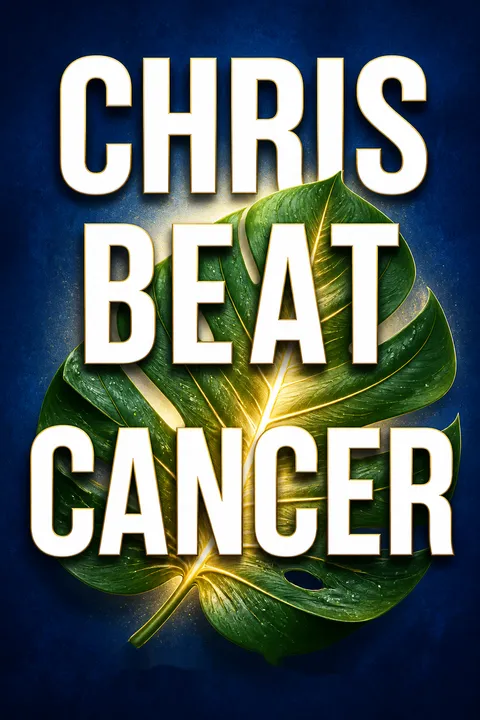


Key Takeaways
Let a survivor's story prompt questions, not stand in for proof.
A diagnosis changed everything. At 26, Chris Wark learned he had stage IIIC colon cancer. Surgery removed the tumor and 49 lymph nodes, four of which contained cancer. His oncologist recommended 9 to 12 months of chemotherapy. After reading an account of someone who had changed their diet instead, Wark declined chemotherapy and pursued intensive dietary, lifestyle, and natural therapies, alongside Christian faith. He later reported long-term survival.
One outcome cannot settle cause. The story shows that Wark survived after surgery without chemotherapy. It cannot establish that his diet caused his survival, predict what would happen to someone else, or prove that the same approach works across cancers. Surgery was itself a major treatment, and the book offers no comparison group that can isolate the effects of each choice.
What's valuable here is the emotional truth of a patient facing uncertainty and seeking agency. Personal accounts can help people find questions, practical support, and a sense of possibility. Their limitation is causal: a single survivor cannot reveal what would have happened under a different treatment, and stories of people who did not survive are less likely to be told. This is a classic problem of selection bias. The account is best read as testimony and motivation, not as clinical evidence or a template for refusing recommended care.
Ask for absolute benefits, harms, and alternatives before choosing treatment.
Make the numbers meaningful. The book argues that patients may hear a large relative benefit without understanding the smaller change in their actual odds. Its example compares a recurrence risk falling from 6 percent to 3 percent: that is a 50 percent relative reduction, but a 3 percentage-point absolute reduction. It also urges patients to clarify whether treatment is intended to cure, reduce recurrence, or ease symptoms, and what those outcomes mean for quality of life.
Question incentives, too. Wark describes financial conflicts, overdiagnosis, and cases where patients misunderstood palliative treatment as curative. Those are reasons to request clear explanations and a second opinion, not proof that cancer treatment generally fails. The usefulness of surgery, chemotherapy, and radiation varies greatly by cancer type, stage, and individual circumstances. Do not stop or delay treatment without discussing options with an oncology team.
The emphasis on absolute risk is a strong contribution to informed consent. People make better decisions when clinicians give the baseline risk, the expected change, the time period, and the uncertainty in plain language. Financial conflicts deserve scrutiny, but distrust can also distort judgment: evidence of bad practice or industry influence does not establish that a particular therapy is ineffective. A good decision process weighs credible evidence, expected benefit, side effects, personal priorities, and alternatives. The book's critique is most useful as a prompt for specific questions, not as a verdict on oncology as a whole.
Use plant-rich food to support health, not as a cancer cure.
Build meals from whole plants. Wark's dietary plan centers on vegetables, fruit, beans, nuts, seeds, and whole grains, while sharply reducing processed foods and animal products. He describes eating large salads, drinking fresh vegetable juice, and blending fruit with greens. He also highlights foods such as berries, garlic, cruciferous vegetables, mushrooms, and turmeric for compounds studied in cancer biology.
Separate mechanisms from outcomes. The book discusses laboratory studies, dietary studies, and short-term changes in markers such as PSA or inflammation. For example, it describes research in which a plant-based diet and lifestyle program changed PSA patterns in men with prostate cancer. Such findings can support further study, but a change in a biomarker or cancer cells in a dish is not proof that a food cures cancer. A healthy diet can complement care, not replace evaluation or treatment.
The durable insight is to make nutritious, minimally processed food the default rather than chase a single superfood. A varied plant-rich diet can supply fiber and many micronutrients, and it is a practical foundation for general health. The evidentiary levels in the book, however, are easy to blur: cell experiments, observational studies, and patient outcomes answer different questions. A compound that affects tumor cells in a laboratory may not reach the same concentration in a human body. The strongest takeaway is dietary quality, not a promise that juice, berries, or supplements can eradicate a tumor.
Choose movement you can sustain, and protect time for sleep.
Favor regular, moderate activity. The book contrasts sedentary routines with consistent movement, suggesting walking, cycling, yoga, strength work, or rebounding. It describes about 30 minutes of moderate activity a day as a practical target, while warning that punishing exercise can leave people exhausted or injured. Its broader point is to make movement part of ordinary life, not only a scheduled workout.
Treat rest as part of the plan. Wark also recommends a regular sleep schedule, a dark and quiet bedroom, less bright light at night, and a weekly day of rest. He connects sleep and exercise with immune function and recovery. These practices may support well-being, but they are not cancer treatments on their own. People recovering from surgery or receiving treatment may need to adapt activity and rest with clinical guidance.
This is a useful corrective to the idea that health requires extreme exertion. Sustainable activity can support strength, mood, mobility, and everyday function, while sleep is essential for recovery and cognitive health. The appropriate amount is individual, especially during treatment, when fatigue, pain, anemia, or other effects may change capacity. The book sometimes links particular routines directly to cancer outcomes more confidently than its examples warrant. A sensible reading preserves the low-risk habits while avoiding the implication that patients who cannot exercise or sleep well are responsible for their illness.
Prioritize well-supported exposure reductions over speculative detox rituals.
Start with the practical risks. Wark urges readers to stop smoking, reduce highly processed food, and limit avoidable exposures from household products, pesticides, and polluted air. He recommends choosing organic produce when feasible, but says eating fruits and vegetables matters even when organic options are unavailable. He also emphasizes that the body already processes and eliminates waste through ordinary functions such as breathing, sweating, urinating, and bowel movements.
Do not let caution become panic. The book also makes strong claims about electromagnetic fields, fluoride, dental amalgam, and other exposures, and suggests fasting as a detoxification strategy. These claims vary in evidentiary support and should not be treated as established cancer causes or therapies. Avoid expensive detox products and do not undertake fasting, stop medication, or remove dental fillings without consulting qualified professionals.
Reducing clear, avoidable hazards is more useful than trying to eliminate every modern exposure. A precautionary approach can be reasonable when evidence is uncertain, but it should be proportional to both the quality of evidence and the possible harm of the intervention. Otherwise, health advice can create anxiety, unnecessary expense, or risky attempts to remove substances from the body. The book's practical advice about smoking and food quality is easier to support than its more sweeping claims about household chemicals and wireless technology. Prioritization protects both health and attention.
Take responsibility for choices without turning illness into self-blame.
Agency is the framework. Wark calls his coping approach the Beat Cancer Mindset. It combines taking an active role in health decisions, being willing to change, sustaining practical effort, making plans, and finding ways to enjoy life. He describes reassessing habits and changing the routines that he believed had contributed to his illness. The point is to move from helplessness toward choices a person can make now.
Responsibility is not blame. The book sometimes frames cancer as a consequence of personal choices, a claim that can burden people who are already frightened. Cancer has many causes, and an individual diagnosis often cannot be traced to one behavior. A person can exercise agency by asking questions, seeking support, and making health-promoting changes without concluding that they caused their disease or that sufficient effort guarantees recovery.
The distinction between agency and blame is central. Behavioral science suggests that people are more likely to act when goals feel controllable, but control over behavior is not the same as control over disease outcomes. A patient can choose meals, movement, questions, and sources of support, yet cannot will a tumor away. Framing responsibility as a way to reclaim participation is constructive. Framing it as an explanation for why cancer occurred is not. This approach is strongest when it gives patients choices without assigning moral meaning to illness.
Turn chronic stress into specific problems you can address.
Name the pressure points. Wark describes chronic stress as a prolonged state of alarm that can affect sleep, mood, eating, and daily functioning. Rather than treating worry as an abstract enemy, he suggests writing down sources of stress and possible responses. The examples include setting boundaries with people, addressing practical problems, and asking for help. He also turns to prayer, laughter, and singing as ways he found comfort.
Reduce distress, not guilt. The book connects stress hormones with cancer biology and argues that stress can undermine healing. Research on stress and cancer is complex, and the book's claims should not be taken to mean that anxiety caused a patient's cancer or that calmness can cure it. Stress-management practices can still help people cope with illness and make day-to-day life more manageable.
The problem-and-response exercise converts rumination into action, a useful move in both cognitive therapy and practical problem-solving. Some stressors can be changed; others call for support, acceptance, or protection from further harm. That distinction prevents the advice from becoming another demand to control everything. Stress can influence health processes, but links between stress and cancer progression are not a license to blame patients for feeling afraid. Emotional support is worthwhile because distress matters in its own right, not because patients must achieve perfect calm to deserve recovery.
Let faith, relationships, and future plans make hard days livable.
Purpose helped him endure. Wark recounts how Christian faith steadied him during surgery and uncertainty. His wife stayed close through treatment decisions, and the prospect of raising a family gave him a reason to imagine a future. He describes asking himself whether he wanted to live and what he wanted to live for, then keeping those reasons in view. His advice is to continue making plans rather than letting a prognosis define every remaining possibility.
Meaning is personal. The book's practices of prayer, forgiveness, and scripture are rooted in Wark's Christian beliefs. They may be deeply meaningful to readers who share them, while others may draw purpose from family, community, creativity, or service. Faith and optimism can support coping, but neither guarantees recovery. A patient's outcome is not a measure of spiritual strength, gratitude, or willingness to live.
The account shows how meaning and social support can preserve a person's sense of self when illness takes over the calendar. Future plans can orient attention toward life beyond the next scan, while close relationships make practical and emotional burdens less isolating. These resources need not be religious, and they should be offered rather than prescribed. The book's strongest spiritual insight is that people may seek hope and purpose amid uncertainty. Its limits matter too: spiritual conviction can sustain a patient, but it cannot serve as a test of character or a substitute for medical care.
Analysis
This book is part memoir, part lifestyle guide, and part polemic against cancer care as Wark experienced and researched it. Its narrative engine is a frightening decision: after surgery for stage IIIC colon cancer, he declines recommended chemotherapy and rebuilds his daily life around food, exercise, natural therapies, and Christian faith. That story makes the book memorable because its advice is attached to a person, a marriage, and a family, rather than delivered as an abstract wellness program.
Its most useful contributions are practical and psychological. It urges readers to ask what treatment is meant to accomplish, distinguish relative from absolute risk, make sustainable health changes, and find support and purpose during uncertainty. The dietary and activity advice is most defensible when understood as support for general health and well-being. The book also usefully reminds readers that patients deserve transparent communication and that financial incentives warrant scrutiny.
The main challenge is that the text repeatedly moves between different kinds of evidence without consistently marking the distance between them. Laboratory effects, observational associations, shifts in biomarkers, survivor anecdotes, and demonstrated treatment outcomes are not interchangeable. A plant compound slowing cancer cells in a dish does not show that eating the plant treats a human tumor. Nor does one person surviving after declining a treatment establish what caused the outcome. The book's criticism of overdiagnosis and conflicts of interest raises genuine questions, but broad claims that conventional care is largely ineffective do not follow from those examples. Treatment benefit differs by cancer, stage, and individual risk.
Readers can extract the book's agency, nutrition, movement, and meaning-making while rejecting its more hazardous implication: that lifestyle change is a proven alternative to oncology. The responsible interpretation is neither blind trust nor blanket rejection. It is an informed partnership with qualified clinicians, careful evaluation of evidence, and changes that support health without delaying effective care.
Review Summary
Chris Beat Cancer receives mostly positive reviews for its comprehensive approach to natural cancer healing. Readers appreciate Wark's personal story, nutritional advice, and research citations. Many find it inspiring and informative, even for those without cancer. Some criticize its stance against conventional medicine and heavy emphasis on Christianity. The book's focus on plant-based diets, lifestyle changes, and holistic wellness resonates with many readers. However, a few reviewers question the scientific validity of some claims and find parts of the content extreme or one-sided.
People Also Read

Glossary
Beat Cancer Mindset
agency-focused coping frameworkWark's name for a coping approach that encourages patients to take an active role in health decisions, accept difficult changes, sustain effort, make future plans, and find enjoyment in life. It is a motivational framework, not a medical treatment or a validated predictor of cancer outcomes.
Massive Action
broad, sustained behavior changeWark's term for making substantial changes across daily life rather than relying on a quick fix. In the book, it includes changes to food, activity, sleep, stress, and possible environmental exposures. It describes his preferred approach to self-management, not a standardized clinical protocol or proof that intensive lifestyle change cures cancer.
Super Health Triad
three plant-food routinesWark's name for the three recurring elements of his intensive diet: fresh vegetable juice, a large vegetable salad, and a fruit smoothie. He presents them as a convenient way to consume a high volume of plant foods. The label is his organizational device, not a clinically established cancer regimen.
Western diet
processed, plant-poor eating patternThe book uses this term for an eating pattern high in processed foods, refined sugar, and animal products, and comparatively low in fruits, vegetables, legumes, nuts, seeds, and whole grains. Wark links the pattern to chronic disease. The term describes a broad dietary pattern, not a precise prescription or a complete explanation for any individual's cancer.
lead-time bias
earlier diagnosis inflates survival timeA statistical distortion that occurs when screening finds a disease earlier without changing when a person dies from it. Measured survival from diagnosis can appear longer simply because the clock starts sooner. The concept helps explain why improved five-year survival rates do not automatically prove that screening or treatment has reduced deaths.
iatrogenesis
harm caused by medical careThe book uses this medical term for illness, injury, or death resulting from diagnosis or treatment. Such harms can include adverse drug effects, procedural complications, and medical errors. The existence of iatrogenic harm is important to discuss in risk decisions, but it does not by itself show that medical care is more harmful than beneficial overall.
autophagy
cellular recycling processA normal cellular process in which cells break down and recycle some of their own components. The book discusses autophagy in the context of fasting and describes it as cellular housekeeping. Its mention does not establish that fasting treats cancer, and fasting can be unsafe for some people, particularly during illness or while taking certain medications.
Fasting Mimicking Diet
five-day restricted eating planA named, plant-based, calorie-restricted plan that the book describes as designed to produce some physiological effects associated with fasting while still allowing food. Wark presents it as an alternative to a water fast. It should not be treated as cancer therapy, and people with cancer or medical conditions should consult their care team before attempting restrictive diets.
FAQ
What’s Chris Beat Cancer by Chris Wark about?
- Personal healing journey: The book chronicles Chris Wark’s diagnosis with stage III colon cancer at age 26 and his decision to pursue natural healing methods instead of chemotherapy.
- Holistic healing plan: It details a comprehensive, multi-faceted approach to healing cancer naturally, including nutrition, detoxification, exercise, stress management, and spiritual practices.
- Critique of conventional medicine: Wark examines the limitations and pitfalls of standard cancer treatments, offering an alternative perspective for those seeking different options.
- Empowerment and mindset: The narrative emphasizes taking responsibility for one’s health, making informed choices, and adopting a proactive, positive mindset for healing.
Why should I read Chris Beat Cancer by Chris Wark?
- Alternative to conventional treatment: The book provides hope and practical strategies for those seeking options beyond chemotherapy and radiation, sharing real-life stories of natural healing.
- Actionable health advice: Readers receive evidence-based guidance on diet, detoxification, exercise, stress reduction, and spiritual healing that can be implemented immediately.
- Critical industry insights: Wark exposes financial and ethical issues within the cancer industry, helping readers make more informed decisions about their care.
- Inspiration and empowerment: The author’s journey and mindset foster hope, courage, and a sense of control for anyone facing cancer or chronic illness.
What are the key takeaways from Chris Beat Cancer by Chris Wark?
- Cancer is often preventable and reversible: The book argues that cancer is a result of internal imbalances and can be healed by changing the body’s environment through nutrition and lifestyle.
- Conventional treatments have limits: Chemotherapy, radiation, and surgery often fail to cure metastatic cancers and can cause significant harm, with minimal impact on long-term survival rates.
- Nutrition and mindset are powerful: A plant-based, nutrient-dense diet and a positive, proactive mindset are central to healing and prevention.
- Be informed and proactive: Patients should educate themselves, question conventional wisdom, and take an active role in their healing journey.
What is the “Beat Cancer Mindset” in Chris Beat Cancer by Chris Wark?
- Five key components: The mindset includes accepting total responsibility, willingness to do whatever it takes, taking massive action, planning for the future, and enjoying life.
- Empowerment over victimhood: Wark encourages readers to stop blaming genetics or luck and instead take control through lifestyle and mental changes.
- Mental battle first: Healing starts in the mind, with positive thinking, determination, and rejecting fear and despair.
- Consistent, radical action: True healing requires ongoing, committed effort and significant lifestyle changes, not quick fixes.
What are the main dietary principles in Chris Beat Cancer by Chris Wark?
- Whole-food, plant-based focus: The book advocates a diet rich in raw and cooked vegetables, fruits, whole grains, legumes, and minimal animal products.
- Avoid processed and animal foods: Processed foods and factory-farmed animal products are discouraged due to their toxins, carcinogens, and inflammation-promoting compounds.
- Personalization and flexibility: While Wark initially followed a raw vegan diet, he later incorporated cooked foods and clean animal proteins, emphasizing the need to listen to one’s body.
- Nutrient density and detoxification: The diet is designed to flood the body with anti-cancer nutrients and support detoxification.
How does Chris Beat Cancer by Chris Wark explain the role of nutrition in healing cancer?
- Plant-based anti-cancer diet: Wark recommends a diet high in fruits, vegetables, nuts, seeds, and herbs, which provide thousands of anti-cancer phytonutrients.
- Juicing and smoothies: Fresh vegetable and fruit juices are emphasized for delivering concentrated nutrients and supporting detoxification and immune function.
- Powerful anti-cancer foods: Foods like cruciferous vegetables, garlic, berries, turmeric, mushrooms, and certain herbs are highlighted for their cancer-fighting properties.
- Overdosing on nutrition: The book suggests consuming large quantities of nutrient-dense foods—up to 15-20 servings of fruits and vegetables daily—to saturate the body with healing compounds.
What does Chris Beat Cancer by Chris Wark say about detoxification and reducing toxic exposures?
- Liver as detox engine: The liver is central to processing toxins; reducing toxic load from food, water, and environment supports its function.
- Fasting and sweating: Practices like fasting and sweating (via exercise or saunas) are recommended to trigger autophagy and eliminate toxins.
- Avoiding environmental toxins: Wark urges readers to choose organic foods, use non-toxic personal care products, and improve home air and water quality.
- Electropollution and chemicals: The book discusses reducing exposure to electropollution (e.g., Wi-Fi) and household chemicals to support healing.
What are the most powerful anti-cancer foods and compounds in Chris Beat Cancer by Chris Wark?
- Cruciferous vegetables: Broccoli, kale, cauliflower, and cabbage contain compounds that activate detox enzymes and inhibit cancer growth.
- Garlic and allium family: Garlic, onions, and leeks induce cancer cell death and boost immunity.
- Berries and turmeric: Berries provide antioxidants, while turmeric (curcumin) targets multiple cancer pathways and enhances treatment effectiveness.
- Mushrooms and herbs: Medicinal mushrooms and herbs like oregano and cayenne pepper offer immune-boosting and anti-inflammatory effects.
- Fermented foods and teas: Probiotic-rich foods and herbal teas support gut health and immune function.
How does Chris Beat Cancer by Chris Wark address the role of exercise, rest, and sleep in healing?
- Moderate daily exercise: Wark recommends 30–60 minutes of aerobic activity most days to boost immunity and detoxification.
- Avoid overtraining: Excessive exercise can suppress immunity and increase inflammation, so balance is essential.
- Prioritize rest and sleep: Quality sleep (6–8 hours) and regular rest days are vital for healing, hormone regulation, and brain detoxification.
- Healthy routines: Nighttime rituals and minimizing blue light exposure are suggested to improve sleep quality.
What does Chris Beat Cancer by Chris Wark say about the impact of stress, emotions, and spirituality on cancer?
- Chronic stress harms health: Prolonged stress suppresses immune function and promotes cancer growth and spread.
- Faith and forgiveness: Spiritual healing through faith, prayer, and forgiveness is emphasized as a powerful tool for reducing stress and emotional burdens.
- Positive mindset: The book highlights the importance of affirmations, visualizing health, and speaking life into the body.
- Problem solving: Identifying and eliminating stressors, and adopting a faith-based, positive mindset, are key to supporting recovery.
What criticisms does Chris Beat Cancer by Chris Wark offer about conventional cancer treatments?
- Limited survival benefit: Chemotherapy and radiation often have minimal impact on long-term survival, especially for metastatic cancers.
- Harmful side effects: Conventional treatments can cause severe side effects, including immune suppression, organ toxicity, and secondary cancers.
- Financial and ethical concerns: The book exposes financial incentives in oncology and pharmaceutical industries that may influence treatment recommendations.
- Overdiagnosis and overtreatment: Wark warns about unnecessary treatments due to overdiagnosis, particularly in breast and thyroid cancers.
How does Chris Beat Cancer by Chris Wark explain the causes of cancer?
- Multifactorial disease: Cancer is a collection of over 200 diseases caused by uncontrolled cell growth, with multiple contributing factors.
- Environmental and lifestyle factors: Industrial pollution, poor diet, physical inactivity, smoking, alcohol, and obesity are major contributors.
- Infections and toxins: Viruses and exposure to multiple low-dose chemicals can combine to create a toxic internal environment conducive to cancer.
- Genetics vs. lifestyle: While genes may predispose, lifestyle and environmental factors are the primary triggers for cancer development.
What are the best quotes from Chris Beat Cancer by Chris Wark and what do they mean?
- “Garbage in, garbage out.” This highlights the direct impact of what you consume on your health—putting toxins in leads to disease.
- “Every time you sit down to eat, remind yourself that you are building a new body.” This quote emphasizes mindful eating and the importance of choosing foods that promote healing.
- “If you live and eat the way the healthy longest-living people live and eat, you can expect to enjoy health and long life free from most chronic diseases everyone else gets.” This underscores the value of adopting lifestyle habits from Blue Zones and traditional diets for longevity and disease prevention.
- Mindset and faith quotes: The book is filled with affirmations about the power of positive thinking, faith, and taking responsibility for one’s health.
Download PDF
Download EPUB
.epub digital book format is ideal for reading ebooks on phones, tablets, and e-readers.








