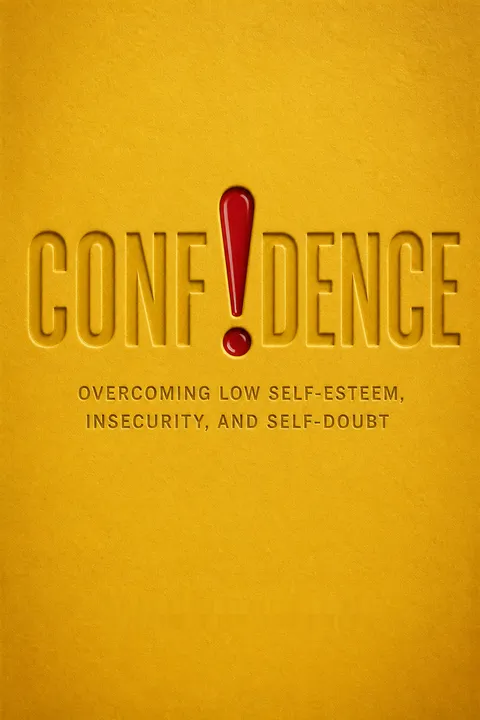


Key Takeaways
Build ability before trying to feel more confident
Feeling is not evidence. Confidence is the sense that you can do something; competence is the ability to do it. The book argues that success stories often reverse cause and effect: skilled people may feel confident because they have succeeded, not succeed because they felt confident. Across studies, confidence and competence show only a modest relationship, around 0.30, and correlations cannot establish which causes which. The gap looks larger when competence is measured objectively rather than by people rating themselves on both confidence and ability.
Earn confidence through proof. The book’s practical direction is to choose a domain, improve the real skill, and let accomplishments provide evidence for a more secure self-view. Confidence alone can feel reassuring, but it cannot substitute for preparation, practice, or knowledge.
The useful distinction is between confidence as a feeling and confidence as a forecast. A forecast can be checked against results, making it possible to ask whether confidence is calibrated rather than simply high. This resembles good decision practice in fields such as weather forecasting, where accuracy matters more than boldness. Still, confidence can help people begin tasks, persist through uncertainty, or communicate conviction. The sharper lesson is not that confidence is useless, but that it should be tethered to evidence. Treating every confident person as incompetent would merely replace one bias with another.
Treat doubt as a signal to prepare, not a verdict to retreat
Anxiety can inform action. The book presents anxiety as an alarm system: it draws attention to possible danger and can prompt caution or preparation. In one example, the author accepted a lecture on a subject he barely knew, then became worried as the date approached. That discomfort pushed him to research and prepare, helping him avoid a poor performance. The argument is that low confidence can expose a gap between a goal and current ability, creating motivation to close it.
Use the signal selectively. Doubt can also discourage people from worthwhile risks, so it should trigger assessment rather than automatic withdrawal. Ask what preparation, information, or support the situation requires. The book discusses mild pessimism and depression as potentially clarifying, but severe or persistent distress is not a self-improvement strategy and may require professional care.
This treats emotion as information rather than an order, a useful principle shared with decision science. In signal detection terms, anxiety can reduce the chance of missing a real threat, but it can also generate false alarms. The right response depends on the cost of each error: caution may be sensible before a dangerous choice, while excessive caution can block learning or opportunity. The author’s case is strongest for ordinary, task-specific doubt that points toward a concrete preparation gap. It is weaker when generalized to clinical depression, which is not reliably realistic or adaptive for every person.
Let observable feedback outrank your private story about yourself
Reputation supplies evidence. The book uses reputation to mean how other people see a person’s character and ability. It argues that other people’s assessments often predict performance better than self-ratings do, partly because people routinely overestimate their abilities. In one classroom experiment, teachers were given fabricated information that certain pupils were unusually capable. Teachers then treated those pupils differently, and the altered expectations affected later performance. The episode illustrates the Pygmalion effect, where expectations can help produce the outcome they predict.
Seek specific observations. Ask trusted colleagues, friends, or mentors what behaviors help or hinder your work, then compare their answers with your own view. Reputation is not infallible: stereotypes and unfair treatment can shape others’ judgments, sometimes with real consequences. Feedback is most useful when it names observable behavior and comes from people who have seen enough to judge it.
The case for outside feedback is powerful because self-assessment is vulnerable to selective memory and self-protection. Yet social agreement does not guarantee truth. A group can share a prejudice, and the classroom example shows how a mistaken judgment can become self-reinforcing. The most constructive approach is triangulation: compare several informed perspectives with concrete outcomes, rather than granting any one observer final authority. This protects against both self-delusion and the equally damaging habit of letting other people define a person’s worth.
Make employability visible through skill, effort, and collegiality
Career success is practical. The book frames employability as the ability to gain and keep work, rather than attachment to one permanent job. It identifies three qualities that make people attractive to employers: relevant competence, visible effort, and likability. A strong résumé and interview help others recognize skills, but actual expertise requires preparation and continued learning. The author cites the ten-thousand-hour rule as a reminder that high performance usually involves extensive practice, not as a guaranteed formula for mastery.
Work well with people. Managers and colleagues notice reliability, responsiveness, and whether someone is rewarding to work with. Research on leadership cited in the book links effective management with trustworthiness, empathy, and humility, not swagger. The advice is concrete: strengthen job-relevant skills, ask for feedback on how they are presented, prepare carefully, and avoid making interpersonal friction your signature.
This career model joins human capital with social capital. Skill creates value, effort makes it dependable, and collegiality helps that value travel through teams. The combination is more realistic than advice centered on personal branding alone. However, likability can become a euphemism for conformity, especially in workplaces where dissent is punished or standards are biased. It should mean making collaboration productive, not flattering powerful people or suppressing necessary disagreement. Practice matters too, but hours are not interchangeable: feedback, task quality, and access to opportunity shape what practice can achieve.
Practice social skill as attention, not self-display
Competence is relational. The book breaks social competence into three abilities: understanding other people, presenting oneself appropriately, and influencing others. It reports that self-ratings of social skill correlate only weakly with how other people rate it. In school studies, students who felt popular were not necessarily considered popular by classmates. This is why confidence in one’s charm is a poor substitute for noticing how an interaction is going.
Turn outward deliberately. Ask questions, listen closely, remember relevant details, and respond to what the other person actually says. The author draws on familiar social advice such as sincere compliments and avoiding needless arguments. These behaviors make conversations less like auditions and more like exchanges. Some self-monitoring can prevent insensitive behavior, but constant scrutiny of one’s own performance can distract from the person and task in front of you.
Attention is a scarce social resource. In conversation, genuine curiosity can make another person feel recognized while also improving the listener’s understanding of motives and context. That is a stronger basis for influence than dominance because it supports coordination, not merely impression management. Still, social skill should not be reduced to pleasing everyone. Listening and warmth need boundaries, and avoiding every disagreement can preserve comfort at the expense of honesty. The best version of the advice is responsive attention: understand the other person without abandoning one’s own judgment.
Date realistically, then present your strengths without oversharing
Expectation shapes opportunity. The book argues that people often misjudge their romantic appeal, and describes a dating-show format where contestants first met in darkness, then saw one another. The author reports that participants were often poor judges of how attractive or engaging others found them. The practical implication is to stay open to people who do not match an ideal checklist, while also avoiding relationships chosen mainly to escape being single.
Choose and show wisely. The book warns against four traps: setting standards impossibly high, settling too quickly, treating partner choice like a calculation, and expecting a perfect match to guarantee happiness. It recommends giving promising people time, communicating about shared goals, and presenting genuine strengths early without turning a first date into a full inventory of insecurities. Its account of the Michelangelo illusion describes partners helping each other grow toward valued qualities.
Dating combines uncertain prediction with mutual evaluation, so excessive screening can make people mistake a tidy profile for a good relationship. The book’s push toward realistic expectations and active relationship-building is valuable, especially where a perfect-match fantasy encourages premature exits. But its language of eligibility can make romance sound like a ranking contest. Attraction matters, yet durable partnership also depends on care, shared values, timing, and how both people handle conflict. Presenting strengths is sensible; faking a persona that cannot be sustained undermines the trust a relationship needs.
Replace health reassurance with evidence, prevention, and follow-through
Feeling healthy proves little. The book argues that people often misjudge their health and that overconfidence can encourage risk-taking or denial. It describes cognitive dissonance, the discomfort of holding conflicting beliefs and actions. A smoker who knows smoking is harmful may protect a positive self-image by minimizing the danger, making it easier to continue. The author also discusses false hope syndrome: repeated cycles of setting unrealistic health goals, failing, and renewing the same ambitious plan without learning from the failure.
Make behavior measurable. Build health competence by learning from reliable medical advice, attending checkups, and choosing sustainable actions instead of trusting a reassuring self-image. The book cites research associating prudence and conscientiousness with longer life, and emphasizes that seeking help can be protective. Its claims about low confidence and longevity should not be read as proof that pessimism prevents illness. Health is also shaped by medical access, environment, and factors beyond individual control.
The strongest point is that belief in personal immunity can blunt prevention. Health behavior research often distinguishes intention from action: knowing a risk exists does not automatically produce a routine that reduces it. Tracking specific behaviors and seeking qualified care can bridge that gap better than either alarmism or reassurance. The author’s individual-responsibility emphasis needs balance, however. Illness is not simply a failure of attitude or discipline, and structural conditions influence who can act on health advice. Accurate information should support agency without turning sickness into blame.
Accept discomfort, then earn confidence through specific progress
Do not fight every feeling. The book argues that trying to suppress unwanted thoughts can make them more persistent and consume attention needed for change. Its alternative is to acknowledge dissatisfaction, identify what it points to, and choose a concrete improvement. The Confidence-Competence Cycle describes a path from recognizing a gap, to building ability, to performing well, to receiving recognition, and then to confidence grounded in evidence. The author warns that satisfaction can turn into complacency if it ends preparation.
Separate doubt from identity. A low-confidence moment does not prove a person is incapable; it can identify a skill or situation that needs attention. The book’s final message is to pursue progress rather than a constant positive self-image. That does not mean every insecurity is accurate or useful. The task is to test it against evidence, then act on what is changeable.
This is a compelling alternative to emotional perfectionism: unpleasant feelings can be noticed without being obeyed or erased. That stance aligns with approaches that emphasize psychological flexibility, the ability to make room for difficult experience while acting in line with chosen aims. The cycle is useful when it leads to observable practice and feedback, but it can become a treadmill if every achievement is discounted and self-criticism remains the only fuel. Earned confidence should include both honest correction and the capacity to recognize real progress.
Analysis
The book’s central reversal is simple and useful: confidence is not the same thing as competence, and trying to improve the former directly can distract from building the latter. Its strongest contribution is practical rather than merely contrarian. It asks readers to treat self-doubt as a possible discrepancy signal, seek outside information, prepare more, and let performance supply evidence. The same logic is applied across work, social life, dating, and health, giving the argument a coherent spine.
The main conceptual risk is treating confidence as one thing. Confidence can mean global self-esteem, a forecast about a particular task, a public performance style, or a feeling of safety. These forms can have different effects. A person may accurately doubt their public-speaking skill yet remain confident in their ability to learn it. Likewise, some confidence can support persistence, especially when a task is difficult and immediate feedback is poor. The strongest version of the book’s claim is therefore not that lower confidence is always better, but that confidence should be calibrated to evidence and should not replace skill acquisition.
The book also gives reputation substantial authority. That is a useful corrective to self-serving bias, but other people’s judgments can encode stereotypes, incentives, or limited information. The Pygmalion example makes this tension visible: expectations may predict performance partly because they shape the treatment that produces it. A sound practice combines self-reflection, multiple sources of feedback, objective results where available, and attention to power differences.
Finally, the argument about anxiety and depression needs careful boundaries. Ordinary unease can prompt preparation, but severe distress can impair concentration, health, and daily functioning. Embracing a feeling is not the same as endorsing its story or refusing treatment. The enduring insight is more modest and more actionable: do not demand that every feeling become pleasant before beginning; use evidence to decide what needs attention, then build competence through specific, supported action.
Review Summary
Confidence received mixed reviews. Many readers found the book's focus on competence over confidence refreshing and thought-provoking. However, some felt it was repetitive and overly negative towards self-confidence. Critics noted logical fallacies and problematic treatment of mental health issues. Positive reviewers appreciated the book's challenge to common self-help narratives, while others found it discouraging for those with low self-esteem. Overall, readers were divided on the book's value and effectiveness in addressing confidence and competence.
People Also Read









Glossary
Confidence-Competence Cycle
Progress toward earned confidenceA model describing how awareness of a gap in ability can prompt preparation and skill growth. Improved performance may earn recognition from others, which can support confidence grounded in demonstrated competence. The cycle can weaken when confidence leads to complacency and reduced effort, allowing skills or performance to stagnate.
Confidence-Competence Grid
Four confidence-ability profilesA framework that compares a person’s perceived confidence with actual competence. It distinguishes inflated confidence without ability, realistic self-doubt, competence paired with excessive self-criticism, and confidence supported by competence. The model is intended to help identify whether improvement requires more skill, more accurate self-assessment, or continued effort to avoid complacency.
depressive realism
More accurate negative judgmentsA research hypothesis discussed in the book, proposing that people with mild depressive tendencies may sometimes judge control, competence, or social standing more accurately than people with strongly positive self-views. The idea concerns certain experimental judgments and mild tendencies. It does not establish that clinical depression is generally realistic, beneficial, or a substitute for treatment.
false hope syndrome
Repeated unrealistic self-change attemptsA cycle in which someone sets an ambitious goal for personal change, experiences failure or only temporary success, explains the outcome without adequately revising expectations, and renews the effort with another unrealistic plan. In the book, extreme dieting and difficulty changing addictive habits illustrate how optimism about quick transformation can perpetuate repeated disappointment.
Pygmalion effect
Expectations shape later performanceA self-fulfilling process in which expectations about another person influence how that person is treated, and the treatment helps bring about performance consistent with the expectation. The book describes a classroom experiment in which teachers received false information about pupils’ abilities. The expectations affected teacher behavior and were associated with changes in pupil performance.
Michelangelo illusion
Partners support desired growthA relationship process in which partners help one another move closer to valued or ideal qualities. The term borrows from the idea of a sculptor revealing a form from stone: supportive interaction can help someone develop traits they already hope to express. The book applies the concept to romantic relationships and mutual personal growth.
self-efficacy
Belief in task-specific capabilityA psychology term associated with Albert Bandura for a person’s belief that they can organize and carry out actions needed for a particular task. It is more specific than general self-esteem. The book notes that confidence is most useful when it follows actual mastery, because successful performance provides a credible basis for believing a similar task can be managed.
About the Author
Other books by Tomas Chamorro-Premuzic
Download PDF
Download EPUB
.epub digital book format is ideal for reading ebooks on phones, tablets, and e-readers.








