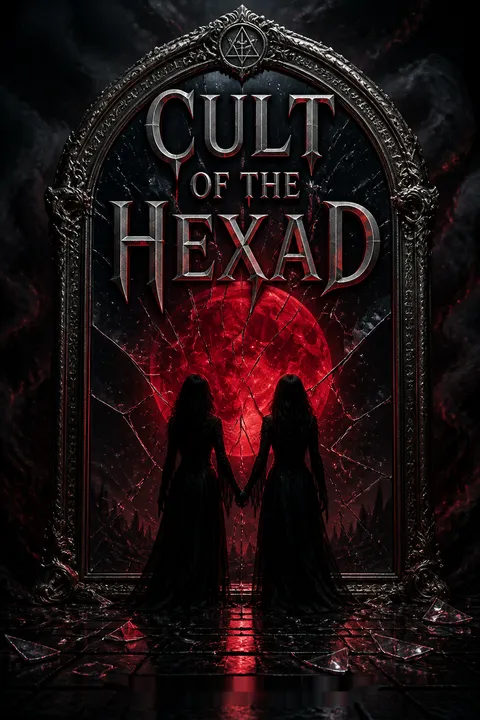


Plot Summary
Prologue
A prophecy warns that a crimson moon will mark the theft of power from nine women, and that time itself is tied to the coming destruction. In the dream that follows, Keira reaches for a life she believes has been stolen, while her husband, Dominic Draven, tries to keep her present.
Yet the dream reverses their positions: Keira is the true life, and the frightened woman watching her is Katie, trapped in another existence. The prologue establishes the book’s central fracture before Katie understands it. She dreams of Keira, but the dreams are not fantasies. They are memories pressing against a life built to conceal them.
The prophecy turns time into both the enemy and the story’s governing resource. The threatened women are not merely victims of a coming ritual. Their stolen power is connected to the protagonist’s stolen past, so cosmic danger and personal dislocation share one mechanism. The dream’s reversal also destabilizes the reader’s assumptions about which life is real. Keira’s conviction that she is awake and Katie’s conviction that she is awake cannot both be true, but the prologue refuses to resolve the contradiction immediately. That delay makes identity itself feel like contested territory, preparing the story to treat memory as something that can be taken, hidden, and recovered.
Katie Counts Toward Freedom
At the Hexad Colony in Pennsylvania, Katie and the girl she believes is her twin, Ari, have spent most of their lives under the control of religious Elders. Their father died in a car crash when they were children, and their mother became a harsh enforcer after bringing them to the isolated community. Now, nearing twenty-five, the sisters count down to the age when they may leave.
Katie’s nights are harder to dismiss: she repeatedly watches another version of herself with a frightening, powerful man, while Ari dreams of a gentle stranger. When Katie refuses her mother’s demand to see a psychiatrist, her mother strikes her and locks her in the basement. The punishment pushes Katie toward the strange visions she has tried to understand.
The Colony’s control works by narrowing the imaginable future. Katie and Ari remember a world before the Colony, which lets them recognize deprivation as deprivation rather than tradition. Their countdown to twenty-five becomes a concrete form of resistance, but Katie’s dreams complicate the escape narrative: the life she longs for may not be the life she has lost. The mother’s violence turns family authority into part of the institution’s machinery. Katie’s refusal is small, yet consequential because it breaks the habit of obedience and leads her into the basement, where buried evidence begins to surface.
The Basement Mirror Breaks
Alone in the basement, Katie discovers a neglected child’s bed, a broken music box, and shards of a mirror she has never noticed before. When the music box plays, the room fills with the smell and sight of blood. A shard shows the frightened woman from her dreams, her wrists cut as she tries to escape a shadowed figure.
Katie understands that the vision is not an ordinary nightmare, though she cannot explain why it feels familiar. Ari helps her climb through a basement window and hides her in a hayloft, where she can recover without being discovered. Katie then experiences a vision in which the two women finally hear one another across the glass. The brief contact suggests the barrier between them is weakening.
The basement converts repression into a physical setting. The Colony has literally placed Katie below the household, among discarded objects and inaccessible memories, while the mirror gives her a view of the life she cannot reach. The self-harm image does not function as spectacle alone. It marks the cost of the hidden history and gives Katie a reason to treat the visions as urgent. Ari’s rescue preserves their bond, but the hours Katie loses in the basement suggest that time is already behaving unnaturally. The first audible exchange makes the dream relationship reciprocal, shifting Katie from observer to participant.
The Barn’s X Frame
Katie sneaks back into the house for a Colony ceremony, but her mother and uncle intercept her and keep Ari out of sight. A vision of girls burning on X-shaped frames drives Katie toward the old barn, where she finds Ari strapped to one of the devices and being whipped by a Righteous Blood. Katie strikes the man from behind with a pitchfork, killing him, then frees Ari and disguises the killing by setting the body alight.
They shout for help so the Colony will see the scene as an attack by the dead man, not an escape attempt. The Elders publicly blame him and send the sisters to a healer. Katie has crossed from resisting the Colony to using lethal force against it, and her mother’s complicity is no longer in doubt.
Katie’s violence is presented as a survival decision, not a sudden transformation into a fearless hero. She acts because Ari’s immediate danger removes the luxury of uncertainty. The cover story matters as much as the killing: Katie understands that truth inside the Colony is governed by whoever controls the public account. By making the Elders condemn one of their own, she reveals their dependence on appearances. Her mother’s staged concern further exposes care as performance. The scene begins Katie’s movement from passive witness to agent, while leaving her unsettled by how instinctive the act feels.
Blood Beyond the Wall
At a cabin in the woods, Katie and Ari spy on the six Elders as they drain a young woman, Bethany, and drink her blood from cups beneath the Hexad symbol. The supposed religious leaders are vampires, and the monthly ceremonies are sacrifices. The sisters flee in a stolen truck, but an immense wall blocks their route out.
Ari insists the Colony’s power depends on her and sends Katie over the wall alone, telling her to find the people in her dreams. Katie’s touch activates protective runes that burn a pursuing vampire, but she cannot get back to Ari. After walking through a storm, she collapses near a road and is taken in by Lucy and Denis, a kind couple who do not know what she has escaped.
The cabin reveals the Colony’s theology as a harvesting system: worshippers are organized around the consumption of young women, and the wall makes that system materially enforceable. Ari’s choice to remain behind repeats the sisters’ protective pattern, but it also leaves Katie with an impossible burden. Escape is achieved only through separation. The runes give the wall a second meaning: it is not merely a boundary but a magical mechanism with rules that can be activated. Lucy and Denis offer a sharp contrast to Katie’s mother, showing care as ordinary acts of shelter rather than control.
A Door Called Afterlife
Lucy nurses Katie back to health, lends her clothes, teaches her to use a computer, and helps her search for the name Afterlife that appears in her visions. At a local fair, Katie befriends Sheriff Dex and meets a mysterious fortune-teller who recognizes her as someone she cannot remember being. The woman calls her Electus and restores a power of sight, then vanishes after warning that Katie’s forgotten identity matters.
Searching online, Katie finds Club Afterlife in Portland and learns its owner is Dominic Draven. Lucy and Denis buy her bus tickets and give her a phone, while Dex offers help if she needs it. Their generosity gives Katie a brief taste of ordinary belonging before she leaves to find the people her dreams keep naming.
Lucy and Denis do more than provide a safe stop. Their hospitality lets Katie test a life in which food, clothing, and affection are not rationed according to obedience. The fair extends that contrast into a public community, while the fortune-teller punctures Katie’s assumption that her visions are private symptoms. Her title, Electus, suggests a role she has not chosen or understood. The online search is deliberately mundane: a supernatural destination is located through a nightclub listing. That collision makes the hidden world seem adjacent to everyday life rather than separate from it.
Lucius at the Rest Stop
On the bus to Portland, Katie meets Luc, a magnetic stranger who seems to recognize her. They kiss during a stop, but before he can explain himself, three Righteous Bloods attack her in a restroom. Luc arrives, reveals himself as a vampire, and defeats them with frightening speed. Katie is then taken aboard a decorated Volkswagen bus by Pip and her husband Adam, who were sent to help her.
The pursuers ram the bus off the road. Katie survives the crash, but the men who seize her are torn apart by an unseen creature, and Pip and Adam disappear in the wreckage. Katie walks on alone, reaches a roadside diner, and hires a taxi to Club Afterlife, carrying the fear that the people who helped her may be dead.
The rest-stop attack makes the Colony’s reach unmistakable: escape has not ended the pursuit, and public roads offer no real safety. Luc’s intervention complicates Katie’s fear of the supernatural, since the vampire who saves her resembles the figure she has misread in her dreams. Pip and Adam replace solitary flight with a comic, improvised form of rescue, but the crash destroys that brief security. The unexplained creature that kills the hunters expands the danger beyond the Colony’s known enemies. Katie’s choice to continue alone is less confidence than necessity, a pattern of survival she has not yet escaped.
The Demon Is Draven
At Club Afterlife, Katie is dragged before its owner and recognizes Dominic Draven as the man she has watched through her dreams. She calls him her demon before fainting. When she wakes in his bedroom, Draven says she is his wife, Keira, and insists that Katie is a name imposed on her. Katie cannot accept this, even as his tenderness and their powerful attraction feel strangely familiar.
His brother Vincent and sister Sophia try to explain that she belongs to their supernatural world, where angels, demons, vampires, and other beings coexist. During a council meeting, Lucius arrives and Draven attacks him after learning that Katie kissed him on the bus. The room’s supernatural inhabitants become visible to Katie, overwhelming her senses.
Draven’s claim creates the novel’s central conflict in intimate form. Katie is not simply being told a fact; she is being asked to surrender the continuity of the self that kept her alive in the Colony. Her attachment to Draven feels real, but it cannot yet authenticate his account of her past. The council scene makes this uncertainty bodily when her sight exposes supernatural forms she cannot process. The confrontation with Lucius also reveals that love in this world is entangled with possession, history, and rivalry. Katie must learn to distinguish coercion from care without dismissing either.
A Past Behind the Glass
Draven tells Katie that a mirror was involved when she vanished, but he cannot explain how she crossed into the Colony or why her memories changed. He admits that he searched across worlds and could not find her. Vincent enters Katie’s memories to recover clues about the people who took her. He sees her escape and discovers that she is connected to Ari through more than the life they remember.
In the same vision, he recognizes the woman he has dreamed of as his Chosen One. Meanwhile, Katie finds a bag of drawings showing a younger version of her mother, and the image exposes the lie at the heart of her upbringing. She identifies the woman as Celina, the person who shaped her life in the Colony.
Memory here is not a neutral archive but a contested environment: Vincent can enter it, yet even he cannot recover everything without risk. His discovery that Katie’s history differs from her remembered life begins to loosen her attachment to the Colony’s account of her identity. At the same time, the revelation of Celina’s image gives the abstract force of manipulation a human face. Vincent’s recognition of his Chosen One parallels Draven’s certainty about Keira, creating a second love story whose future is uncertain. The section makes recovery relational: others can help reveal the past, but Katie must decide what to accept.
The Hexad’s Rune Trap
Katie’s drawings confirm that the wall is covered in runes, and Sigurd, a Viking king who understands their history, deciphers the pattern. The Hexad symbol binds protection, authority, and punishment into a single spell, while a blood ritual strengthens it each full moon. Katie’s uncle Galizur and Celina are linked to the Colony’s leadership, and a new sacrifice is imminent.
Seth arrives at Afterlife searching for his missing Chosen One, RJ, and warns that her trail may connect to Katie’s. With Vincent and Sigurd, Katie forms a counter-spell by casting rune staves. The resulting pattern can undo the Hexad, but only Katie can carry it across the wall, and it requires her blood to activate.
The rune work transforms the conflict from a vague battle against evil into a problem of systems and counter-systems. The Colony’s power is not limitless; it depends on specific symbols, rituals, and human compliance. Sigurd’s expertise shows that traditions can be repurposed, not merely inherited. Katie’s blood becomes both the price and the means of resistance, reversing the Colony’s use of victims’ blood for control. Seth’s search for RJ widens the personal stakes beyond Katie and Ari, while also suggesting the Colony’s conspiracy has touched other lives.
Katie Crosses Alone
Draven plans to cross the wall with his allies, but Vincent knows the runes will repel supernatural beings until the Binding Stone is destroyed. He and Katie conceal this from Draven because he would never permit her to enter alone. Katie arranges a distraction by asking Lucy, Denis, Dex, and the townspeople to draw the Colony’s leaders away.
As the group approaches the wall, Sigurd lifts Katie over it. Draven realizes what is happening and pleads with her to return, but finally promises he will come for her once the barrier falls. Katie climbs down beside the wrecked truck and runs toward the cabin, leaving her friends on the other side. The choice is not a rejection of Draven; it is her attempt to keep the promise she made to Ari.
Katie’s secrecy repeats the protective logic that has shaped her relationship with Ari, but now she chooses the risk rather than being forced into it. Vincent’s decision to help her is an act of loyalty with serious consequences for his bond with Draven. Draven’s promise is a fragile bridge across the wall: he cannot follow her yet, but he gives her assurance that she will not be abandoned. Calling in ordinary townspeople also reverses the Colony’s isolation strategy. The community that once sheltered Katie becomes active resistance, even though its members do not know the supernatural scale of the danger.
RJ Replaces Ari
Katie reaches the cabin expecting to rescue Ari, but the girl tied inside is RJ, Seth’s missing Chosen One. The Elders have taken her for the next sacrifice. Katie waits until most of them leave to confront the town’s angry crowd, then enters the basement and knocks the remaining guard, Godfrey, unconscious.
When he attacks again, she beats him down and stabs him through the eye with her dagger. The room catches fire, but Katie stays long enough to draw the counter-rune on the Binding Stone with her own blood. The roof collapses as she completes the final mark. She frees RJ and shields her from the falling wreckage, though the fire and smoke leave both women trapped and near death.
The unexpected presence of RJ changes Katie’s rescue from a private reunion into a broader act of responsibility. She does not abandon the woman she finds simply because she is not Ari. This is a moral development as much as a plot reversal: Katie’s capacity for care now extends beyond the one person who sustained her. The rune demands blood, making resistance costly in the same bodily currency the Colony has exploited. The collapsing cabin leaves the outcome uncertain, while the protective light around the women suggests that love can become power without making it painless.
The Wall Falls
The counter-rune destroys the Hexad’s barrier, allowing Draven and the others to cross. Draven reaches the burning cabin too late to stop its collapse and believes Keira and RJ have died beneath it.
His grief unleashes his demonic power, but he soon finds both women alive inside a sphere of protective light Keira created without knowing how. The group reaches the Colony as another crisis unfolds: the Elders are opening pathways to the Nine Worlds. Dark elves, a giant serpent, a monstrous wolf, and a dragon pour through the portals.
Draven, Lucius, Sigurd, Ragnar, Seth, and the others battle the creatures while Keira’s powers continue to emerge. The last portal brings Hel, ruler of the underworld, into the Colony, raising the danger beyond the original cult.
The rescue makes Keira’s emerging power inseparable from the emotional bonds that motivate her. The light around her and RJ is not a triumph of technique; it appears when she refuses to face death alone. Draven’s brief belief that she has died exposes how little control his power gives him over loss. The portals then enlarge a cult plot into a cosmological emergency. Each ally’s abilities matter, but the battle is not solved by strength alone. The Colony’s rituals have opened routes into worlds whose rulers and creatures now have reasons to resist being sent back.
The Fathers Lose Their Power
As the battle spreads across the Colony, Adam transforms into a massive beast to fight the dragon, while Jared’s forces battle the wolf and Sigurd attacks the great serpent. Lucius duels Hel, and Draven and Vincent fight a giant warrior.
Keira sees the four remaining Fathers maintaining the portals with rune stones. She takes Sheriff Dex’s gun and shoots them, breaking their concentration and stopping another creature from entering. Ragnar and Sigurd then seize the stones and begin reversing the pathways.
Keira’s intervention does not end the fighting, but it removes the source of the invasion. With the portals closing, Draven can turn from battlefield survival toward the church, where Ari and the ritual’s remaining participants are still in danger.
Keira’s gunshot is an important counterpoint to her supernatural abilities. She does not solve every threat through an inherited gift; she uses an ordinary tool taken from an ally and acts under pressure. This keeps the story’s agency grounded in choices and practical collaboration. The battle’s ensemble structure also contrasts with the Colony’s centralized power. The Fathers depend on coordinated ritual, while the opposition succeeds through many distinct forms of strength. Keira’s attack on the rune keepers changes the strategic situation, making it possible to reach Ari before the ritual is completed.
Ari’s Blood and Jack’s
Inside the church, Keira finds Ari bleeding on an altar while Galizur drains her and Aurora holds Jack, RJ’s brother, at knifepoint. Draven cannot cross the protective salt line because his demonic nature would trigger it. Keira burns the line using Ari’s song as a guide, then attacks Galizur while Draven fights Celina.
The ritual begins to transfer power into Aurora’s unborn child, intended as a vessel for the Titan Cronus. Aurora reveals that she and Celina are sisters, then kills Celina and uses her blood to open a portal. She escapes through it with Jack after cutting his throat. Draven kills Galizur, saving Ari but destroying the memories he held of Keira. Ari survives, while the portal and Jack’s fate remain unresolved.
The church concentrates the book’s competing forms of sacrifice. Ari’s blood sustains the Colony’s power, Celina’s blood opens the escape route, and Jack is treated as a vessel for a larger being. Aurora’s betrayal of her sister shows how the desire to escape one system can reproduce its violence. Keira’s return to the church’s danger is an act of loyalty, while Draven’s decision to kill Galizur trades his own access to the past for Ari’s life. The ending refuses a clean victory: the immediate victims are rescued, but the larger threat leaves through the portal.
Two Sisters Face Their Graves
After the battle, Keira and Ari discover the truth through a newspaper account: the girls they remember as twins died in the childhood car crash that preceded the Colony. The lives they shared there were constructed to hide their identities and control them. Ari has lost her memories too, and the sisters grieve the childhood they believed was real while choosing to remain family by love.
Vincent offers to help Ari search for her own past, and the two leave together on a motorcycle journey. Keira lets her go, knowing that Ari needs space to discover who she is beyond their shared history. Their farewell is painful, but it replaces the Colony’s imposed bond with a relationship they choose to keep.
The newspaper article turns the sisters’ memories into evidence of systematic identity theft. Their grief is not resolved by labeling the past false, because the feelings and acts of care they remember still shaped them. Keira’s choice to call Ari her sister despite the revelation distinguishes kinship from biology without denying the violence of the deception. Letting Ari leave is a new form of protection: unlike their earlier pattern, Keira does not make herself the keeper of Ari’s future. Vincent’s presence offers possibility without demanding immediate intimacy.
The Coin Opens Keira’s Mind
Draven struggles with the loss of the Keira he remembers, though he hides it from her until she overhears his fear that she is not truly home. Wild Bill visits and offers three games of chance in exchange for information, then a favor if Draven loses. Draven loses his Aston Martin and a second wager, but Bill gives him a coin Keira once noticed in Hell.
The coin carries a way back to her memories. Draven wakes Keira and asks whether she wants to risk recovering them. She takes the coin, and the memories return. Keira recognizes the life she shared with Draven, reunites with him, and asks him to marry her again. Her identity is no longer divided between Katie and Keira, though the unanswered prophecy still waits.
The coin makes recovery an ethical choice rather than a simple cure. Draven can offer Keira a path back, but he cannot choose it for her without repeating the control that erased her past. His gamble also dramatizes how little power he has over the outcome: wealth and authority can be lost, but they cannot guarantee the return of memory. Keira’s acceptance integrates rather than erases the life she lived as Katie. The renewed marriage is not a restoration of an untouched past. It is a conscious recommitment made by someone who now understands both loss and return.
Epilogue
After recovering her memories, Keira dreams again of the prison and the unseen woman who has guided her through visions. The woman tells her that a crucial figure is waiting in the Temple, and Keira recognizes the reference as Pythia, the Oracle whose predictions have shaped events from the margins.
Keira understands that the Hexad’s defeat has not ended the larger struggle. She has recovered her identity and returned to Draven, but the Prophecy still requires an answer. The book closes with Keira preparing to seek Pythia, carrying both lives she has lived into the next stage of the conflict.
The epilogue gives emotional closure without mistaking it for narrative completion. Keira has recovered the memories that made her a wife, sister, and member of a supernatural family, yet that restoration now directs her toward a larger obligation. Pythia represents the story’s unresolved relation between foreknowledge and choice: prophecy may reveal a path, but Keira must still walk it. The final movement also reframes the book’s central recovery. She does not simply return to who she was before the Colony. She integrates the survival, attachments, and hard-won agency of Katie into the person who faces the future.
Analysis
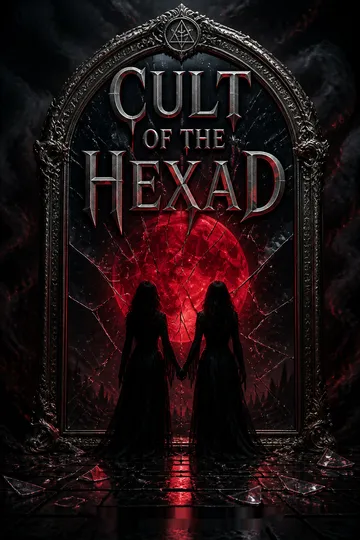
Cult of the Hexad uses a supernatural conspiracy to make a precise claim about identity: memory is essential, but it is not the only proof that a life belongs to someone. Katie’s experiences in the Colony are manufactured, yet her attachment to Ari, her gratitude to Lucy and Denis, and her love for Draven remain emotionally real. The novel therefore refuses an easy distinction between authentic and false experience. What matters is how people act within a life, and whether they can choose their bonds once the deception is exposed.
The Colony’s rituals join institutional authority to bodily extraction. The Elders call their rule religious, but their power depends on surveillance, isolation, blood, and fear. Keira’s counteraction uses the same materials differently: she learns the runes, offers her own blood, and breaks the mechanism that held others captive. The reversal does not make suffering redemptive by itself. It shows that knowledge and agency can change what suffering is used to sustain.
The romantic plot develops alongside this political conflict. Draven’s devotion offers Keira refuge, but his instinct to protect her through secrecy repeats the structure of control she has survived. Their reconciliation depends on her insisting that love requires disclosure, not merely sacrifice. Vincent’s choices and Ari’s departure reinforce the same point: care can include waiting, separation, and the other person’s right to choose.
Finally, the story treats prophecy as pressure rather than a complete script. Keira is repeatedly told that she has a role, but she still must interpret warnings, risk herself, and decide whether to recover her memories. The open ending preserves that tension. She returns to Draven with her past restored, yet Pythia and the Prophecy remain ahead. The book’s central lesson is not that love conquers every danger, but that love gives people a reason to face danger without surrendering their agency.
Review Summary
People Also Read

Characters
Keira, also known as Katie
The divided ElectusKeira is a supernatural woman whose memories have been suppressed beneath the identity of Katie, a girl raised in the Hexad Colony. The split makes her cautious about claims others make on her life, even when those claims come from people who love her. She is observant, funny under pressure, and more courageous when someone else is in danger than when she must defend herself. Her relationship with the girl she believes is her twin gives her a model of loyalty, while Draven’s devotion draws her toward a past she cannot yet trust. Keira’s central struggle is not simply remembering, but deciding how to live with what memory asks of her.
Dominic Draven
The searching demon kingDraven is the powerful ruler of Afterlife and the man Katie sees in her dreams. His authority is immense, but his greatest vulnerability is his attachment to Keira. He tries to protect her by controlling information and managing danger, habits that reveal both responsibility and fear. His devotion is not effortless: he must learn that shielding Keira from painful truths can deepen the distance between them. He is also a brother and leader, responsible for a supernatural community whose survival depends on his judgment. Draven’s strength is most meaningful when it serves partnership rather than command.
Ariana, or Ari
The fiercely loyal sisterAri is Katie’s closest ally in the Colony, protective, resourceful, and more openly defiant than her sister. She comforts Katie after punishment, plans escapes, and gives her a reason to endure the Colony’s cruelty. Her attachment is expressed through action rather than reassurance: she repeatedly places herself between Katie and danger. Ari’s own dreams suggest that her inner life is changing too, although she is reluctant to discuss them. She represents the emotional safety Katie has known, while her own search for identity remains distinct from her bond with Katie.
Vincent Draven
The searching angelVincent is Draven’s brother, an angelic being whose calm manner conceals intense loyalty and private longing. He uses his ability to enter memories to investigate what happened to Keira, but the work affects him personally when it connects him to Ari. Vincent is willing to take risks for people he loves, yet he understands that devotion can become an imposition if he demands an answer too soon. His relationship with Draven is close enough to survive disagreement, though their choices can wound each other. Vincent’s restraint is not passivity; it is an effort to let another person choose.
Lucius
The vampire allyLucius is a powerful vampire and Draven’s old friend, though their history is strained by his feelings for Keira. He saves Katie from the Colony’s hunters and later stands with Draven against the supernatural invasion. Lucius is irreverent, dangerous, and emotionally more disciplined than his bravado suggests. He knows the limits of what he can claim from Keira, even when his feelings remain strong. His loyalty is tested not by a lack of desire but by his willingness to act in the interests of people he cares about, including the man he once opposed.
Pip
The irrepressible rescuerPip is a brightly dressed, quick-witted supernatural ally whose jokes keep fear from owning every room she enters. She and her husband Adam arrive to help Katie escape the Colony’s pursuers. Her humor is not denial; she remains alert to danger and deeply attached to her friends. Pip’s restless energy gives the group warmth, while her affection for Adam reveals a tender seriousness beneath her teasing. She is one of the first people to make Katie feel welcomed in the supernatural world.
Adam
Pip’s steadfast husbandAdam is Pip’s husband and a steady presence amid her fast-moving humor. He drives the customized bus that carries Katie away from the rest stop and remains attentive to Pip’s safety even when her plans become chaotic. His loyalty is practical: he acts, protects, and keeps the group moving. Adam’s supernatural nature gives him formidable strength, but his defining quality is his calm devotion to his wife and the people she takes into her care.
Sophia Draven
The protective sisterSophia is Draven and Vincent’s sister, warm toward Keira and willing to challenge her brothers when their protectiveness becomes secrecy. Her humor softens the formality of the Afterlife household, but she also recognizes when family members are avoiding painful truths. Sophia’s marriage to Zagan gives her a secure place within the Draven family and a perspective grounded in partnership. She becomes a bridge between Keira and the supernatural circle that already considers her family.
Zagan
Sophia’s devoted husbandZagan is Sophia’s husband, a gentle and composed presence whose appearance is striking but never made a barrier to his kindness. He supports Sophia without trying to manage her feelings for her, and he respects Keira’s need to find her footing among the Dravens. His steadiness offers a quiet contrast to the volatile power and rivalries surrounding the family.
Sigurd
The rune wise Viking kingSigurd is a Viking king with deep knowledge of runes and a mischievous, provocative manner. He jokes freely, but he understands the old symbols that make the Colony’s barrier possible and helps Keira devise a counter-spell. His bluntness can hide serious care for people he considers family. Sigurd is skeptical of authority and does not seek a crown’s duties, yet when danger comes he stands in the fight.
Ragnar
The formidable protectorRagnar is a powerful supernatural warrior and Sigurd’s father, serving as a protector within Draven’s circle. His physical presence is intimidating, but he respects Keira and recognizes her courage. Ragnar understands the danger of the Nine Worlds and helps explain the creatures and powers released by the Colony’s rituals. He embodies strength guided by loyalty rather than hunger for status.
Seth
The troubled ChosenSeth is a powerful being searching for RJ, the woman he regards as his Chosen One. His struggle with his own demonic side makes him wary of intimacy and difficult to predict. He approaches Afterlife in anger, but his search reveals how deeply he fears losing the person bound to him. Seth’s story parallels Draven’s and Vincent’s while emphasizing that love does not automatically make someone ready to accept it.
RJ
The missing ChosenRJ is a young woman with pink hair, a sharp temper, and a fierce loyalty to her brother Jack. Her refusal to accept Seth’s rejection does not erase the hurt it caused, and she carries herself as someone unwilling to be defined by another person’s choice. Her captivity connects her to Katie’s fight against the Colony, while her determination gives Seth a reason to confront his own fears.
Lucy
The generous shelterLucy is the kind woman who takes Katie in after finding her exhausted on the road. She offers food, clean clothes, a phone, and practical help without demanding an explanation before showing compassion. Her relationship with Denis gives Katie a glimpse of affectionate domestic life. Lucy’s easy generosity becomes a counterexample to the controlling care Katie has known from her mother.
Denis
Lucy’s steady partnerDenis is Lucy’s husband, a good-humored man who supports her instinct to help Katie. He buys her bus tickets and treats her departure as a difficult but necessary step toward safety. His quiet confidence gives Katie a model of care that does not need to dominate or possess. He and Lucy together represent the ordinary kindness she has been denied.
Dex
The small-town sheriffDex is a local sheriff who meets Katie at the fair and offers her straightforward kindness, humor, and practical help. He is attracted to her but does not force closeness when she has unresolved matters to face. His willingness to help gather the town later makes him part of the ordinary world’s response to danger, even though he does not understand its supernatural scale.
Celina
The false motherCelina appears in Katie’s life as a strict mother and guardian, enforcing the Colony’s rules with religious language and emotional cruelty. She is associated with the pressure to obey and with the past Katie cannot remember. Her role in the Colony raises questions about the difference between parental authority and genuine care. Celina’s composed public face makes her difficult for Katie to read, which is part of what gives her influence.
Aurora
The dangerous cousinAurora is presented within the Colony as Katie and Ari’s cousin, a favored young woman whose status gives her unusual influence. She is confident and accustomed to being obeyed, while her place in the Colony is surrounded by rumors and prophecies. Her connection to Seth and to the Hexad’s inner circle makes her a significant figure in the mystery surrounding Katie’s life.
Galizur
The Colony patriarchGalizur is the Colony’s senior authority and Aurora’s father. His calm, controlled manner makes him more frightening than an openly volatile leader, because punishment can arrive without warning. He directs the community’s rituals and expects obedience from its families. His role shows how religious authority and family power can reinforce one another.
Pythia
The veiled OraclePythia is an Oracle whose predictions and interventions shape the events surrounding Keira, though she remains distant and difficult to understand. Her messages appear through dreams, visions, and instructions that only become clear later. She represents the pressure of a future that has been foretold but still requires Keira’s action. Pythia’s knowledge is powerful, but it does not remove the need for choice.
Wild Bill
The gambler with a debtWild Bill is a legendary gambler and supernatural figure who deals with Draven through wagers rather than straightforward bargains. His manners are dry, his cards precise, and his sense of debt unusually strict. He has a personal connection to Keira’s journey through Hell and possesses knowledge that may prove useful. Bill treats chance as a serious moral transaction rather than a game.
Jack
RJ’s loyal brotherJack is RJ’s brother, a young man who joins her search for Katie after believing he can help. He is loyal to his sister and willing to trust people he thinks are acting for a friend. His connection to the Colony’s plans makes him important to the wider mystery.
Morgan
The shadow in the visionsMorgan is a threatening figure who appears in Keira’s vision of the basement and claims a connection to her past. His presence is brief but unsettling, bringing the danger of forgotten memories into the present. He is associated with a warning that the past may not remain buried.
Bethany
The Colony’s latest victimBethany is a young woman whose departure from the Colony is presented as a ceremony. Her fate reveals the brutal truth concealed beneath the community’s public rituals and helps Katie and Ari understand the danger they face.
Plot Devices
The Hexad Colony
A prison disguised as faithThe Colony appears to be a strict religious community in which young adults may choose whether to remain after turning twenty-five. Its rules isolate families, suppress dissent, and turn public ceremonies into tools of obedience. Beneath the religious surface, the six Elders use blood sacrifices to maintain a magical barrier and protect their plans. The Colony therefore functions as both Katie’s false home and a literal enclosure. Its strict separation from the outside world makes escape difficult, while the familiar language of family and faith disguises predation. The device joins social control to supernatural power, making belief itself part of the trap.
The Mirror and Missing Memories
A window between identitiesKatie’s dreams show her another woman through a mirror-like barrier, first as a silent observer and later as a participant. The image is not simply a supernatural vision. It represents Keira’s memories and the identity hidden beneath Katie’s imposed life. The mirror lets the story reveal information gradually, tying strange physical details in the Colony to events in Keira’s past. Its shattering and eventual opening mark changes in Katie’s access to memory. The device makes amnesia active rather than empty: the missing past exerts pressure, sends warnings, and shapes Katie’s choices before she understands why.
Runes and the Binding Stone
A spell with a counterspellThe Colony’s wall is protected by runes and a Binding Stone marked with the Hexad symbol. Monthly sacrifices reinforce the barrier, keeping the supernatural world out and the Colony’s victims inside. Sigurd interprets the runes and helps Keira create a counter-pattern that can undo the spell. The counterspell requires her blood, making her body the means of liberation as well as the target of the Colony’s rituals. The device gives the climax a concrete task: identify the magical structure, learn its rules, and alter it before the next sacrifice. It also ties the story’s interest in time and blood to a specific mechanism.
The Nine Worlds Portals
The cult opens cosmic pathwaysThe Fathers use rune stones and blood rituals to open paths to the Nine Worlds. The resulting creatures arrive in stages, turning the Colony’s conflict into a large-scale supernatural battle. Each portal raises the stakes and reveals that the cult’s work extends beyond protecting its own members. The portals also explain why the enemy must be stopped at its source: defeating individual creatures cannot end the invasion while the Fathers remain able to open new routes. Keira’s attack on the ritual leaders allows Ragnar and Sigurd to reverse the process. The device connects the book’s local horror to its wider Prophecy plot.
The Centreless Coin
A wager that restores memoryWild Bill’s coin becomes the means by which Draven can offer Keira a path back to her memories. Its history links it to Keira’s earlier journey through Hell, while its empty center gives it symbolic and practical importance. Draven must gamble away possessions and accept an uncertain favor before Bill gives him the coin. The final choice remains Keira’s: she takes it herself, allowing the memories to return. The device ties chance to agency, since the wager opens an opportunity but cannot decide what Keira will do. It converts an object associated with loss into a key for voluntary recovery.
Afterlife Saga Series

About the Author
Other books by Stephanie Hudson

Download PDF
Download EPUB
.epub digital book format is ideal for reading ebooks on phones, tablets, and e-readers.








