

Plot Summary
Prologue
In the darkness, Joanne carries four-month-old Evie out of the house, convinced that a single cry will expose them. She reaches her Range Rover and fastens Evie into the car seat. An upstairs light suddenly flares.
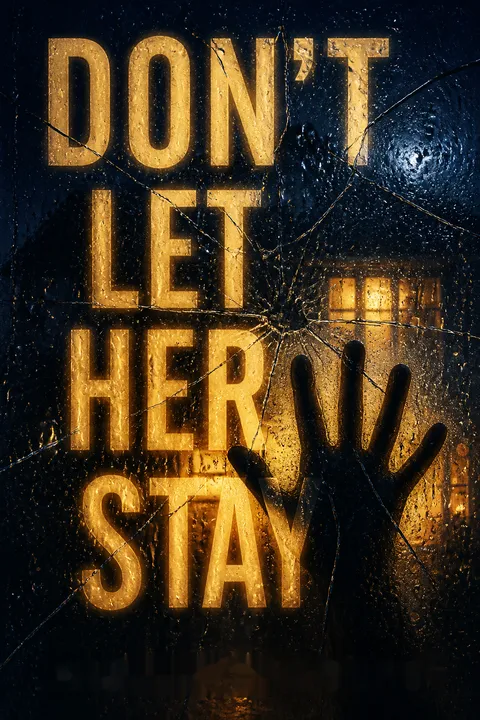
At the nursery window, a woman appears against rising smoke, palms pressed to the glass as Joanne turns away and drives. The glimpse offers no explanation, only a question: whom has Joanne left behind, and why?
The opening makes escape look like betrayal before the reader knows who is in danger. Joanne’s attention narrows to the practical needs of a baby, while the woman at the window becomes an image that resists easy judgment: victim, captor, or someone Joanne has failed to save. The withheld context creates the thriller’s central perceptual problem. We see what Joanne sees, but not what it means. By beginning at the apparent point of abandonment, the book primes us to revise our loyalties as the story supplies its missing causes.
The Handwritten Envelope
Three weeks earlier, Joanne Atkinson spends most days alone in a large country house with four-month-old Evie. Her husband, Richard, works late; the cleaner, Roxanne, keeps earbuds in, and even the post offers a brief hope of company.
Joanne misses her estate-agent job and asks former colleague Shelley about working from home, then tells Richard the opportunity arrived through Shelley rather than admitting she requested it. A handwritten envelope addressed to Richard arrives without a return address.
Joanne suspects Isabella, the ex-fiancée Richard once loved, and turns the letter over in her hands instead of opening it. Her insecurity grows from more than jealousy: motherhood has narrowed her world, and she worries Richard may prefer the life he had before her.
Joanne’s loneliness is not merely a setting detail; it changes how she interprets ordinary events. A letter becomes a possible romantic threat because her days have lost the external roles that once steadied her sense of self. Her invented version of the job offer also establishes a small but consequential habit of self-editing. She knows Richard is unlikely to forbid her from working, yet she fears disappointing the image of domestic happiness they built together. The house promises security and abundance while leaving her socially stranded, an arrangement that makes later doubts about her own judgment especially potent.
Richard's Family Invitation
When Richard finally opens the envelope, he discovers a letter from Chloe, his twenty-year-old daughter from his first marriage. Chloe has been estranged from him since he married Joanne, but now wants to visit and meet Evie. Richard is overjoyed.
Joanne recalls how they met: she was showing Richard and Isabella a house when a cellar door trapped her; Richard escaped through a narrow opening and returned to help her, and their shared confidences soon became a romance.
Chloe’s mother, Diane, died when Chloe was eleven, and Richard sent his grieving daughter to an elite Swiss boarding school. Joanne hopes her visit will complete their family. Richard collects Chloe from the station, while Joanne prepares to welcome someone she has never met.
The story places the new marriage inside a family history Joanne knows only through Richard’s account. Her own bond with him began when he rescued her from a cellar, an origin that makes his protectiveness feel both intimate and dependable. Chloe’s arrival therefore tests not just a stepmother’s patience but Joanne’s understanding of the man who first made her feel safe. Richard’s account of Chloe’s grief invites compassion while leaving key absences around Diane’s death. Joanne enters the visit eager to heal a rupture she did not create, but her eagerness also makes her vulnerable to treating acceptance as something she must earn.
The New Nanny
Chloe arrives polished and apparently sweet, but her manner changes when Richard leaves the room. She criticizes Joanne’s age and forgetfulness, handles Evie awkwardly, and resists giving the baby back when she cries.
At dinner, Chloe reveals she has quit college and offers to live with the family as Evie’s nanny. Joanne has just hired Paula, a local caregiver with strong references, but Richard welcomes Chloe’s offer and expects Joanne to cancel Paula. Joanne gives in, hoping work and time together will help them become close.
On a village outing, Chloe wanders off, then insists Joanne gave her the wrong meeting place. She later mocks Joanne’s memory, leaving the new stepmother unsure whether she misunderstood or has been deliberately unsettled.
Chloe’s shift between girlish warmth and cutting appraisal keeps Joanne from settling on a stable interpretation. Each slight is small enough to dismiss, yet the repeated insistence that Joanne forgets things begins to alter the terms of their relationship: Joanne must defend not only her choices but her account of what happened. Richard’s decision to replace Paula with Chloe turns a family reunion into a caregiving arrangement before trust has formed. The baby becomes the point where affection, authority, and access converge. Joanne’s desire to welcome Chloe makes refusal feel like proof of hostility, even when her unease is grounded in observable behavior.
The Calpol in the Dark
When Joanne shows Chloe how to feed Evie, Chloe panics as soon as she is left holding the baby and thrusts her back into Joanne’s arms. She asks Joanne not to tell Richard, claiming she only needs practice. Later, Joanne wakes to a dark baby monitor and finds Chloe in the nursery bathroom holding Evie’s Calpol beside a broken bottle.
Chloe says she heard Evie crying and planned to soothe her teething gums; Joanne insists the baby had been quiet. Richard arrives and comforts Chloe as she cries that Joanne hates her. Joanne, already frightened, grips Chloe’s wrist and accuses her of lying. By morning Richard calls Joanne’s reaction excessive and urges her to see Dr Fletcher, linking her suspicion to her mother’s postpartum psychosis.
The broken bottle gives Joanne a physical fact, but not a decisive explanation. Chloe’s earlier panic makes her nighttime presence alarming; Evie’s tears and a fallen monitor make her account plausible. Richard resolves this ambiguity by treating Joanne’s mental history as the main evidence, shifting attention from what Chloe did to whether Joanne can be trusted to describe it. That move is psychologically powerful because Joanne already fears inheriting her mother’s illness. Her apology is not a resolution; it is a concession made under pressure, and the secret promise she keeps for Chloe helps isolate her from the person whose judgment might otherwise steady her.
The Missing Babysitter
After apologizing, Joanne asks Chloe to watch Evie during an estate-agency meeting. Chloe agrees, then disappears. Joanne repeatedly leaves the video call to calm and feed her crying daughter, while colleagues wait for answers.
When Chloe returns, she denies knowing about the meeting and says Joanne is losing her mind like her mother. Richard initially accepts Chloe’s explanation and reveals that he has told her about Joanne’s childhood.
Later, Chloe uses the household’s six eggs to make a surprise cake after Joanne planned a quiche; when Joanne objects, Chloe cries and Richard blames his wife for rejecting a kind gesture. Joanne recognizes the trap but cannot prove intent. Feeling watched and discredited, she asks friend Robyn how to test the broken medicine bottle and buys hidden cameras.
The pattern of contradiction escalates from private discomfort to practical harm: Joanne’s work suffers, then her reputation within the family does. Chloe’s tactics succeed because each incident can be reframed as a misunderstanding or an attempted kindness, while Joanne’s anger becomes the most visible evidence in the room. Richard’s disclosure of Joanne’s psychiatric family history gives Chloe a ready-made language for discrediting her. The cameras and laboratory test are Joanne’s attempt to replace contested memory with material proof. Yet surveillance also signals how far trust has collapsed: she can no longer ask her husband to help interpret events without fearing that he will turn the question against her.
A Birthday Salvaged
Chloe has also told Joanne the wrong date for her twenty-first birthday party. Richard catches the mistake on the morning Joanne believes the party is still a day away. Rather than argue, Joanne calls caterers until one accepts the last-minute booking, shops with Evie, and bakes a Black Forest cake herself.
Chloe arrives home claiming Joanne canceled the celebration and embarrassed her friends, but Richard sees the prepared room and challenges her story. Chloe retreats upstairs, leaving the guests absent and the costly food untouched.
Richard spends the evening with Joanne, and for once he accepts that Chloe may have behaved badly. The next morning, they find the Harrods gift card they chose for her cut into pieces. Joanne’s brief vindication does not survive the next argument.
The party is the first test of whether concrete effort can outweigh a persuasive performance. Joanne responds to a threatened humiliation by doing visible work, and Richard’s temporary support shows that her account can still reach him when the evidence is immediate. But the cut gift card turns the apparent victory into another private act of hostility, one that does not explain itself to Richard. The episode also reveals the cost of Joanne’s accommodation: she spends money, labor, and emotional energy making a welcome Chloe then refuses. Her resilience is real, though it is increasingly spent on managing the family’s story rather than building a life beyond it.
The Cameras Disagree
Joanne sends glass from the broken Calpol bottle to a laboratory and hides cameras around the house. The results confirm the liquid was genuine medicine, not poison. Footage deepens her confusion: Chloe enters Evie’s nursery while Joanne and Richard are downstairs, gently settles the restless baby, and leaves her safe.
Yet another recording shows Chloe crouched in the dark nursery before Richard arrives to comfort Evie. Joanne cannot explain the shadow, and her surveillance is discovered after Chloe finds a camera. Richard destroys it and accuses Joanne of spying on his daughter. He also tells Joanne that Diane’s death was officially ruled suicide, not cancer, and reveals that he and Diane lost a baby named Sophie before Diane died.
The recording refuses to function as the simple proof Joanne wants. It shows care where she expects danger and an unexplained presence where she expects ordinary behavior. This contradiction is more destabilizing than a clear accusation because it denies both easy trust and easy certainty. Richard’s reaction to the camera turns a method of protection into a breach of family privacy, while his new disclosures revise the past Joanne thought she understood. The title of the episode’s evidence is not that cameras reveal truth, but that images still require interpretation. Joanne is left with more facts and less confidence about what they mean.
The Reporter Remembers
Joanne searches old news reports about Diane and learns that police once treated the fall as suspicious. Journalist Jim Preston tells her that Chloe first claimed an intruder was present, then withdrew the story.
The house’s phones had all been unplugged, though Chloe had reportedly made a habit of disconnecting them, and investigators found no outsider on the security footage. Jim also recalls that Chloe spent three months in a child psychiatric clinic after Diane’s death.
Joanne now suspects Chloe may have harmed Sophie or Diane, but Richard says Chloe was staying with her grandparents when Sophie died. He prepares to travel to Amsterdam, insisting Joanne take her medication and arranging for Roxanne to stay. Jim later corrects Richard’s account: Chloe was at home when Sophie died.
The reporter supplies a competing archive, not a verdict. His recollections connect the unplugged phones, the changing intruder story, and Chloe’s treatment, but each detail remains open to more than one explanation. Joanne’s suspicion shifts from present-day hostility toward a possible pattern in the family’s past, making her vulnerable to overreading as well as to genuine warning signs. Richard’s claim about Chloe’s absence at Sophie’s death briefly closes the question, until Jim contradicts it. The conflict now concerns who controls the family’s memory. Records, testimony, and personal recollection all disagree, while the looming business trip removes Richard from the house at a crucial moment.
The Nursery Lock
Before Richard leaves, Joanne learns Chloe has contacted their solicitor about a will, though Chloe describes it as a matter of her inheritance from Diane. Jim tells Joanne that Richard’s earlier business was in trouble, and he later warns that the current firm may be tied to a Ponzi scheme. While Richard is away, Joanne finds the garden fish dead and asks Simon to install a lock on the nursery.
She sends Chloe to buy nappies so Simon can work unseen. When Chloe returns, she is holding Evie and warns Joanne that Richard is coming to kill them; she claims he murdered Diane and plans to frame her. Richard appears, and Chloe locks herself with Evie in the bathroom. Joanne discovers the landline is dead and Roxanne has been told not to come.
The household’s familiar safeguards become suspect. The nursery lock, once a practical protection, now separates mother from child; the dead fish suggest deliberate interference but do not identify its source. Chloe’s claims align with some of Jim’s warnings about Richard, yet she delivers them while holding Evie and controlling access to her. The missing phone and canceled help make the danger immediate while also preventing Joanne from testing either woman’s story. Financial motives enter the domestic space through wills, insurance, and business rumors. The thriller’s central uncertainty becomes a literal confinement: Joanne must choose whom to believe before she can choose how to get out.
The Basement Bargain
Richard returns carrying an axe and says he will get Evie back. Joanne initially trusts him, but Chloe insists he secretly came home and killed Diane, using a stand-in business partner to cover his absence.
She says his finances and large life-insurance policies give him reason to kill Joanne and Evie, then make her the scapegoat. When Richard breaks through the nursery door, Joanne and Chloe flee downstairs through petrol-soaked corridors and shelter in the basement.
Joanne’s phone has no SIM card, but an old message from Jim mentions Richard’s failing business. Watching the remaining camera feed, they see Richard search the house with an axe and shotgun. Chloe explains that she had been hiding in the nursery to watch over Evie, not to harm her.
The basement reverses the cellar scene that began Joanne and Richard’s romance: the place associated with Richard’s rescue now shelters Joanne from him. But safety depends on accepting Chloe’s account, the very person Joanne has spent weeks fearing. The surviving camera feed becomes an imperfect witness, showing Richard’s search but not settling every earlier accusation. Chloe’s story supplies motives and mechanisms, yet it also arrives at the precise moment she needs Joanne’s cooperation. Their alliance is therefore both emotionally necessary and epistemically fragile. Joanne must trust another woman without being able to verify the truth, a sharp reversal of the isolation that made her dependent on Richard.
Smoke at the Gate
Chloe leads Joanne and Evie from the basement as fire spreads through the house. She draws Richard upstairs by breaking a window, giving Joanne time to drive away with Evie. Joanne sees Chloe trapped at the smoke-filled window, turns back, and strikes Richard with an umbrella when he emerges with the shotgun.
She finds Chloe hiding in her office and carries the injured Oscar downstairs through the flames. Outside, Richard pursues them and demands the car keys; Oscar attacks him, and Joanne takes the shotgun and orders Richard to open the gate.
Chloe then shoots her father, saying she has exacted payback for Diane, Sophie, Joanne, and Evie. She briefly points the weapon at Joanne before lowering it. They tell police the gun discharged during a struggle.
The climax makes rescue morally unstable. Joanne’s return fulfills the promise she made in the basement, but the act also exposes her to the man she has just struck and leaves the final use of force to Chloe. Richard’s attempt to control the story continues even as his violence becomes undeniable; Chloe’s revenge ends the immediate threat but does not establish what she intended before the fire. Her momentary aim at Joanne prevents the survivors’ alliance from feeling secure. The house, once a symbol of Richard’s provision, becomes the physical evidence of a family system built on secrecy and lethal control. Escape saves them, but does not settle the truth.
Epilogue
Two months later, Joanne and Chloe live together in Islington, and Chloe plans to return to college. At Diane and Sophie’s graves, Joanne later visits Diane’s mother, Helen, who insists Chloe once confessed to pushing Diane. Helen identifies the worn baby photograph Chloe carried as a picture of Chloe, not Sophie, and recalls traces of paracetamol in Sophie’s system.
Solomon confirms Chloe had asked about Richard’s will after learning Joanne was pregnant, not about an inheritance from Diane. These details overturn the rescue story Joanne accepted. Helen’s confused belief that the dead business partner is still alive complicates her testimony, but her final warning leaves Joanne afraid to let Chloe stay.
The ending refuses the comfort of a clean survivor narrative. Joanne has escaped Richard’s violence, yet new evidence makes Chloe’s account of that danger look strategic rather than wholly protective. The baby photograph, the timing of the will inquiry, and Helen’s report of a confession align in a pattern that Joanne can no longer dismiss. Still, Helen is demonstrably confused about Alfred, so her testimony cannot function as unquestionable proof. The final uncertainty is ethical as well as factual: Joanne’s bond with Chloe was forged under threat, and the home they build afterward may reproduce the very dependence she has just escaped. Safety remains a question, not a destination.
Analysis
The novel organizes suspense around a problem of credibility rather than a simple search for a hidden culprit. Joanne’s postpartum exhaustion and her mother’s history make her fear of mental illness credible to herself, while Chloe’s contradictory behavior and Richard’s selective disclosures make her suspicions credible to the reader. Each new piece of evidence changes the balance without securing it: the medicine test clears one bottle, the cameras show tenderness and concealment, and the journalist’s account challenges the family’s official past. This structure makes gaslighting effective not because Joanne is foolish, but because her social position is genuinely precarious. She is isolated, economically dependent on a wealthy husband, newly responsible for an infant, and repeatedly told that ordinary memory failures prove inherited instability. Her struggle is therefore also a struggle over who has the authority to name reality. The domestic setting sharpens that question. Richard’s locks and cameras promise safety, but the same architecture can limit movement and communication. The house becomes a system of managed access, where care and control are difficult to distinguish. Chloe’s apparent rescue then offers emotional relief while remaining morally ambiguous. Joanne’s return through the fire is an act of loyalty, but it does not resolve whether Chloe’s version of the past is true. The final evidence from Helen and Solomon casts suspicion backward onto Chloe, yet Helen’s confusion prevents the ending from becoming a courtroom verdict. The title’s warning arrives after Joanne has chosen to let Chloe stay, turning the apparent resolution into a renewed test of judgment. The book’s most unsettling insight is that survival may require trust before certainty, while safety requires recognizing that trust can itself be manipulated.
Review Summary
Don't Let Her Stay receives mixed reviews, with ratings ranging from 1 to 5 stars. Many readers found it gripping and suspenseful, praising its twists and psychological tension. However, others criticized the unlikeable characters, especially the naive protagonist and manipulative stepdaughter. Some felt the plot was predictable or unrealistic, particularly towards the end. The book's pacing and writing style divided opinions. Several reviewers mentioned feeling stressed or questioning their sanity while reading, indicating the story's intense emotional impact.
People Also Read







Characters
Joanne Atkinson
Isolated new motherJoanne is a former estate agent, Richard’s second wife, and the mother of infant Evie. She begins the story hungry for adult conversation and uncertain whether domestic life has erased the capable, independent person she used to be. Her affection for Richard and desire to welcome his daughter make her quick to accommodate others, even when her instincts tell her to pause. She also carries a private fear inherited from her mother’s history of postpartum psychosis, which makes accusations about her memory especially destabilizing. Joanne’s practical resourcefulness persists beneath her self-doubt: she searches records, seeks outside help, and keeps trying to protect her child while questioning her own interpretation of events.
Chloe
Richard's estranged daughterChloe is Richard’s adult daughter from his first marriage and Evie’s much older half-sister. She returns after a long estrangement, carrying a history shaped by childhood bereavement and a complicated dependence on her father. Around Richard she can appear affectionate and playful; alone with Joanne, she is more difficult to read, alternating between withdrawal, provocation, and apparent vulnerability. Her quick changes in tone make other people unsure how much is performance and how much is pain. Chloe’s relationships are marked by a fierce need for belonging and a resistance to being treated as a child, even as she sometimes relies on childish displays to draw attention and protection.
Richard Atkinson
Protective, wealthy husbandRichard is Joanne’s older husband, Chloe’s father, and Evie’s father. A successful-seeming financier, he provides a grand home and surrounds his family with practical safeguards, from window locks to a carefully chosen baby monitor. He is warm and attentive when reassuring Joanne, but he can become controlling or sharply angry when he feels challenged. Richard carries unresolved grief and guilt about his first family, and his instinct is to manage painful subjects by keeping them private. His desire for family harmony often leads him to decide whose account is credible before he has examined the disagreement itself.
Evie
Joanne's infant daughterEvie is Joanne and Richard’s four-month-old daughter, still dependent on bottles, naps, and constant care. Her crying, teething, and need for feeding shape the rhythms of the household and repeatedly force Joanne to choose between work and immediate caregiving. She responds readily to affection and becomes an emotional center for both her mother and her half-sister. Because she cannot explain what has happened around her, adults project their fears and loyalties onto her, making her safety the most urgent measure of their behavior.
Roxanne
The household cleanerRoxanne cleans for the Atkinsons and lives close enough to the village to move easily between the house and town. Joanne tries to turn their weekly visits into companionship, but Roxanne often keeps emotional distance and sometimes spends time with Chloe. Her position gives her access to small pieces of household information without making her a confidante to either woman. She is practical, independent, and unwilling to be drawn into family conflict unless directly asked.
Simon
The local gardenerSimon maintains the Atkinsons’ grounds and lives nearby with his injured father. He is physically capable, friendly, and accustomed to helping with practical tasks around the property. Joanne sees him as a reassuring presence in the isolated house, while Chloe’s attention toward him adds to Joanne’s unease. His role is rooted in the estate’s everyday upkeep, a reminder that the family’s private world depends on people who live just beyond its gates.
Robyn
Joanne's trusted friendRobyn has been Joanne’s closest friend since school and is now a lawyer and mother of twin boys. Unlike the people in Joanne’s house, she listens without immediately diagnosing or dismissing her. Her professional experience helps Joanne find a laboratory capable of testing the medicine bottle, while their shared memories remind Joanne that she has trusted her instincts before. Robyn offers support rather than certainty, encouraging Joanne to act without pretending she can solve the danger from afar.
Diane
Richard's first wifeDiane was Richard’s first wife and Chloe’s mother. Joanne initially understands her through Richard’s guarded memories, which describe a painful family loss while leaving much of Diane’s life unspoken. She remains an important presence in the story through the conflicting accounts of her marriage, her mental health, and her relationship with Chloe. The gaps around Diane’s history shape both Richard’s protectiveness and Chloe’s distrust.
Sophie
The younger Atkinson childSophie was Richard and Diane’s infant daughter, born years after Chloe. Her brief life is known to Joanne only through family accounts, photographs, and old reporting. The circumstances surrounding her remain a source of grief and disagreement, while her place in the family’s history influences how Richard and Chloe respond to Evie.
Jim Preston
The former local reporterJim Preston covered Diane’s death for a local newspaper before changing careers to work as a data analyst. He remembers details that never made it into the published story, including inconsistencies in Chloe’s account and the investigation’s concerns. Jim is cautious about separating suspicion from proof, but his recollections give Joanne a reason to examine the family history more closely. His later warning about Richard’s business connects the domestic mystery to financial risk.
Helen
Diane's motherHelen is Diane’s elderly mother and Chloe’s grandmother. She keeps family photographs and memories that Joanne has never seen, but her age and confusion make it difficult to know when recollection becomes mistaken belief. Her perspective offers a counterweight to Richard’s account of the past, particularly in how she describes Chloe’s childhood. Helen is blunt, proud of her independence, and emotionally guarded even when grief surfaces.
Solomon
The family solicitorSolomon is the Atkinsons’ family solicitor. His calls and records connect Chloe’s questions about Richard’s will to the family’s changing circumstances. He handles legal matters matter-of-factly and supplies Joanne with dates, not interpretations.
Isabella
Richard's former fiancéeIsabella was Richard’s former fiancée before he met Joanne. Joanne once showed them a house they planned to buy together, and she later becomes a focus for Joanne’s insecurity when Richard remains in contact with his past. Isabella’s brief presence in the story reflects Joanne’s fear that she has replaced someone more polished and established.
Shelley
Joanne's former colleagueShelley is Joanne’s former colleague at the estate agency and a friend from her working life. She discusses a possible return to work and helps Joanne reconnect with a professional identity beyond motherhood. Her busy office offers a glimpse of the social rhythm Joanne misses.
Paula
The vetted nannyPaula is a local caregiver recommended by a reputable agency. She studies infant psychology and has strong references from families she has worked for. Joanne likes her during the interview, but family pressure prevents Paula from taking the position.
Dr Caroline Fletcher
Joanne's GPDr Caroline Fletcher is Joanne’s doctor. She evaluates Joanne’s anxiety and recommends medication to ease it. Her measured response contrasts with Richard’s more alarming assumptions about Joanne’s mental health.
Plot Devices
The Nursery Cameras
A disputed visual recordJoanne buys small wireless cameras after fearing Chloe may have tampered with Evie’s medicine. She hides them in the nursery and other parts of the house, hoping recorded images will settle arguments that Richard treats as symptoms of Joanne’s paranoia. The footage instead complicates her judgment: Chloe appears tender with Evie, but another clip shows her crouched in the dark nursery. Richard discovers one camera and deletes the app, while Joanne later uses remaining devices to watch the house during the crisis. The cameras make observation possible without making interpretation reliable.
The Calpol Test
A chemical check on suspicionAfter finding Chloe with a broken bottle of Evie’s Calpol, Joanne saves the glass and asks a laboratory to verify its contents. The test confirms the liquid was genuine infant medicine, weakening Joanne’s belief that the bottle was poisoned. The result cannot explain why Chloe was in the bathroom or what became of another bottle she later says she bought. It therefore distinguishes the material fact from the larger question of intent, while making Joanne doubt whether her fear is justified.
The Baby Photograph
A contested family memoryJoanne finds an old, worn photograph of a baby among Chloe’s belongings and assumes it may show Sophie, the infant daughter whose death Richard has concealed from her. Chloe initially allows Joanne to believe the picture is of herself as a baby. Much later, Helen identifies it as Chloe, not Sophie. Chloe also presents it to Richard during the final confrontation, using the image to force him to face the family history. Its shifting identity makes the photograph a clue whose meaning depends on who is telling the story.
The Family History
A past with competing accountsThe deaths of Diane and Sophie, Chloe’s psychiatric treatment, and the old investigation all surface gradually through Richard, newspaper reports, Jim Preston, and Helen. Each source supplies a different version, so the past does not function as a settled explanation but as a field of conflicting testimony. Those accounts shape how Joanne interprets Chloe’s behavior and Richard’s protectiveness. The eventual discoveries make earlier details, including unplugged phones, a missing baby photograph, and conflicting claims about where Chloe was, newly significant.
The Isolated Estate
Security becomes confinementThe Atkinson home is a large rural property with locked windows, a gated drive, weak mobile reception, and rooms that can be secured from within. Richard presents these features as protection for Joanne and Evie, but during the crisis they help prevent calls for assistance and restrict escape. The house’s basement also connects to Joanne’s earlier memory of meeting Richard in a cellar, transforming a setting associated with their courtship into a hiding place. Its physical design repeatedly controls who can reach whom.
FAQ
Synopsis & Basic Details
What is Don't Let Her Stay about?
- A mother's fight for safety: The story centers on Joanne, a new mother, who becomes increasingly suspicious of her stepdaughter, Chloe, after she comes to stay. Joanne's instincts tell her that Chloe is not who she seems, and she must protect her baby, Evie, from a potential threat.
- Unraveling family secrets: As Joanne investigates Chloe's past, she uncovers dark family secrets and a history of trauma that may explain Chloe's unsettling behavior. The story explores themes of trust, betrayal, and the lengths one will go to protect their family.
- A psychological thriller: The narrative builds tension through Joanne's growing paranoia and the manipulative actions of Chloe, creating a suspenseful atmosphere where the reader questions the true intentions of the characters and the reality of the threats they face.
Why should I read Don't Let Her Stay?
- Intriguing psychological suspense: The novel masterfully builds tension through Joanne's growing paranoia and Chloe's unsettling behavior, keeping readers on edge as they question the true intentions of the characters. This makes for a compelling and suspenseful reading experience.
- Complex family dynamics: The story delves into the complexities of family relationships, exploring themes of trust, betrayal, and the impact of unresolved trauma. Readers will be drawn into the intricate web of secrets and lies that bind the characters together.
- Twists and turns: The narrative is full of unexpected twists and turns, keeping readers guessing until the very end. The story challenges readers to question their own perceptions and assumptions, making for a thought-provoking and engaging read.
What is the background of Don't Let Her Stay?
- Family trauma and secrets: The story is set against a backdrop of past family tragedies, including the death of Richard's first wife, Diane, and their baby daughter, Sophie. These events cast a long shadow over the present, influencing the characters' actions and motivations.
- Domestic setting: The majority of the story takes place within the confines of Joanne and Richard's large country home, creating a sense of isolation and claustrophobia. This setting enhances the psychological tension and highlights the vulnerability of Joanne and Evie.
- Contemporary context: The story is set in a modern context, with references to technology and social media, which adds to the realism and relatability of the narrative. The use of modern communication methods also plays a role in the plot, highlighting the challenges of trust and deception in the digital age.
What are the most memorable quotes in Don't Let Her Stay?
- "Don't wake up, please don't wake up.": This quote from the prologue sets the tone for the entire novel, immediately establishing the high stakes and the mother's desperate need to protect her child. It foreshadows the danger that looms over Joanne and Evie.
- "He will always choose me over you.": This chilling line from Chloe reveals her manipulative nature and her deep-seated desire for control. It highlights the power dynamics at play and the threat she poses to Joanne's family.
- "You're going to have to figure it out sooner or later. Sonner would be better.": This cryptic line from Chloe to Joanne, after she has been caught out, foreshadows the danger that is to come and the fact that Chloe is aware of the game she is playing.
What writing style, narrative choices, and literary techniques does Nicola Sanders use?
- First-person perspective: The story is told from Joanne's point of view, which allows readers to experience her growing paranoia and fear firsthand. This narrative choice creates a sense of intimacy and immediacy, drawing readers into Joanne's emotional journey.
- Foreshadowing and suspense: Sanders uses subtle foreshadowing and callbacks to create a sense of unease and anticipation. Seemingly minor details and throwaway lines gain significance later in the story, adding layers of complexity and suspense.
- Psychological realism: The author delves into the psychological complexities of the characters, exploring their motivations, fears, and insecurities. This approach adds depth and nuance to the narrative, making the characters feel real and relatable.
Hidden Details & Subtle Connections
What are some minor details that add significant meaning?
- The broken baby monitor: The fact that the baby monitor is found on the floor, with the camera facing the carpet, is a minor detail that gains significance later. It suggests that Chloe may have deliberately disabled it, adding to the sense of unease and paranoia.
- The Cartier perfume: The detail that Chloe's mother used to wear the same perfume that Richard gave to Joanne is a subtle connection that highlights the lingering presence of the past and the complex dynamics between the characters. It also foreshadows Chloe's obsession with her mother.
- The recurring mention of the bicycle: Joanne's desire to get a bicycle, initially a throwaway line, becomes a symbol of her longing for freedom and escape from her increasingly isolated life. It also foreshadows Chloe's use of the bicycle to leave the house without Joanne's knowledge.
What are some subtle foreshadowing and callbacks?
- The cellar incident: The early scene where Richard and Joanne get trapped in a cellar foreshadows the later events where Joanne feels trapped and isolated in her own home. It also highlights Richard's initial role as a rescuer, which contrasts with his later inability to protect Joanne from Chloe.
- Chloe's comments about age: Chloe's repeated comments about Joanne's age, initially dismissed as casual remarks, foreshadow her manipulative nature and her attempts to undermine Joanne's confidence. They also highlight Chloe's own insecurities and her desire to feel superior.
- The mention of the notice board: The detail that Simon, the gardener, put a notice on the church notice board to find work foreshadows the later revelation that he is a local and that Chloe has been interacting with him. It also highlights the small-town nature of the setting and the limited social connections available to Joanne.
What are some unexpected character connections?
- Roxanne and Chloe's friendship: The unexpected friendship between Roxanne, the cleaner, and Chloe, the stepdaughter, is a subtle connection that adds to the sense of unease and paranoia. It suggests that Chloe is not as isolated as she appears and that she may have allies within the household.
- Jim Preston's connection to the past: The fact that Jim Preston, the journalist, covered the story of Diane's death is an unexpected connection that provides Joanne with crucial information about the family's past. It also highlights the lingering impact of past events on the present.
- Helen's connection to the truth: Helen, Richard's mother-in-law, is a surprising source of information about Chloe's past and her true nature. Her skepticism and insights provide a counterpoint to Richard's denial, highlighting the complexity of the family dynamics.
Who are the most significant supporting characters?
- Roxanne: Roxanne, the cleaner, serves as a seemingly innocuous character who provides a glimpse into Joanne's isolation and her longing for connection. Her unexpected friendship with Chloe adds to the sense of unease and highlights the manipulative nature of Chloe.
- Simon: Simon, the gardener, is a seemingly minor character who becomes a point of contention between Joanne and Chloe. His presence adds to the tension and highlights the power dynamics at play.
- Jim Preston: Jim Preston, the journalist, is a crucial supporting character who provides Joanne with vital information about the family's past. His insights help Joanne piece together the truth about Chloe's intentions and the events that have shaped her behavior.
Psychological, Emotional, & Relational Analysis
What are some unspoken motivations of the characters?
- Richard's denial: Richard's unspoken motivation is to protect his daughter, Chloe, at all costs, even if it means ignoring the evidence of her manipulative behavior. His denial stems from a deep-seated guilt over his past failures to protect his first wife and daughter.
- Chloe's desire for control: Chloe's unspoken motivation is to regain control over her life and her relationship with her father. Her manipulative actions are driven by a desire to eliminate any perceived threats to her position, including Joanne and Evie.
- Joanne's need for validation: Joanne's unspoken motivation is to be seen and heard. She craves validation from Richard and struggles with the feeling that she is being dismissed and ignored. This need for validation drives her to seek the truth and protect her family.
What psychological complexities do the characters exhibit?
- Joanne's paranoia: Joanne exhibits a growing sense of paranoia, fueled by her past experiences and the unsettling behavior of Chloe. Her paranoia leads her to question her own sanity and the reality of the threats she faces.
- Chloe's manipulative nature: Chloe displays a complex mix of charm and manipulation, using her vulnerability to gain sympathy while simultaneously undermining Joanne. Her behavior suggests a deep-seated need for control and a lack of empathy for others.
- Richard's denial and guilt: Richard is a complex character who struggles with denial and guilt over his past failures. His inability to see Chloe's true nature stems from a desire to protect her and a fear of confronting the truth about his family's past.
What are the major emotional turning points?
- Joanne's discovery of the doctored photo: The discovery of the doctored photo of her and Simon is a major emotional turning point for Joanne. It confirms her suspicions about Chloe's manipulative nature and forces her to confront the reality of the threat she poses.
- Richard's admission of Diane's suicide: Richard's admission that Diane's death was ruled a suicide is a major emotional turning point for Joanne. It forces her to reevaluate her understanding of the family's past and the motivations of the characters.
- The final confrontation: The final confrontation between Joanne and Chloe is a major emotional turning point, where the truth about Chloe's past and her intentions are laid bare. This confrontation forces Joanne to make a choice that will determine the future of her family.
How do relationship dynamics evolve?
- Joanne and Richard's relationship: The relationship between Joanne and Richard deteriorates as Joanne becomes increasingly suspicious of Chloe and Richard refuses to believe her. Their communication breaks down, and they become increasingly isolated from each other.
- Joanne and Chloe's relationship: The relationship between Joanne and Chloe is characterized by hostility and manipulation. Joanne's attempts to bond with Chloe are met with resistance, and their interactions become increasingly tense and confrontational.
- Richard and Chloe's relationship: The relationship between Richard and Chloe is complex and fraught with unspoken tensions. Richard's desire to protect Chloe blinds him to her true nature, while Chloe manipulates his love for her to gain control.
Interpretation & Debate
Which parts of the story remain ambiguous or open-ended?
- Chloe's true motivations: While the story reveals Chloe's manipulative nature and her desire for control, her true motivations remain somewhat ambiguous. It is unclear whether her actions are driven by a genuine desire to protect herself or by a more sinister agenda.
- Richard's culpability: While Richard is portrayed as a victim of Chloe's manipulation, his own role in the events remains open to interpretation. It is unclear whether he is simply naive or if he is complicit in some way.
- The possibility of redemption: The ending of the story leaves open the possibility of redemption for some of the characters, but it is unclear whether they will be able to overcome their past traumas and build a better future.
What are some debatable, controversial scenes or moments in Don't Let Her Stay?
- Joanne's paranoia: Joanne's growing paranoia and her accusations against Chloe are a source of debate, as readers are left to question the validity of her fears and the accuracy of her perceptions. Some may see her as a victim of manipulation, while others may view her as an unreliable narrator.
- Richard's denial: Richard's refusal to believe Joanne's concerns about Chloe is a controversial aspect of the story. Some may see him as a victim of manipulation, while others may view him as complicit in Chloe's actions.
- Chloe's actions: Chloe's actions throughout the story are a source of debate, as readers are left to question her true motivations and the extent of her culpability. Some may see her as a victim of trauma, while others may view her as a manipulative and dangerous character.
Don't Let Her Stay Ending Explained: How It Ends & What It Means
- The final confrontation: The ending of the story culminates in a violent confrontation between Joanne, Chloe, and Richard, where the truth about Chloe's past and her intentions are revealed. This confrontation leads to Richard's death and Chloe's escape.
- Joanne's survival: Joanne survives the ordeal, but she is left with the knowledge that her husband was a monster and that her stepdaughter was a dangerous manipulator. She is forced to confront the reality of her situation and the impact of the events on her family.
- A new beginning: The ending of the story suggests a new beginning for Joanne and Evie, as they move away from the house and start to rebuild their lives. The ending offers a glimmer of hope for a brighter future, free from the shadows of the past.
About the Author
Other books by Nicola Sanders

Download PDF
Download EPUB
.epub digital book format is ideal for reading ebooks on phones, tablets, and e-readers.








