

Key Takeaways
Treat type 2 diabetes as a modifiable process, not a one-way decline
Change the direction. Barnard’s central claim is that changing the kinds of food eaten can improve the body’s response to insulin, rather than merely compensating for poor blood sugar control. The book reports a 22-week trial of 99 people with type 2 diabetes, comparing a low-fat vegan diet with American Diabetes Association guidelines. Among participants whose medications stayed constant, hemoglobin A1c, a blood test reflecting average blood glucose over roughly three months, fell by 1.2 percentage points in the vegan group and 0.4 in the comparison group.
A personal example. Nancy’s A1c fell from 8.3 to 6.9 in 11 weeks, alongside a 14-pound weight loss. Her medications had to be reduced as her blood sugar dropped. Her case illustrates possibility, not a guaranteed result for every reader.
The argument is compelling because it shifts attention from a single laboratory number to the process that produces it. The trial gives the dietary approach more substance than anecdote alone, while Nancy’s experience shows what improvement can look like in ordinary life. Still, the result belongs to a particular study population and intervention, not to every person with diabetes. A useful reading is neither “food replaces medicine” nor “food barely matters,” but that dietary change can be a serious treatment lever whose effects need to be measured and managed.
Reduce excess dietary fat to help insulin work inside muscle cells
The proposed mechanism. In type 2 diabetes, insulin may be present but the body’s cells respond poorly to it. Barnard focuses on fat stored inside muscle cells, called intramyocellular lipid, as one possible obstacle to insulin signaling. He describes research finding higher levels of this fat in insulin-resistant young adults with a family history of diabetes, even when they were thin and otherwise healthy.
Change the inputs. The program removes animal foods and keeps added oils low, aiming to reduce the fat burden associated with the diet. The book also cites small studies in which high-fat eating quickly increased fat inside muscle cells, while vegan participants had less of it than similar omnivores. These findings support a mechanism, but do not prove that cellular fat is the sole cause of insulin resistance.
The cellular model gives the dietary prescription a reason beyond weight loss: it proposes that food composition may affect how insulin signals inside the cell. That makes the book’s emphasis on dietary fat distinct from the familiar instruction simply to eat less sugar. The caution is equally important. Insulin resistance is not a single-switch condition, and observations about fat in muscle cells do not settle every causal question. The model is most useful as a testable explanation for why changing the overall pattern of eating might matter.
Keep healthy starches; choose slower-digesting forms instead of fearing carbs
Choose the kind. Barnard rejects the idea that all carbohydrates should be restricted. His preferred staples include beans, lentils, whole grains, vegetables, and fruit. He uses the glycemic index, or GI, to compare how quickly carbohydrate foods raise blood glucose. In the book’s examples, beans have low GI values, spaghetti is about 48, and white bread is about 70. Less processed foods often digest more slowly than finely milled or highly processed versions.
Make the comparison practical. The book favors intact, old-fashioned oats over more processed cereal, rye or pumpernickel over white bread, and sweet potatoes over baked russet potatoes. It treats GI as a way to choose among foods, not a reason to avoid every food that contains starch. Blood glucose still rises after meals, and medication needs may change as overall control improves.
This is a useful correction to the simplistic equation of carbohydrate with harm. The examples make the distinction concrete: a bean dish and a refined sweet can both contain carbohydrate but differ in fiber, processing, and speed of digestion. GI is best understood as a comparison tool, not a complete score for a meal or a person’s response. Its practical value is in helping readers choose more thoughtfully without turning food into a list of forbidden macronutrients.
Use fiber-rich, water-heavy meals to lose weight without counting every bite
Let fullness help. The book argues that foods built around vegetables, fruit, beans, and whole grains can satisfy hunger while containing less concentrated energy than fatty foods. Barnard recommends aiming for about 40 grams of fiber a day, increasing gradually if beans and other high-fiber foods are unfamiliar. In studies cited in the book, adding 14 grams of daily fiber was associated with roughly 10 percent lower calorie intake on average.
Use food volume. Volumetrics is an approach to appetite that favors foods with low energy density, meaning relatively few calories for their weight. In a study described by Barnard, adding water to a casserole to make soup was followed by lower lunch intake than serving the casserole with a glass of water. The program reports average weight loss near one pound per week, but individual results vary.
The practical insight is that appetite is shaped by a meal’s physical form, not only by resolve or arithmetic. Fiber-rich foods and broth-based dishes can make a meal substantial without packing in as much energy. That can make weight management feel less like a daily contest of willpower. The book’s numerical targets should be treated as its program recommendations, not universal requirements. A plan that causes discomfort or cannot be sustained is unlikely to serve its purpose, even if its nutrient totals look ideal.
Track glucose closely when changing food, because old medication doses may become unsafe
Improvement can change risk. When blood sugar falls after a major dietary change, insulin or medications that stimulate insulin release may suddenly be too strong. The book warns that this can cause hypoglycemia, with symptoms such as shaking, sweating, intense hunger, dizziness, or confusion. It uses a glucose reading below 70 mg/dL as a point to treat promptly, while noting that a clinician may set an individual threshold.
Coordinate every change. Barnard advises regular glucose checks, keeping a log, and contacting the prescribing clinician if readings fall or symptoms appear. The book also discusses checking A1c and reviewing weight, blood pressure, cholesterol, kidney measures, eyes, and feet. Its instruction is clear: do not discontinue or reduce diabetes medication on your own. Changes in diet, exercise, and medication belong in a coordinated care plan.
This is the book’s most important safeguard because success with food can create an immediate medication problem. It also reframes low blood sugar: it is not proof that a person has failed, but a signal that the treatment combination needs review. The wider lesson is that self-monitoring is not merely recordkeeping. It connects a daily intervention to clinical decisions. Any dietary strategy that changes glucose should be judged alongside medication, symptoms, and medical follow-up, not in isolation.
For type 1, food can protect health, but insulin remains essential
Different disease, different rule. Barnard stresses that people with type 1 diabetes still need insulin. Diet and lifestyle changes may help control glucose and reduce cardiovascular risk, but they cannot replace that treatment. The book cites the Diabetes Control and Complications Trial, a large study of 1,441 people with type 1 diabetes, in which intensive glucose monitoring and insulin treatment were linked to substantially lower risks of heart, eye, kidney, and nerve complications.
Treat prevention claims cautiously. The book also discusses a possible link between early exposure to cow’s milk proteins and the immune attack involved in type 1 diabetes. A pilot study of infants at elevated risk found fewer diabetes-related antibodies with a modified formula, but only a small number of children developed diabetes. The evidence presented was preliminary, not proof that dairy causes type 1 diabetes or that avoidance prevents it.
Separating type 1 from type 2 is essential: a nutrition plan may support health in both, but the role of insulin is not interchangeable. The infant-feeding discussion is a good example of how a biological hypothesis can attract attention before the evidence is decisive. The book reports both a plausible mechanism and the limits of its early trial. Readers benefit from keeping those categories distinct: established treatment needs, promising research questions, and claims that remain uncertain.
Protect the heart, kidneys, eyes, and nerves, not only the glucose reading
Look beyond glucose. Barnard argues that diabetes care must also address blood pressure, cholesterol, weight, and smoking, because complications affect large and small blood vessels throughout the body. He describes research on low-fat vegetarian eating and heart disease, including Dean Ornish’s study in which coronary artery blockages began to shrink for many participants after a year of intensive lifestyle changes.
The same pattern may help several risks. In Barnard’s 22-week diabetes trial, urinary albumin loss, a sign of kidney stress, fell by an average of 56 percent in the vegan group and 21 percent in the comparison group. These are study results, not a guarantee of reversing established damage. The book also urges routine eye and foot exams and kidney testing, since early complications may have few obvious symptoms.
The strength of this perspective is its systems view. A glucose result matters, but so do the blood vessels that carry oxygen to the heart, filter the kidneys, nourish the retina, and support sensation in the feet. This prevents a narrow focus on one marker from crowding out other forms of prevention. At the same time, changes in a risk factor or laboratory measure do not automatically mean that an organ complication has been reversed. Monitoring remains part of the intervention, not evidence that it has become unnecessary.
Make the plan practical with repeated meals, a short trial, and reliable staples
Build from familiar foods. Barnard’s New Four Food Groups is a meal-planning guide based on whole grains, legumes, vegetables, and fruit. Meals might be lentil soup, beans with rice, pasta with tomato sauce, or oatmeal with fruit. The book suggests identifying a handful of appealing meals and trying the approach fully for three weeks, rather than making occasional changes that are hard to evaluate.
Plan for real life. Batch-cooked soup, frozen vegetables, bean dishes, restaurant requests, and packed snacks can make the pattern work for busy schedules. The book recommends checking packaged foods for animal ingredients and added fat. It also highlights vitamin B12 for people eating fully plant-based diets and vitamin D when sunlight exposure is limited, suggesting a multivitamin as a convenient source. Dietary adequacy and supplements should be discussed with a qualified clinician or dietitian.
The plan recognizes that nutrition advice succeeds or fails in kitchens, shops, cafeterias, and family routines, not on paper. Repeated meals and convenient staples reduce the effort required to act on good intentions. A defined trial also gives the reader a way to observe personal response without making an irreversible promise. The approach can still demand major changes, and access, culture, cost, and medical needs differ. Practical adaptation should preserve nutritional adequacy rather than treating strictness as proof of commitment.
Treat cravings as learned biology, then remove their cues instead of moralizing
Drop the character judgment. Barnard argues that cravings for sugar, chocolate, cheese, and meat can be influenced by the foods’ effects on the brain’s reward systems, as well as by stress and fatigue. He discusses research on opioid-blocking drugs and food preferences, but presents a stronger addiction analogy than the evidence in the book can establish for every person.
Change the setup. His practical advice is to avoid keeping highly tempting foods at home, eat regular meals, get enough rest, and notice situations that trigger cravings. Substitutions can make the transition easier: fruit for sweets, nutritional yeast for some cheesy flavors, and plant-based alternatives for meat. The point is not that every craving is an addiction. It is that repeated exposure, availability, and emotional context can make a food choice harder than a simple willpower story suggests.
The most useful part of this argument is its move away from shame and toward conditions that shape behavior. Removing a cue can be more effective than repeatedly testing self-control, especially when a person is tired or stressed. The addiction language needs restraint: a powerful preference is not automatically a clinical addiction, and the book’s neurochemical account should not be treated as settled for all foods or people. The practical insight survives that qualification: change access and routines before blaming character.
Make exercise regular and enjoyable, but do not expect it to replace diet
Move for more than weight loss. Barnard distinguishes aerobic activity, such as brisk walking, from resistance exercise and stretching. He argues that exercise can improve blood glucose, fitness, sleep, mood, and heart health, while usually having a smaller effect on weight than people expect. The Diabetes Prevention Program, which combined diet changes with 150 minutes of weekly activity, reduced the risk of developing type 2 diabetes by 58 percent among people at elevated risk.
Make it repeatable. The book recommends starting with manageable activity, such as a half-hour walk on five days each week, after medical clearance. It favors regular routines, social support, and activities people enjoy over punishing workouts. People using insulin or certain glucose-lowering medications may need a clinician’s advice on monitoring and medication around exercise, since activity can lower blood sugar.
Exercise is presented most convincingly as a durable health practice, not a repayment system for food. Its benefits include functions that a scale cannot capture, and social or enjoyable activity is more likely to become routine than an ordeal. The distinction between diet and exercise also guards against a common trap: expecting a few workouts to offset a consistently unhelpful eating pattern. For people with mobility limits or medical complications, the right activity and pace require individual guidance.
Analysis
Barnard’s book is a research-led nutrition program with a personal narrative running alongside it. Its central move is to treat type 2 diabetes as potentially responsive to changes in insulin sensitivity, then translate that model into a specific eating pattern: plant foods, little added oil, and carbohydrate choices guided by glycemic index. Patient stories make the intervention imaginable, while trial results give it a scientific frame. The practical chapters then address shopping, meals, cravings, family resistance, exercise, and medical monitoring. That combination is the book’s main strength: mechanism, evidence, and implementation appear in one continuous argument.
The evidence needs careful sizing. The major comparison described in the book involved 99 participants over 22 weeks. It tested a package of dietary changes, so it cannot establish which component drove the effect or whether the same results persist over years. The compelling cases of Nancy and Vance demonstrate what happened to individuals, not what every reader should expect. The book’s type 1 discussion appropriately preserves insulin as essential, but its proposed connection between early cow’s milk exposure and type 1 diabetes is explicitly based on preliminary findings, not definitive prevention evidence.
The word “reversal” is best read as a change in trajectory, not a cure. In current clinical usage, remission of type 2 diabetes generally refers to A1c below 6.5 percent for at least three months without glucose-lowering medication; remission does not erase future risk or remove the need for follow-up. Contemporary care also emphasizes individualized eating patterns, medication choices, nutritional adequacy, and patient preference. Barnard’s low-fat vegan plan is one structured option, not a universal replacement for treatment. The most trustworthy lesson is to take dietary change seriously, measure its effects, and make medication decisions with a clinician rather than treating improvement as permission to stop care.
Review Summary
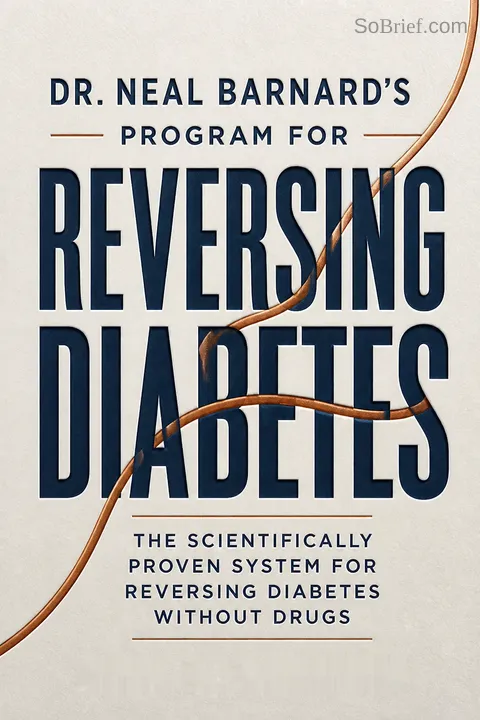
Dr. Neal Barnard's program for reversing diabetes receives overwhelmingly positive reviews, with readers praising its clear explanations of diabetes and effective dietary recommendations. Many report significant improvements in health, including weight loss, reduced blood sugar levels, and increased energy. The vegan, low-fat diet approach is described as empowering and life-changing. While some find the recipes helpful, others note the book's repetitiveness. A few critics question the scientific basis or struggle with the dietary restrictions, but most reviewers strongly endorse the program's potential to reverse type 2 diabetes.
People Also Read





Glossary
Hemoglobin A1c
Long-term glucose measureHemoglobin A1c is a blood test that measures the proportion of hemoglobin carrying attached glucose. Because red blood cells circulate for several months, the result estimates average blood glucose over roughly the previous two to three months. The book presents it as a central measure for tracking diabetes control, alongside daily glucose readings and other health measures.
Intramyocellular lipid
Fat inside muscle cellsIntramyocellular lipid means fat stored within muscle cells. Barnard presents research suggesting that excess fat in these cells may interfere with insulin signaling, making it harder for glucose to move from the blood into the cells. The book argues that dietary changes may reduce this fat, while acknowledging evidence from studies that were limited in size and duration.
Glycemic index
Relative speed of glucose riseThe glycemic index, or GI, ranks carbohydrate-containing foods according to how quickly they raise blood glucose compared with a reference food. Barnard uses it to distinguish, for example, beans and some forms of pasta from faster-digesting foods such as white bread. It is a comparative guide to food choice, not a complete measure of how an entire meal affects an individual.
New Four Food Groups
Plant-based meal guideThe New Four Food Groups is Barnard’s meal-planning framework built around whole grains, legumes, vegetables, and fruit. It directs readers toward everyday plant foods such as oats, beans, leafy vegetables, and apples, rather than the older food-group model criticized in the book. The framework is intended to make a low-fat plant-based diet easier to plan.
Volumetrics
Eating for food volumeVolumetrics is an approach to appetite and weight control associated in the book with researcher Barbara Rolls. It favors foods with low energy density, meaning foods that provide relatively few calories for their weight, often because they contain substantial water. Soups, fruits, vegetables, and beans are examples. The idea is that a meal can feel filling without delivering as many calories.
Diabetes Control and Complications Trial
Intensive type 1 diabetes studyThe Diabetes Control and Complications Trial was a large study of people with type 1 diabetes that compared intensive glucose management with more conventional treatment. As described in the book, intensive treatment involved frequent glucose checks and multiple insulin doses or an insulin pump. The results showed that improving glucose control could substantially reduce the risk of several diabetes complications.
FAQ
What's Dr. Neal Barnard's Program for Reversing Diabetes about?
- Dietary Focus: The book emphasizes reversing diabetes through a plant-based, low-fat, and low-glycemic index diet, rather than relying on medications.
- Research-Based Approach: Dr. Barnard presents findings from his research that show how dietary changes can significantly improve blood sugar control and overall health.
- Empowerment: It aims to empower individuals with diabetes to take control of their health by making informed food choices, potentially reducing or eliminating the need for medications.
Why should I read Dr. Neal Barnard's Program for Reversing Diabetes?
- Revolutionary Insights: The book challenges traditional views on diabetes management, particularly the misconception that carbohydrates are harmful.
- Practical Guidance: It offers practical advice, including meal plans and recipes, making it accessible for anyone looking to improve their health.
- Success Stories: Real-life success stories provide motivation and demonstrate the effectiveness of the program.
What are the key takeaways of Dr. Neal Barnard's Program for Reversing Diabetes?
- Dietary Focus: A diet rich in whole grains, legumes, vegetables, and fruits can significantly improve blood sugar levels and overall health.
- Elimination of Animal Products: The program advocates for eliminating animal products and minimizing oils to improve insulin sensitivity.
- Holistic Approach: It includes not just diet, but also exercise, stress management, and regular medical check-ups.
What is the New Four Food Groups concept in Dr. Neal Barnard's Program for Reversing Diabetes?
- Whole Grains: Foods like brown rice and oatmeal are high in fiber and low in fat, helping maintain stable blood sugar levels.
- Legumes: Beans and lentils are rich in protein and fiber, excellent for blood sugar control.
- Vegetables and Fruits: These provide essential vitamins, minerals, and antioxidants, promoting overall health.
How does Dr. Neal Barnard's Program for Reversing Diabetes suggest reversing Type 2 diabetes?
- Dietary Changes: Focus on eliminating animal products and minimizing oils while favoring whole plant foods to reduce insulin resistance.
- Research Evidence: Studies show significant improvements in blood sugar levels and reduced medication needs for those following the diet.
- Empowerment and Control: Encourages individuals to take charge of their health through informed food choices.
What are the benefits of a vegan diet according to Dr. Neal Barnard's Program for Reversing Diabetes?
- No Animal Fat or Cholesterol: Eliminates sources linked to increased insulin resistance and heart disease.
- High in Fiber: Aids digestion, controls appetite, and supports weight loss and better blood sugar control.
- Nutrient-Rich: Rich in vitamins, minerals, and antioxidants, essential for maintaining good health.
What is the glycemic index, and why is it important in Dr. Neal Barnard's Program for Reversing Diabetes?
- Definition: Measures how quickly a food raises blood sugar levels after consumption.
- Impact on Diabetes Management: Choosing low-GI foods helps maintain stable blood sugar levels and reduces complications.
- Examples: Low-GI foods like beans and whole grains are beneficial for blood sugar control.
How does the diet in Dr. Neal Barnard's Program for Reversing Diabetes help with weight loss?
- High Fiber Content: Promotes satiety and helps control hunger, leading to reduced calorie intake.
- Low Energy Density: Foods provide fewer calories for the same volume, allowing larger portions while losing weight.
- Sustainable Changes: Encourages lifestyle changes rather than temporary diets, aiding long-term weight maintenance.
What specific foods should I avoid according to Dr. Neal Barnard's Program for Reversing Diabetes?
- Animal Products: Avoid meat, dairy, and eggs to reduce insulin resistance.
- High-Fat Foods: Minimize saturated and trans fats to improve insulin sensitivity.
- Refined Carbohydrates: Limit foods like white bread and sugary snacks to prevent blood sugar spikes.
What role does exercise play in Dr. Neal Barnard's Program for Reversing Diabetes?
- Blood Sugar Control: Regular physical activity lowers blood sugar levels and improves insulin sensitivity.
- Weight Management: Aids in weight loss and maintenance, crucial for managing type 2 diabetes.
- Mental Health Benefits: Reduces stress and improves mood, aiding in effective diabetes management.
How can I track my progress while following Dr. Neal Barnard's Program for Reversing Diabetes?
- Blood Glucose Monitoring: Regular checks help understand the impact of dietary changes on diabetes management.
- Weight Tracking: Recording weight changes assesses the effectiveness of diet and lifestyle changes.
- Medical Check-Ups: Regular visits for blood tests and cholesterol checks monitor overall health.
What are some common challenges people face when adopting the diet in Dr. Neal Barnard's Program for Reversing Diabetes?
- Cravings for Unhealthy Foods: Strategies are provided to manage cravings for sugar, cheese, and meat.
- Social Situations: Tips for navigating eating out and social gatherings while maintaining dietary goals.
- Adjusting to New Foods: Encourages patience and experimentation with new recipes and cooking techniques.
About the Author
Other books by Neal D. Barnard




Download PDF
Download EPUB
.epub digital book format is ideal for reading ebooks on phones, tablets, and e-readers.








