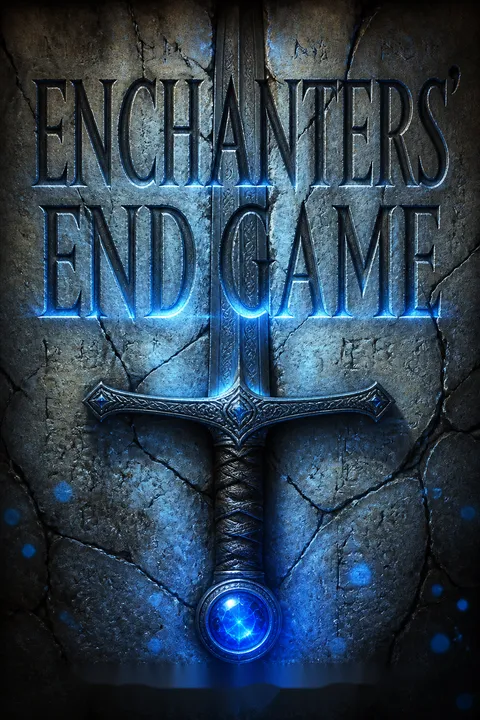


Plot Summary
Prologue
A purported extract from Torak’s sacred book recounts how the gods made the world, then split when Aldur gave life to the Orb. Torak claims he took the stone to protect his people, though its fire scarred him, and describes the ancient war that divided the continents.
He also tells how Riva’s descendants were nearly wiped out, seemingly ending the prophecy that a Child of Light would one day confront him. The editor’s note casts doubt on the account’s authenticity. Its self-justifying history frames the coming conflict as a struggle between two destinies, while warning readers that even a god’s version of events may be partial.
The prologue makes mythology an argument rather than neutral background. Torak presents his violence as reluctant protection, his deformity as the price of duty, and Aldur’s opposition as envy. This account teaches readers to distrust the moral clarity of sacred history: the same act can be remembered as rescue or theft, depending on who controls the story. The editorial caveat sharpens that uncertainty, turning the text into evidence whose reliability is itself contested. Most importantly, Torak’s confidence that the Rivan line has ended establishes the central irony: his interpretation of destiny is powerful, but incomplete.
Garion Crosses East
Garion rides into Gar og Nadrak with his grandfather Belgarath and the Drasnian spy Silk, carrying the Rivan sword and the Orb of Aldur. He knows the journey leads toward a confrontation foretold by two competing prophecies, but he resents the duty and fears the cost. At Belgarath’s direction, Garion lets the Orb make the sword and its bearer seem unremarkable to observers.
The disguise eases their passage through the border, though it cannot quiet Garion’s dread. In the mining town of Yar Gurak, Silk changes their clothes and equips them to pass as gold hunters. A circulating wanted notice also reveals that Silk’s earlier dealings have made him recognizable, turning the disguise into a temporary safeguard rather than a solution.
The opening makes Garion’s conflict practical before it becomes cosmic: he must cross a border, conceal a weapon, and keep moving while afraid. His resentment is not simple cowardice. It comes from being assigned adult responsibility without having chosen it, even as the prophecy treats choice as already settled. The Orb’s concealment offers a useful but limited form of agency: Garion can pass unseen, yet he cannot opt out of the destination. Silk’s wanted notice adds a human-scale version of the same problem. Past choices follow the travelers just as prophecy does.
Recruiters Close In
A weathered gold hunter meets the travelers in the mountains and warns Belgarath that Grolims are active, Torak is stirring, and Mallorean soldiers are gathering recruits by force. The warning proves immediate.
In a mining settlement, Garion and his companions learn that the recruiters shackle Nadraks for an approaching war in Mishrak ac Thull. They escape the village before a raid traps them, then gather information at a fur-trading post. There Silk’s face is recognized, and bounty hunters pursue the three through the forest.
Belgarath summons a wolf pack, whose sudden attack panics the hunters’ horses and breaks the chase. The rescue buys the travelers time, but the tightening military presence makes their route east increasingly dangerous.
The Nadrak countryside reveals that war begins as coercion long before armies meet. Recruiters convert ordinary villagers into military numbers, while Grolim knives make refusal terrifying. The gold hunter’s quiet observation contrasts with the institutions that demand obedience: he notices animals, weather, and distant smoke without seeking power from that knowledge. The wolf pack’s intervention is not a triumph of force so much as a boundary enforced by another community. Garion’s party survives because Belgarath respects and understands that boundary, a useful counterpoint to the empires’ habit of treating people as resources.
Silk in Chains
At a riverside tavern, Mallorean recruiters seize Garion, Silk, and the Nadrak prospectors around them, chaining the captives together for transport south. Silk expects to pick the lock after dark, but Belgarath remains unseen in wolf form, tracking the column. The merchant Yarblek arrives with armed companions and kills the five guards through a staged distraction, releasing the prisoners.
He lets the Nadraks flee, but keeps Garion and Silk because King Drosta has offered a reward for Silk. Yarblek’s mixture of friendship and profit is familiar to Silk, who accepts that their safety now depends on bargaining. The group reaches Yar Nadrak under guard, where Silk must discover why the king wants him before Yarblek collects payment.
Yarblek’s rescue refuses the comforting division between loyal friend and mercenary. He risks violence to free the column, then treats Silk as a valuable commodity because the reward is real and friendship does not erase business. Silk survives by reading that contradiction rather than demanding a purity Yarblek never promised. Garion, meanwhile, sees how easily a person’s freedom can be exchanged between powerful men. This episode makes the book’s political economy tangible: even rescue has a price, and loyalty is most trustworthy when its limits are openly understood.
Drosta Chooses West
King Drosta meets Silk in a disreputable tavern to ask for help resisting Mallorean domination. He wants King Rhodar to withdraw the western army from the Thull border, allowing the Murgos and Malloreans to fight each other instead of uniting against the west.
Silk cannot approach Rhodar safely, so he sends Yarblek to Queen Porenn with a coded message. Belgarath then enters, exposing the larger purpose of the western campaign and warning Drosta that Torak’s return matters more than Angarak rivalries.
Drosta recognizes Garion as the Rivan king and understands what his sword signifies. He lets the travelers leave, while Mallorean watchers begin pursuing them. Belgarath’s party heads north, seeking a route through Morindland and onward to Mallorea.
Drosta’s decision grows from political survival, not sudden trust in the western cause. He sees that Mallorean occupation will eventually erase Nadrak independence, so he tries to exploit the rivalry between Zakath and Taur Urgas before it closes. Silk gives him a channel to Rhodar without pretending that their old relationship is uncomplicated. Belgarath then changes the scale of the conversation: local strategy is still real, but it is nested inside a conflict that could decide the world. Drosta’s recognition of Garion makes the prophecy politically visible, not merely a private burden.
Devils Across Morindland
To cross the treeless country of the Morindim, Belgarath darkens the travelers’ skin, dyes Garion’s hair, and paints tribal markings on their faces. Garion must pose as a silent quester, Silk as a dreamer, and Belgarath as a magician. The deception works until a rival magician challenges Belgarath and summons a demon called Horja.
When the rival loses control of the creature, Horja kills him and drives the watching Morindim away. The danger clears the travelers’ route to the coast, where they wait for low tide to cross a treacherous chain of reefs with their horses. Cold waves nearly sweep Garion away, but the party reaches Mallorea. There, the concealed City of Night is their destination, and Torak is no longer wholly asleep.
The crossing presents magic as a practice with different moral and technical costs. Belgarath’s disguise depends on observation and performance; the Morind magician’s power depends on enslaving a spirit through exact mental control. When his concentration fails, the creature’s violence exposes the danger built into domination. Garion witnesses that control is not mastery if it can collapse into catastrophe. The reef crossing then strips the journey back to bodily vulnerability: even the chosen king must balance on submerged stone and fight freezing water. The approach to Torak is earned through accumulated risk, not prophecy alone.
Queens Take the Field
While Garion travels east, the western kingdoms prepare for war. Queen Islena of Cherek struggles to govern until Merel helps her confront High Priest Grodeg, whose Bear-cult is exploiting the king’s absence.
With Queen Porenn’s advice and huntsman Torvik’s men, Islena has cult members gathered and sent to join the army; Porenn separately removes cultists from Drasnian intelligence. Queen Silar prevents Algaria’s archpriest from taking control by sending him away to serve distant clans.
In Sendaria, Queen Layla repeatedly derails a Tolnedran ambassador’s attempt to gain authority over the port of Camaar. Sadi, meanwhile, delays Murgo diplomacy and secretly informs western officials of his maneuvering. These decisions protect the coalition’s political footing as Ce’Nedra gathers its forces.
The women’s political work counters a familiar fantasy assumption that power belongs only on the battlefield. Islena’s authority is initially performative and insecure, but Merel helps convert it into decisions with consequences. Porenn uses intelligence as administration, not simply espionage; Silar and Layla protect their realms through restraint and misdirection. Sadi’s calculations are less principled, yet his self-interest temporarily serves the coalition. Together, these maneuvers show that a war effort depends on controlling institutions at home as much as commanding troops abroad. Their victories are procedural, but the procedures determine who can act.
Ce’Nedra Builds an Army
Ce’Nedra’s speeches recruit an immense western army, but King Fulrach’s supply system, not ceremony, determines how it moves. The Sendars provide food, equipment, and wagons, while General Varana arrives unofficially to steady the Tolnedran legions and advise the commanders.
Ce’Nedra initially finds the practical work tedious until Varana warns that she must understand the campaign if Rhodar is lost. During a forbidden ride outside the forts, she and her friends meet Murgos; Adara takes an arrow while saving Hettar from an ambush.
Polgara treats her, and Adara’s love for Hettar becomes impossible to hide. The injury forces Ce’Nedra to face the consequences of treating a military perimeter as a place for recreation. She returns to the campaign chastened and more attentive to risk.
Ce’Nedra’s authority begins in persuasion, but the campaign teaches her that leadership is also attention to logistics and vulnerability. Varana makes this distinction without dismissing her; he expects her to learn the machinery behind the spectacle. Her excursion exposes the gap between a queen’s freedom to move and the danger borne by those who accompany her. Adara’s intervention saves Hettar, while her wound makes affection costly rather than decorative. The episode turns Ce’Nedra’s guilt into a developing political capacity: she must measure consequences before her decisions become other people’s injuries.
Thull Mardu Burns
The western army crosses the escarpment and carries Cherek ships overland on wheeled cradles designed by Durnik, then hauls them down to the River Mardu. At night, Relg and his Ulgo warriors slip into Thull Mardu and open its gate, allowing the fleet and cavalry to attack. The city falls, but the operation ignites a wider battle: Mallorean forces arrive behind a sorcerous storm, while Murgos approach from the south.
Polgara and Beldin break the storm’s magical control, and the western troops drive back the first assault. The violence leaves Torasin dead from a catapult stone and Doroon drowned when the storm breaks a river crossing. Ce’Nedra watches the city burn and understands that the army she raised is paying in lives, not pageantry.
The operation’s ingenuity rests on cooperation between kinds of expertise: Durnik’s engineering moves ships, Relg’s Ulgos open the gate, and Polgara and Beldin counter the Grolims’ weather magic. Yet technical success does not make the assault clean. Fire, flood, and the deaths of Torasin and Doroon expose the gap between a plan viewed on a map and its human cost. Ce’Nedra’s presence at the battle forces her to witness the consequences of her own recruitment. The campaign’s moral burden becomes intimate when familiar young men, not anonymous units, are lost.
The Armies Are Trapped
The western forces try to retreat after buying Anheg’s fleet time to reach the Sea of the East, but Malloreans block their escape with trenches and reinforcements. On the southern bank, King Cho-Hag kills Taur Urgas in a brutal duel, breaking the Murgos’ confidence.
On the northern bank, Rhodar faces a costly assault and sees the Nadraks turn against Zakath. Drosta arrives with his army, admitting that he has been communicating with Porenn and now needs the west’s help against Mallorean control.
His troops attack the trenches, opening a route for Rhodar’s battered force. In the confusion, Zakath’s elite guards seize Ce’Nedra, Polgara, Durnik, and Errand from their sheltered cove. The fleet escapes downriver, but its leaders are captured and taken into Zakath’s custody.
The battle overturns the coalition’s assumptions about controlled escalation. Rhodar’s strategy depends on rival Angarak powers preserving their forces, yet the armies converge and turn a diversion into a desperate survival fight. Cho-Hag’s victory removes Taur Urgas but does not end the danger; Drosta’s defection is necessary precisely because the Malloreans remain powerful. His opportunism becomes useful without becoming trustworthy. The capture of Ce’Nedra and her companions also separates strategic success from personal safety: Anheg’s fleet escapes, but those whose presence matters to the prophecy are carried into enemy hands.
Zakath Sends Them East
Zakath receives Ce’Nedra and Polgara courteously, but his punishment of the defeated Thull king reveals the violence beneath his polished manner. Once reports show Anheg’s fleet disrupting Mallorean shipping, Zakath sends the captives to Thull Zelik and orders their transfer to Cthol Mishrak, where Zedar awaits them.
Grolims force a ship to sail by sacrificing a sailor before its crew. As they cross the Sea of the East, the travelers pass wreckage left by Anheg’s attacks.
On Mallorean soil, Archpriest Urtag escorts them through a dead landscape and into the ruined City of Night. There they find the rusted remains of Torak’s iron tower and Zedar, a sorcerer whose face resembles Belgarath’s. He identifies himself as the former disciple who now serves Torak.
Zakath’s courtesy is not a mask that simply conceals a conventional villain; it coexists with a ruler who can calmly order public cruelty. His decision to hand the captives to the Grolims shows the limit of his secular self-image: he claims distance from religion, yet still yields to Torak’s demands. The sacrificed sailor makes that surrender physical and immediate. The journey also brings the two narrative lines together. Garion has crossed toward the City of Night alone with Belgarath and Silk, while Polgara’s party is delivered there by imperial force. Their meeting place is already a ruin shaped by the conflict’s ancient history.
Torak Calls Garion
Across Mallorea, Garion hears Torak’s whispers offering the family and love he missed as an orphan. The offer nearly reaches him because it touches a real wound, but Garion resists by turning his thoughts to Ce’Nedra. A lightning-scarred tree recalls the dark rider who haunted his childhood, and Garion realizes that Torak’s awareness had been watching him through the Grolim Asharak.
He challenges Torak openly, causing the Orb and sword to flare and alerting Grolim watchers. Torak’s Hounds pursue the travelers through an aspen forest. They hide in a swamp, but a Hound finds them. The dry voice in Garion’s mind unleashes a storm prepared in advance, obscuring their trail and directing them toward the city’s less-guarded eastern approach.
Torak’s temptation is effective because it does not invent Garion’s loneliness; it weaponizes a genuine deprivation. The countermeasure is not abstract courage but attachment to Ce’Nedra, a relationship Torak cannot interpret as easily as a hunger for parental love. Garion’s recognition of the childhood watcher reframes his past: what seemed like isolated fear was part of a sustained effort to shape him. His defiant challenge brings emotional clarity at a tactical cost, alerting the enemy. The storm then reveals that another intelligence has anticipated the danger, preserving the distinction between Garion’s personal will and the prophecy guiding him.
Durnik Challenges Zedar
At the iron crypt, Garion’s party finds Polgara, Ce’Nedra, Durnik, and Errand with Zedar. Zedar recounts how he intended to steal the Orb from Torak but was overwhelmed by the God’s will and became his servant. When Durnik attacks him, Zedar kills the smith. Belgarath then fights Zedar and seals him inside the earth, unable to bring himself to kill his former brother outright.
Torak wakes and seizes Belgarath’s amulet. He orders Polgara to come to him as his destined bride, using his power to bend her will. Garion sends her memories of Durnik’s steadfast love, and she renews her resistance. With the Orb blazing, Garion finally meets Torak’s demand for submission with refusal, beginning the decisive duel.
Durnik’s death is both an irreparable personal loss and the emotional fact that prevents Torak from claiming Polgara. The book gives that causal link disturbing weight: love becomes the source of resistance, but the price is a human life. Belgarath’s punishment of Zedar mirrors his own limits; rage does not erase the bond of former brotherhood, so he chooses imprisonment over killing. In the climax’s threshold, Garion’s intervention is not a display of superior force. He restores Polgara’s memory of a love that Torak cannot command, then carries that refusal into his own confrontation.
Garion Rejects Torak
Torak demands that Garion yield, and Garion sees that domination, not simple killing, is the God’s deepest need. He refuses even when Torak’s blows knock him down. Instead of accepting the offered submission, Garion names Torak’s isolation and denies him the love he tried to force from Polgara and Garion alike. The words break the God’s composure.
Torak charges with his dark sword, while Garion drives the flaming sword of Riva into him. The Orb’s power burns through the God, who dies beneath the perpetual cloud of Cthol Mishrak. For one instant the universe goes dark and still as the rival prophecies collapse into one. The other gods return to mourn Torak, and Belgarath declares the ancient contest finished.
The duel’s decisive move is interpretive before it is physical. Garion understands that Torak seeks recognition through submission, so victory requires refusing the relationship the God demands, not merely surviving his weapon. The rejection is morally severe because it names Torak’s loneliness at the moment it destroys him, yet the story frames that truth as the only defense against coercive love. The Orb’s fire completes the physical act, while the universe-wide stillness registers its metaphysical consequence. The ending resolves the prophecy by narrowing possibility to one future, but it does so through an intensely personal refusal.
The Dead Return
After Torak’s death, Polgara grieves over Durnik while Garion stands unable to mourn until the battle’s pressure lifts. Errand approaches the smith’s body and asks UL to restore him. The god explains that the boundary between life and death cannot simply be crossed, but the gods lend their power as Garion uses the Orb to reach Durnik.
Durnik revives, and Polgara agrees to share his ordinary life rather than remain above him through sorcery. The gods then restore Torak’s unscarred body and depart with him, leaving the Orb with Garion. In the months that follow, Polgara marries Durnik and chooses a home in the Vale. The final wedding preparations bring the surviving company back together on Riva.
The restoration does not erase the story’s losses or treat death as a routine inconvenience. It requires collective power, the Orb, Errand’s insistence, and Garion’s effort against a boundary the gods themselves will not cross directly. Polgara’s decision to join Durnik as an equal changes her understanding of love from guardianship to shared vulnerability. Torak’s restored body adds a final complication: the gods mourn the brother they could not prevent from becoming monstrous. Resolution therefore means more than triumph. It includes grief, limits, and relationships reconfigured after power has done its work.
Epilogue
On Riva, Garion and Ce’Nedra marry before the assembled rulers and companions. The ceremony is followed by a crowded ball, where Garion stumbles through the dances and slowly learns that Ce’Nedra’s need for reassurance is answered more honestly by affection than by argument. Polgara and Durnik marry privately the same day.
Durnik presents her with a steel rose that he transforms into a living flower, revealing that his return from death has changed him. Polgara discovers her sorcery remains, though she has chosen a life with Durnik. As the celebrations fade, Belgarath finds the Orb blushing in the empty hall, its attention fixed on the newlyweds.
The epilogue trades cosmic scale for the awkward negotiations of marriage. Garion’s challenge is no longer to defeat an enemy but to meet Ce’Nedra’s emotional needs without treating affection as a concession in an argument. Their wedding therefore continues the book’s interest in consent and relationship: love cannot be commanded like Torak’s will, but it must be actively expressed. Polgara and Durnik’s union echoes that movement toward mutuality, while Durnik’s living rose gives his changed nature a concrete form. The Orb’s blush lightly punctures its solemn role, suggesting that even the instrument of destiny has been drawn into ordinary human intimacy.
Analysis
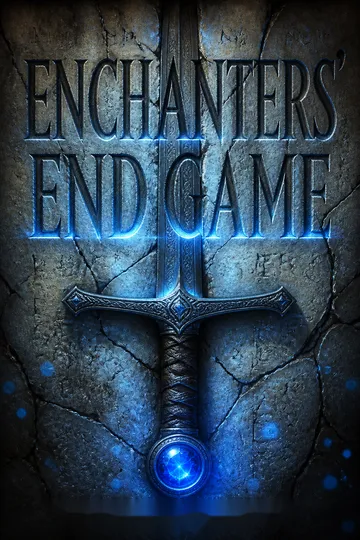
Enchanters’ End Game turns a promised cosmic duel into a test of how people understand power. Torak’s own account shows the danger of allowing a ruler to define violence as protection: he narrates domination as sacrifice and treats worship as proof of love. His demand that Garion and Polgara submit exposes the emotional logic beneath his empire. He cannot distinguish devotion freely given from obedience extracted, so the resistance that defeats him must be relational as well as physical.
The book repeatedly places large outcomes in the hands of people whose authority is underestimated. Ce’Nedra raises an army, but must learn that inspiration cannot replace supply and accountability. Islena, Porenn, Merel, Silar, and Layla protect their realms through political judgment rather than battlefield prowess. Durnik’s engineering gets ships across the escarpment, while ordinary soldiers and serfs bear the costs of decisions made by rulers. The narrative thereby treats practical competence as a form of moral agency, not merely a useful support for heroic action.
Its treatment of destiny is deliberately unstable. The prophecies constrain the characters, yet they do not eliminate the significance of their choices. Garion could yield to Torak’s counterfeit promise of family; Polgara could surrender to the god’s will; both refuse through attachments rooted in lived experience. Prophecy supplies the stage, but love, grief, fear, and judgment determine how its roles are inhabited. The final restoration of Durnik does not erase the losses of war; it follows a cost that the characters must acknowledge. The ending’s marriages and domestic hopes matter because they are not grand abstractions. They are relationships that must be spoken, negotiated, and cared for after the world has been remade.
Review Summary
Enchanters' End Game concludes the Belgariad series with mixed reviews. Many readers found it a satisfying ending, praising the character development and world-building. Some criticized the reliance on prophecy and gender stereotypes. The book's pacing and resolution of plot threads received both praise and criticism. Overall, readers appreciated the series as an entertaining, if somewhat conventional, fantasy epic. Many noted its suitability for younger readers and its place as a classic in the genre, though some felt it hasn't aged well.
People Also Read
Characters
Garion
Reluctant Rivan kingRaised as an ordinary Sendarian farm boy, Garion enters the story burdened by a destiny he never requested. His connection to Belgarath and Polgara gives him guidance, while his bond with Ce’Nedra draws him toward forms of responsibility he initially resists. Garion is brave, but his courage is clearest when he admits fear and continues acting anyway. He often wants prophecy to explain itself before he moves; the story repeatedly forces him to act without certainty. His development centers on accepting responsibility without mistaking obedience for virtue, and on discovering that compassion and personal attachment can matter as much as power.
Belgarath
Ancient guide and tricksterBelgarath is Garion’s grandfather, a sorcerer whose long experience makes him both resourceful and exasperating. He hides his knowledge behind laziness, drink, and rough humor, often letting others underestimate how carefully he observes events. His relationship with Polgara is shaped by centuries of shared duty, while his care for Garion combines affection with demanding instruction. Belgarath trusts improvisation, but his confidence can make him impatient with other people’s caution. Beneath the legendary reputation is a man still capable of grief, loyalty, and regret, especially when old friendships collide with the needs of the prophecy.
Polgara
Sorceress and guardianPolgara is Belgarath’s daughter and Garion’s lifelong guardian, a formidable sorceress known for self-command and uncompromising standards. Her care often arrives as correction rather than comfort, because she believes protection requires preparation. She treats Ce’Nedra with a mixture of discipline and affection, and her bond with Durnik reveals a desire for a life not defined solely by power or duty. Polgara’s composure is not the absence of fear; it is a practiced way of acting while afraid. Her central tension lies between the immense responsibilities others place on her and her wish to be loved as a person, not revered as an instrument.
Ce’Nedra
Rivan queen and recruiterCe’Nedra is a young Tolnedran princess who combines theatrical charm with formidable will. Her pride and strategic emotional fluency can make her seem frivolous, but she is capable of persuading rulers, raising an army, and taking responsibility when her choices hurt others. She loves Garion intensely and wants visible proof that he returns that love, while he tends toward reserve and uncertainty. Her political imagination often exceeds her practical experience, a gap the campaign forces her to confront. Ce’Nedra’s growth comes through recognizing that leadership is not only the ability to inspire people, but also the obligation to understand what her plans demand of them.
Silk
Spy with a quick escapeSilk is Prince Kheldar of Drasnia, a spy, trader, thief, and practiced improviser. He treats danger as a puzzle and conversation as a way to test its pieces, often using humor to keep others from seeing how closely he is watching. His friendship with Garion is affectionate but unsentimental; he helps without pretending the world is fair. Silk’s dealings with Yarblek and Drosta show that he understands loyalty as something negotiated among competing interests. Beneath his appetite for risk and profit is a genuine attachment to the people traveling with him, though he prefers to reveal that through action rather than earnest declarations.
Durnik
Steady-hearted smithDurnik is a Sendarian smith whose practical skill makes him indispensable to the expedition, from repairing equipment to solving the problem of moving ships overland. He is modest, patient, and uncomfortable with claims to importance, yet others repeatedly rely on his judgment. His affection for Polgara is grounded in respect rather than awe; he sees the woman beneath the sorceress’s authority. Durnik’s quiet decency also shapes how he treats ordinary soldiers and strangers. He represents a form of competence that does not seek command, and a moral steadiness that can alter events precisely because it is not performed for recognition.
Torak
Angarak god of dominionTorak is the god worshipped by the Angaraks and the force behind their sacrificial priesthood. His own account presents him as a protector who suffered for his people, but the story shows how thoroughly his need for authority shapes his view of love, loyalty, and history. His scarred body reflects an ancient encounter with the Orb, while his long conflict with Aldur’s followers gives political struggle a divine scale. Torak is not merely cruel; he is convinced that submission can be made equivalent to devotion. That conviction makes him dangerous to people whose inward lives cannot be governed by power.
Zedar
Apostate sorcererZedar was once a disciple of Aldur and later became a servant of Torak. He began with the intention of recovering the Orb through deception, believing he could resist the god’s influence. His history makes him a study in the distance between good intentions and actual control: he understands the danger of Torak and still cannot free himself from it. Zedar’s resemblance to Belgarath hints at a former intimacy between the sorcerers. He carries guilt and loyalty in conflict, and his presence forces the others to confront what happens when resistance fails.
Errand
Quiet child of mysteryErrand is a small boy whose quietness and unusual relationship with the Orb set him apart from the adults around him. He was raised under Polgara’s care and is accepted by Ce’Nedra, who treats him as family. His simple gestures often carry more force than the elaborate plans of kings and sorcerers, though neither he nor the people around him fully understand why. Errand’s presence invites care without demanding explanation. He seems to move through danger with a confidence that is neither bravado nor indifference, making him a gentle but consequential counterweight to the story’s obsession with power.
Beldin
Hunchbacked sorcererBeldin is a brilliant, physically misshapen sorcerer whose bluntness and foul temper conceal fierce loyalty to Polgara and Belgarath. He often speaks as if tenderness were an inconvenience, but he acts decisively when their plans are threatened. His ability to take a hawk’s form makes him a scout, messenger, and aerial observer. Beldin is also more technically exacting about magic than Belgarath, which gives their disagreements practical weight. He trusts competence over comfort and sees no value in disguising the costs of war, even when his honesty wounds those who are grieving.
Drosta lek Thun
Nadrak king and survivorDrosta rules the Nadraks with a public persona of appetite and vulgarity that hides a sharp political mind. He understands that Mallorean power threatens his kingdom, but he is reluctant to risk himself without a clear advantage. His dealings with Silk and Rhodar show a talent for bargaining and a readiness to change course when circumstances demand it. Drosta is neither a principled ally nor a simple coward; he measures survival in the language of leverage. His nervous humor gives his shrewdness a disarming surface, making it difficult for others to know when he is joking and when he is calculating.
Yarblek
Merchant and opportunistYarblek is a Nadrak merchant who combines a rough manner with careful attention to profit and political advantage. He has a long acquaintance with Silk and is willing to rescue him, but he also intends to collect the reward offered for his capture. That contradiction does not trouble him; Yarblek sees friendship and business as obligations that can coexist. His confidence in bargaining allows him to speak bluntly even to kings. He is useful because he understands how information moves through commercial networks, and unpredictable because he rarely acts without considering what he might gain.
Zakath
Melancholy Mallorean emperorZakath is the emperor of Mallorea, a cultivated and courteous ruler whose calm manner makes his cruelty more unsettling. He studies opponents as political problems and regards power as the only reliable answer to an uncertain world. Unlike the zealous Grolims, he describes himself as secular, yet he still accommodates Torak’s demands when they become unavoidable. His interest in Garion and Ce’Nedra is intellectual as well as strategic. Zakath’s melancholy suggests that conquest has not satisfied him, but he remains committed to the pursuit of supremacy as if no other form of meaning could survive.
Rhodar
Drasnian strategistKing Rhodar of Drasnia is an experienced political strategist whose large frame and genial habits conceal disciplined judgment. He coordinates the western campaign by balancing supply, timing, and the rival ambitions of Angarak rulers. Rhodar values practical expertise and is willing to accept advice from people outside the traditional centers of command. His humor makes him approachable, but he can be stubborn when he believes a plan is necessary. As Silk’s uncle, he also sits at the intersection of family ties and intelligence work, a position that requires him to distinguish affection from political risk.
Islena
Cherek queen in trainingIslena becomes ruler of Cherek while her husband is away, initially relying on the symbols of office to steady her confidence. The warrior court unsettles her, and she often fears that any error will expose her as unfit. With Merel’s help, she learns to meet pressure directly instead of allowing a forceful priest to make decisions in her name. Her development is not a sudden transformation into a different person; it is the gradual discovery that anxiety need not prevent action. Islena’s authority grows as she begins to occupy the role she once only dressed for.
Merel
Islena’s clear-eyed allyMerel, wife of the Cherek warrior Barak, is a cool-headed political adviser who recognizes how quickly Islena’s uncertainty could be exploited. She speaks plainly, refuses to flatter the queen, and helps her distinguish genuine counsel from a takeover disguised as assistance. Merel’s firmness can be severe, but it serves a protective purpose: she wants Islena to exercise authority rather than become a figurehead. Her loyalty is practical, expressed through planning and confrontation. She is one of the story’s clearest examples of influence wielded without a throne.
Porenn
Drasnian intelligence queenQueen Porenn is a small, composed ruler with a keen grasp of information, personnel, and political timing. She works closely with Drasnian intelligence chief Javelin and understands that secrets are useful only when they can be turned into action. Her manner is gentle, but she does not confuse gentleness with passivity. Porenn supports Islena while also protecting her own kingdom from the Bear-cult’s influence. She is especially effective at making decisions that leave others with little room to resist, while keeping the public appearance of ordinary administration.
Sadi
Nyissan political brokerSadi is the chief servant of Salmissra and the practical manager of Nyissan affairs. He is observant, dryly humorous, and candid about his own opportunism. Rather than commit his kingdom to a cause too early, he weighs how events are unfolding and tries to keep Nyissa positioned to survive whichever side gains advantage. His arrangements with Murgo envoys are ruthless, yet he understands the difference between recklessness and calculation. Sadi’s complicated service to Salmissra is marked by habit, duty, and a tenderness he rarely displays openly.
Adara
Algar cousin and riderAdara is Garion’s Algar cousin, a quiet young woman whose reserve can conceal strong feelings. She is more at home on horseback than in the restrictive routines imposed on the women around the army. Her closeness to Ce’Nedra and Ariana gives her companions who can read what she will not easily say. Adara’s attachment to Hettar is shaped by admiration and patience, though his inability to recognize her feelings frustrates her. She has courage without seeking attention, and her loyalty to those she loves can lead her to take risks she would never take for herself.
Hettar
Algar horse-lordHettar is a reserved Algar warrior whose affinity with horses gives him a distinctive form of authority. He is direct, disciplined, and often more comfortable reading an animal than interpreting a human emotion. His hostility toward Murgos is personal and longstanding, making him a fierce presence in battle. Hettar’s restraint can look like indifference, especially to people hoping for reassurance, but he takes responsibility for those under his protection. His friendship with Garion and his connection to Adara reveal the more vulnerable loyalties beneath his severe manner.
Relg
Ulgo zealot and minerRelg is an Ulgo religious fanatic whose physical ability to move through rock reflects his people’s subterranean life. He is disciplined, literal, and governed by religious prohibitions that make ordinary closeness difficult. His encounters with the surface world challenge assumptions he has treated as sacred certainties. Relg is not unkind, but he often interprets emotion through the narrow rules that have shaped his life. His connection with Taiba presses him toward a more complicated understanding of devotion, desire, and responsibility.
Taiba
Marag survivorTaiba is a Marag woman rescued from slavery, carrying the memory of a people believed to have vanished. She is observant and dignified, with a strength that does not depend on command or spectacle. Her relationship with Relg develops through patience and a willingness to challenge his rigid expectations without humiliating him. Taiba’s presence matters beyond her personal bond: she represents a living connection to a culture that others regard as lost. She wants affection without surrendering her self-respect, and her quiet persistence changes the emotional possibilities available to those around her.
Mandorallen
Mimbrate championMandorallen is a celebrated Mimbrate knight whose courage and devotion to the ideals of chivalry are matched by a near-total lack of caution. He approaches battle as a test of honor and often longs for a worthy opponent. His bravery is genuine, but his instinct to charge can require the restraint of wiser commanders. Mandorallen’s relationship with the Baroness Nerina is bound up in a painful, unresolved emotional triangle, and he bears that difficulty with solemn dignity. He represents the nobility and danger of a martial culture that can mistake fearless action for sufficient judgment.
Ariana
Healer and Mimbrate ladyAriana is a Mimbrate noblewoman with a formal manner, a strong interest in healing, and a sharply observant eye for other people’s affections. Her polished speech can make her seem delicate, but she acts decisively when someone is wounded. She cares deeply for Lelldorin and is not afraid to make her expectations known. Ariana’s gentleness includes a firm capacity to scold, especially when she believes someone’s carelessness has endangered others. Her role joins courtly tradition to practical service, and she often notices emotional truths that more forceful characters overlook.
Mara
Weeping god of the MaragsMara is the god of the Marags, a people whose destruction has left him defined by grief. His sorrow is not abstract: he remembers his children and resists requests that seem to privilege one person over their lost community. Beneath his mourning lies a deep attachment to the possibility that his people might endure. Mara’s presence gives the story’s divine order a history of suffering beyond the conflict with Torak, and his anger insists that the costs borne by smaller peoples must not be forgotten.
Plot Devices
The Two Prophecies
Destiny’s competing scriptThe story’s supernatural conflict is organized around two opposing destinies that have existed since the world’s creation. Their prophecies shape events and draw Garion toward Torak, but their language is difficult to interpret and cannot be treated as a simple forecast. Characters act within the pressure of these destinies while still making choices whose consequences matter. The final meeting changes the structure of possibility itself, resolving the rivalry into one future. The device drives the plot while asking whether prophecy predicts events, constrains them, or gives meaning to choices that might otherwise seem random.
Orb and Rivan Sword
Power carried in plain sightThe Orb of Aldur rests in the pommel of the Rivan king’s sword and responds to Garion in ways no ordinary object can. It can influence what people notice, allowing Garion to carry the conspicuous weapon without drawing attention. Its power is also central to the ancient conflict with Torak and to the decisions made in Cthol Mishrak. The Orb’s perspective is limited: it understands loyalty and opposition more easily than human intimacy. Its role therefore combines practical concealment, divine force, and a contrast between absolute commitment and the fragile emotional ties that shape human choices.
The Amulet
A voice across distanceCe’Nedra’s amulet allows her to communicate mentally across great distances with people she knows. At Thull Mardu, she uses it to hear what is happening during the night assault and to reach Belgarath when Polgara is unconscious. The device turns emotional connection into a practical resource, but it does not remove danger or guarantee that the listener can intervene. Its use can also expose the sender’s presence to sensitive minds, making communication a risk as well as a comfort. The amulet gives the separated storylines a narrow channel through which urgency and affection can cross.
Morind Ritual Magic
Demons bound by illusionMorind magicians summon demons and force them into imagined forms through spells, symbols, and sustained concentration. If the magician’s control falters, the demon escapes and returns to its true, dangerous nature. Belgarath adopts this practice reluctantly while guiding Garion and Silk across Morindland, using ritual markings and a constructed identity to deter strangers. The system differs from the Will and the Word used by the sorcerers, emphasizing how much control depends on precision and psychological endurance. Its danger becomes clear when a rival magician fails to hold his demon.
The Escarpment Portage
Ships hauled overlandTo put Cherek’s fleet into the Sea of the East, the western coalition must move warships over the eastern escarpment and then down the River Mardu. Durnik designs wheeled cradles that let teams of horses haul the ships more efficiently than the traditional method of dragging them by hand. The operation demands engineering, supplies, labor, and secrecy, making logistics an essential part of the military plot rather than background detail. The fleet’s passage enables Anheg to threaten Mallorean shipping, while the exposed ships and slow movement create vulnerabilities the enemy can exploit.
Belgariad Universe Series
Download PDF
Download EPUB
.epub digital book format is ideal for reading ebooks on phones, tablets, and e-readers.








