

Key Takeaways
Bring mystical practice into ordinary life instead of waiting for a monastery.
A call in daily life. Myss says she realized in midlife that regular prayer and years of teaching spirituality had not given her a genuine contemplative practice. While collecting stories of kindness for another book, she read sacred texts in a quiet office and came to understand the work as an unplanned retreat. She recounts a powerful spiritual episode, followed by an experience she interpreted as Teresa of Ávila calling her to teach Teresa’s map of the soul.
Mysticism beyond retreat. The book’s central proposal is that people can pursue intimate spiritual practice while keeping jobs, families, and ordinary responsibilities. The monastery becomes a metaphor for a disciplined inner life, not a place one must move to. The test is how that practice shapes conduct among other people.
The origin story gives the book a useful distinction between spiritual interest and spiritual discipline: reading and teaching about a subject are not the same as practicing it. That distinction also resonates with skill learning, where repetition and feedback matter more than enthusiasm alone. Myss’s account of a divine call is meaningful as testimony, but it cannot establish that another person’s unusual experience has the same source. Readers can adopt the practices without adopting every supernatural explanation.
Use Teresa’s seven mansions as a map from self-scrutiny to service.
A journey inward. Teresa’s Interior Castle imagines the soul as a many-roomed dwelling with God at its center. Myss adapts its seven mansions as a path of changing attention. The first three focus on self-knowledge, attachments, fear, humility, and the limits of rational control. The fourth turns toward contemplative experience and a wider, less possessive form of love. The fifth and sixth explore transformation, mystical experiences, gifts, and discernment. The seventh describes union with God and a return to life in service.
A map, not a scorecard. The book presents these as stages, but the work is not a quick ascent. Each mansion contains many rooms for reflection, and people may revisit them as new conflicts arise. Prayer, journaling, and examination of everyday choices give the map practical form.
The Castle is effective because it turns an abstract spiritual journey into a navigable landscape: different rooms invite different questions, and setbacks become reasons to revisit a room rather than proof of failure. That resembles reflective models in psychotherapy, where recurring patterns can be examined in context. The risk is mistaking the map for a universal sequence. Spiritual development varies across traditions and individuals, so the mansions work best as prompts for inquiry, not as a diagnostic ranking of people.
Make prayer a daily practice of listening, not a request list.
Prayer changes attention. Myss distinguishes automatic repetition from prayer that includes deliberate presence. Repeated words can establish a routine and bring comfort, but she emphasizes recollection: gathering attention and scattered parts of oneself, then listening inwardly. Contemplation adds silence and reflection on one’s actions. In her account of Teresa’s path, prayer grows from familiar words toward quiet and, in rare experiences, a felt union with the divine.
Practice without a bargain. The aim is not to use prayer as a transaction, with a promised outcome in exchange for enough devotion. Myss recommends regular prayer, silence, and reflection, even when no special experience arrives. A practical exercise is to pray, pause, notice where attention wanders, and return to the question or sacred text being considered.
Prayer here functions both as devotion and as attention training. Repeated language can steady attention, while silence can make thoughts and motives easier to notice. These practices may be valuable whether understood as communication with God or as disciplined reflection. The book sometimes treats mystical quiet as evidence of divine presence, though the same experience can have different meanings for different people. Its strongest, broadly useful counsel is to practice consistently without demanding a particular result.
Detach from what controls you, not necessarily what you own.
Notice the hidden authority. Spiritual detachment, in Myss’s account, does not require giving away a home, money, or other possessions. It means examining the power those things, relationships, and memories hold over one’s choices. A person may cling to status for security, or keep replaying a painful injury because anger offers a sense of leverage. The question is not simply what is owned, but what feels impossible to lose without losing one’s identity.
Recover attention and choice. Myss suggests identifying an attachment, asking what fear or need keeps it in place, and considering what might change if its authority weakened. This is not an instruction to abandon responsibilities or relationships. It is an invitation to stop letting fear, resentment, or possessions dictate every decision.
This distinction prevents detachment from becoming a simplistic celebration of poverty or withdrawal. It directs attention to psychological dependence, a useful bridge between contemplative traditions and modern accounts of attachment. Yet the book can make surrender sound like the answer to every conflict. Some attachments are also commitments, and leaving a harmful relationship or protecting financial security may be prudent. Freedom is not measured by how little a person owns, but by whether choices are responsive to reality rather than governed by compulsion.
Use humility to expose fear of humiliation and self-betrayal.
Humility is not self-erasure. Myss separates humility from humiliation. Humiliation diminishes a person; humility, as she uses the term, loosens the need to win, be admired, or avoid every task that might lower one’s status. In the first mansion, readers examine humiliations they have suffered, harms they have caused, and opportunities they passed up because they feared others’ judgment.
Turn insight into accountability. Myss’s exercises ask readers to name specific choices, motives, and consequences rather than blaming others or stopping at a general feeling of regret. She describes a man who felt called to offer healing instruction at a hospital. Several institutions declined, but he kept asking until one agreed. His willingness to risk rejection allowed the idea to become useful to others.
The distinction between humiliation and humility is psychologically sharp: fear of embarrassment can quietly narrow careers, relationships, and acts of service. The hospital story makes courage concrete because the person does not receive a guaranteed path, only a reason to keep trying. Still, humility should not become compliance with every claimed inner command. Accountability includes asking whether an action is ethical, safe, and respectful of others, not merely whether it feels spiritually important.
Let reason guide choices without demanding that mystery obey it.
Question the need for guarantees. The third mansion focuses on a familiar spiritual bargain: if someone is good, prays faithfully, or makes the right choices, life should reward them and prevent undeserved suffering. Myss argues that this expectation makes God resemble a manager who must follow human rules. The biblical story of Job, a faithful man who suffers severe losses, represents the crisis created when life refuses to match that moral accounting.
Surrender is not a shortcut. In this book, surrender means loosening the demand to control every outcome and accepting that some questions remain unanswered. It does not mean refusing to think, plan, or act. The work is to distinguish reasoned judgment from the wish for total certainty, then make choices without pretending that uncertainty can be eliminated.
The critique of spiritual bookkeeping is powerful because it exposes how easily faith can become a guarantee against pain. At the same time, reason is not merely an obstacle to mysticism. Evidence, careful planning, and moral judgment protect people from manipulation and reckless decisions. The more balanced reading is not to defeat reason, but to recognize its limits: it can evaluate means and consequences, while it cannot promise that every loss has a discoverable purpose.
Test inner guidance against motives, consequences, and trusted counsel.
Separate signal from desire. Myss distinguishes intuition, which she describes as a practical and often protective skill, from mystical revelation, which she considers a gift that cannot be summoned on demand. She warns that fear, ambition, and wishful thinking can imitate guidance. Her suggested practice is to notice an inner impression, write it down, and review what motivated a choice and what followed.
Do not treat every feeling as instruction. The book also mentions dreams, bodily sensations, and sudden insights as possible forms of guidance. It encourages people to seek a spiritual director or trusted companion when an experience is confusing. A symptom, strong emotion, or unusual perception should not automatically be interpreted as a divine message; context and appropriate professional help matter.
The distinction between intuition and spiritual conviction is useful because it asks readers to inspect their own incentives instead of treating every impulse as sacred. A written record can also expose hindsight bias, the tendency to remember apparent hits and forget misses. The book’s claim that true intuition is unmistakable is less reliable as a universal test: conviction can accompany error. Trusted counsel, evidence, and time can help keep discernment from becoming a license to follow certainty wherever it leads.
Build spiritual stamina with companions, silence, and congruent action.
Practice with support. Myss calls for regular silence and prayer, but not spiritual isolation. A soul companion is someone trusted to take spiritual questions seriously, offer honest reflection, and support a person’s practice without turning it into competition. Teresa of Ávila found such companionship in John of the Cross, another Spanish mystic who could understand her experiences of God.
Make belief visible in conduct. Myss uses the term soul stamina for the capacity to face difficult truths and act in line with one’s values. A reader might claim loyalty while repeatedly betraying confidences; the work is to notice the contradiction and choose differently next time. Spiritual practice is measured less by unusual experiences than by honesty, patience, forgiveness, and useful service.
The combination of solitude and companionship addresses a real tension: private reflection supports self-awareness, while other people can challenge self-deception. Communities of practice in many fields work similarly, helping individuals persist and compare interpretations. The book’s advice to share mystical experiences selectively can protect privacy, but excessive secrecy can also insulate a person from correction. A trustworthy companion should support meaning while retaining the freedom to ask practical questions.
Treat mystical experiences as invitations to return with compassion.
Experience is not escape. In the final mansions, Myss describes mystical union as a brief, profound shift in which ordinary boundaries seem to dissolve. She argues that the experience matters through its lasting effects, not through spectacle or a claim to spiritual status. Teresa’s map ends not in retreat but in returning to daily life with greater steadiness, care, and willingness to serve.
Keep healing grounded. Myss describes prayer and grace as sources of healing, including relief from suffering, but she also says the body deserves care. Her framework is spiritual, not medical evidence. Prayer can accompany treatment and support meaning or resilience, but illness should not be blamed on insufficient faith, and mystical practice should not replace qualified medical or mental health care.
The return to ordinary responsibilities is the book’s most important safeguard against treating ecstasy as an achievement. A useful measure of a spiritual experience is whether it supports humane conduct, humility, and care for others. The healing claims require more caution: changes in pain or well-being do not demonstrate that prayer cures disease, and spiritual explanations can burden people who remain ill. The ethical core is strongest when compassion complements evidence-based care rather than competing with it.
Analysis
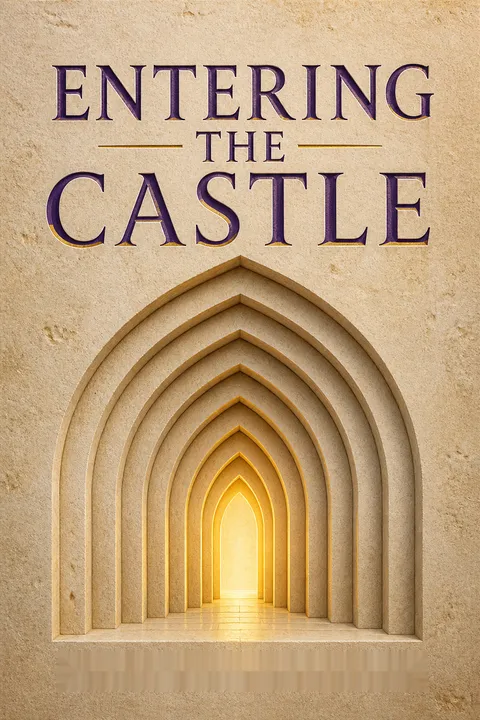
Entering the Castle is a hybrid of spiritual direction, memoir, and practical workbook. Its organizing device, Teresa of Ávila’s seven-mansion image, gives a demanding subject a memorable architecture. The movement is clear: examine the ego’s fears and attachments, cultivate inward attention, loosen the demand for certainty, receive whatever spiritual experience occurs without claiming to control it, then return to the world in service. Myss’s personal narrative and vivid cases make the stages feel lived rather than merely doctrinal. The extensive room exercises also turn broad ideals such as humility and forgiveness into questions about specific behavior.
The book’s most durable contribution is ethical rather than paranormal. It repeatedly asks whether stated beliefs appear in choices: whether a person tells the truth, keeps confidences, acts generously, and stops using grievance as a permanent identity. Its insistence that prayer is a practice, not a last-minute transaction, also challenges a consumer approach to spirituality.
Its central limitation is epistemic. Myss often presents her interpretation of dreams, bodily symptoms, unusual perceptions, and life disruptions as messages from God, and sometimes treats suffering as purposeful within a divine plan. These claims may be meaningful within her theology, but the anecdotes do not establish them as facts. The same caution applies to assertions about spiritual causes of illness or prayer as physical healing. Such ideas can comfort some readers and harm others if they imply blame or discourage care.
The most fruitful way to read the book is therefore neither as a scientific account of consciousness nor as a demand to accept every supernatural claim. Its disciplines can be tested in ordinary life: Does silence improve attention? Does reflection reveal contradictions? Does spiritual commitment produce more responsible conduct? This reading preserves the book’s contemplative force while leaving room for plural beliefs, medical evidence, and independent judgment.
Review Summary
Entering the Castle by Caroline Myss receives mixed reviews. Many readers find it transformative, praising its spiritual depth and potential for personal growth. They appreciate Myss's no-nonsense approach and the book's practical exercises. However, some criticize her interpretation of St. Teresa's work, finding it disconnected from Catholic teachings. Others struggle with the book's intensity and Myss's writing style. While some readers consider it life-changing, others find it difficult to connect with or potentially harmful due to its claims about healing and spirituality.
People Also Read










Glossary
Interior Castle
Map of the soulTeresa of Ávila’s image of the soul as a many-roomed castle, with God at its center. Caroline Myss uses the image as a map for prayer, self-examination, and spiritual development. Its rooms represent issues, strengths, and experiences to explore, while the castle provides a way to imagine inward practice without leaving ordinary life.
Seven Mansions
Stages of inward practiceThe seven broad stages in Teresa of Ávila’s Interior Castle, adapted by Myss as a progression from self-knowledge and purification toward mystical union and service. The first stages emphasize confronting fears, attachments, and habits; the later stages focus on contemplative experience, transformation, and return to the world. The stages include many rooms and may be revisited.
soul stamina
Capacity to endure truthMyss’s term for the strength to face difficult self-knowledge, tolerate uncertainty, and act according to spiritual values under pressure. It is built through prayer, contemplation, and repeated choices, rather than through occasional inspiration. Soul stamina means being able to endure challenges without surrendering integrity or relying on fear and external approval.
reptiles
Destructive inner patternsTeresa’s symbolic image, used throughout Myss’s book, for patterns that disturb the soul, such as envy, vengeance, dishonesty, resentment, addiction, and fear. They are described as difficult to notice and remove because they can operate beneath conscious awareness. The image encourages readers to identify and examine harmful habits rather than treating them as permanent identity.
organic divinity
Sacredness in life’s orderMyss’s term for the divine as present in the biological and natural processes that sustain life, including instinct, bodily awareness, and the cycles of nature. She presents it as an early way people encounter the sacred, often through concerns about survival and security. In her model, instincts alone cannot provide the deeper self-knowledge sought through contemplative practice.
Four Veils of God
Four modes of divine awarenessMyss’s framework for describing how a person may experience the divine through progressively inward dimensions: natural and bodily life, conscience and choice, inner guidance, and mystical intimacy. The veils describe a movement from survival concerns toward a sense of calling and direct relationship with God. They are presented as a spiritual interpretation, not an empirically verified psychological scale.
Prayer of Recollection
Gathering inward attentionA form of prayer Myss draws from Teresa of Ávila in which a person gathers scattered attention and emotional energy, detaches from distractions, and turns inward toward the soul and God. It is practiced through prayer, silence, and listening rather than through an attempt to force a mystical state. Myss also uses the term for a deeper experience of inward withdrawal.
Prayer of Quiet
Receptive contemplative stillnessA stage of prayer in Teresa’s account, associated by Myss with the middle mansions of the Castle. It describes a quiet, receptive state that is understood as a gift rather than an effect that can be produced by willpower. The practitioner prepares through prayer and attention, but does not control whether the experience occurs.
Prayer of Union
Felt union with GodTeresa’s term for a mystical state in which ordinary thought and sensory awareness recede and the soul experiences intimate union with God. Myss associates it especially with the fifth and later mansions. She emphasizes that such experiences are brief, cannot be commanded, and should be judged by their lasting effects on a person’s humility and conduct.
soul companions
Trusted spiritual companionsMyss’s term for people who support one another’s spiritual practice through honest discussion, shared reflection, and mutual encouragement. A soul companion is not necessarily a romantic partner or formal teacher. The relationship is meant to help people sustain their inner work, share experiences carefully, and translate spiritual insights into everyday choices and service.
FAQ
What's Entering the Castle about?
- Spiritual Journey: Entering the Castle by Caroline Myss is a spiritual guide that uses the metaphor of a castle to explore the soul's journey, inspired by St. Teresa of Ávila’s The Interior Castle.
- Seven Mansions: The book outlines seven mansions, each representing different stages of spiritual growth and self-discovery, guiding readers through a structured path to divine connection.
- Mystical Path: It emphasizes prayer, contemplation, and self-examination as essential practices for developing a personal relationship with God and understanding one's true self.
Why should I read Entering the Castle?
- Personal Transformation: The book offers a roadmap for personal and spiritual transformation, helping readers confront fears and attachments while deepening their spiritual practice.
- Understanding Mysticism: Myss demystifies mysticism, making it accessible to contemporary readers and encouraging them to become "mystics without monasteries."
- Connection to God: Readers will learn how to cultivate a more intimate relationship with God, enhancing their spiritual life and understanding of divine love and grace.
What are the key takeaways of Entering the Castle?
- Seven Mansions: The book outlines the seven mansions of the soul, each representing a different stage of spiritual development, from confronting chaos to achieving divine union.
- Power of Prayer: Myss emphasizes prayer as a transformative tool for self-knowledge and divine connection, highlighting its importance in spiritual growth.
- Humility and Detachment: Central to the journey are humility and spiritual detachment, which help individuals release material attachments and embrace their true spiritual nature.
What are the best quotes from Entering the Castle and what do they mean?
- “The kingdom of heaven is within.”: This quote emphasizes that spiritual fulfillment is found within oneself, encouraging an inward journey for divine connection.
- “In humility is the greatest freedom.”: Myss suggests that true freedom comes from letting go of ego, allowing deeper spiritual connection and divine guidance.
- “You are a channel for grace.”: This quote reminds readers of their potential to be conduits for divine love and healing, encouraging them to embrace and share their spiritual gifts.
What is the significance of the seven mansions in Entering the Castle?
- Stages of Growth: Each mansion represents a different stage in the soul's journey, providing a framework for understanding spiritual development.
- Self-Discovery: The mansions encourage self-examination, allowing individuals to confront fears and attachments, essential for personal growth.
- Path to God: The journey through the mansions leads to deeper intimacy with God, bringing individuals closer to understanding their true selves.
How does Caroline Myss define prayer in Entering the Castle?
- Communication with God: Myss defines prayer as a conscious act of communicating with God, uniting the conscious self and soul with the divine.
- Types of Prayer: The book outlines various types of prayer, each serving a unique purpose in the spiritual journey, such as repetitive prayer and the prayer of quiet.
- Invocation of Grace: Prayer is seen as an invocation of grace, opening individuals to divine guidance and support, and facilitating transformation.
How can I recognize my soul’s voice according to Entering the Castle?
- Listening for Guidance: Myss encourages paying attention to intuitive hits and feelings, as these often represent the soul's voice.
- Journaling: Keeping a journal helps articulate thoughts and feelings, making it easier to discern the soul's voice from mental noise.
- Prayer and Contemplation: Engaging in these practices creates space for the soul’s voice to emerge, with silence being key to hearing it.
What are the reptiles mentioned in Entering the Castle?
- Symbol of Inner Struggles: Reptiles symbolize negative aspects of the self, such as fears and doubts, illustrating internal struggles hindering spiritual growth.
- Confronting the Shadow: Identifying and confronting these reptiles is essential for personal transformation, freeing the soul for divine connection.
- Purification Process: Releasing these reptiles is part of purifying the soul, allowing a deeper experience of God’s love and grace.
How does Entering the Castle address the concept of divine chaos?
- Embracing Change: Divine chaos is seen as a catalyst for growth, encouraging individuals to embrace change rather than fear it.
- Learning from Chaos: Chaos is viewed as an opportunity for self-discovery, leading to profound insights and understanding of one’s purpose.
- Divine Intimacy: Experiencing chaos can bring individuals closer to God, fostering trust in a higher power essential for spiritual growth.
What practices does Entering the Castle recommend for spiritual growth?
- Daily Prayer and Contemplation: Establishing a daily practice deepens connection with the divine, cultivating awareness and receptivity to guidance.
- Self-Examination: Regular self-examination helps confront fears and attachments, essential for personal growth and awakening.
- Building a Support System: Seeking soul companions or mentors provides guidance and support, enhancing the spiritual journey.
How does Entering the Castle address the concept of evil?
- Evil as a Real Force: Myss acknowledges evil's existence, manifesting as doubt and fear, and stresses the need for spiritual protection.
- Field of Grace: Prayer and faith create a protective field of grace, maintaining inner peace against external challenges.
- Recognizing Inner Demons: Confronting inner demons helps reclaim power and strengthen spiritual resolve, shielding against negative influences.
What is the significance of surrender in Entering the Castle?
- Letting Go of Control: Surrender involves relinquishing control and trusting in divine guidance, opening the door to deeper spiritual experiences.
- Embracing the Unknown: It requires embracing uncertainty, allowing the soul to lead, which can be challenging but rewarding.
- Prayer of Surrender: Specific prayers for surrender are included, encouraging active engagement in this practice to invite grace into one’s life.
About the Author
Other books by Caroline Myss


Download PDF
Download EPUB
.epub digital book format is ideal for reading ebooks on phones, tablets, and e-readers.








