Plot Summary
Shadows and Suffering
The story opens with Cyrus, king of Tulan, lost in a feverish nightmare, tormented by the devil Iblees and haunted by the voice of Alizeh, the woman he loves but cannot reach. His mind and body are fractured, and he is trapped between realms, unable to distinguish reality from hallucination. The devil taunts him with riddles and threats, reminding Cyrus of his cursed fate and the blood debt he owes. Alizeh's presence is both a comfort and a torment, as Cyrus fears contaminating her with his darkness. This chapter sets the tone of anguish, isolation, and the inescapable grip of destiny that will haunt both protagonists.
The Unseen Queen
Alizeh, the prophesied Jinn queen, is introduced as she prepares for her wedding in the castle's kitchen, surrounded by curious and fearful servants. Despite her beauty and impending royal status, she feels alienated and misunderstood, her every move watched and gossiped about. The staff's uncertainty about her sanity and the king's heart deepens her sense of displacement. Alizeh's longing for familiarity and comfort is contrasted with the overwhelming expectations placed upon her. Her isolation is compounded by the absence of Cyrus, who is suffering in seclusion, and the mounting pressure of her role as queen.
Creatures and Omens
As Alizeh navigates the castle, she is joined by her friend Deen, and together they discuss the bizarre influx of animals—locusts, spiders, foxes, snakes, and even dragons—that have invaded the palace since Cyrus's disappearance. These creatures seem to be omens, their behavior inexplicably tied to the king's suffering. The staff and royal family are unnerved, and the magical disturbances hint at deeper forces at play. Alizeh's anxiety grows as she realizes the world is watching her, and the supernatural events foreshadow the trials to come.
Isolation and Anger
On the eve of her wedding, Alizeh is overwhelmed by anger and loneliness. She is kept from Cyrus by Hazan, his loyal friend, who insists on her distance for Cyrus's own good. The wedding has been postponed multiple times, fueling rumors and doubts about the king's intentions. Alizeh's self-doubt and fear of abandonment are palpable, and her anger at Hazan and the situation simmers beneath the surface. The magical bond between her and Cyrus is both a source of pain and a lifeline, as she feels his suffering as her own.
Breaking Down Barriers
Determined to help, Alizeh breaks down the door to Cyrus's room, finding him ravaged by the blood oath that binds them. Hazan's attempts to shield Cyrus are overruled by Alizeh's insistence, and her presence brings Cyrus relief from his agony. The scene is charged with vulnerability and suppressed longing, as Cyrus's defenses crumble in her care. The chapter marks a turning point, as Alizeh's compassion and determination begin to break through the walls of suffering and pride that separate them.
Wedding Day Unraveled
On the morning of the wedding, Alizeh is beset by omens—locusts at her window, the staff's nervousness, and Huda's frantic warnings. Cyrus, recovering from his ordeal, is distant and cold, refusing to wear the wedding garments Alizeh made for him. The tension between them is palpable, as pride and pain clash with unspoken love. The wedding is a performance for the world, but beneath the surface, both are haunted by the knowledge that their union is doomed to end in death.
Tensions and Traditions
As Alizeh prepares for the ceremony, she is surrounded by friends and rivals—Huda, Kamran, Hazan—each with their own opinions and loyalties. The conversation turns to the nature of love, sacrifice, and the burdens of royalty. Alizeh's anger at the constant criticism of Cyrus reveals her deepening feelings, even as she tries to steel herself for the task ahead. The wedding gown, the rituals, and the expectations of the court all serve to heighten the sense of impending tragedy.
Gifts and Rejections
The morning is marked by a series of emotional blows: Cyrus's rejection of Alizeh's handmade garments, her heartbreak at his coldness, and the awkwardness of their forced proximity. The palace is abuzz with preparations, but the couple is locked in a private battle of pride and vulnerability. The arrival of friends and the final preparations for the ceremony only underscore the distance between them, as both struggle to reconcile duty with desire.
Ceremony in the Clouds
The wedding takes place in a glass sphere suspended above the city, witnessed by hundreds of thousands. The ceremony is a dazzling display of magic and tradition, with dragons soaring overhead and the Diviners bestowing their blessing. Alizeh and Cyrus are bound by enchanted vows, their hands braided with light. The moment is both beautiful and excruciating, as the public celebration masks the private agony of their bond. The ceremony marks the beginning of a new era—and the tightening of the devil's grip.
Vows and Visions
As the magical vows are sealed, Alizeh is assaulted by a vision from Iblees, the devil, who delivers a cryptic warning and a chilling poem. The intrusion leaves her shaken, and Cyrus's concern reveals the depth of his feelings. The wedding is followed by a celebration, but beneath the festivities, both are haunted by the knowledge that their fates are entwined with darkness. The chapter ends with a sense of foreboding, as the true cost of their union becomes clear.
The Devil's Whisper
The aftermath of the wedding is marked by tension and suspicion. Poisoned gifts, assassination attempts, and coded threats force the group to flee for the Arya mountains in search of Alizeh's magic. Hazan's secret preparations, Kamran's jealousy, and the ever-present danger of betrayal create an atmosphere of paranoia. Alizeh's trust in Cyrus is tested, even as she senses his suffering and sacrifice. The devil's influence looms ever larger, and the journey becomes a race against time and fate.
Revelations and Warnings
In the mountains, the group is confronted by the truth of Hazan's underground army, the depth of Alizeh's power, and the sacrifices required for her to claim her magic. Kamran's past betrayal is exposed, and the group must each pledge their willingness to die for Alizeh. The tension between Cyrus and Kamran reaches a breaking point, and Alizeh is forced to confront the reality of her own heart. The chapter is a crucible of confession, loyalty, and the high cost of destiny.
Pain and Confession
As Alizeh nears the heart of the mountain, Cyrus is overtaken by the devil's magic, forced to confess the truth of his bargain and the generational debt that has doomed him. His confession is a moment of devastating vulnerability, as he admits his love for Alizeh and his failure to save her. The devil claims Cyrus's body, and Alizeh is left to face the consequences of love, sacrifice, and the inescapable grip of fate.
Poison and Protection
With Cyrus's body possessed by Iblees, Alizeh must use her burgeoning magic and the lessons of compassion and strength to confront the devil. She bargains for the release of Cyrus's father and the safety of Tulan, wielding her power with both mercy and ferocity. The confrontation is a battle of wills, as Alizeh's heart proves both her greatest weapon and her greatest vulnerability.
Threats in the Night
Alizeh's victory over the devil comes at a terrible cost: Cyrus's life hangs in the balance, and the world around them unravels. The group is left to mourn and to reckon with the consequences of their choices. Alizeh's compassion is both her salvation and her curse, as she must decide whether to save the man she loves or to fulfill her destiny as queen.
Secrets and Sacrifice
In the aftermath of the battle, Alizeh's friends rally around her, offering comfort and support. The tapestry of fate is revealed to be both fragile and resilient, as the world is remade by love, sacrifice, and the power of choice. Alizeh's magic is both a gift and a burden, and she must learn to wield it with wisdom and courage.
The Journey Home
As the group returns from the mountains, the bonds of friendship and loyalty are strengthened. Alizeh's power is recognized and celebrated, and the promise of a new era dawns. The wounds of the past begin to heal, and the future is shaped by the lessons of compassion, sacrifice, and the enduring strength of the human heart.
Magic in the Mountains
Alizeh's journey to the heart of the Arya mountains is both a physical and spiritual trial. She must confront her fears, her past, and the true nature of her magic. The trials test her resolve, her compassion, and her willingness to sacrifice for others. In the end, she emerges transformed, ready to lead her people and to face whatever challenges the future may hold.
Betrayal and Bargains
The final confrontation with Iblees is a battle of wits, will, and heart. Alizeh's refusal to be manipulated, her willingness to sacrifice, and her unwavering compassion prove to be the keys to victory. The devil is forced to bargain for his release, and Alizeh secures the safety of her people and the freedom of those she loves.
The Devil's Game
The aftermath of the battle is bittersweet. Cyrus's life hangs by a thread, and Alizeh must use all her power and love to bring him back. The world is remade by their choices, and the tapestry of fate is revealed to be both fragile and enduring. The story ends with a promise of hope, healing, and the enduring power of love.
Heart's Fatal Choice
In the final moments, Alizeh and Cyrus are reunited, their love forged in suffering and sacrifice. The lessons of compassion, mercy, and strength are woven into the fabric of their lives, and the future is shaped by the choices they have made. The story closes on a note of hope, as the queen and her king face the world together, ready to build a new era from the ashes of the past.
Characters
Alizeh
Alizeh is the prophesied Jinn queen, marked by her silver eyes and clear blood, destined to liberate her people. Raised in hiding and shaped by loss, she is both gentle and fiercely resilient. Her compassion is her greatest strength and her greatest vulnerability, driving her to acts of mercy even as it exposes her to pain. Alizeh's journey is one of self-discovery, as she learns to wield her magic, confront her fears, and embrace her destiny. Her relationships—with Cyrus, her friends, and her people—are defined by loyalty, sacrifice, and the struggle to balance duty with desire. Alizeh's psychological depth lies in her ability to hold grief and hope simultaneously, to lead with both heart and wisdom, and to transform suffering into strength.
Cyrus
Cyrus is the king of Tulan, bound by a generational bargain with the devil Iblees. Trained as a Diviner, he is both powerful and deeply wounded, carrying the weight of his family's sins and his own impossible choices. His love for Alizeh is both a source of salvation and torment, as he is forced to choose between his own happiness and the safety of millions. Cyrus's psychological complexity is rooted in his sense of honor, his capacity for suffering, and his willingness to sacrifice everything for those he loves. His journey is one of atonement, as he seeks redemption for the past and a future free from the devil's grip. His relationship with Alizeh is marked by longing, pride, and the struggle to accept love in the face of doom.
Hazan
Hazan is Cyrus's closest confidant and a key architect of the resistance. A Jinn with a tragic past, he is both pragmatic and deeply compassionate, serving as a bridge between Alizeh and Cyrus. Hazan's loyalty is unwavering, but he is not afraid to challenge those he loves for their own good. As the leader of a covert militia, he is strategic and resourceful, willing to make hard choices for the greater good. Psychologically, Hazan is driven by a sense of duty, survivor's guilt, and the hope of a better future for his people.
Kamran
Kamran, prince of Ardunia, is both a potential ally and a rival for Alizeh's heart. Haunted by his grandfather's crimes and his own failures, Kamran is proud, passionate, and often blinded by jealousy. His relationship with Alizeh is complicated by guilt, longing, and the burden of royal duty. Kamran's psychological arc is one of reckoning with the past, learning humility, and accepting the limits of his power. His rivalry with Cyrus is both personal and political, driving much of the story's tension.
Huda
Huda is Alizeh's best friend, known for her sharp wit, loyalty, and unfiltered opinions. She provides both levity and emotional support, challenging Alizeh to stand up for herself and offering comfort in times of need. Huda's own insecurities and longing for acceptance mirror Alizeh's struggles, and her friendship is a source of strength for the group. Psychologically, Huda is driven by a desire for belonging, a fear of abandonment, and a deep well of love for those she considers family.
Deen
Deen is the apothecarist, a calming presence and a source of wisdom. His knowledge of magic and medicine is invaluable, and his quiet strength anchors the group. Deen's loyalty to Alizeh is rooted in gratitude and admiration, and his friendship with Hazan and Omid adds depth to the found family dynamic. Psychologically, Deen is motivated by a desire to heal, a fear of loss, and a commitment to doing what is right, even at great personal cost.
Omid
Omid is a young boy whose life was saved by Alizeh's compassion. His journey from street urchin to loyal companion is a testament to the transformative power of kindness. Omid's innocence and bravery inspire those around him, and his willingness to sacrifice for Alizeh is both heartbreaking and uplifting. Psychologically, Omid is shaped by trauma, gratitude, and a fierce desire to protect those he loves.
Iblees (The Devil)
Iblees is the devil, a cunning and malevolent force who delights in bargains, riddles, and the suffering of others. His influence pervades the story, shaping the destinies of Cyrus, Alizeh, and the world at large. Iblees's psychological complexity lies in his ability to exploit weakness, his hunger for power, and his twisted fascination with humanity. He is both a tempter and a destroyer, a symbol of the inescapable cycles of suffering and the possibility of redemption.
Princess Firuzeh
Firuzeh, Kamran's mother, is a dazzling and unpredictable presence. Her sharp tongue and flamboyant style mask a deep intelligence and a history of survival. Firuzeh's role as a protector, strategist, and sometimes antagonist adds layers to the political and emotional landscape. Psychologically, she is driven by pride, grief, and a fierce love for her son and her people.
Soraya
Soraya is the commander of the Jinn militias, a survivor of unimaginable loss and a symbol of the enduring spirit of her people. Her loyalty to Alizeh is born of hope and shared suffering, and her presence grounds the story in the realities of war and resistance. Psychologically, Soraya is shaped by trauma, determination, and the belief in a better future.
Plot Devices
Blood Oath and Magical Bonds
The blood oath between Alizeh and Cyrus is the central plot device, a magical contract that binds their lives, powers, and destinies. It serves as both a literal and metaphorical chain, forcing them into proximity, amplifying their suffering, and making their love both inevitable and tragic. The oath's magical consequences—pain, protection, and the inability to harm or abandon each other—create constant tension and drive the narrative forward. The wedding vows, similarly enchanted, add another layer of complexity, as they force Cyrus to prioritize Alizeh's safety above all else, even at the cost of millions. These bonds are used to explore themes of consent, sacrifice, and the limits of free will.
Foreshadowing and Prophecy
The story is laced with prophecies, omens, and cryptic warnings—from the devil's riddles to the Book of Arya's evolving pages. These elements create a sense of inevitability and suspense, as characters struggle to interpret and outmaneuver fate. The use of prophecy allows for dramatic irony, as the reader often knows more than the characters, and it raises questions about agency, destiny, and the possibility of change.
Duality and Mirrors
The narrative is structured around dualities: fire and ice, love and duty, compassion and violence, freedom and bondage. Characters are often forced to confront their own reflections—literal and metaphorical—as they navigate the complexities of identity, loyalty, and desire. The mirrored landscapes, the twin roles of victim and savior, and the constant interplay between light and darkness reinforce the story's central themes.
Found Family and Sacrifice
The group of friends and allies that surrounds Alizeh and Cyrus serves as both a support system and a crucible for sacrifice. Each character is required to pledge their willingness to die for Alizeh, and their individual journeys of loyalty, betrayal, and redemption add depth to the central narrative. The found family dynamic highlights the importance of chosen bonds, the power of collective action, and the emotional cost of leadership.
The Devil's Bargain
The generational bargain with Iblees is the engine of the plot, driving the characters into impossible choices and moral dilemmas. The devil's manipulation of fate, his exploitation of weakness, and his delight in suffering create a pervasive sense of danger and uncertainty. The bargain serves as a metaphor for the cycles of oppression, the inheritance of trauma, and the possibility of breaking free through courage and compassion.
Analysis
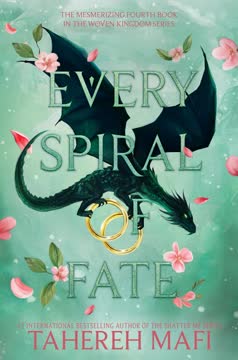
Every Spiral of Fate is a sweeping, emotionally charged fantasy that interrogates the nature of destiny, sacrifice, and the power of compassion. At its core, the novel is a meditation on the ways in which love and suffering are intertwined, and how the choices we make—especially in the face of impossible odds—define who we become. Through the intertwined journeys of Alizeh and Cyrus, the story explores the burdens of leadership, the cost of generational trauma, and the seductive dangers of power. The blood oath and magical bonds serve as both plot devices and metaphors for the ways in which we are bound by history, expectation, and love. The devil, Iblees, is not merely an antagonist but a force of fate, challenging the characters to confront their own darkness and to find strength in vulnerability. The novel's modern resonance lies in its exploration of agency within systems of oppression, the necessity of found family, and the radical potential of mercy. Ultimately, Every Spiral of Fate argues that true power lies not in domination or violence, but in the willingness to sacrifice, to forgive, and to hope—even when hope seems impossible.
Last updated: