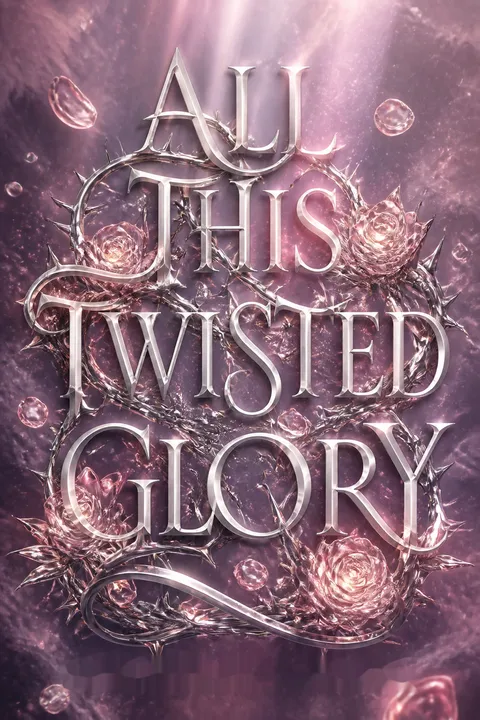


Plot Summary
The Diviners’ Closed Gate
Cyrus of Tulan has spent his youth preparing to join the Diviners, the magic-wielding priesthood whose temple first enchanted him as a child. Although he is a prince, he is the spare son, free to renounce courtly privilege for a life of study. Now, only weeks before his final vows, his old teacher bars him from the temple.
Cyrus understands that his chosen future is gone, but the Diviner offers no comfort: a terrible choice lies ahead, with few lives or many at stake. The opening leaves the cause and answer obscure, while showing how profoundly Cyrus has built his identity around a vocation he can no longer claim.
Cyrus’s rejection makes vocation, rather than birthright, the first measure of his identity. He has chosen a disciplined life that would diminish his royal status, so losing it is not simply a change of career; it strips away the future that made his unusual upbringing coherent. The Diviner’s refusal to interfere expresses the priesthood’s ethical limit, but to Cyrus that restraint feels like abandonment. The warning about lives at stake places his private grief beside a public catastrophe before the reader knows how the two connect. His composure is already a form of self-protection, one he will later mistake for control.
A Queen Faces Tulan
As Ardunian prince Kamran and his companions fly toward Tulan on the legendary Simorgh and her young, he broods over his murdered grandfather, a threatened succession, and Ardunia’s looming water shortage. He has come seeking revenge on Cyrus, the king of Tulan. Meanwhile, Alizeh has stepped before thousands of Jinn who have stormed the palace demanding proof that their long-hidden heir lives.
Rather than make grand claims, she offers the exhausted crowd water, and Cyrus’s servants distribute it. After the gathering disperses, Cyrus leaves on a secret errand. Alizeh follows him invisibly into the night, but he vanishes by magic, leaving her lost in the cold and more entangled in his life than she admits.
Alizeh’s first public act defines authority as attention to need. Faced with a crowd that might have demanded a grand performance, she notices thirst and answers it; the people accept her not through a formal proof but through recognition of her care. Kamran approaches the same kingdom with a sharply different burden: revenge, dynastic instability, and the material danger of drought. Their contrasting aims establish the political triangle around Alizeh before either prince can claim to understand her. Her decision to follow Cyrus shows how responsibility and personal curiosity have already become difficult to separate, while his disappearance preserves the imbalance between their knowledge and power.
The Devil’s Staircase
Cyrus enters a cave that serves as a passage to Iblees, the devil with whom he has made a bargain. Years earlier, fear made him hesitate on the cave’s staircase; Iblees broke his body and forced him upward until he learned that retreat was no escape. This time, Cyrus faces the ordeal without pausing.
In the devil’s grotesque chamber, Iblees taunts him with visions of losing Alizeh and insists that their fates are linked. Cyrus then finds his father, Reza, shackled and mutilated. Reza warns that no one has ever won a wager against the devil. Cyrus refuses to abandon the bargain, though the warning deepens his fear that every sacrifice may be leading to a trap.
The cave turns fear into a coercive system: Cyrus’s earlier hesitation did not save him, but gave Iblees another means to hurt him. His lesson is not that courage guarantees victory; it is that refusing to act still has consequences. That distinction complicates the heroic language of facing one’s demons. Cyrus’s father, physically captive and psychologically defeated, offers the only available testimony about the bargain, yet his warning cannot free his son from it. Iblees’s mockery of Alizeh exposes the devil’s most intimate leverage. Violence can be endured, Cyrus discovers, while the possibility of attachment threatens the discipline he has used to survive.
A Reunion Under Threat
On her way back to the palace, Alizeh feels a violent spell seize her; pain overwhelms her and a distorted message from Iblees repeats in her mind. She wakes outdoors with Hazan, her loyal Jinn friend, beside her. Kamran has arrived with Huda, the outspoken aristocrat, Omid, a former street child, and Deen, an apothecarist.
Hazan asks whether Alizeh has accepted Cyrus’s proposal, then urges her not to marry him. Kamran, still convinced she may have left Ardunia willingly with Cyrus, recoils when she explains that she was deceived and fought him. Before they can resolve the old mistrust, Cyrus appears. Kamran raises his bow, and Alizeh sees that revenge is about to overtake every other concern.
The reunion gathers people whose loyalties have been shaped by incomplete information. Hazan trusts Alizeh but fears the political and personal cost of her marriage; Kamran’s grief makes suspicion feel safer than trust. Alizeh’s injury prevents her from controlling the pace of the encounter, while the others interpret her bloodied clothes through their own fears. Her explanation forces Kamran to confront how quickly he accepted a damaging account of her, but remorse has not yet become restraint. The threat of his drawn bow converts private misunderstandings into an imminent public crisis: whatever Kamran believes about justice, his next action will endanger Alizeh and the fragile peace between kingdoms.
Arrows Over the Falls
Kamran shoots Cyrus through the leg, then fires again as Alizeh tries to lower his bow. Cyrus catches one arrow and uses magic to deflect the rest, but Alizeh rushes toward him before she can regain her balance. A final shot strikes her back. The force carries them over the cliff toward the sea.
Cyrus recognizes that the arrow has injured her spine and summons Kaveh, one of his dragons, to break their fall. Unable to remove the embedded arrow safely, Cyrus asks Kaveh to take Alizeh to the Diviners, even though they have forbidden Cyrus from entering their grounds. He transfers his remaining magic to ease her pain, then collapses after Kaveh flies away with her.
The fall is the consequence of several competing claims on Alizeh’s body and future. Kamran sees an opening for revenge, while Alizeh acts to stop him, accepting physical danger rather than let the conflict decide for her. Her intervention does not resolve the rivalry; it makes its cost immediate. Cyrus’s response is a significant reversal of his earlier possessiveness: he gives Alizeh the help he can and sends her to people who reject him, instead of insisting on control over her recovery. Yet his rescue is still constrained by his own bargain and depleted magic. Care here is costly, practical, and unheroic: a request to a dragon, a transfer of strength, then a collapse.
Breakfast Before the Storm
With Alizeh gone and Cyrus unconscious, Kamran argues with Hazan over whether to kill the injured king or search for her. Hazan refuses to let revenge take precedence again. Queen Sarra, Cyrus’s mother, brings the group inside rather than sending them to the dungeons, insisting that their attack could otherwise ignite war.
At breakfast, she learns that Alizeh was raised in hiding and publicly acknowledged as the Jinn queen. Hazan explains that her appearance may draw millions of Jinn from across the world, many fleeing persecution and seeking a sovereign.
Sarra’s alarm exposes how much the palace underestimated the consequences of Alizeh’s emergence. The news turns a personal rescue into an international crisis, with Tulan now the gathering point for a displaced people.
Sarra’s breakfast invitation is both hospitality and political containment. She understands that punishing Kamran could convert a private attack into an imperial conflict, so she manages the threat by keeping its participants under her roof. The room’s domestic ritual cannot disguise the scale of what Hazan reveals: Alizeh’s identity has become a cause around which scattered, persecuted Jinn can organize. Her authority is therefore not merely hereditary or symbolic; it is capable of redirecting migration and shifting political loyalties. Kamran’s resentment now has to contend with a fact he cannot dismiss: his grandfather’s fears about Jinn allegiance had a material basis, even if his treatment of Alizeh was unjust.
A Kingdom Offered
When Cyrus wakes, he tells the group that Iblees requires him to marry Alizeh. To persuade her, Cyrus has offered her sole rule of Tulan after his debt is settled, and he is willing to secure that promise through a binding blood oath. Kamran sees a chance to combine empires: Alizeh could take Cyrus’s kingdom, then marry Kamran, giving Ardunia access to Tulan’s water and other resources.
The plan unsettles Cyrus, who fears Tulan will become an asset for conquest rather than a home for its people. A second revelation complicates matters: Kamran’s copy of Alizeh’s Book of Arya is a decoy, while Cyrus possesses the real one. Diviners arrive to speak with him, and Hazan insists on joining them.
The offer of Tulan appears generous, but every participant understands it through a different political grammar. Cyrus frames it as relinquishment; Kamran immediately sees strategic consolidation; Alizeh’s consent has not yet been secured. The proposed blood oath promises enforceability by making the body itself a contract, turning trust into a physical constraint. That this coercive device is offered as protection reveals how few safe institutions these characters possess. The decoy book also marks knowledge as a contested resource: ownership does not equal understanding, and the most important text has been hidden from the people trying to interpret Alizeh’s future. The arrival of the Diviners signals that the bargain is not the only power moving against Cyrus.
Cyrus Learns to Endure
The narrative returns to Cyrus at fourteen, still training among the Diviners. His teacher, Rostam, finds him brooding through a hot afternoon, wishing the work would end so he can fly with his dragons.
Rostam teaches him to remain present through discomfort instead of living only for its conclusion, and warns that mastery of magic begins with mastery of the self. In the present, Cyrus waits outside the temple while Jinn gather for Alizeh. The Diviners tell him her recovery may take weeks or months because dark residue from his cloak has poisoned her.
He keeps the cause from the crowd, grows roses throughout Tulan as an apology, and watches the people chant for justice. When a locust signals that Alizeh is awake, he learns she may finally leave the temple.
The flashback gives Cyrus’s restraint a history without presenting it as a complete virtue. Rostam teaches attention to pain, not escape from it; the lesson helps explain why Cyrus can endure Iblees’s punishments and remain disciplined under pressure. But present-day Cyrus has also made endurance into isolation. He waits outside the temple, unable to enter, and conceals the poisoning rather than expose Alizeh to further danger or unrest. His roses become a form of apology he can perform without demanding forgiveness. The crowd’s justice chant confronts him with suffering that cannot be repaired by private remorse, while the locust’s message offers the first change in his long, powerless vigil.
Roses Hide a Conspiracy
Alizeh wakes in a chamber buried under roses and learns from Huda that she has been unconscious for nearly four weeks. The Diviners treated her for dark-magic poisoning, but no one has explained how the poison entered her body.
During her absence, Jinn have gathered in Tulan, the political truce with Ardunia has held, and the palace guests have become unlikely public figures. Huda describes Cyrus’s citywide roses as an expression of guilt, though she suspects him of causing the poisoning.
Alizeh does not accept that conclusion. When she learns that her people have waited outside the temple, she refuses to remain hidden. The flowers that first comfort her now become evidence of the king’s unseen care and the questions he still will not answer.
Waking does not restore Alizeh to the life she left. Time has passed without her consent, and her public role has expanded while her body was unable to act. Huda’s account gives Alizeh political context but also supplies a biased interpretation of Cyrus, forcing her to distinguish rumor from what she has observed herself. The roses embody that uncertainty: they can be read as remorse, spectacle, or an attempt to influence her. Alizeh’s refusal to condemn Cyrus without evidence is not naïveté so much as a demand for epistemic fairness. Yet she cannot afford prolonged uncertainty, because the gathered Jinn need more than private gestures from a queen who has not yet secured a throne.
The Queen Meets the Crowd
Alizeh insists on facing the Jinn gathered outside the temple, despite Omid and the others warning that the crowd is dangerous. The Diviners bow to her as she passes, a gesture that convinces her friends they recognize her as one of their own. Before Alizeh can address the people, an enchanted dagger flies toward her.
She catches it and drives it into a wall, but a second attacker throws another blade. Hazan knocks Alizeh down and carries her to safety before it reaches her. Shaken, Alizeh realizes she cannot lead her people with borrowed authority and no plan. She tells Hazan she must recover the Book of Arya and find her magic in the Arya mountains, then confirms she will marry Cyrus before Kamran arrives.
Alizeh’s decision to appear before the crowd is an act of responsibility, but the attack shows the limits of courage without protection or preparation. She can physically stop one dagger; she cannot control the political violence gathering around her. The Diviners’ bow deepens the mystery of her relation to magic, yet gives her no immediate instruction. Rather than interpret the assassination attempt as a reason to retreat permanently, Alizeh uses it to revise her terms of leadership: next time she will have a crown and a plan. Her choice to marry Cyrus follows this practical urgency, but it is also emotionally charged. Her need for power and her growing attachment are beginning to occupy the same decision.
Two Princes, One Crown
Kamran arrives at the temple relieved that Alizeh survived, but she tells him their romantic possibility has passed. In the carriage back to the palace, he makes a formal marriage proposal, praising her as a future queen and emphasizing Tulan’s water, fertile land, magic, and stable economy.
He wants both Alizeh and the kingdom. When she tells him she intends to marry Cyrus, Kamran accepts the plan only as a route to her later marriage with him: she should take Tulan, kill Cyrus when the devil releases him, and unite the empires.
Alizeh sees that his proposal is political as well as personal and refuses to treat Tulan as a prize to be shared. She returns to the palace carrying her decision and the recovered handkerchief that connects her to her parents.
Kamran’s proposal reveals both growth and persistence of his old assumptions. He now recognizes Alizeh’s political importance and can describe Tulan’s value with sharp intelligence, but he still imagines her future as a component of a dynastic settlement. His honesty about wanting the kingdom is more respectful than disguising ambition as devotion, yet it does not answer what Alizeh wants. Her refusal to share the crown is a claim to political self-determination, not simply a rejection of Kamran. The handkerchief briefly anchors her in family memory as she weighs these competing futures. She must decide whether to accept an alliance that offers safety through another empire or risk building power on her own terms.
The Cost of Binding
Alizeh tells Cyrus she will accept his proposal, but his guarded response makes clear that he cannot celebrate a marriage demanded by Iblees. She wants a public wedding for the Jinn and a small cake for the palace staff; Cyrus resists, then yields.
Their attraction breaks through his restraint, but he stops before touching her further and asks to perform the blood oath that night. When the others gather, Hazan explains that the oath will tether Cyrus to Alizeh, cause severe pain, and restrict his freedom until his debt is paid.
Kamran supports the bargain because it protects Alizeh’s claim to Tulan. Cyrus reveals the oath’s terms and his past training as a near-Diviner, while refusing to explain his deepest secrets. Alizeh keeps her decision.
This section turns consent into the central question of an arrangement that is otherwise saturated with coercion. Iblees has dictated the marriage, political necessity presses Alizeh toward it, and the oath will bind Cyrus physically. Yet Alizeh still exercises choice within those constraints: she asks for a wedding that includes her people and the household, and insists on deciding the terms of her future. Cyrus’s restraint in their private encounter complicates the villainous image around him, but his refusal to disclose his history also limits intimacy. The group’s debate makes protection ethically unstable: an oath can guard Alizeh’s rights while depriving Cyrus of autonomy. No one can make the bargain harmless.
Blood Becomes a Vow
In an abandoned cottage, Cyrus draws darkness around himself and begins the blood oath. The magic suspends and wounds him until his blood forms a cloak. He promises Alizeh Tulan, vows not to touch her without her consent, and offers his life once Iblees releases him.
Hazan warns that she may still refuse. Alizeh takes the blood garment onto her shoulders and speaks Cyrus’s name, accepting the bond as it dissolves into her body. Cyrus collapses. By dawn, he wakes in a guest room, far enough from Alizeh for the bond to strike him with punishing pain.
She comes to him, tends his wounds, and stays beside him as he mistakes her presence for another dream. Her promise to uncover the truth and make Iblees answer ends the book with the bond secured but its consequences still unfolding.
The oath is the novel’s most literal conversion of power into obligation. Cyrus gives up bodily autonomy to secure Alizeh’s claim, while Alizeh accepts his blood and the political inheritance attached to it. The ceremony does not resolve their moral conflict; it intensifies it by making closeness both comfort and constraint. Cyrus’s dawn awakening echoes the dreams through which Iblees has manipulated him, but Alizeh’s actual care disrupts that pattern: she remains present when he expects abandonment. Her final resolve redirects the intimacy between them toward a shared enemy without making trust complete. The ending offers an alliance built on sacrifice and tenderness, while leaving its terms, its cost, and the devil’s larger design unsettled.
Analysis
The novel makes political authority inseparable from the question of who is permitted to choose. Alizeh’s public recognition creates a constituency before she has a crown, army, or recovered magic; her legitimacy arrives as a human response to historical dispossession, not as a settled institution. That recognition threatens empires whose economies depend on Jinn exclusion, so the crowds around Tulan are at once a hopeful homecoming and a potential international crisis. The rulers cannot treat her marriage as private, because each proposed union could redirect land, water, military power, and the future of an entire people.
Cyrus and Kamran embody different distortions of responsibility. Cyrus has learned to endure pain and surrender status, but secrecy and self-punishment make him difficult to trust. Kamran is beginning to understand the material needs of his empire, yet his first response is often to turn people into strategic solutions. Alizeh rejects both the assumption that she belongs to a man and the belief that compassion requires her to ignore danger. Her authority depends on remaining capable of judgment amid forces trying to claim her.
The blood oath gives these tensions a physical form. It makes a promise credible by restricting the promiser’s freedom, protecting Alizeh while also making intimacy structurally unequal. The rite cannot resolve the moral problem it is meant to manage. Likewise, Cyrus’s roses communicate regret without explaining what happened, and the Book of Arya invites political interpretation without offering certainty. Across these devices, the novel distinguishes a sign from an answer. Its characters must act before they possess complete knowledge, but the story insists that the quality of action matters: whether they listen, whether they accept another person’s agency, and whether they treat collective suffering as more than leverage. The ending gives Alizeh and Cyrus a bond, not a solution. It leaves the central work ahead: discovering what Iblees wants, recovering Alizeh’s power, and building a political future that does not reproduce the violence it seeks to end.
Review Summary
All This Twisted Glory receives mixed reviews. Many readers love the romance between Alizeh and Cyrus, praising their chemistry and angst. However, some criticize the slow plot progression and lack of action. The character development, especially Kamran's, is controversial. Fans appreciate Mafi's beautiful writing and character interactions, while others find the story cliché and juvenile. The book's pacing and focus on romance over plot advancement are common points of contention. Despite criticisms, many readers eagerly anticipate the next installment in the series.
People Also Read






Characters
Alizeh
Hidden Jinn heirAlizeh is a young Jinn woman who has survived by keeping her identity and unusual abilities hidden. Years of precarious work have made her observant about how the powerful treat servants and the poor, but hardship has not dulled her instinct to protect others. She approaches authority as a responsibility to answer real needs, not as a reward for birth. Her instinctive compassion can put her in danger, especially when political actors try to make decisions on her behalf. She is also emotionally perceptive, though she struggles to reconcile what she senses in others with the evidence of their actions. Her central tension is how to become powerful enough to protect her people without surrendering her own judgment.
Cyrus
Unadorned Tulanian kingCyrus rules Tulan with unusual reserve. He avoids the display expected of a monarch, wears plain clothes, and handles many matters without a courtly entourage. His sharp intelligence and disciplined self-command help him navigate dangers that would overwhelm a less prepared ruler, but they also make him difficult to read. He is prone to disguising vulnerability as contempt, especially when affection threatens to disrupt his control. Cyrus is drawn to magic and to questions larger than status or wealth, though the choices he has made leave others with compelling reasons to distrust him. His relationship with Alizeh unsettles his defenses and forces him to confront the difference between wanting to protect someone and having the right to decide for them.
Kamran
Grieving Ardunian princeKamran is the crown prince of Ardunia, trained to carry the expectations of a powerful empire. He is brave, capable with a bow, and accustomed to measuring danger in terms of threats to his family and throne. Grief over his grandfather’s death narrows his judgment, while the prospect of inheriting an empire facing political upheaval and water scarcity presses him toward strategic thinking. He admires Alizeh but has difficulty distinguishing love from the political future he imagines beside her. His pride makes criticism painful, yet his encounters with people outside court have begun to expose the limits of his inherited assumptions. He can be generous and perceptive, but he must learn that responsibility requires listening before acting.
Hazan
Alizeh’s steadfast guardianHazan is Alizeh’s loyal Jinn friend and a trusted adviser who has repeatedly risked himself for her safety. He is physically formidable, perceptive, and willing to confront princes when their judgment endangers her. His loyalty is not blind obedience: he questions Alizeh’s decisions when he believes she is placing herself at needless risk, even as he ultimately respects her agency. Years of service have taught him caution and made him reluctant to reveal his own history. His dry humor softens a naturally guarded presence, while his fierce protectiveness can become a source of conflict when Alizeh needs room to make her own mistakes.
Huda
Blunt-hearted aristocratHuda is an aristocratic young woman whose lively, unpolished manner unsettles the formal worlds around her. She uses humor, appetite, and bluntness to claim space in settings where others would prefer her quiet or ornamental. Beneath the comic energy is a history of family cruelty and loneliness, which helps explain her loyalty to Alizeh and her sensitivity to people treated as lesser. Huda is curious enough to investigate secrets and outspoken enough to challenge Kamran, even when she admires him. Her friendship with Alizeh is grounded in genuine affection rather than rank, and being seen for her own tastes and talents allows her confidence to emerge.
Omid
Streetwise young protectorOmid is a twelve-year-old former street child who has endured loss, hunger, and danger at an age when he should have been protected. He brings practical knowledge of crowds and theft, as well as a stubborn sense of duty toward those who have shown him kindness. His appetite and youthful chatter can make adults underestimate how closely he watches them. Omid’s loyalty to Alizeh grows from gratitude but is not merely dependence; he wants to keep her safe because he understands what it means to lose the people who offer care. His vulnerability and resilience coexist, and his concern often forces the older characters to face the human cost of their choices.
Deen
Practical apothecaristDeen is an Ardunian apothecarist who joins the journey as a steady, observant adult among more volatile companions. He is cautious about danger and often tries to keep the group’s decisions grounded in practical consequences. His expertise gives him a route into the magical world through medicines and experiments, and he takes his craft seriously without losing his wry sense of humor. Deen’s reserve can make him seem pessimistic, but he is capable of loyalty and courage when someone needs help. He values knowledge that can be used, particularly when it improves care for others, and finds in Tulan opportunities to develop his skills beyond the limits he faced at home.
Sarra
Strategic Queen MotherSarra is Cyrus’s mother and the formidable Queen Mother of Tulan. She can be theatrical, cutting, and unnervingly pragmatic, shifting from social mockery to political calculation without warning. Sarra understands that appearances matter at court, but she is not simply governed by etiquette; she reads the risks surrounding her family and kingdom with a sharp eye. Her relationship with Cyrus is strained by fear and old injury, leaving affection difficult to express. She is capable of protecting guests when doing so serves the peace, while her strange detachment can make her motives hard to trust. Sarra’s intelligence lies partly in recognizing that a chaotic situation can become useful if managed decisively.
Iblees
Devil behind the bargainIblees is a devil who exerts power through contracts, psychological pressure, and dark magic. He does not need to remain physically present to influence events; riddles, nightmares, and carefully chosen punishments keep his debtors anticipating his next move. His cruelty is strategic, aimed at the particular vulnerabilities of those he controls rather than at pain alone. He understands that emotional attachment can be more disruptive than physical suffering and uses that knowledge to unsettle Cyrus. Iblees’s motives remain partly concealed, making his demands difficult to interpret and his bargains dangerous even when their terms appear clear.
Reza
Cyrus’s captive fatherReza is Cyrus’s father and the former king of Tulan. His captivity under Iblees has left him physically broken and convinced that the devil’s bargains cannot be won. He still cares about his son, but fear and regret shape the warnings he gives. Reza represents the inherited cost of a choice made before Cyrus could understand its full consequences.
Rostam
Cyrus’s early teacherRostam teaches the young Cyrus among the Diviners. Calm and exacting, he treats discomfort as something to meet with attention rather than deny. His instruction links magical discipline to ethical responsibility, giving Cyrus a framework for self-command that remains important long after their training ends.
Mozafer
Diviner bearing warningsMozafer is one of the Diviners who meets Cyrus when Alizeh is gravely ill. He speaks with measured compassion, but the priesthood’s rules limit what guidance he can offer. His presence embodies the combination of knowledge and restraint that defines the Diviners.
Dija
Voice among the JinnDija is an elderly Jinn woman who becomes an intermediary for the crowds gathered outside the temple. Frail in body but resolute in spirit, she helps calm disputes and gives the people a shared voice while they wait for their queen.
Zaal
Kamran’s late grandfatherZaal is Kamran’s grandfather and the former ruler whose death drives the prince’s pursuit of revenge. His decisions continue to shape Ardunia’s politics and Kamran’s beliefs, even as the prince begins to question the legacy he inherited.
Zahhak
Ambitious defense ministerZahhak is Ardunia’s defense minister, a political threat to Kamran’s claim to power. His maneuvers make the prince’s absence from home dangerous and force Kamran to consider how much time he can spend pursuing personal justice.
Simorgh
Legendary sky-borne allySimorgh is a magnificent, magical bird who answers a desperate call connected to Kamran’s family. She carries Kamran and his companions toward Tulan, while her presence signals how extraordinary the crisis has become. Her independence and power make her more than a mount; she chooses when to help and when to depart.
Kaveh
Cyrus’s sardonic dragonKaveh is one of Cyrus’s oldest and most trusted dragons. Sardonic and emotionally perceptive, he communicates with Cyrus through thought and can challenge the king when his judgment falters. His loyalty is practical rather than deferential, shaped by long familiarity.
Plot Devices
Iblees’s bargain
A debt with hidden termsCyrus’s contract with Iblees makes the devil an active force in both his private life and the struggle over Tulan. The bargain gives Iblees leverage to demand a marriage and to punish Cyrus through physical torment, nightmares, and dark magic. Its full terms remain undisclosed, even to people close to Cyrus, so every apparent choice carries uncertainty about what the devil intends to gain. The contract also shapes Cyrus’s sense that his own survival matters less than completing an obligation. It creates the novel’s central moral pressure: characters must make plans around a threat whose rules are only partly visible.
The blood oath
A body-bound guaranteeThe blood oath is a dangerous magical contract that binds a debtor physically to the person owed. Cyrus uses it to make his promise of Tulan enforceable and to guarantee that he will not touch Alizeh without her consent. The rite extracts blood, creates a cloak that Alizeh must accept, and makes separation painful for Cyrus. Its risks make it more than a romantic pledge: it transfers power while restricting freedom, and it forces Alizeh to consider whether security is worth accepting a bond she cannot easily undo. The oath turns political trust into bodily consequence.
The Book of Arya
A map toward lost powerThe Book of Arya is an enchanted volume connected to Alizeh’s identity and the magic she has yet to claim. Its cryptic inscription suggests a union between kingdoms, tempting Kamran to interpret it as a prediction of his future with Alizeh. The book’s outwardly identical decoy misleads him, while Cyrus keeps the real volume. Because neither possession nor a partial reading guarantees understanding, the book drives political speculation and gives the characters another reason to seek Alizeh’s hidden power. It links the personal question of whom she will marry to the larger question of how kingdoms may be joined.
The nosta
A test for truthThe nosta is a small magical object that reacts to truth and falsehood, allowing Alizeh to test claims when words alone cannot be trusted. Hazan gives it to her as protection, and it helps her assess people in moments of uncertainty. Its history also connects it to Cyrus’s family, turning a personal token into evidence of a concealed relationship between their worlds. The nosta cannot answer every question: a truthful statement may still omit context, and a person may be unable to speak freely. Its limited certainty makes it useful without replacing judgment.
Simorgh’s feather
A last-resort escapeA magical feather left to Kamran by his grandfather summons Simorgh when the prince is in desperate need. It provides transport for Kamran and his companions when political danger leaves them with few safe options. The feather’s power is not a convenient service or a promise of permanent protection; Simorgh appears in response to crisis and retains her own agency. By bringing the party to Tulan, the feather enables Kamran’s confrontation with Cyrus and gives Alizeh’s scattered allies a way to reunite. It also makes the journey itself a visible sign of the exceptional stakes surrounding the characters.
FAQ
Synopsis & Basic Details
What is All This Twisted Glory about?
- Political Intrigue & Destiny: The story follows Alizeh, the lost queen of Arya, as she navigates a complex political landscape, her identity sparking a revolution among the Jinn. She must make difficult choices about her future, her heart, and her kingdom.
- Sacrifice & Dark Bargains: Prince Cyrus of Nara is bound by a dark bargain with the devil, forcing him to make impossible choices that intertwine his fate with Alizeh's. He grapples with his past and the consequences of his actions.
- Unlikely Alliances & Quests: Prince Kamran of Ardunia, along with a group of unlikely allies, embarks on a quest for revenge and justice, their paths crossing with Alizeh and Cyrus, leading to unexpected alliances and conflicts.
Why should I read All This Twisted Glory?
- Complex Characters & Relationships: The novel features morally gray characters with intricate motivations, exploring the complexities of love, loyalty, and betrayal. The relationships between Alizeh, Cyrus, and Kamran are particularly compelling.
- Intricate Plot & Political Intrigue: The story is filled with political machinations, hidden agendas, and unexpected twists, keeping readers engaged and guessing until the very end. The blend of magic and political strategy is captivating.
- Themes of Power & Sacrifice: The book delves into profound themes of power, sacrifice, and the burden of leadership, prompting readers to consider the cost of ambition and the nature of destiny. The exploration of these themes is both thought-provoking and emotionally resonant.
What is the background of All This Twisted Glory?
- Magical & Political Landscape: The story is set in a world where magic is a tangible force, influencing political power and social structures. The empires of Ardunia and Tulan are central, each with unique cultures and histories.
- Jinn & Human Conflict: The Jinn, a magical race, are a significant part of the world, often oppressed and seeking a leader. The conflict between Jinn and humans, and the struggle for equality, is a key element.
- Ancient Prophecies & Destinies: The narrative is driven by ancient prophecies and destinies, adding a layer of fate and inevitability to the characters' journeys. These prophecies shape the characters' choices and the unfolding events.
What are the most memorable quotes in All This Twisted Glory?
- "Few can die. Or many.": This quote, delivered by a Diviner to Cyrus, encapsulates the weight of his choices and the potential consequences of his actions, highlighting the theme of sacrifice.
- "You will not last long enough to benefit from knowing my name. But if you must know, my mother named me 'Your Death.'": This quote, from the epigraph, foreshadows the dangerous nature of the characters and the high stakes of their conflicts.
- "I want it all, angel. Not just your joy but your sorrow. Not just your hope but your fear. I want your anger and disdain, your frustration and contempt.": This quote reveals Cyrus's complex and all-consuming desire for Alizeh, highlighting the depth of his feelings and his willingness to embrace all aspects of her.
What writing style, narrative choices, and literary techniques does Tahereh Mafi use?
- Rich, Evocative Prose: Mafi employs a lyrical and descriptive writing style, creating a vivid and immersive world. Her use of sensory details and metaphorical language enhances the emotional impact of the story.
- Multiple Perspectives & Shifting POVs: The narrative shifts between different characters' perspectives, providing a multifaceted view of the events and allowing readers to understand their motivations and inner conflicts. This technique adds depth and complexity to the story.
- Foreshadowing & Symbolism: Mafi uses subtle foreshadowing and recurring symbols to hint at future events and deepen the thematic resonance of the story. The use of color, light, and darkness is particularly effective in conveying the characters' emotional states.
Hidden Details & Subtle Connections
What are some minor details that add significant meaning?
- The Locust on Cyrus's Shoulder: The green locust that lands on Cyrus's shoulder as he enters the Diviners' tunnel is a recurring motif, symbolizing his connection to the natural world and his ability to communicate with creatures, a skill he developed as a Diviner.
- The Unopened Steel Chest: Cyrus's habit of carrying an unopened steel chest, first seen when he feeds his dragon, hints at his hidden burdens and the secrets he carries. This detail foreshadows the weight of his responsibilities and his connection to the past.
- The Color Yellow: The color yellow, associated with Miss Huda's dress, is initially presented as a source of ridicule, but later becomes a symbol of her resilience and individuality, highlighting her growth and self-acceptance.
What are some subtle foreshadowing and callbacks?
- The Book of Arya Inscription: The cryptic inscription from the Book of Arya, "Melt the ice in salt, braid the thrones at sea, in this woven kingdom, clay and fire shall be," foreshadows the merging of different powers and the complex relationships between the characters.
- Cyrus's Dreams: Cyrus's recurring dreams of Alizeh, initially presented as a manipulation by the devil, foreshadow his genuine feelings for her and the depth of their connection, blurring the lines between reality and illusion.
- The Spiders in the Cave: The spiders in the cave, particularly the large one that assesses Cyrus, foreshadow his ability to communicate with creatures and his connection to the natural world, a skill he developed as a Diviner.
What are some unexpected character connections?
- Hazan's Mother & the Ardunian Court: The revelation that Hazan's mother was a spy in the Ardunian court connects him to the political intrigue and history of the world, adding depth to his character and his loyalty to Alizeh.
- Omid's Fesht Heritage & Sarra's Mother: The shared Fesht heritage between Omid and Sarra creates an unexpected bond, highlighting the interconnectedness of the characters and the diverse cultures within the world.
- Deen's Knowledge of Magic: Deen's expertise in potions and his connection to the palace alchemist reveal a hidden depth to his character, showing that he is more than just a simple apothecary.
Who are the most significant supporting characters?
- Hazan: Hazan's unwavering loyalty and strategic mind make him a crucial ally to Alizeh, providing guidance and support. His personal history and connection to the Jinn add depth to his character.
- Miss Huda: Miss Huda's wit and humor provide comic relief, but her sharp observations and loyalty make her a valuable companion to Alizeh. Her personal growth and self-acceptance are also significant.
- Omid: Omid's earnestness and loyalty make him a compelling character, and his connection to the Jinn and his past experiences add depth to his role in the story. His emotional vulnerability and desire to protect Alizeh are also significant.
Psychological, Emotional, & Relational Analysis
What are some unspoken motivations of the characters?
- Cyrus's Self-Sacrifice: Cyrus's willingness to sacrifice himself for Alizeh stems from a deep-seated guilt and a desire for redemption, driven by his past actions and his belief that he is unworthy of love.
- Kamran's Need for Control: Kamran's desire to marry Alizeh is driven by a need to control his destiny and secure his power, masking his genuine feelings for her and his desire for revenge against Cyrus.
- Alizeh's Fear of Abandonment: Alizeh's desire to lead her people stems from a deep-seated fear of abandonment and a need to protect those she cares about, driven by her past traumas and losses.
What psychological complexities do the characters exhibit?
- Cyrus's Internal Conflict: Cyrus struggles with his dark past and his desire for redemption, torn between his duty to the devil and his growing feelings for Alizeh. His internal conflict is a central aspect of his character.
- Kamran's Emotional Turmoil: Kamran grapples with grief, anger, and a desire for revenge, masking his vulnerability and his genuine feelings for Alizeh. His emotional turmoil is a driving force in his actions.
- Alizeh's Burden of Responsibility: Alizeh is burdened by the weight of her destiny and the expectations of her people, struggling to balance her personal desires with her responsibilities as a leader. Her internal conflict is a key aspect of her character.
What are the major emotional turning points?
- Cyrus's Confession: Cyrus's confession of his dreams and feelings for Alizeh marks a turning point in his character arc, revealing his vulnerability and his struggle with his dark past.
- Alizeh's Decision to Marry Cyrus: Alizeh's decision to marry Cyrus, despite her feelings for Kamran, is a major emotional turning point, highlighting her commitment to her people and her willingness to sacrifice her own happiness.
- Kamran's Realization of Alizeh's Power: Kamran's realization of Alizeh's true power and her connection to the Jinn forces him to reevaluate his motivations and his relationship with her, leading to a shift in his perspective.
How do relationship dynamics evolve?
- Cyrus & Alizeh: The relationship between Cyrus and Alizeh evolves from animosity and suspicion to a complex bond of love and sacrifice, driven by their shared destiny and their growing understanding of each other.
- Kamran & Alizeh: The relationship between Kamran and Alizeh shifts from a romantic connection to a political alliance, as they both grapple with their responsibilities and their individual desires.
- Hazan & Alizeh: Hazan's unwavering loyalty and protective nature create a strong bond with Alizeh, highlighting his deep affection and his commitment to her well-being.
Interpretation & Debate
Which parts of the story remain ambiguous or open-ended?
- The Devil's True Motives: The devil's true motives for wanting Alizeh to marry Cyrus remain ambiguous, leaving readers to speculate about his ultimate goals and the extent of his influence.
- The Nature of Alizeh's Magic: The exact nature of Alizeh's magic and her connection to the Book of Arya are not fully explained, leaving room for future exploration and development.
- The Future of the Empires: The long-term consequences of the political alliances and the potential for war between the empires remain uncertain, leaving the future of the world open to interpretation.
What are some debatable, controversial scenes or moments in All This Twisted Glory?
- Cyrus's Treatment of Alizeh: Cyrus's initial treatment of Alizeh, driven by his belief that she is aligned with the devil, is a controversial aspect of his character, raising questions about his morality and his capacity for redemption.
- Kamran's Actions Toward Alizeh: Kamran's decision to shoot Alizeh, driven by his desire for revenge, is a controversial moment, highlighting his flaws and his struggle to balance his emotions with his responsibilities.
- Alizeh's Decision to Marry Cyrus: Alizeh's decision to marry Cyrus, despite her feelings for Kamran, is a controversial choice, raising questions about her motivations and her willingness to sacrifice her own happiness for the greater good.
All This Twisted Glory Ending Explained: How It Ends & What It Means
- The Blood Oath & Its Consequences: The blood oath ceremony is a pivotal moment, binding Cyrus to Alizeh and highlighting the sacrifices they are both willing to make. The oath's consequences are both physical and emotional, setting the stage for future conflicts and challenges.
- Alizeh's Decision & Its Implications: Alizeh's decision to marry Cyrus, despite her feelings for Kamran, is a complex choice driven by her sense of duty and her desire to protect her people. This decision sets the stage for future conflicts and alliances.
- Open-Ended Future: The ending leaves the future of the characters and the world uncertain, with many questions unanswered. The potential for war, the true nature of Alizeh's magic, and the ultimate fate of Cyrus all remain open to interpretation, setting the stage for future installments in the series.
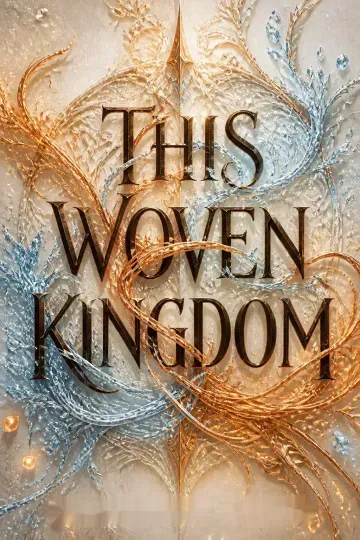
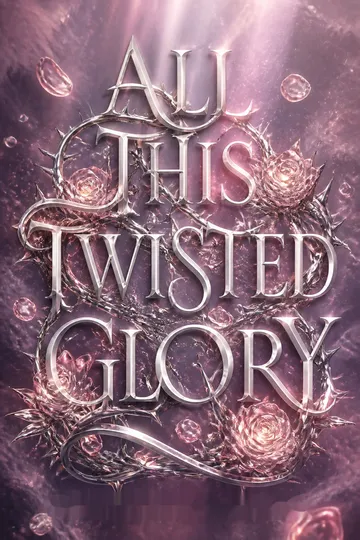
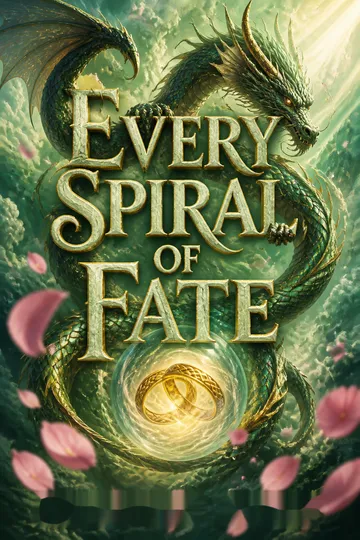
This Woven Kingdom Series

About the Author
Other books by Tahereh Mafi








Download PDF
Download EPUB
.epub digital book format is ideal for reading ebooks on phones, tablets, and e-readers.








