


Plot Summary
The Ball Becomes a Pyre
At Ardunia’s royal ball, Tulan’s young king, Cyrus, kills King Zaal while Prince Kamran watches, wounded and trapped inside a ring of magical fire. Alizeh, the servant Kamran has fallen for, walks through the flames unharmed, knocks Cyrus’s sword away, and strikes him. Her strength and Cyrus’s fear shatter Kamran’s picture of the helpless young woman he thought he knew.
Cyrus identifies Alizeh as a Jinn and links her to the devil, Iblees. When he mentions that Hazan, Kamran’s trusted minister, is part of the mystery, Alizeh’s guilty reaction convinces Kamran that both she and Hazan deceived him. Grieving and furious, Kamran orders Hazan’s execution and vows to kill Alizeh.
The ball turns private attachment into public catastrophe. Kamran’s grief for Zaal arrives at the same moment as the collapse of his trust in Alizeh, so he reaches for political certainty before he can process either loss. His decree against Hazan is less an act of justice than an attempt to regain control by punishing the person he believes has betrayed him. Alizeh’s power, meanwhile, is made visible before she has chosen to reveal it. The scene establishes a conflict between what characters know and what they can prove, with fear filling the gaps.
The Dragon Through the Wall
Alizeh bolts from the ballroom, but dark magic lifts her helplessly into the air. Cyrus admits that he and Alizeh have a connection through Iblees and claims she is to marry him, sharpening Kamran’s belief that she has chosen an enemy over him. A dragon smashes through the palace wall, catches Alizeh, and carries her into the night.
Kamran challenges Cyrus to a sword fight despite his burns. He nearly wins, but Cyrus freezes him upright, leaving him alive and unable to move. Cyrus then disappears. Kamran is left in the wrecked ballroom with Zaal’s body, the nobles’ panic, and the knowledge that the woman he wanted to protect has escaped with the king he intends to destroy.
The escape separates the protagonists physically while making their emotional entanglement harder to deny. Kamran fights Cyrus as an act of vengeance, but his reaction to Alizeh’s danger keeps interrupting his anger. Cyrus’s decision to immobilize rather than kill him preserves Kamran as a future adversary and suggests that the violence has rules Kamran cannot yet see. The dragon’s arrival also transforms a palace crisis into an international one: Alizeh’s departure is not a clean rescue, but the beginning of her forced passage into Cyrus’s world.
A Blue Cube of Life
As nobles crowd around the frozen prince, defense minister Zahhak declares Kamran dead and proposes taking temporary control of the crown. Kamran’s mother, unseen in the confusion, drives her enchanted ruby dagger into his shoulder.
The blade breaks Cyrus’s spell, but it also exposes the strange gold branches spreading across Kamran’s face and body. His mother vanishes before he can question her. Severely injured and struggling to breathe, Kamran orders a Diviner summoned, but help is delayed.
Omid, the former street child Kamran once rescued, appears with a single blue Sif cube, a rare battlefield medicine the Diviners had entrusted to him. Omid gives it to Kamran instead of keeping it for himself, and the magic saves the prince’s life without undoing his altered mark.
Omid’s choice answers the ballroom’s spectacle of betrayal with an act of uncalculated loyalty. He risks his own protection to save a ruler who has not always treated him kindly, giving Kamran a reason to reconsider the people he has dismissed. At the same time, the changed gold mark makes survival politically unstable: Kamran is alive, but the sign that once confirmed his inheritance now invites doubt. The mother’s intervention is equally double-edged. She saves him, yet her disappearance leaves care and trust tangled with secrecy rather than restored.
A Bride Bound for Tulan
On the dragon’s back, Alizeh learns that the creature is carrying her to Tulan, where Cyrus intends to marry her. She refuses, then tries to escape by throwing herself from the sky. Cyrus catches her before she falls to her death and gives her his coat against the cold. Alizeh’s fear turns toward Kamran: he is badly injured, the Diviners are dead, and Hazan may be executed.
She learns that Cyrus’s actions are tied to a debt he owes Iblees, though he has not explained the terms. As dawn approaches, Tulan rises beneath them: waterfalls, a cliffside palace, and a landscape that makes Alizeh feel unexpectedly close to home. Her arrival brings beauty, not freedom.
The flight makes Alizeh’s captivity emotionally complicated without making it voluntary. Cyrus can offer warmth and explain his constraints, but he still controls the destination and the terms of their meeting. Alizeh’s leap is a desperate attempt to reclaim agency, and Cyrus’s rescue only confirms that even escape has been anticipated by someone else. Tulan’s water and open beauty awaken a sense of belonging that contrasts with the coercion of her arrival. The contrast matters: a place can feel like home before its people or ruler have earned her trust.
Sarra's Quiet Assassination
At the palace, Cyrus’s mother, Sarra, greets Alizeh as the bride her son has discussed for months, though Alizeh insists she never agreed to come. Sarra’s delight unsettles her, especially when Cyrus refuses to explain their supposed history. Alizeh tells Sarra plainly that Cyrus murdered Zaal and that she intends no marriage.
Sarra reveals that Cyrus killed his own father, her husband, and that she has been unable to forgive him or bring herself to kill him. She asks Alizeh to help, arguing that open resistance will fail against Cyrus’s sorcery and suspicion. Alizeh is disturbed by Sarra’s mixture of grief and complicity, but agrees to pretend to accept the match so she can get close enough to act.
Sarra’s request puts Alizeh’s instinct to protect others in the service of an intimate, morally compromised plan. Sarra is neither a reliable ally nor a simple villain: she names her son’s violence while helping sustain the palace that shelters him. Her inability to act against Cyrus exposes the emotional limits of righteous anger, particularly when parenthood and grief are involved. Alizeh’s agreement is tactical, not trustful. She enters another performance because it may prevent further harm, yet the plan asks her to imitate consent in a situation already defined by coercion.
The Firefly in the Bag
In Setar, Kamran reads a newspaper account that presents Alizeh as Cyrus’s accomplice and sees his altered face for the first time. Miss Huda, a young woman for whom Alizeh sewed, brings Kamran Alizeh’s abandoned carpet bag and explains that Cyrus appeared in her room without warning. Her account contradicts the idea that Alizeh and Cyrus had planned the ball together.
Kamran resists her claims, but a frantic insect escaping from the bag catches his attention. Miss Huda identifies it as a firefly, not a bee. The distinction points Kamran toward Jinn custom and Hazan, who once gave him a similar insect. Kamran realizes the evidence may mean Hazan’s actions were not part of Cyrus’s scheme.
Kamran’s investigation begins as an effort to confirm his accusation, but each witness complicates the story he wants to believe. Miss Huda’s credibility is imperfect because she has spoken to the press, yet her concrete account of Cyrus’s arrival gives Kamran evidence he cannot dismiss as romantic confusion. The firefly works as a small, material interruption: a piece of Jinn culture hidden among Alizeh’s ordinary possessions. It shifts the question from whether Hazan betrayed Kamran to whom Hazan was trying to protect. In this section, attention becomes a form of moral correction.
Hazan Leaves the Dungeon
Kamran visits Hazan in the dungeon, where guards have shackled the minister after discovering he is Jinn. Kamran confirms that the firefly belongs to Hazan and asks what he did for Alizeh. Hazan admits he helped her only by watching over her, not by arranging an uprising or assisting Cyrus. He also insists she has no wish to seize Ardunia.
Kamran withdraws the death sentence and asks Hazan for help, explaining that he fears Alizeh is tied to Iblees. Hazan reveals that Kamran’s altered gold mark may mean his claim to the throne is no longer unquestioned. He breaks his restraints and the cell door, but agrees to cooperate only if Kamran does not harm Alizeh without his approval.
The dungeon scene converts a friendship built on hierarchy into a negotiation between men who can finally speak without ceremony. Hazan’s strength is physical, but his condition is ethical: Kamran may have his knowledge only if he stops treating Alizeh as a problem to eliminate. Kamran’s decision to revoke the execution order is an early correction of his own certainty, though not yet a full reconciliation. The altered mark gives their personal conflict institutional stakes. If Kamran’s legitimacy is uncertain, then protecting Alizeh and protecting the empire may not be opposing goals.
The Book Points North
Back in the war room, Kamran and Hazan examine the faded book from Alizeh’s bag. Its hidden symbol identifies the Arya mountains, and its cryptic message links the Jinn queen’s power to a kingdom joining different peoples. Hazan believes the mountains contain magic that will answer only to their rightful sovereign.
Kamran connects this possibility to Tulan’s recent spy captures, unexplained avalanches, and border provocations: Cyrus may be trying to draw Ardunia into war so its armies leave the mountains unguarded. If Alizeh can access Arya’s power, she may be the key to what Tulan seeks. Kamran and Hazan decide they must reach Tulan before the political crisis in Setar closes around them.
The book changes the conflict’s scale. What appeared to be a feud between rulers may instead be a strategy aimed at a hidden resource, with war functioning as a diversion rather than an end. Kamran’s ability to connect scattered events marks a shift from wounded heir to investigator, though his reasoning still depends on what he assumes about Cyrus and Alizeh. The prophecy’s image of joined thrones suggests that political unity may require a structure different from Ardunia’s existing hierarchy. The book is therefore both a map and a challenge to inherited ideas of rightful rule.
Mesti Sees Its Queen
Cyrus offers Alizeh Tulan’s throne if she will marry him long enough to satisfy Iblees, then cede the kingdom to her. She does not accept, but agrees to consider the proposal and asks to see the country. In Mesti, Cyrus buys her bread and shows her the enchanted streets, where Jinn move openly among the population.
A Jinn woman recognizes Alizeh and cries out; soon a crowd surrounds them, identifying her as the lost queen and pleading for justice for imprisoned and abused relatives. Their hopes overwhelm Alizeh, who has spent years trying to survive rather than lead. Cyrus pulls her from the crowd and transports her to a secluded flower field, where she confronts the burden of becoming responsible for people she has never met.
The crowd turns Alizeh’s identity from private knowledge into a public claim. Her subjects do not greet her as a symbol of abstract destiny; they bring specific injuries, prisons, and missing family members into the street. Their recognition gives her purpose but also removes the shelter of anonymity. Cyrus’s intervention is protective, yet it also allows him to control when and how she meets her people. Alizeh’s distress reflects a real ethical problem: being needed does not automatically make someone prepared, but refusing the role has consequences for those who have already placed their hope in her.
The Devil's Repeating Lesson
In the flower field, Alizeh weighs Cyrus’s offer against the danger of serving Iblees’s plan. The devil suddenly attacks Cyrus with a prolonged magical ordeal, making him convulse, bleed, and plead while Alizeh watches. She understands that Iblees is using his suffering to pressure her into accepting marriage, and refuses to make the decision under that coercion.
When Cyrus collapses, she stays beside him instead of fleeing. She cleans the blood from his face with her dress and tears, then begs him to wake. The episode exposes a recurring cycle: Iblees tortures Cyrus and leaves him to recover through a strange, vulnerable sleep. Alizeh’s compassion grows, but she recognizes that the devil may exploit it.
Alizeh’s refusal is not indifference to Cyrus; it is a defense of her ability to choose. Iblees turns empathy into leverage by making another person’s pain appear to demand an immediate answer. Her decision not to yield resists that tactic, while her care for Cyrus shows that resistance does not require emotional numbness. This distinction is central to her developing authority: she must remain compassionate without allowing compassion to become an automatic command. Cyrus’s suffering also complicates the boundary between culpability and victimhood, since he chose his bargain but now endures its consequences.
Eight Months of Dreams
After bringing them back to his room, Cyrus wakes confused and learns that Alizeh stayed with him through the ordeal. She tells him she used her tears to clean his face, and he admits that Iblees’s torture recurs, sometimes several times a week. Cyrus then reveals that he dreamed about Alizeh for months before meeting her, believing her to be an imagined figure until she appeared in person.
He had interpreted her arrival as another deliberate torment from the devil. His feelings are real, but Alizeh fears he cannot choose her freely while bound to Iblees. She says she may accept a marriage in name to claim power for her people, but cannot promise intimacy or trust. Cyrus is left facing a future that offers him her title, not her heart.
The dream revelation reframes Cyrus’s hostility as a defense against a desire he believed had been planted to destroy him. It explains his contradictions without absolving his choices: he has mistaken suspicion for self-protection and treated Alizeh as the source of a manipulation he cannot control. Alizeh’s proposed title-only marriage is similarly double-edged. It may serve her people, but it would turn romance into a political instrument and leave Cyrus trapped in a relationship without mutual trust. Both characters want closeness, yet each sees closeness as a possible form of captivity.
The Book Opens for Alizeh
When a servant approaches Cyrus’s room, Alizeh hides in his locked study and discovers a cabinet that trembles at her touch. It opens to reveal the book from her carpet bag. Cyrus admits he stole the original and replaced it with a decoy, then refuses to return it. Alizeh attacks him, but Cyrus parries without striking back; their fight ends unresolved.
Outside, Sarra reports that thousands of Jinn have gathered at the palace, demanding proof that Alizeh is real and asking whether she will rule beside Cyrus. Alizeh hears the threat of violence and understands that she cannot remain hidden while her people face a crisis. She steps out to meet them, even as the book’s return and the marriage question remain unsettled.
The book’s response to Alizeh confirms that her inheritance is not merely a claim made by prophecy or public belief; the object itself recognizes her. Cyrus’s theft damages their fragile trust precisely when their emotional intimacy has begun to deepen. His refusal may be driven by information he cannot surrender, but from Alizeh’s position it repeats the larger pattern of others deciding what she may know. The crowd outside forces her to act before she has resolved the private conflict. Her emergence is a choice to accept responsibility, not a declaration that she has solved the political crisis.
Simorgh Comes Through the Roof
In Setar, Zahhak and three Diviners seize Kamran before he can escape to Tulan. They carry him to an abandoned tower prison, where he hears fragments of other people’s thoughts and follows their repeated demand to empty his pockets. He finds a package the Diviners gave him before the disaster: a black feather and a note explaining that it can summon Simorgh, the legendary bird who once rescued the infant Zaal after his father abandoned him on a mountain.
Kamran touches the feather to his blood, and Simorgh arrives, breaking the tower roof. Hazan, Omid, Miss Huda, and apothecarist Deen help free him. Simorgh’s kin carry the group into the night toward Tulan, as Alizeh faces the Jinn gathering at Cyrus’s palace.
The rescue links Kamran’s future to the history he is still trying to understand. Simorgh once saved Zaal from a father who rejected him, and now she offers Kamran a way out of a palace where his own inheritance is being questioned. The parallel is not simple repetition: Zaal returned to claim a throne, while Kamran leaves without knowing whether he will keep his. His companions also form a makeshift community beyond the court’s usual ranks. The ending brings both storylines toward Tulan, but leaves Alizeh’s public choice and the royal conflict unresolved.
Analysis
These Infinite Threads makes uncertainty its political engine. Kamran and Alizeh repeatedly act on incomplete evidence: he reads Alizeh’s concealment as betrayal, while she reads Cyrus’s coercion alongside his violence and struggles to determine what kind of danger he represents. Neither interpretation is wholly foolish, but each becomes dangerous when treated as final. The novel’s magical objects sharpen this problem. The nosta can test a statement but cannot make a person trustworthy; the Book of Arya offers direction without a complete explanation; Kamran’s altered mark makes a personal injury legible as a crisis of succession.
The story also distinguishes responsibility from freedom. Cyrus is bound to Iblees, yet his bargain began with his own choice, so his suffering complicates rather than erases his accountability. Alizeh faces the inverse pressure: she has not made the devil’s bargain, but other people’s plans repeatedly try to turn her birthright and compassion into tools. Her refusal to marry under the pressure of Cyrus’s torture is therefore not a refusal of her people. It is an effort to keep her eventual leadership from being authored by coercion.
Kamran’s arc similarly begins with control and moves toward dependence. He expects authority to protect him, then learns that inherited status cannot replace judgment, evidence, or human loyalty. Omid’s sacrifice and Hazan’s conditions teach him that trust must be earned across differences in rank. The final journey toward Tulan gathers these questions rather than resolving them. Alizeh has stepped toward her people, Kamran has escaped the court, and Cyrus remains caught between the devil’s demands and his own desires. Their paths converge, but no one yet knows whether shared rule, love, or survival can be separated from the bargains that brought them together.
Review Summary
These Infinite Threads receives mixed reviews, with an average rating of 4.08/5. Many praise the engaging romance and character development, particularly for Cyrus and Alizeh. Readers enjoy the Persian-inspired fantasy world and Mafi's writing style. However, some criticize the slow plot progression and lack of significant events. The book is noted for its intense romantic tension and enemies-to-lovers dynamic. Opinions on Kamran are divided, with some finding his chapters less engaging. Overall, fans eagerly anticipate the next installment despite mixed feelings about the pacing.
People Also Read




Characters
Alizeh
Hidden Jinn heirAlizeh is a young woman raised in secrecy, working as a servant while carrying the heritage of a lost Jinn kingdom. Her life has trained her to notice small dangers, make do with little, and protect her dignity without drawing attention. Compassion comes naturally to her, but she is not passive: she can be sharp, strategic, and formidable when cornered. The tension between wanting an ordinary life and being needed by a people she has never led shapes her choices. She is drawn to beauty and small comforts, yet does not mistake them for safety. Her central struggle is learning how to accept responsibility without surrendering her judgment to prophecy, romance, or other people’s demands.
Kamran
Wounded Ardunian heirKamran is Ardunia’s young heir, raised in a court that has given him authority before it has given him much experience of political danger. A trained soldier, he prizes decisiveness and believes careful observation makes him difficult to deceive. His attraction to Alizeh unsettles that confidence, while his loyalty to his grandfather shapes his understanding of duty. Kamran can be proud, impatient, and harsh when frightened, especially when he feels his control slipping. Beneath the royal polish is a young man learning that command is not the same as judgment. His relationships with Hazan, Omid, and Alizeh expose the distance between the ruler he expects himself to be and the person he is becoming.
Cyrus
Tulan's dangerous kingCyrus is the young king of Tulan, striking in appearance and accustomed to being watched, feared, and obeyed. He is clever, magically skilled, and quick to use provocation as a shield when a conversation threatens to reach something personal. His ruthlessness is real, but so are his flashes of tenderness, making it difficult for others to reduce him to a single motive. He carries the pressures of kingship with an air of defiance and resents being treated as though his choices are easy to understand. His relationship with Alizeh is charged by suspicion and attraction, while his connection to his mother is marked by a history neither of them can set aside.
Hazan
Kamran's steadfast confidantHazan has served Kamran for years as minister and closest companion. He is observant, dryly humorous, and more capable than his reserved public manner suggests. His loyalty is not blind obedience; he is willing to challenge Kamran when the prince’s anger threatens to become policy. Hazan’s sense of responsibility extends beyond the court, and his care for Alizeh is rooted in a belief that she deserves protection rather than suspicion. He values honesty, though he has his own reasons for keeping parts of himself private.
King Zaal
Kamran's beloved grandfatherZaal is Ardunia’s long-reigning king and the person who raised Kamran in the palace. He is protective and politically experienced, but his understanding of duty has led him to make choices that trouble those closest to him. Kamran remembers him as a loving guardian, while the wider court sees a ruler whose decisions carry consequences beyond his family. Zaal’s legacy is therefore emotionally difficult: affection and moral judgment coexist, and neither erases the other.
Sarra
Cyrus's troubled motherSarra is the queen mother of Tulan, elegant, socially assured, and capable of warmth that can feel startlingly intense. Her relationship with Cyrus is shaped by deep personal hurt, but she remains entangled in the life and household they share. She sees Alizeh as both a possible ally and a person with power to change Tulan’s future. Sarra’s emotional life resists easy categories: she can be compassionate, calculating, grieving, and politically practical in the same breath.
Omid
Streetwise young ministerOmid is a former street child whose quick instincts and blunt honesty distinguish him from the adults at court. He is eager to prove that opportunity can change his life, but his youth and limited experience leave him vulnerable to being underestimated. Gratitude matters deeply to him, and he responds to kindness with fierce loyalty. His courage is practical rather than polished: when someone is in danger, he acts before he has time to worry about whether he belongs in the room.
Miss Huda
Unlikely royal witnessMiss Huda is the daughter of a foreign ambassador, a spirited young woman with an awkward social manner and a sharp eye for detail. She has sought out Alizeh’s skill as a seamstress and values the kindness she has received from her. Her tendency to speak before organizing her thoughts can make her seem frivolous, but she is more observant and courageous than she gives herself credit for. She wants connection in a world that often judges her by her clothes, her birth, and her mistakes.
Zahhak
Ambitious defense ministerZahhak is an experienced official of Ardunia’s court, practiced in presenting ambition as sober concern for the empire. He is politically shrewd and attentive to opportunities created by instability. His formal manner conceals a sharp appetite for influence, and he understands that the appearance of legitimacy can matter as much as force. Kamran’s impatience with him reflects a wider struggle between inherited authority and the older institutions that claim to protect the state.
Simorgh
Legendary guardian birdSimorgh is a magnificent magical bird associated with protection, memory, and the survival of royal heirs. She is not merely a mount or weapon; her choices suggest an intelligence and loyalty beyond human command. Her history connects the present royal crisis to an earlier moment when a child was rejected by his family and given refuge elsewhere. The awe she inspires comes from both her power and her apparent capacity for judgment.
Deen
Candid royal apothecaristDeen is a practical apothecarist who treats Alizeh’s injuries and values professional boundaries. He is outspoken when surrounded by people behaving irrationally, but his self-preserving caution does not prevent him from doing what he believes is right.
Mrs. Amina
Cruel housekeeperMrs. Amina is the strict housekeeper at Baz House, accustomed to enforcing order through intimidation. She interprets obedience as virtue and rarely questions the harm her authority can cause.
Jamsheed
Palace butlerJamsheed is the palace butler, a practical manager of staff, repairs, and household information. He often knows more about the palace’s daily life than the royal family does.
Sina
Kamran's quiet valetSina is Kamran’s longtime valet, a careful and discreet attendant who helps prepare him for the public duties of royalty. His steadiness offers Kamran a rare pocket of calm.
Siavosh
Alizeh's royal fatherSiavosh is Alizeh’s father, a Jinn royal who helped prepare her for a future she was too young to carry alone. His teachings remain part of her private compass.
Kiana
Alizeh's royal motherKiana is Alizeh’s mother, a Jinn royal who tried to give her daughter both useful knowledge and the freedom to experience childhood. Alizeh’s memories of her shape her sense of duty and self-worth.
Plot Devices
The Nosta
Tests truth by touchThe nosta is a small magical orb that grows warm when a nearby statement is true and cold when it is false. Hazan gives it to Alizeh, and she uses it to test Cyrus’s claims while trying to decide what she can safely believe. It does not reveal motives, explain half-truths, or guarantee that someone will keep a promise. Its value is narrower and more intimate: it offers Alizeh a way to check specific assertions when charm, fear, and political necessity make ordinary trust unreliable.
The Book of Arya
Points toward lost magicThe fireproof book Alizeh has carried since childhood contains an enigmatic inscription tied to the Arya mountains. Its pages resist ordinary attempts to uncover their contents, and the book responds to Alizeh in ways it does not respond to others. Kamran and Hazan use its markings to connect Tulan’s provocations with a rumored source of Jinn power. The book is at once a clue, an inheritance, and a test of who has the right to access the past. Its significance becomes increasingly urgent when Alizeh discovers Cyrus has taken it.
Iblees's Bargains
Turns desire into debtIblees, the devil, makes bargains with rulers and uses their obligations to direct events long after the agreement is signed. Cyrus’s debt constrains what he can tell Alizeh and subjects him to repeated magical torment. The devil also works through other people, shaping the choices available to Alizeh without needing to control her directly. These bargains make consent and responsibility difficult questions: a character may be under pressure without being innocent of having entered the arrangement. The device drives both the political plot and the romance by making private trust vulnerable to outside coercion.
The Gold Royal Mark
Signals disputed successionArdunia’s heir bears a magical gold mark intended to identify the rightful successor. After Kamran’s injuries and enchantment, the mark branches and changes across his body, alarming him and giving political opponents grounds to question his legitimacy. The mark turns a physical transformation into a constitutional problem: the court must decide whether inherited authority remains valid when its magical sign no longer appears as expected. Its meaning is not immediately clear, so Kamran and Hazan must act while both the magic and the political response remain uncertain.
The Diviners' Gifts
Preserves life and escapeThe Diviners leave behind two rare safeguards. Omid receives a blue Sif cube capable of restoring someone close to death, and Kamran later discovers a black feather meant to summon Simorgh when hope seems exhausted. The first gift saves Kamran after Cyrus’s enchantment and the palace violence; the second provides a way out when Kamran is imprisoned in the tower. Their delayed use suggests the Diviners prepared for dangers they could not prevent directly. Both objects also make care tangible: one is given up by a child, the other entrusted to an heir who must decide when to use it.
FAQ
Synopsis & Basic Details
What is These Infinite Threads about?
- A Prophecy Unfolds: These Infinite Threads continues the story of Alizeh, a Jinn queen in hiding, and Kamran, the Ardunian prince, whose lives are irrevocably intertwined by an ancient prophecy foretelling the rise of a Jinn queen and the fall of empires. The narrative plunges into chaos after King Zaal's murder, forcing Alizeh and Kamran onto separate, perilous paths.
- Forced Alliances & Betrayals: Alizeh is whisked away to Tulan by its enigmatic king, Cyrus, who reveals she is destined to marry him as part of a devil's bargain, while Kamran grapples with the sudden loss of his grandfather, the mutation of his magical birthmark, and the betrayal of trusted allies. Both protagonists must navigate a world rife with political intrigue, shifting loyalties, and the looming threat of war.
- Quest for Truth & Destiny: As Alizeh uncovers more about her heritage and the true nature of Iblees's manipulations, she grapples with her destiny to unite her people. Meanwhile, Kamran, stripped of his certainties, embarks on a desperate journey to Tulan, seeking answers about Alizeh and his own fractured identity, setting the stage for a climactic confrontation between love, duty, and fate.
Why should I read These Infinite Threads?
- Deep Character Psychology: Readers will be captivated by the intricate psychological complexities of Alizeh, Kamran, and Cyrus, exploring their unspoken motivations, internal conflicts, and profound emotional journeys as they grapple with destiny and personal desires. The novel delves into how trauma and power shape identity, offering a rich character analysis.
- Lush World-Building & Magic: Tahereh Mafi expands on the vibrant, magic-infused world, contrasting Ardunia's rigid traditions with Tulan's fluid enchantments and hidden Jinn communities. The detailed descriptions of magical artifacts, unique abilities, and the interplay of elemental forces (fire, ice, water) create an immersive and enchanting reading experience.
- Intense Emotional Stakes: The narrative is a masterclass in emotional tension, weaving together themes of love, betrayal, sacrifice, and the burden of leadership. Readers will find themselves deeply invested in the characters' struggles, as they face impossible choices and navigate a treacherous landscape where personal feelings often clash with the fate of empires.
What is the background of These Infinite Threads?
- A World Divided by Prejudice: The story is set in a world where Jinn, beings of fire, have been oppressed and marginalized for centuries, forced into hiding or servitude by the dominant Clay (human) empires like Ardunia. This historical context of persecution deeply impacts Alizeh's identity and the Jinn's yearning for a true queen.
- Contrasting Empires: Ardunia, Kamran's empire, is depicted as a vast, traditional, and somewhat stagnant power, where magic is strictly controlled by Diviners and the ruling class. In contrast, Tulan, Cyrus's kingdom, is smaller but more magically vibrant, with Jinn living more openly, though still under the shadow of Iblees's influence. This contrast highlights different approaches to power and freedom.
- Ancient Prophecy & Devil's Bargains: The core conflict is driven by an ancient prophecy foretelling a Jinn queen who will "braid the thrones" and unite "clay and fire." This prophecy is manipulated by Iblees, the devil, who makes insidious bargains with powerful figures like Cyrus, leveraging their desperation to orchestrate events for his own mysterious ends, adding layers of supernatural intrigue and moral ambiguity.
What are the most memorable quotes in These Infinite Threads?
- "Tell me about my end. When is it written for me to leave this world? Who will inherit my throne?": This epigraph from Abolghasem Ferdowsi's Shahnameh sets a somber, fated tone for the entire novel, immediately establishing themes of destiny, mortality, and the struggle for power that define the characters' journeys.
- "I will not be moved by you—and you have underestimated me if you think I will succumb to your charms.": Cyrus's declaration to Alizeh in Chapter 2, delivered with a mix of anger and self-preservation, encapsulates his internal battle against both his forced attraction to her and Iblees's manipulations, highlighting his deep-seated fear of vulnerability.
- "My kingdom. For your hand.": Cyrus's shocking offer to Alizeh in Chapter 14, a desperate plea for freedom from Iblees, is a pivotal moment that redefines their relationship and raises the stakes of the entire narrative, forcing Alizeh to confront an impossible choice between personal desire and the fate of her people.
What writing style, narrative choices, and literary techniques does Tahereh Mafi use?
- Lyrical and Sensory Prose: Mafi employs a distinctive, poetic writing style rich in sensory details and evocative metaphors, immersing readers in the characters' internal states and the magical world. Her descriptions often blend the beautiful with the brutal, creating a unique atmosphere, as seen in Alizeh's perception of Tulan's "celestial bodies" (Chapter 4) or Kamran's "hollowed out" feeling (Chapter 1).
- Dual Narrative Structure: The novel primarily alternates between Alizeh's and Kamran's first-person perspectives, offering intimate access to their thoughts, fears, and evolving emotions. This dual narrative allows for dramatic irony and a deeper understanding of their parallel struggles, often revealing their unspoken motivations and psychological complexities.
- Symbolism and Foreshadowing: Mafi masterfully uses recurring symbols (fire, ice, water, specific colors like gold and copper) and subtle foreshadowing to deepen thematic resonance and hint at future plot developments. For instance, Kamran's mutating golden mark physically manifests his internal turmoil and connection to Jinn magic, while Cyrus's dreams of Alizeh subtly reveal Iblees's long-game manipulation.
Hidden Details & Subtle Connections
What are some minor details that add significant meaning?
- Cyrus's Hat as a Magical Veil: The recurring mention of Cyrus's black hat, particularly its absence when he's more vulnerable or revealing his true self (e.g., in Chapter 12 when he's "without a weapon, entirely unafraid"), subtly hints that it's not just an accessory but a magical artifact that conceals his true appearance or power, allowing him to move unnoticed among his people. This detail underscores his hidden nature and the constant need for magical concealment in his life.
- Alizeh's Sewing Supplies as Weapons: The revelation that Alizeh "murdered those men with little more than her own sewing supplies" (Chapter 13) is a subtle but powerful detail. It subverts expectations of a queen's arsenal, highlighting her resourcefulness, practicality, and the unexpected strength found in seemingly mundane objects, connecting her past as a servant to her future as a formidable leader.
- The Firefly as a Jinn Communication Network: Hazan's firefly, initially appearing as a simple pet, is revealed to be a sophisticated communication device for the Jinn network (Chapter 31). This detail not only explains how Hazan was alerted to Kamran's danger but also symbolizes the hidden, interconnected nature of the Jinn community and their quiet resistance, operating beneath the surface of the dominant Clay world.
What are some subtle foreshadowing and callbacks?
- Kamran's "Weakness of Heart" Prophecy: King Zaal's accusation that Kamran is "weak of heart" (Chapter 17) subtly foreshadows Kamran's later internal struggle with his compassion for Alizeh, which he initially perceives as a flaw. This callback reinforces the theme of self-discovery and the redefinition of strength, as Kamran learns that empathy can be a powerful asset, not a weakness.
- Cyrus's Dreams of Alizeh: Cyrus's confession that he's been "dreaming about Alizeh for months" (Chapter 29) is a significant callback to his initial, seemingly unprovoked interest in her. This reveals Iblees's long-game manipulation, planting Alizeh's image in Cyrus's mind to orchestrate their meeting and subsequent entanglement, highlighting the devil's insidious psychological warfare.
- The "In the Beginning" Poem's Echoes: The poem detailing Zaal's abandonment by his father and his adoption by Simorgh (Chapter 27) subtly foreshadows Kamran's own abandonment in the tower prison and Simorgh's eventual arrival. This parallel highlights the cyclical nature of fate and the enduring power of ancient magic and loyalty across generations, even in moments of despair.
What are some unexpected character connections?
- Kamran's Unlikely Rescue Party: The assembly of Omid, Miss Huda, and Deen to rescue Kamran (Chapter 31) is an unexpected connection. These characters, initially introduced in relation to Alizeh or as minor figures, form a chaotic but loyal alliance, demonstrating Kamran's unintentional ability to inspire loyalty even in those he's treated poorly, challenging his perception of himself as isolated.
- Sarra's Complicity in Iblees's Scheme: Sarra's deep-seated hatred for Cyrus, stemming from his patricide, leads her to actively conspire with Alizeh to murder her own son (Chapter 7). This reveals a chilling connection to Iblees's machinations, as her grief and desire for revenge make her a willing, albeit unwitting, pawn in the devil's larger plan to manipulate Alizeh.
- Cyrus's Hidden Vulnerability to Alizeh: Despite his outward cruelty and the nosta confirming his hatred for Alizeh, Cyrus's "medicinal sleep" and his delirious confessions reveal a profound, almost childlike vulnerability and longing for her touch (Chapter 23). This unexpected emotional connection, orchestrated by Iblees's dreams, complicates their dynamic beyond simple captor-captive, hinting at a deeper, fated bond.
Who are the most significant supporting characters?
- Hazan, the Steadfast Jinn Ally: Hazan transcends his initial role as Kamran's minister to become Alizeh's most loyal Jinn protector and Kamran's reluctant, yet indispensable, ally. His deep knowledge of Jinn history, his magical abilities, and his unwavering commitment to Alizeh's destiny make him a pivotal figure in guiding both protagonists through the unfolding chaos.
- Sarra, the Grieving Manipulator: Cyrus's mother, Sarra, is far more than a grieving queen; she is a complex character whose pain has twisted into a desire for vengeance against her own son. Her manipulation of Alizeh, driven by her personal tragedy and complicity in Cyrus's devil's bargain, adds a layer of dark maternal intrigue and moral ambiguity to the narrative.
- Omid, the Symbol of Hope: The street urchin Omid, initially a minor character, becomes Kamran's unexpected home minister and a symbol of innocence and unwavering loyalty. His simple faith and courage, particularly in saving Kamran's life with the Sif (Chapter 3), highlight the potential for good in unexpected places and serve as a moral compass amidst the political corruption.
Psychological, Emotional, & Relational Analysis
What are some unspoken motivations of the characters?
- Kamran's Desire for Validation: Beyond simply inheriting the throne, Kamran is deeply motivated by a subconscious need to prove his worthiness, especially after his grandfather Zaal's accusations of being "weak of heart" (Chapter 17). His pursuit of Alizeh and his determination to avenge his family are intertwined with a desire to overcome his perceived flaws and assert his strength.
- Cyrus's Quest for Self-Annihilation: Cyrus's willingness to cede his kingdom and even his life to Alizeh, coupled with his "morbid" nature (Chapter 16), hints at a deeper, unspoken motivation: a profound weariness with his cursed existence and a desire for an end to his torment, even if it means his own destruction. His bargain with Iblees might have been a desperate attempt to find a way out, rather than just gain power.
- Alizeh's Fear of Her Own Power: While she accepts her destiny, Alizeh's initial reluctance to embrace her role as Jinn queen stems from an unspoken fear of the immense responsibility and the potential for her power to cause further destruction, mirroring the chaos that followed her parents' deaths. Her desire for "uncomplicated happiness" (Chapter 12) reveals a longing for a life free from the burdens of her destiny.
What psychological complexities do the characters exhibit?
- Kamran's Fragile Masculinity and Pride: Kamran's character is complex due to his struggle with pride and his inability to reconcile his privileged upbringing with the brutal realities of his new world. His initial hatred for Alizeh is a defense mechanism against his own vulnerability and the "disgustingly besotted" feelings he developed for her (Chapter 15), revealing a deep psychological conflict between his perceived strength and his emotional susceptibility.
- Cyrus's Sadistic Tendencies as a Coping Mechanism: Cyrus's cruel banter and seemingly sadistic actions (like throwing Alizeh off a cliff in Chapter 8) are revealed to be a complex coping mechanism for his own profound suffering under Iblees's torture. His "unhinged" laughter and tears (Chapter 20) expose the psychological toll of his devil's bargain, suggesting his cruelty is a twisted form of self-preservation and a reflection of his internal agony.
- Alizeh's Compassion as a Double-Edged Sword: Alizeh's defining trait, her compassion, is shown to be both her greatest strength and her most dangerous vulnerability. Her parents' warning that her heart could be a "two-pronged tool" (Chapter 20) is psychologically complex, as Iblees exploits her empathy to manipulate her, forcing her to confront how kindness can be weaponized against her.
What are the major emotional turning points?
This Woven Kingdom Series
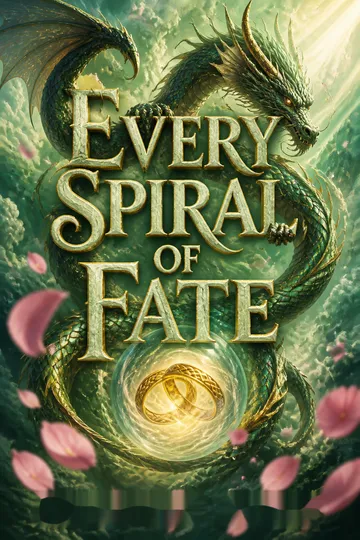
About the Author
Other books by Tahereh Mafi








Download PDF
Download EPUB
.epub digital book format is ideal for reading ebooks on phones, tablets, and e-readers.








