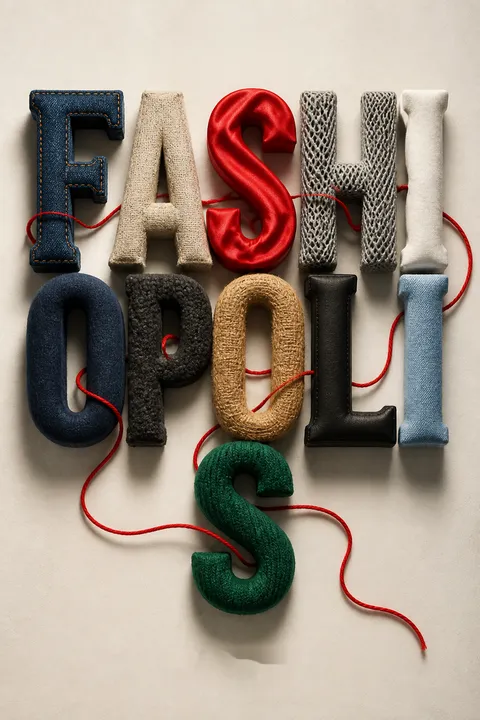


Key Takeaways
Treat a $5 shirt as a bill someone else is being forced to pay
The sticker is partial. The book opens with a Zara cotton jacket sold for $39. Its low price depends on production dispersed across subcontractors, often where labor protections are weak. Cotton growing and dyeing add environmental costs that never appear on the receipt. The jacket reflects a wider system in which consumers rarely see who made a garment or what making it required.
Abundance is engineered. Americans bought an average of 68 garments a year, while the world acquired about 80 billion clothing items annually. Roughly one-fifth of production went unsold, often to be buried, shredded, or burned. The book's point is not that every shopper alone caused this damage. It is that the bargain is made possible by shifting costs onto workers, communities, and the environment.
What's striking is how the price tag functions as a boundary around moral attention: what is outside the transaction can feel as if it does not exist. Environmental economics calls such unpriced harms externalities. The jacket makes that abstraction tangible by joining labor conditions, agricultural chemicals, and disposal in one ordinary purchase. Still, personal restraint cannot repair a supply chain designed around low costs and high volume. Consumer choices matter most when they reinforce demands for enforceable standards, traceable sourcing, and less overproduction, rather than becoming a test of individual purity.
Fast fashion turned trend imitation into a permanent production treadmill
Speed became strategy. The older apparel business planned seasonal collections far in advance, leaving retailers to guess what would sell. Quick response methods aimed to use sales data, smaller initial orders, and faster reorders to reduce unsold stock. Zara adapted this logic into a constant stream of new merchandise, moving designs from concept to store in weeks rather than months.
The cycle accelerated. Zara refreshed stores twice a week, and its shoppers visited about 17 times a year, compared with roughly four visits to other fast-fashion stores. From 2000 to 2014, global clothing production doubled to about 100 billion pieces annually, while the average consumer bought 60 percent more garments. Designers such as Mary Katrantzou developed original prints that fast-fashion companies could quickly copy and sell for much less.
The system's ingenuity is real: quicker feedback can reduce forecasting errors and inventory waste. But efficiency gains do not guarantee lower resource use. When speed makes novelty cheaper and more frequent, savings can trigger a rebound effect, meaning lower costs encourage more consumption and erase some efficiency gains. The same dynamic appears in energy use and digital services. A useful test for any faster fashion model is therefore not simply how quickly it responds, but whether total production and discarded inventory actually fall.
Trace every subcontractor, because a brand label can conceal the real factory
Responsibility gets diluted. Brands often contract with suppliers that subcontract work again, leaving companies able to deny knowledge of where garments were made. Voluntary supplier codes and announced inspections proved easy to evade. The book reports that fewer than 2 percent of garment workers earned a living wage, while dangerous factories and wage theft persisted even in Los Angeles.
Rana Plaza exposed the stakes. In 2013, workers were ordered back into a visibly damaged factory building in Bangladesh. It collapsed, killing 1,134 people and injuring thousands. Brands whose clothes were found in the rubble disputed responsibility or said production had been unauthorized. Afterward, a legally binding safety accord helped drive repairs to 97,000 hazards in 1,600 factories, evidence that monitoring with real obligations can matter.
This is a classic principal-agent problem: a brand sets price and delivery demands, while distant contractors control daily conditions, and each party can shift blame when harm occurs. Transparency helps, but disclosure alone does not create accountability. The important distinction is between an audit that reports a problem and a governance system that requires correction, protects workers who speak up, and assigns liability across the chain. The safety accord's reported repairs show that private commitments can have force when they are binding and independently monitored.
Follow jeans from cotton field to washhouse to see fashion's hidden footprint
The damage travels. Conventional cotton uses a disproportionate share of agricultural pesticides and large quantities of water. A single kilogram can require about 10,000 liters to grow, according to figures cited in the book. After weaving and dyeing, jeans are often distressed to look worn. Traditional finishing can use about 70 liters of water per pair, along with energy and chemicals; workers may sand denim by hand in hot, dusty rooms.
Cleaner methods exist. Jeanologia combines laser distressing, ozone fading, and a washing method using microscopic bubbles. Its system can sharply reduce water, energy, and chemical use compared with conventional finishing. Sarah Bellos's Stony Creek Colors also grows natural indigo for denim, offering an alternative to petroleum-based synthetic dye. Neither innovation removes every impact, but both show how production choices shape a garment's footprint.
Jeans are a useful case study because their familiar appearance hides a complex life cycle. Life-cycle analysis follows impacts from raw material extraction through manufacture, use, and disposal, preventing a cleaner factory from being mistaken for a clean product. The book's examples show why intervention at several stages matters. Yet efficiency should not become a license to make more jeans. A process that uses less water per pair can still consume more water overall if output keeps expanding.
Rebuild fashion around skilled local relationships, not simply cheaper sourcing
Local production can work. In Florence, Alabama, designer Natalie Chanin built a business around regional sewing skills, organic cotton, and made-to-order sales. Her team grew cotton with local partners, processed it through nearby mills, and turned the cloth into garments. Her handmade pieces cost more because sewing labor is paid fairly; workers can receive 25 to 50 percent of a garment's retail price, depending on the work.
Scale is a choice. Chanin's operation makes about 120 garments a day, far less than the enormous factories that once dominated the town. Direct online sales, low overhead, training, and close relationships help the company remain viable. The approach also restores knowledge of how clothing is constructed, knowledge lost when production and design became separated by thousands of miles.
The local model rebuilds social visibility: makers, designers, and customers are less abstract to one another, which can make quality and working conditions easier to scrutinize. It also resembles resilient regional food systems, where shorter networks can preserve skills and keep value circulating nearby. But proximity is not proof of justice, and small-batch prices exclude many buyers. The useful lesson is not that every garment must be local. It is that a business should make its labor conditions legible and price products to reflect the work inside them.
Bring manufacturing closer with automation, but count jobs and working conditions honestly
Reshoring is not restoration. The book uses rightshoring for modern domestic production that combines proximity with advanced technology and greater transparency. At England's Tower Mill, new machinery enabled about 140 employees to produce yarn in a building that once required far more workers for comparable output. Similar high-tech mills have reopened in the American South.
The jobs change. Automation can reduce repetitive, hazardous tasks and create technical roles, but it cannot bring back the old volume of factory employment. Sewing robots, called Sewbots, can handle some standardized garments quickly, while skilled people still supervise equipment and perform complex work. The technology may also threaten garment jobs in lower-wage countries, where millions rely on apparel manufacturing.
The debate is often framed as a choice between jobs and machines, but the more precise question is who receives productivity gains and who bears transition costs. Automation can improve safety and reduce drudgery, yet displaced workers need training, income support, and a voice in how factories are redesigned. The book's strongest point is that a clean factory is not automatically a fair economy. A just transition measures job quality and community consequences alongside output and labor cost.
Choose materials at the design stage, where much of fashion's damage begins
Design sets the footprint. Stella McCartney's Environmental Profit and Loss system estimates the environmental costs of materials and production across her supply chain. It revealed that cashmere, though just 0.13 percent of her material use, accounted for 25 percent of the company's measured environmental impact. Replacing virgin cashmere with reclaimed fiber reduced that share to 2 percent.
Alternatives can change the equation. McCartney also pursued organic cotton, forest-traceable viscose, and regenerated nylon. Other innovators explored leather-like material made from cultivated collagen, silk proteins produced through fermentation, and fibers made from discarded cotton. These choices move sustainability upstream, before a product's material and construction are locked in. They also show that environmental responsibility can be built into luxury design rather than added as a marketing claim afterward.
The cashmere example demonstrates the value of measuring impacts before they become invisible inside a finished product. In systems design, upstream decisions often constrain downstream options: choosing a fiber determines which dyes, processes, and recycling routes are feasible. Still, a single score cannot settle every material comparison. Impacts vary with energy sources, farming methods, durability, and end-of-life handling. Measurement is most credible when assumptions are visible and when claims distinguish reductions at the source from offsets elsewhere.
Make garments circulate through repair, resale, rental, and fiber recovery
Waste can become feedstock. A circular system aims to keep clothing and materials in use instead of following a one-way path from raw material to landfill. The book cites an estimate that 87 percent of clothing is landfilled or incinerated, while only 1 percent is recycled into new clothing. Evrnu regenerates fiber from discarded cotton; Worn Again separates polyester and cotton from blended fabric; ECONYL turns waste such as old carpets and fishing nets into new nylon.
Keep useful clothes useful. Recycling is only one option. Patagonia repairs and resells used garments, and Eileen Fisher takes back clothing for refurbishment or redesign. Rental and resale platforms extend the use of individual pieces. Repair and reuse preserve the labor and resources already invested in a garment; fiber recovery becomes valuable when an item is no longer wearable.
Circularity is more than a clever recycling technology. It asks designers and companies to plan for a product's next use before its first sale. That approach is compatible with industrial ecology, which treats waste from one process as a possible input to another. The hierarchy matters: recycling consumes energy and may degrade fibers, so extending wear can be preferable. Rental and resale also deserve scrutiny for transport, cleaning, and rebound effects. Their environmental value depends on replacing new purchases, not merely adding another way to shop.
Build a wardrobe around repeat wear, not the fear of being seen twice
Novelty has a social engine. The book describes a Cinderella syndrome in which shoppers avoid appearing in the same outfit twice online. Some buy clothes, photograph them, and return them, while rapid trend cycles make last week's look feel old. Social media and constant store refreshes intensify that pressure, encouraging people to treat clothes as temporary content rather than useful possessions.
Choose by use, not urgency. Before buying, consider whether a garment fills a real need, how it was made, and whether it is likely to be worn repeatedly. Then care for it: wash less often, use cold water and a short cycle, repair damage, and seek resale or rental when a one-time look is the goal. These choices make personal style less dependent on endless replacement.
Clothing is both practical and expressive, so reducing consumption need not mean rejecting fashion or pleasure. The more durable shift is to detach self-expression from constant novelty. Behavioral science helps explain why: visible social rewards arrive immediately, while environmental costs are distant and dispersed. But readers should not be asked to solve an industrial problem through closet discipline alone. Better product standards, worker protections, and limits on wasteful production are necessary companions to more deliberate personal habits.
Analysis
Fashionopolis is strongest when it treats clothing not as a sequence of isolated purchases but as an industrial system whose incentives connect trend forecasting, labor costs, material choice, retail, and disposal. Its narrative begins with a cheap jacket and follows the hidden transfers that make the price possible. The historical account matters because it shows that today's model is not an accidental excess: mechanization, trade policy, global sourcing, and rapid retail cycles repeatedly reorganized production around scale and lower costs.
The book's alternatives are deliberately plural. Hyperlocal makers restore relationships and craft knowledge. Rightshoring uses technology to make nearby production viable. Material innovators redesign fibers and dyes. Repair, rental, and resale extend product life. None is a complete substitute for the others, and the book does not pretend otherwise. That is a strength: system change requires interventions at the farm, factory, design studio, store, and household.
The central tension is that efficiency and sustainability can pull apart. Faster feedback, automation, and lower-impact materials can reduce waste per item, while also making higher volume and faster replacement easier. A lower footprint per garment is not enough if the total number of garments continues to rise. The relevant measures must include absolute production, durability, labor conditions, and whether circular services displace new purchases.
The account also resists a simple moral division between ethical small brands and unethical corporations. Large companies can finance cleaner processes at scale, while small firms can struggle with price and access. Yet company pledges and eco-labels are weak substitutes for enforceable standards, transparent supply chains, and worker power. Consumers can signal demand and keep clothes in use, but they cannot audit factories or correct an incentive system alone. The book's practical conclusion is therefore both personal and political: care about what is worn, while demanding that the institutions making and selling it take responsibility for the entire garment's life.
Review Summary
Fashionopolis explores the environmental and social impacts of fast fashion, offering insights into sustainable alternatives and technological innovations. While praised for its comprehensive research and engaging writing, some reviewers found the solutions presented unaffordable for average consumers. The book highlights issues like waste, pollution, and labor exploitation in the fashion industry. It discusses eco-friendly practices, recycling initiatives, and ethical production methods. Readers appreciated learning about the fashion supply chain but wished for more practical advice on sustainable consumption for those with limited budgets.
People Also Read


Glossary
Fast fashion
Rapid, low-cost trend productionA business model that produces large quantities of inexpensive, trend-led clothing on short timelines, often using outsourced and subcontracted factories. Frequent new merchandise encourages shoppers to visit stores and buy more often. The book argues that this model spread beyond budget retailers, influencing how the wider fashion industry designs, manufactures, and sells clothes.
Slow fashion
Smaller, considered clothing productionA movement that counters fast fashion by emphasizing quality, craftsmanship, regional production, fair treatment of workers, and reduced environmental impact. Slow fashion can use modern tools, but it resists growth and speed as goals in themselves. Businesses in the book use made-to-order production, local relationships, and more durable garments to put those priorities into practice.
Rightshoring
Modern production near consumersThe book's term for rebuilding domestic manufacturing with current technology, transparency, and improved production standards. It is distinct from simply restoring old factories and employment patterns. Rightshoring may use automation and imported raw materials while locating processing closer to customers, shortening supply chains and making oversight more practical.
Quick response
Data-guided production schedulingA manufacturing and retail approach developed to reduce the waste of guessing demand far in advance. Companies test products, begin with smaller orders, monitor sales, and reorder items that perform well. Zara adapted this logic into frequent merchandise updates. The approach can limit unsold stock, though faster turnover can also encourage more shopping.
Environmental Profit and Loss
Monetized environmental impact accountingA system used by Stella McCartney's company to estimate and assign monetary values to environmental impacts across its supply chain. It tracks categories including emissions, pollution, water use, waste, and land use. The resulting assessment helps identify which materials and practices contribute most to impact and where changes could make a measurable difference.
Higg Index
Standardized supply-chain assessmentA measurement tool developed by the Sustainable Apparel Coalition to assess environmental, social, and labor practices in apparel brands and facilities. The book describes it as an effort to create a shared method for evaluating supply chains. Its promise depends on the quality, transparency, and public accessibility of the underlying assessments.
Jeanologia
Cleaner denim-finishing technologyA company and system for reducing the environmental and health costs of finishing jeans. Its processes use lasers for distressing, ozone for fading, and a nanobubble washing method to reduce water use. These techniques replace or limit more hazardous and resource-intensive practices such as hand sanding, chemical bleaching, and conventional washing.
Sewbots
Computer-vision sewing robotsTrademarked automated machines developed by SoftWear Automation to manipulate and sew fabric. Computer vision tracks the material so the machines can stitch seams and finish edges with little direct handling. Sewbots can make standardized products quickly, but their spread raises questions about job displacement, worker retraining, and whether automation increases total production.
Evrnu
Regenerated postconsumer cotton fiberA textile technology company that turns discarded cotton garments into new fiber. Its process cleans and dissolves cotton into cellulose, then extrudes that material into fiber for use in new textiles. The company also emphasizes designing products so their materials can be recovered again, rather than creating blends that are difficult to recycle.
ECONYL
Regenerated nylon from wasteA regenerated nylon made by Aquafil from discarded materials such as fishing nets, old carpets, and fabric scraps. The waste is processed back into nylon building blocks and made into yarn for products including clothing, swimwear, and handbag linings. The process offers a way to use existing nylon resources rather than relying only on newly produced material.
FAQ
What's Fashionopolis about?
- Exploration of Fast Fashion: Fashionopolis by Dana Thomas examines the fast fashion industry, focusing on its societal, environmental, and labor impacts. It critiques how brands like Zara and H&M have made clothing disposable.
- Consequences of Consumption: The book highlights the environmental degradation caused by fashion, including pollution and waste, and stresses the need for sustainable practices.
- Future of Fashion: Thomas presents hopeful alternatives, showcasing innovators and brands that prioritize sustainability and ethical production, advocating for a more responsible fashion industry.
Why should I read Fashionopolis?
- Awareness of Impact: The book increases awareness of fast fashion's hidden costs, from environmental damage to human rights abuses, encouraging critical thinking about clothing choices.
- Inspiration for Change: It offers insights into how consumers can influence the fashion industry by supporting sustainable brands, empowering readers to make informed decisions.
- Comprehensive Research: Dana Thomas combines storytelling with factual analysis, providing extensive research and interviews with industry insiders, making it a credible and engaging source of information.
What are the key takeaways of Fashionopolis?
- Fast Fashion's Dark Side: The book reveals exploitative labor practices and environmental destruction, with fewer than 2% of garment workers earning a living wage.
- Consumer Responsibility: Thomas emphasizes the role of consumers in driving change, urging them to consider the cultural and spiritual implications of their shopping habits.
- Hope for Sustainability: Emerging brands and practices that prioritize sustainability are showcased, suggesting a path forward for the industry towards a more principled value system.
What are the best quotes from Fashionopolis and what do they mean?
- “I really don’t care, do you?”: This quote refers to Melania Trump's Zara jacket, symbolizing indifference towards fast fashion's consequences and the disconnect between consumer choices and societal impact.
- “The expectation is to keep up with the ever-changing trends.”: It critiques the relentless pressure on consumers to buy new clothing, prioritizing profit over sustainability and ethics.
- “We can get dressed with intention.”: Encourages mindful clothing choices, suggesting consumers can influence the industry by choosing quality and sustainability over quantity.
How does Fashionopolis address sustainability?
- Critique of Current Practices: Thomas critiques fast fashion's unsustainable practices, noting the doubling of clothing waste in America from 7 to 14 million tons.
- Showcasing Alternatives: The book highlights brands and innovators leading in sustainable fashion, discussing hyperlocalism and other innovative business models.
- Call to Action: Thomas urges consumers to support sustainable practices and rethink shopping habits, advocating for a more conscious approach to fashion consumption.
What are the main criticisms of fast fashion in Fashionopolis?
- Labor Exploitation: Fast fashion often relies on cheap labor in developing countries, leading to poor working conditions, with most workers being women and children.
- Environmental Damage: The book details significant environmental impacts, including water pollution and waste, with the fashion industry consuming one-fourth of global chemicals.
- Consumer Culture: Thomas critiques the culture of disposability promoted by fast fashion, where clothing is worn a few times before being discarded, fueling overconsumption and waste.
How does Dana Thomas propose to change the fashion industry?
- Advocating for Slow Fashion: Thomas promotes slow fashion, emphasizing quality over quantity and sustainable practices, aligning with pre-industrial fashion's collective and sociable process.
- Consumer Education: She stresses educating consumers about their choices' impact, encouraging cultural and spiritual consideration in shopping habits.
- Support for Ethical Brands: Thomas highlights the need to support brands prioritizing ethical production and sustainability, showcasing innovators making strides towards a responsible industry.
What role do consumers play in the fashion industry according to Fashionopolis?
- Driving Demand for Change: Consumers can influence the industry by supporting sustainable brands, playing a pivotal role in shaping fashion's future.
- Rethinking Consumption Habits: The book encourages rethinking shopping habits, emphasizing the need to quit mindless shopping and make intentional choices.
- Advocating for Transparency: Consumers can demand transparency from brands about production practices, advocating for an ethical supply chain.
What is the environmental impact of fast fashion as discussed in Fashionopolis?
- Massive Waste Generation: Fast fashion generates significant waste, with 87% of clothing produced annually ending up in landfills or incinerated.
- Resource Depletion: The industry consumes vast amounts of water and energy, with a single cotton T-shirt requiring approximately 2,700 liters of water.
- Pollution and Chemical Use: Fashion is a major source of water pollution, with toxic chemicals used in dyeing and finishing contaminating waterways.
How does Fashionopolis address labor exploitation in the fashion industry?
- Sweatshop Conditions: The book discusses harsh realities faced by garment workers, earning as little as $2 a day, highlighting systemic exploitation.
- Calls for Accountability: Emphasizes holding brands accountable for supply chain practices, advocating for transparency and ethical labor standards.
- Empowerment of Workers: Shares stories of activists fighting for workers' rights, showcasing efforts to improve conditions in the garment industry.
What sustainable practices are highlighted in Fashionopolis?
- Use of Organic Materials: Emphasizes the shift towards organic cotton and sustainable materials, with lower environmental impact compared to conventional options.
- Innovative Recycling Methods: Discusses initiatives like ECONYL, recycling waste into new fabrics, demonstrating potential for a circular economy in fashion.
- Local and Ethical Production: Highlights brands prioritizing local production and ethical labor practices, reducing carbon footprint and supporting community economies.
How does Fashionopolis propose to change consumer behavior?
- Mindful Consumption: Advocates for buying fewer, longer-lasting items, promoting a shift away from fast fashion mentality towards valuing quality.
- Emphasis on Secondhand and Rental Options: Highlights secondhand shopping and clothing rentals as sustainable alternatives, reducing overproduction and waste.
- Education and Awareness: Aims to educate readers about the impacts of their purchasing decisions, inspiring informed choices aligned with personal values.
Download PDF
Download EPUB
.epub digital book format is ideal for reading ebooks on phones, tablets, and e-readers.








